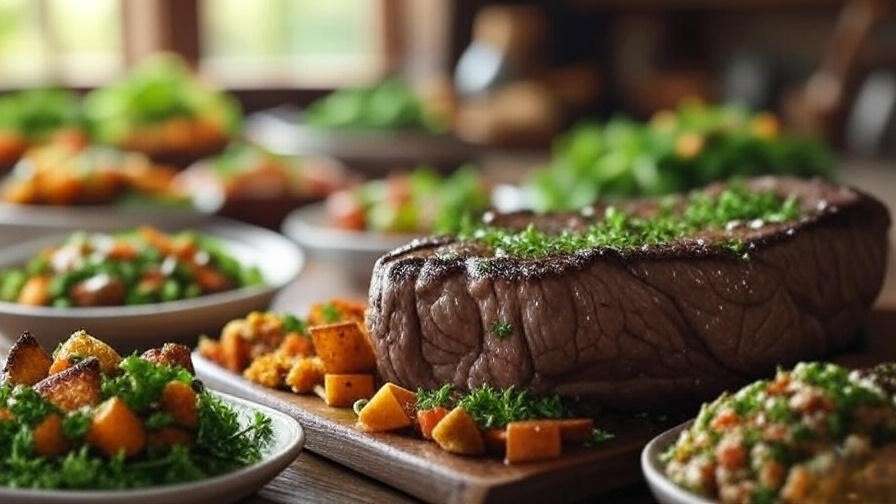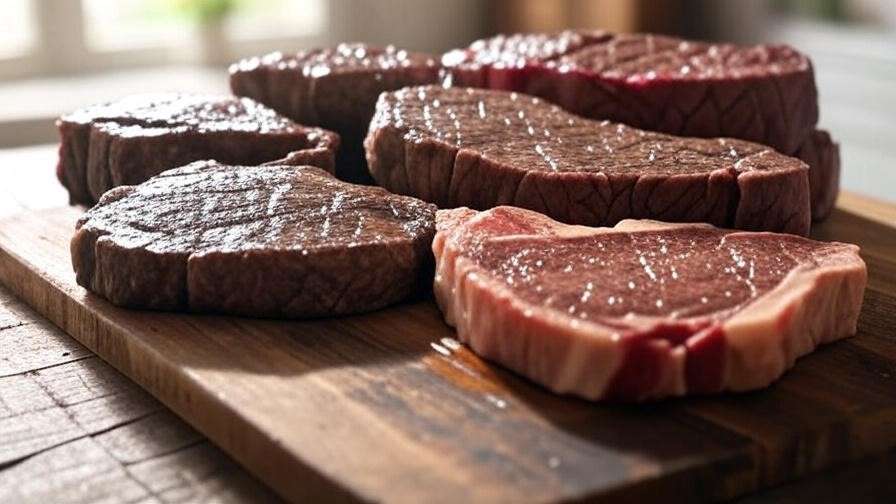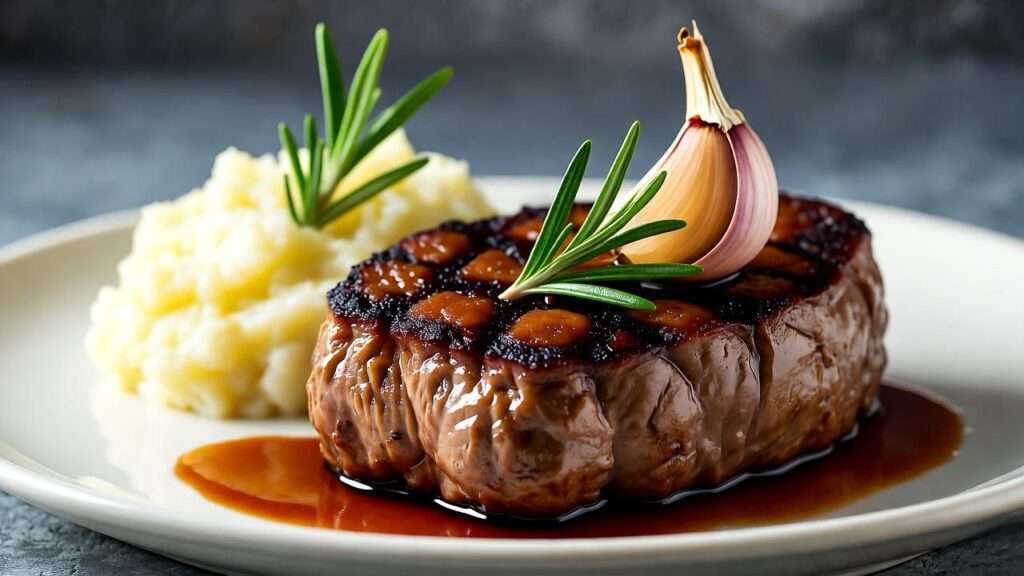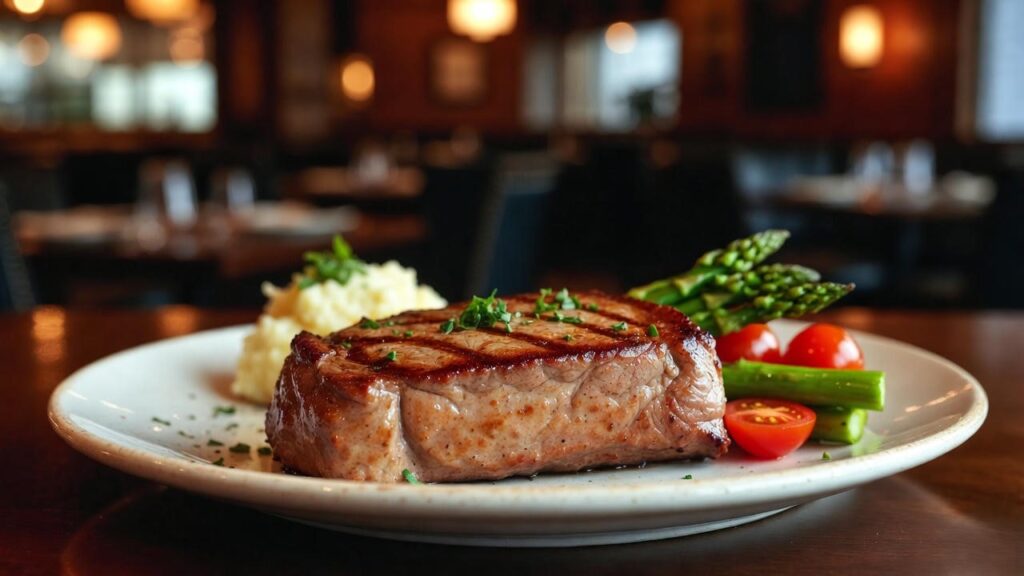
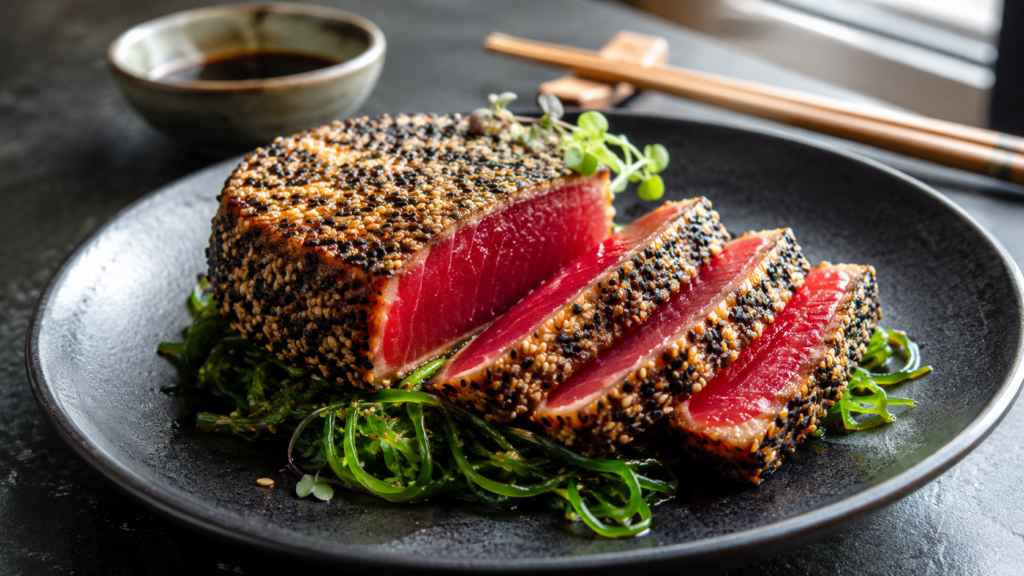
Imagine walking up to your local grocery store’s seafood counter, planning a spectacular weekend dinner. Your mouth is watering for a perfectly seared, ruby-red piece of fresh fish crusted in black sesame seeds. Then, you look down at the little plastic sign in the ice display and freeze. The current tuna steak price can trigger instant sticker shock, often clocking in at a premium tier that makes it completely unsustainable for a regular household grocery budget.
High-quality seafood has transformed from an accessible source of lean protein into an elite luxury item. But what if you could satisfy that exact craving for a deep, savory, umami-rich dinner without emptying your wallet?
By applying modern culinary science to a plant-based diet, you can replicate the gourmet texture, striking appearance, and briny depth of a premium fish dinner at a fraction of the cost. Whether you are fully vegan, exploring a flexitarian lifestyle, or simply trying to survive inflation at the supermarket, reclaiming your budget doesn’t mean sacrificing the joy of a sophisticated home-cooked meal.
Breaking Down the Current “Tuna Steak Price” (And Why It’s So High)
To understand the immense financial relief that plant-based alternatives provide, we must first look objectively at what is happening in the global seafood market. When consumers search for seafood options, they are often confronted with highly volatile pricing structures that fluctuate based on season, geography, and shipping logistics.
What to Expect When Pricing Fresh Tuna
-
Ahi and Yellowfin Tuna: This is the most common variety found at standard grocery stores and fishmongers. Depending on your proximity to the coast, fresh, wild-caught yellowfin generally ranges anywhere from $15 to $30+ per pound. For a family of four, purchasing raw portions can easily set you back $40 to $60 for a single meal—and that is before adding sides or seasonings.
-
Bluefin Tuna (The Premium Tier): If you are looking for true sushi-grade Bluefin, prices escalate drastically. Because it is highly prized for sashimi due to its high fat content, it frequently commands prices from $40 to over $100 per pound in specialty markets.
The Driving Factors Behind the High Costs
Why are we paying a premium at the counter? The reality of commercial fishing includes massive overhead costs that are continuously passed down to the consumer:
Expert Insight: Unlike farmed fish varieties, large predatory fish like tuna cannot be easily aquaculture-raised at scale. They must be wild-caught using commercial vessels that require immense fuel, specialized longline or purse seine equipment, and highly paid crews working in hazardous open oceans.
Furthermore, the logistical chain required to bring fresh fish inland is a marvel of expensive engineering. To prevent rapid spoilage and the development of dangerous scombroid poisoning (histamine toxicity), the catch must be immediately flash-frozen or kept on specialized sub-zero cold chains from the moment it leaves the water until it reaches the retail display case. When you pay the retail price, you aren’t just paying for the fish; you are paying for an incredibly energy-intensive transport system.
Beyond the Wallet: The Hidden Costs of Traditional Tuna
While the immediate monetary strain is often what drives shoppers to seek alternatives, the hidden biological and environmental costs of consuming apex marine predators are equally steep.
Why a High Price Tag Isn’t the Only Concern
The Mercury Factor
Because tuna sit at the top of the ocean food chain, they live for years consuming smaller fish, a biological process known as bioaccumulation. Heavy metals, particularly methylmercury, enter the marine ecosystem through industrial pollution and work their way up the food web.
Because large fish cannot easily excrete this toxin, it concentrates heavily in their muscle tissue. Regular consumption of high-mercury fish poses documented neurological risks, leading health agencies worldwide to place strict limits on how many servings pregnant individuals and young children should consume per month.
Environmental Impact and Overfishing
Commercial longline fishing methods are incredibly non-selective. For every targeted fish hauled onto a deck, commercial lines frequently trap and kill non-target marine life, including sea turtles, sharks, and marine mammals—a phenomenon known as bycatch. Additionally, according to global marine conservation data, several populations of major tuna species have historically hovered near overexploited thresholds due to the relentless global demand for sushi and canned products.
Enter Plant-Based “Seafood”: The Ultimate Budget Hack
This is where the magic of a plant-based diet changes the game. Transitioning to plant-based seafood is not about settling for bland substitutes; it is an intelligent, chef-driven culinary strategy that relies on basic chemistry to trick your senses.
[The Culinary Formula for Plant-Based Seafood]
Dense Plant Fiber (Watermelon/Tomato) + Marine Infusion (Nori/Kelp) + Umami Boost (Soy/Tamari) = Gourmet Vegan Seafood
The foundational secret of vegan seafood formulation rests on a simple, liberating truth: Fish do not inherently taste like the ocean; they taste like the ocean because they eat microalgae, sea vegetables, and smaller organisms.
By bypassing the fish entirely and going directly to marine botanicals like nori, dulse, wakame, and kelp flakes, you can capture that signature “sea breeze” aromatic profile perfectly. When you couple these oceanic flavors with naturally dense plant tissues that mimic the texture of fish flakes or raw sashimi, you achieve a stunning culinary illusion for pennies on the dollar.
Alternative 1: The Watermelon “Tuna” Steak (The Visual Twin)
If you have ever seen a photo of a roasted watermelon steak online, you might have assumed it was a gimmick. However, high-end plant-based bistros worldwide utilize this exact technique to substitute for seared ahi tuna because the visual and textural results are mind-blowing.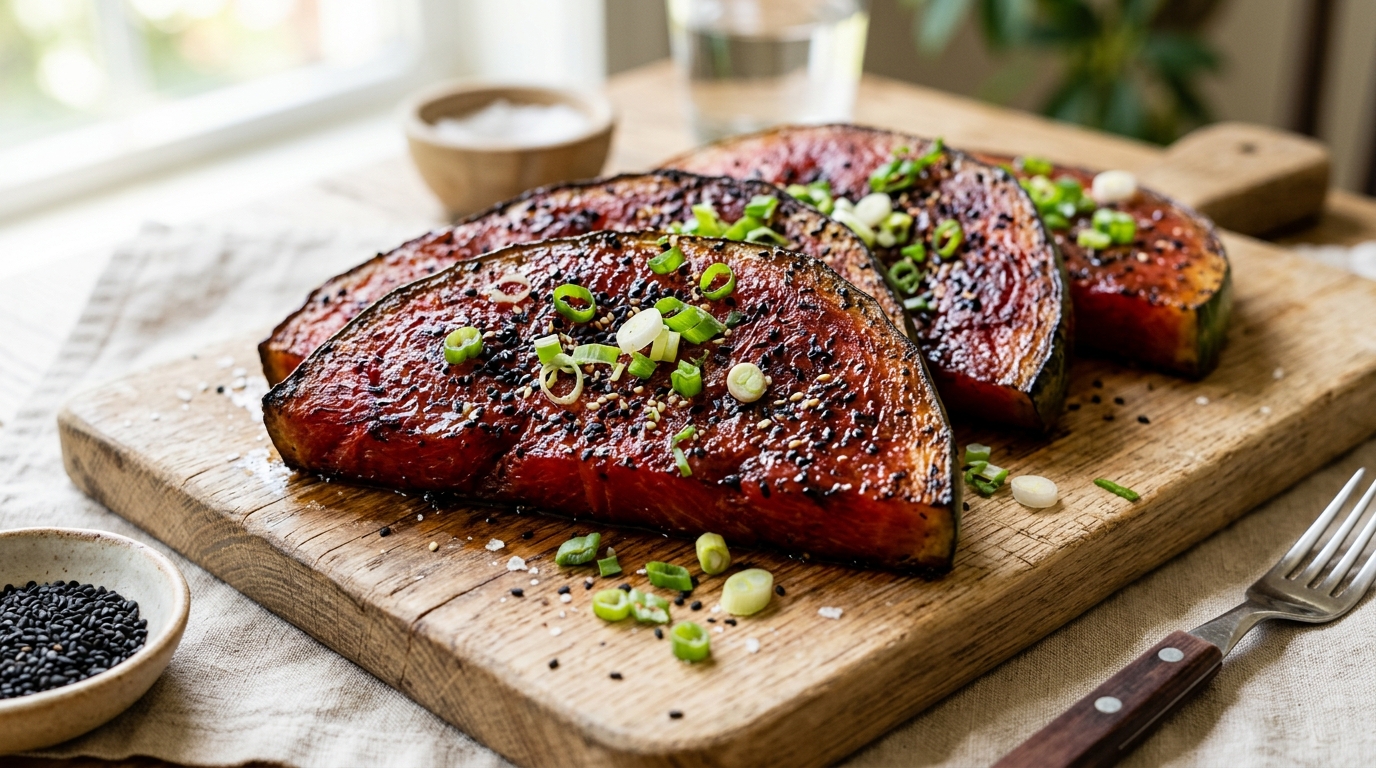
Transforming a $5 Fruit into a Gourmet “Ahi” Steak
The Cost Breakdown
A single, modest-sized whole watermelon typically costs between $4 and $7 depending on the season. From that single fruit, an experienced cook can slice 6 to 8 massive, uniform “steaks” from the dense center core, with plenty of leftover trimmings for salads or smoothies.
-
Real Tuna: 8 portions (approx. 3-4 lbs) = $60.00 – $120.00
-
Watermelon Tuna: 8 portions = $5.00 (plus minimal pantry staple marinade costs)
The Science of Texture
In its raw state, watermelon is crisp, porous, and highly aqueous. It feels nothing like fish. However, when you subject watermelon to low, slow heat—either via baking in an oven or dehydrating—a miraculous structural transformation occurs.
The heat breaks down the rigid cell walls of the fruit, allowing the excess water to evaporate. As the moisture exits, the natural sugars concentrate slightly, and the remaining plant fibers compress tightly against one another. The result is a dense, yielding, remarkably “meaty” texture that shears elegantly under a knife, perfectly mimicking the mouthfeel of raw or lightly seared ahi.
Essential Marinade Ingredients
To strip away the overt sweetness of the fruit and replace it with savory richness, compress or marinate your watermelon slices for at least 2 hours (ideally overnight) in the following mixture before baking:
-
Low-Sodium Soy Sauce or Tamari: Provides the foundational deep salty base and rich brown color.
-
Toasted Sesame Oil: Infuses the characteristic nutty fat profile common in upscale tuna preparations.
-
Rice Vinegar: Delivers a bright acidity to cut through the richness.
-
Finely Grated Nori Sheet or Kelp Powder: The non-negotiable ingredient that instantly shifts the flavor profile from “fruity” to “authentically marine.”
Alternative 2: Marinated Roma Tomato “Sashimi” & Steaks (The Texture Match)
While watermelon captures the scale of a large loin, the humble tomato provides an unparalleled texture match for raw sashimi or delicate pan-seared medallions. Tomatoes are naturally packed with free glutamates—the organic compounds responsible for the deeply satisfying taste sensation known as umami.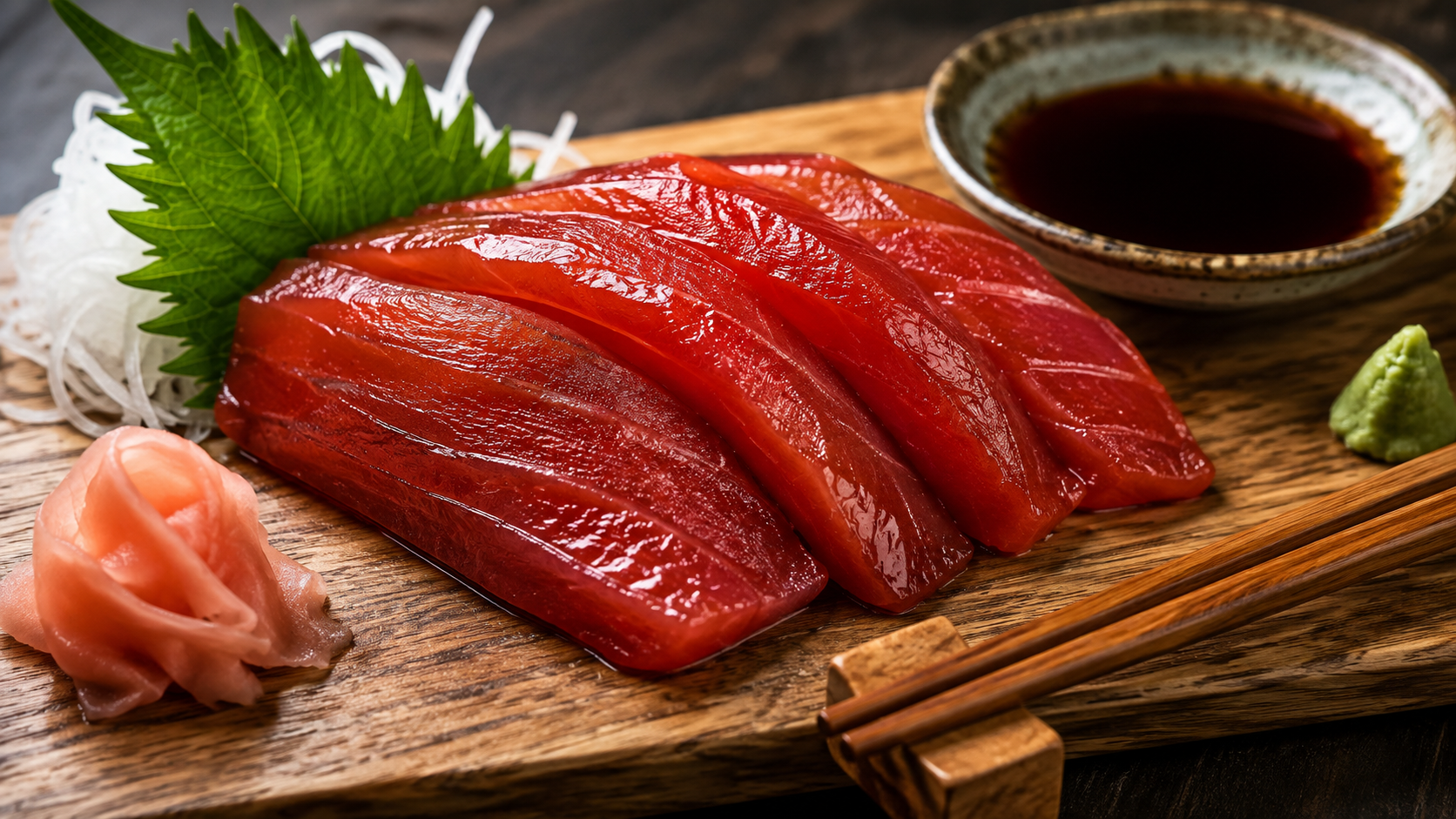
The Umami Power of the Humble Tomato
The Cost Breakdown
A pound of fresh, firm Roma tomatoes typically ranges from $1.50 to $2.50. This small investment can yield a mountain of vibrant, ruby-red plant-based fish substitutes, making it an exceptionally budget-friendly option for home cooks looking to bypass the seafood counter.
The Prep Method
To transform a basic garden vegetable into a convincing seafood duplicate, you must remove the components that give away its identity: the skin and the watery, seed-filled core.
-
The Blanch: Score a small “X” onto the bottom of each Roma tomato. Drop them into a pot of rolling, boiling water for exactly 30 to 45 seconds until the skins begin to wrinkle and split.
-
The Shock: Immediately plunge the tomatoes into a bowl filled with ice water. This stops the cooking process instantly, keeping the outer flesh firm while allowing the skin to slip off effortlessly.
-
The Core: Quarter the peeled tomatoes lengthwise and use a small paring knife to slice away the inner seeds and gelatinous pulp. What remains are smooth, curved, fleshy fillets that visually look identical to pristine cuts of yellowfin.
The Kelp Marinade
Because tomatoes carry a natural, bright acidity, your marinade needs to ground them in deep, earthy, oceanic flavors. Whisk together a blend of warm water, white miso paste (for fermented depth), a splash of mirin, and a generous tablespoon of kelp powder or crushed wakame flakes. Submerge your tomato fillets in this briny bath for at least four hours. As the tomato absorbs the marine marinade, its texture softens slightly, taking on a smooth, luxurious, almost buttery mouthfeel that mimics premium fatty fish.
Alternative 3: Heart of Palm & Chickpea “Tuna” Patties (The Pantry Staple)
For those nights when you crave a hearty, comforting dinner without a trip to a specialty market, looking inside your pantry is the ultimate cost-saving move. If you miss the robust, flaked texture of a thick tuna cake or seared patty, canned staples are your best ally.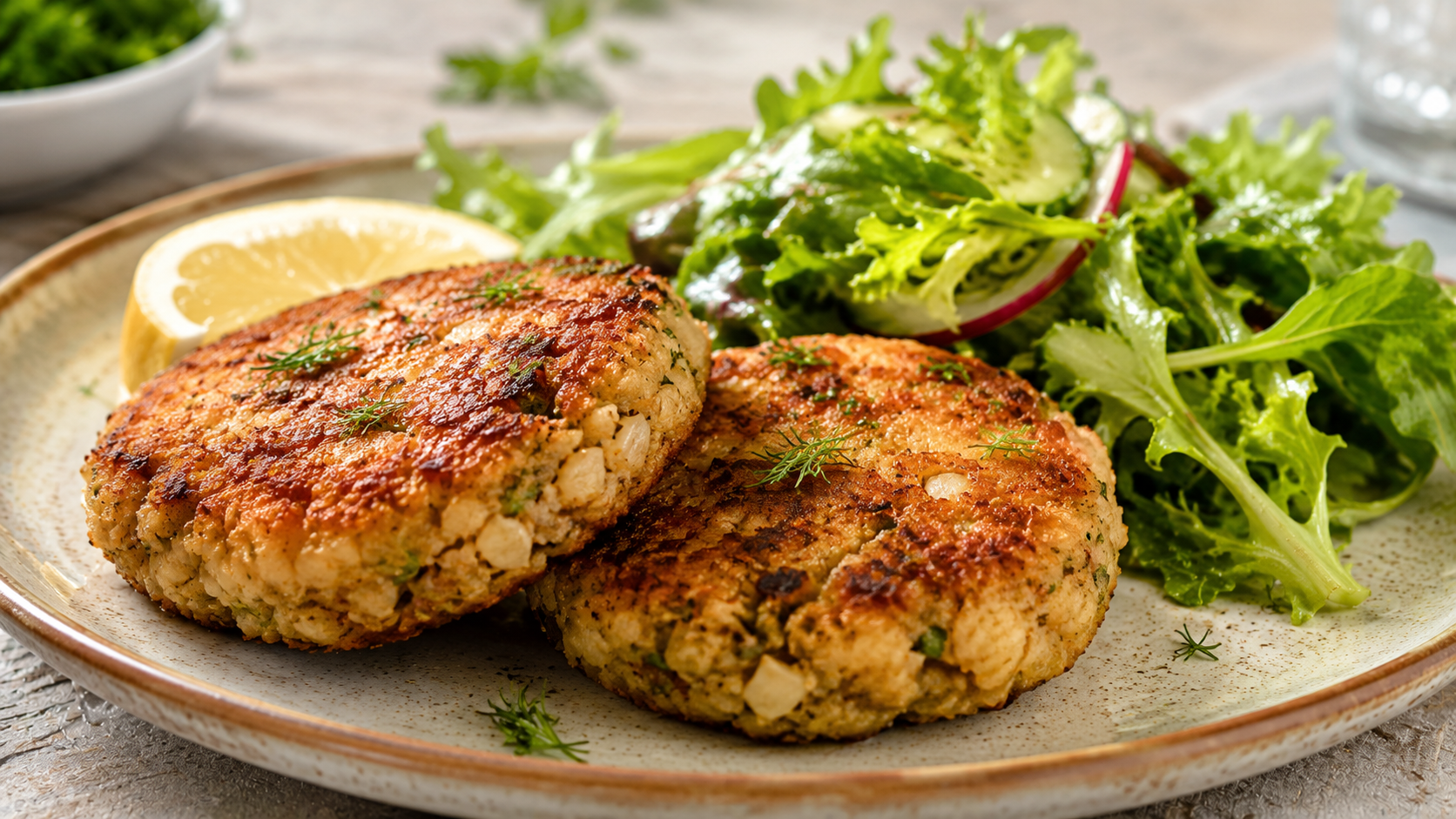
Hearty, Protein-Packed Seared Patties for Under $3 a Serving
The Cost Breakdown
A can of hearts of palm and a can of chickpeas combined will generally cost under $4.00 total. When tossed with a few binders and spices, this combination easily yields four to five large, filling dinner patties, bringing your protein cost down to less than a dollar per serving.
Texture and Binding
Hearts of palm possess a unique, naturally fibrous, cylindrical structure. When gently pressed or shredded with the back of a fork, they break apart into beautiful, irregular flakes that perfectly mimic the flaky grain of a cooked seafood fillet.
To add structural integrity, protein depth, and a satisfying bite, mix the shredded hearts of palm with coarsely mashed chickpeas. The chickpeas act as a nutritional anchor, ensuring the patties feel substantive and filling. To bind the mixture without using heavy eggs or dairy, incorporate a few tablespoons of vegan mayonnaise along with a hit of Dijon mustard and a handful of panko breadcrumbs.
Searing for the Perfect Crust
To elevate these pantry patties into a gourmet presentation worthy of an upscale dinner, focus on the crust. Season the exterior of your patties with a blend of celery salt, black pepper, and Old Bay seasoning. Heat a heavy cast-iron skillet over medium-high heat with a tablespoon of high-smoke-point oil.
Sear the patties for 4 to 5 minutes on each side without moving them prematurely. This patience rewards you with a deeply golden, shatteringly crisp exterior that beautifully contrasts with the tender, flaky, ocean-scented interior.
Real Tuna vs. Plant-Based Alternatives: The Final Tally
To visualize exactly how much money stays in your wallet by making the switch, review this quick-reference marketplace comparison:
| Ingredient Option | Average Cost Per Pound / Yield | Preparation Time | Best Used For |
| Fresh Wild Ahi Tuna | $15.00 – $30.00+ | 10 mins (Minimal) | Traditional Searing, Sashimi |
| Watermelon “Tuna” | $0.50 – $1.00 (Yields multiple loins) | 2–3 hours (Baking/Marinating) | Large “Ahi” Steaks, Poke Bowls |
| Roma Tomato “Sashimi” | $1.50 – $2.50 | 1 hour (Blanching/Marinating) | Sushi Rolls, Nigiri, Light Appetizers |
| Heart of Palm & Chickpea | $2.00 – $3.50 (Total pantry build) | 20 mins (Quick mix & sear) | Crispy Seared Cakes, Flaked Salads |
Expert Culinary Tips: Nailing the “Ocean” Flavor Profile
Achieving a highly believable plant-based seafood dish requires leaning heavily on specific pantry essentials. Keep these three culinary secrets in mind to ensure your mock-seafood dishes taste exceptionally authentic:
-
Embrace the Power of Nori and Dulse: Keep a bag of dulse flakes or a pack of sushi nori sheets in your pantry. Toasting a sheet of nori over an open flame for a few seconds and grinding it into a fine powder creates a seasoning that introduces an instantaneous, clean sea flavor to any marinade.
-
The Magic of Umeboshi Vinegar: Also known as plum vinegar, this liquid is intensely salty, fruity, and sharp. A tiny splash adds a complex, fermented tang that mimics the natural acidity found in fresh, raw seafood.
-
Incorporate Capers and Caper Brine: The briny, slightly floral liquid from a jar of capers adds an excellent layer of depth to your marinades, helping to cut through the natural sweetness of fruit- or vegetable-based fish substitutes.
Frequently Asked Questions (FAQs)
Why is the tuna steak price so much higher than canned tuna?
Canned choices typically rely on smaller, abundant species like Skipjack or Albacore, which can be harvested in massive quantities and processed efficiently en masse. Fresh steaks, however, are cut from much larger Yellowfin, Ahi, or Bluefin loins. These fish require careful, specialized handling, highly regulated catch quotas, and rapid, temperature-controlled transit to ensure they remain safe and pristine for raw or rare consumption.
Does watermelon tuna actually taste like fish?
On its own, cooked watermelon is neutral and mildly sweet. However, once it undergoes low-temperature baking, it loses its water content and behaves like a sponge. When infused with soy sauce, sesame oil, and seaweed powder, it sheds its fruity profile completely, taking on a rich, savory, marine flavor that heavily mimics the experience of eating seasoned ahi.
Are vegan tuna alternatives healthy?
Absolutely. Plant-based alternatives are naturally cholesterol-free, exceptionally low in saturated fats, and contain zero traces of heavy metals like mercury or microplastics. Choosing whole-food bases like tomatoes, chickpeas, and watermelons ensures your meal is packed with natural vitamins, minerals, and dietary fiber.
Where can I buy kelp flakes or vegan fish sauce?
You can easily find kelp flakes, dulse, and seaweed powders in the Asian ingredient aisle of most major supermarkets or at local health food stores. Vegan fish sauces—typically crafted from fermented sea vegetables and shiitake mushrooms—are widely available online or at specialty international grocery stores.
Conclusion: Rethinking the Seafood Menu
Sticker shock at the seafood counter doesn’t have to dictate the quality of your dinners. By understanding how to manipulate simple, budget-friendly whole foods like watermelons, tomatoes, and hearts of palm, you can effortlessly bypass high prices while treating yourself to a sophisticated, restaurant-quality meal.
Embracing these plant-based seafood innovations allows you to protect your household budget, cut down on heavy metal exposure, and lower your environmental footprint—all while enjoying a gorgeous, savory plate that satisfies your deepest culinary cravings. Give one of these techniques a try for your next weekend dinner party, and watch your guests marvel at the thrifty genius of modern plant-based cooking!