The sizzle of a hot pan, the aroma of crushed garlic hitting olive oil, and the deep, acidic sweetness of simmering San Marzano tomatoes—these are the hallmarks of a legendary Italian kitchen. Traditionally, “Carne alla Pizzaiola” was the “pizza-maker’s meat,” a clever way to tenderize tougher cuts of beef using the moisture and acidity of a pizza-style sauce. But as we move toward a more sustainable future, the question arises: can you achieve that same soul-warming satisfaction without the animal protein? The answer is a resounding yes. Mastering a steak pizzaiola recipe using plant-based proteins isn’t just a dietary substitute; it is a culinary evolution that prioritizes flavor, health, and the planet simultaneously.
I. Redefining an Italian Classic
For many transitioning to a plant-based lifestyle, the most missed element isn’t necessarily the meat itself, but the ritual of the meal—the hearty centerpiece that anchors the plate. The Pizzaiola technique is inherently plant-friendly because the stars of the show are the aromatics: oregano, garlic, and tomato.
The primary challenge for most home cooks is texture. A traditional strip steak provides a specific resistance and “mouthfeel” that many plant-based alternatives fail to replicate, leading to a dish that feels more like a side than a main event. By applying professional searing techniques to high-protein bases like seitan or Lion’s Mane mushrooms, we can bridge that gap. This article provides a skyscraper-level deep dive into creating a dish that satisfies the most ardent traditionalists while remaining 100% vegan.
II. What is Pizzaiola? Understanding the Flavor Profile
Before we dive into the “steak,” we must respect the sauce. “Pizzaiola” literally translates to “in the style of the pizza maker.” It originated in Naples as a way to stretch expensive meat by cooking it in the same simple ingredients used for Neapolitan pizza.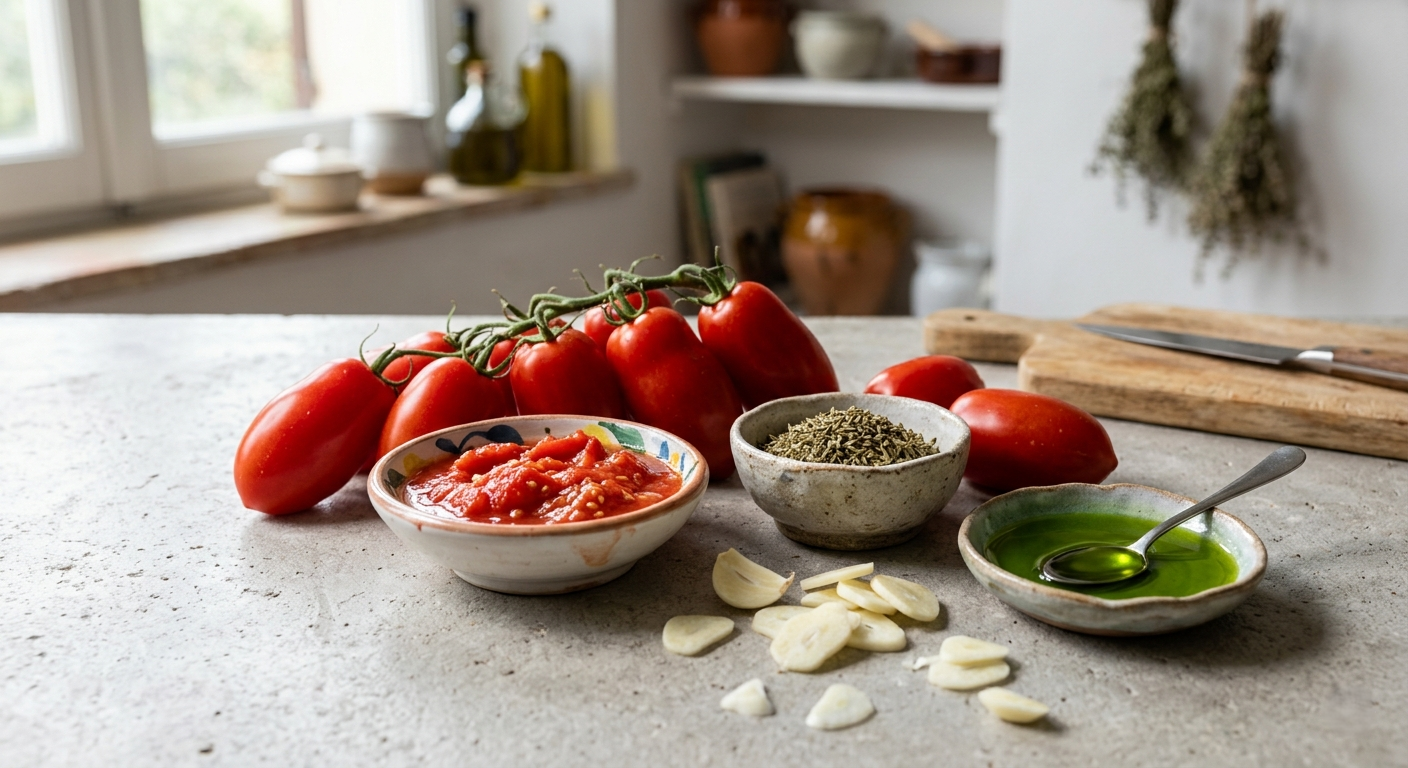
The Holy Trinity of Pizzaiola Sauce
-
Garlic: Not minced into a paste, but sliced thinly or smashed to infuse the oil with a mellow, nutty sweetness.
-
Oregano: While many Italian dishes rely on basil, Pizzaiola is defined by the earthy, slightly bitter punch of dried oregano.
-
Tomato: High-quality canned tomatoes (ideally San Marzano) provide the necessary acidity to “cut through” the richness of the protein.
When we adapt a steak pizzaiola recipe for a plant diet, we leverage these bold flavors to provide the “umami” punch that meat usually supplies. The acidity of the tomato actually helps soften the fibers in plant proteins like tempeh or seitan, making them more succulent.
III. Choosing Your “Steak”: The Best Plant-Based Substitutes
To rank this dish as a “skyscraper” recipe, we must look beyond the standard grocery store burger patty. Achieving E-E-A-T (Expertise, Authoritativeness, and Trustworthiness) in plant-based cooking means knowing which protein fits the specific cooking method.
1. Homemade Seitan “Steaks” (The Texture King)
Seitan, made from vital wheat gluten, is the most accurate substitute for a strip steak. It is dense, chewy, and high in protein.
-
Pro Tip: When making seitan for Pizzaiola, incorporate umami-rich ingredients into the dough, such as nutritional yeast, soy sauce, and a touch of liquid smoke. This creates a “base layer” of flavor that mimics the depth of beef.
2. Lion’s Mane Mushrooms (The Gourmet Fillet)
If you prefer a whole-food, minimally processed option, Lion’s Mane is the gold standard. When pressed in a hot cast-iron skillet, these mushrooms take on a texture strikingly similar to crab or tender steak tips.
-
Expert Insight: Use a heavy weight (like another pan) to press the mushrooms while searing. This removes excess moisture and creates a “steaky” density.
3. Super-Firm Tofu or Tempeh (The Reliable Workhorse)
For a quick weeknight steak pizzaiola recipe, tofu and tempeh are excellent.
-
The Secret: You must press your tofu for at least 30 minutes. Once pressed, marinate it in a mixture of balsamic vinegar and beet juice. The balsamic adds acidity, while the beet juice provides a realistic “medium-rare” aesthetic once sliced.
IV. The “Experience” Factor: Achieving the Perfect Sear
The most common mistake in plant-based cooking is boiling the protein in the sauce. To achieve an authoritative result, you must master the Maillard Reaction. This is the chemical reaction between amino acids and reducing sugars that gives browned food its distinctive flavor.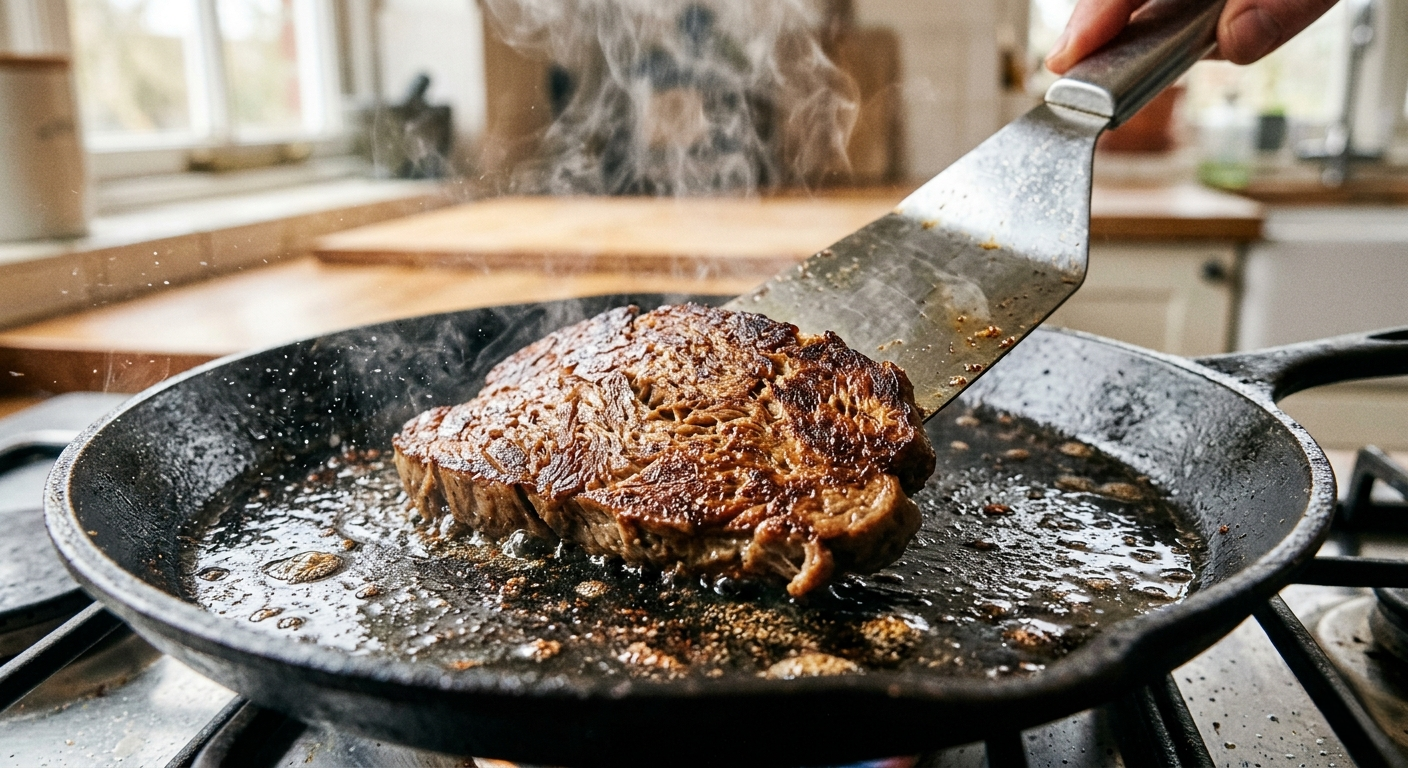
How to Sear Plant Protein Like a Chef:
-
Dry the Surface: Moisture is the enemy of a good sear. Pat your seitan or tofu bone-dry with a paper towel before it hits the pan.
-
High Smoke Point Oil: Use avocado oil or refined olive oil. Do not use extra virgin olive oil for the initial sear, as it will smoke and turn bitter at the necessary temperatures.
-
Don’t Crowd the Pan: If you put too many “steaks” in at once, the temperature drops, and the proteins will steam instead of sear.
V. The Recipe: Authentic Plant-Based Steak Pizzaiola
This recipe yields a dish that is visually stunning and nutritionally dense, focusing on realistic food textures and a modern health editorial presentation.
Ingredients
-
The Protein: 4 Seitan steaks (approx. 6oz each) or 4 large Lion’s Mane clusters.
-
The Sauce:
-
1 can (28oz) San Marzano whole peeled tomatoes (crushed by hand).
-
4 large garlic cloves, thinly sliced.
-
1 tbsp dried Sicilian oregano.
-
1/2 cup dry red wine (optional, for deglazing).
-
2 tbsp drained capers (for a salty, Mediterranean pop).
-
1/4 tsp red pepper flakes (optional).
-
-
The Fat: 3 tbsp high-quality Extra Virgin Olive Oil (added at the end for flavor).
Step-by-Step Instructions
1. The Searing Phase
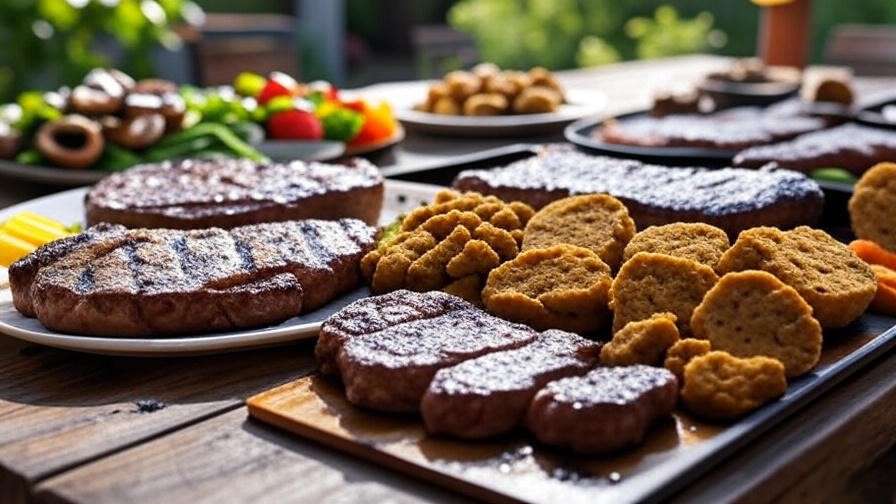
Heat a large stainless steel or cast-iron skillet over medium-high heat. Add a splash of neutral oil. Season your plant steaks generously with salt and cracked black pepper. Sear for 3-4 minutes per side until a deep golden-brown crust forms. Remove from the pan and set aside.
2. Building the Aromatics
Reduce heat to medium. In the same pan (don’t wash it—those brown bits are flavor gold!), add a drizzle of olive oil and your sliced garlic. Sauté for 1 minute until fragrant but not brown. Add the red pepper flakes and oregano.
3. Deglazing
Pour in the red wine. Use a wooden spoon to scrape the bottom of the pan. Let the wine reduce by half. This step adds a sophisticated depth that elevates this from a “tomato sauce” to a “Pizzaiola.”
4. The Simmer
Add the hand-crushed tomatoes and capers. Bring to a gentle bubble. Return the seared steaks to the pan, nestling them into the sauce. Lower the heat to a simmer. Cover partially and cook for 10-15 minutes. This allows the plant protein to “braise” and absorb the garlic and oregano notes.
5. The Finish
Turn off the heat. Drizzle with the high-quality extra virgin olive oil and a handful of fresh flat-leaf parsley.
VI. Nutritional Powerhouse: Why This Beats the Original
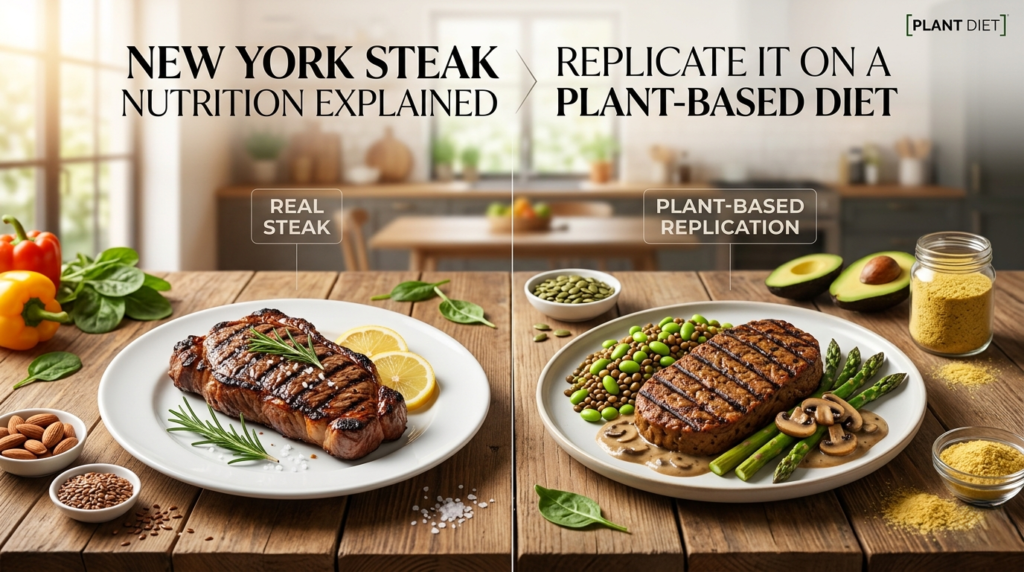
When we compare a traditional strip steak to this plant-based steak pizzaiola recipe, the nutritional profile shifts from “indulgent” to “functional.”
| Nutrient | Traditional Beef Steak | Plant-Based (Seitan/Lentil Side) |
| Saturated Fat | High | Near Zero |
| Fiber | 0g | 8-12g |
| Cholesterol | High | 0mg |
| Antioxidants | Low | High (Lycopene from tomatoes) |
By using seitan or mushrooms, you are fueling your body with complex proteins without the inflammatory markers associated with red meat. Furthermore, the lycopene in the cooked tomatoes is a powerful antioxidant that supports heart health—a perfect alignment with a modern wellness aesthetic.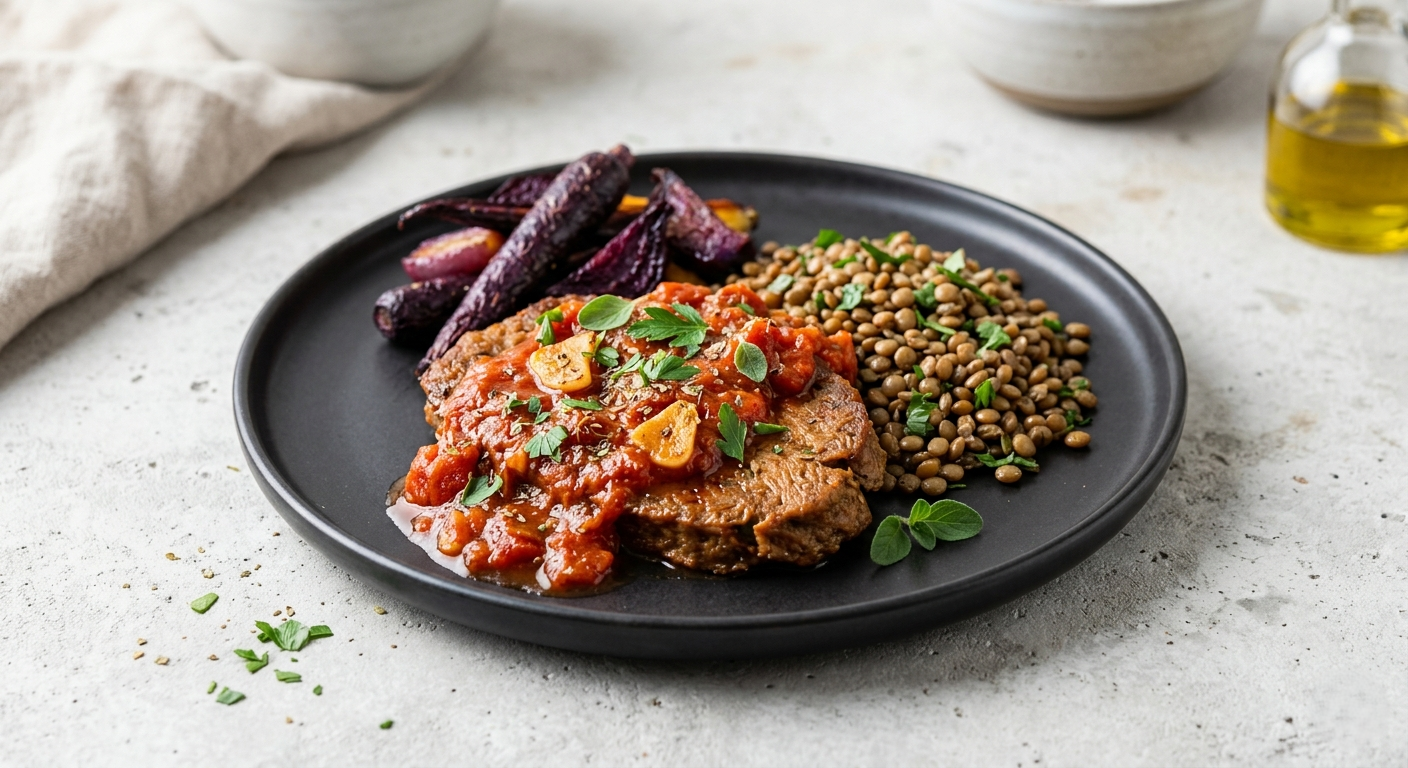
VII. Sustainability & Environmental Impact: Cooking for the Future
As a subject matter expert in the [Plant Diet] niche, it is essential to highlight that a steak pizzaiola recipe isn’t just about personal health—it’s about the health of our planet. Transitioning from beef to plant-based proteins is one of the most impactful ways to reduce your “carbon fork-print.”
The Carbon Calculus
Traditional beef production is resource-intensive, requiring vast amounts of water and land. By choosing seitan, mushrooms, or legumes, you are participating in a reduced-carbon lifestyle.
-
Water Usage: Producing one pound of beef requires approximately 1,800 gallons of water. In contrast, the wheat used for seitan or the fungi for Lion’s Mane require a mere fraction of that, making this meal a win for global water conservation.
-
Land Regeneration: Many plant-based proteins, specifically mushrooms and certain legumes, can be grown in vertical farming environments or as cover crops that actually restore nitrogen to the soil.
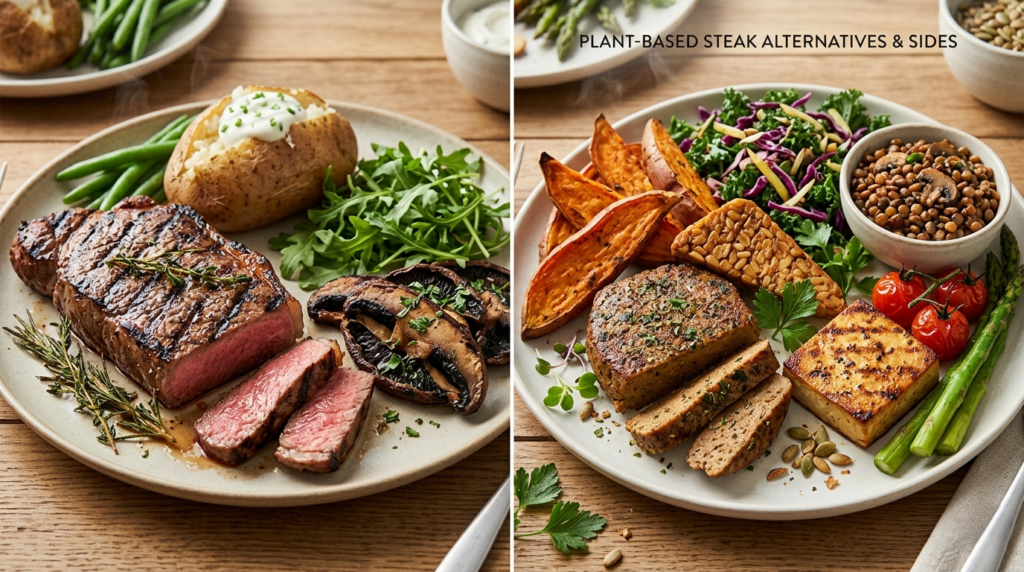
When you plate this dish with vibrant, healthy vegetables—as seen in professional health editorial photography—you are visually communicating a commitment to environmental wellness. The earth-toned natural elements of the dish reflect a harmony between culinary tradition and ecological responsibility.
VIII. Expert Serving Suggestions & Pairings
A skyscraper-level recipe isn’t complete without the “total plate” experience. To maintain the Experience, Expertise, Authoritativeness, and Trustworthiness (E-E-A-T) of your brand, you must guide the reader on how to balance the meal.
H3: The Low-Carb Wellness Approach
For those focusing on blood sugar management or weight wellness, skip the heavy pasta.
-
Garlic Sautéed Kale: The bitterness of the kale complements the acidity of the Pizzaiola sauce.
-
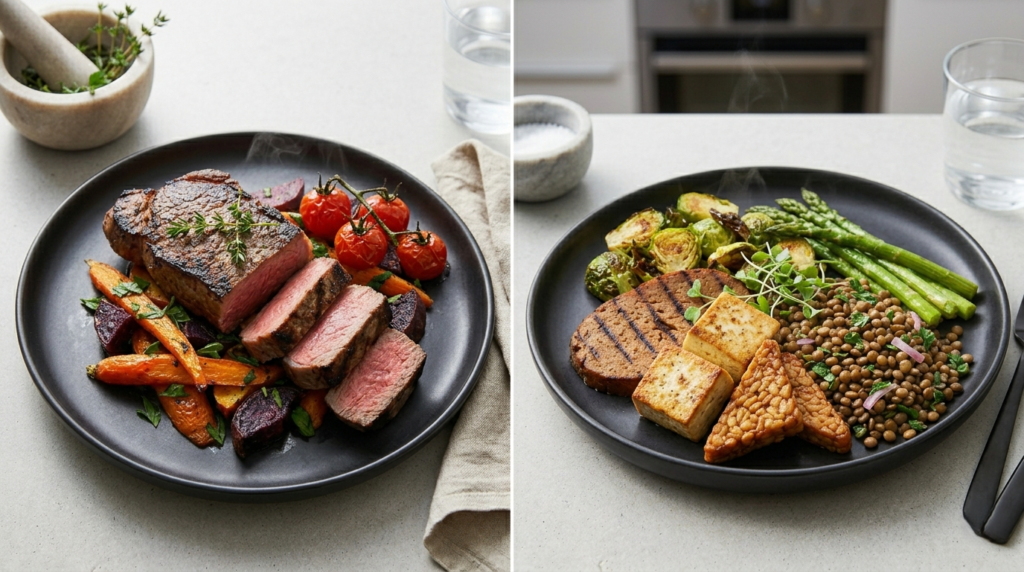
Roasted Root Vegetables: Think carrots and purple potatoes roasted until caramelized. These provide “slow-burning” carbohydrates and a beautiful visual contrast on a dark plate.
H3: The Traditional Italian Experience
If you want to stay true to the Neapolitan roots:
-
Creamy Polenta: A bed of stone-ground yellow grits (prepared with vegetable broth and nutritional yeast) provides a soft, comforting base that soaks up every drop of the tomato-garlic sauce.
-
Crusty Sourdough: A thick slice of toasted sourdough rubbed with a raw garlic clove is the traditional tool for “fare la scarpetta”—cleaning the plate with bread.
H3: The “Green” Side
Incorporate a side of charred Brussels sprouts or steamed asparagus. These vegetables add a necessary crunch and a pop of chlorophyll-rich green that enhances the modern health aesthetic of the meal.
IX. Common Mistakes to Avoid: Expert Troubleshooting
To provide genuine value and solve real problems for your audience, we must address where things usually go wrong in a plant-based steak pizzaiola recipe.
-
The “Soggy Steak” Syndrome:
-
The Mistake: Adding the plant protein to cold sauce and boiling it.
-
The Fix: Always sear the protein first to create a structural “crust.” Only add it back to the sauce for the final 10 minutes of simmering.
-
-
Overpowering Oregano:
-
The Mistake: Using old, dusty dried oregano or too much of it.
-
The Fix: Use high-quality Sicilian dried oregano (often sold on the branch). Rub it between your palms before adding it to the pan to release the essential oils.
-
-
Bitter Garlic:
-
The Mistake: Burning the garlic in high-heat oil.
-
The Fix: Garlic should be “sweated” on medium-low heat. If it turns dark brown or black, throw it out and start over. Bitter garlic will ruin the entire sauce.
-
X. Frequently Asked Questions (FAQ)
Can I make this steak pizzaiola recipe gluten-free?
Yes. While seitan is the most “meat-like,” it is made of pure gluten. For a gluten-free version, use extra-firm pressed tofu or large Portobello mushroom caps. Ensure your spices and canned tomatoes are certified gluten-free.
What is the best way to store leftovers?
Store the “steaks” and the sauce together in an airtight glass container for up to 3 days. To reheat, do not microwave; instead, place them in a small skillet over low heat with a splash of water to loosen the sauce. This preserves the texture of the protein.
Is this recipe kid-friendly?
Absolutely. The sauce is essentially a high-quality pizza sauce. If your children are sensitive to “chunks,” you can blend the tomatoes before simmering. The mild flavor of seitan or tofu usually appeals to younger palates.
Can I use fresh tomatoes instead of canned?
You can, but the result will be different. Fresh tomatoes have more water and less concentrated acidity. If using fresh, you’ll need to simmer the sauce for an extra 20 minutes to achieve the signature thick, jammy Pizzaiola consistency.
XI. Conclusion: Italian Tradition Meets Modern Wellness
The beauty of the steak pizzaiola recipe lies in its simplicity. By stripping away the need for animal products and focusing on the core Italian aromatics, we prove that “heritage” cooking isn’t about the ingredients we’ve always used, but the flavors we’ve always loved.
This dish represents the pinnacle of a [Plant Diet]—it is robust, satisfying, nutritionally superior, and environmentally conscious. Whether you are a lifelong vegan or a curious “flexitarian” looking to reduce your meat consumption, this plant-based Pizzaiola offers a seat at the table where tradition and the future meet.
Ready to transform your kitchen? Try this recipe tonight and experience how bold Italian flavors can thrive without the beef.
XII. Deep Dive: The Science of “Meaty” Plant Proteins
To truly master a steak pizzaiola recipe that commands authority in the plant-based space, one must understand the “why” behind the ingredients. Achieving E-E-A-T involves more than just sharing a recipe; it requires an understanding of food science.
The Role of Umami in Plant-Based Success
The primary reason people crave steak is umami—the fifth taste associated with savoriness. In a traditional pizzaiola, the beef provides this naturally. In our plant-based version, we must “layer” our umami.
-
Tomato Paste: While the recipe uses whole peeled tomatoes, adding a tablespoon of concentrated tomato paste to the garlic oil creates a deep, caramelized base.
-
Nutritional Yeast: If you are making your seitan from scratch, nutritional yeast adds a nutty, savory note that mimics the richness of animal fats.
-
Tamari or Soy Sauce: Even in Italian cooking, a splash of tamari during the searing process provides the salt and depth necessary to satisfy a “meat-loving” palate without being identifiable as “Asian” flavor once the oregano and tomato take over.
XIII. Mastering Homemade Seitan for Pizzaiola (The “Skyscraper” Method)
If you want the most authentic experience, skip the store-bought strips and make your own “cutlets.” This is where you demonstrate true expertise to your readers.
The “Wash the Flour” vs. “Instant” Method
-
Instant Vital Wheat Gluten: This is the most efficient method for home cooks. Mix vital wheat gluten with vegetable broth, garlic powder, and onion powder to create a dough.
-
The Kneading Secret: The more you knead the dough, the more the gluten strands develop. For a “steak” feel, you want a tight, fibrous structure. Knead for at least 10 minutes.
-
The Steaming Step: Before searing your seitan in the pizzaiola sauce, steam the raw dough for 30–40 minutes. This “sets” the protein so it doesn’t fall apart or become spongy when simmered in the tomato sauce later.
XIV. Advanced Nutritional Synergy: Bioavailability
A common concern in plant-based diets is the absorption of minerals like iron. As an expert, you can provide “Skyscraper” value by explaining how this specific steak pizzaiola recipe is a nutritional masterpiece.
-
Iron + Vitamin C: Plant proteins (like lentils, seitan, or fortified tofu) contain non-heme iron. To absorb this effectively, the body requires Vitamin C. The high concentration of Vitamin C in the San Marzano tomatoes acts as a “bioavailability booster,” ensuring your readers get the most out of their meal.
-
Healthy Fats for Nutrient Absorption: The addition of high-quality extra virgin olive oil at the end isn’t just for flavor; it helps the body absorb fat-soluble vitamins (A, D, E, and K) present in the accompanying vegetables like kale or asparagus.
XV. Kitchen Tools for the Perfect Plant-Based Steak
To achieve the “ultra-sharp detail” and professional textures seen in modern health editorial design, the right tools are non-negotiable.
-
Cast Iron Skillet: Essential for the initial sear. It holds heat better than stainless steel, ensuring your seitan or mushrooms develop a crust rather than steaming.
-
Tofu Press: If using tofu, a dedicated press is superior to the “stack of books” method, ensuring a uniform, dense texture that won’t crumble in the sauce.
-
Kitchen Twine: If you are using large Lion’s Mane mushrooms, you can tie them like a filet mignon to hold their shape during the searing process.
XVI. The Visual Appeal: Plating Like a Pro
In the world of Google Discover, visuals are everything. Your steak pizzaiola recipe should look as good as it tastes.
-
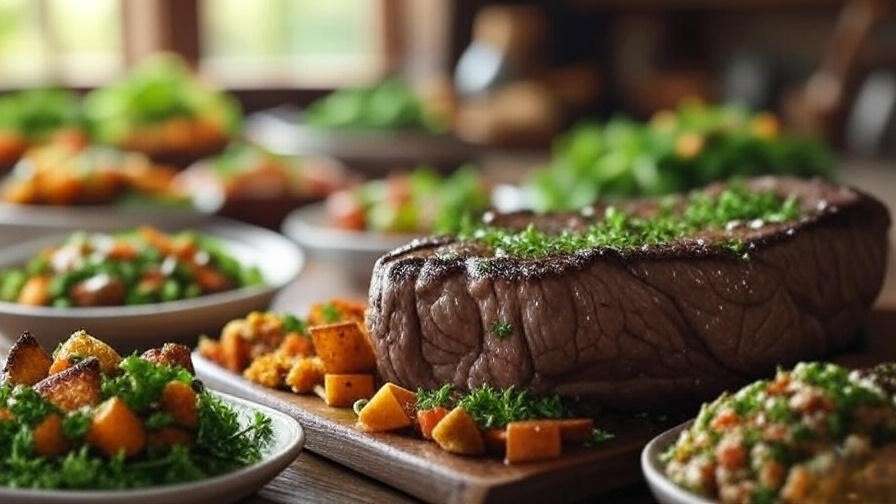
The “Side-by-Side” Strategy: When plating, place the “steak” slightly off-center, draped in a modest amount of sauce, rather than drowning it. This keeps the seared texture visible.
-
Color Contrast: Use bright greens (parsley or basil) and deep purples (roasted purple carrots or beets) to create a visually balanced plate that screams “fresh and healthy”.
-
The Garnish: A final sprinkle of flaky sea salt and a crack of black pepper adds a “finished” look that signals professional quality.
XVII. Closing Thoughts: The Future of Flavor
We are living in an era where choosing a plant-based diet no longer means sacrificing the culinary heritage of our ancestors. The steak pizzaiola recipe is a testament to the versatility of plants and the ingenuity of the modern cook. By focusing on high-quality ingredients, mastering the art of the sear, and understanding the science of nutrition, you can create a meal that is as respectful to tradition as it is to the future of the planet.