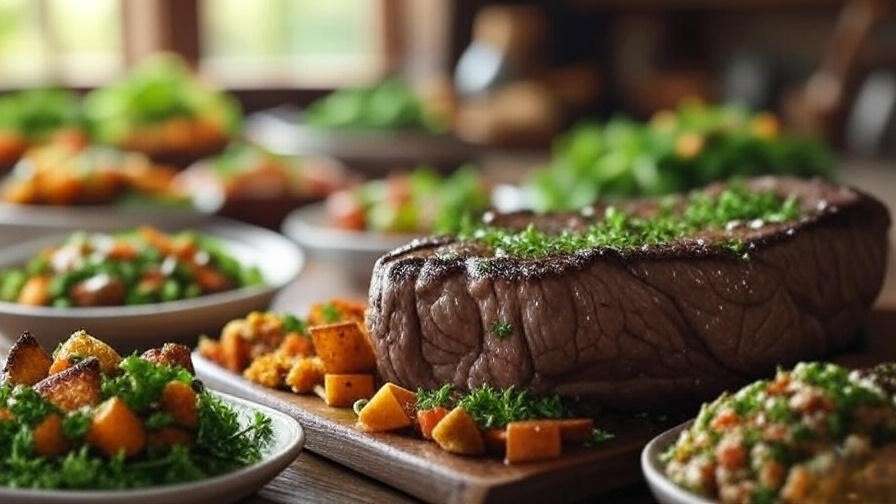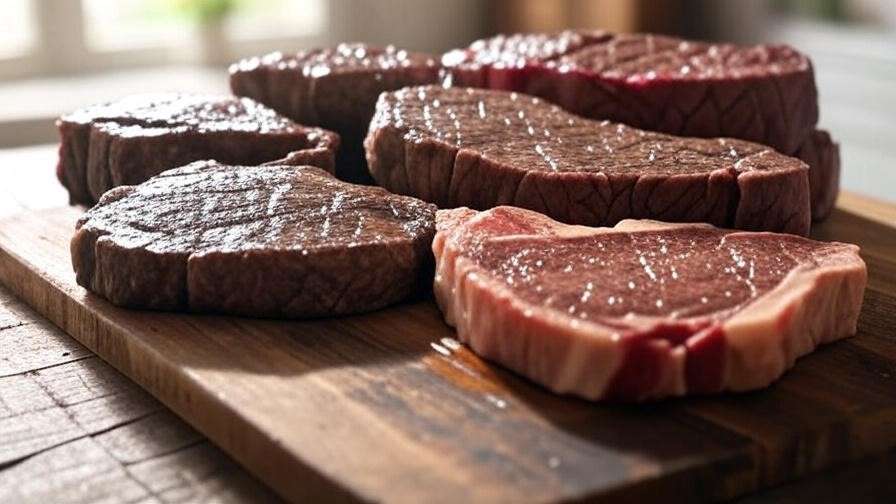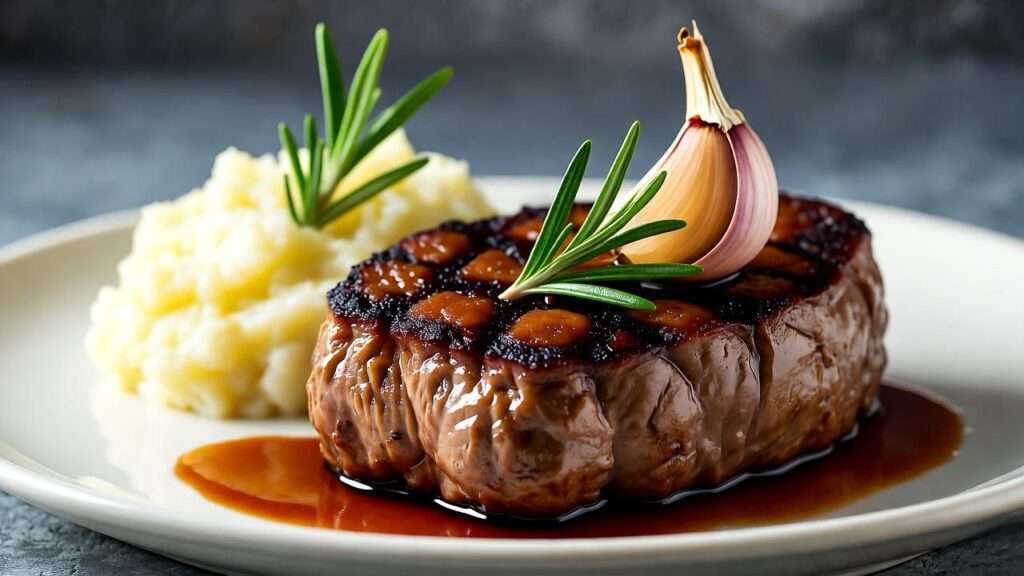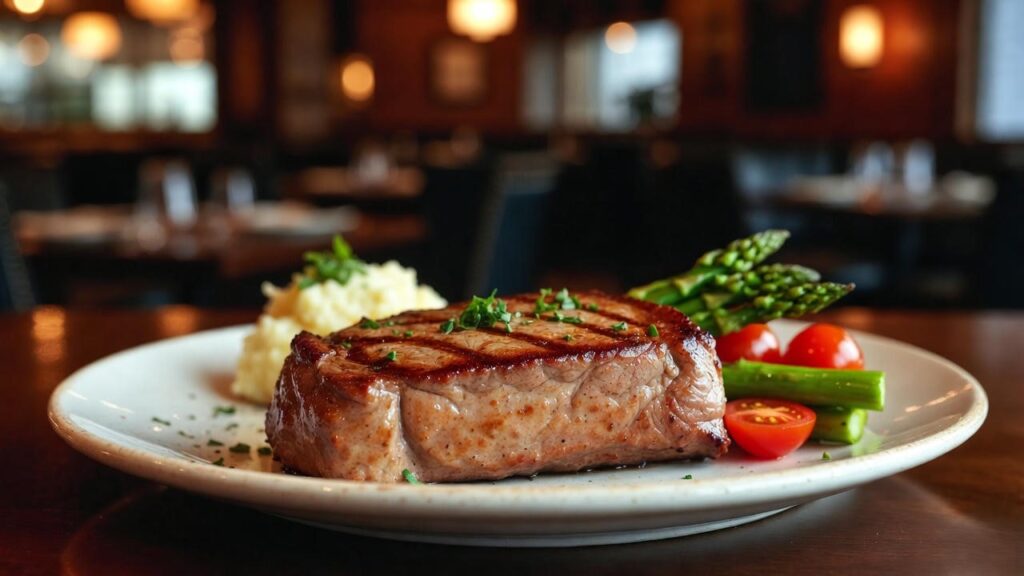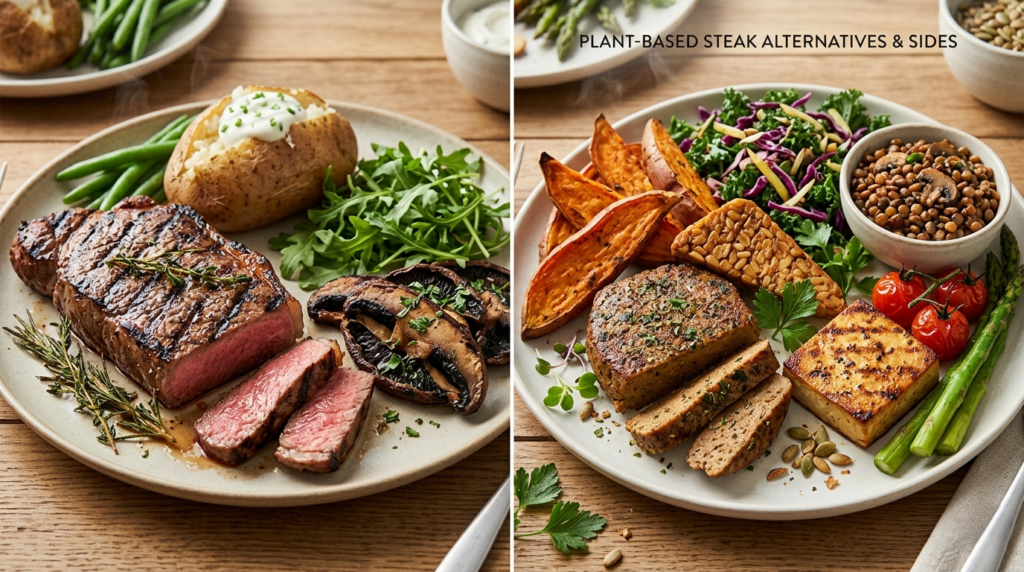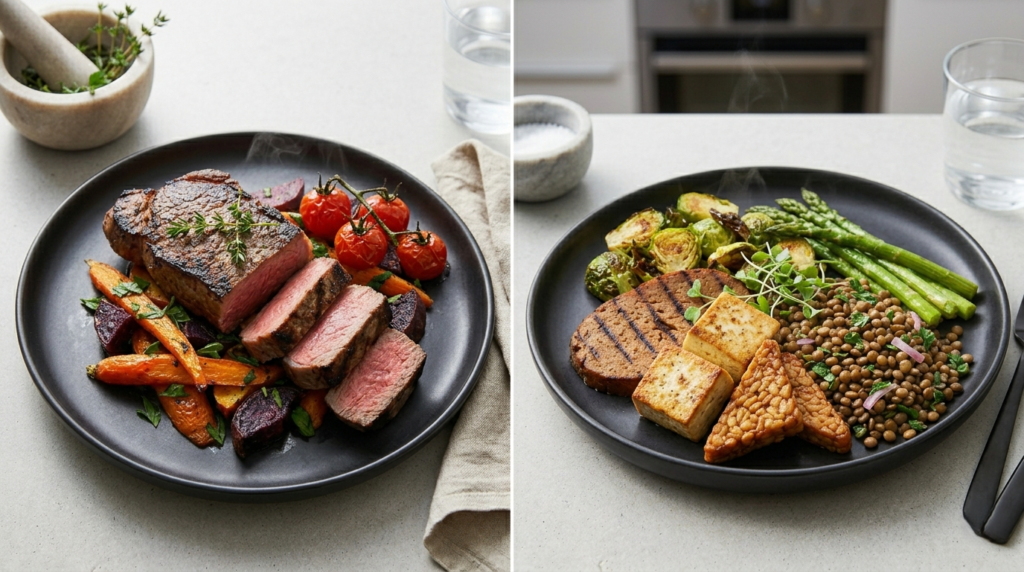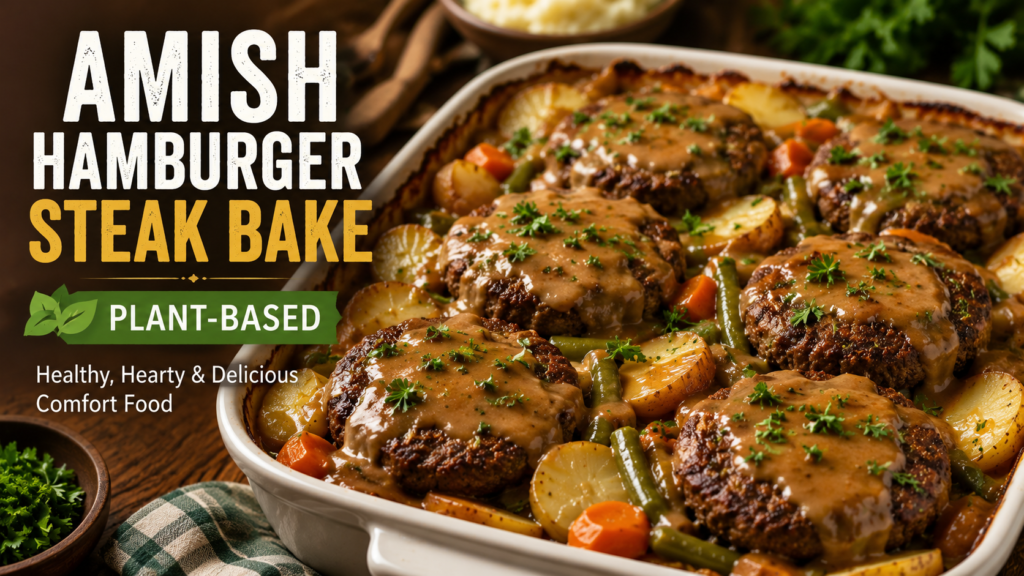
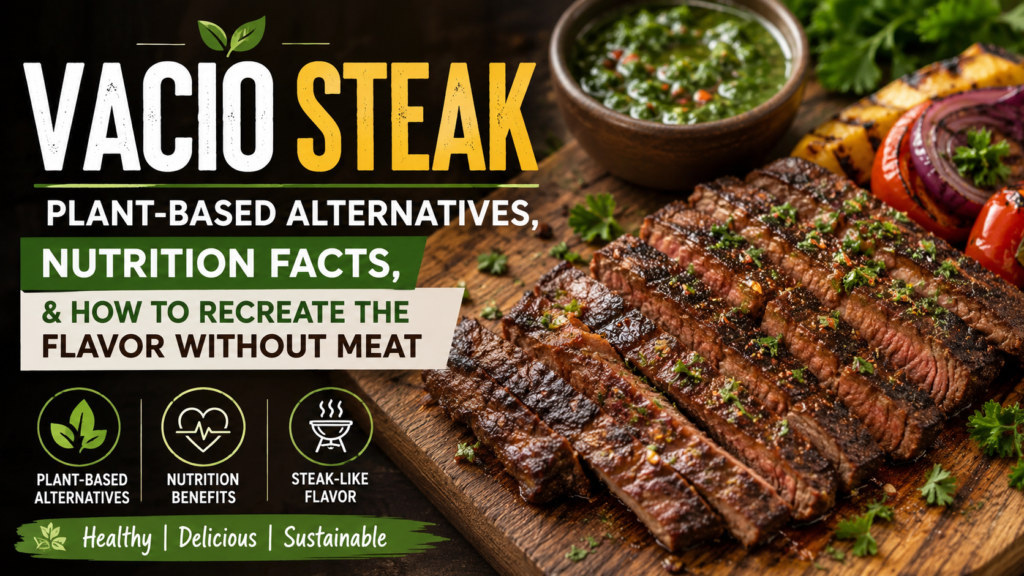
If you’ve recently come across vacio steak on a restaurant menu, social media grilling video, or Argentine barbecue guide, you’re not alone. This flavorful beef cut has gained global attention for its rich taste, juicy texture, and iconic role in South American cuisine. But for plant-based eaters, flexitarians, or health-conscious readers, the rising popularity of vacio steak raises an important question: Can you enjoy the essence of vacio steak without eating meat?
The answer is yes — and in many cases, you can do it more sustainably, with less saturated fat, and without sacrificing bold, steak-like flavor. In this expert guide, we’ll break down exactly what vacio steak is, how it compares nutritionally, why it’s so appealing, and how to recreate its smoky, savory experience using plant-based ingredients. Whether you’re curious about vegan steak alternatives, healthier grilling options, or ethical eating, this comprehensive guide will help you make informed choices.
What Is Vacio Steak? Understanding the Cut, Origins, and Culinary Appeal
Vacio steak is a beloved beef cut most commonly associated with Argentine cuisine, where it plays a starring role in traditional asado (barbecue). In English, vacio steak is often compared to flap steak or bavette, though regional butchery differences can vary.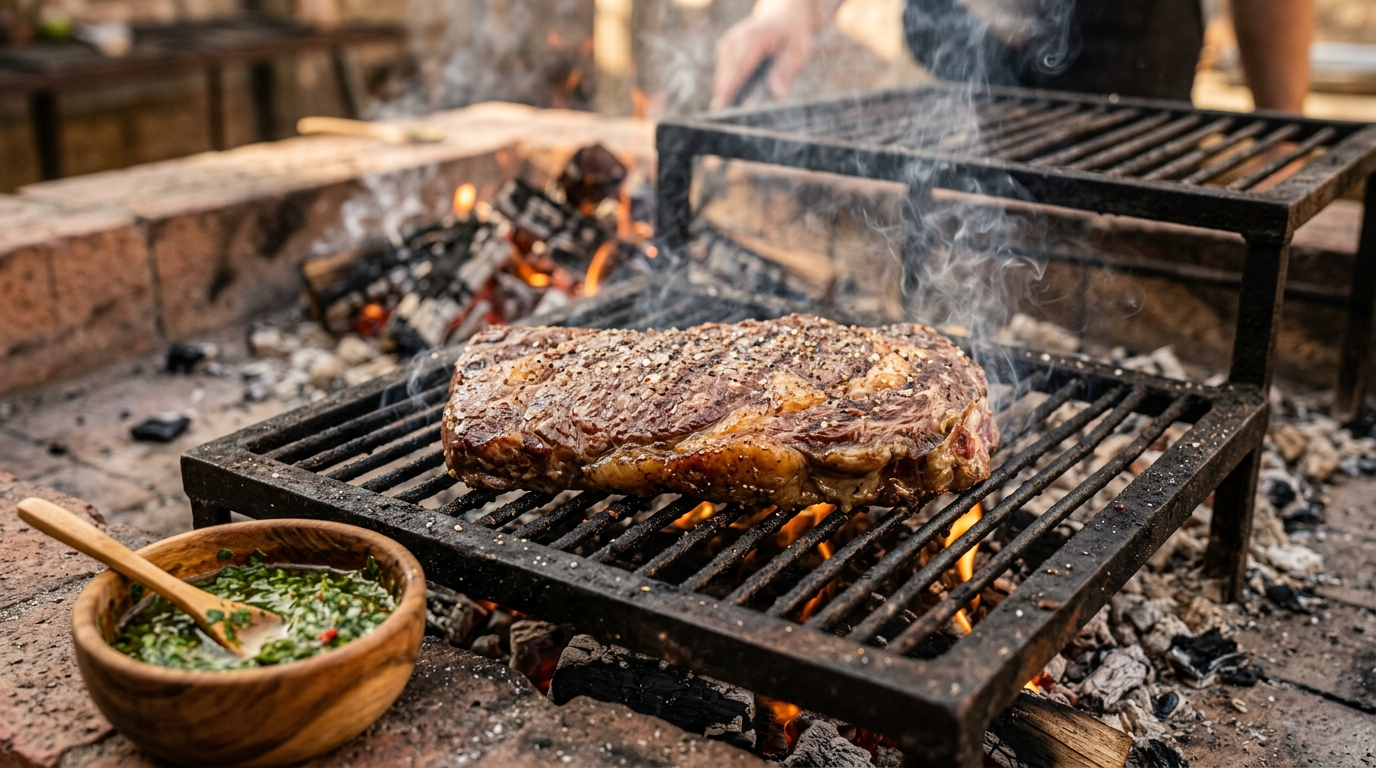
Where Does Vacio Steak Come From?
Vacio steak is cut from the lower chest or flank area of the cow, near the abdominal muscles. Because this area gets regular movement, the meat develops:
- Rich beefy flavor
- Distinct grain
- Moderate marbling
- A satisfying chew
Unlike ultra-tender premium cuts like filet mignon, vacio steak is prized for flavor complexity rather than softness.
Why Is Vacio Steak So Popular?
Vacio steak has become famous because it offers:
- Excellent grilling performance
- Deep, savory taste
- Crispy exterior when cooked over fire
- Affordable pricing compared to premium steaks
In Argentina, it’s often slow-grilled and served with chimichurri, allowing fat and connective tissue to render into extraordinary flavor.
Vacio Steak vs Flank Steak vs Skirt Steak
Although these cuts are sometimes confused, they differ in texture and cooking style:
Vacio Steak: Beefier flavor, moderate fat, ideal for slow grilling
Flank Steak: Leaner, firmer texture, better for marinating
Skirt Steak: Thin, intensely flavored, cooks quickly
For plant-based readers, understanding vacio steak’s signature characteristics — smoky crust, juicy center, and bold umami — is essential for choosing the best meat-free substitute.
Is Vacio Steak Healthy? Nutrition Facts and Health Considerations
Like many red meats, vacio steak provides valuable nutrients but also comes with health considerations.
Typical Nutrition Profile of Vacio Steak (Per 100g, Approximate)
- Calories: 220–250
- Protein: 22–26g
- Fat: 15–18g
- Saturated Fat: 6–8g
- Iron: High
- Zinc: High
- Vitamin B12: High
Potential Benefits
Vacio steak can provide:
High-quality complete protein
Supports muscle maintenance and satiety
Iron and B12
Important for oxygen transport and nerve health
Zinc
Supports immune function
Potential Downsides
Despite its nutritional strengths, regular red meat consumption may contribute to:
Higher saturated fat intake
Linked to cardiovascular concerns when consumed excessively
Cholesterol
May be problematic for some individuals
Environmental burden
Beef production carries one of the highest carbon footprints among foods
Cooking risks
Charred meats cooked at high temperatures may produce harmful compounds like HCAs and PAHs
For readers focused on wellness, plant-based vacio steak alternatives can offer:
- Lower saturated fat
- Zero cholesterol
- Added fiber
- Reduced environmental impact
Ethical, Environmental, and Wellness Considerations for Plant-Based Readers
For many people, choosing a plant-based alternative isn’t just about health — it’s also about sustainability and ethics.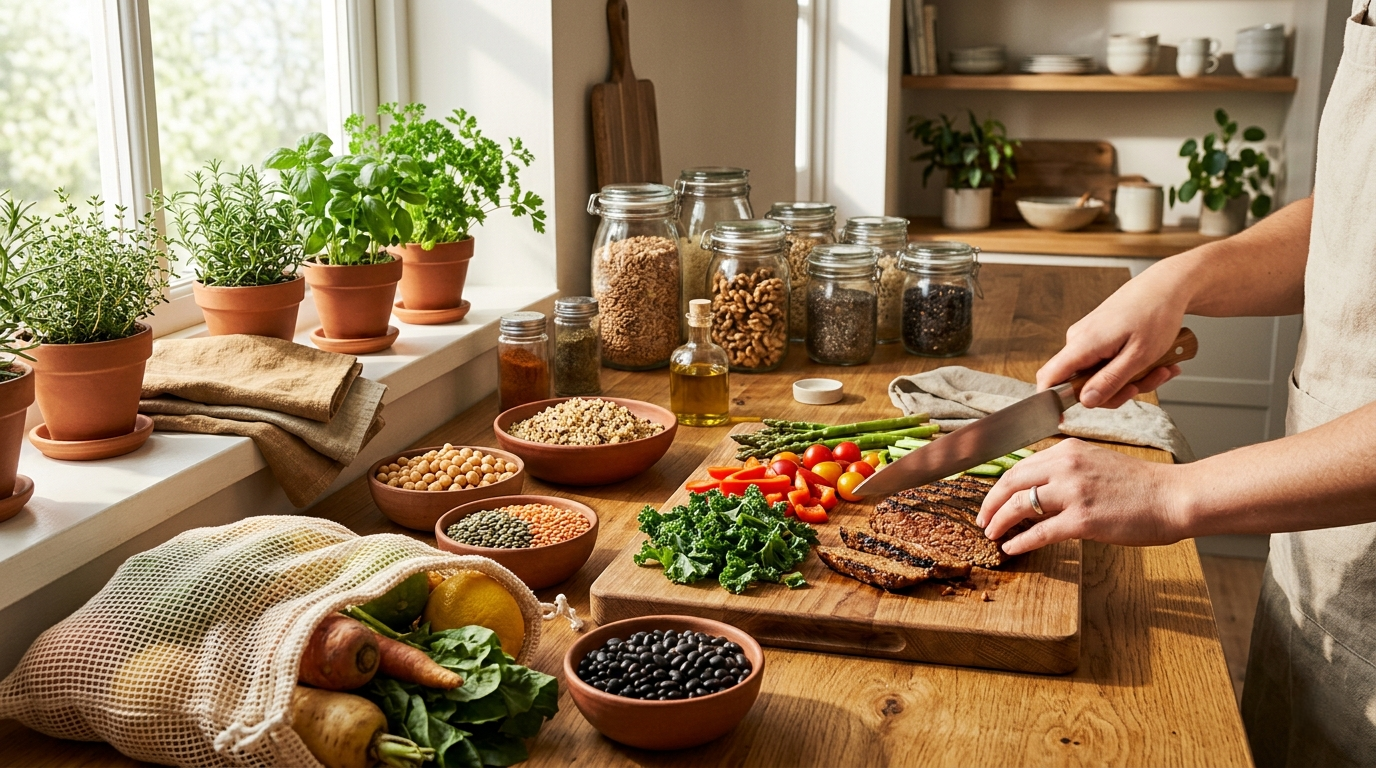
Animal Welfare
Traditional beef production involves slaughter and industrial farming practices that many consumers seek to avoid.
Environmental Impact
Beef is resource-intensive, requiring:
- Large water use
- Extensive land use
- Methane emissions
Compared to legumes, tofu, tempeh, or seitan, beef generally has a significantly larger ecological footprint.
Why This Matters for Vacio Steak Fans
If your goal is to replicate the experience of vacio steak — smoky flavor, satisfying texture, and hearty meals — plant-based options can often deliver while aligning better with:
- Climate-conscious eating
- Lower cholesterol goals
- Vegan or vegetarian ethics
Best Plant-Based Alternatives to Vacio Steak
Not all vegan steak substitutes are created equal. The best choice depends on whether you prioritize protein, texture, whole-food ingredients, or grill performance.
1. Seitan Steak: The Closest Texture Match
Made from wheat gluten, seitan is often the top choice for steak lovers because of its:
- Dense chew
- High protein (20g+ per serving)
- Excellent marinade absorption
- Strong grill compatibility
Best For:
Readers seeking the closest “meaty” bite
Potential Drawback:
Not suitable for gluten-free diets
2. Portobello Mushroom Steak: Whole-Food Umami Power
Portobello mushrooms offer:
- Rich umami
- Juicy texture
- Low calorie density
- Excellent grilling capability
Best For:
Whole-food plant-based eaters
Potential Drawback:
Lower protein than seitan or tempeh
3. Tempeh: Nutrient-Dense and Protein-Rich
Fermented soybeans create a hearty base with:
- Complete protein
- Probiotics
- Firm structure
- Nutty flavor
Best For:
Balanced nutrition and gut health
4. Extra-Firm Tofu
When pressed, marinated, and grilled correctly, tofu can mimic steak-like satisfaction.
Pro Tip:
Freeze and thaw tofu before cooking for a denser, chewier texture.
5. Store-Bought Vegan Steak Products
Brands now offer advanced meat alternatives with realistic flavor and texture, though ingredient quality varies.
Look For:
- Protein content
- Sodium levels
- Minimal additives
How to Recreate the Flavor of Vacio Steak Without Meat
Replicating vacio steak isn’t just about texture — flavor science matters.
Core Flavor Elements
To mimic vacio steak, focus on:
Umami
Use:
- Soy sauce
- Tamari
- Miso
- Mushroom powder
Smokiness
Use:
- Liquid smoke
- Smoked paprika
- Charcoal grilling
Fat Perception
Use:
- Olive oil
- Tahini
- Coconut aminos
Essential Plant-Based Vacio Marinade
Ingredients:
- 3 tbsp soy sauce or tamari
- 1 tbsp balsamic vinegar
- 1 tsp liquid smoke
- 2 cloves garlic
- 1 tsp smoked paprika
- 1 tbsp olive oil
- Black pepper
- Optional: nutritional yeast or mushroom powder
Why It Works:
This combination delivers:
- Saltiness
- Browning
- Acidity
- Smoke
- Savory complexity
Cooking Techniques That Matter Most
Grilling
Best for authentic char
Cast Iron Searing
Creates crust similar to steakhouse texture
Reverse Searing
Especially effective for thick seitan steaks
Resting After Cooking
Allows juices and marinade to redistribute
Step-by-Step Plant-Based Vacio Steak Recipe
Ingredients:
- 2 large seitan steaks or portobello caps
- Prepared marinade
- Chimichurri sauce
- Olive oil
Instructions:
Step 1: Marinate
Allow at least 2–12 hours for deep flavor
Step 2: Preheat Grill or Cast Iron
Medium-high heat works best
Step 3: Cook
Sear each side until browned and slightly crisp
Step 4: Rest
Let sit 5 minutes
Step 5: Serve
Top with chimichurri, roasted vegetables, or grilled potatoes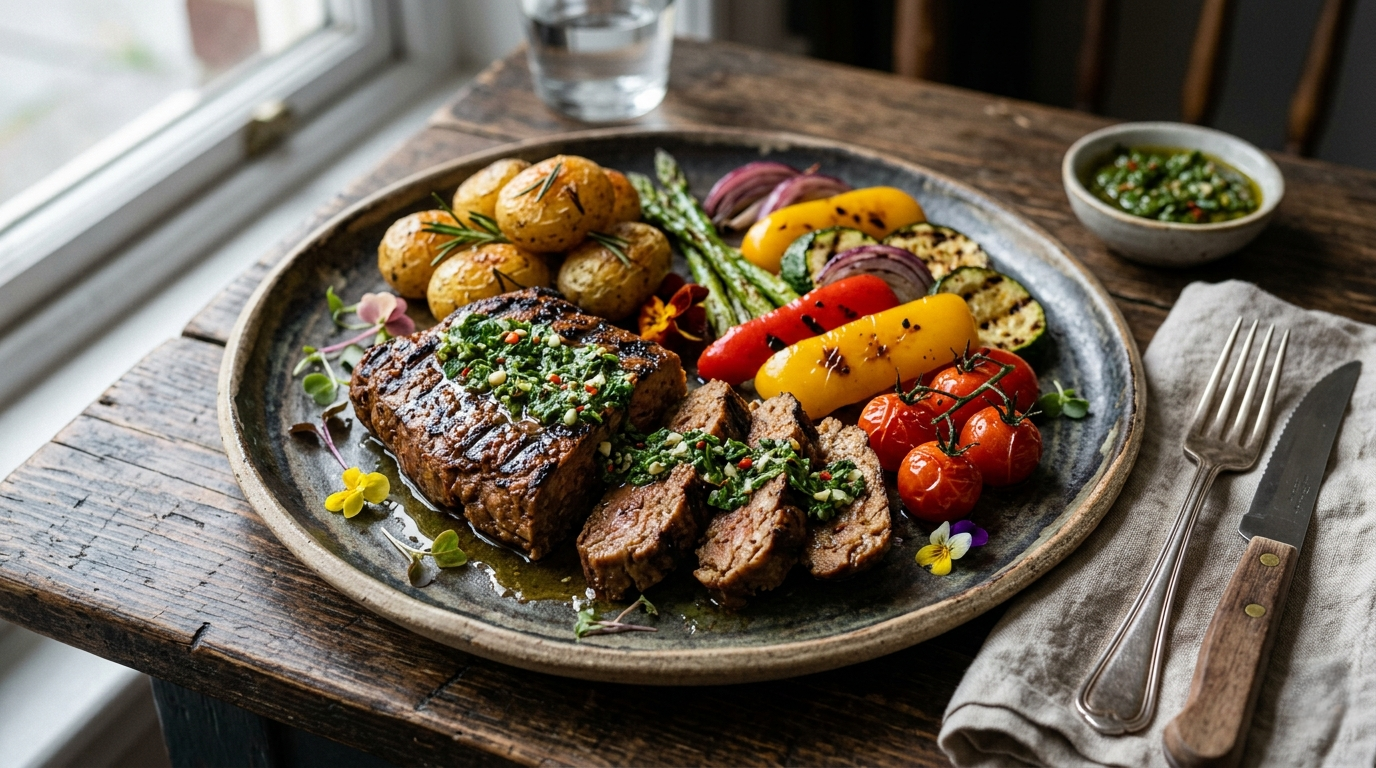
Nutrition Comparison: Traditional Vacio Steak vs Plant-Based Versions
| Nutrient | Vacio Steak | Seitan Steak | Portobello |
|---|---|---|---|
| Protein | High | High | Low |
| Saturated Fat | Moderate-High | Low | Very Low |
| Fiber | None | Low | Moderate |
| Cholesterol | Yes | No | No |
| Environmental Impact | High | Lower | Very Low |
Bottom Line:
Plant-based alternatives often provide better heart-health profiles while preserving culinary satisfaction.
Expert Tips for Making Plant-Based Steak More Satisfying
Prioritize Texture
Use scoring techniques or layered seitan dough
Build Flavor in Layers
Marinate, baste, and finish with herbs
Don’t Skip Acid
Vinegar or citrus balances savory depth
Pair Strategically
Serve with:
- Chimichurri
- Roasted sweet potatoes
- Grilled asparagus
- Whole grains
Common Mistakes to Avoid
Under-seasoning
Plant proteins need assertive flavoring
Overcooking
Especially tofu or mushrooms
Ignoring Texture Science
Freezing tofu or kneading seitan improves bite dramatically
Choosing Low-Protein Options Only
Balance taste with satiety
Who Should Consider Plant-Based Vacio Steak Alternatives?
Flexitarians
Reduce red meat without giving up steak culture
Vegans & Vegetarians
Enjoy steak-inspired meals ethically
Heart-Conscious Eaters
Lower cholesterol and saturated fat
Athletes
High-protein seitan or tempeh can support muscle goals
Eco-Conscious Consumers
Reduce dietary carbon footprint
Frequently Asked Questions About Vacio Steak
Is vacio steak the same as flank steak?
Not exactly — they’re similar but differ in cut location and fat distribution.
Can vegan vacio steak really taste similar?
Yes, especially when using seitan, smoke, umami marinades, and grilling.
What’s the healthiest alternative?
Whole-food options like tempeh or portobello often provide the best balance.
Is seitan healthier than beef?
For many people, seitan offers lower saturated fat and no cholesterol, though nutritional needs vary.
Final Verdict: Can You Enjoy the Essence of Vacio Steak on a Plant-Based Diet?
Absolutely. While traditional vacio steak is prized for its bold Argentine flavor, modern plant-based cooking makes it possible to recreate much of that experience with remarkable success. By focusing on texture, umami, smoke, and grilling technique, you can enjoy the spirit of vacio steak while supporting better heart health, sustainability, and ethical eating.
For plant-based food lovers, the real opportunity isn’t imitation — it’s innovation. You’re not just replacing steak; you’re redefining it in a way that aligns with modern nutrition, environmental responsibility, and culinary creativity.