The Meat Counter Sticker Shock
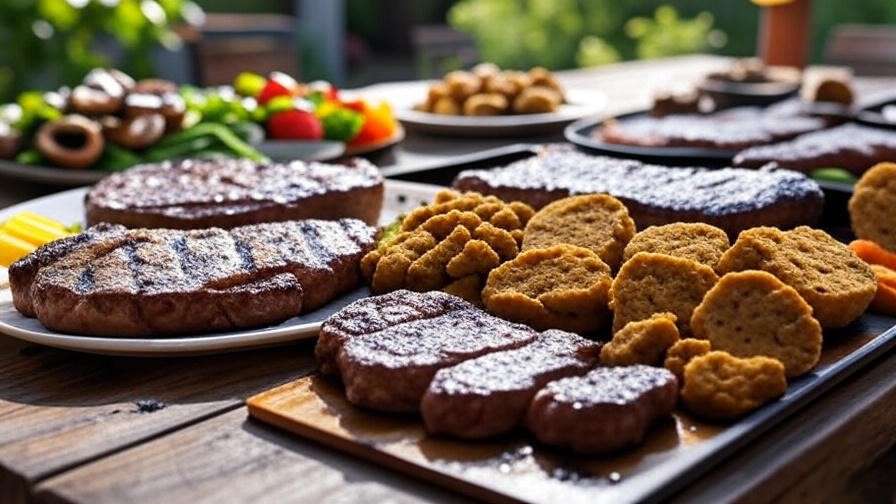
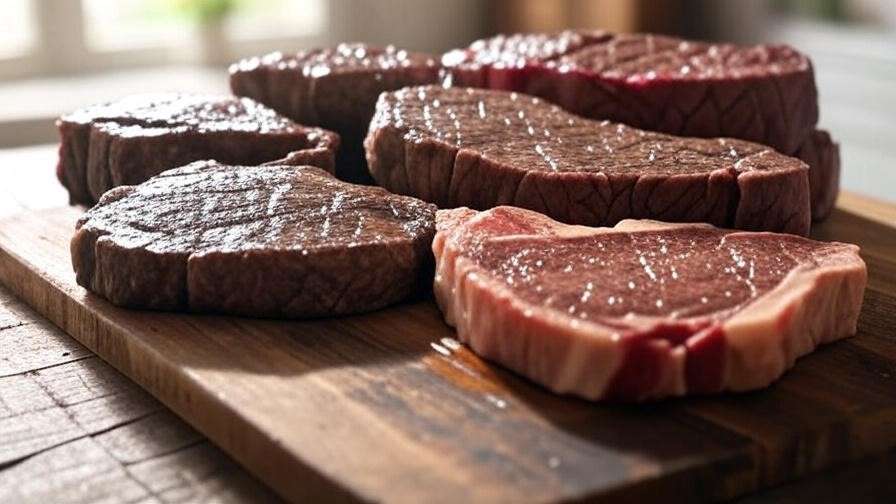
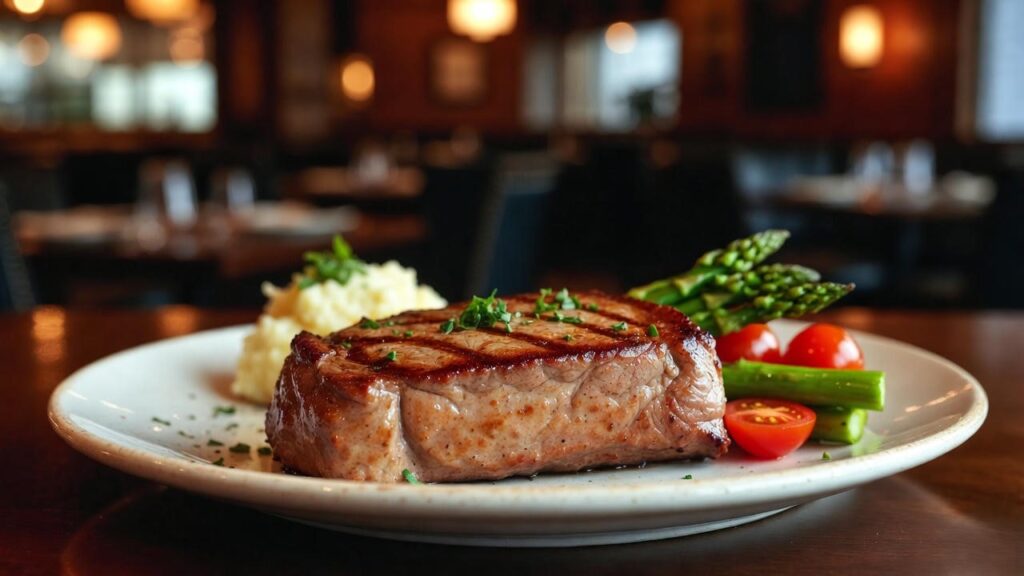
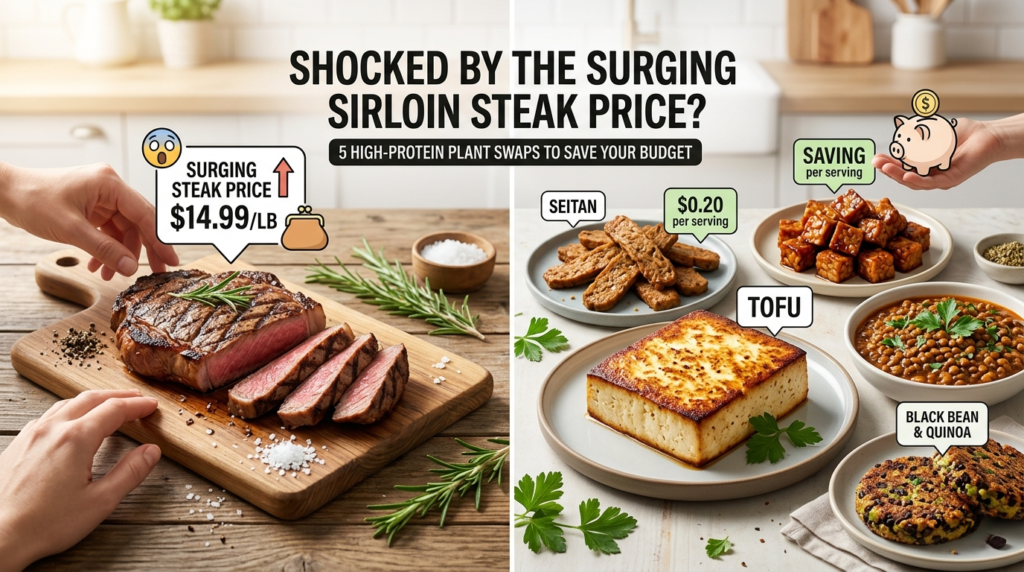
Picture this: You are walking down the aisles of your local grocery store, planning a high-protein dinner for the family or prepping your post-workout meals for the week. You stop at the meat counter, pick up a modest package of beef, and immediately do a double-take at the tag. If you have been shocked by the surging sirloin steak price lately, you are far from alone. In 2026, the cost of premium and even mid-tier cuts of red meat has skyrocketed, transforming what used to be a standard weeknight staple into an outright luxury item.
For families trying to stick to a grocery budget and fitness enthusiasts striving to hit their daily protein macros, this food inflation is a massive pain point. When a standard family-sized pack of sirloin pushes past $14 per pound in many regions, something has to give. You might feel like you have to choose between draining your wallet or sacrificing your nutritional goals.
Fortunately, that is a false dilemma. You do not have to compromise your protein intake, muscle-building goals, or culinary satisfaction just to survive grocery store inflation. The smartest shoppers are adapting by looking beyond the butcher counter and exploring the plant-based aisles.
In this comprehensive guide, we are going to break down exactly why the beef market is behaving this way, deconstruct the nutritional profile of a steak, and reveal five budget-friendly, high-protein plant swaps. These are not sad, flavorless compromises; they are nutrient-dense, savory powerhouses that offer the exact same muscle-building benefits for pennies on the dollar.
2. Why is the Sirloin Steak Price So High Right Now?
To understand how to pivot your diet, it helps to understand why the pivot is necessary. The current sticker shock is not just a random grocery store markup; it is the result of compounding agricultural and economic pressures reaching a boiling point.
The 2026 Beef Market Reality
From an agricultural standpoint, we are currently experiencing the consequences of the “cattle cycle” combined with severe environmental factors. Over the past few years, extreme, multi-year droughts across major beef-producing regions severely decimated available pastureland. Without adequate grass to graze on, ranchers were forced to buy expensive supplemental feed. When those costs became unsustainable, many ranchers had no choice but to liquidate their herds.
Today, the total cattle inventory has hit historic lows, reaching numbers not seen since the mid-20th century. Because it takes years to breed, raise, and process a cow for beef, this supply shortage cannot be fixed overnight. Less beef entering the market means higher prices for whatever makes it to the shelves.
High Input Costs and Inflation
Beyond the biological realities of raising cattle, the macroeconomic environment has layered on additional costs. Every step of the beef supply chain has become more expensive. The cost of fertilizer to grow livestock feed, the diesel fuel required to transport cattle to processing plants, and the refrigerated freight needed to get steaks to your local supermarket have all seen significant inflationary hikes.
Supermarkets operate on razor-thin margins, meaning these inflated production and transportation costs are passed directly to you, the consumer. Therefore, relying on sirloin for your primary protein source is no longer just a dietary choice; it is an economic burden.
3. The Nutritional Blueprint of a Sirloin Steak (What Are We Replacing?)
If we are going to swap out steak, we need to know exactly what we are trying to replace. Top sirloin is heavily favored by bodybuilders, athletes, and health-conscious eaters because it is relatively lean compared to a ribeye, yet highly nutritious.
Let’s deconstruct a standard 3 oz (85g) serving of cooked top sirloin steak:
-
Protein: Approximately 25 grams of complete, highly bioavailable protein.
-
Micronutrients: Extremely rich in Heme Iron, Zinc, Vitamin B12, and Selenium.
-
Fat: Roughly 4 to 6 grams of fat, with a varying percentage of saturated fat depending on the specific trim and grading.
-
Cholesterol: Roughly 75 milligrams.
The Goal: The objective of our plant-based swaps is not merely to mimic the chew of a steak. Our primary goal is to match or exceed that golden threshold of 25 grams of protein per serving while simultaneously improving your heart-health profile (by reducing saturated fat and eliminating dietary cholesterol) and dramatically slashing your grocery bill.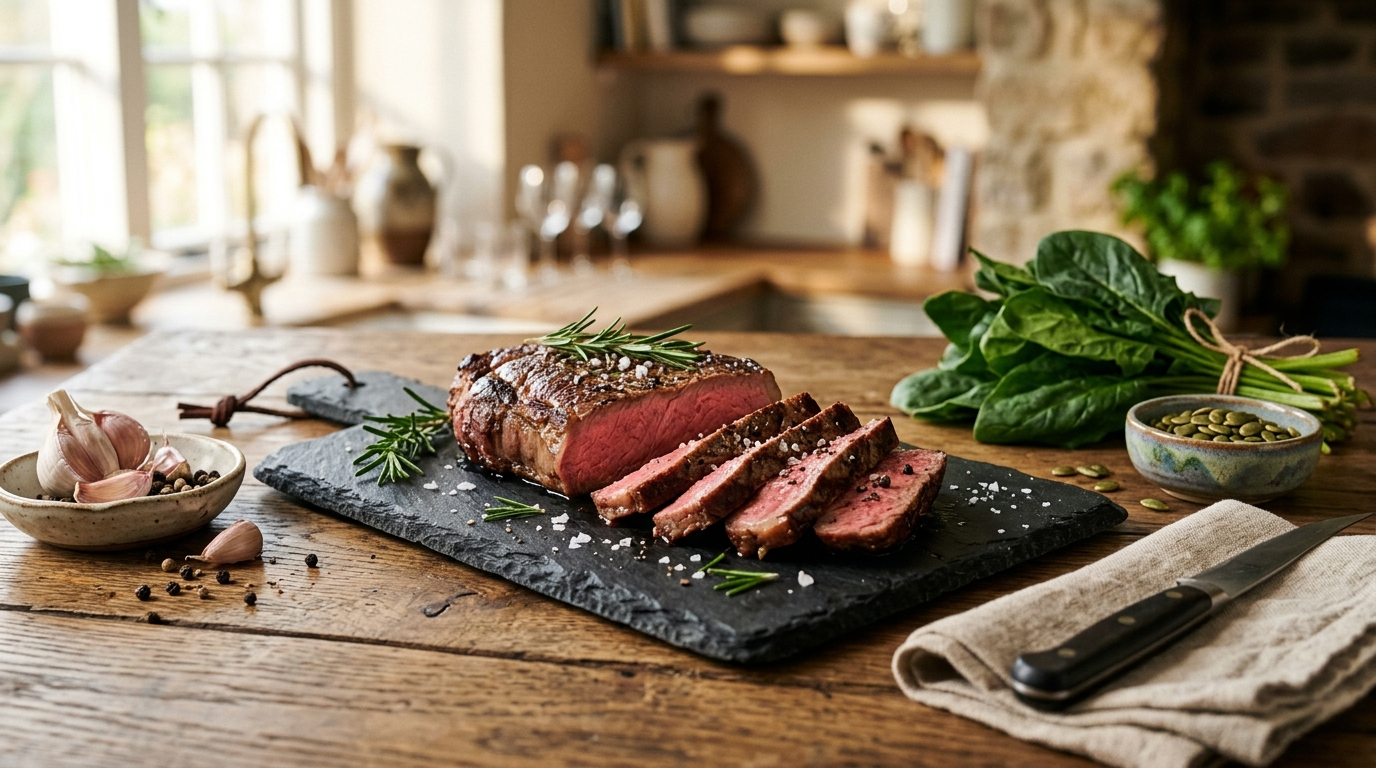
4. The 5 Budget-Saving, High-Protein Plant Swaps for Sirloin
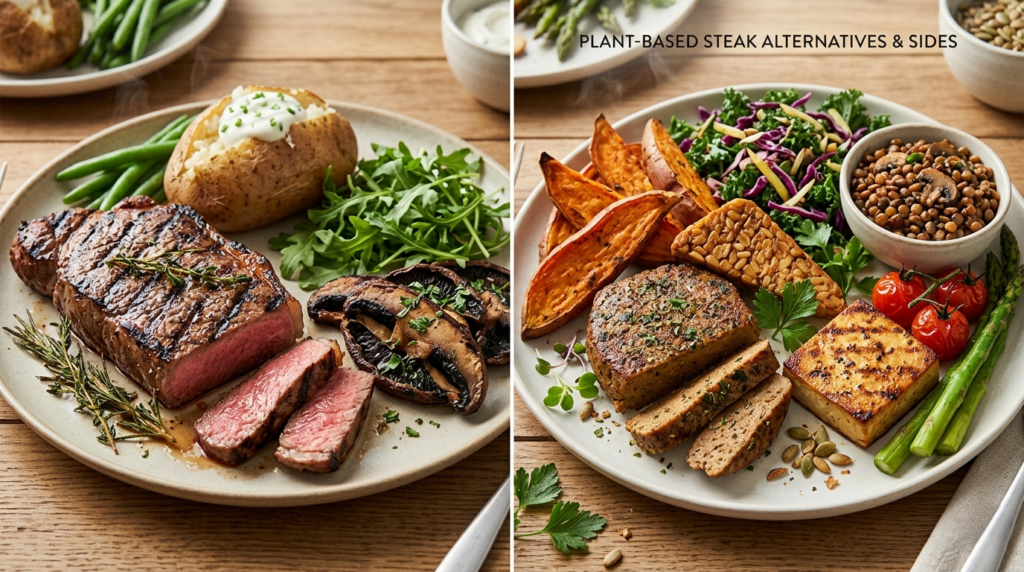
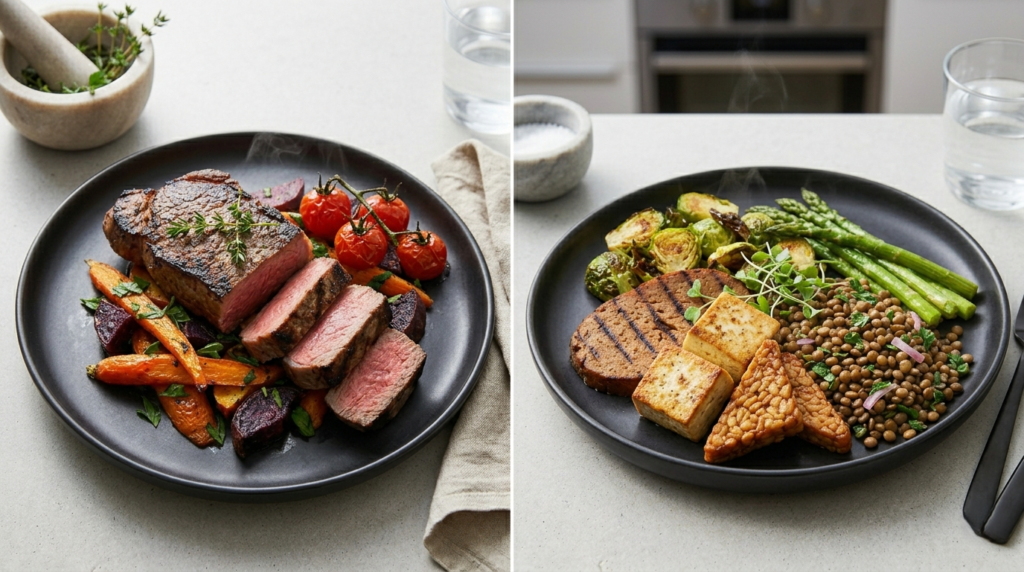
You do not need to be a strict vegan to benefit from these swaps. Incorporating them just two or three nights a week can save you hundreds of dollars over the course of a year. Here are the top five plant-based proteins that go toe-to-toe with sirloin.
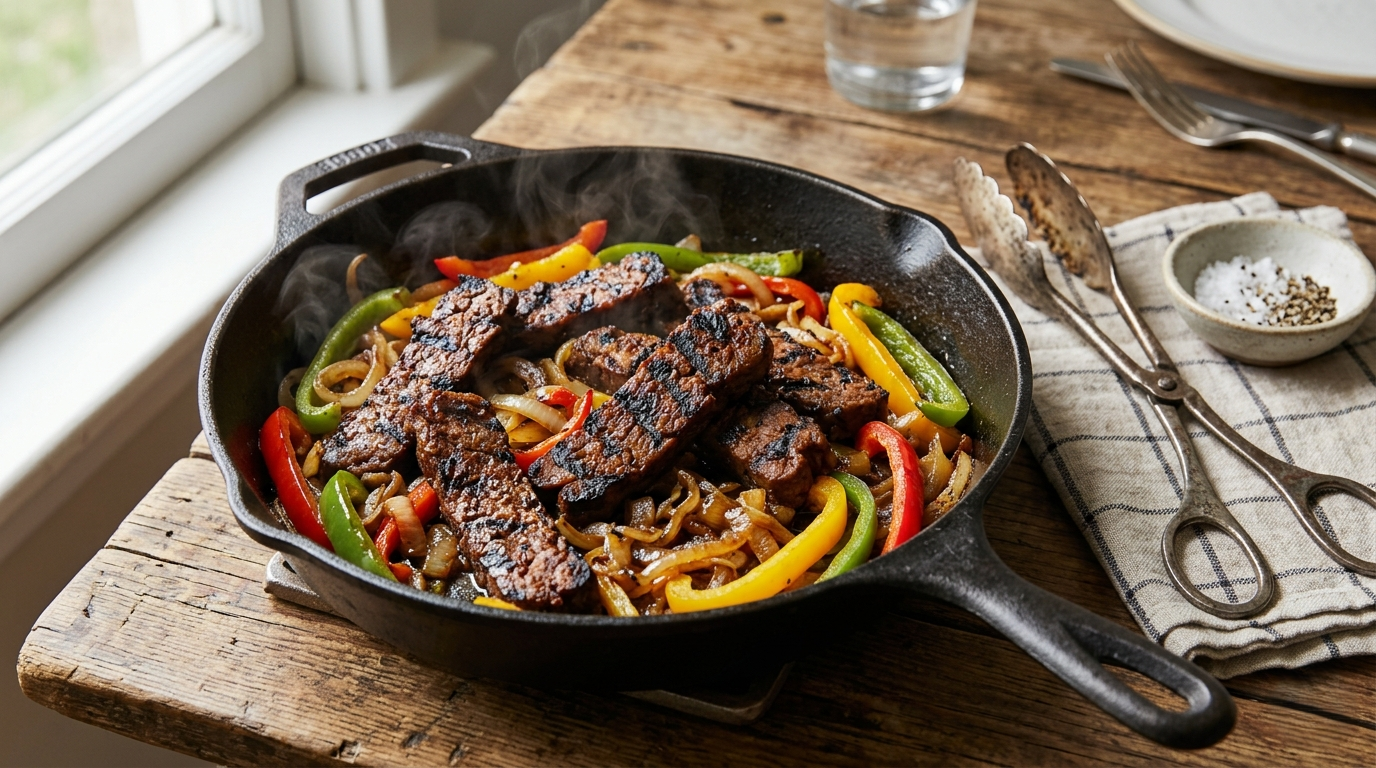
1. Seitan (The “Wheat Meat” Muscle Builder)
If your primary concern is hitting massive protein numbers, seitan (pronounced say-tan) is the undisputed champion of the plant kingdom. Made by washing the starch away from wheat dough until only the gluten protein remains, seitan has been used in Asian cuisines for centuries as a meat substitute.
-
The Stats: A 3 oz serving of seitan packs an astonishing 21 to 25 grams of protein, making it a near-perfect macro match for sirloin steak. It is extremely low in fat and carbohydrate-light.
-
The Cost: If you make seitan from scratch using Vital Wheat Gluten flour, the cost drops to mere pennies per serving (often around $0.30 to $0.50 per 25g of protein). Even pre-packaged, store-bought seitan is significantly cheaper per pound than premium beef.
-
How to Use It: Seitan boasts a dense, remarkably chewy, and robust texture that mirrors the “bite” of animal muscle. It is the ultimate direct replacement for steak strips in fajitas, pepper steak stir-fries, and hearty stroganoffs. Because it is highly porous, it acts like a flavor sponge, absorbing rich marinades deeply.
2. Tempeh (The Fermented Superfood)
While tofu often gets all the attention, tempeh is tofu’s earthier, more nutrient-dense cousin. Originating in Indonesia, tempeh is made by fermenting whole soybeans and packing them into a dense, firm cake.
-
The Stats: A 3 oz serving of tempeh delivers roughly 16 to 18 grams of protein. Because it utilizes the whole bean, it also provides a massive dose of dietary fiber, alongside gut-friendly prebiotics and probiotics generated during the fermentation process—benefits you will never find in a steak.
-
The Cost: A standard 8 oz block of tempeh typically costs between $3.00 and $4.00 and comfortably provides three solid protein servings.
-
How to Use It: Tempeh has a firm, nougat-like texture and a slightly nutty, savory flavor. To replace sirloin, slice the tempeh into thick strips, steam it for 10 minutes (this opens the pores and removes any natural bitterness), and then submerge it in a smoky, soy-sauce-based marinade. Pan-sear the strips until caramelized and use them in hearty sandwiches, grain bowls, or as a standalone centerpiece alongside roasted vegetables.
3. Lentils (The Iron-Rich Budget Champion)
Lentils are the unsung heroes of the global pantry. While they may not look like a steak, functionally, they are the absolute best replacement for the iron and ground meat texture that you might otherwise get from minced sirloin.
-
The Stats: One cooked cup of lentils yields about 18 grams of protein. Crucially, it also delivers nearly 37% of your daily recommended intake of iron, replacing the micronutrients you would normally seek from red meat. Furthermore, they are packed with folate, magnesium, and potassium.
-
The Cost: Lentils are the undisputed king of cheap protein. Buying dry lentils in bulk can drop your cost to less than $0.15 per serving.
-
How to Use It: Lentils are perfect for dishes where sirloin would normally be chopped or ground. Use brown or green lentils (which hold their shape well) to make a deeply savory shepherd’s pie, a thick and hearty protein stew, or a classic plant-based “meat” loaf.
4. Extra-Firm Tofu (The Protein Canvas)
When many people think of swapping out steak, they dismiss tofu as too soft or bland. However, extra-firm tofu—when prepared correctly—is one of the most versatile and economical meat replacements in the culinary world.
-
The Stats: A half-cup serving of firm tofu provides between 15 to 17 grams of protein, alongside healthy doses of calcium and manganese. It is also completely cholesterol-free.
-
The Cost: At an average of $2.00 to $3.00 for a 14 oz block, tofu remains highly immune to the extreme price volatility seen in the animal agriculture sector.
-
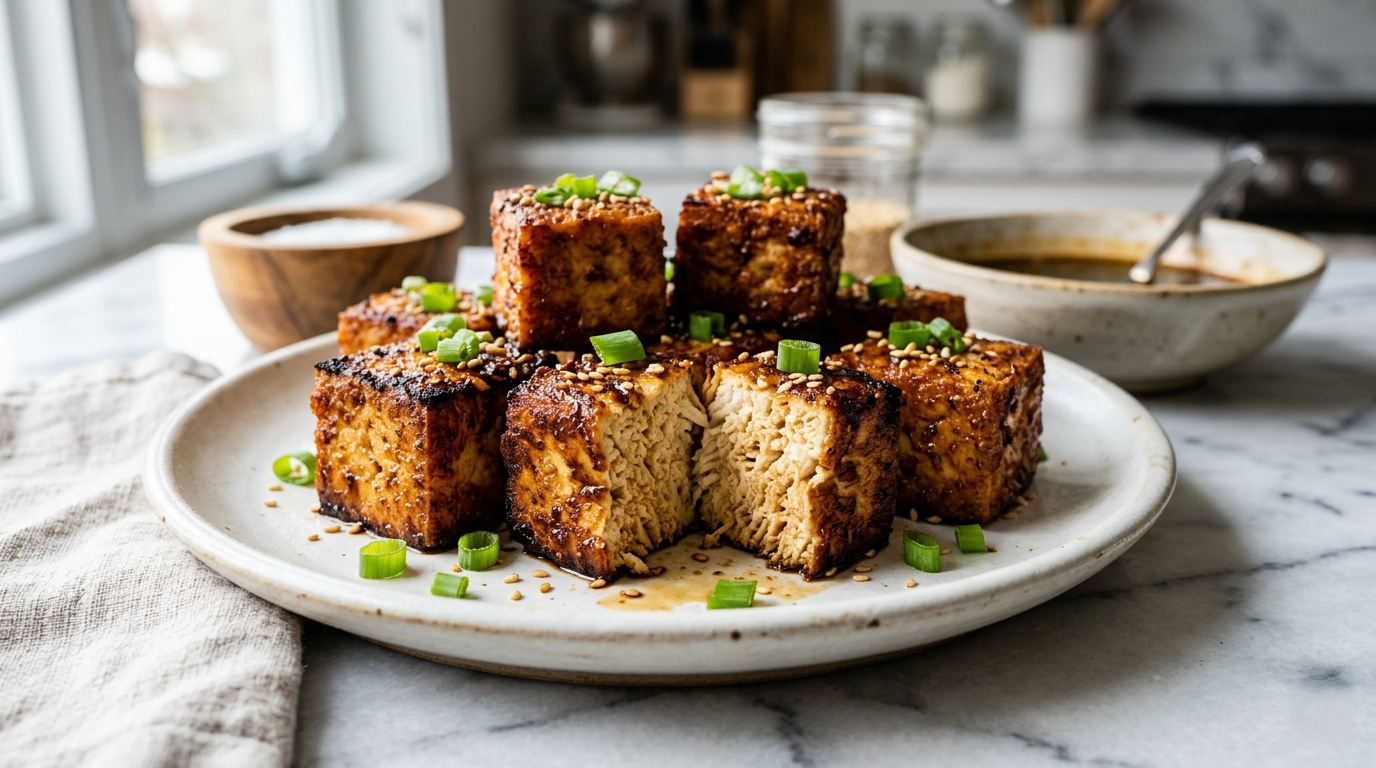
How to Use It: Pro-Tip: To transform tofu into a steak substitute, you must use the “freeze and press” method. Place the entire package of tofu in the freezer overnight. As the water inside the tofu freezes and expands, it alters the molecular structure of the soy block. Once thawed and pressed to remove the excess liquid, the tofu develops a spongy, remarkably “meaty” chew. Because it is essentially a blank canvas, it will aggressively absorb savory marinades (think garlic, black pepper, and soy sauce) and crisp up beautifully in a cast-iron pan.
5. Black Beans & Quinoa (The Complete Protein Combo)
Sometimes the best replacement for a steak dinner is rethinking the center of the plate entirely. By combining two ancient, nutrient-dense staples—black beans and quinoa—you can create a complete amino acid profile that rivals beef.
-
The Stats: Together, a serving of black beans and quinoa easily delivers 15+ grams of complete protein. Additionally, this pairing is loaded with complex carbohydrates for sustained energy and heart-healthy dietary fiber.
-
The Cost: Both ingredients are pantry staples that cost a fraction of fresh red meat. A combined serving typically rings in at under $0.50.
-
How to Use It: This combination is ideal for forming dense, high-protein burger patties to replace ground sirloin burgers. You can also use them as the base for loaded protein burrito bowls, seasoned heavily with cumin, smoked paprika, and chili powder to satisfy those savory, Tex-Mex cravings without the steak.
5. The Ultimate Cost Comparison: Sirloin vs. Plants
To truly understand the impact of the surging sirloin steak price on your grocery budget, we need to look at the hard data. Let’s compare what it costs in 2026 to get roughly 25 grams of protein from beef versus our top plant-based alternatives.
| Protein Source | Protein Amount | Estimated Cost per Serving | Cost per 25g of Protein |
| Top Sirloin Steak | 25g (approx. 3 oz cooked) | $3.50 – $4.50 | $3.50 – $4.50 |
| Seitan (Homemade) | 25g (approx. 3 oz) | $0.45 | $0.45 |
| Extra-Firm Tofu | 16g (approx. 3 oz) | $0.75 | $1.15 |
| Lentils (Dry, Cooked) | 18g (1 cup cooked) | $0.20 | $0.28 |
The Return on Investment (ROI)
Let’s put these numbers into a real-world perspective. Imagine a family of four that typically eats steak or premium red meat twice a week.
-
Eating Beef: 8 servings per week @ $4.00/serving = $32/week, or $1,664 per year.
-
Plant-Based Swap: 8 servings per week of Seitan/Tofu @ $0.75/serving = $6/week, or $312 per year.
By simply replacing red meat with high-protein plant swaps just two nights a week, a family can save over $1,350 annually. That is a substantial budget relief, proving that beating food inflation is entirely possible with a few smart dietary shifts.
6. Chef’s Secrets: How to Make Plant Proteins Taste “Meaty”
The most common objection to plant-based eating is the fear of losing out on the rich, savory satisfaction of a great steak. But meat flavor is largely composed of two elements: Umami and the Maillard reaction. By mastering these, you can make plants taste incredible.
Master the Umami Flavor Profile
Umami is the “fifth taste”—a deep, savory, brooding flavor associated with cooked meats. To replicate this without beef, you need to build umami into your plant marinades.
-
The Arsenal: Stock your pantry with soy sauce (or gluten-free tamari), liquid smoke, vegan Worcestershire sauce, nutritional yeast, tomato paste, and mushroom powder.
-
Application: When marinating seitan or tofu, a splash of liquid smoke and tamari instantly provides the savory depth and char-grilled aroma that tricks the palate into experiencing “meatiness.”
The Maillard Reaction for Plants
The Maillard reaction is the chemical process that gives browned food its distinctive flavor—it is what makes the crust on a steak taste so good.
-
The Technique: You can achieve this with plants, too! Always pat your tofu or tempeh completely dry before cooking. Moisture is the enemy of a good sear. Heat a cast-iron skillet until it is smoking hot, add a high-smoke-point oil (like avocado oil), and press your plant proteins firmly into the pan. Do not move them for at least 3-4 minutes to allow that beautiful, flavorful crust to develop.
7. Frequently Asked Questions (FAQs)
Can I really build muscle on a plant-based diet without steak?
Absolutely. Muscle hypertrophy requires a caloric surplus, progressive overload in the gym, and adequate protein synthesis. As long as your total daily protein intake is sufficient (typically 0.7 to 1 gram of protein per pound of body weight), your body does not care whether the amino acids came from a sirloin or seitan. Many elite bodybuilders and professional athletes thrive exclusively on plant proteins.
Are plant proteins considered “complete” proteins?
A “complete” protein contains all nine essential amino acids that your body cannot produce on its own. While beef is a complete protein, several plants are too, including soy (tofu/tempeh) and quinoa. Furthermore, modern nutritional science shows that you do not need to eat all essential amino acids in a single meal. Your body pools amino acids over 24 hours, meaning as long as you eat a varied plant diet (e.g., beans and rice throughout the day), you are getting complete proteins.
How do I get enough iron without eating red meat?
While red meat contains heme iron (which is highly absorbable), plants like lentils, spinach, and tofu are packed with non-heme iron. To maximize absorption, simply pair these plant proteins with a source of Vitamin C. Squeezing fresh lime juice over a black bean bowl or cooking lentils with tomatoes increases iron absorption significantly.
Will beef prices ever go back down?
Given the current 2026 agricultural landscape, it is unlikely we will see a return to pre-inflation meat prices anytime soon. The systemic issues of depleted cattle herds, ongoing climate shifts affecting pastureland, and permanently elevated supply chain costs mean high beef prices are likely the new normal.
8. Conclusion: Beat Inflation at the Meat Counter
The soaring sirloin steak price does not have to dictate your health, your fitness results, or your family’s financial stability. While macroeconomic inflation and agricultural supply chains are entirely out of your control, your grocery cart and your nutrition are completely within your power.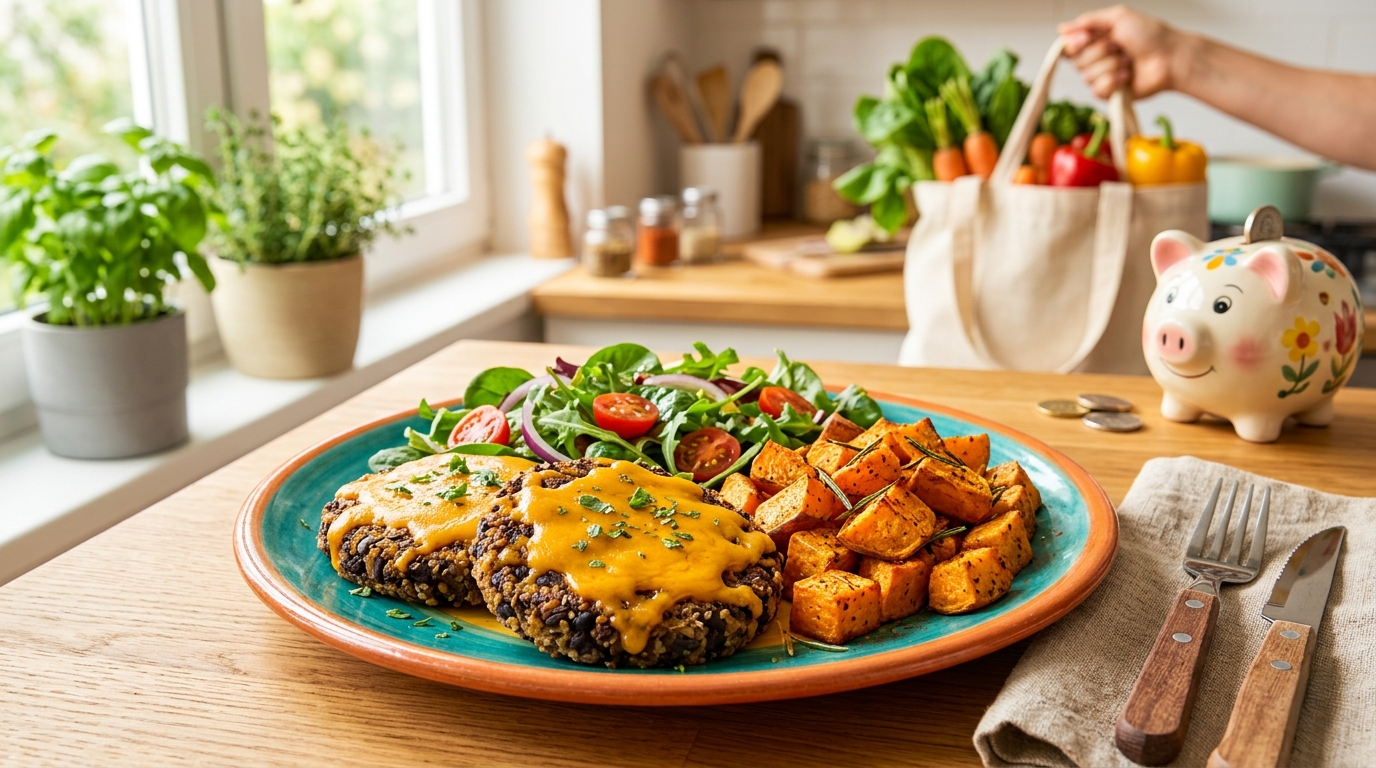
By integrating powerhouse staples like seitan, tempeh, lentils, tofu, and beans into your weekly meal rotation, you can hit all of your protein macros, lower your dietary cholesterol, and insulate yourself against grocery store sticker shock. Plant-based eating is no longer just an ethical or environmental choice; in today’s economy, it is one of the savviest financial decisions you can make.
Take Action This Week: Challenge yourself to leave the steak at the meat counter just once this week. Pick up a bag of vital wheat gluten or a block of extra-firm tofu instead. If you need a guaranteed crowd-pleaser to start, check out our highly-rated 15-Minute Savory Seitan Steak Recipe—your tastebuds, your muscles, and your wallet will thank you!