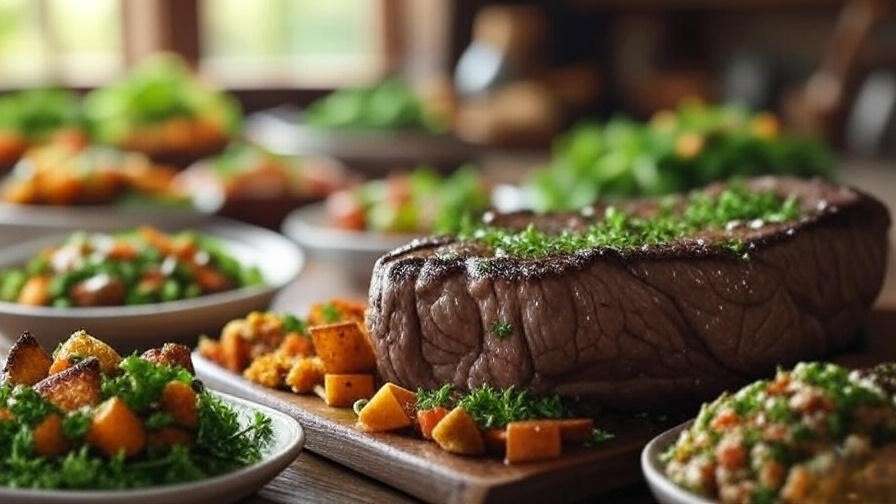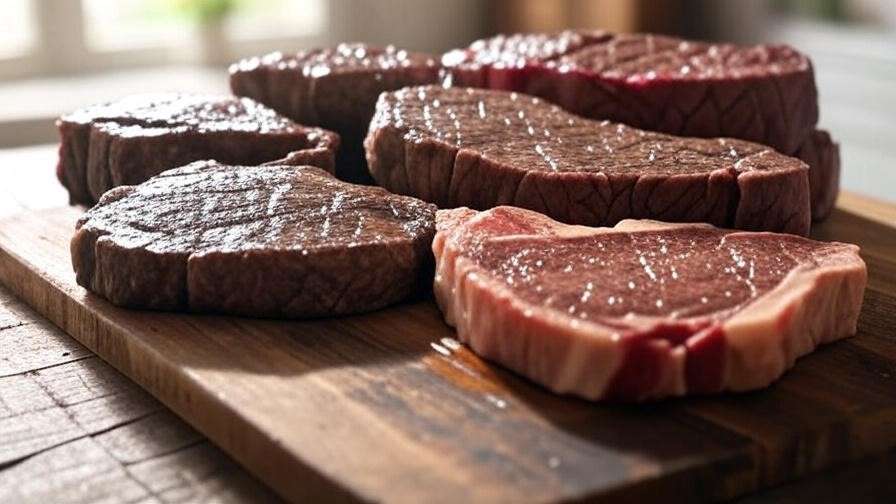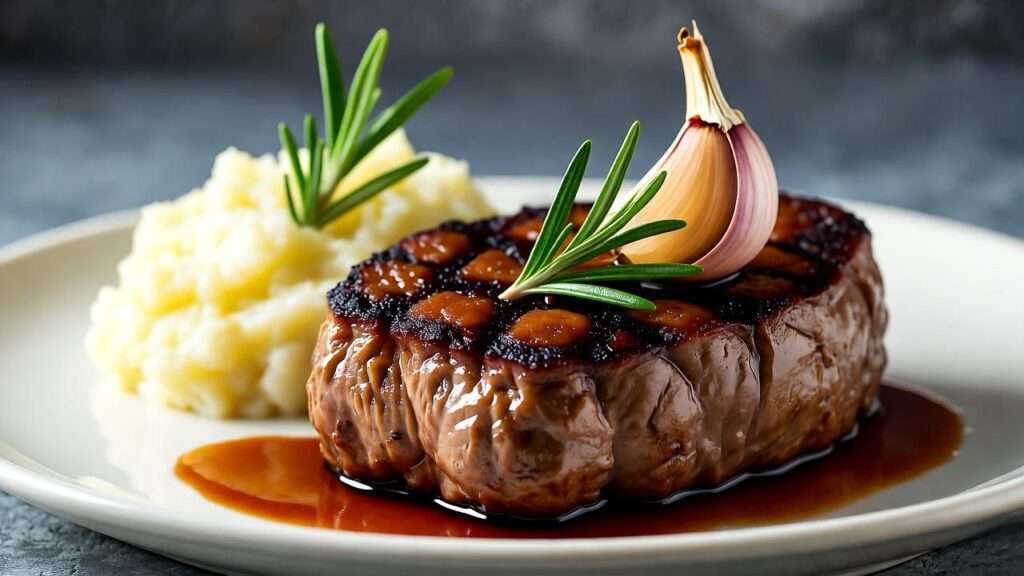
Recreate the iconic sound, smell, and visual appeal of a steakhouse kitchen without relying on animal products. The sizzle of a hot pan is universal, but translating that experience to plant-based proteins presents a unique culinary challenge. Most home cooks struggle with vegan steaks turning out soggy, rubbery, or lacking that signature dark, caramelized crust. The solution lies in the centuries-old tool trusted by professional chefs everywhere. Mastering the art of cooking steak in cast iron skillet is the single most important skill for elevating plant-based meats from mediocre to restaurant-quality.
Through rigorous kitchen testing—adapting traditional meat-searing techniques to seitan, mushrooms, and commercial vegan cuts—this guide breaks down exactly how to achieve the perfect crust, texture, and flavor profile using heavy-duty cookware.
Why Cast Iron is Non-Negotiable for Vegan Steaks
Unlike non-stick or thin aluminum pans, cast iron possesses unique thermal properties that address the specific behavioral quirks of plant-based proteins under high heat.
-
Unmatched Heat Retention: Plant-based steaks, particularly whole-food fungi like Lion’s Mane or portobellos, contain massive amounts of water. When placed in a standard lightweight pan, they instantly drop the cooking surface temperature, resulting in a steamed, gray exterior. Cast iron absorbs and holds heat so effectively that the temperature remains stable even when a cold, moisture-rich ingredient hits the pan.
-
The Maillard Reaction: This chemical reaction between amino acids and reducing sugars is responsible for the browned, savory crust on seared foods. Because plant-based steaks lack natural animal fats that render down to aid crisping, consistent, intense conductive heat is the only way to force this reaction.
-
Even Weight Distribution: Heavy cast-iron skillets pair perfectly with a chef’s press or a secondary heavy pan. Applying weight is a crucial technique for pressing internal water out of mushrooms, allowing you to condense a spongy texture into a dense, meaty bite.
Selecting Your Plant-Based Steak
Not all vegan meats behave the same way in a skillet. Understanding the composition of your chosen protein dictates how you handle the heat and oil.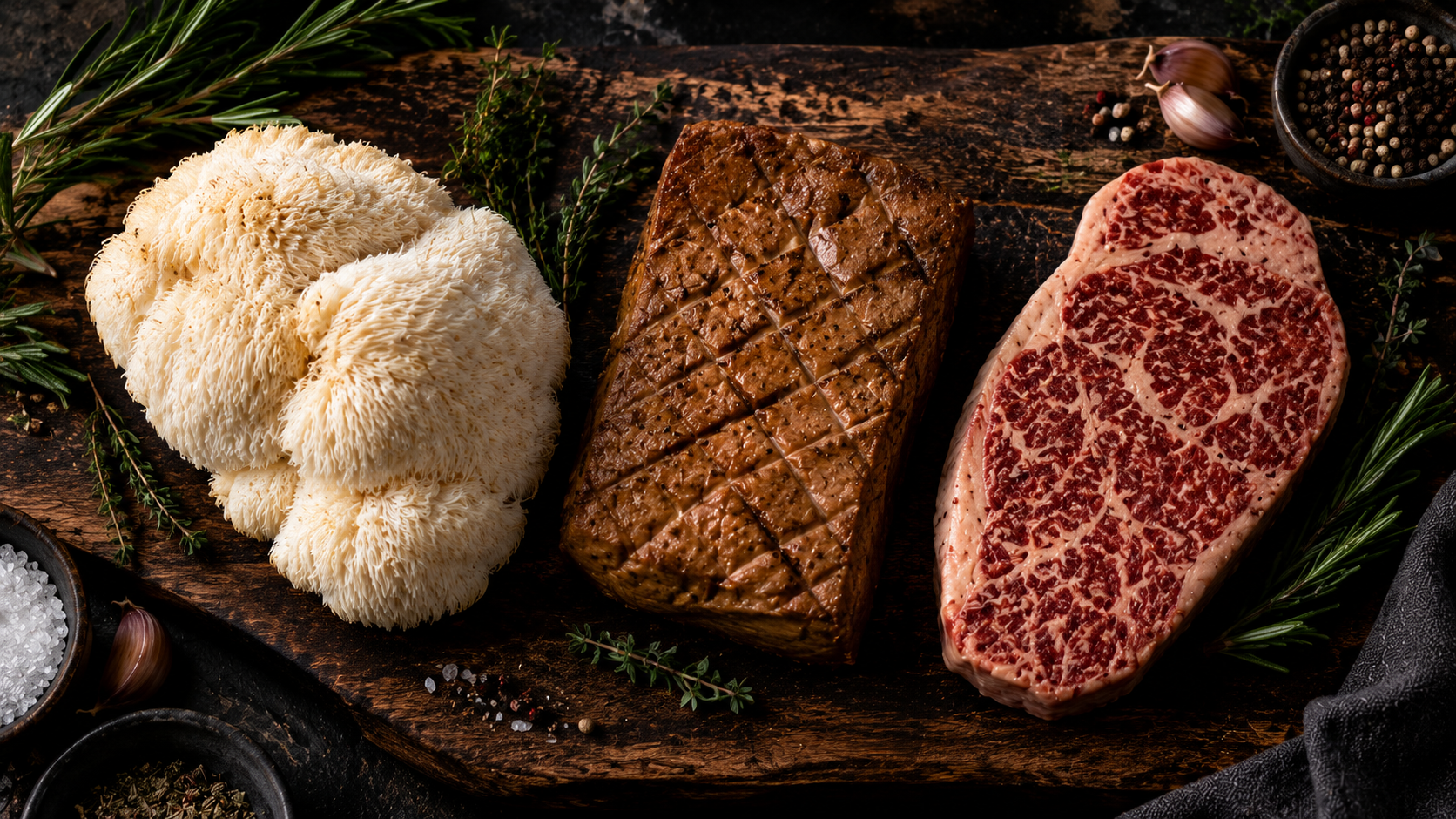
Seitan (Vital Wheat Gluten Blend)
Best for high-protein macros and a dense, chewy bite, seitan acts like a sponge for savory marinades.
-
Expert Tip: Steam seitan cutlets for 25–30 minutes before they ever touch the cast iron. Steaming sets the internal gluten structure so the center is fully cooked and tender. This allows the skillet to serve a single purpose: developing a hard, flavorful crust without drying out the middle.
Whole Food Fungi (Lion’s Mane & King Oyster)
Best for replicating realistic, pull-apart muscle fibers. These mushrooms require a specific “dry press” technique to alter their cellular structure.
-
Expert Tip: Before adding any oil or marinade, cook the raw mushrooms in a dry cast-iron skillet under a heavy weight. Only after the water is expelled and the mushroom is flattened should you introduce marinades and searing oils.
Commercial Alternatives
Next-generation store-bought vegan steaks (such as Chunk Foods or Juicy Marbles) feature injected plant fats, like refined coconut oil, designed to mimic marbling.
-
Expert Tip: These cuts behave most similarly to traditional beef. They require a rapidly heated skillet to immediately sear and seal the exterior before the internal plant fats melt away entirely into the pan.
Pre-Skillet Prep: The Dry Surface Rule
The single greatest enemy of a perfect sear is surface moisture. Whether you are using a soy sauce-based umami soak, a red wine reduction, or a store-bought marinade, any liquid on the exterior of the steak will immediately turn to steam upon hitting the hot pan. Steam blocks the Maillard reaction, leaving you with a soggy crust.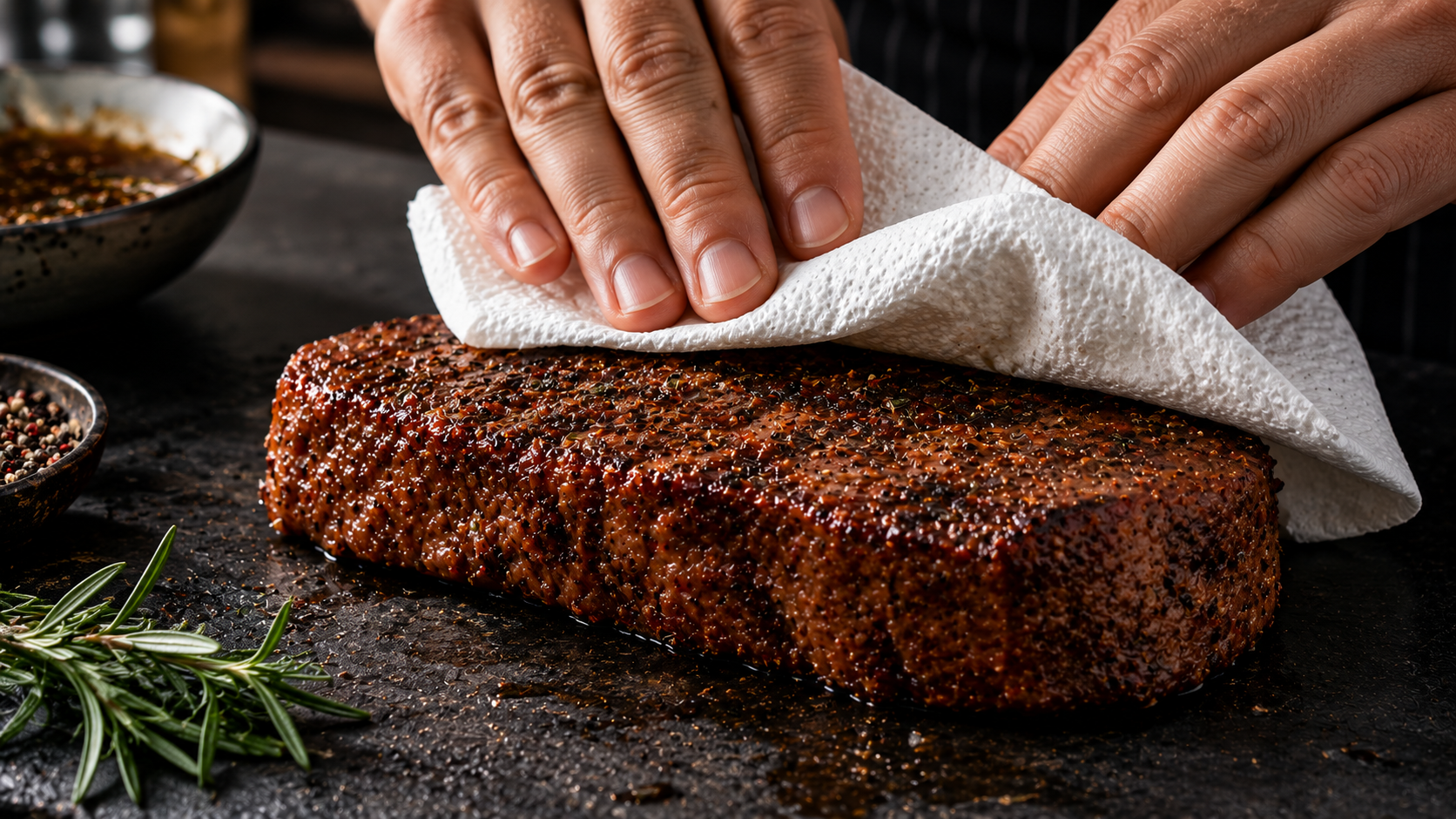
-
Proper Marination Strategy: Allow your plant-based steak to soak up flavors overnight in the refrigerator. However, 15 minutes before cooking, remove the protein from the liquid and vigorously pat it completely dry with paper towels. The flavor is already locked inside; the exterior must be bone-dry.
-
Scoring the Protein: For dense blocks of seitan or thick king oyster mushrooms, use a sharp knife to create a shallow crosshatch pattern across the surface. This increases the surface area for the crust to develop and allows the cooking oil and basting aromatics to penetrate deeper into the protein.
Step-by-Step: Cooking Steak in Cast Iron Skillet
Executing the perfect sear is an active, fast-paced process. Once the protein hits the pan, you must rely on technique, timing, and temperature control to achieve a flawless crust.
Step 1: Pan Temperature and Selecting the Right Oil
Never add oil to a cold cast-iron skillet. The metal must expand under heat first; otherwise, the oil will seep into the microscopic pores of the iron, leading to a sticky surface rather than a slick, seasoned patina. Place your dry skillet over medium-high heat for 3 to 5 minutes. You will know it is ready when hovering your hand a few inches above the surface reveals intense, radiating heat, or a drop of water instantly dances and evaporates.
Once the pan is hot, add your oil. Because we are forcing a rapid Maillard reaction, choosing an oil with a high smoke point is critical. If your oil begins to smoke heavily before the steak even hits the pan, it is breaking down, releasing acrid flavors and harmful free radicals.
Step 2: The Initial Sizzle and Undisturbed Sear
With the oil shimmering and just barely beginning to wisp smoke, carefully lay your dried, plant-based steak into the skillet. Always lay the protein away from your body. This ensures that if any hot oil splatters, it hits the back of the stove rather than your hands or torso.
Once the steak is in the pan, you must follow the golden rule of skillet cooking: do not touch it. Resist the urge to poke, prod, lift, or shift the meat. A successful sear requires uninterrupted contact with the hot iron.
As the plant-based protein sears, it may initially stick to the metal. This is completely normal. After 3 to 4 minutes of high heat, the caramelized crust will physically release itself from the pan. If you try to flip the steak and feel resistance, it is not ready. Wait another 30 to 60 seconds until it lifts effortlessly, then flip to reveal a dark, mahogany-brown crust.
Step 3: The Vegan Butter Baste (Arrosé Technique)
Flipping the steak is only the halfway point. To replicate the rich, mouth-coating succulence of a traditional steakhouse cut, we use a French culinary technique called arrosé (basting).
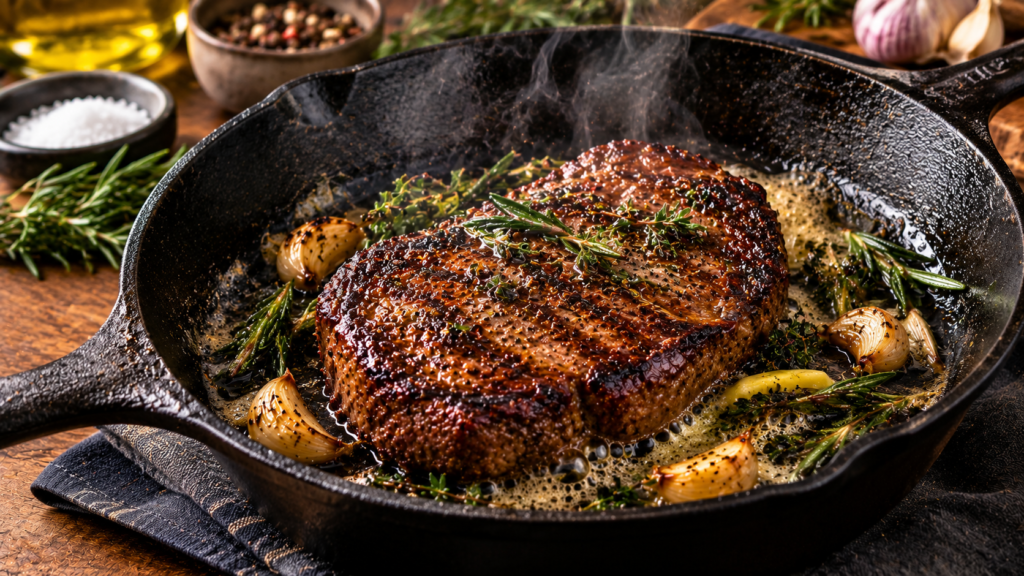
Immediately after flipping the steak, drop the heat to medium-low. Add two tablespoons of high-quality vegan block butter (avoid soft tub margarines, as their water content is too high and will cause aggressive popping), three crushed garlic cloves, and fresh sprigs of thyme and rosemary directly into the pan.
As the vegan butter melts and foams, tilt the skillet slightly toward you by the handle. The melted fat will pool at the bottom edge of the pan, infusing with the garlic and roasted herbs. Use a large metal spoon to rapidly and continuously scoop the bubbling, aromatic fat over the top of the seared steak. Repeat this basting motion for 1 to 2 minutes. The hot fat seeps into the scored crevices of your seitan or mushroom, delivering immense flavor, trapping moisture, and creating an incredibly luxurious mouthfeel.
Troubleshooting Common Skillet Mistakes
Even with the best preparation, searing at high temperatures can occasionally yield unexpected results. Here is how to course-correct in real-time.
-
The pan is smoking excessively: The heat is too high, or you have used an oil with a low smoke point. Immediately turn down the burner, turn on your exhaust fan, and move the pan off the direct heat for 30 seconds to let the temperature stabilize.
-
The marinade is burning black, not browning: High-sugar marinades (containing maple syrup, agave, or heavy balsamic vinegar) will scorch rapidly in a cast-iron skillet. Always wipe excess marinade off the surface before searing. If you want a sweet glaze, brush it onto the steak during the final 30 seconds of cooking off the direct heat.
-
The steak is hopelessly sticking to the pan: This happens for two reasons: the pan was not hot enough before the protein was added, or your cast-iron seasoning is severely degraded. Do not tear the steak. Lower the heat, let it cook slightly longer to see if it naturally releases, and use a thin metal fish spatula to firmly scrape underneath the crust.
Cleaning Sticky Vegan Marinades from Cast Iron
Plant-based marinades often rely on sticky, sticky ingredients like soy sauce, miso paste, or fruit juices, which can leave a stubborn, baked-on residue inside your skillet. Proper maintenance ensures your pan remains non-stick for your next meal.
First, debunk the myth that you can never use soap on cast iron. Modern dish soap does not contain the harsh lye that once stripped seasoning from pans. A few drops of mild soap will not destroy polymerized oil.
For heavy, caramelized sugar residue, use the deglazing method. While the pan is still warm (but not dangerously hot), pour in half a cup of warm water. The rapid steam will loosen the baked-on sugars. Use a flat wooden spatula to scrape the bottom of the pan gently, lifting the debris. Dump the dirty water, wipe the skillet completely clean with a sponge, and dry it thoroughly with a towel. Finally, place the dry skillet back on a low burner for two minutes to evaporate any microscopic moisture, and rub a tiny drop of neutral oil into the cooking surface to protect the patina from rusting.
Frequently Asked Questions
Do I need to temper a plant-based steak before cooking? Yes. Whether you are using a commercial vegan steak, pre-steamed seitan, or a marinated portobello, you should never cook it straight out of the refrigerator. Cold proteins lower the pan’s temperature rapidly, inhibiting the sear. Let your steak sit at room temperature for 20 to 30 minutes before patting it dry and searing.
Can I use a cast-iron grill pan instead of a flat skillet? While a grill pan creates aesthetically pleasing grill marks, a flat cast-iron skillet is vastly superior for cooking steaks. A flat surface provides 100% contact with the protein, maximizing the Maillard reaction and ensuring a complete, edge-to-edge crust. Grill pans only sear the raised lines, leaving the rest of the steak steamed.
How do I know when a vegan steak is “done”? Unlike animal protein, plant-based steaks do not carry the risk of undercooked foodborne pathogens in the center, nor do they rely on internal temperatures (like medium-rare at 135°F) for doneness. If you are using pre-steamed seitan or pressed mushrooms, the center is already fully cooked. Your only goal is to achieve the desired external crust and ensure the center is warmed through. Focus entirely on the color and crispness of the exterior.
To get the most out of this technique, start by ensuring your cast-iron skillet is properly seasoned and pre-heated. Next time you prepare a plant-based dinner, document your searing process, note the differences in crust development, and share your results in the comments to help others perfect their technique.