The Steakhouse Experience, Reimagined
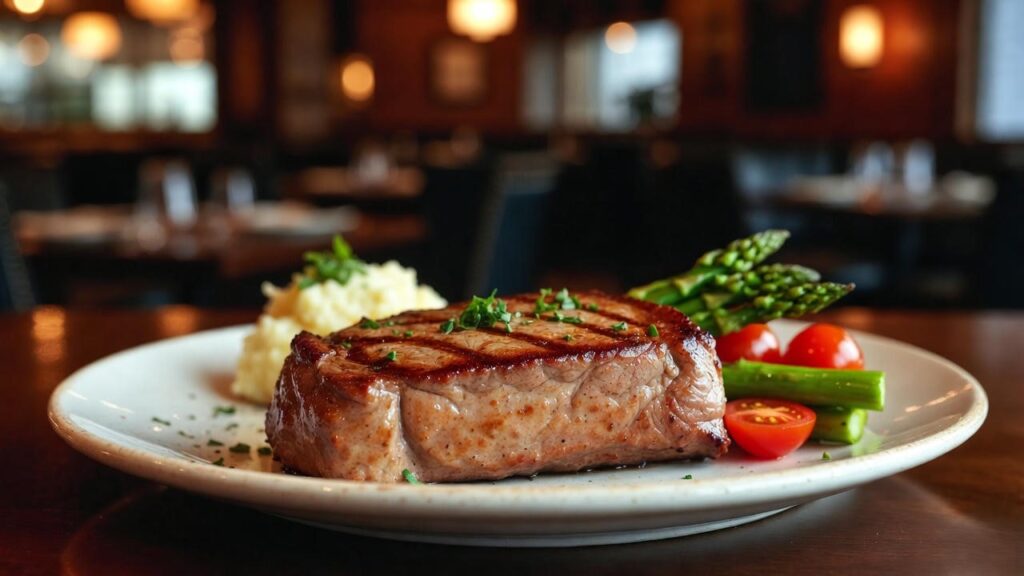
Close your eyes and imagine stepping into a high-end steakhouse. The unmistakable hiss of a hot cast-iron skillet, the rich aroma of roasted garlic and fresh rosemary, and the sight of a deeply caramelized crust. For many embracing a plant-based diet, giving up this sensory experience is the hardest part. You might crave the hearty, satisfying chew of a premium cut, but you do not want to compromise your dietary goals. That is exactly where culinary innovation comes in: today, we are going to recreate a legendary club steak using 100% whole, plant-derived ingredients.
A common problem for transitioners to a vegan lifestyle is the over-reliance on store-bought meat substitutes. While convenient, these alternatives are often highly processed, expensive, and fail to deliver the authentic, luxurious mouthfeel of a real steak.
The solution lies in the produce aisle. By applying classic culinary techniques to specific whole foods, we can transform humble ingredients into a culinary masterpiece. As a dedicated plant-based recipe developer, I have spent months in the kitchen rigorously testing this concept. By analyzing texture mechanics, fat layering, and umami profiles, I have formulated a definitive, chef-level guide to building the ultimate vegan steak. Whether you are hosting a dinner party, planning a romantic date night, or simply craving a hearty meal, this skyscraper guide will teach you the science and art behind the perfect plant-based steak.
II. What is a Club Steak? (And How We Veganize It)
To accurately recreate something, you must first understand its anatomy. In traditional butchery, a club steak—often referred to as a bone-in strip steak—is cut from the short loin. It is highly prized for its perfect balance of tender muscle fibers and rich, beefy flavor.
When we talk about “veganizing” a steak of this caliber, we cannot simply rely on generic vegetable patties. We must meticulously deconstruct the eating experience. There are three essential pillars of a great steakhouse cut that we must replicate using plants:
-
1. Texture (The Chew): A premium steak provides resistance when you bite into it, but it should never be rubbery or mushy. It requires distinct “muscle fibers” that pull apart naturally.
-
2. Umami (The Flavor): This is the deep, savory, mouth-watering taste that lingers on the palate. Traditional meat is naturally high in glutamates; our plant-based version must achieve this through strategic marinades and fermentation.
-
3. The Maillard Reaction (The Crust): The holy grail of cooking. This chemical reaction between amino acids and reducing sugars under high heat creates the browned, caramelized, and slightly crispy exterior that makes a steak so irresistible.
III. Choosing Your Canvas: The Best Whole Foods for a Plant-Based Steak
When crafting a meat alternative from scratch, the base ingredient is everything. You have two superior options for recreating the structure of a club steak, along with a clever trick for presentation.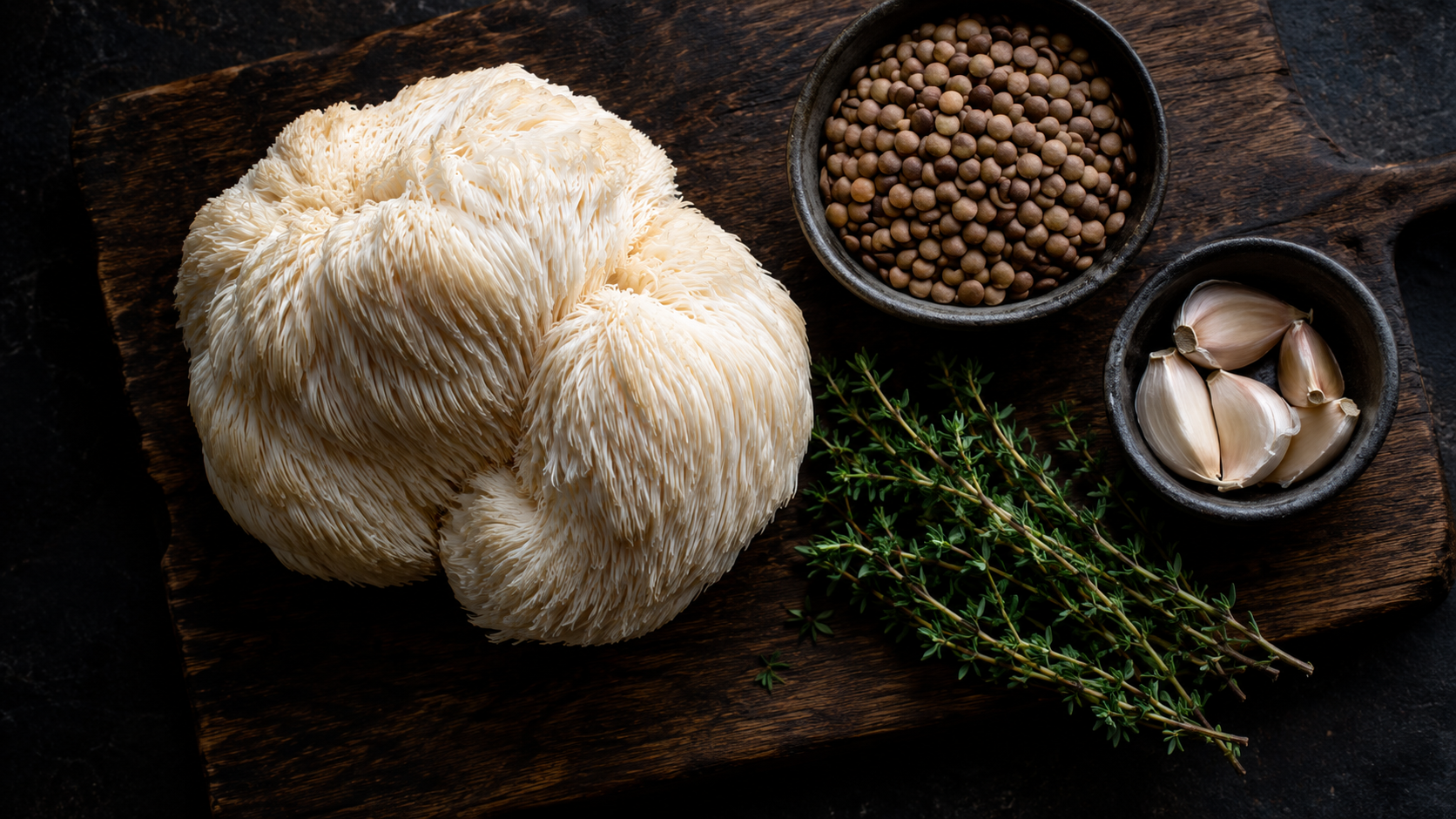
1. Lion’s Mane Mushroom: The Texture Champion
If your primary goal is replicating the exact fibrous, stringy nature of muscle tissue, the Lion’s Mane mushroom is unmatched. Unlike a portobello, which has a spongy and uniform texture, a large Lion’s Mane naturally pulls apart in long, meaty strands.
-
The Science of the Press: Mushrooms are roughly 90% water. If you simply marinate and cook a raw Lion’s Mane, it will steam from the inside out, resulting in a spongy bite. The secret is the “dry sear.” By placing the raw mushroom in a dry, hot skillet and weighing it down with a heavy cast-iron press (or a smaller pan weighed down by cans), you force the water to evaporate while collapsing the cellular structure. What remains is a dense, highly porous “steak” ready to absorb flavors like a sponge.
2. Vital Wheat Gluten & Lentil Hybrid: The Protein Powerhouse
For readers wanting a macronutrient profile closer to real beef—specifically high protein content—seitan (vital wheat gluten) is the classic choice. However, pure seitan can often turn out rubbery or bread-like.
-
The Hybrid Solution: The expert technique is to blend vital wheat gluten with cooked, whole brown lentils and a touch of nutritional yeast. The lentils act to physically interrupt the long gluten strands, preventing the dough from becoming too elastic. This hybrid yields a tender, realistic bite that mimics the dense grain of a traditional cut.
3. The “Bone-In” Illusion (A Culinary Trick)
Part of the charm of a club steak is the bone-in presentation. We eat with our eyes first, and recreating this aesthetic instantly elevates the dish, making it highly shareable.
-
The Technique: You can mimic the bone by using a trimmed, peeled piece of burdock root or a thick slice of parsnip. Before cooking, carefully carve a small slit into the side of your pressed mushroom or raw seitan dough, and insert the root. It holds up perfectly to high heat and adds an incredible visual flair to the final plate.
IV. The Science of Vegan Umami: Crafting the Ultimate Marinade
A great club steak depends entirely on deep, complex flavor development. Animal protein contains naturally occurring glutamates and inosinates that deliver savory richness. To achieve that exact taste profile using plant-based ingredients, we must stack natural sources of umami using precise culinary chemistry.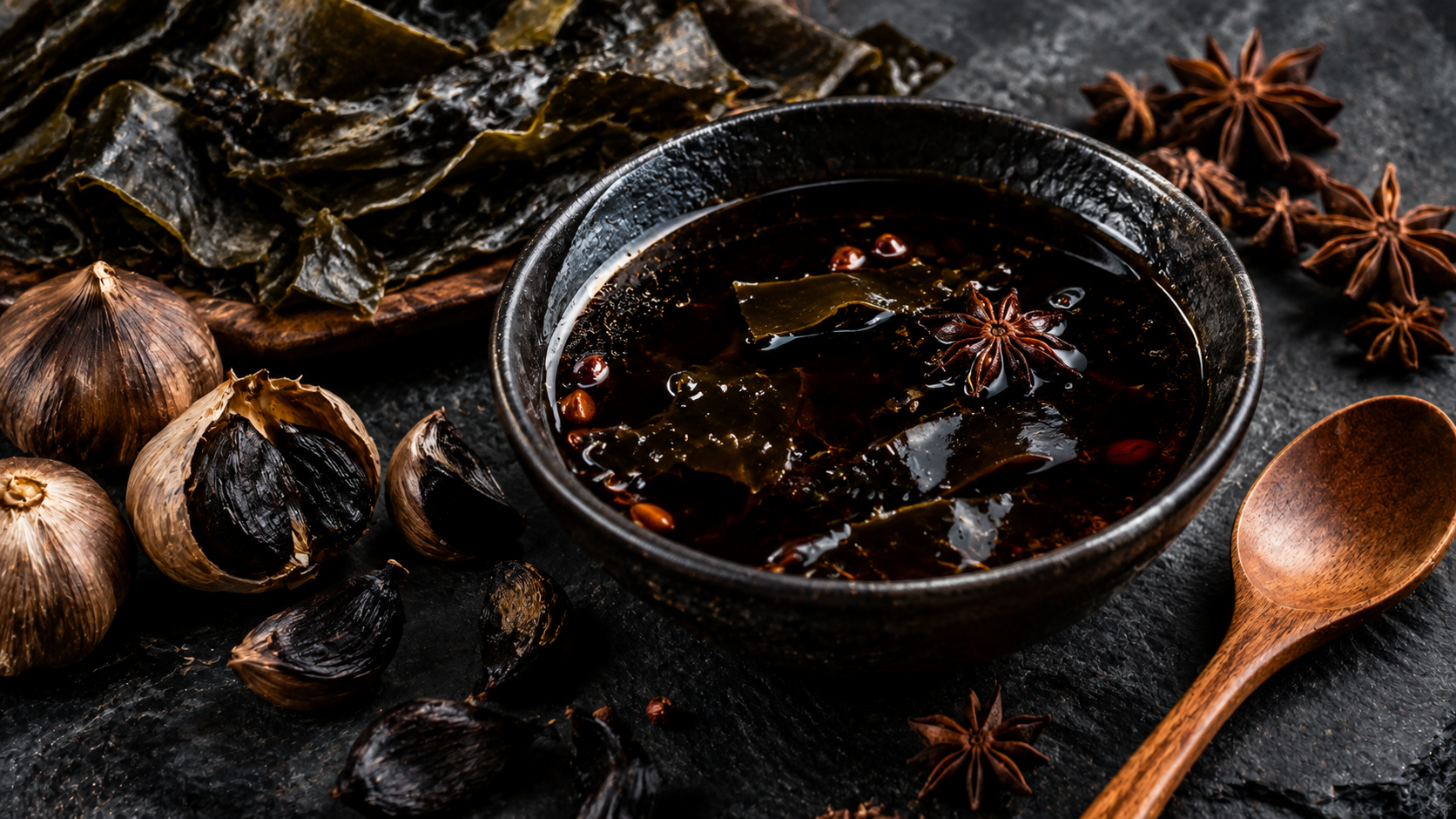
+-------------------------------------------------------------------+
|                     THE VEGAN UMAMI MATRIX                        |
+------------------------------------+------------------------------+
| INGREDIENT                         | CULINARY FUNCTION            |
+------------------------------------+------------------------------+
| Red Miso Paste                     | Fermented Glutamates         |
| Dark Soy Sauce / Tamari            | Salinity & Rich Color        |
| Dried Porcini Powder               | Deep Earthy Guanylates       |
| Kombu (Kelp) Extract               | Synergistic Sea Umami        |
| Black Garlic                       | Sweet, Caramelized Depth     |
| Liquid Smoke & Smoked Paprika      | Hardwood Grill Aromatics     |
| Red Wine / Aged Balsamic           | Acid for Structure & Cut     |
+------------------------------------+------------------------------+
1. Building the Flavor Base
-
Glutamate Synergy: Combine mushroom powder (porcini or shiitake) with fermented soy products (miso or tamari). When glutamates from soy interact with guanylates from dried mushrooms, the perceived umami flavor increases exponentially.
-
Aromatic Depth: Black garlic provides a sweet, slow-roasted flavor profile without the harsh bite of raw garlic.
-
Acid Balance: A splash of dry red wine (such as Cabernet Sauvignon) or aged balsamic vinegar tenderizes gluten structures and cuts through heavy fats, mimicking the acidity inherent in aged beef.
2. Replicating Fat and Mouthfeel
Animal fat coats the palate and carries fat-soluble flavor compounds. Plant-based steaks often taste dry because water-based marinades lack fat.
To overcome this, whisk refined coconut oil (which remains solid at room temperature) or cold-pressed olive oil directly into your marinade emulsion. When cooked, this oil melts into the fibers, providing a authentic, mouth-watering succulence with every bite.
V. Step-by-Step Guide: Making Your Plant-Based Club Steak
Whether you choose the fibrous Lion’s Mane method or the dense Seitan-Lentil approach, the cooking methodology dictates the quality of the final result. Follow these steps for restaurant-quality execution.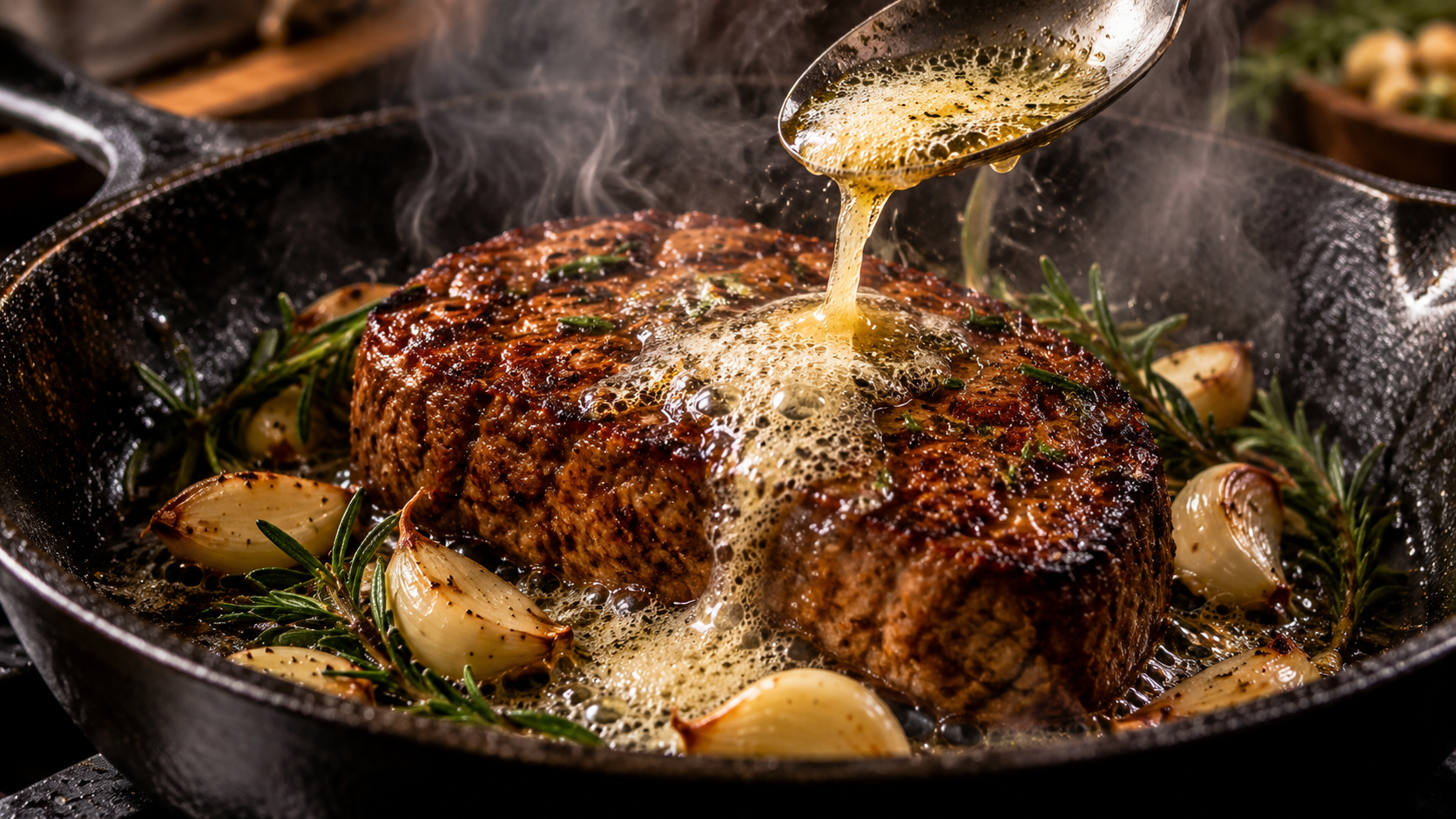
Step 1: The Press and Prep
For Lion’s Mane Mushrooms:
-
Place the fresh, intact mushroom cap in a dry cast-iron skillet over medium heat. Do not add oil at this stage.
-
Position a secondary heavy skillet on top of the mushroom. Apply firm, gradual pressure.
-
Cook for 3–5 minutes per side, pressing out excess moisture until the mushroom flattens into a 1-inch thick slab.
For Seitan-Lentil Bases:
-
Blend cooked brown lentils, vegetable broth, miso, and seasonings until completely smooth.
-
Fold in vital wheat gluten until a soft dough forms. Knead gently for no more than two minutes—over-kneading creates a rubbery texture.
-
Shape into individual 1-inch thick club steak cutlets.
Step 2: The Flavor Infusion (Marination & Thermal Processing)
-
Submersion: Fully submerge your prepared base into the warm umami marinade.
-
Rest Time: Allow the mixture to hydrate in the refrigerator for a minimum of 4 hours, or ideally overnight.
-
Steaming (Seitan Only): If using the seitan-lentil blend, steam the marinated cutlets for 25 minutes before searing. Steaming sets the protein structure, ensuring a firm bite that holds up to high heat.
Step 3: The High-Heat Cast-Iron Sear and Butter Baste
The final phase uses the traditional arrosé technique used by professional steakhouse chefs.
-
Drying: Remove the steak from the marinade and pat the surface dry with paper towels. Crucial: A wet surface creates steam, preventing proper caramelization.
-
The Pan: Heat a heavy cast-iron skillet over high heat until it begins to wisp smoke. Add a high-smoke-point oil (avocado or grapeseed oil).
-
The Sear: Lay the steak into the pan away from you. Sear undisturbed for 3 minutes until a dark, rich crust forms.
-
The Baste: Flip the steak. Immediately drop 2 tablespoons of high-quality vegan butter, 3 crushed garlic cloves, and several sprigs of fresh thyme and rosemary into the pan.
-
Arrosé: Tilt the pan slightly toward you. Use a large spoon to continuously scoop the hot, foaming butter over the top of the steak for 2 minutes.
VI. Plating & Pairing: Completing the Steakhouse Illusion
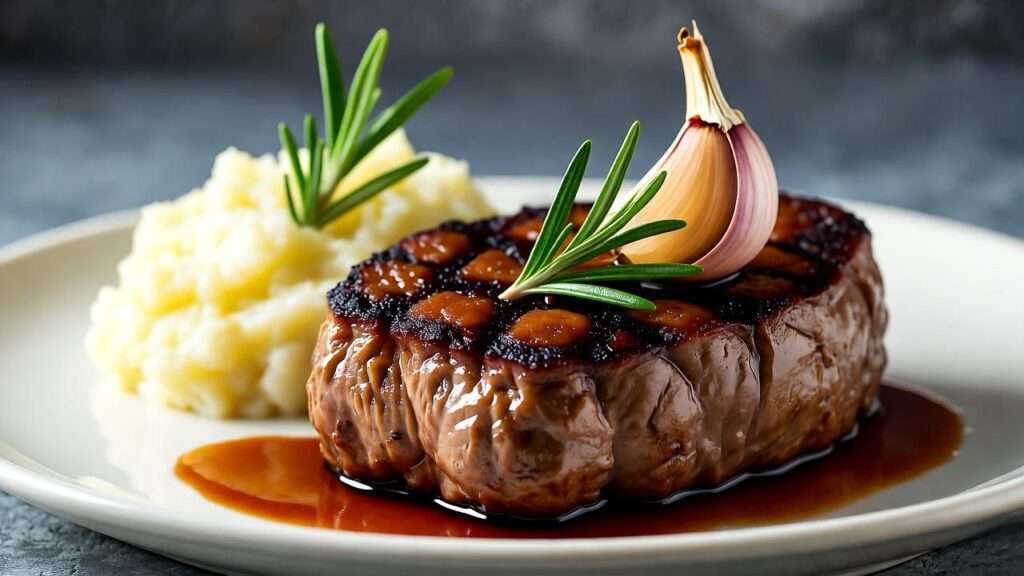
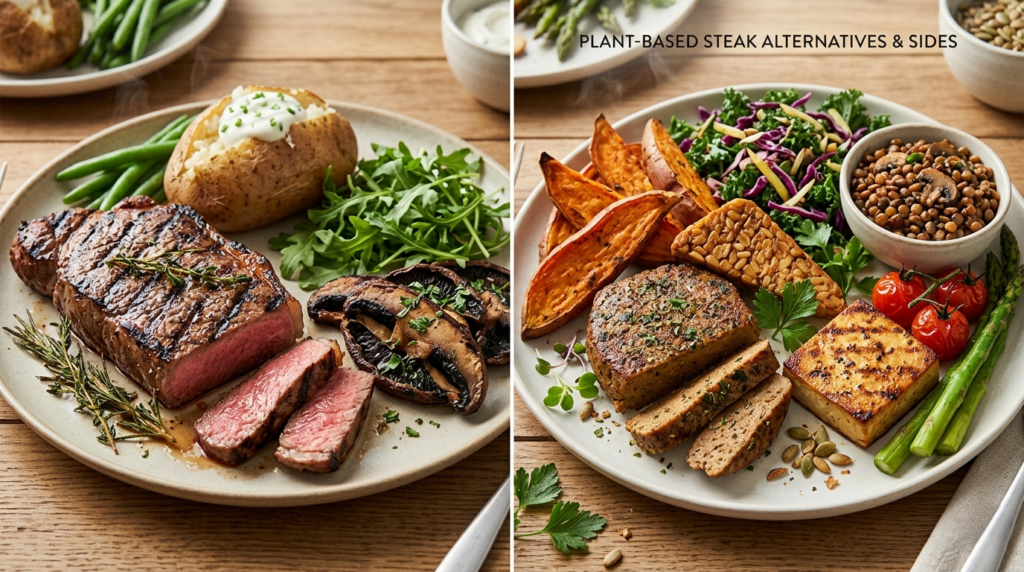
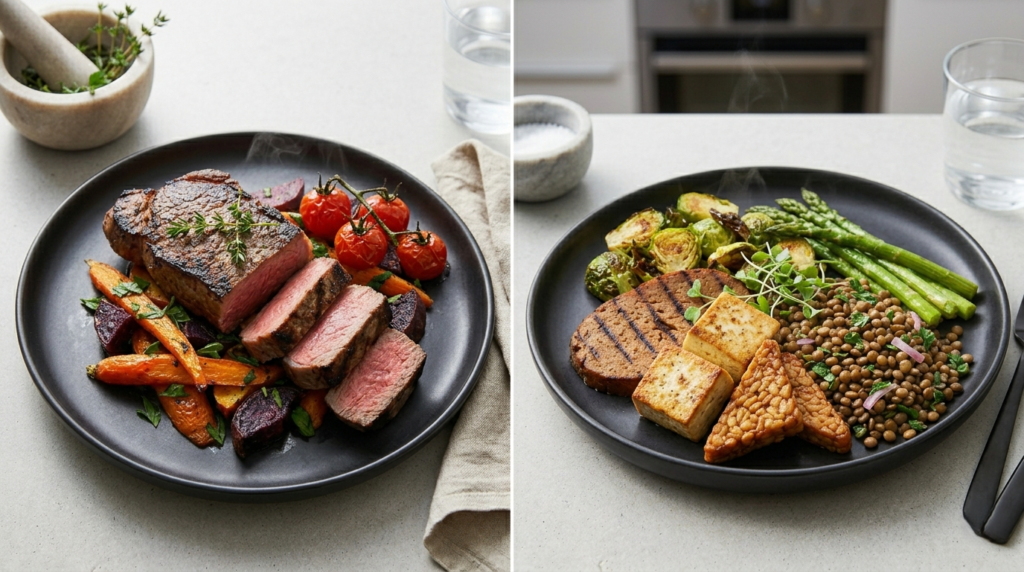
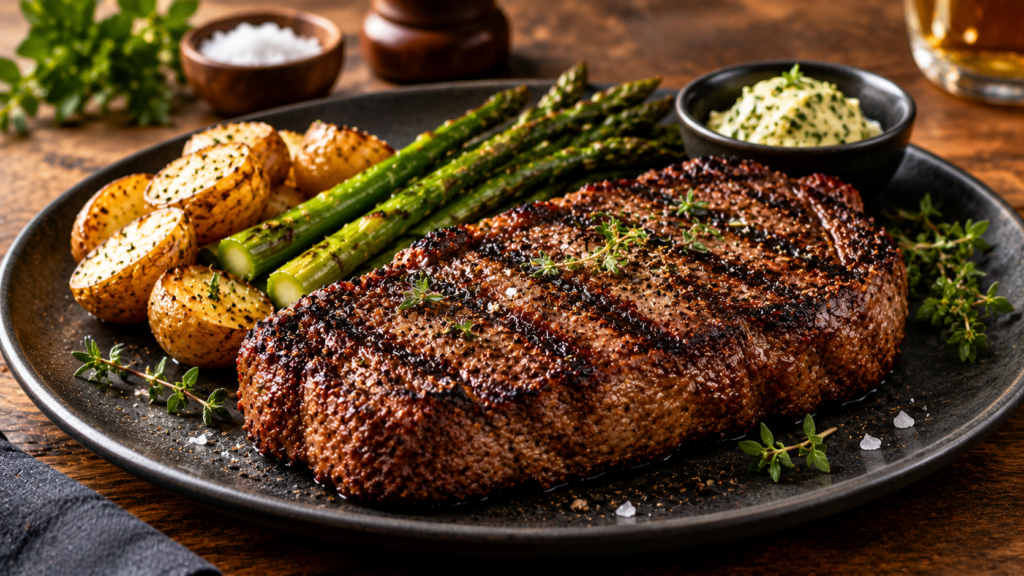
Presentation turns a good meal into an unforgettable dining experience. Slice the club steak on a slight diagonal against the natural grain of the fibers, exposing the juicy interior.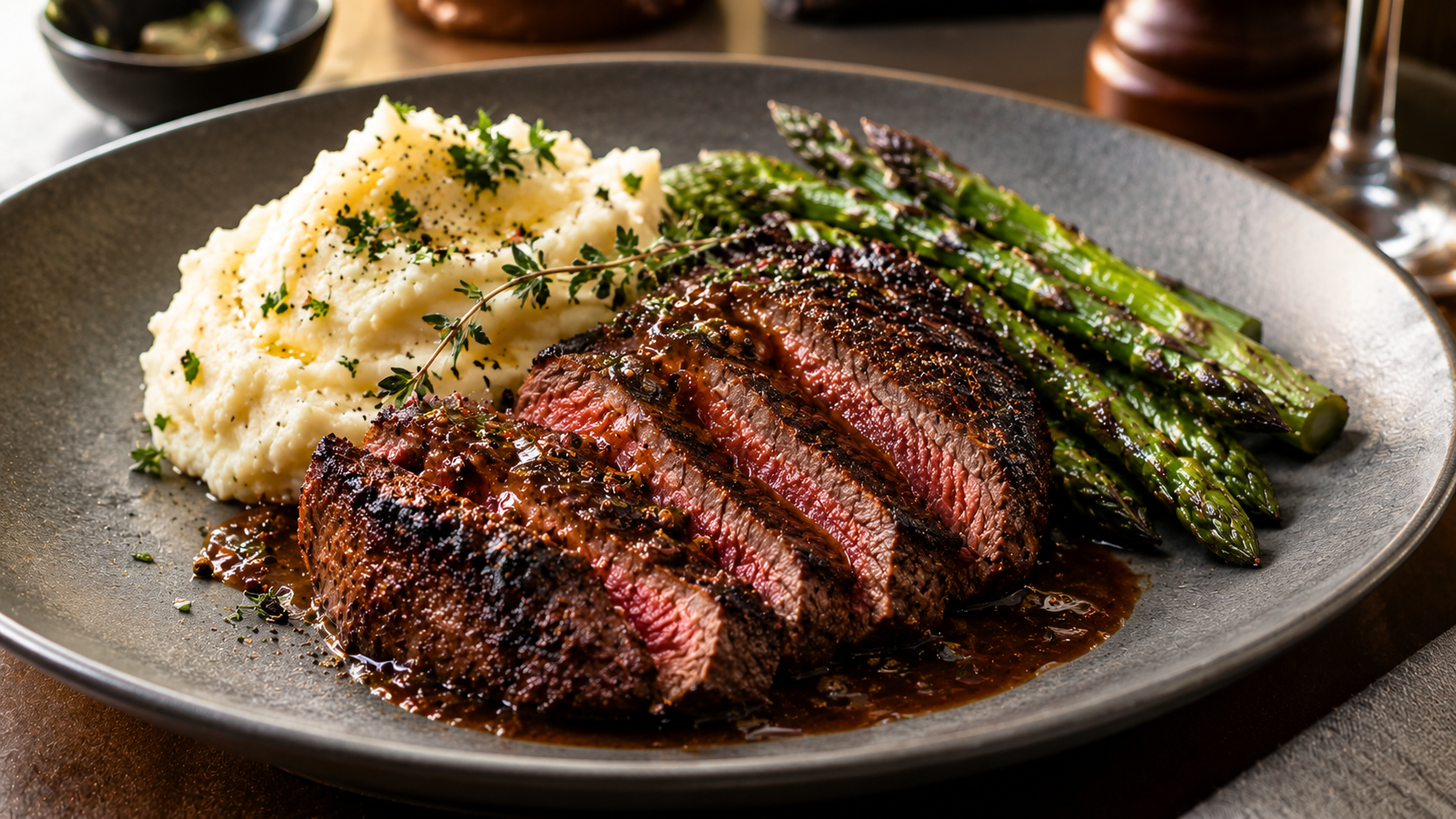
Classic Steakhouse Accompaniments
-
Dairy-Free Creamed Spinach: Fresh baby spinach folded into a rich sauce made from soaked cashews, nutritional yeast, grated nutmeg, and sautéed shallots.
-
Garlic and Chive Potato Purée: Yukon Gold potatoes whipped with roasted garlic, refined olive oil, and warm oat milk for an ultra-creamy texture.
-
Charred Asparagus: Quickly seared over high heat with lemon zest and flaked sea salt.
Signature Finishing Sauces
-
Vegan Peppercorn Sauce: Deglaze your searing pan with cognac or vegetable broth, add crushed green peppercorns, and swirl in full-fat coconut cream or cashew cream.
-
Fresh Chimichurri: Finely chopped flat-leaf parsley, fresh oregano, garlic, red chili flakes, red wine vinegar, and extra virgin olive oil to add bright acidity.
VII. Nutritional Breakdown: Plant-Based vs. Traditional Club Steak
Choosing a plant-based diet should support your health without sacrificing performance nutrition. Here is how a whole-food plant-based steak compares to an 8 oz traditional beef cut.
VIII. Common Pitfalls & Troubleshooting
Even experienced cooks encounter challenges when working with complex plant-based proteins. Here is how to fix common issues:
-
Problem: The texture is spongy or watery.
-
Cause: Inadequate moisture removal during the initial prep phase.
-
Solution: Press mushrooms longer in a dry pan before marinating. If using seitan, ensure the dough is wrapped tightly while steaming to prevent excess water absorption.
-
-
Problem: The crust burns before developing flavor.
-
Cause: Sugars in the marinade (like maple syrup or balsamic) charring too quickly over high heat, or oil with a low smoke point.
-
Solution: Pat the steak thoroughly dry before searing. Avoid adding sweet ingredients to the initial sear marinade; apply sweet glazes during the final 30 seconds of cooking.
-
-
Problem: The interior lacks flavor.
-
Cause: Insufficient marinating time or thick cutlets.
-
Solution: Score the surface of the base in a crosshatch pattern 1/8-inch deep before marinating to allow the liquid to penetrate the core.
-
IX. Frequently Asked Questions
Can I cook this plant-based club steak on an outdoor BBQ grill? Yes. For Lion’s Mane, complete the initial dry-press step in a pan first. Once pressed and marinated, place the mushroom directly over high hardwood charcoal for 3–4 minutes per side, basting with herb butter continuously.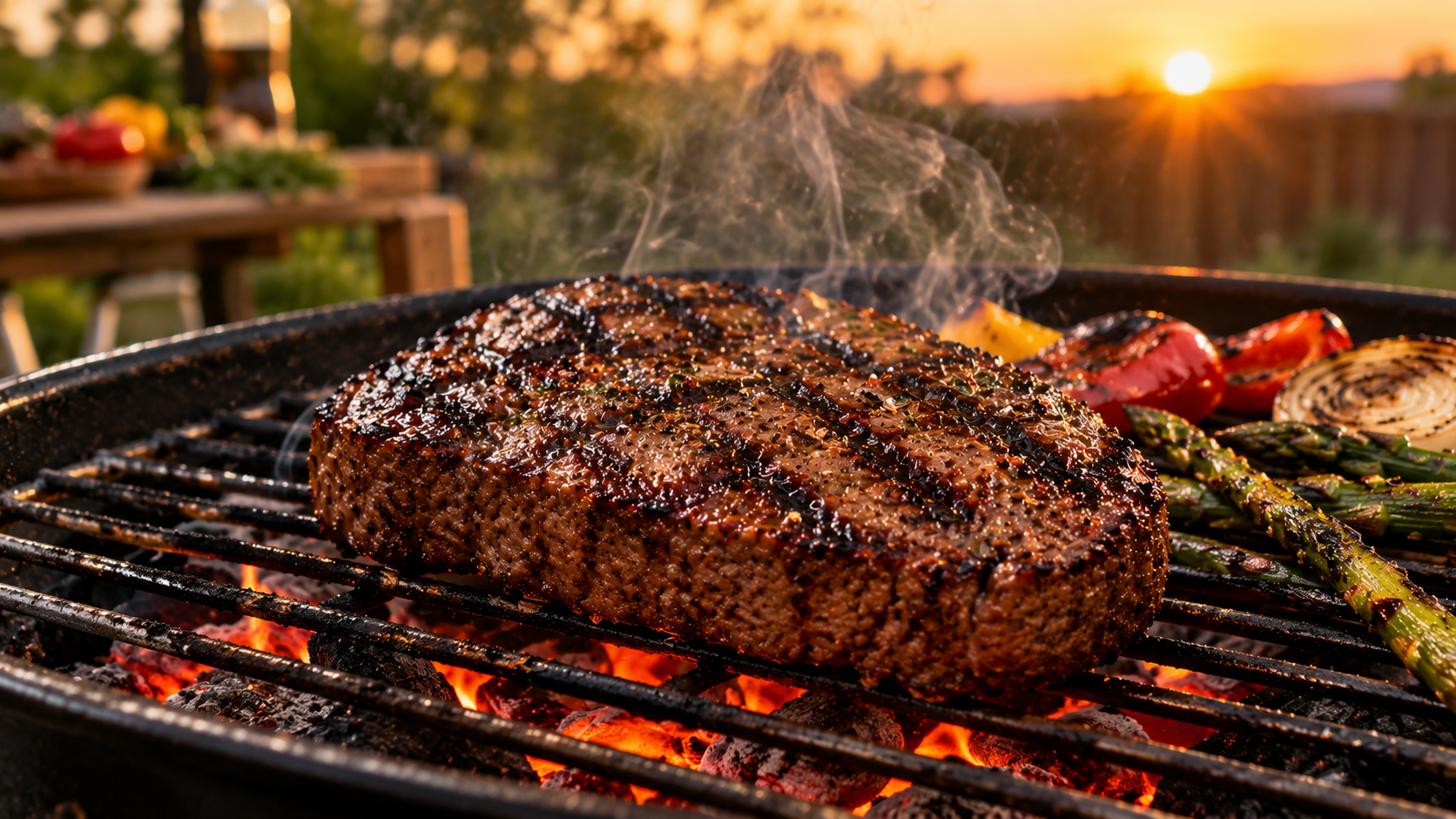
Is this recipe suitable for a gluten-free diet? The Lion’s Mane mushroom method is naturally 100% gluten-free. Ensure you substitute standard soy sauce with certified gluten-free Tamari or coconut aminos in your marinade.
How far in advance can I prepare these steaks? You can press and marinate the bases up to 3 days in advance. In fact, an extended marinating time improves both texture and flavor penetration. Once seared, serve immediately for optimum crust contrast.
Transitioning to a plant-forward lifestyle does not require giving up rich culinary traditions or comforting meals. By understanding food science, mastering high-heat searing techniques, and layering umami flavors, you can recreate the full steakhouse experience right in your own kitchen using simple whole foods.