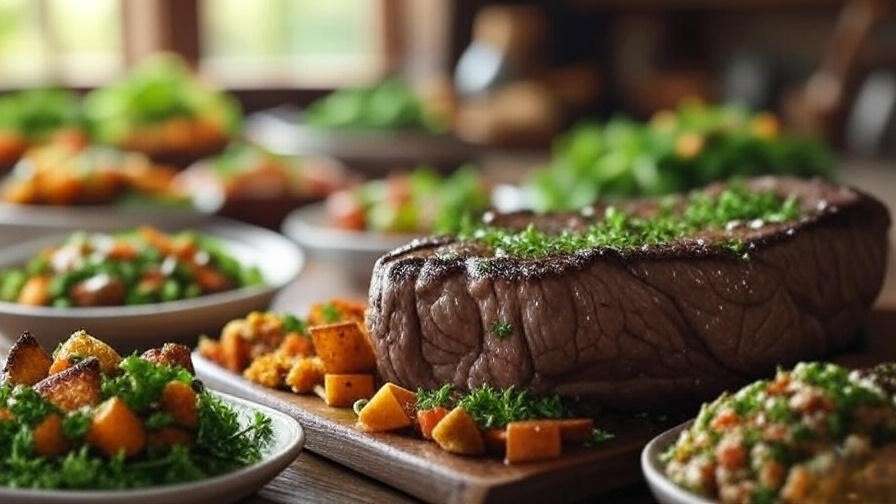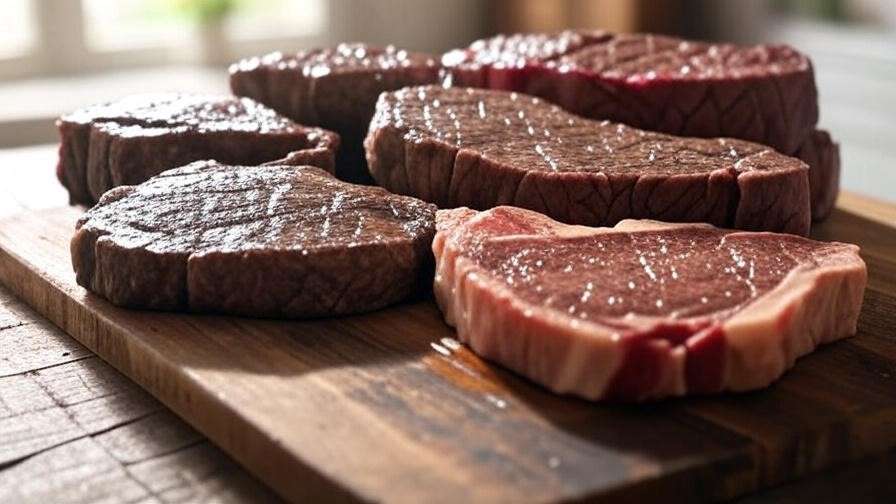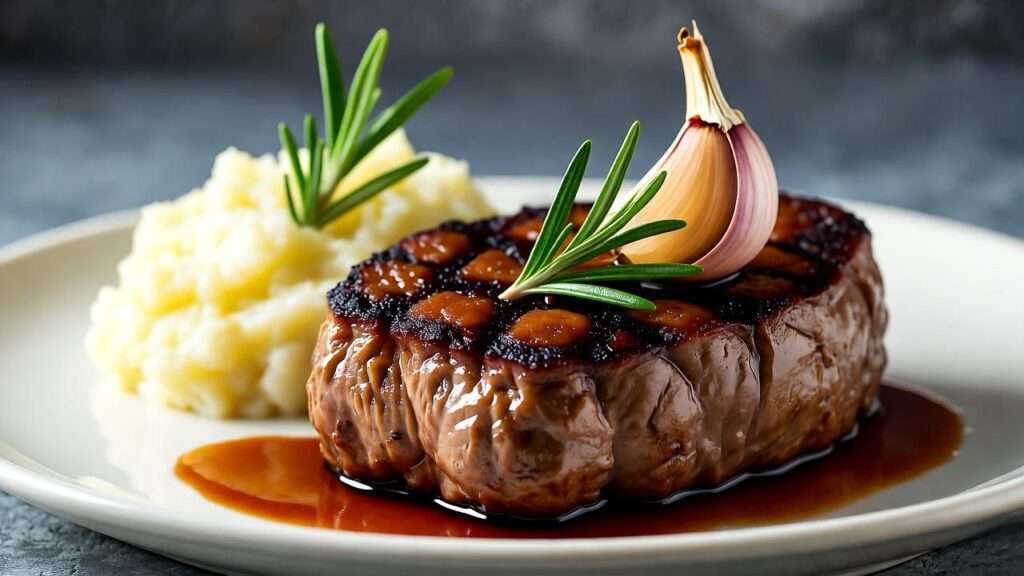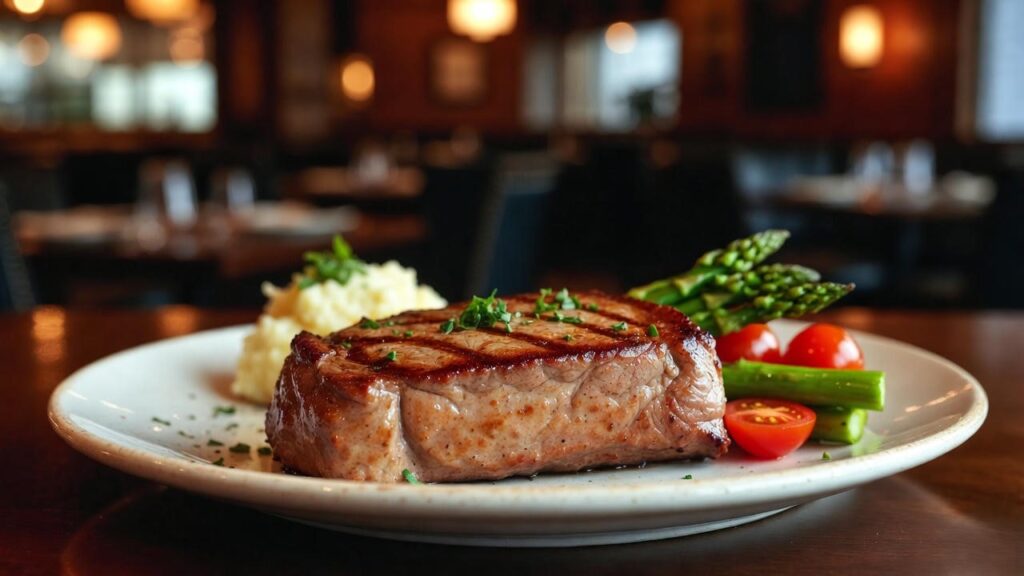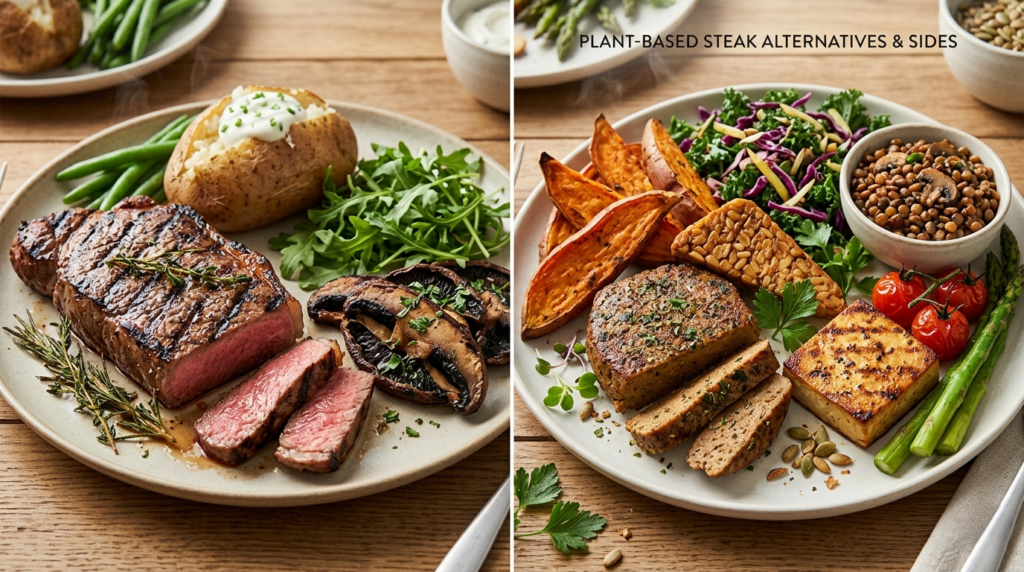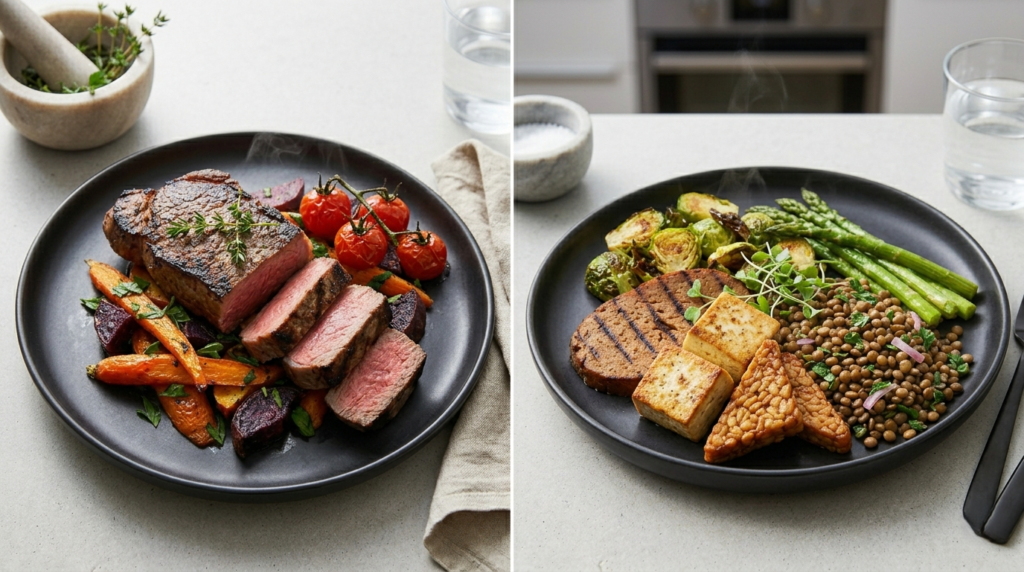
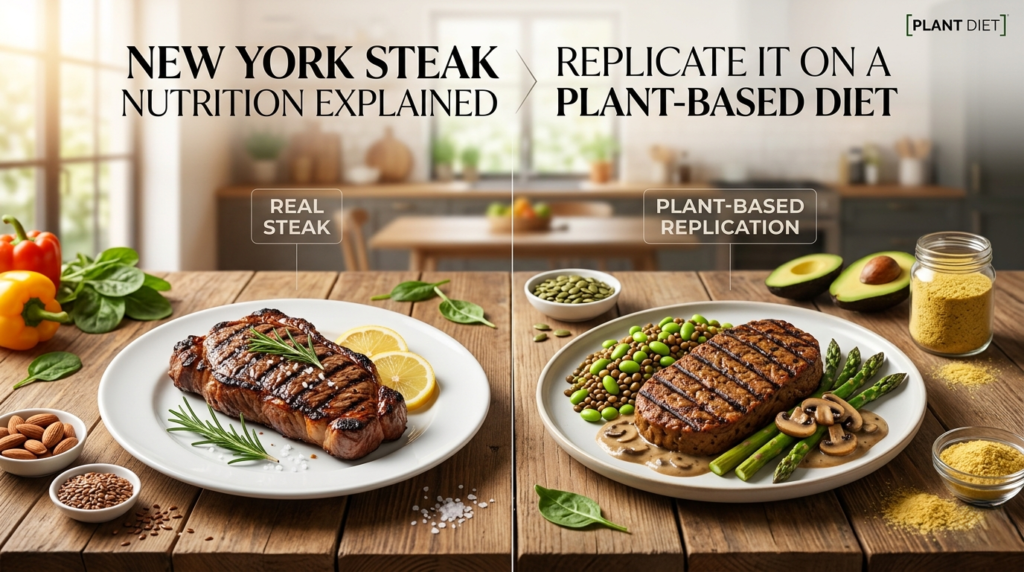
Think of a classic steakhouse dinner. At the center of the plate sits the iconic New York Strip—prized for its perfect balance of robust beef flavor, tender texture, and a high-protein profile that fuels muscle repair and satiety. For decades, red meat has been held up as the gold standard for strength and vitality. However, as dietary preferences shift toward health, longevity, and sustainability, many people are looking for alternatives without sacrificing their health goals.
If you are closely examining new york steak nutrition, you might be surprised to learn exactly what makes up its dietary profile—and even more surprised to discover how seamlessly you can replicate those exact macronutrients and micronutrients using 100% plant-based foods.
Transitioning to a plant-based diet, or even just adopting a flexitarian approach, does not mean you have to give up the dense, muscle-building nutrition of your favorite cuts of meat. In this comprehensive guide, we will break down the exact nutritional science behind a New York strip, objectively weigh its health pros and cons, and provide you with an actionable, ingredient-by-ingredient roadmap to building the ultimate plant-based “steak” plate.
II. Decoding New York Steak Nutrition: The Exact Breakdown
To understand how to replace a steak, we first need to understand exactly what we are replacing. A New York Strip (also known as a strip loin or top loin) is moderately lean. It contains less fat than a heavily marbled Ribeye, but more than a highly trimmed Filet Mignon.
Here is the baseline nutritional profile for a standard 3 oz (85g) serving of lean, cooked New York Strip steak, based on average USDA dietary data.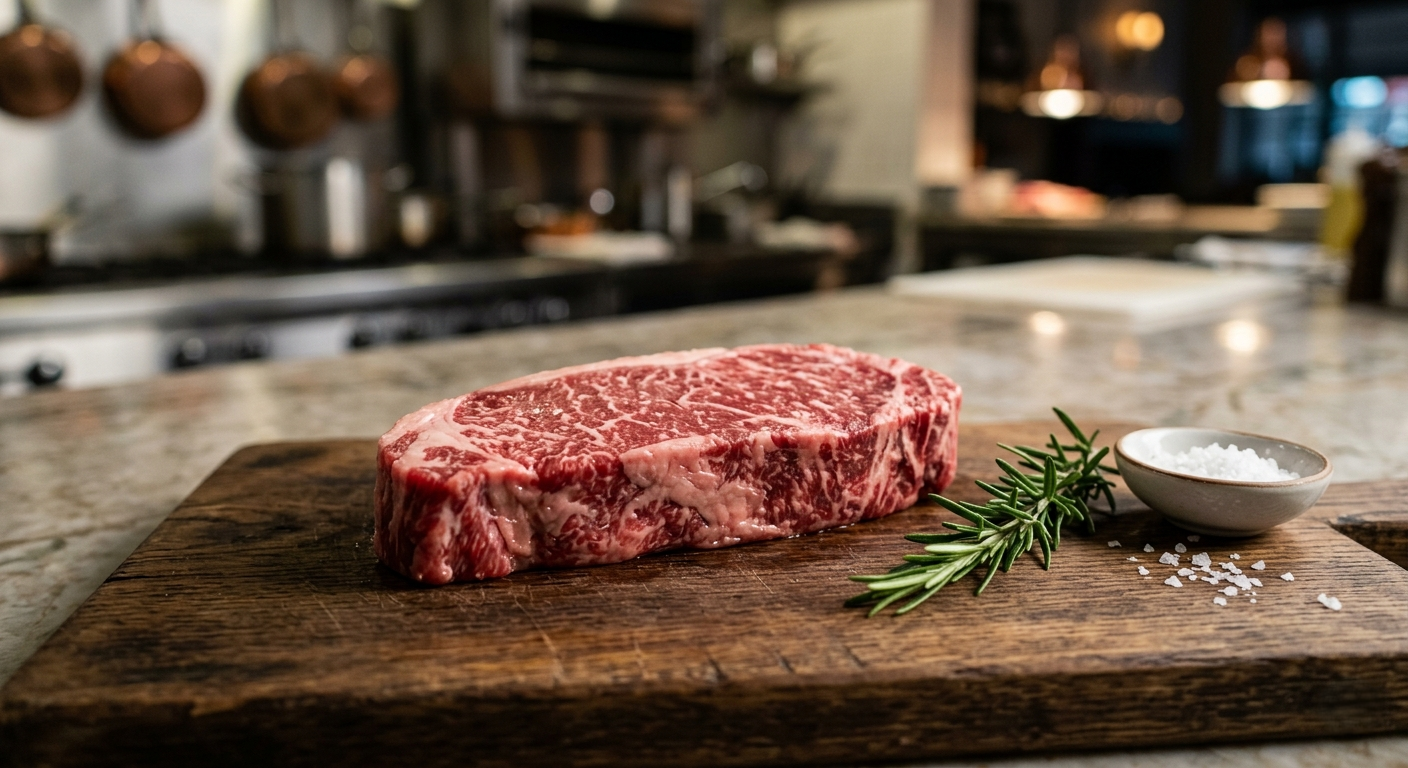
The Macronutrient Profile
The Takeaway on Macros: The primary draw of a New York strip is its pure protein density. At zero carbohydrates and roughly 25 grams of complete protein per small serving, it is a highly efficient way to consume all nine essential amino acids necessary for human health.
The Micronutrient Profile (The Hidden Value)
While protein gets the spotlight, the hidden value of red meat lies in its micronutrient density. This is often where transitioning plant-based eaters struggle if they aren’t planning their meals correctly.
-
Vitamin B12: Essential for nerve tissue health, brain function, and the production of red blood cells. Beef is one of the most concentrated natural sources of B12.
-
Heme Iron: A form of iron found exclusively in animal products. It is highly bioavailable, meaning the body absorbs it easily to help transport oxygen through the blood.
-
Zinc: Crucial for immune system function, DNA synthesis, and cellular metabolism.
-
Selenium: A powerful antioxidant that plays a critical role in reproduction, thyroid gland function, and DNA production.
-
Choline: Important for liver function, normal brain development, nerve function, and muscle movement.
Expert Insight: When nutritionists praise lean red meat, they are usually pointing to this specific combination of highly bioavailable protein, iron, and B-vitamins. Replicating a steak diet on a plant-based protocol means actively sourcing these specific micronutrients.
III. The Pros and Cons: Is a New York Steak Actually Healthy?
When discussing nutrition, it is crucial to remain objective. Foods are rarely purely “good” or purely “bad.” The healthfulness of a New York strip depends heavily on your overall dietary context, portion sizes, and frequency of consumption.
The Nutritional Benefits
From a purely biological standpoint, lean beef is an incredibly efficient fuel source. Because animal tissue is biologically similar to our own, the nutrients within it—especially protein and iron—are readily recognized and absorbed by the human digestive system. For athletes, bodybuilders, or individuals suffering from anemia, the dense, low-calorie protein and heme iron profile of a strip steak provides immediate, tangible physical benefits.
The Long-Term Health Concerns
However, modern nutritional science and epidemiology paint a more complex picture of long-term red meat consumption.
-
Saturated Fat and Cholesterol: Even a lean New York strip contains dietary cholesterol and saturated fat. High intakes of saturated fats are closely linked to elevated LDL (bad) cholesterol levels, a primary risk factor for cardiovascular disease.
-
The Fiber Deficit: Like all animal products, steak contains absolutely zero dietary fiber. A diet heavy in meat and low in plants starves the gut microbiome, leading to poor digestion and increased inflammation.
-
TMAO Production: Recent studies have shown that when we digest red meat, certain gut bacteria produce a compound called TMAO (Trimethylamine N-oxide). High levels of TMAO in the blood have been strongly correlated with an increased risk of heart attacks and strokes.
-
Carcinogenic Classifications: The World Health Organization (WHO) classifies red meat as a Group 2A carcinogen, meaning it is “probably carcinogenic to humans,” specifically linking high consumption to colorectal cancer.
The ultimate goal of a plant-based diet is to keep the muscle-building, energy-boosting benefits of the steak while entirely stripping away the saturated fat, TMAO, and cholesterol.
IV. How to Replicate New York Steak Nutrition on a Plant-Based Diet
This is where the science meets the plate. Replicating the nutritional density of beef using whole, plant-based foods requires a bit of knowledge, but the results yield incredible health benefits. Here is your blueprint for matching a steak, nutrient for nutrient.
1. Matching the Protein (25g per serving)
The biggest myth in plant-based nutrition is that it is difficult to get enough protein. To replace the 25 grams of complete protein found in a 3-ounce New York strip, look to these plant-based heavyweights:
-
Seitan (Vital Wheat Gluten): The undisputed king of plant-based meats. A standard 3-ounce serving of seitan contains roughly 21 to 25 grams of protein, less than 2 grams of fat, and very few carbs. It is the closest macronutrient match to lean beef in the plant kingdom.
-
Tempeh: Fermented whole soybeans pressed into a block. A 3-ounce serving provides about 16 grams of protein, alongside gut-friendly probiotics and zero cholesterol.
-
Extra Firm Tofu: A staple for a reason. Half a cup yields about 10 to 14 grams of protein.
-
Edamame and Lentils: Combining half a cup of lentils with a serving of edamame easily pushes a meal past the 20-gram protein mark while adding massive amounts of dietary fiber.
The “Complete Protein” Reality Check: You do not need to eat all nine essential amino acids in a single bite. Modern nutritional science confirms that as long as you eat a varied diet of plant proteins (e.g., grains, legumes, nuts, and seeds) throughout the day, your body will pool the amino acids and build complete proteins naturally.
2. Replicating the “Steak” Vitamins and Minerals
Once you have secured your protein, the next step is addressing the specific micronutrients that make red meat so biologically valuable. Here is how to swap animal-based vitamins for plant-based powerhouses:
-
Iron (The Non-Heme Conversion): Plant foods contain non-heme iron. While not as easily absorbed by the human body as the heme iron found in beef, you can easily overcome this with a simple culinary trick. Sources like lentils, spinach, and pumpkin seeds are packed with non-heme iron.
Crucial E-E-A-T Tip: If you pair plant-based iron with a rich source of Vitamin C (such as a squeeze of lemon juice, tomatoes, or bell peppers), you can increase your body’s iron absorption rate by up to 300%.
-
Zinc & Selenium: To match the zinc and selenium found in a strip steak, turn to the seed kingdom. Hemp seeds, pumpkin seeds, and chickpeas are phenomenal sources of zinc. For selenium, you only need to eat one or two Brazil nuts a day to hit over 100% of your recommended daily intake.
-
Vitamin B12: Because modern agricultural practices sanitize our soil, B12 is stripped from plant foods. You can replicate a steak’s B12 profile by using fortified nutritional yeast (which also adds a savory, umami flavor to dishes) or fortified plant milks. However, experts universally agree that anyone on a strict plant-based diet should take a high-quality B12 supplement to ensure optimal nerve and brain health.
3. What About the Fats?
A lean New York strip contains roughly 6 grams of total fat, with nearly half of that being saturated fat. On a plant-based diet, you have the unique opportunity to upgrade your fat profile.
Instead of artery-clogging saturated fats, you can incorporate heart-healthy monounsaturated and polyunsaturated fats. Cooking your plant proteins in extra virgin olive oil, or topping a salad with avocados, walnuts, and crushed flaxseeds, provides the dense energy and satiety of a steak dinner while actively lowering LDL cholesterol and fighting systemic inflammation.
V. The Best Plant-Based “Steak” Alternatives for Texture and Taste
Nutrition is only half the battle. Food is emotional, cultural, and sensory. If you are craving a steak dinner, a bowl of lentils might not hit the spot, even if the macros align. Fortunately, the plant-based culinary world has evolved dramatically.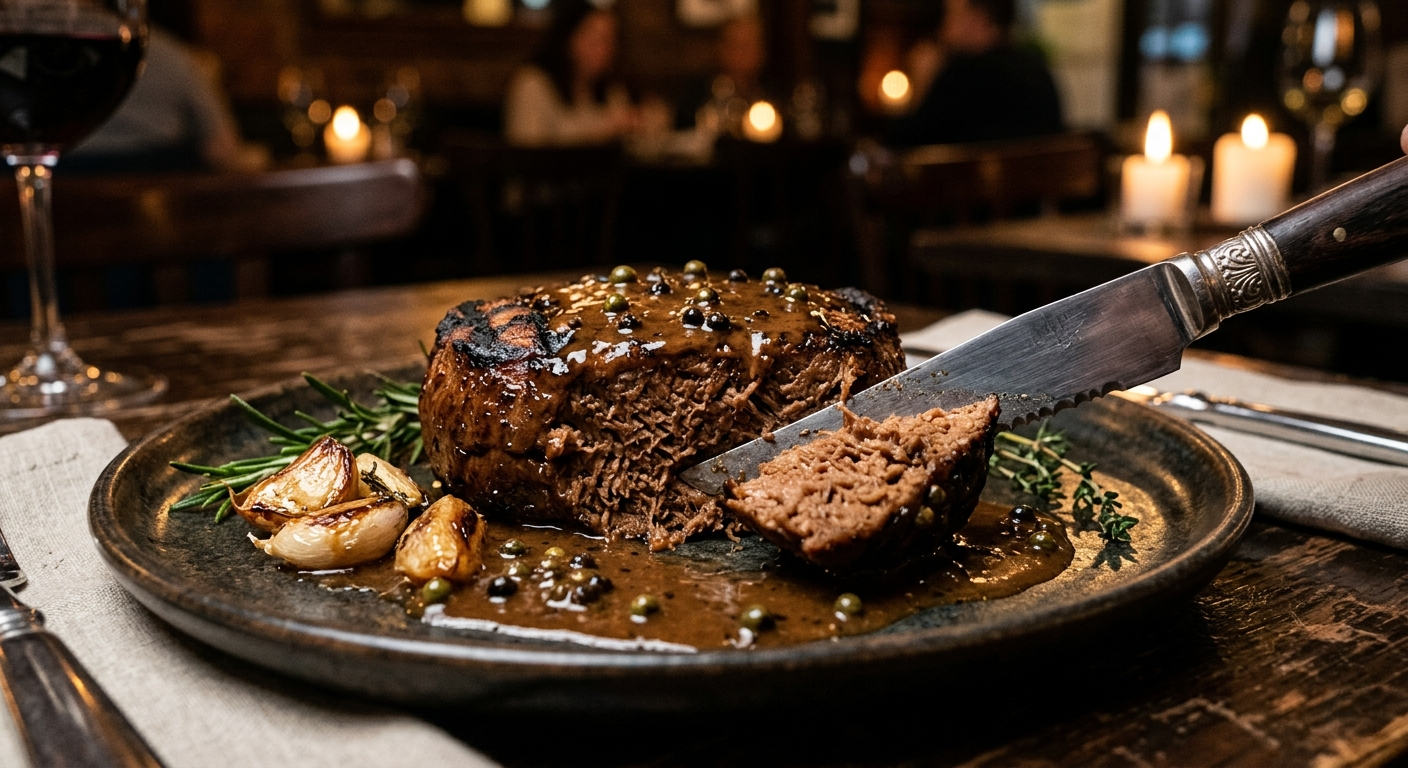
Whole-Food Swaps
If you prefer to eat whole, unprocessed foods, these options mimic the dining experience of a steakhouse, even if they require a protein pairing to match the macros:
-
Portobello Mushrooms: The classic vegetarian steak. They possess a naturally deep, earthy umami flavor and a chewy, meaty texture. Because they are low in protein, pair a grilled Portobello cap with a side of quinoa or a robust bean salad.
-
Cauliflower Steaks: Thick cross-sections of cauliflower, roasted until deeply caramelized. They serve as an incredible canvas for traditional steak rubs (smoked paprika, black pepper, garlic powder) and pair beautifully with high-protein sides.
High-Protein Meat Substitutes
If your primary goal is mirroring the exact bite, chew, and protein density of a beef steak, these are your best bets:
-
Seitan Steaks: By kneading vital wheat gluten with savory broths, soy sauce, and tomato paste, you can create a fibrous, chewy “steak” that looks and cuts exactly like meat. It is incredibly high in protein and low in fat.
-
Commercial Innovations: The market now offers astonishingly realistic alternatives. Brands like Meati use nutrient-dense mushroom root (mycelium) to create a steak that matches beef gram-for-gram in protein and fiber. Other brands like Juicy Marbles have engineered a plant-based filet mignon marbled with sunflower oil, offering the rich mouthfeel of premium beef without the cholesterol.
VI. Sample Meal Plan: A “Steak-Level” Plant-Based Dinner
To prove that you can achieve a steakhouse nutritional profile using exclusively plants, let’s look at a concrete, highly appetizing dinner plate.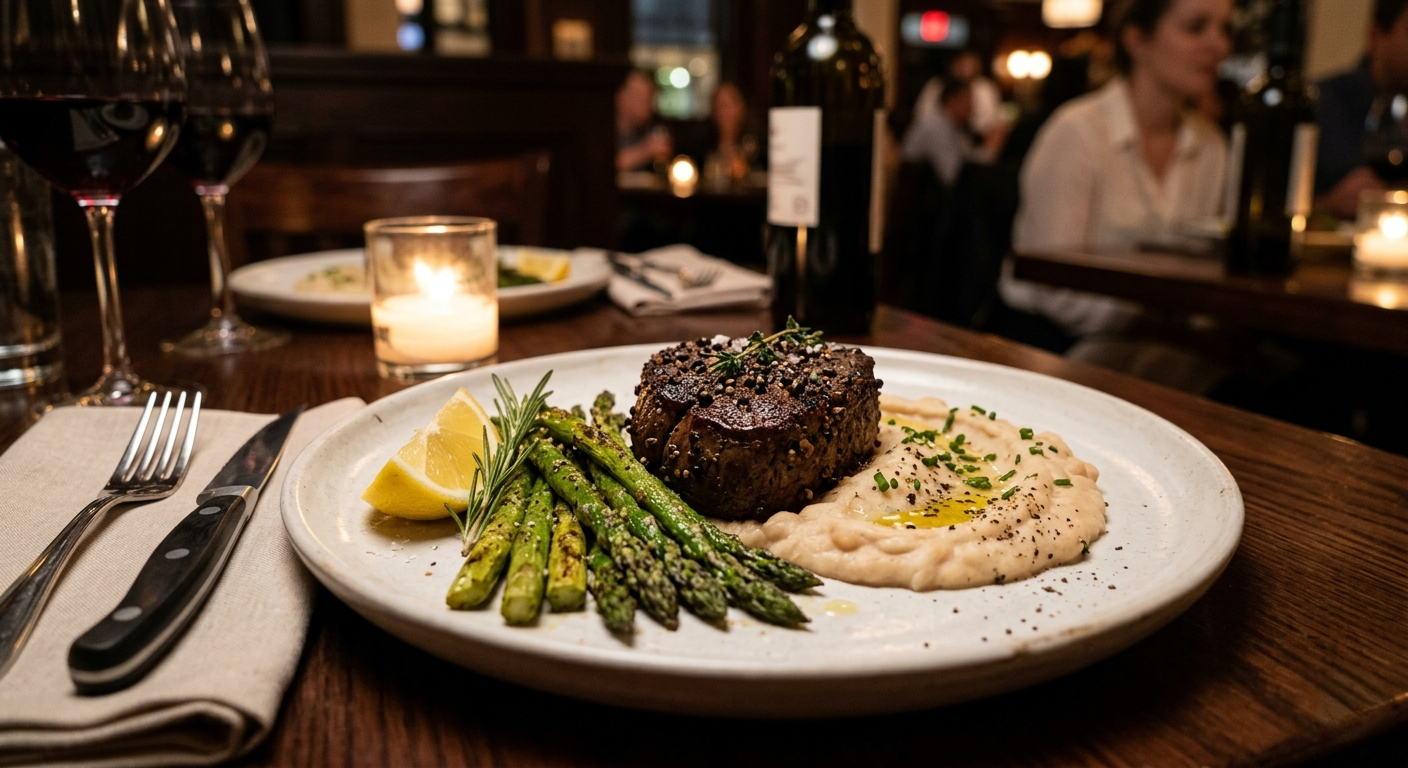
The Menu: The Peppercorn Seitan Filet
-
The “Steak”: A 4-ounce pan-seared homemade seitan filet, crusted with crushed black peppercorns and glazed with a vegan Worcestershire sauce. (~28g Protein)
-
The Iron-Boosting Side: Roasted asparagus spears finished with a heavy squeeze of fresh lemon zest and juice. (Vitamin C to maximize iron absorption).
-
The High-Fiber Base: Creamy, garlic-mashed cannellini beans instead of standard mashed potatoes. (~8g Protein, ~6g Fiber).
The Macro Breakdown: This single meal delivers roughly 36 grams of complete protein, zero dietary cholesterol, a massive dose of dietary fiber, and a fraction of the saturated fat found in a traditional steak dinner. It is a biological upgrade disguised as a decadent comfort meal.
VII. Frequently Asked Questions (FAQs)
Is it possible to get the same amino acids from a plant-based diet as a New York steak?
Absolutely. While a New York strip contains all nine essential amino acids in one package, you can easily obtain them all through plants. Soy products (tofu, tempeh, edamame), quinoa, and hemp seeds are naturally complete proteins. Additionally, eating a varied diet of legumes, grains, nuts, and seeds throughout the day ensures your body pools all the necessary amino acids.
Why is New York strip considered a “healthier” steak?
Compared to intensely marbled cuts like a Ribeye or T-bone, a New York strip is leaner, meaning it contains a higher ratio of protein to fat and fewer overall calories. However, it still contains saturated fat and zero fiber, which is why health-conscious individuals often look for plant-based alternatives.
What is the healthiest plant-based alternative to steak?
The healthiest options are minimally processed, high-protein plant foods. Tempeh (fermented soybeans) and homemade Seitan (vital wheat gluten) are top-tier choices. They boast remarkable protein-to-calorie ratios, provide essential minerals, and entirely avoid the heavy processing, high sodium, and saturated fats sometimes found in commercial faux meats.
VIII. Conclusion
When examining new york steak nutrition, the appeal is undeniable: it is an ultra-dense source of protein, highly bioavailable iron, and essential B-vitamins. However, the modern science surrounding red meat consumption suggests that this nutritional powerhouse comes with significant long-term baggage, including high saturated fat, dietary cholesterol, and a total lack of gut-supporting dietary fiber.
The good news is that you do not have to choose between hitting your macronutrient goals and protecting your long-term health. By strategically utilizing ingredients like seitan, tempeh, iron-rich legumes, and healthy fats, you can meticulously replicate the nutritional benefits of a premium steak while actively improving your heart health and longevity.
What is your favorite way to replicate the steakhouse experience at home? Drop your favorite high-protein, plant-based recipes, marinades, or go-to meat alternatives in the comments below!