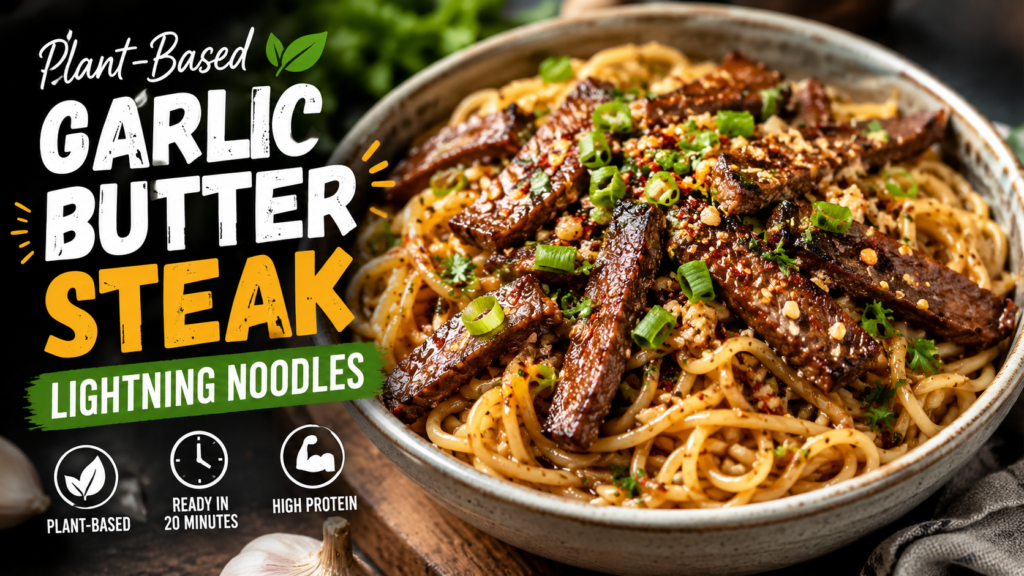
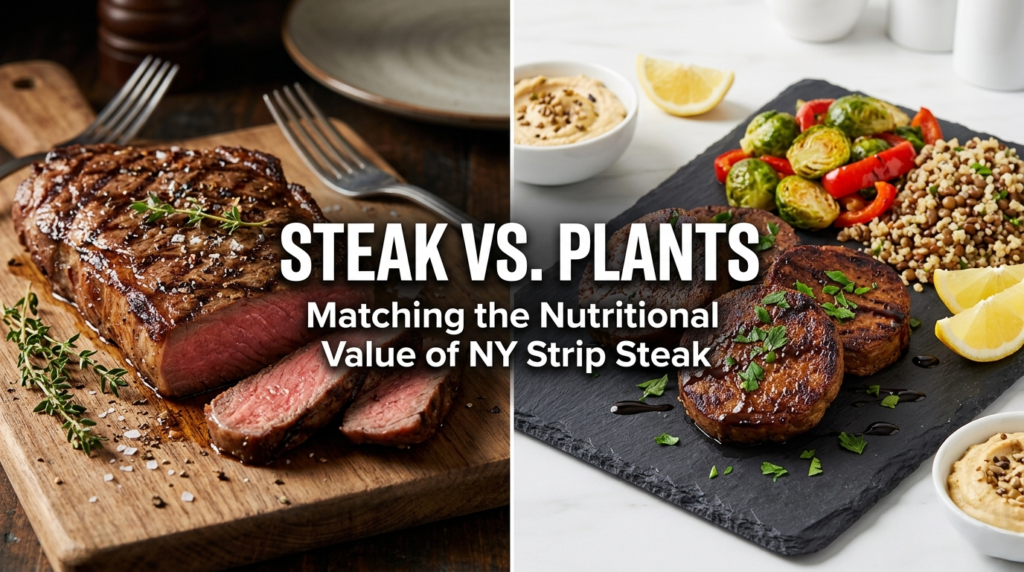
The Gold Standard of Protein (And Why We’re Looking Beyond It)
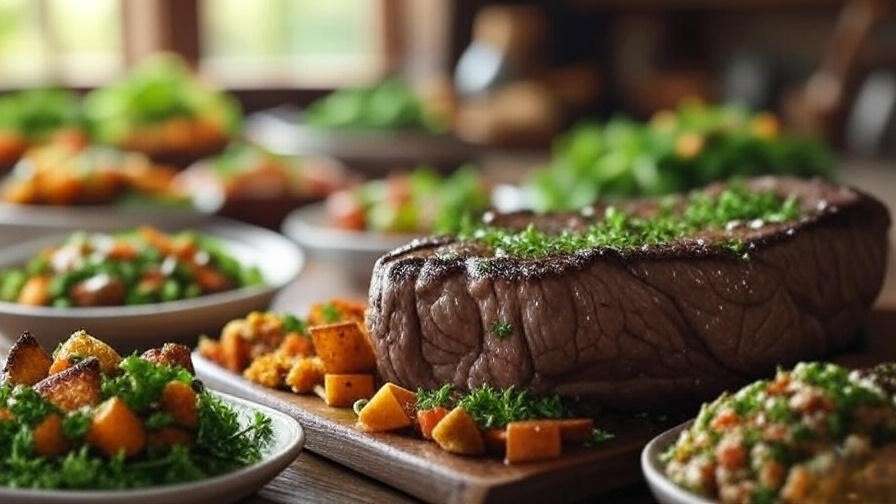
When it comes to premium cuts of beef, few can rival the culinary prestige of the New York Strip. Prized for its signature marbling, tender texture, and intensely rich flavor, it is often considered the centerpiece of traditional fine dining. However, for those transitioning to a plant-based lifestyle or simply trying to reduce their red meat consumption, this exact cut represents a significant dietary hurdle. You might be wondering precisely what you are leaving behind—and how to replace it.
Understanding the nutritional value of NY strip steak is the crucial first step in learning how to successfully replicate its health benefits using strictly plant-based foods. Many people fear that by ditching the steakhouse classic, they will miss out on dense, high-quality protein, vital iron, and the deeply satisfying “weight” of a hearty meal.
The truth is, you don’t have to sacrifice those macros or that culinary satisfaction. In this comprehensive guide, we are going to objectively break down the exact macronutrient and micronutrient profile of the NY strip. Then, we will reveal how modern plant-based nutrition, combined with expert culinary techniques, allows you to match—and in several key areas, completely beat—the nutritional profile of this iconic cut of meat.
The Raw Data: Nutritional Value of NY Strip Steak
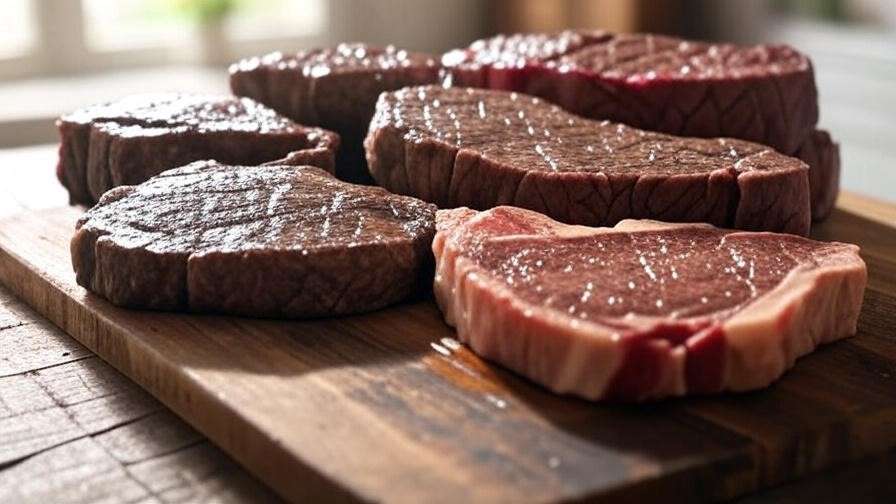
To find a worthy plant-based successor, we first need to establish our baseline. The New York strip (often cut from the short loin) is a relatively lean cut compared to a ribeye, but it still packs a significant caloric and fat density.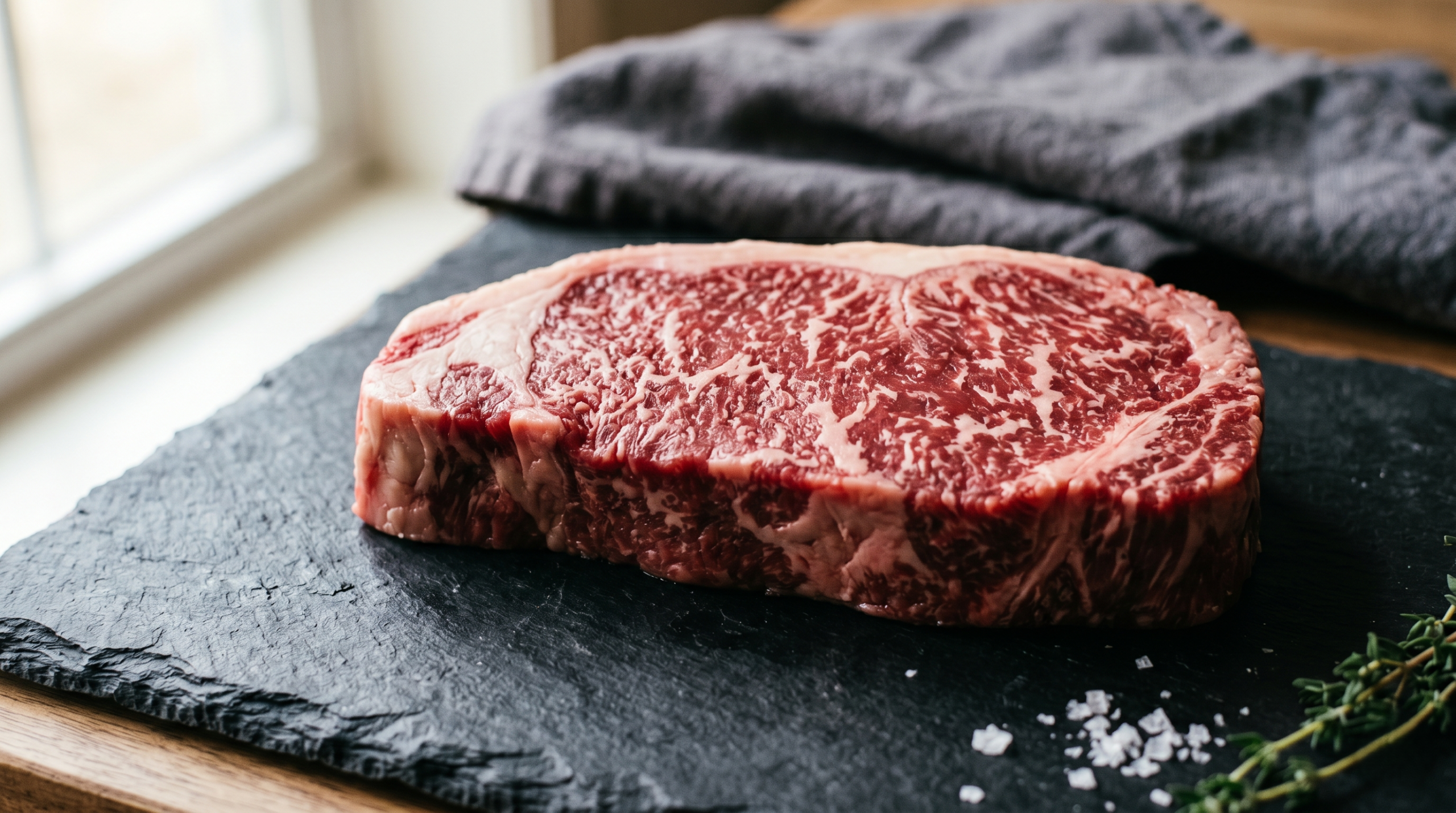
Here is the exact nutritional breakdown for a standard 4-ounce (112-gram) serving of raw NY strip steak:
Macronutrient Breakdown
-
Calories: ~260 kcal
-
Protein: ~23g
-
Total Fat: ~18g
-
Saturated Fat: ~7g
-
Carbohydrates: 0g
-
Dietary Fiber: 0g
The standout metric here is the protein. Beef provides a “complete” protein, meaning it contains all nine essential amino acids required by the human body for muscle protein synthesis and tissue repair. For athletes or those tracking their macros, 23 grams of highly bioavailable protein in a relatively small 4-ounce footprint is highly efficient.
The Micronutrient Heavyweights: Iron, Zinc, and B12
Beyond just protein, the NY strip is championed in traditional nutrition circles for its robust micronutrient profile.
-
Heme Iron: Beef contains heme iron, which is absorbed by the body more efficiently than the non-heme iron found in plants. This is crucial for healthy oxygen transport in the blood.
-
Zinc: A 4-ounce serving provides a substantial portion of your daily zinc requirement, a mineral essential for a robust immune system and metabolic function.
-
Vitamin B12: Perhaps the most famous nutrient associated with red meat, B12 is vital for maintaining healthy nerve cells and DNA synthesis.
The Drawbacks: Saturated Fat and Cholesterol
However, this dense nutritional package comes with significant physiological baggage. A single 4-ounce serving of NY strip steak contains about 7 grams of saturated fat—roughly 35% of the American Heart Association’s recommended daily limit for an average adult. Furthermore, it contains approximately 80mg of dietary cholesterol.
Consistent consumption of high amounts of saturated fat and dietary cholesterol is strongly linked to elevated LDL (“bad”) cholesterol levels, increasing the risk of cardiovascular disease. Additionally, like all animal products, steak contains absolutely zero dietary fiber, a nutrient essential for gut microbiome health, digestion, and long-term satiety.
This presents the perfect pivot point: What if we could extract the 23 grams of protein and the rich, savory experience of the steak, but leave the saturated fat and cholesterol behind, while simultaneously adding gut-healthy fiber?
The Plant-Based Challenge: Can You Really Match a Steak’s Macros?
One of the most persistent myths in the wellness space is that plant proteins are somehow “incomplete” or insufficient for sustaining muscle mass and promoting satiety. This outdated concept stems from the idea that because certain plants are lower in one or two essential amino acids, they cannot function as primary protein sources.
Modern nutritional science has thoroughly debunked this. As long as you eat a varied plant-based diet throughout the day, your liver pools and combines amino acids perfectly. You do not need to meticulously combine a grain and a legume at every single meal to build muscle.
To successfully replace the NY strip, our plant-based swap must meet the following parameters:
-
Protein Match: Deliver approximately 23 grams of protein per serving.
-
Health Upgrade: Contain zero dietary cholesterol and lower saturated fat.
-
Bonus Feature: Introduce dietary fiber.
-
Culinary Satiety: Provide a dense, satisfying texture with a robust umami flavor profile that looks and feels like a premium entrée on the plate.
The Top 3 Plant-Based Swaps to Match a NY Strip Steak
With our baseline established, let’s look at the heavy-hitters of the plant kingdom that can stand toe-to-toe with traditional beef.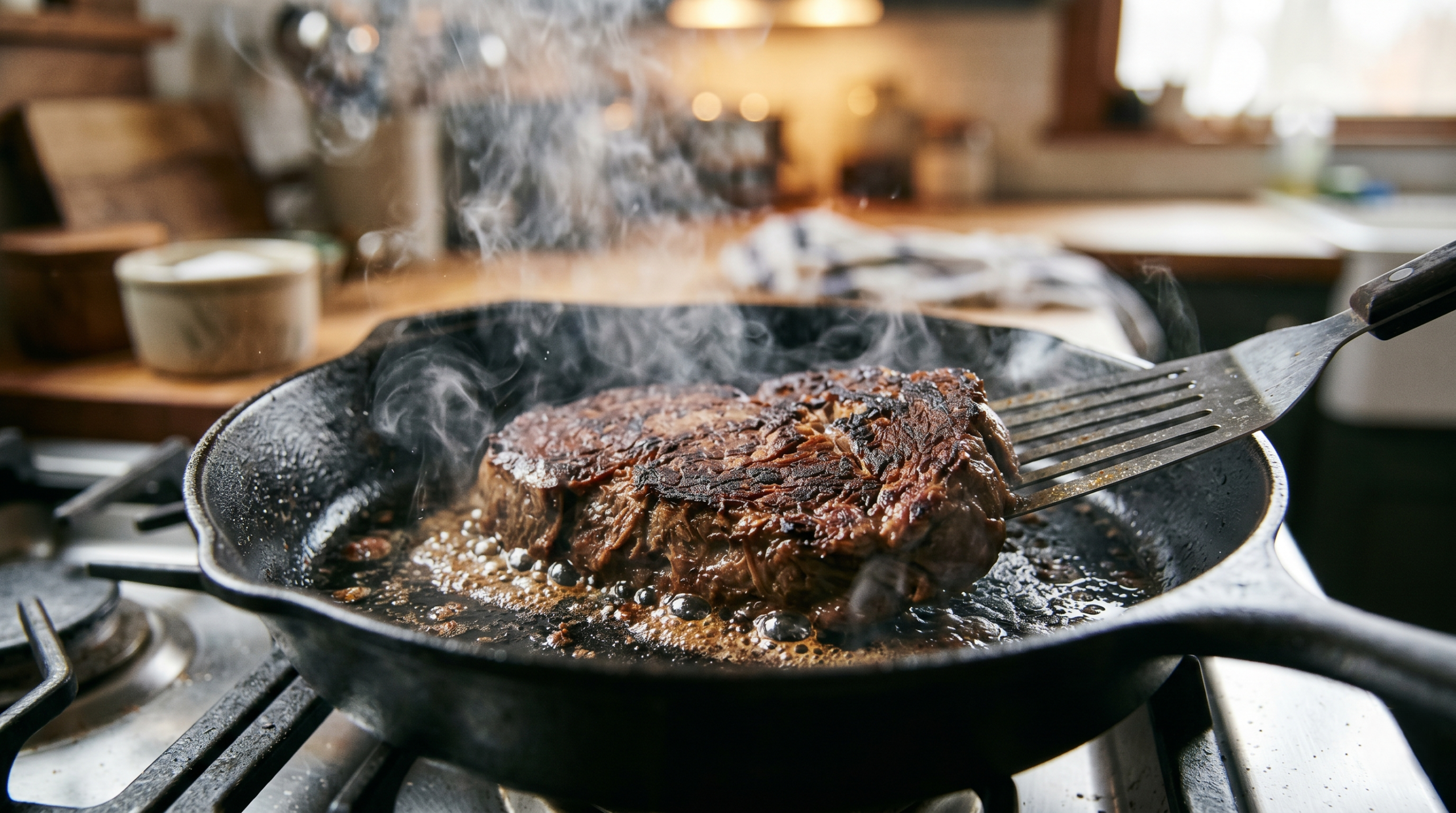
1. Seitan (Vital Wheat Gluten): The Protein Heavyweight
When it comes to pure protein density and a meaty, chewy texture, seitan is the undisputed champion of the plant-based culinary world. Made from vital wheat gluten (the main protein of wheat with all the starch washed away), it has been used for centuries in Asian cuisine as a meat substitute.
-
The Stats: A 100-gram serving of seitan packs an astonishing 25 grams of protein, easily beating the NY strip. It also contains less than 2 grams of fat and roughly 4 grams of carbohydrates.
-
The Texture: Because it is formed from gluten strands, seitan possesses a remarkably dense, fibrous texture that mimics the “bite” and chew of muscle fibers found in steak. When prepared correctly, it resists the knife in a deeply satisfying way.
-
The Amino Acid Profile: Seitan is incredibly high in protein but is lower in the essential amino acid lysine.
-
The Expert Fix: To create a perfectly balanced amino acid profile, simply marinate your seitan in tamari (soy sauce) or serve it alongside a side dish of legumes, like a lentil salad or green peas. This effortlessly bridges the lysine gap, providing your body with a highly efficient, complete protein source.
2. Tempeh: The Gut-Friendly, Whole-Food Option
If you prefer to avoid gluten or want an entirely whole-food option, tempeh is your best choice. Originating from Indonesia, tempeh is made from fermented whole soybeans pressed into a dense, firm cake.
-
The Stats: A 100-gram serving of tempeh provides roughly 20 grams of protein and 11 grams of fat (mostly heart-healthy unsaturated fats). Most importantly, it delivers about 9 grams of dietary fiber.
-
The Culinary Benefit: The slightly higher, natural fat content in tempeh makes it an excellent swap for a marbled cut like a NY strip. It provides a similar lingering, satisfying “mouthfeel” that leaner plant proteins lack.
-
The Fermentation Advantage: Because tempeh is fermented, it acts as a prebiotic, feeding the beneficial bacteria in your gut. Furthermore, the fermentation process breaks down phytic acid, making the iron and zinc found in soybeans much more bioavailable and easier for your body to absorb—directly replacing the micronutrients you’d traditionally get from beef.
3. The Power Combo: Lentils & Walnuts (The Ground Alternative)
While seitan and tempeh serve as excellent whole-cut replacements, sometimes the culinary goal is to replicate the rich, savory application of sliced or chopped steak over a salad or in a hearty wrap. This is where the combination of lentils and walnuts becomes an absolute nutritional powerhouse.
-
The Stats: A half-cup of cooked lentils paired with a quarter-cup of crushed walnuts yields roughly 14 grams of protein, a massive dose of dietary fiber, and zero cholesterol.
-
The Heart-Health Benefit: Walnuts are exceptionally rich in alpha-linolenic acid (ALA), the plant-based omega-3 fatty acid known for reducing inflammation and supporting cardiovascular health. This directly counters the pro-inflammatory properties often associated with the saturated fats found in red meat.
-
The Iron Factor: Lentils are one of the plant kingdom’s premier sources of non-heme iron.
-
The Expert Fix: Because non-heme iron is less easily absorbed by the body than the heme iron in beef, nutritional science offers a simple biological hack: Vitamin C. By tossing your lentil-walnut “steak” crumble in a bright, citrus-based vinaigrette or serving it alongside roasted bell peppers, the ascorbic acid increases the iron bioavailability by up to 300%, ensuring you absorb every bit of the micronutrient.
Side-by-Side Comparison: NY Strip vs. Plant-Based Alternatives
To truly appreciate the health upgrade these swaps provide, it helps to view the raw data side-by-side. Notice how the plant-based options either match or exceed the protein targets while completely eliminating dietary cholesterol and introducing crucial fiber.
| Nutritional Metric (Per 100g) | NY Strip Steak (Raw) | Seitan (Vital Wheat Gluten) | Tempeh (Fermented Soy) |
| Calories | ~230 kcal | ~104 kcal | ~195 kcal |
| Protein | 21g | 25g | 20g |
| Total Fat | 16g | 1.5g | 11g |
| Saturated Fat | 6g | 0.3g | 2g |
| Dietary Fiber | 0g | 0.5g | 9g |
| Cholesterol | 70mg | 0mg | 0mg |
Note: Nutritional values for seitan and tempeh can vary slightly based on brand and preparation methods. NY Strip values represent a standard lean-to-fat ratio.
How to Recreate the “Steak Experience” on a Plant Diet
Transitioning away from a premium cut of beef isn’t just about matching the numbers on a nutritional label; it is about replicating the deeply satisfying sensory experience of eating a steak. The aroma, the savory depth, and the visual appeal all play a massive role in satiety.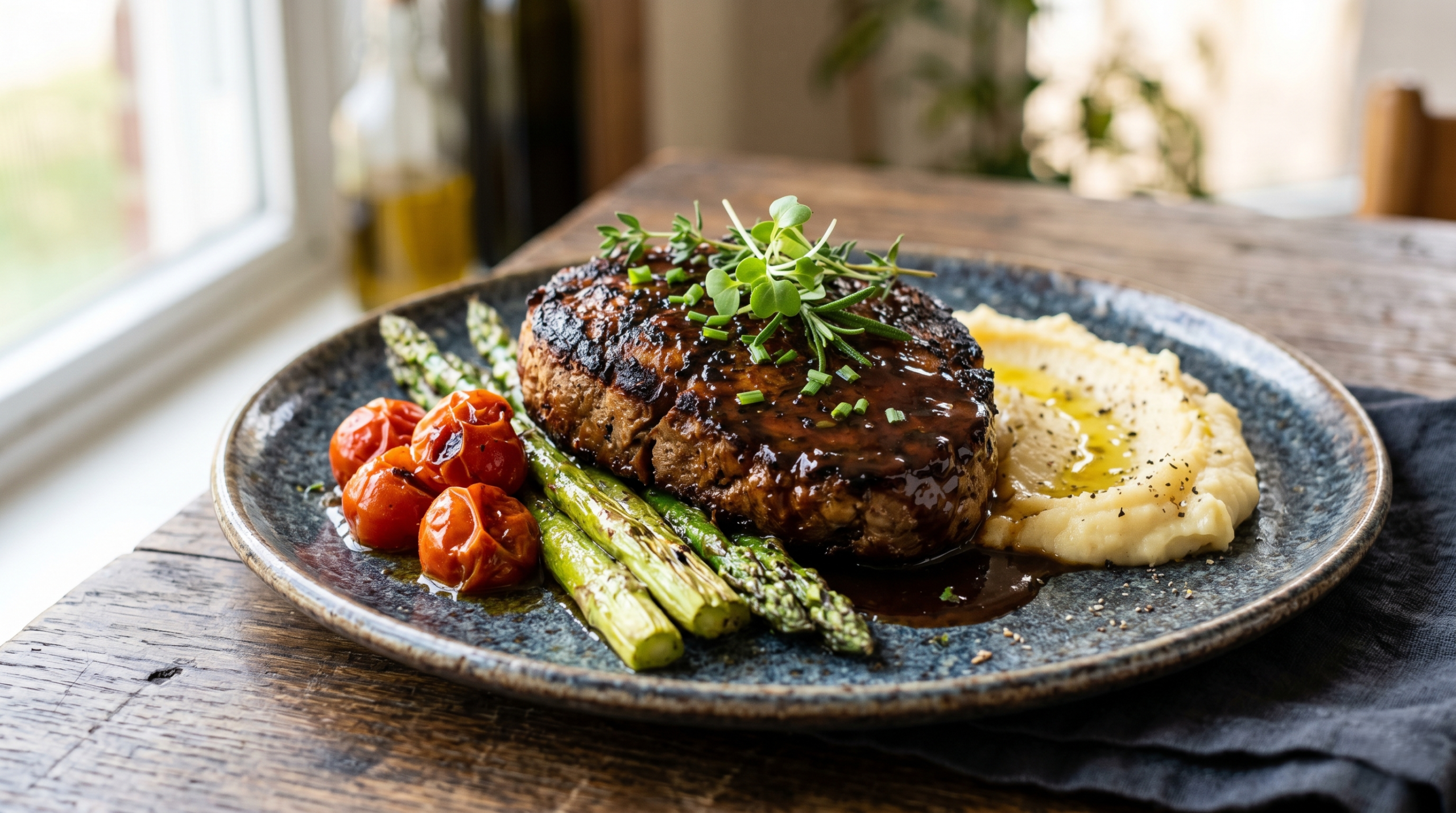
Mastering Umami (The Secret to Meaty Flavor)
Umami, often described as the “fifth taste,” is the deeply savory, brothy flavor profile naturally abundant in aged beef. To make your plant-based alternatives satisfying, you must aggressively build umami into your marinades and glazes.
Here are the chef-approved, plant-based umami boosters to keep in your pantry:
-
Tamari or Liquid Aminos: A gluten-free alternative to soy sauce that offers a darker, richer, and less salty flavor profile, perfect for marinating tempeh or seitan.
-
Dried Shiitake Mushrooms: Pulverize dried shiitake mushrooms into a fine powder and rub it onto your plant-based cuts before searing. It imparts an earthy, complex, and intensely “meaty” flavor.
-
Nutritional Yeast: Beyond adding a slight cheesiness, nutritional yeast provides a massive hit of savory depth and is often fortified with B12—replacing the exact vitamin found in beef.
-
Tomato Paste and Miso: Both are incredibly concentrated sources of glutamates (the amino acids responsible for umami). Whisking a teaspoon of red miso paste into your pan sauce will instantly elevate a simple seitan cut into a gourmet experience.
The Importance of Visual Plating
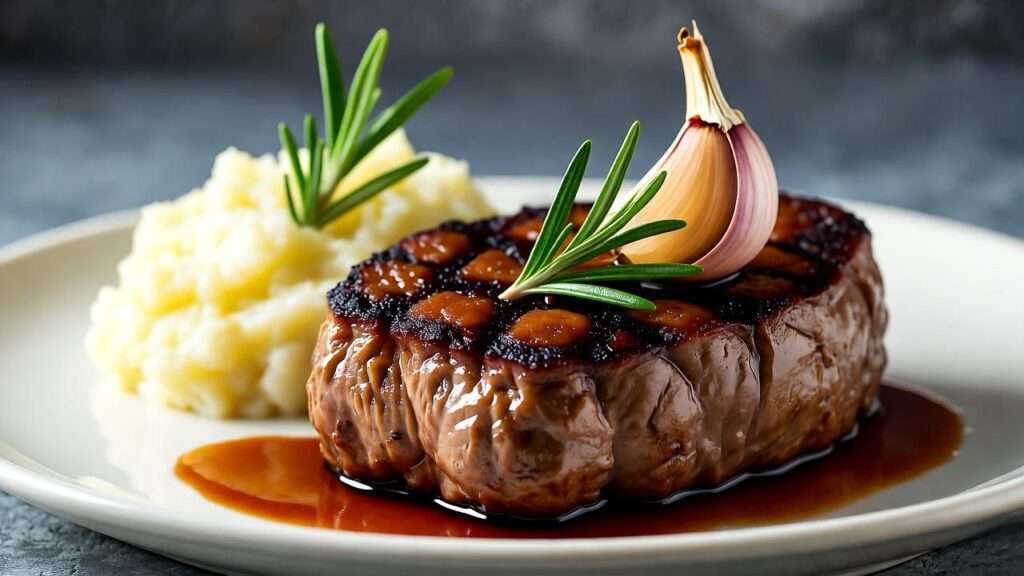
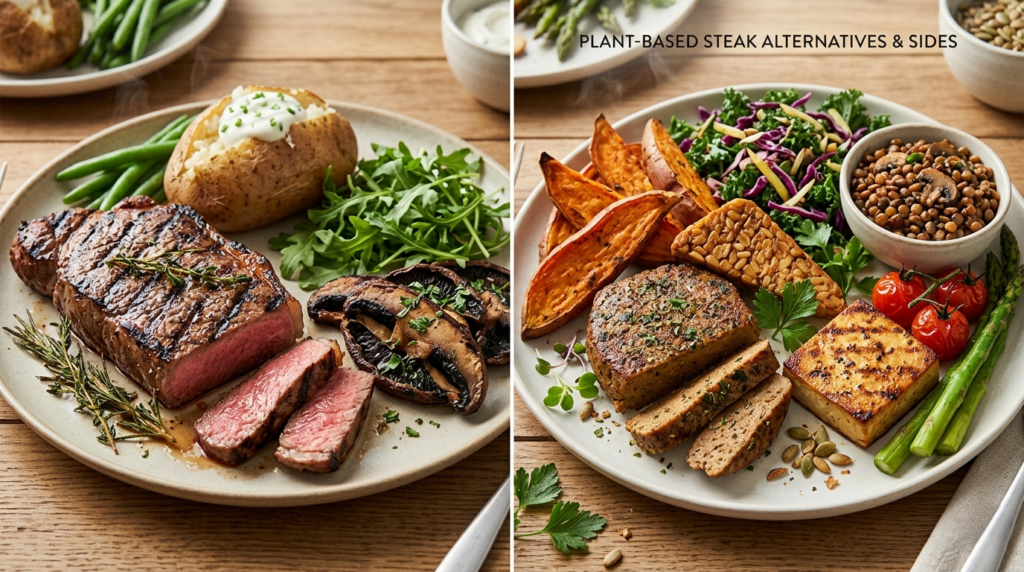
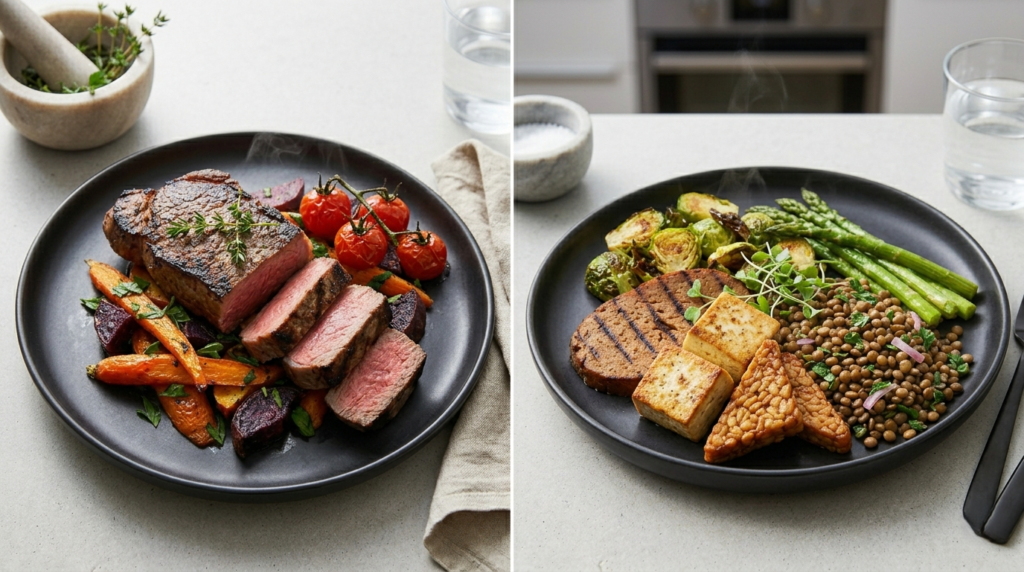
We eat with our eyes first. A significant part of the steakhouse allure is the presentation. High-quality culinary styling transforms a simple meal into an occasion. When preparing plant-based steaks, paying attention to professional food styling techniques makes the meal feel just as decadent and premium as a traditional NY strip.
-
The Maillard Reaction: This is the chemical reaction between amino acids and reducing sugars that gives browned food its distinctive flavor and color. To achieve this on tempeh or seitan, make sure the surface of the protein is bone-dry before it hits a screaming-hot cast-iron skillet. Use a high-smoke-point oil (like avocado oil) and press down firmly to create a realistic, deeply browned crust.
-
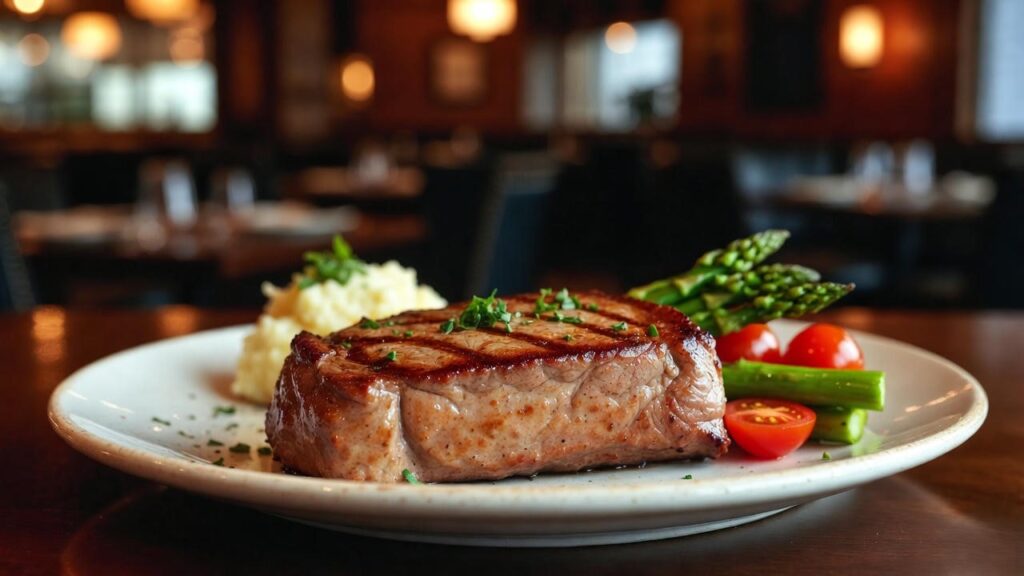
Color Contrast and Freshness: Plant-based meals have a distinct visual advantage: vibrancy. Plate your deeply seared, dark-crusted seitan against a backdrop of bright, realistic photography-worthy components—think blistered cherry tomatoes, vibrant green asparagus, or perfectly roasted root vegetables.
-
The Finishing Glaze: Traditional steaks are often finished with butter. Replicate this luxurious, glossy finish by basting your plant-based cut with a reduction of vegetable demi-glace, a splash of red wine, and a pat of high-quality vegan butter right before plating.
Frequently Asked Questions (FAQs)
Do plant proteins absorb as well as beef?
There is a common misconception that the body struggles to utilize plant proteins. While it is true that the fiber in whole plants can slightly reduce protein digestibility, cooking, blending, and fermenting (as seen in tempeh) largely negates this issue. If you consume a sufficient total amount of daily protein from a variety of plant sources, your body will have absolutely no problem absorbing and utilizing the amino acids for muscle maintenance and repair.
Is seitan healthy if it’s just pure gluten?
Unless you have been diagnosed with Celiac disease or a specific non-celiac gluten sensitivity, gluten is perfectly safe to consume. It is simply a plant protein. Because the starch has been washed away during the creation process, seitan is actually a low-carbohydrate, high-protein food that fits perfectly into a balanced diet.
How do I get enough Iron without eating red meat?
While the heme iron in the NY strip is highly bioavailable, plant-based diets are naturally abundant in non-heme iron. Lentils, chickpeas, spinach, tofu, and quinoa are all excellent sources. The secret to maximizing absorption is pairing these iron-rich foods with a source of Vitamin C (like squeezing fresh lemon over a spinach salad or adding bell peppers to a lentil dish).
Conclusion: Redefining High-Protein Dining
The nutritional value of NY strip steak is undeniable—it is a concentrated source of complete protein, iron, and B12. However, it also brings a heavy payload of saturated fat and dietary cholesterol that can hinder long-term cardiovascular health.
By utilizing ingredients like seitan, tempeh, and lentil-walnut blends, you can easily match and exceed the protein content of a premium steak while actively improving your gut health with added fiber and healthy, unsaturated fats. Armed with the right culinary techniques, mastering umami flavors, and focusing on beautiful, thoughtful plating, you never have to feel like you are missing out on the classic steakhouse experience.
High-protein dining no longer requires a trip to the butcher. The most nutritious, satisfying, and sustainable “steaks” are now grown, not raised.