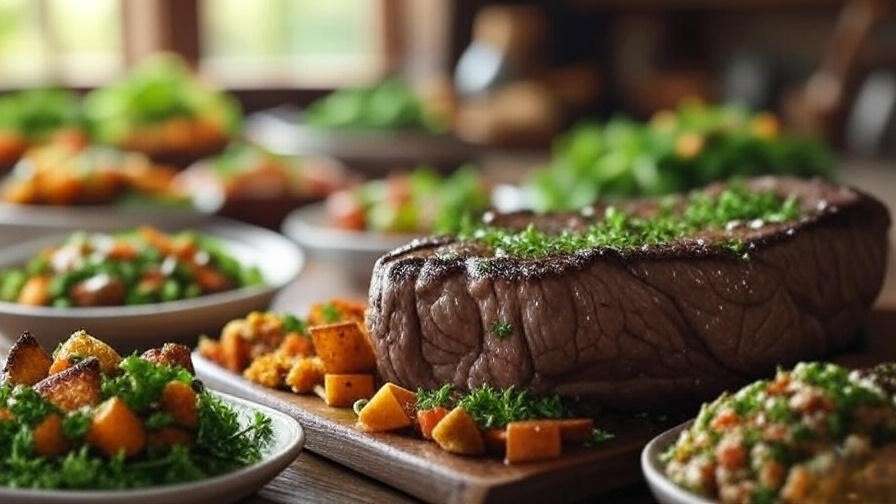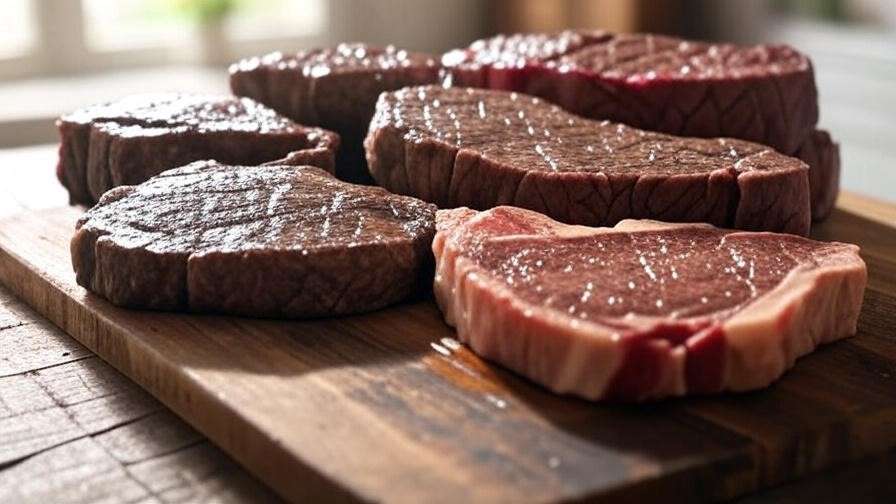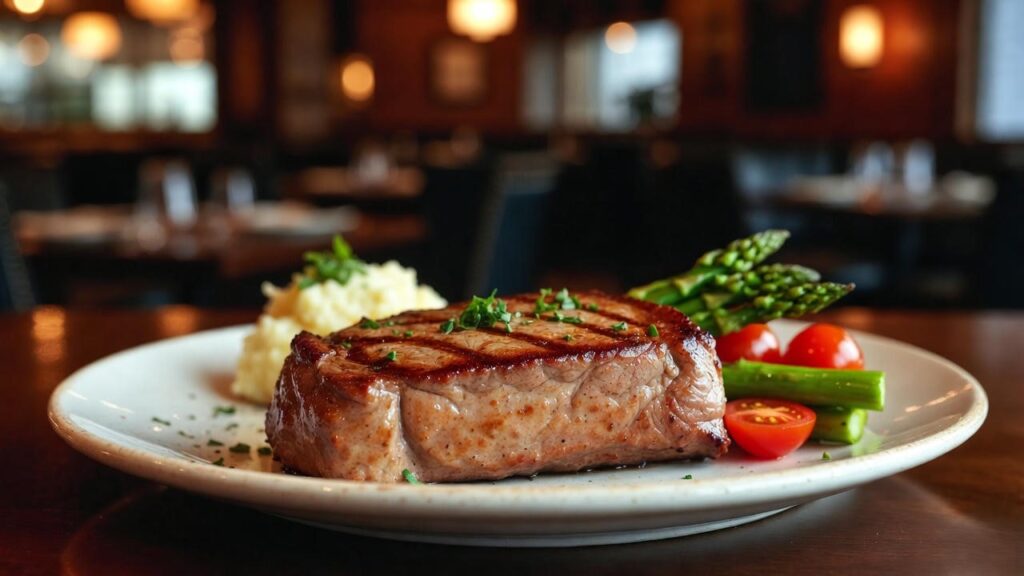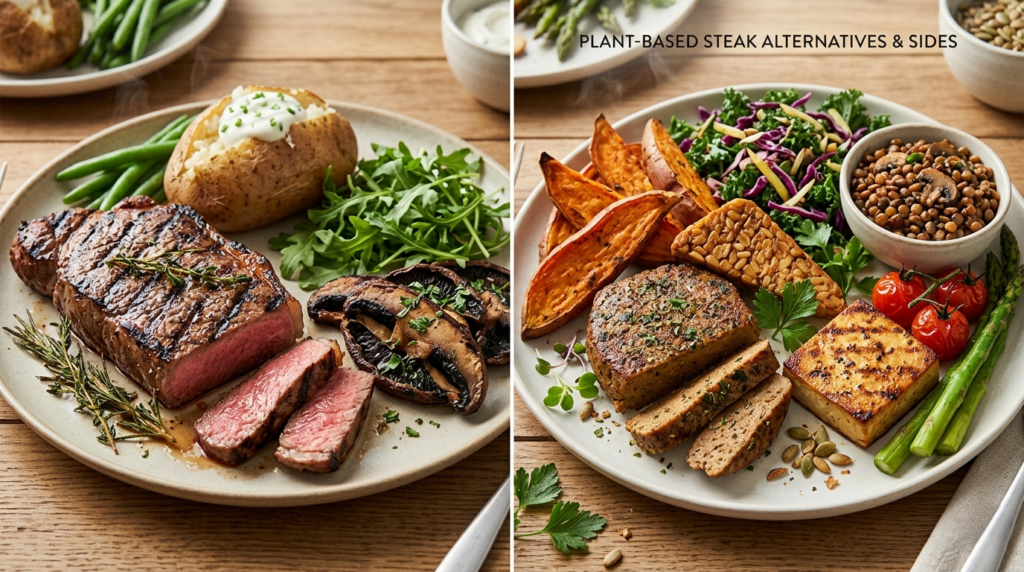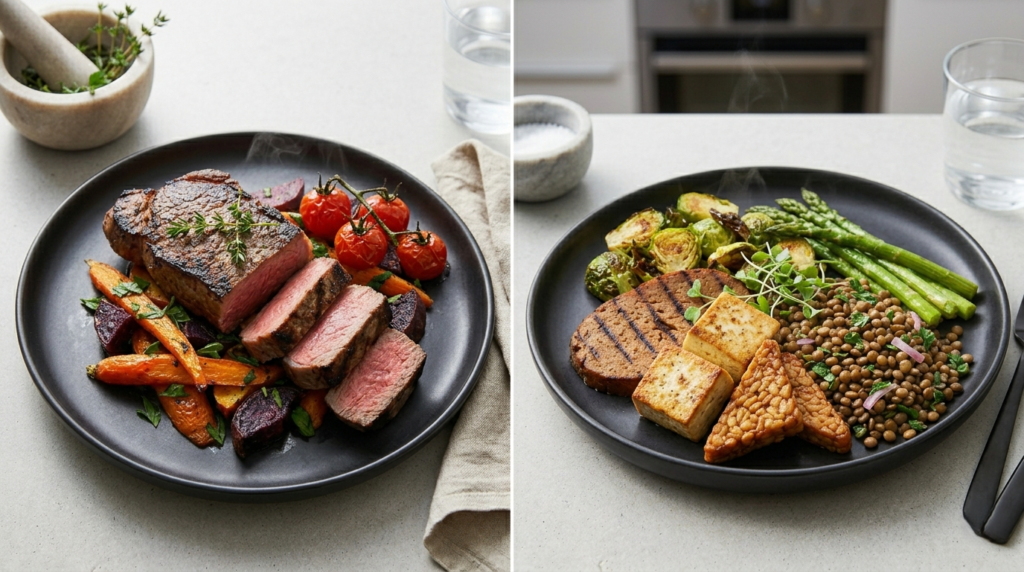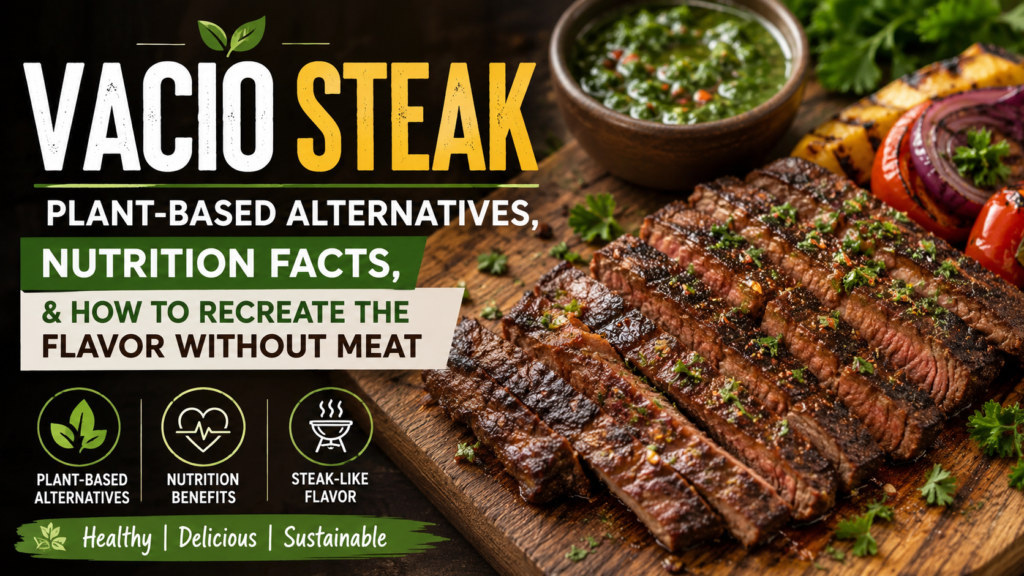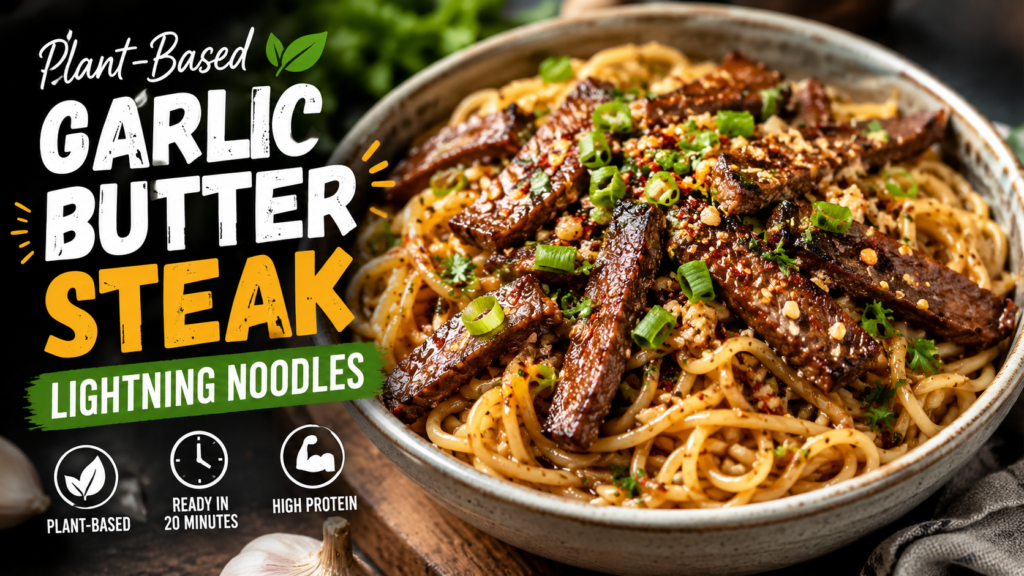
Picture the ultimate culinary flex: a massive, perfectly seared Wagyu tomahawk steak arriving at your table, sizzling audibly on a heavy cast-iron platter. It is an undeniable showstopper, famous for its rich, buttery marbling and that dramatic, Fred Flintstone-style bone jutting out from the meat. For decades, this specific cut has reigned supreme as the ultimate centerpiece of fine dining, designed to turn heads, command the room, and signify extreme luxury.
However, that luxury comes with a staggering barrier to entry. A single, high-grade Wagyu tomahawk can easily set you back between $150 and $300 at a premium steakhouse—or even at the butcher counter. Beyond the exorbitant financial cost, this massive cut carries a hefty environmental footprint and is loaded with heavy saturated fats and cholesterol that completely clash with a health-conscious lifestyle.
But what if you could capture that exact same magic—the jaw-dropping visual drama, the deep, savory umami, and the melt-in-your-mouth richness—without spending a fortune or compromising your dietary values?
You do not need a massive cut of beef to create an unforgettable dining experience. By deconstructing exactly what makes a high-end steakhouse meal so appealing, we can apply advanced culinary science to build the ultimate plant-based centerpiece. This guide will reveal how to deliver the same luxury, deep flavor, and show-stopping aesthetics at a fraction of the cost, proving that the most impressive dish on your table doesn’t have to be meat.
Deconstructing the Steakhouse Experience
To successfully replace a premium cut of meat, we have to understand why people crave it in the first place. The appeal of a high-end steak is rarely just about the protein; it is a complex, multi-sensory experience. By isolating these sensory triggers, we can replicate them using high-quality botanical ingredients.
The Visual Drama (The “Bone” and the Scale)
The psychological appeal of the tomahawk cut is heavily tied to its sheer size. It is a primal, visually arresting object that commands the center of the table. When transitioning to a plant-based menu, you must replicate this scale and structure.
Instead of serving small, individual portions of vegetables, we scale up. We achieve this visual dominance by utilizing whole-roasted, dense ingredients—like giant clusters of mushrooms or whole root vegetables—that require table-side carving. For those who want the exact aesthetic of the long, dramatic rib bone, culinary innovators use natural, edible anchors like peeled burdock root, thick lemongrass stalks, or carved parsnips baked directly into the center of plant-based protein blends.
The “Melt-in-Your-Mouth” Marbling
The defining characteristic of Wagyu beef is its intramuscular fat—the delicate webbing of lipids that melt at a low temperature, coating the palate and delivering flavor. Traditional lean meats dry out when cooked, but Wagyu bastes itself from the inside out.
To mimic this luxurious mouthfeel in a plant-based centerpiece, we must replace animal lipids with high-quality, plant-derived fats that share a similar melting point. Incorporating refined coconut oil or food-grade cocoa butter into plant-based roasts creates that exact velvety, melt-in-your-mouth texture. These fats stay solid at room temperature but liquefy beautifully under heat, providing the luscious, rich chew that elevates a dish from a simple vegetable to a fine-dining masterpiece.
The Maillard Reaction (Creating the Crust)
Ask any chef: a steak is only as good as its crust. That deep, dark, savory exterior is the result of the Maillard reaction—a chemical reaction between amino acids and reducing sugars that occurs when food is subjected to high heat (typically above 285°F or 140°C).
Crucially, the Maillard reaction is not exclusive to meat. By intentionally balancing the amino acids (often through soy or nutritional yeast) and natural sugars in plant-based ingredients, and utilizing a screaming-hot cast-iron skillet, you can achieve a caramelized, aggressively savory crust that rivals any dry-aged prime cut.
The Ultimate Plant-Based Showstoppers
Now that we understand the science, it is time to put it into practice. Instead of offering a single alternative, here are three skyscraper-level plant-based centerpieces, ranging from whole-food mushroom preparations to hyper-realistic botanical meats.
1. The Cast-Iron Pressed Lion’s Mane “Steak”
For those who prefer a whole-food, vegetable-forward approach without heavily processed ingredients, the Lion’s Mane mushroom is the undisputed king of the plant-based steakhouse.
-
Why it works: Lion’s mane mushrooms possess a unique, naturally stringy, fibrous internal structure that tears and chews remarkably like animal muscle fiber. Furthermore, they act like culinary sponges, capable of absorbing massive amounts of rich, savory broths.
-
The Technique: The secret lies in the “press and sear” method. Start by marinating a massive, whole Lion’s Mane cluster in a dark, umami-rich liquid. Place it in an oiled, heavy cast-iron skillet over medium-high heat. As it cooks, place a chef’s press (or a second, smaller cast-iron pan) directly on top of the mushroom, pressing down firmly. This forces the water out, compresses the natural fibers into a dense, meaty puck, and ensures maximum surface contact with the hot pan. The result is a hyper-dense, chewy center with an aggressively caramelized, crispy crust that demands a steak knife to cut.
2. The Seitan and Jackfruit “Tomahawk” (The Realistic Mock Meat)
For home chefs and vegan butchers looking to replicate the exact visual and textural experience of a bone-in ribeye or Wagyu tomahawk, combining vital wheat gluten with young green jackfruit is the ultimate solution.
-
Why it works: Vital wheat gluten (the foundational ingredient of seitan) provides an incredibly dense, protein-packed chew that closely mirrors the resistance of animal muscle. However, pure seitan can sometimes feel too uniform or slightly rubbery. By folding in shredded young green jackfruit—which naturally pulls apart into stringy, delicate strands—you introduce the “flakiness” characteristic of slow-cooked or highly marbled beef.
-
The Technique: Process the vital wheat gluten with a rich, dark mushroom broth, soy sauce, and a high-quality plant fat like refined coconut oil. Knead the shredded jackfruit gently into the dough to create varying textural layers. To achieve the iconic tomahawk aesthetic, mold this meaty dough tightly around a long, peeled parsnip or a thick, sturdy stalk of lemongrass before steaming or baking it to set the proteins. Once cooked through, the “steak” can be finished on a blazing hot grill or cast-iron skillet, resulting in a hyper-realistic centerpiece featuring an edible or aromatic “bone.”
3. The Whole Roasted, Truffle-Basted Celeriac
If you prefer to celebrate vegetables in their true, unadulterated form rather than creating mock meats, a whole-roasted celeriac root offers a Michelin-star-level dining experience.
-
Why it works: Celeriac (also known as celery root) looks rugged and intimidating in its raw state, but when subjected to long, slow heat, its interior transforms into a silken, tender consistency that yields effortlessly to a butter knife, much like a prime filet mignon.
-
The Technique: Peel the celeriac to a smooth, uniform globe. Slow-roast it at a moderate temperature (around 350°F or 175°C) for upwards of two hours. The absolute secret to elevating this from a simple side dish to a Wagyu-level centerpiece is continuous basting. Every fifteen minutes, bathe the root in a rich, umami-laden vegetable demi-glace infused with black truffle oil. The constant coating and caramelization create a dark, lacquered, savory exterior, while the inside becomes meltingly tender. Carving this table-side in thick, steaming medallions provides incredible visual theater.
The Science of Plant-Based Umami
Replacing a premium Wagyu tomahawk steak requires more than just mimicking shape and texture; it requires mastering umami. Umami, the fifth fundamental taste, translates to a “pleasant savory taste” and is naturally abundant in animal proteins. To build that same mouth-watering depth in a plant-based kitchen, you must strategically layer specific botanical ingredients.
Formulating the Perfect “Beefy” Marinade
Creating a master marinade or glaze is essential for infusing plant-based steaks with savory complexity. Rely on these pantry staples, known in the professional culinary world as “umami bombs”:
-
Dark Soy Sauce or Tamari: Provides the foundational saltiness and a deep, rich mahogany color essential for a realistic steak appearance.
-
Tomato Paste: Highly concentrated in naturally occurring glutamates, adding a subtle underlying sweetness and profound savory depth.
-
Dried Shiitake Mushroom Powder: A powerhouse of guanylate, an organic compound that synergizes beautifully with glutamates to multiply the perception of umami on the palate.
-
Nutritional Yeast: Adds a slightly nutty, fermented richness that mimics the nuanced complexity of dry-aged beef.
-
Liquid Smoke or Smoked Paprika: A few drops or dashes replicate the primal, charred flavor associated with an open-flame grill.
Basting and Butter-Bathing Without the Dairy
In upscale steakhouses, chefs utilize a classic French technique called arroser—continuously spooning foaming, aromatic butter over a searing steak to accelerate the Maillard reaction and infuse the crust with flavor.
You can easily replicate this luxurious technique without dairy. Use a high-quality, cultured vegan butter or a blend of refined coconut and olive oil. As your plant-based centerpiece sears in the cast-iron pan, add a generous knob of the vegan butter alongside crushed whole garlic cloves, fresh rosemary, and thick branches of thyme. Tilt the pan slightly and rapidly spoon the foaming, aromatic fat over the top of your Lion’s Mane or Seitan roast. This not only builds a phenomenal crust but also locks in moisture, ensuring a juicy, succulent bite every single time.
Plating, Styling, and the Table-Side Experience
The allure of a $200 Wagyu tomahawk steak extends far beyond flavor; it is heavily rooted in presentation. To truly elevate your plant-based centerpiece, deliberate plating and professional food styling are absolutely crucial.
Professional Food Styling for Your Centerpiece
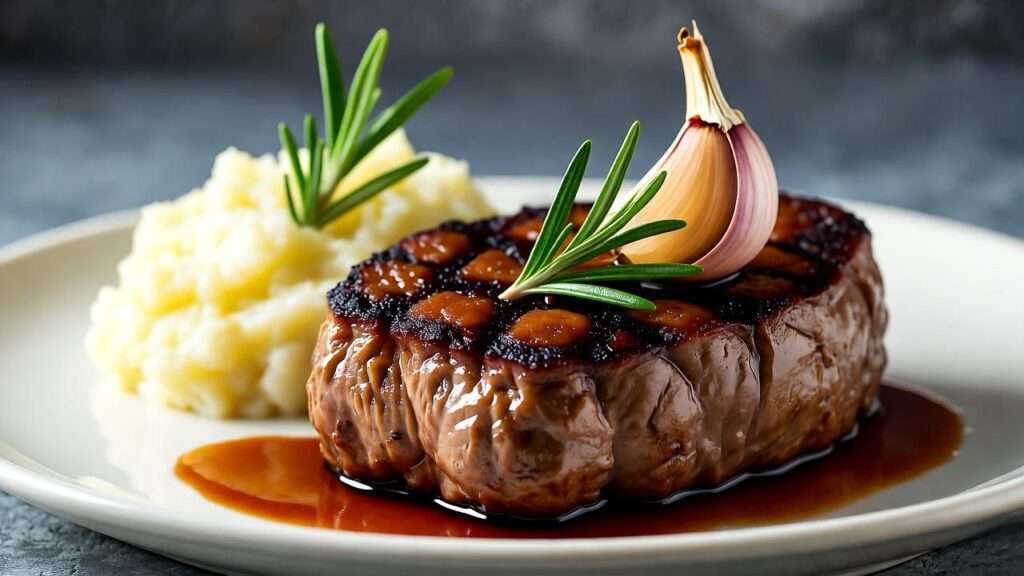
When presenting your centerpiece, focus on crafting a beautifully balanced, plated meal that communicates luxury. For a truly professional presentation—especially if you are capturing high-quality culinary photography of your creations—pay careful attention to your lighting. Utilizing natural, directional window lighting is essential; it perfectly highlights the glossy, basted texture of your caramelized celeriac or seared Lion’s Mane, casting soft, appetizing shadows that make the dish look undeniably expensive. Serve the roast on a warm, dark ceramic platter to create stark visual contrast, and carve it table-side to replicate that upscale steakhouse theater.
Classic Steakhouse Sides, Veganized
A show-stopping main course requires equally impressive supporting actors. By pairing your plant-based steak with vibrant, healthy sides, you create a complete, balanced plated meal that satisfies both the eye and the palate.
-
Vibrant Roasted Vegetables: Swap heavy, traditional sides for elegantly prepared roasted vegetables. Think thick spears of charred asparagus finished with a squeeze of grilled lemon and a drizzle of vegan hollandaise, or beautifully blistered, multi-colored heirloom carrots.
-
Creamed Spinach: Ditch the heavy dairy cream. Blend soaked raw cashews with a splash of unsweetened oat milk, a pinch of freshly grated nutmeg, and roasted garlic for a rich, velvety creamed spinach that feels completely decadent yet remains entirely plant-based.
-
Garlic Mashed Potatoes: Use naturally buttery Yukon Gold potatoes. Mash them with roasted garlic heads, cultured vegan butter, and a touch of white miso paste for an unexpected, savory depth that perfectly complements your centerpiece.
The ROI: Why This Swap Wins Every Time
When you compare the traditional Wagyu tomahawk steak against a meticulously crafted plant-based alternative, the return on investment—both financially and biologically—is staggering.
The Financial Breakdown
A standard 40-ounce Wagyu tomahawk can easily range from $150 to well over $250, depending on the market and the specific grade of the beef. In stark contrast, sourcing a massive, premium Lion’s Mane mushroom cluster or building a high-quality Seitan and Jackfruit roast will typically cost between $15 and $25. This incredible financial margin allows you to host lavish, unforgettable dinner parties, investing the saved money into premium side dishes, high-end wines, or simply keeping it in your wallet—all without sacrificing the feeling of luxury.
The Health and Environmental Victory
Beyond the financial savings, the biological and ecological benefits are profound. Premium Wagyu is defined by its massive saturated fat content, contributing heavily to dietary cholesterol and cardiovascular strain. The plant-based centerpieces detailed above deliver zero dietary cholesterol, significantly lower saturated fat, and are packed with heart-healthy dietary fiber.
Furthermore, replacing a massive cut of luxury beef with a botanical alternative drastically reduces your carbon footprint, water usage, and contribution to greenhouse gas emissions, making it a victory for both your personal health and the global environment.
Frequently Asked Questions
What is the closest vegan equivalent to Wagyu beef? While it is impossible to replicate the exact cellular structure of beef perfectly, a cast-iron pressed Lion’s Mane mushroom or a well-crafted seitan roast infused with refined coconut oil (to mimic intramuscular fat) offers the closest textural and savory experience to a premium Wagyu cut.
How do you get a crust on a vegan steak? Achieving a steakhouse-quality crust on plant-based ingredients requires mastering the Maillard reaction. Ensure your ingredient is patted completely dry, use a heavy cast-iron skillet preheated to a very high temperature, and utilize a marinade that balances natural sugars (like tomato paste) with amino acids (like soy sauce). Finally, press the ingredient firmly into the pan to ensure maximum surface contact.
Is a plant-based steak healthier than real beef? Generally, yes. Whole-food plant-based steaks, such as roasted celeriac or Lion’s Mane mushrooms, are incredibly healthy, containing zero cholesterol, minimal saturated fat, and high levels of dietary fiber. However, if you are purchasing commercial, highly processed mock meats, always check the nutritional label, as they can sometimes contain high levels of sodium.
Conclusion
The era of relying on a massively expensive Wagyu tomahawk steak as the only way to celebrate a special occasion is officially over. The true joy of a high-end steakhouse dinner lies in the savory, umami-rich flavors, the satisfying, hearty textures, and the shared experience of revealing a spectacular centerpiece to your guests.
By embracing modern culinary techniques, understanding the science of the Maillard reaction, and utilizing high-quality botanical ingredients, you can craft a plant-based masterpiece that rivals any butcher’s finest cut. For your next dinner party, skip the astronomical prices at the meat counter. Try pressing a gorgeous Lion’s Mane mushroom or slow-roasting a truffle-basted celeriac, and prepare to watch your guests marvel at the ultimate plant-based dining experience.