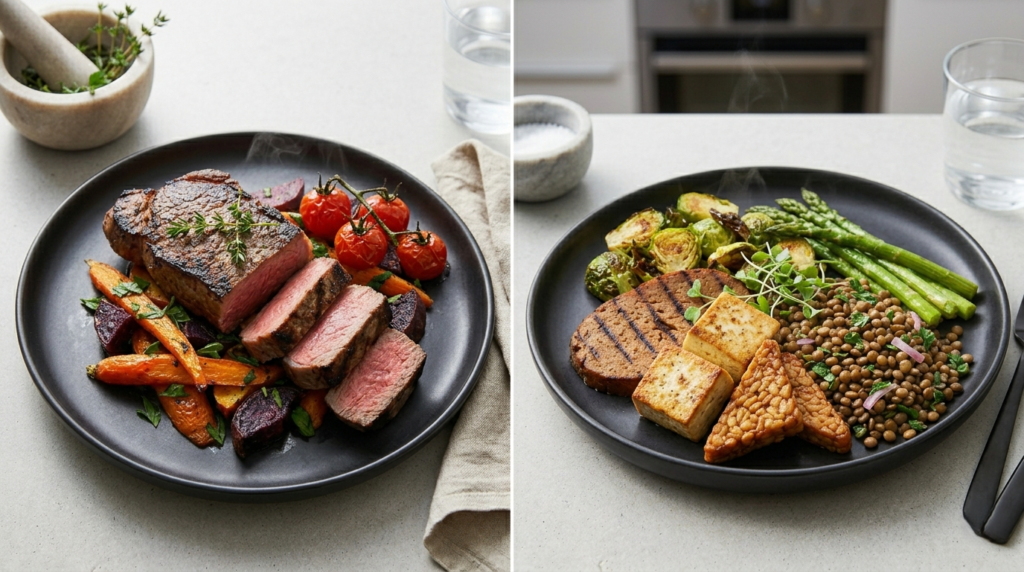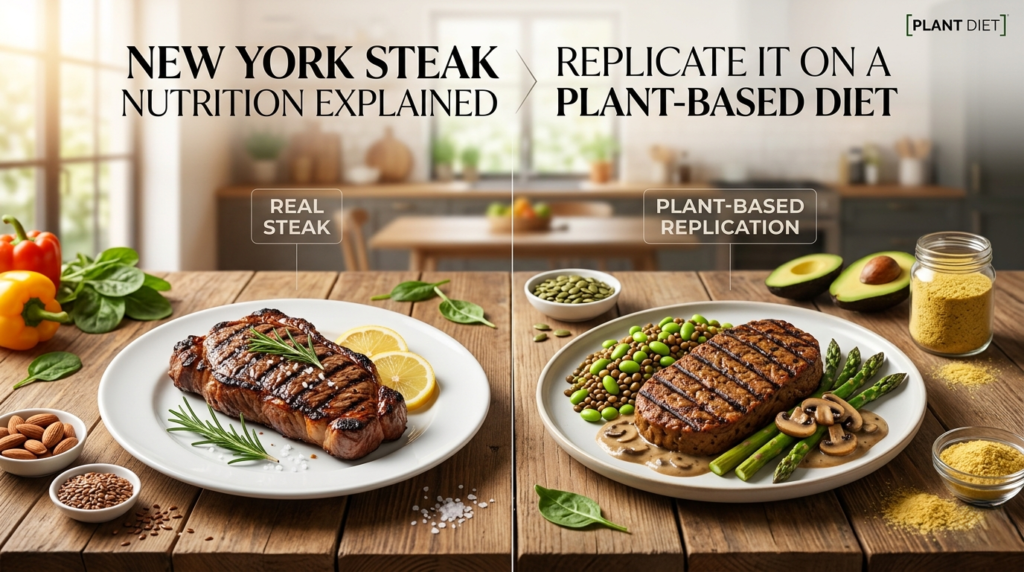
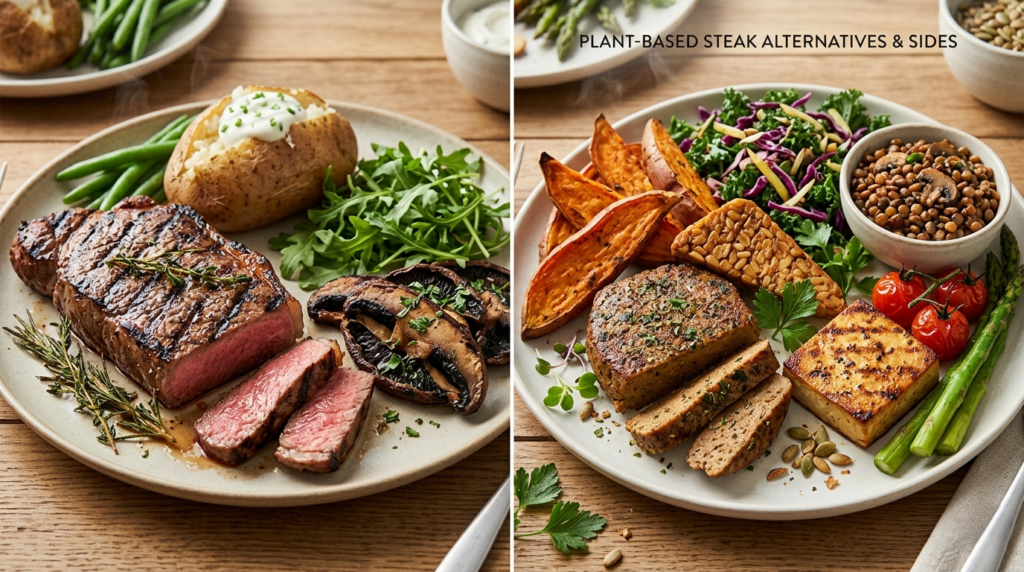
Few foods spark as much debate in the nutrition world as strip steak. For some, it’s a prized source of protein and iron. For others—especially those embracing a plant-based lifestyle—it raises important questions about saturated fat, heart health, sustainability, and whether there are smarter alternatives that deliver the same nutritional benefits. If you’ve searched for nutrition strip steak, you’re likely looking for more than calories alone—you want to know whether strip steak fits into a healthy diet and how plant-based swaps compare.
The good news? You don’t have to choose between nutrition and flavor. Understanding strip steak’s nutrient profile, potential health risks, and the best plant-forward substitutes can help you make informed decisions that support your energy, heart, and long-term wellness goals.
Whether you’re transitioning to a plant-based diet, reducing red meat, or simply looking for healthier protein sources, this guide breaks down everything you need to know—from macronutrients and micronutrients to expert-backed plant alternatives that satisfy both nutrition and taste.
Table of Contents
ToggleWhat Is Strip Steak? Understanding the Cut and Its Nutritional Role
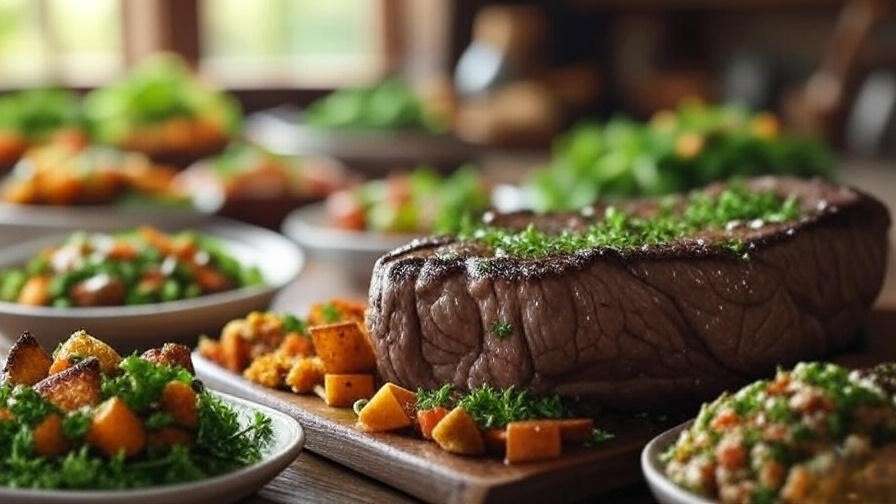
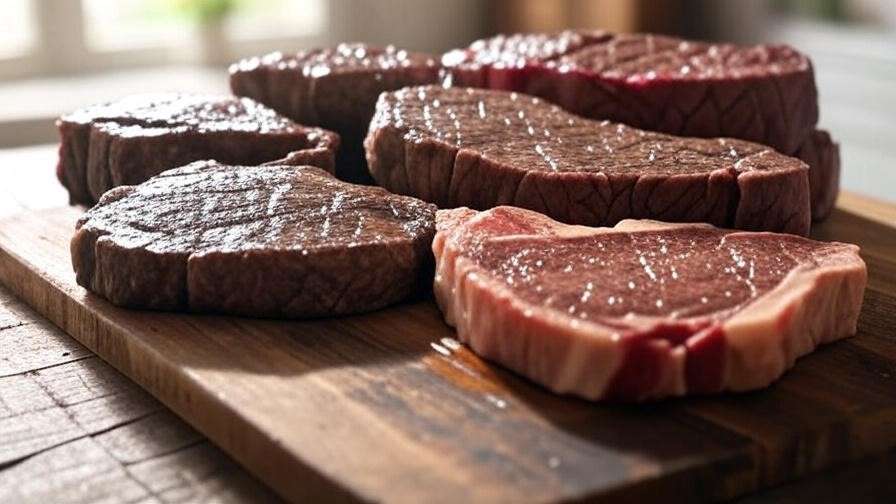
Strip steak, often called New York strip, comes from the short loin of the cow. It’s known for its tenderness, marbling, and rich flavor. Because it contains a moderate amount of fat compared to leaner cuts like sirloin, its nutritional profile can vary depending on trimming, cooking method, and portion size.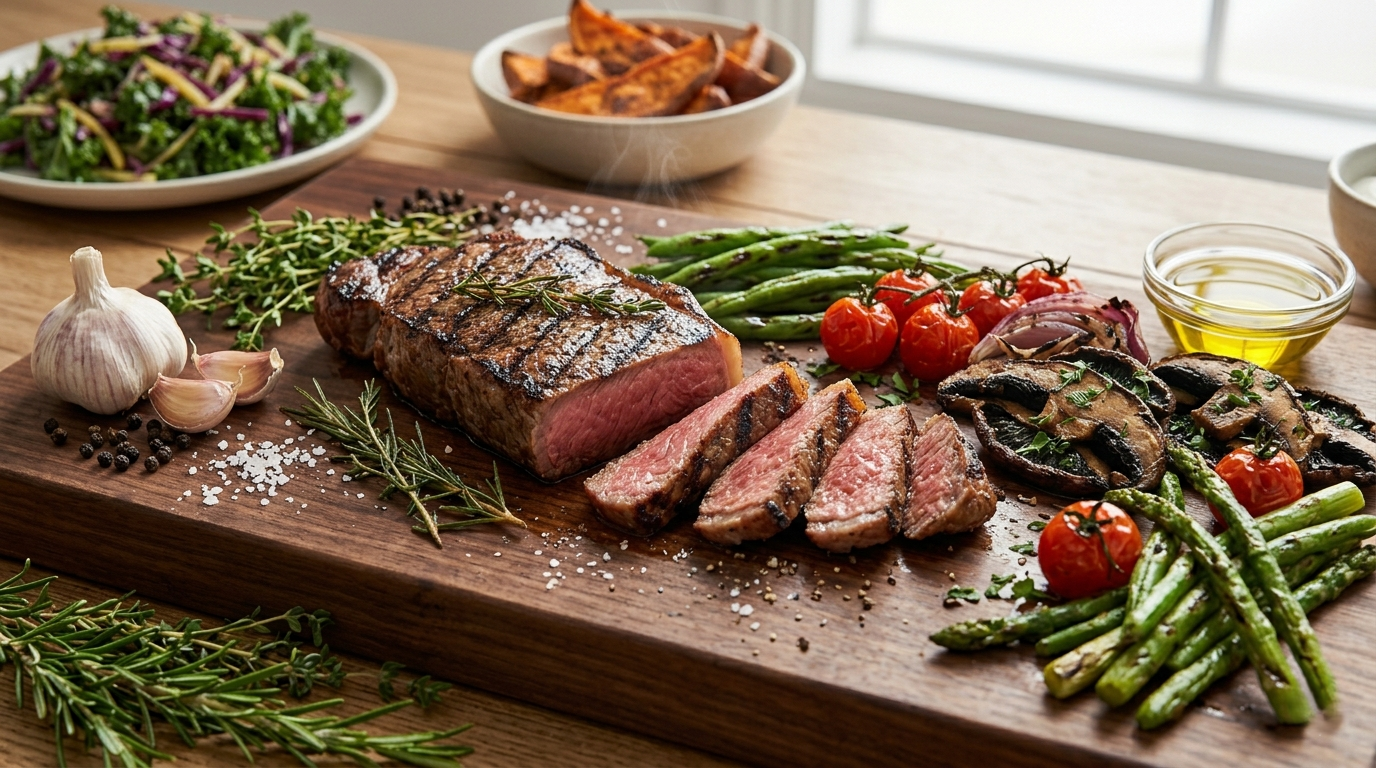
Standard Nutrition Strip Steak (Per 3-ounce cooked serving)
While exact values vary, a typical serving contains:
- Calories: 180–250
- Protein: 22–25 grams
- Total Fat: 10–18 grams
- Saturated Fat: 4–7 grams
- Cholesterol: 60–75 mg
- Iron: 10–15% Daily Value
- Vitamin B12: 100%+ Daily Value
- Zinc: 30–40% Daily Value
Key Benefits:
- Complete protein with all essential amino acids
- Rich in B12, zinc, selenium, and heme iron
- Supports muscle maintenance and energy metabolism
Potential Downsides:
- High saturated fat intake may increase LDL cholesterol
- Overconsumption of red meat is linked with cardiovascular concerns
- Processed or charred meats may increase inflammation risk
For plant-focused readers, the biggest concern isn’t whether strip steak has nutrients—it does—but whether those nutrients can be obtained in healthier, more sustainable ways.
Is Strip Steak Healthy? The Bigger Nutrition Picture
Strip steak can be part of a balanced diet when consumed occasionally and prepared mindfully. However, nutrition is about patterns, not isolated foods.
When Strip Steak May Fit a Healthy Lifestyle:
- You prioritize portion control
- You choose grass-fed or leaner cuts
- You balance meals with fiber-rich vegetables
- You limit frequency
When It May Be Less Ideal:
- You have elevated cholesterol or heart disease risk
- You consume red meat frequently
- Your diet lacks plant diversity
- Weight management is a priority
Expert Perspective:
Research consistently shows that diets rich in legumes, soy, whole grains, nuts, and vegetables are associated with lower rates of heart disease compared to diets high in red and processed meats.
This doesn’t mean strip steak is “bad”—it means context matters.
Plant-Based Nutrition vs. Strip Steak: Can Plants Really Compare?
One of the most common myths is that plant-based diets can’t match steak’s protein or iron content. In reality, strategic plant choices can rival or exceed many nutritional benefits—often with less saturated fat and more fiber.
H2: Top Plant-Based Alternatives to Strip Steak
H3: 1. Seitan (Wheat Protein)
Per 3 ounces:
- Protein: 20–22 grams
- Fat: 1–2 grams
- Cholesterol: 0 mg
Why it works:
Seitan closely mimics steak’s chewy texture and high protein content, making it one of the most satisfying meat alternatives.
Best for: High-protein meals, stir-fries, grilling
H3: 2. Tempeh
Per 3 ounces:
- Protein: 16–18 grams
- Fiber: 6–8 grams
- Rich in probiotics and iron
Why it works:
Tempeh offers complete protein plus gut-friendly fermentation benefits.
Best for: Marinated strips, bowls, sandwiches
H3: 3. Tofu Steak
Per 3 ounces:
- Protein: 9–14 grams
- Calcium-rich
- Low saturated fat
Why it works:
Extra-firm tofu can absorb marinades beautifully and provide a lighter steak alternative.
H3: 4. Lentils + Mushrooms
When combined creatively, lentils and umami-rich mushrooms deliver:
- Protein
- Iron
- Fiber
- Antioxidants
Why it works:
This combo supports satiety while dramatically improving heart health.
Protein Comparison: Strip Steak vs. Plant Alternatives
| Food | Protein | Saturated Fat | Fiber | Cholesterol |
|---|---|---|---|---|
| Strip Steak | 23g | High | 0g | Yes |
| Seitan | 21g | Very Low | 1g | No |
| Tempeh | 18g | Low | 7g | No |
| Tofu | 12g | Low | 2g | No |
| Lentils | 13g | Very Low | 8g | No |
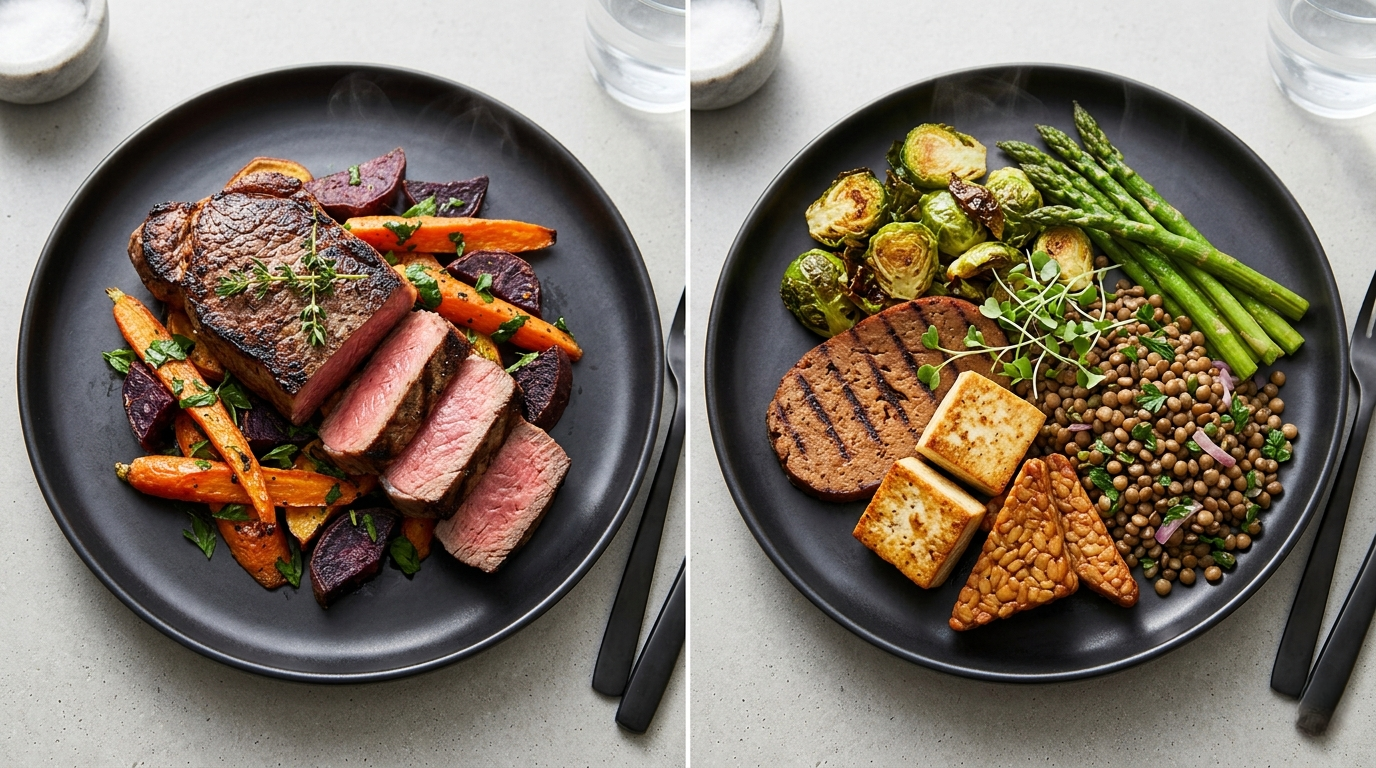 Key Insight:
While strip steak may offer slightly more protein ounce-for-ounce, plant proteins provide fiber, phytonutrients, and significantly lower cardiovascular burden.
Heart Health: Why Plant-Based Swaps Matter
Heart disease remains a leading global health concern, and dietary saturated fat plays a major role.
Strip Steak Concerns:
- Saturated fat may raise LDL cholesterol
- Heme iron excess may contribute to oxidative stress
- Frequent red meat intake may increase cardiovascular risk
Plant-Based Advantages:
- Zero cholesterol
- Higher fiber lowers cholesterol
- Rich in antioxidants and anti-inflammatory compounds
- Supports blood pressure control
Smart Swap Strategy:
Instead of eliminating steak overnight, many experts recommend a “replace and reduce” model:
- 1–2 steak meals weekly
- Replace other meals with tempeh, beans, or tofu
- Focus on whole-food proteins over ultra-processed substitutes
This flexible approach is often more sustainable than extreme restriction.
How to Recreate Strip Steak Flavor on a Plant-Based Diet
Taste matters. Fortunately, flavor is often more about seasoning and cooking than the meat itself.
Flavor-Boosting Ingredients:
- Tamari or soy sauce
- Smoked paprika
- Garlic powder
- Liquid smoke
- Mushroom powder
- Balsamic vinegar
- Black pepper
Texture Tips:
- Press tofu thoroughly
- Steam tempeh before marinating
- Grill seitan for char
- Use portobello mushrooms for umami depth
Pro Tip:
A steakhouse-style marinade can transform plant proteins into deeply satisfying alternatives.
Environmental Nutrition: Beyond Personal Health
Choosing plant-based alternatives doesn’t only impact your body—it affects the planet.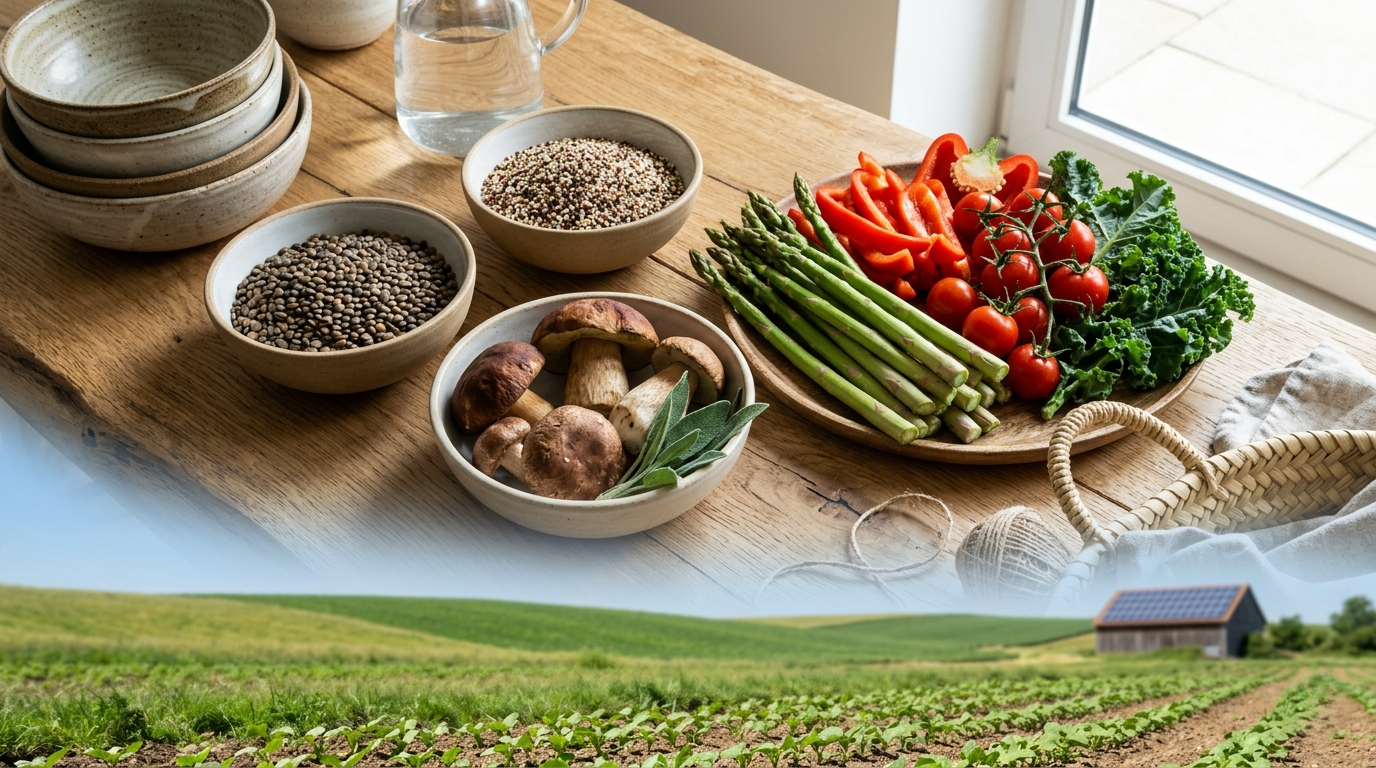
Compared to Strip Steak, Plant Proteins Typically Require:
- Less water
- Less land
- Lower greenhouse gas emissions
For readers focused on sustainable wellness, reducing red meat is one of the most impactful dietary changes available.
Common Myths About Giving Up Strip Steak
Myth #1: “I’ll lose muscle.”
Truth: Total protein intake matters more than source when properly planned.
Myth #2: “Plant protein is incomplete.”
Truth: Soy, tempeh, quinoa, and varied diets provide all essential amino acids.
Myth #3: “Steak is the only good iron source.”
Truth: Lentils, spinach, pumpkin seeds, and fortified foods can meet iron needs—especially with vitamin C.
Who Should Be Most Careful With Frequent Strip Steak Consumption?
Certain individuals may benefit from reducing red meat more aggressively:
- People with high LDL cholesterol
- Those with hypertension
- Individuals with family heart disease history
- People pursuing weight loss
- Those managing inflammatory conditions
For these groups, plant-centered swaps can offer measurable health improvements.
Practical Meal Ideas: Healthy Swaps for Strip Steak Lovers
Instead of:
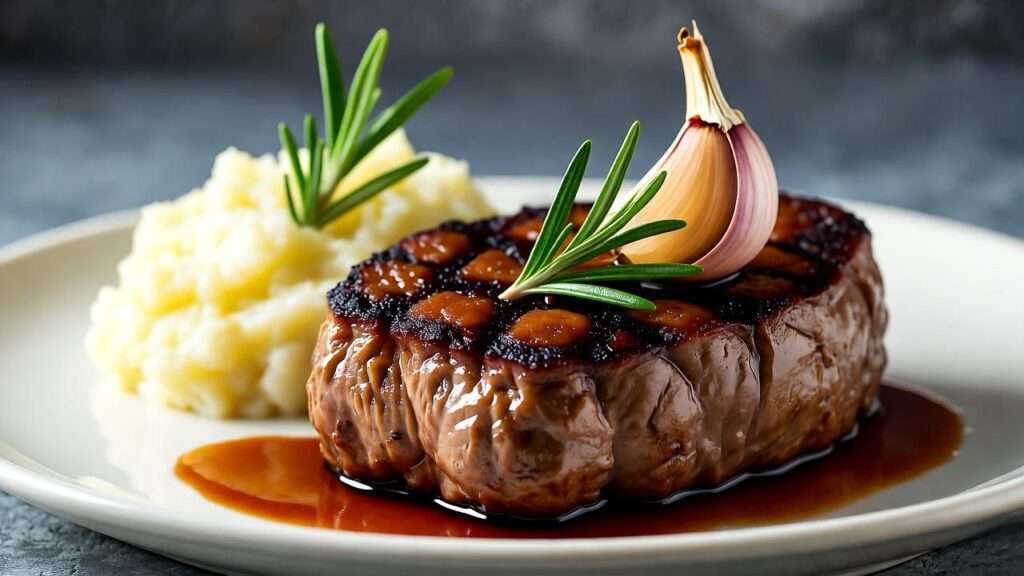
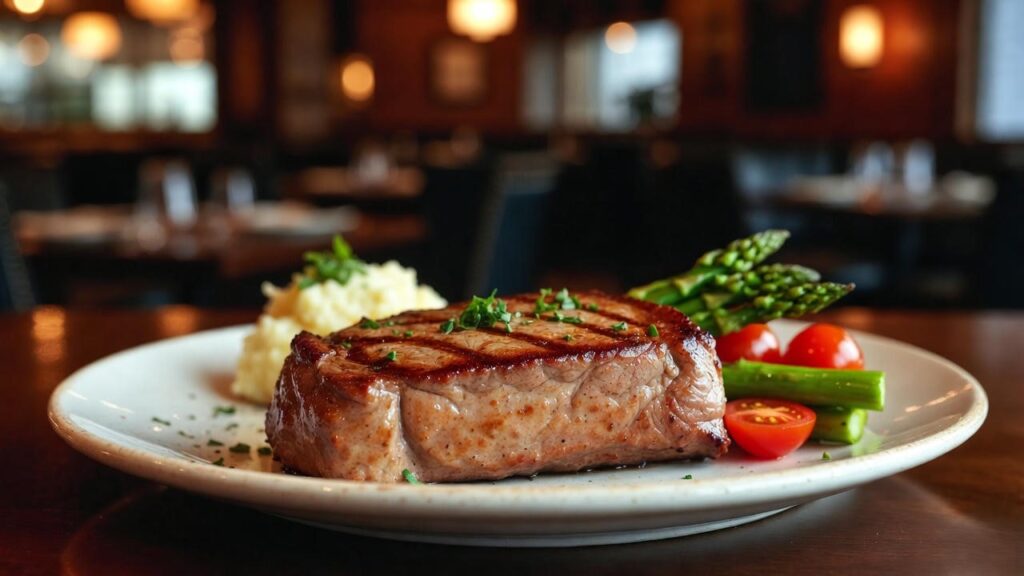
Grilled strip steak + mashed potatoes
Try:
Grilled seitan + cauliflower mash + roasted Brussels sprouts
Instead of:
Steak fajitas
Try:
Tempeh fajitas with black beans, peppers, and avocado
Instead of:
Steak salad
Try:
Marinated tofu salad with quinoa, kale, walnuts, and tahini
FAQs About Nutrition Strip Steak
Is strip steak good for weight loss?
It can fit in moderation due to high protein, but calorie density and fat content may hinder progress if portions are large.
What’s the healthiest steak alternative?
Tempeh, seitan, and legumes are among the best whole-food, nutrient-dense options.
Is grass-fed strip steak healthier?
Grass-fed may offer slightly better omega-3 content, but it still contains saturated fat and cholesterol.
Can plant-based diets provide enough B12?
Yes—with fortified foods or supplements.
Final Verdict: Should You Replace Strip Steak?
Nutrition strip steak can absolutely provide valuable protein and micronutrients, but for many people, especially those prioritizing heart health, longevity, and sustainability, plant-based alternatives offer compelling advantages.
The smartest path isn’t necessarily all-or-nothing—it’s informed balance.
By incorporating more plant proteins like tempeh, tofu, lentils, and seitan, you can:
- Meet protein needs
- Reduce saturated fat
- Improve fiber intake
- Support heart health
- Lower environmental impact
In today’s nutrition landscape, the question isn’t just “Is strip steak nutritious?” It’s “Is it the best option for your long-term health goals?”
For many, the answer may be: sometimes—but not always. A plant-forward plate often delivers more than enough.