For anyone who has transitioned to a plant-based diet, there is often one culinary sensation that remains tricky to replace: the authentic seafood delight. That distinct combination of briny freshness, delicate sweetness, Umami-rich depth, and flaking texture is something traditional meat alternatives rarely replicate. Whether you are vegan, exploring a plant-forward lifestyle, or navigating seafood allergies, craving those oceanic flavors shouldn’t mean settling for heavily processed, rubbery frozen substitutes.
Over years of professional plant-based culinary development, I have tested countless ingredient combinations, texture profiles, and marine seasoning blends to unlock the science of vegetable-based ocean cuisine. The secret to a genuine, mouthwatering plant-based seafood dish doesn’t lie in factory-made additives; it lies in pairing nutrient-dense whole foods with natural ocean-derived sea vegetables and precision cooking techniques.
In this comprehensive guide, we will break down the molecular keys to marine flavor, explore the essential whole-food ingredient matrix, master 7 signature recipes, and cover nutritional optimizations so you can recreate the ultimate seafood-inspired feast right in your own kitchen.
1. The Science of Ocean Flavor: Recreating Marine Profiles Without Fish
To replicate the taste and texture of seafood using plants, we must first understand what makes ocean cuisine taste unique. Seafood flavor isn’t just about “saltiness”—it is a complex balance of specific amino acids, volatile compounds, and distinct textural properties.
       [ Ocean Flavor & Texture Triad ]
                       │
     ┌─────────────────┼─────────────────┐
     ▼                 ▼                 ▼
[ Marine Umami ]   [ Salinity & ]    [ Structural ]
  (Glutamates +      [ Minerals ]      [ Flaking ]
 Trimethylamine)   (Iodine, Algae)   (Fibers/Pores)
The Secret Elements of Seafood Umami
The unmistakable aroma and savory depth of fresh seafood come primarily from naturally occurring glutamates combined with trace marine minerals and compounds like trimethylamine oxide (TMAO).
-
Glutamates: Responsible for the deep savory note. In plant cooking, we extract this from fermented ingredients, mushrooms, and sea vegetables.
-
Briny Sweetness: Fresh shellfish like crab and lobster feature a subtle natural sweetness. We achieve this by balancing ocean seasonings with natural plant sugars (such as those found in cooked root vegetables or corn) and mild acids like lemon juice.
Essential Plant-Based Marine Seasonings
To infuse plant ingredients with an authentic ocean profile, keep these marine flavor builders stocked in your pantry:
-
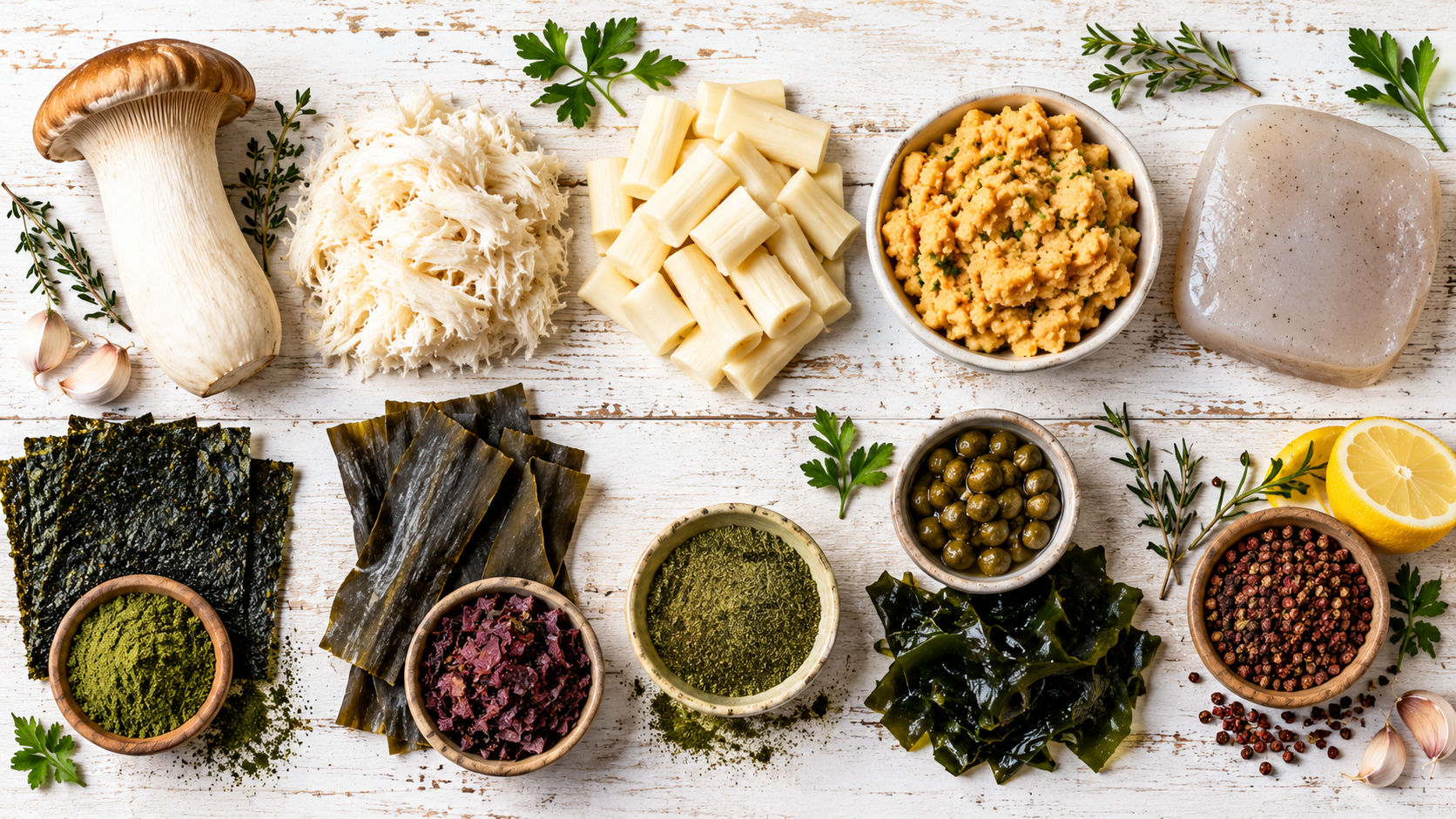
Kombu (Kelp): Rich in natural glutamates. Simmering Kombu in water creates a deep, ocean-flavored dashi broth ideal for soaking plant proteins.
-
Nori: Delivers a delicate, classic “fishy” aroma. Finely ground Nori works best in batters, breading, and flaked fish substitutes.
-
Wakame: Mild and slightly sweet with a tender bite, perfect for soups, chowders, and sea-inspired salads.
-
Dulse Flakes: Packed with potassium and iodine, Dulse adds a smoky, slightly salty marine punch that elevates plant-based tuna and salmon recipes.
-
Kelp Powder: Highly concentrated. A tiny fraction of a teaspoon adds instant marine depth to sauces and marinades without altering texture.
-
Old Bay & Caper Brine: The ultimate classic pairing. The combination of celery salt, paprika, and sharp caper acid tricks the palate into recognizing traditional seafood dishes instantly.
Texture Science: Matching Flake, Firmness, and Snap
Recreating the bite of ocean proteins requires selecting plants with specific cell structures:
-
The Delicate Flake (White Fish): Hearts of palm, artichoke hearts, and green jackfruit possess natural fibrous strands that pull apart into distinct flakes.
-
The Tender Snap (Scallops & Squid): King oyster mushroom stems and konjac root feature dense, resilient structures that mimic the tender chew of mollusks.
-
The Shredded Meat (Crab & Lobster): Lion’s mane mushrooms naturally grow in tendrils that mirror lump crab meat when gently torn apart by hand.
2. The Ultimate Kitchen Arsenal: Core Ingredients Matrix
While store-bought vegan seafood options rely on isolated starches and methylcellulose binders, whole-food bases offer superior flavor absorption, better nutritional integrity, and clean digestability.
Use this reference matrix to pair your target seafood style with the optimal plant base and seasoning method:
| Target Seafood Style | Best Plant-Based Base | Primary Seaweed & Seasoning | Key Culinary Technique |
|---|---|---|---|
| Lump Crab | Lion’s Mane Mushroom | Ground Nori, Old Bay, Dijon | Hand-shredding & gentle searing |
| Sea Scallops | King Oyster Mushroom Stems | Kombu Dashi, White Wine, Garlic | Cross-hatch scoring & pan-searing |
| Lobster Meat | Hearts of Palm & Artichoke | Dulse Flakes, Lemon, Paprika | Warm butter-poaching |
| Flaky White Fish | Banana Blossom / Jackfruit | Kelp Powder, Beer Batter, Sea Salt | Marinating & crisp deep-frying |
| Calamari / Squid | Konjac or King Oyster Rings | Smoked Paprika, Lemon, Nori | High-heat flash searing |
| Tuna Salad | Flaked Chickpeas & Sunflower Seeds | Crushed Nori, Capers, Lemon Juice | Coarse mashing & cold-curing |
| Rich Seafood Rice | Bomba Rice & Oyster Mushrooms | Saffron, Kombu Dashi, Wakame | Slow simmering & bottom crisping |
3. 7 Signature Plant-Based Seafood Recipes
Recipe 1: Classic Lion’s Mane “Crab” Cakes with Homemade Remoulade
Lion’s Mane mushroom (Hericium erinaceus) is the undisputed crown jewel of plant-based seafood substitutes. Its natural fibrous structure tears into delicate, meaty strands that replicate fresh lump crab meat almost identically.
+-----------------------------------------------------------------+
|                       LION'S MANE "CRAB" CAKE                   |
|                                                                 |
|  [ Shredded Lion's Mane ] ---> [ Dry-Roast Moisture Removal ]  |
|                                             │                   |
|                                             ▼                   |
|  [ Golden Panko Crust ]   <--- [ Binder: Mayo, Nori, Old Bay ]  |
+-----------------------------------------------------------------+
-
Prep time: 20 mins | Cook time: 15 mins | Yield: 4 large cakes
Ingredients:
-
1 lb fresh Lion’s Mane mushrooms
-
½ cup vegan mayonnaise
-
1 tbsp Dijon mustard
-
1 tbsp Old Bay seasoning
-
1 tbsp finely ground Nori powder
-
1 tbsp caper brine
-
2 scallions, finely sliced
-
½ cup panko breadcrumbs (plus extra for coating)
-
High-heat oil for searing
-
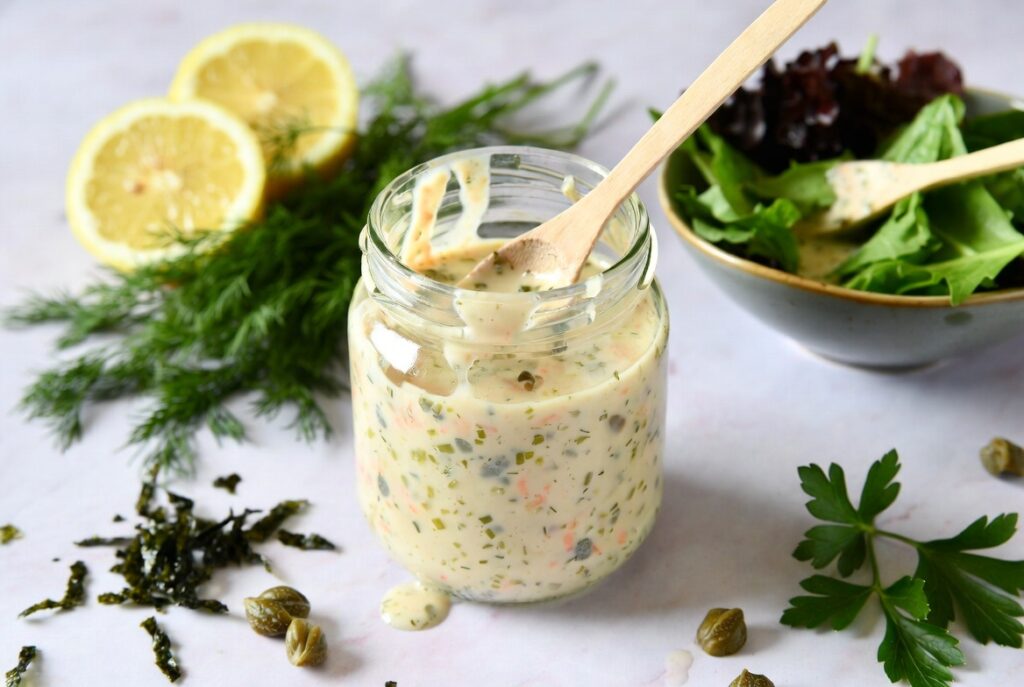
Remoulade: ½ cup vegan mayo, 1 tbsp capers (chopped), 1 tsp hot sauce, 1 tsp smoked paprika, 1 tbsp fresh lemon juice.
Method:
-
Prepare the Mushroom: Tear the Lion’s Mane mushrooms by hand into lump-sized pieces. Do not cut with a knife, as tearing preserves the natural fibrous “crab” texture.
-
Dry-Roast (Crucial Step): Place the torn mushrooms into a dry skillet over medium heat without oil or salt. Gently press with a spatula for 5–7 minutes to release excess water. Transfer to a bowl and allow to cool.
-
Mix the Base: In a separate bowl, whisk together the vegan mayo, Dijon, Old Bay, Nori powder, caper brine, and scallions. Gently fold in the cooled mushrooms and panko breadcrumbs.
-
Form & Chill: Shape the mixture into 4 thick patties. Place on a parchment-lined plate and refrigerate for 15 minutes to firm up.
-
Sear: Heat 2 tablespoons of oil in a cast-iron skillet over medium-high heat. Dredge patties lightly in extra panko and cook for 3–4 minutes per side until golden brown and crispy.
-
Serve: Top with cold homemade remoulade and fresh lemon wedges.
Recipe 2: King Oyster Mushroom “Scallops” in Garlic Herb Butter
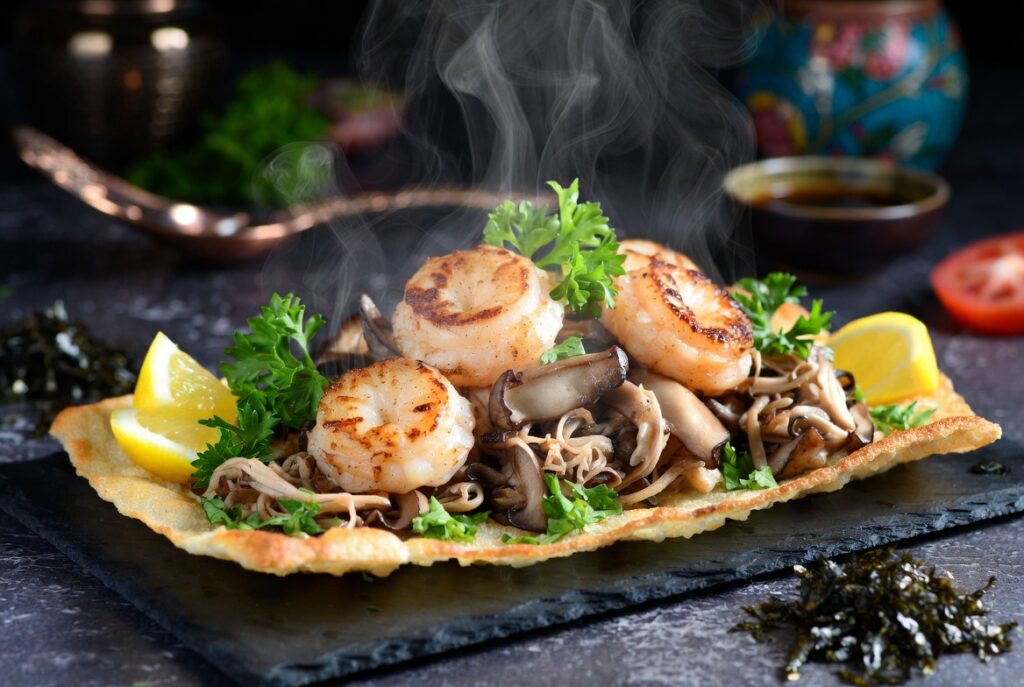
The thick, dense stalks of King Oyster mushrooms (Pleurotus eryngii) provide the exact tender-yet-firm bite of ocean scallops.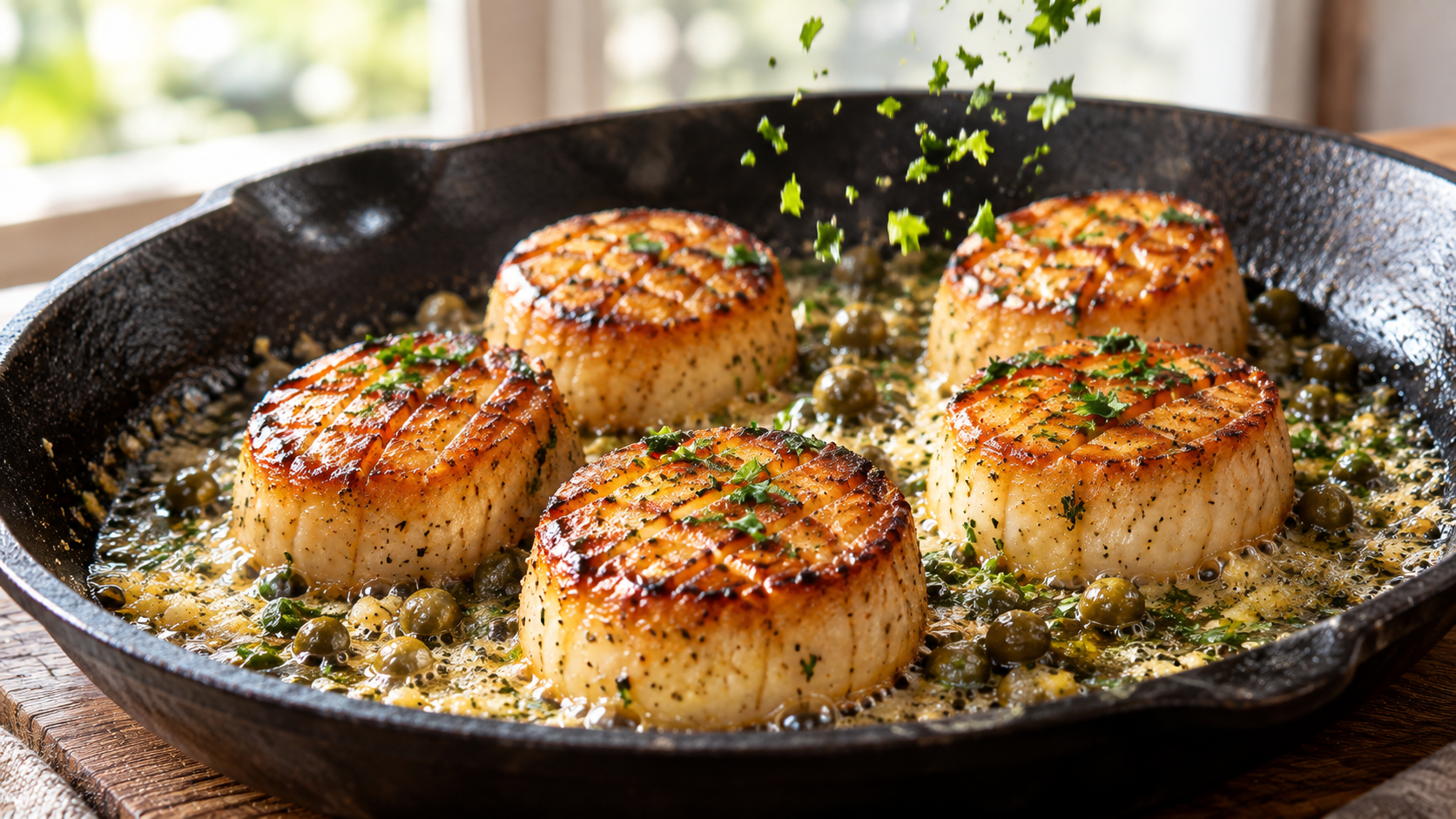
-
Prep time: 15 mins | Soak time: 20 mins | Cook time: 10 mins | Yield: 2–3 servings
Ingredients:
-
4 large King Oyster mushroom stems (caps reserved for another use)
-
2 cups warm water
-
1 sheet Kombu seaweed
-
1 tsp sea salt
-
2 tbsp vegan cultured butter
-
3 cloves garlic, minced
-
¼ cup dry white wine
-
1 tbsp fresh parsley, chopped
-
Freshly ground black pepper
Method:
-
Slice & Score: Cut the mushroom stems into 1-inch thick rounds. Gently score a shallow cross-hatch pattern on the top and bottom flat sides of each cylinder.
-
Marine Soak: Submerge the mushroom rounds in a bowl of warm water infused with the Kombu sheet and sea salt for 20 minutes. This hydrates the fibers with marine umami. Drain and thoroughly pat dry with paper towels.
-
High-Heat Sear: Heat a heavy skillet over medium-high. Add 1 tablespoon of vegan butter. Once shimmering, place the “scallops” scored-side down. Cook untouched for 4 minutes until a deep, golden crust forms.
-
Baste: Flip the scallops. Add the remaining butter, minced garlic, and white wine to the pan. Spoon the bubbling garlic-butter sauce continuously over the scallops for another 3 minutes.
-
Garnish: Remove from heat, sprinkle with fresh parsley and black pepper, and serve warm over risotto or alongside asparagus.
Recipe 3: Hearts of Palm “Lobster” Roll with Lemon-Dill Aioli
Hearts of palm offer a tender, slightly sweet profile that absorbs marinades exceptionally well, making them ideal for replicating chilled lobster meat.
-
Prep time: 15 mins | Marinate time: 30 mins | Cook time: 5 mins | Yield: 4 rolls
Ingredients:
-
2 cans (14 oz each) whole hearts of palm, drained and rinsed
-
1 tbsp vegan butter
-
1 tsp Old Bay seasoning
-
½ tsp kelp powder
-
Aioli: ½ cup vegan mayonnaise, 1 tbsp fresh lemon juice, 1 tbsp fresh dill (chopped), 1 stalk celery (finely diced), sea salt to taste.
-
4 top-split vegan brioche rolls
Method:
-
Chop: Cut the hearts of palm into irregular, bite-sized chunks to resemble lobster tail meat.
-
Quick Warm-Poach: Melt vegan butter in a pan over medium-low heat. Add Old Bay and kelp powder. Toss the hearts of palm in the seasoned butter for 3–4 minutes until warm and fragrant. Do not overcook.
-
Chill: Transfer the warm pieces to a bowl and refrigerate for at least 30 minutes.
-
Fold: Once chilled, gently fold the hearts of palm into the prepared lemon-dill aioli and diced celery.
-
Assemble: Lightly butter and toast the split-top brioche rolls on a griddle. Fill generously with the chilled “lobster” mixture and finish with extra fresh dill and lemon zest.
Recipe 4: Golden Crispy Beer-Battered Banana Blossom “Fish” & Chips
Banana blossom (the large purple flower growing at the end of a banana cluster) features natural, layered petals that separate into distinct, tender flakes when cooked, mirroring white fish like cod or line-caught haddock.
-
Prep time: 20 mins | Marinate time: 1 hour | Cook time: 15 mins | Yield: 4 servings
Ingredients:
-
1 can (20 oz) banana blossoms in brine, thoroughly rinsed
-
2 cups vegetable oil (for frying)
-
Marine Marinade: 2 cups warm water, 1 tbsp Nori powder, 1 tbsp caper juice, 1 tsp sea salt, juice of 1 lemon.
-
Batter: 1 cup all-purpose flour, 1 tsp baking powder, 1 tsp Old Bay, 1 tsp garlic powder, 1 cup ice-cold light beer or sparkling water.
Method:
-
Marinate: Place rinsed banana blossom pieces into the marine marinade for at least 1 hour (overnight yields even deeper ocean flavor).
-
Heat Oil: Heat vegetable oil in a deep skillet or heavy pot to 350°F (175°C).
-
Mix Batter: In a medium bowl, whisk together flour, baking powder, spices, and cold beer until a smooth batter forms.
-
Dip & Fry: Remove banana blossoms from marinade and pat dry. Dredge each piece lightly in dry flour, dip into the beer batter to coat completely, and carefully lower into the hot oil.
-
Cook: Fry in batches for 4–5 minutes, turning occasionally until golden brown and crispy. Drain on a wire cooling rack.
-
Serve: Pair immediately with sea-salted thick-cut fries, malt vinegar, and plant-based tartar sauce.
Recipe 5: Spicy Szechuan Konjac “Calamari” Rings with Sweet Chili Dip
Konjac root (Amorphophallus konjac) provides a uniquely resilient, springy texture that flawlessly mimics squid or cuttlefish. When cross-scored and flash-seared, it retains its signature bite without turning rubbery.
-
Prep time: 15 mins | Cook time: 8 mins | Yield: 3–4 servings
Ingredients:
-
1 block (14 oz) firm white konjac cake (or pre-formed konjac squid rings)
-
1 tbsp soy sauce or tamari
-
1 tsp kelp powder
-
½ cup cornstarch
-
1 tsp Szechuan peppercorns, crushed
-
½ tsp garlic powder
-
2 tbsp neutral oil for searing
-
Dip: 3 tbsp sweet chili sauce mixed with 1 tsp fresh lime juice and chopped cilantro
Method:
-
Slice & Score: Slice the konjac cake into ¼-inch thick slabs, then slice into rings or scored strips. Blanch in boiling salted water for 3 minutes to remove excess moisture, then drain and pat thoroughly dry.
-
Season & Coat: Toss the konjac in soy sauce and kelp powder. In a shallow bowl, mix cornstarch, crushed Szechuan peppercorns, and garlic powder. Dredge the konjac rings until lightly coated.
-
Flash-Sear: Heat neutral oil in a wok or skillet over high heat until smoking. Add the konjac in a single layer and sear for 2–3 minutes per side until the edges turn golden and blistered.
-
Serve: Toss with extra sea salt and serve hot alongside the sweet chili-lime dip.
Recipe 6: Smoky Chickpea & Seaweed “Tuna” Salad Melt
Coarsely mashed chickpeas combined with crushed sea vegetables deliver a clean, high-protein alternative to traditional canned tuna—complete with that nostalgic savory bite.
+-----------------------------------------------------------------+
|                       PLANT-BASED "TUNA" MELT                   |
|                                                                 |
| [ Coarsely Mashed Chickpeas ] + [ Crushed Nori & Dulse Flakes ] |
|                                             │                   |
|                                             ▼                   |
| [ Golden Sourdough ] <--- [ Add Mayo, Capers, & Melted Cheese ] |
+-----------------------------------------------------------------+
-
Prep time: 15 mins | Cook time: 6 mins | Yield: 3 sandwiches
Ingredients:
-
1 can (15 oz) chickpeas, rinsed and drained
-
1 sheet Nori, finely crushed (or 1 tbsp dulse flakes)
-
3 tbsp vegan mayonnaise
-
1 tbsp capers, chopped (plus 1 tsp caper brine)
-
1 stalk celery, finely diced
-
2 tbsp red onion, finely diced
-
1 tbsp fresh lemon juice
-
6 slices sourdough bread
-
3 slices plant-based cheddar or provolone cheese
Method:
-
Mash Base: In a large bowl, coarsely mash chickpeas with a fork, leaving plenty of chunky texture.
-
Fold Flavor: Add crushed Nori, vegan mayo, capers, caper brine, celery, red onion, and lemon juice. Mix well until cohesive; season with salt and black pepper to taste.
-
Assemble: Butter the outer sides of sourdough slices. Spread a generous layer of chickpea “tuna” on the inner side, top with a slice of vegan cheese, and close the sandwich.
-
Grill: Cook in a skillet over medium heat for 3–4 minutes per side until the bread is golden crisp and the cheese is fully melted.
Recipe 7: The Grand “Seafood Delight” Paella with Oyster Mushrooms & Sea Vegetables
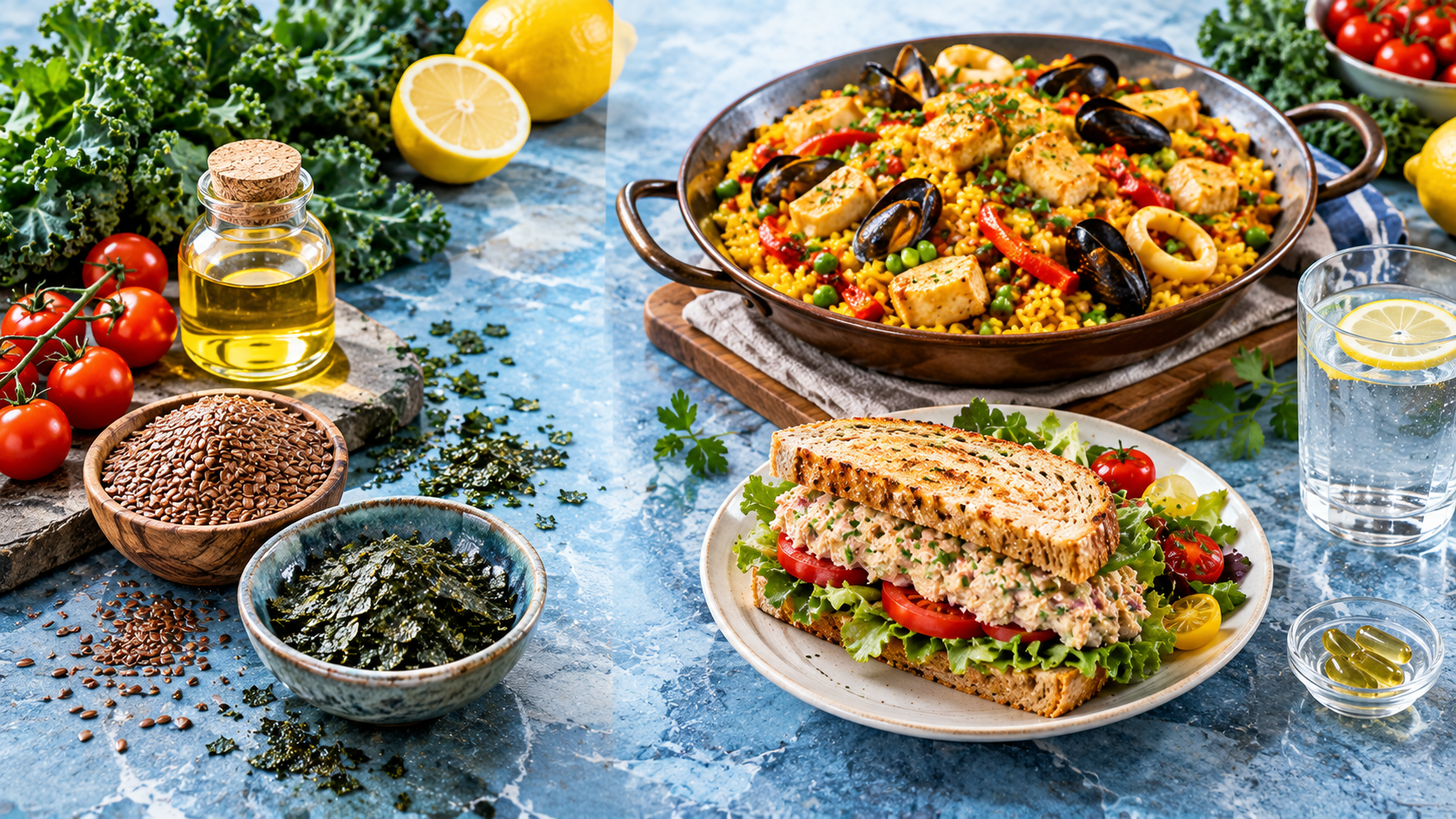
This showstopping centerpiece combines saffron-infused Bomba rice with a rich Kombu broth, roasted sweet peppers, and marinated sea vegetables for an authentic coastal Spanish feast.
-
Prep time: 20 mins | Cook time: 35 mins | Yield: 6 servings
Ingredients:
-
2 cups Bomba or Arborio rice
-
4 cups warm Kombu-dashi broth (simmered with 1 Kombu sheet & 1 tbsp dulse)
-
¼ tsp saffron threads, bloomed in 2 tbsp warm water
-
8 oz King Oyster mushroom “scallops” (from Recipe 2)
-
6 oz Oyster mushrooms, torn
-
1 red bell pepper, sliced
-
½ cup frozen sweet peas
-
3 cloves garlic, minced
-
1 tsp smoked paprika
-
3 tbsp extra virgin olive oil
-
Lemon wedges and fresh parsley for garnish
Method:
-
Sear Mushrooms: In a wide paella pan, heat 2 tablespoons olive oil over medium-high heat. Sear the King Oyster “scallops” and torn oyster mushrooms for 4–5 minutes until golden. Transfer to a plate.
-
Build Sofrito: Add remaining oil to the pan. Sauté sliced red pepper and minced garlic for 3 minutes. Stir in smoked paprika and Bomba rice, coating the grains in oil for 1 minute.
-
Simmer: Pour in the warm Kombu dashi broth and bloomed saffron liquid. Do not stir after this point. Lower heat to medium-low and simmer undisturbed for 18–20 minutes until rice has absorbed most liquid.
-
Arrange & Form Crust (Socarrat): Nestled the seared mushrooms and sweet peas on top of the rice during the final 5 minutes. Increase heat to high for 2 minutes to create the socarrat (crispy caramelized rice crust on the bottom).
-
Rest & Serve: Remove from heat, cover with a clean kitchen towel, and rest for 5 minutes. Garnish with lemon wedges and fresh parsley.
4. Chef’s Secret Techniques: Master the Ocean Flavor Transformation
-
The Marinade Osmosis Rule: Plant fibers are dense. Always include a combination of acid (lemon juice, wine, caper brine) and healthy fats (olive or cultured butter) alongside your sea vegetables. Fat carries flavor compounds deep into plant tissue, while acid breaks down tough fibers.
-
Moisture Control is Everything: High water content destroys crispness and dilutes flavor. Always dry-roast or press ingredients like mushrooms, jackfruit, and tofu before marinating or seasoning them.
-
Layered Sea Vegetable Application: Don’t rely on a single seaweed. Combine Kombu for deep broth bases, Nori for fine breading integration, and Dulse for raw or chilled finishes to build three-dimensional ocean depth.
5. Nutritional Optimization: Replicating Marine Nutrients
A common concern when swapping wild seafood for plant-based alternatives is missing out on essential marine nutrients like Omega-3 fatty acids and iodine. Here is how to easily match—and exceed—the nutritional profile of traditional ocean dishes:
-
Omega-3 Fatty Acids (EPA & DHA): Stir microalgae-derived EPA/DHA oil into dressings, aiolis, or cold marinades. Flaxseed and chia oils also provide abundant ALA precursors.
-
Iodine & Trace Minerals: Sea vegetables (Kombu, Nori, Dulse) are naturally rich sources of iodine, iron, and trace minerals. Consuming 1–2 teaspoons of ground sea greens weekly easily fulfills daily recommended iodine targets.
-
Protein Density: Pair vegetable bases (like mushrooms or hearts of palm) with high-protein sides such as edamame, chickpea purees, hemp seed crusts, or lentil salads to keep meals satisfying and macronutrient-balanced.
6. Common Mistakes to Avoid
-
Overusing Seaweed: Excess kelp or spirulina powder can make a dish taste bitter, metallic, or muddy. Start with micro-doses (¼ teaspoon) and adjust to taste.
-
Skipping the Acid: Fresh seafood is almost always served with lemon, lime, or vinegar. Acid is essential to balance the rich umami and fat in plant-based seafood dishes.
-
Overcooking Tender Vegetables: Hearts of palm, artichokes, and banana blossoms become mushy if boiled too long. Keep cooking times short and high-heat when texture retention is needed.
7. Frequently Asked Questions (FAQ)
Q1: Which plant-based ingredient tastes most like real seafood?
Lion’s Mane mushroom offers the closest natural match for crab and lobster due to its fibrous, stringy texture. For flaky white fish, banana blossom and jackfruit yield the most authentic results when paired with kelp powder and beer batter.
Q2: How do I make plant-based dishes taste “fishy” without using seafood?
The secret is incorporating sea vegetables like Nori, Kombu, and Dulse flakes, along with caper brine, Old Bay seasoning, and fresh lemon juice. These natural marine ingredients supply the exact minerals and glutamates responsible for authentic ocean flavor.
Q3: Is homemade plant-based seafood healthier than frozen store-bought alternatives?
Yes. Homemade recipes rely on nutrient-dense whole foods like mushrooms, chickpeas, hearts of palm, and sea vegetables, avoiding the heavily refined oils, excessive sodium, and synthetic binders often found in pre-packaged frozen plant seafood.
Q4: Can I prep these plant-based seafood recipes ahead of time?
Chickpea “tuna” salad and marinated hearts of palm “lobster” can be stored in airtight containers in the refrigerator for up to 4 days. Cooked mushroom “scallops” and fried banana blossom “fish” are best enjoyed fresh to retain their ideal texture.
Recreating a genuine seafood delight on a plant-based diet isn’t about compromise—it’s about applying smart culinary techniques to nature’s most versatile ingredients. By mastering sea vegetable marinades, selecting the right plant structures, and controlling moisture, you can bring the fresh taste of the ocean directly to your dinner table. Start with the Lion’s Mane Crab Cakes or King Oyster Scallops tonight, and discover just how rich plant-forward ocean cuisine can be.