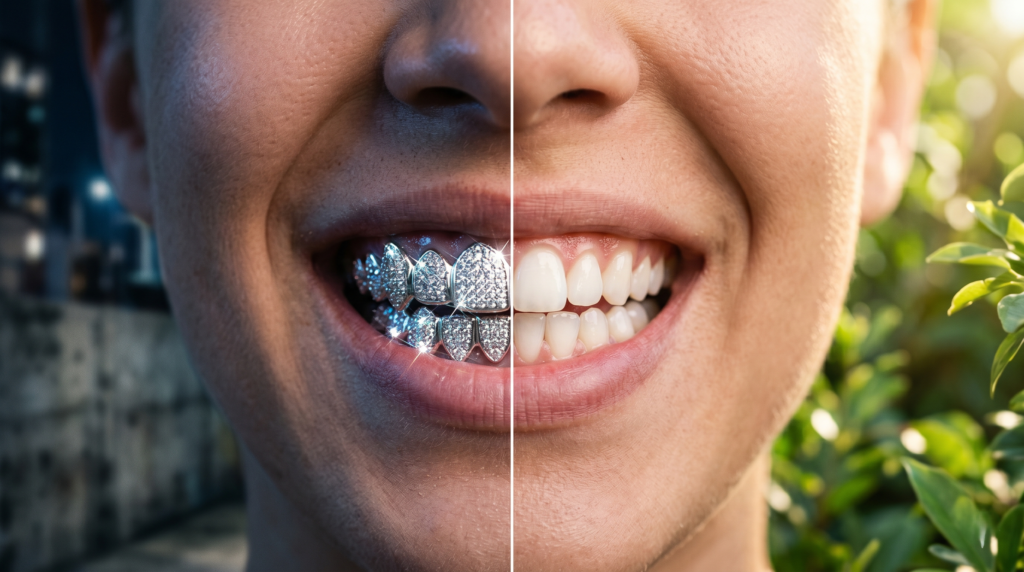
A dazzling smile covered in diamonds might look like the ultimate symbol of style—but beneath the sparkle, there’s a question many health-conscious people are starting to ask: are diamond grills actually safe?
As trends evolve, even those following a plant-based lifestyle—focused on health, sustainability, and mindful living—are becoming curious about diamond grills and whether they fit into their values. Are they just harmless fashion accessories, or do they carry hidden risks for your teeth, your health, and even the planet?
If you’ve ever wondered whether you can enjoy modern style without compromising your wellness goals, this guide is for you. In this in-depth article, we’ll break down:
- The real health risks of diamond grills
- Common myths and misconceptions
- Ethical concerns tied to their production
- And smarter, plant-based lifestyle-friendly alternatives
By the end, you’ll have a clear, evidence-based answer—and the confidence to make the best decision for your health and lifestyle.
Table of Contents
ToggleWhat Are Diamond Grills? (Beginner-Friendly Explanation)
Definition and Basic Concept
Diamond grills—often called “grillz”—are decorative dental accessories worn over the teeth. Typically made from metals like gold, silver, or platinum and embedded with diamonds or gemstones, they are designed to enhance appearance rather than serve any medical purpose.
Unlike dental tools such as braces or retainers, grills are purely cosmetic. They sit on top of your teeth and can either be removable or permanently attached.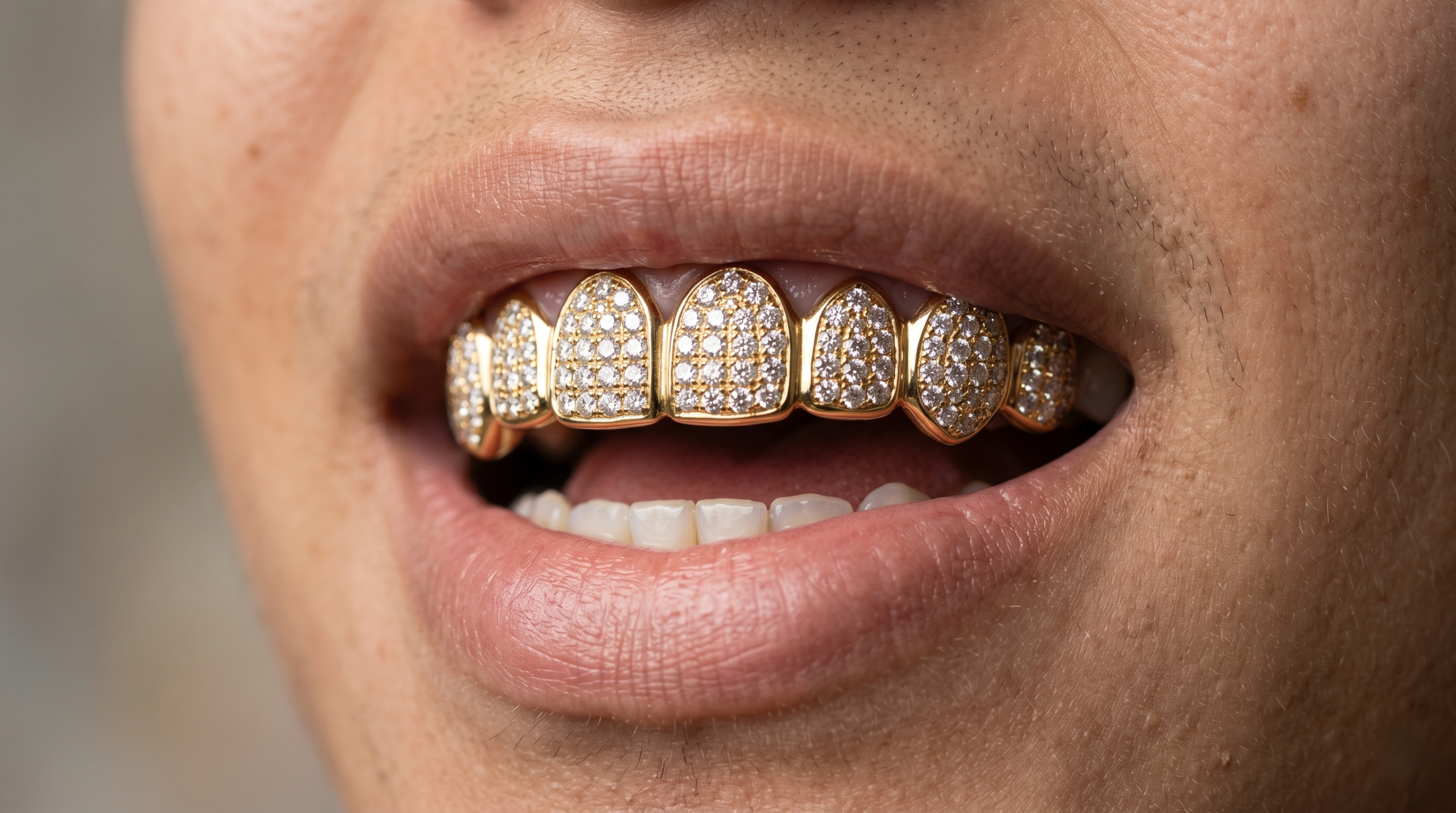
Types of Diamond Grills
Understanding the different types helps you assess both risk and practicality:
1. Removable Grills
- Most common type
- Can be taken off for eating and cleaning
- Lower long-term risk if used responsibly
2. Permanent (Fixed) Grills
- Bonded to teeth like dental fixtures
- Higher risk due to constant wear
3. Custom-Fitted Grills
- Designed by professionals for your teeth
- More comfortable and less damaging
4. DIY or One-Size-Fits-All Grills
- Cheap, widely available online
- Often poorly fitted and risky
Why Are They Popular?
Diamond grills exploded in popularity through music, pop culture, and social media. Celebrities and influencers have turned them into symbols of luxury, identity, and self-expression.
However, popularity doesn’t equal safety—and that’s where things get interesting.
Are Diamond Grills Safe? (The Core Concern)
Dental Health Risks
Let’s be clear: dentists generally do not recommend wearing grills regularly—and for good reason.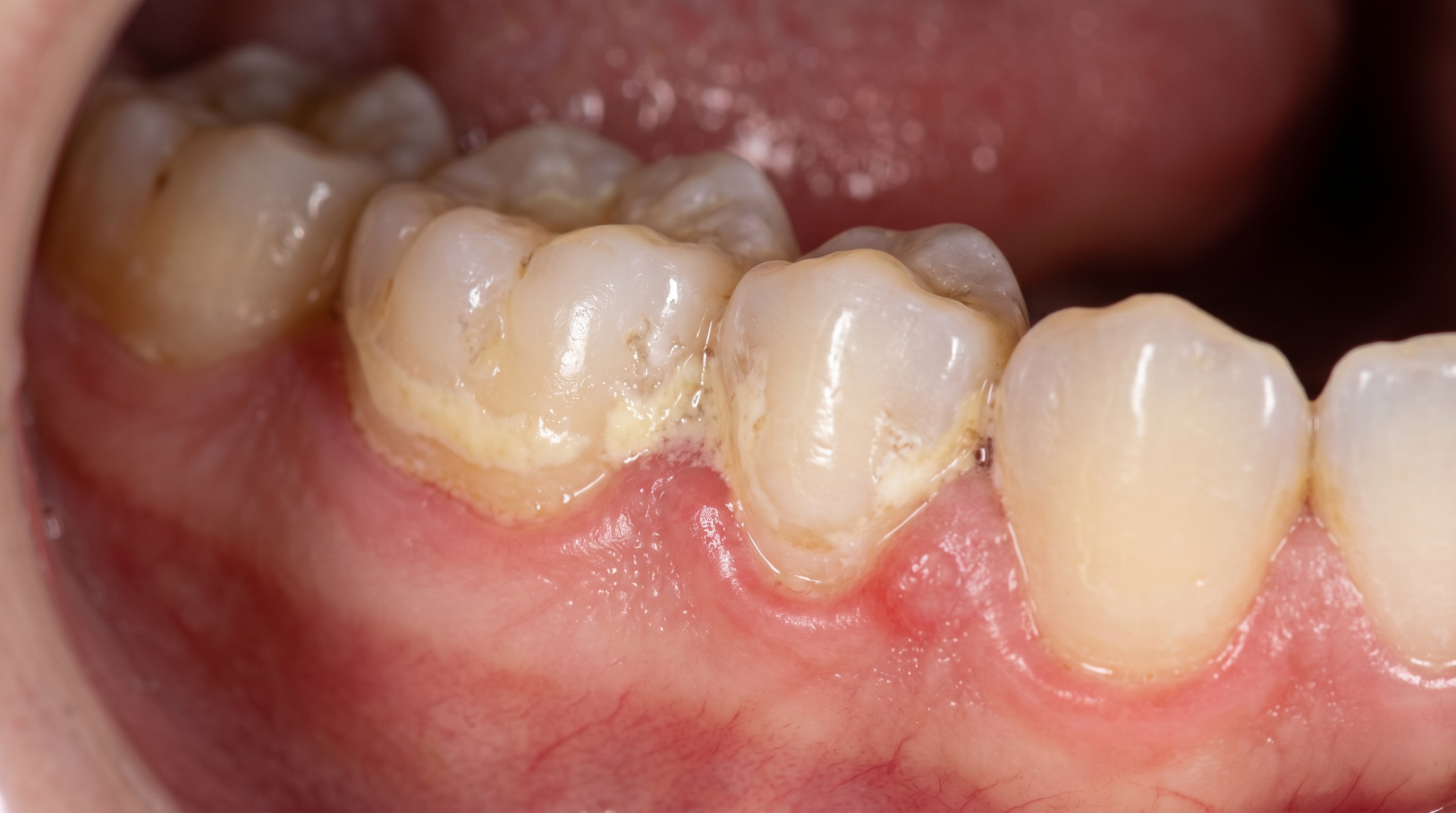
Plaque and Bacteria Build-Up
Grills create small spaces where bacteria can thrive. When saliva can’t naturally clean the teeth, plaque accumulates quickly, increasing the risk of:
- Cavities
- Bad breath
- Tooth decay
Enamel Damage
Poorly fitted grills can rub against enamel, causing gradual erosion. Once enamel is damaged, it doesn’t grow back.
Gum Disease Risk
Constant pressure or irritation from grills can lead to:
- Swollen gums
- Bleeding
- Long-term periodontal issues
Hygiene Challenges
Even with proper brushing, maintaining oral hygiene becomes harder with grills.
- Food particles can easily get trapped underneath
- Moist environments encourage bacterial growth
- Cleaning requires extra time and precision
For someone on a plant-based diet—often rich in fibrous foods—this becomes even more relevant, as food particles are more likely to stick.
Allergic Reactions & Material Sensitivity
Not all grills are created equal.
Low-quality materials can contain:
- Nickel
- Lead
- Other harmful metals
These may trigger:
- Allergic reactions
- Mouth irritation
- Long-term toxicity risks
Choosing certified, high-quality materials reduces risk—but doesn’t eliminate it entirely.
Expert Insight (E-E-A-T Focus)
Dental professionals consistently advise:
- Avoid prolonged wear
- Never eat while wearing grills
- Maintain strict oral hygiene
From a health-first perspective, grills are considered a non-essential accessory with potential downsides, especially when worn frequently.
Do Diamond Grills Align with a Plant-Based Lifestyle?
Understanding Plant-Based Values Beyond Food
A plant-based lifestyle isn’t just about what’s on your plate. It often reflects a broader philosophy that includes:
- Prioritizing health and wellness
- Reducing harm to the environment
- Making ethical consumption choices
So where do diamond grills fit into this?
Ethical Considerations
The diamond industry has long been associated with:
- Environmental degradation
- Intensive mining practices
- Ethical concerns around sourcing
Even when diamonds are labeled “conflict-free,” the environmental impact of mining remains significant.
For individuals committed to sustainability, this raises an important question:
Is wearing diamonds aligned with eco-conscious living?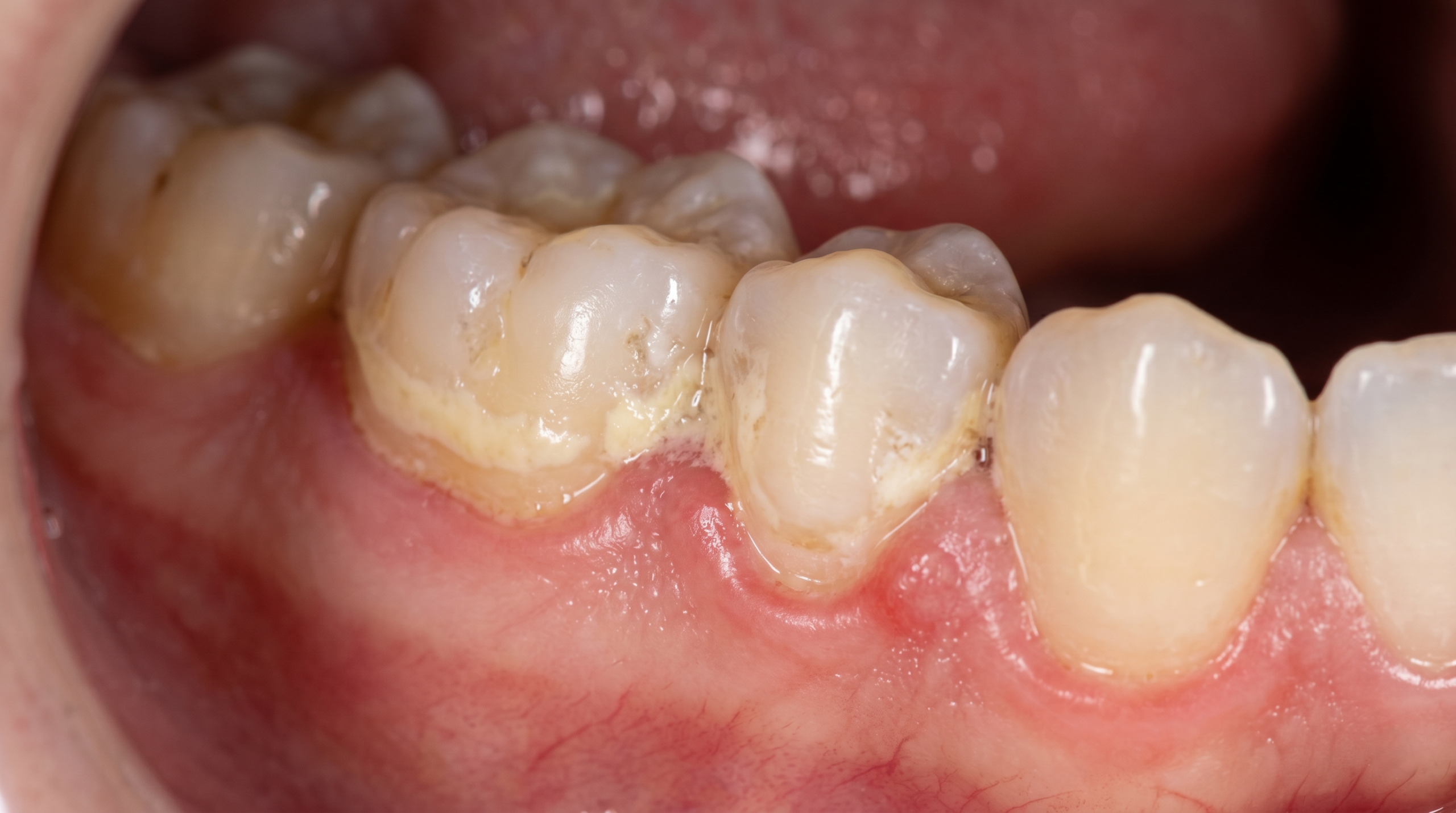
Health-First Mindset
Plant-based living emphasizes prevention over cure. This includes:
- Protecting oral health
- Avoiding unnecessary risks
- Choosing natural, supportive habits
Since grills can compromise oral hygiene, they may conflict with this principle.
Personal Choice vs Lifestyle Philosophy
Here’s the balanced truth:
You can wear diamond grills occasionally without abandoning your plant-based lifestyle—but frequent or careless use may contradict its core values.
It ultimately comes down to:
- Awareness
- Moderation
- Intentional choices
Common Myths About Diamond Grills (Debunked)
Myth 1: “They’re Completely Safe If Made of Gold”
Gold is less reactive than other metals, but:
- It can still trap bacteria
- Fit matters more than material
Reality: Safety depends on usage and hygiene—not just material.
Myth 2: “Grills Don’t Affect Teeth If Removed Daily”
Even short-term wear can:
- Promote bacterial growth
- Cause minor enamel wear over time
Reality: Removing them helps—but doesn’t eliminate risk.
Myth 3: “They’re Just Like Braces”
This is a dangerous comparison.
Braces:
- Are medically supervised
- Serve a corrective function
Grills:
- Are cosmetic
- Lack health benefits
Reality: They are fundamentally different.
Hidden Health Impacts You Shouldn’t Ignore
Oral Microbiome Disruption
Your mouth contains a delicate balance of bacteria. Grills can disturb this balance by:
- Creating anaerobic environments
- Encouraging harmful bacterial growth
This imbalance may lead to long-term oral health issues.
Long-Term Gum Health
Even slight, repeated irritation can cause:
- Gum recession
- Increased sensitivity
- Higher risk of infection
Impact on Eating Habits
Grills can interfere with chewing, especially:
- Crunchy fruits
- Raw vegetables
- Nuts and seeds
Ironically, these are staples of a healthy plant-based diet.
Safer Alternatives to Diamond Grills
If you love the aesthetic but want to protect your health, there are smarter options.
Non-Invasive Dental Accessories
- Clip-on grills for short-term use
- Occasional wear for events only
Cosmetic Dental Enhancements
- Professional teeth whitening
- Polishing for a natural shine
Plant-Based Lifestyle-Friendly Choices
- Focus on natural beauty
- Invest in sustainable fashion
- Highlight a healthy, radiant smile
How to Minimize Risks If You Choose to Wear Diamond Grills
If you decide to wear grills, follow these expert-backed precautions:
Proper Hygiene Practices
- Clean grills daily with safe solutions
- Brush and floss thoroughly before and after use
Choose High-Quality Materials
- Avoid cheap, mass-produced options
- Work with certified professionals
Regular Dental Checkups
- Monitor for early signs of damage
- Get professional cleaning advice
Avoid Long-Term Wear
- Limit usage to special occasions
- Never sleep with grills on
Expert Tips for Maintaining Oral Health on a Plant-Based Diet
Essential Nutrients for Strong Teeth
- Calcium (leafy greens, fortified foods)
- Vitamin D (sunlight, fortified plant milk)
- Vitamin B12 (supplements or fortified foods)
Best Plant-Based Foods for Oral Health
- Crunchy fruits like apples
- Vegetables like carrots and celery
- Nuts and seeds for minerals
Daily Oral Care Routine
- Brush twice daily
- Floss regularly
- Use natural mouth rinses
Real-Life Scenarios (Relatable Use Cases)
- A fashion enthusiast balancing style with health awareness
- A plant-based beginner learning to align habits with values
- Someone recovering from dental issues and avoiding further risks
FAQs (Optimized for Search & Featured Snippets)
Are diamond grills bad for your teeth?
They can be harmful if worn frequently or without proper hygiene, increasing risks of decay and gum disease.
Can you eat with diamond grills?
It’s strongly discouraged, as food can get trapped and damage both teeth and the grills.
How do you clean diamond grills properly?
Use a gentle cleaning solution, brush lightly, and rinse thoroughly before and after each use.
Are diamond grills permanent?
Most are removable, but permanent options exist and carry higher risks.
Are there ethical alternatives to diamond grills?
Yes—sustainable fashion accessories and non-invasive cosmetic options.
Do dentists recommend grills?
Most dentists advise against regular use due to potential oral health risks.
Final Verdict: Should You Wear Diamond Grills?
Diamond grills are undeniably stylish—but they come with trade-offs that shouldn’t be ignored.
From a plant-based, health-conscious perspective:
- They offer no health benefits
- They can compromise oral hygiene
- They may conflict with ethical and sustainability values
That doesn’t mean you must avoid them entirely—but it does mean you should approach them with awareness and caution.
The bottom line:
Your smile is one of your most valuable assets. Protecting it should always come before enhancing it.