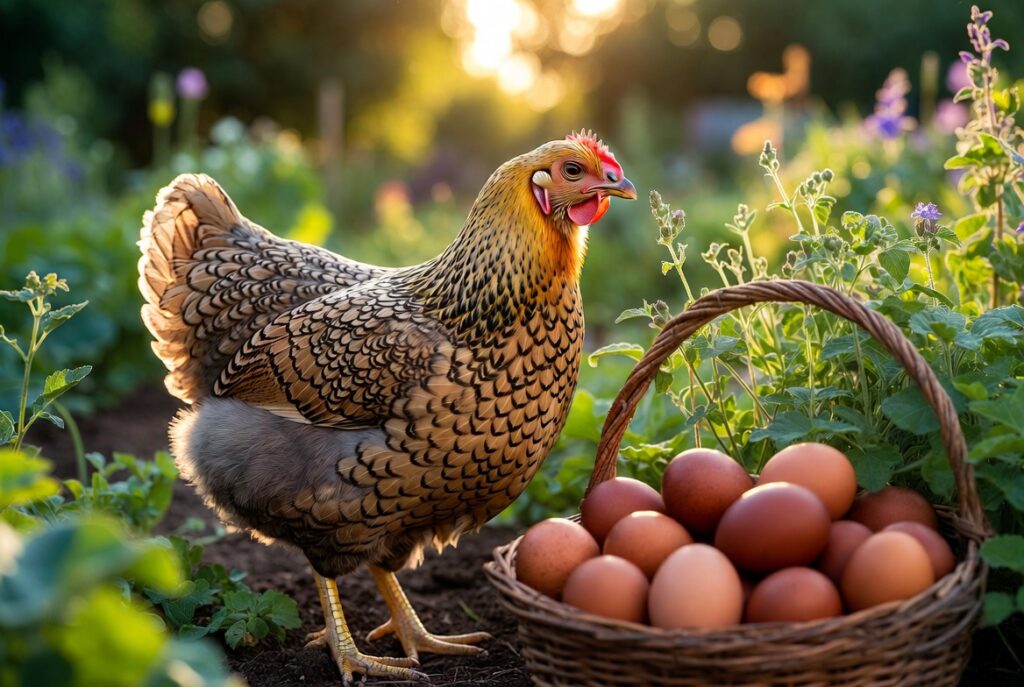
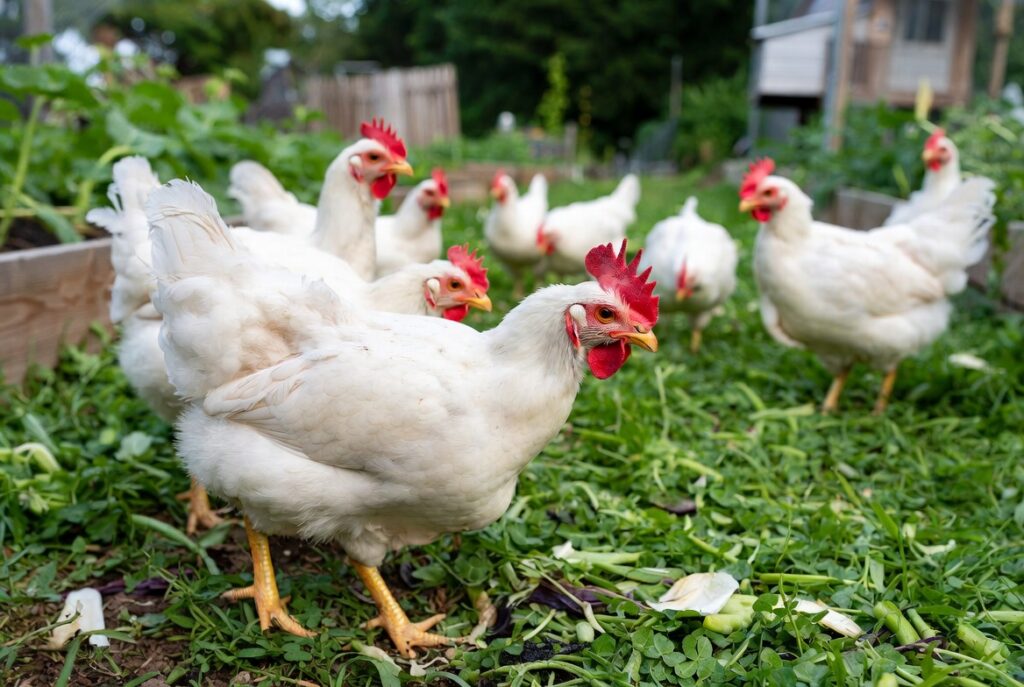
Imagine stepping into your backyard on a crisp winter morning and finding a flock of pure snowy-white chickens contentedly scratching among garden remnants, turning vegetable scraps, clover, and insects into nutrient-rich brown eggs — even when temperatures drop and other birds slow down. These calm, productive birds require less supplemental feed thanks to their strong foraging instincts, aligning beautifully with a plant-forward lifestyle that emphasizes ethical, low-impact food production.
What is the Rhode Island White chicken? It is a distinct American heritage dual-purpose breed developed in Rhode Island, prized for both egg and meat production. Unlike the far more famous Rhode Island Red, the Rhode Island White features striking all-white plumage, a rose comb, and a horizontal “brick-like” body shape that supports efficient foraging and sustainable backyard management. For homesteaders and plant-diet enthusiasts seeking to minimize commercial inputs while producing humane, nutrient-dense food from their own land, this breed offers an excellent option.
In an era of industrial poultry systems that prioritize speed and uniformity, heritage breeds like the Rhode Island White represent biodiversity, resilience, and a return to thoughtful stewardship. This comprehensive guide explores every aspect of the breed — from its origins and physical traits to practical care in plant-aligned systems — so you can decide if it fits your sustainable flock. Whether you’re a beginner homesteader or an experienced keeper looking to diversify with ethical, forage-friendly birds, you’ll find actionable insights here to support healthier birds, richer eggs and meat, and a more closed-loop backyard ecosystem.
The Origins and History of the Rhode Island White Chicken
The Rhode Island White chicken traces its roots to 1888 in Peacedale, Rhode Island. Breeder John Alonzo Jocoy (sometimes spelled J. Alonzo Jocoy) sought to create a white-plumaged counterpart to the rising popularity of the Rhode Island Red. He began by crossing White Wyandotte cockerels with Partridge Cochin hens. The resulting pullets showed promise with rose combs and clean yellow legs. Subsequent selective breeding incorporated Rose Comb White Leghorns to boost egg-laying traits while refining the body type to resemble the horizontal, oblong “brick” shape of the Rhode Island Red.
By 1903, Jocoy offered birds for sale publicly. Continued improvement focused on uniformity in conformation, egg production, and meat qualities. The breed earned formal recognition when the rose-comb variety was admitted to the American Poultry Association (APA) Standard of Perfection in 1922 at the national conference in Knoxville, Tennessee. A bantam version followed in 1960. Notably, only the rose-comb variety is standardized; single-comb birds exist but lack official APA recognition.
Despite solid utility as a dual-purpose fowl, the Rhode Island White never achieved the widespread fame of the Rhode Island Red. Popularity peaked modestly until the 1960s, after which numbers declined as commercial hybrids dominated egg and meat markets. Today, it remains a relatively uncommon heritage breed, listed as “Watch” on The Livestock Conservancy’s Conservation Priority List. This status highlights the importance of dedicated stewards who raise the breed to preserve genetic diversity and traditional poultry traits suited to small-scale, pasture-based systems.
The breed’s development reflected a practical 19th- and early 20th-century American farming ethos: creating hardy, multi-purpose birds that could thrive with natural forage and kitchen scraps rather than heavy reliance on purchased grains. This heritage makes the Rhode Island White particularly relevant for modern plant-based backyard flocks aiming to integrate chickens into regenerative gardening and homesteading practices.
Physical Characteristics and Breed Standard
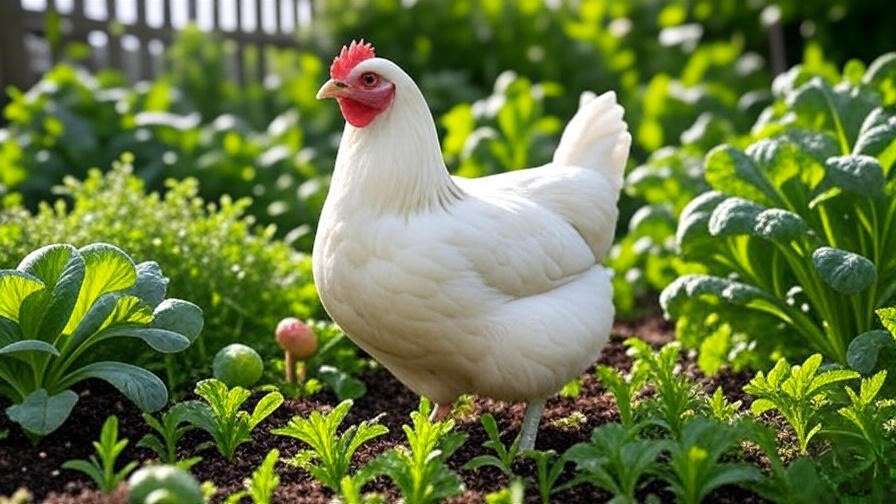
Rhode Island White chickens present a clean, elegant appearance defined by pure white plumage that contrasts sharply with their bright red features. They possess a moderately large, dual-purpose frame carried horizontally, giving an oblong, brick-like profile reminiscent of the Rhode Island Red’s conformation but in white.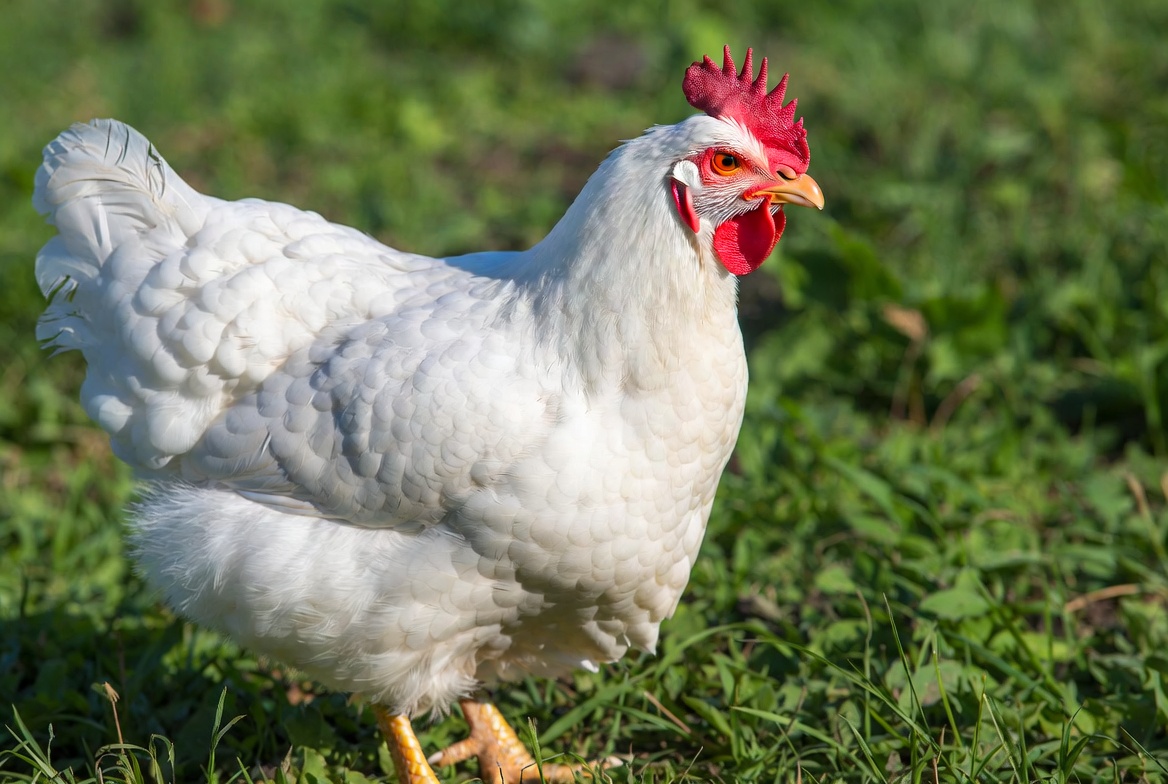
Standard weights (large fowl):
- Roosters: 8.5 lbs (approximately 3.9 kg)
- Hens: 6.5 lbs (approximately 3 kg)
Bantam versions are also recognized. The body is long, broad, and deep with a well-rounded, full breast. The head is fairly deep and somewhat flat on top rather than overly rounded. Key color points include:
- Plumage: Pure white throughout
- Comb, wattles, and earlobes: Bright red (rose comb is the standardized variety)
- Eyes: Reddish-bay
- Beak, legs, and feet: Yellow
- Skin: Yellow, which dresses out cleanly for meat birds
The rose comb provides better cold tolerance compared to single combs, reducing the risk of frostbite in northern climates — a practical advantage for sustainable flocks in varied regions. Wings are moderate in length and lie close to the body, while the tail is carried at about a 60-degree angle with broad feathers.
Rose Comb vs. Single Comb Variations The APA standard accepts only the rose comb for Rhode Island Whites. Rose combs are lower and more compact, offering protection against cold weather. Single-comb birds occasionally appear in backyard strains but are not standardized and may be more susceptible to frostbite. When sourcing stock, prioritize reputable breeders who adhere to the rose-comb standard for consistency and show-quality traits.
Common misconceptions include confusing Rhode Island Whites with white variants of other breeds or assuming they are simply a color morph of the Rhode Island Red. In reality, they constitute a separate breed with unique genetic foundations, even though both share a similar geographic origin and general body type.
Their all-white feathers make them visually striking in a backyard or pasture setting, though this coloration can increase visibility to aerial predators, requiring thoughtful habitat design.
Temperament and Behavior in Backyard Settings
Rhode Island Whites earn a reputation for being friendly and docile toward humans, making them suitable for families and beginner keepers. Hens often exhibit calm personalities and tolerate gentle handling well. Roosters are generally even-tempered compared to more aggressive breeds, though individual variation exists.
With other chickens, they display an independent streak. They prefer personal space and can become assertive — sometimes even dominant — with more timid or docile breeds in mixed flocks. Providing ample room in the coop and run helps minimize conflicts. They tend to do best when housed with birds of similar size and temperament or kept in single-breed groups.
Foraging instincts rank among their strongest assets. Rhode Island Whites actively scratch and hunt for insects, seeds, greens, and other natural foods, making them excellent for free-range or pasture-based systems. This behavior reduces reliance on commercial feed, lowers costs, and produces richer-flavored eggs and meat when birds consume diverse plant matter and bugs. They adapt well to both confinement (with adequate space) and free-ranging, though their bright white plumage demands extra vigilance against predators like hawks.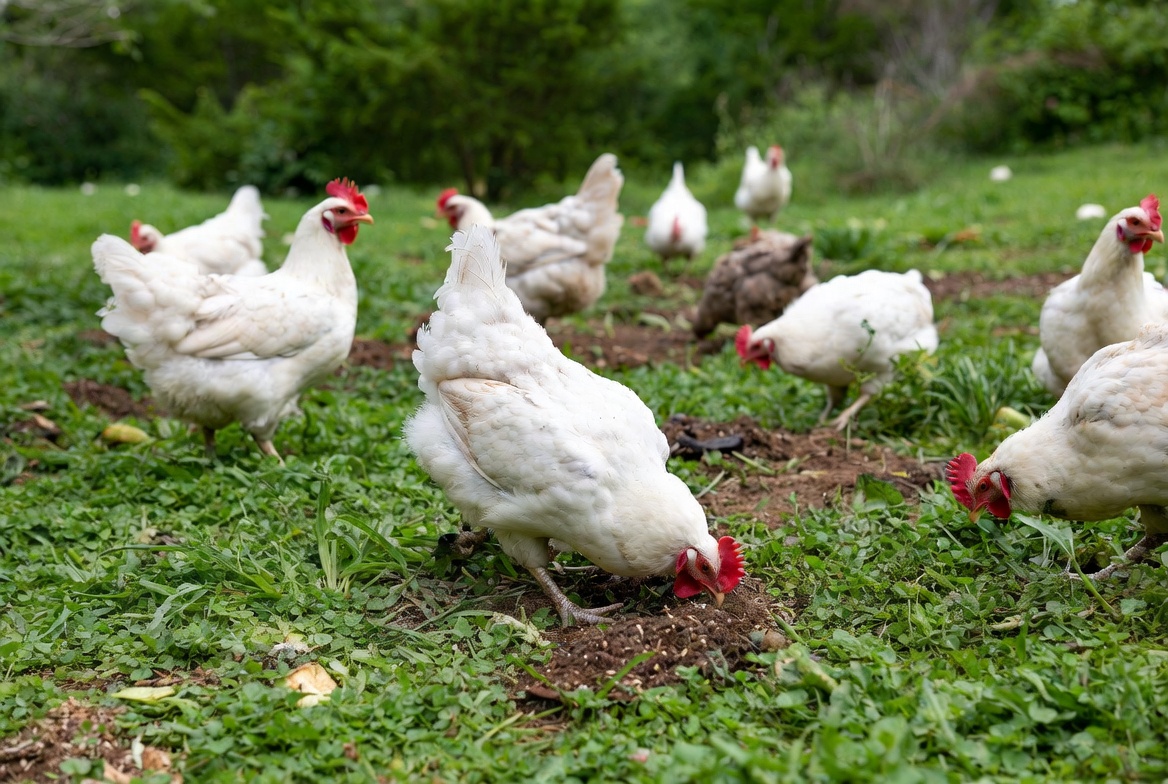
Noise levels are moderate; they are not excessively loud but will vocalize when excited about food or during normal flock communication. Overall activity is balanced — neither extremely flighty like some Leghorn lines nor as sedentary as heavier meat breeds.
In plant-based backyard setups, their foraging prowess shines. They turn garden waste, cover crop residues, and kitchen vegetable scraps into productive output while naturally aerating soil and controlling some pests. This integration supports a holistic, regenerative approach where chickens contribute to garden health rather than competing for resources.
Production Traits — Eggs, Meat, and Dual-Purpose Value
The Rhode Island White excels as a true dual-purpose heritage breed, delivering reliable egg production alongside respectable meat qualities.
Egg Production Hens typically lay 200–250+ large to jumbo eggs per year, with shades ranging from light brown to dark brown. They are noted as strong winter layers, continuing production when many breeds slow down due to shorter days and colder weather. Broodiness is low, which supports consistent laying cycles for those focused on egg supply.
Egg flavor and nutritional profile improve markedly when birds forage on pasture and receive vegetable scraps. Summer eggs may carry subtle grassy notes, while fall and winter eggs often develop a deeper, richer taste — a direct benefit of a diverse, plant-heavy diet.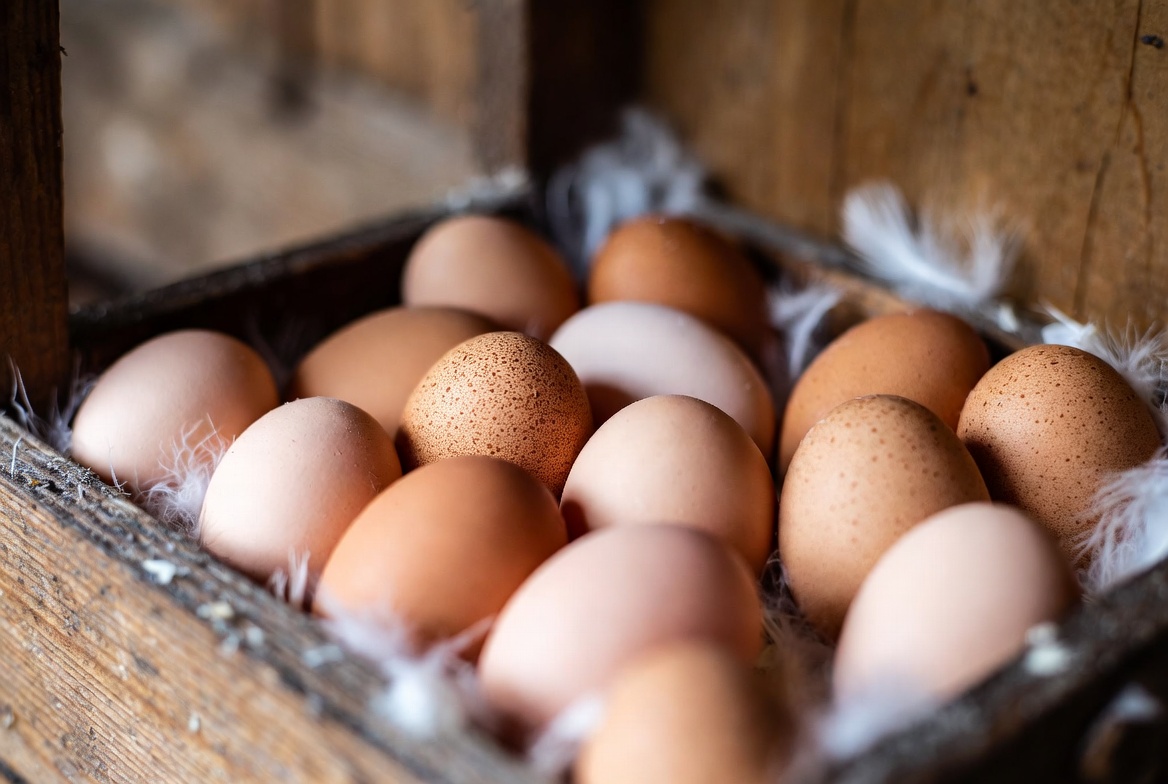
Meat Qualities Roosters and spent hens provide good meat-to-bone ratios with flavorful, tender flesh suitable for roasting, stewing, or frying. Yellow skin dresses out cleanly, appealing for home processing. Growth rate is moderate compared to fast-growing Cornish crosses, aligning with slower, more natural maturation that enhances meat quality and bird welfare.
Feed efficiency benefits from strong foraging ability. In well-managed pasture or rotational systems, birds can obtain a meaningful portion of their nutrition from insects, greens, and seeds, reducing overall input costs while improving product quality.
How a Plant-Based Diet Enhances Rhode Island White Performance For keepers following a plant diet philosophy, Rhode Island Whites integrate seamlessly. Supplement a quality layer feed with abundant garden forage, sprouts, leafy greens (kale, chard, lettuce), vegetable/fruit scraps, and herbs. This approach not only cuts feed expenses but enriches eggs with omega-3s, vitamins, and antioxidants from natural sources. Birds remain healthier with access to fresh vegetation and exercise, supporting sustainable, ethical production that minimizes environmental footprint.
Seasonal strategies include planting chicken-friendly perennials and cover crops (clover, alfalfa, certain grasses) for ongoing forage, and using chicken tractors or rotational paddocks to fertilize garden beds naturally with manure.
Rhode Island White vs. Rhode Island Red and Other Popular Breeds
A frequent point of confusion: the Rhode Island White is not a color variant of the Rhode Island Red. They are distinct breeds, even though both originated in Rhode Island and share a similar horizontal body type. The White resulted from specific crosses emphasizing white plumage, while the Red has different foundational genetics and mahogany-to-red feathering.
Key Comparison Table (approximate averages):
- Egg Production: Both ~200–280 brown eggs/year; Whites noted for strong winter laying
- Egg Color: Light to dark brown (both)
- Temperament: Whites often more docile with humans but can be assertive in flocks; Reds are generally friendly but can vary
- Foraging Ability: Both good; Whites actively scratch and utilize pasture well
- Hardiness: Both adaptable; rose comb in Whites offers cold-weather advantages
- Meat Quality: Comparable dual-purpose utility
- Conservation Status: Rhode Island White — Watch (The Livestock Conservancy); Rhode Island Red — more common
- Plumage: White (high visibility to predators) vs. Red (better camouflage in some settings)
When comparing to other sustainable options:
- Wyandottes: Similar rose comb and white varieties available, but different body type and often more broody.
- Orpingtons: Fluffier, calmer, excellent for cold climates but heavier and less active foragers.
- Delawares: Another heritage dual-purpose with good foraging and meat traits, sometimes crossed in sex-link lines.
Choose the Rhode Island White when you want striking white aesthetics, proven winter egg production, and a breed that diversifies your heritage flock while supporting plant-integrated foraging systems. Its relative rarity also makes it a meaningful choice for conservation-minded keepers.
Is the Rhode Island White Right for Your Sustainable Plant-Based Flock?
This breed suits small homesteads, urban or suburban backyard setups, ethical egg and meat producers, and anyone prioritizing genetic preservation alongside practical utility. Ideal scenarios include:
- Families wanting calm, handleable birds
- Homesteaders designing regenerative systems with rotational grazing or chicken tractors
- Gardeners seeking natural pest control and soil enrichment
- Those minimizing purchased feed through pasture and scraps
Pros:
- Excellent foraging reduces feed costs
- Strong winter egg production
- Docile with people; good dual-purpose yields
- Heritage genetics supporting biodiversity
- Adaptable to varied climates with proper housing
Cons:
- White plumage increases predator visibility (requires secure runs or supervised ranging)
- Can be assertive in mixed flocks with gentler breeds
- Relative rarity means higher chick or hatching-egg prices and fewer sources
- Needs adequate space to prevent dominance issues
Conservation Value Listed as “Watch,” every flock helps maintain this American breed’s genetics against further decline. Raising Rhode Island Whites contributes to agricultural biodiversity and preserves traits developed for small-farm resilience rather than industrial efficiency.
Decision Checklist for Plant-Diet Homesteaders:
- Do you have space for active foragers (minimum recommended run/pasture area)?
- Can you provide secure housing to protect white birds from predators?
- Are you prepared to source quality stock from NPIP-certified hatcheries or reputable breeders?
- Does your setup allow integration of garden waste and forage crops?
- Are you comfortable managing potential assertiveness in a mixed flock?
If most answers align positively, the Rhode Island White can become a valuable, productive member of your sustainable system.
Setting Up a Sustainable Habitat for Rhode Island Whites
Creating an appropriate living environment is essential for the health, productivity, and natural behaviors of Rhode Island White chickens. As a moderately active, foraging-oriented heritage breed, they thrive when their setup supports movement, exploration, and integration with plant-based systems rather than relying solely on commercial confinement.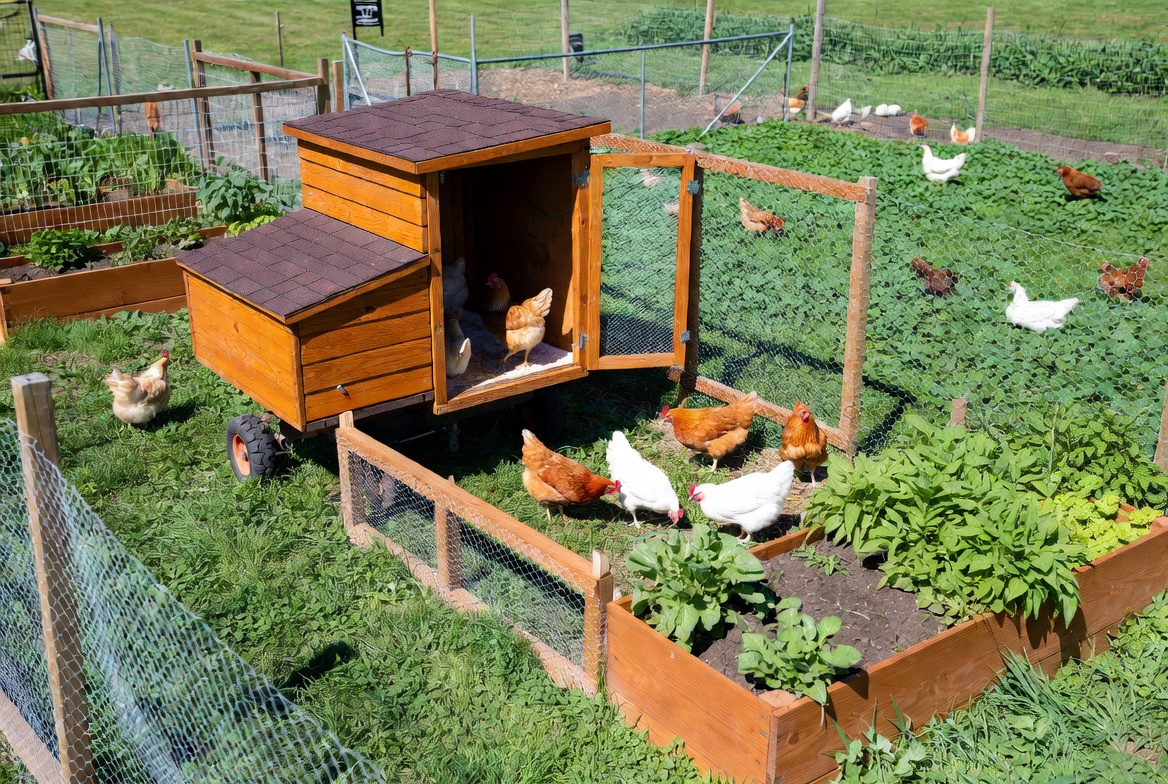
Coop and Run Requirements Provide at least 10–15 square feet of indoor coop space per bird to prevent overcrowding and reduce stress or dominance behaviors. For the outdoor run or pasture, aim for 25–30+ square feet per bird as a minimum, with more space preferred for free-ranging. Good ventilation is critical to manage moisture and ammonia while protecting against drafts in winter. Use deep litter methods (such as the composting floor system with wood shavings, straw, or leaves) to naturally process manure, generate heat in colder months, and create a nutrient-rich compost for your garden — aligning perfectly with regenerative, plant-forward homesteading.
Secure predator-proofing is non-negotiable. Rhode Island Whites’ bright white plumage makes them more visible to hawks and other aerial predators compared to darker-feathered breeds. Install sturdy ½-inch hardware cloth on all openings, bury fencing 12–18 inches underground to deter digging predators like foxes or raccoons, and consider covered runs or netting for daytime ranging. Elevated roosts (at least 12–18 inches off the ground) allow birds to feel secure at night.
Foraging and Pasture Integration Rhode Island Whites are excellent foragers that love to scratch and hunt for insects, seeds, greens, and worms. Design your system with rotational grazing or movable chicken tractors to prevent overgrazing while allowing pasture recovery. This approach naturally fertilizes soil, controls garden pests, and reduces supplemental feed needs by 20–50% depending on season and forage quality.
In a plant-based backyard flock, incorporate chicken-friendly companion planting: clover (white and red for protein and insect attraction), alfalfa, comfrey, kale, chard, and certain grasses. These provide fresh greens and encourage natural behaviors. Use chicken tractors to move birds over garden beds after harvest, letting them clean up residues and prepare soil for the next planting. This creates a closed-loop system where birds contribute to garden fertility while benefiting from diverse plant matter.
Climate Adaptability The breed adapts well to both warm and cold climates, thanks in part to its rose comb, which is less prone to frostbite than large single combs. In cold regions, ensure dry, draft-free housing with ample deep bedding. In hot weather, provide shade, ample fresh water, and well-ventilated runs to prevent heat stress. Their moderate size and active nature help them handle temperature swings better than heavier meat breeds, but always monitor for signs of discomfort.
Designing a Plant-Aligned System For those following a plant diet philosophy, view your flock as part of an integrated ecosystem. Use garden and kitchen vegetable scraps (avoiding toxic items like avocado, onion, or raw potato in large quantities) as daily supplements. Plant perennial forage patches or annual cover crops specifically for the birds. Over time, this reduces reliance on purchased feed, lowers your carbon footprint, and produces eggs and meat with superior nutritional profiles influenced by the birds’ diverse, natural diet.
Feeding and Nutrition for Optimal Health and Production
Proper nutrition directly impacts egg quality, meat flavor, bird health, and overall sustainability. Rhode Island Whites perform best on a balanced approach that leverages their strong foraging instincts rather than high-volume commercial feeds.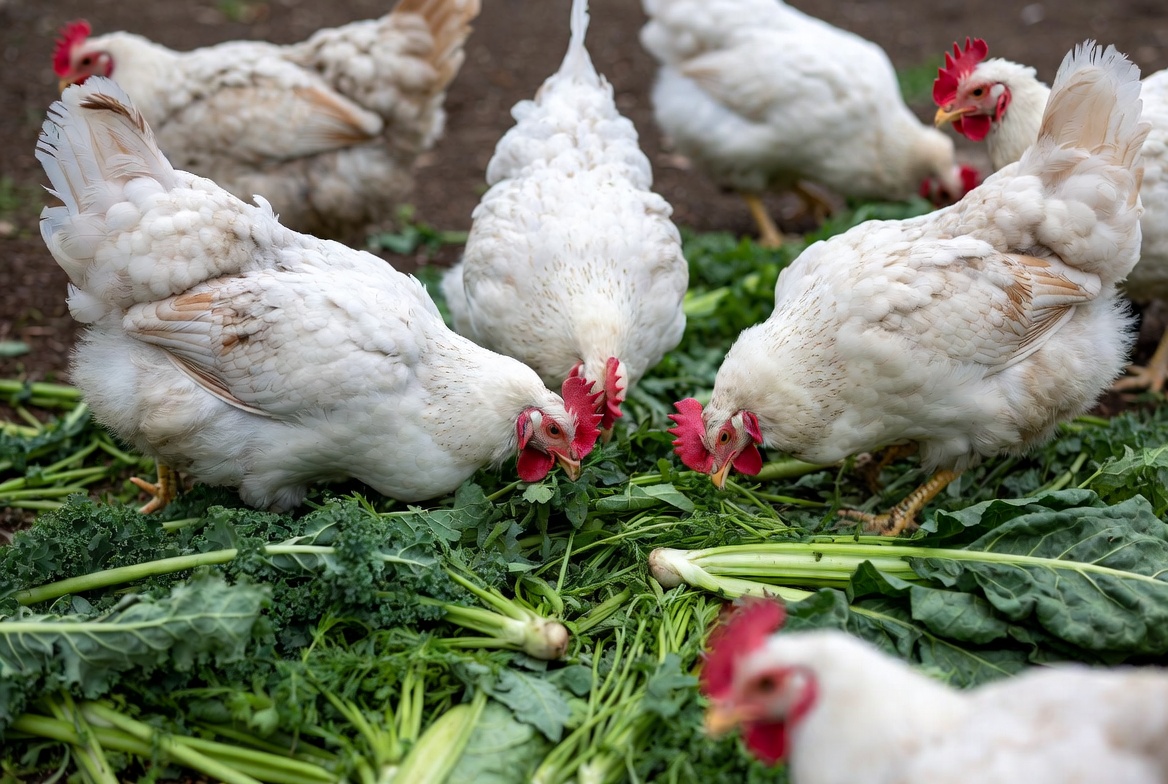
Base Diet and Supplements Start with a high-quality organic or non-GMO layer pellet or crumble (16–18% protein) formulated for dual-purpose breeds. Offer this free-choice or in measured amounts, then supplement heavily with forage. In well-managed pasture systems, birds can obtain significant calories and nutrients from insects, greens, and seeds, improving feed efficiency and reducing costs.
Safe plant-based additions include:
- Leafy greens (kale, spinach, lettuce, chard) for vitamins and minerals
- Vegetable scraps (carrot tops, beet greens, squash, cucumber)
- Sprouted grains and seeds for enhanced digestibility and nutrition
- Herbs such as oregano, thyme, and mint for natural immune support and flavor
- Fruits in moderation (berries, apples, melons)
Avoid feeding moldy or spoiled items, and always ensure a constant supply of fresh, clean water. Oyster shell or crushed eggshells should be available free-choice for calcium to support strong eggshells.
Seasonal Feeding Strategies In spring and summer, maximize fresh pasture and garden produce to cut feed bills while enriching eggs with omega-3 fatty acids and antioxidants. In fall and winter, increase supplemental feed as natural forage decreases, but continue offering stored roots, sprouts, and hay or dried greens. Fermenting feed or scraps can improve gut health and nutrient absorption — a simple, low-cost technique popular among sustainable keepers.
Cost-Saving and Ethical Considerations By emphasizing forage and scraps, many homesteaders report 30–60% reductions in commercial feed use. This not only saves money but aligns with plant-diet values by minimizing resource-intensive grain production. Monitor body condition and egg production to ensure balance; underfed birds will drop in laying and may develop health issues.
Common pitfalls include over-reliance on scraps without a balanced base diet (leading to nutrient deficiencies) or providing too many treats, which can cause obesity or reduced laying. Aim for roughly 70–80% complete feed/forage balance in active seasons.
Health, Care, and Common Challenges
Rhode Island Whites are generally hardy and resilient when provided appropriate care, but like all backyard poultry, they benefit from proactive biosecurity and observation.
Routine Care Maintain strict biosecurity: quarantine new birds for 30 days, disinfect equipment, and limit visitors during disease outbreaks. Perform regular health checks for signs of parasites (mites, lice, worms), respiratory issues, or injuries. Clean coops regularly using the deep litter method to encourage beneficial microbes while reducing workload.
Parasite prevention includes diatomaceous earth in dust baths, herbal mixes (garlic, wormwood), and rotational pasture to break parasite life cycles. Vaccinations (such as for Marek’s disease) are recommended when sourcing from hatcheries.
Breed-Specific Notes The rose comb offers good cold hardiness, but monitor single-comb variants (if present in your strain) for frostbite. White plumage requires extra predator protection. Their assertive nature in mixed flocks can lead to bullying of smaller or more docile birds, so provide multiple feeding and watering stations plus ample space.
Integrating Veterinary and Natural Approaches Combine conventional veterinary care with plant-derived supports: probiotics from fermented feeds, apple cider vinegar in water for digestive health, and essential oils or herbs for minor issues. Always consult a poultry-savvy vet for serious concerns. A low-intervention, prevention-focused approach fits well with ethical, sustainable plant-aligned systems.
Common backyard challenges include predators, extreme weather, and sourcing quality genetics. Address these through secure housing, climate-appropriate design, and buying from NPIP-certified (National Poultry Improvement Plan) hatcheries or reputable breeders who test for diseases.
Breeding, Hatching, and Flock Management for Long-Term Sustainability
Preserving the Rhode Island White requires attention to genetic diversity because of its “Watch” conservation status. Select breeding stock with strong conformation, good egg production, friendly temperament, and vigorous health.
Incubation and Brooding Hens show low broodiness, so artificial incubation is common. Use a reliable incubator set at 99.5°F (37.5°C) with 50–60% humidity, turning eggs until day 18. Chicks need a brooder with 95°F starting temperature, decreasing gradually, and a high-protein starter feed (20–24%). Introduce forage and greens early to encourage natural behaviors.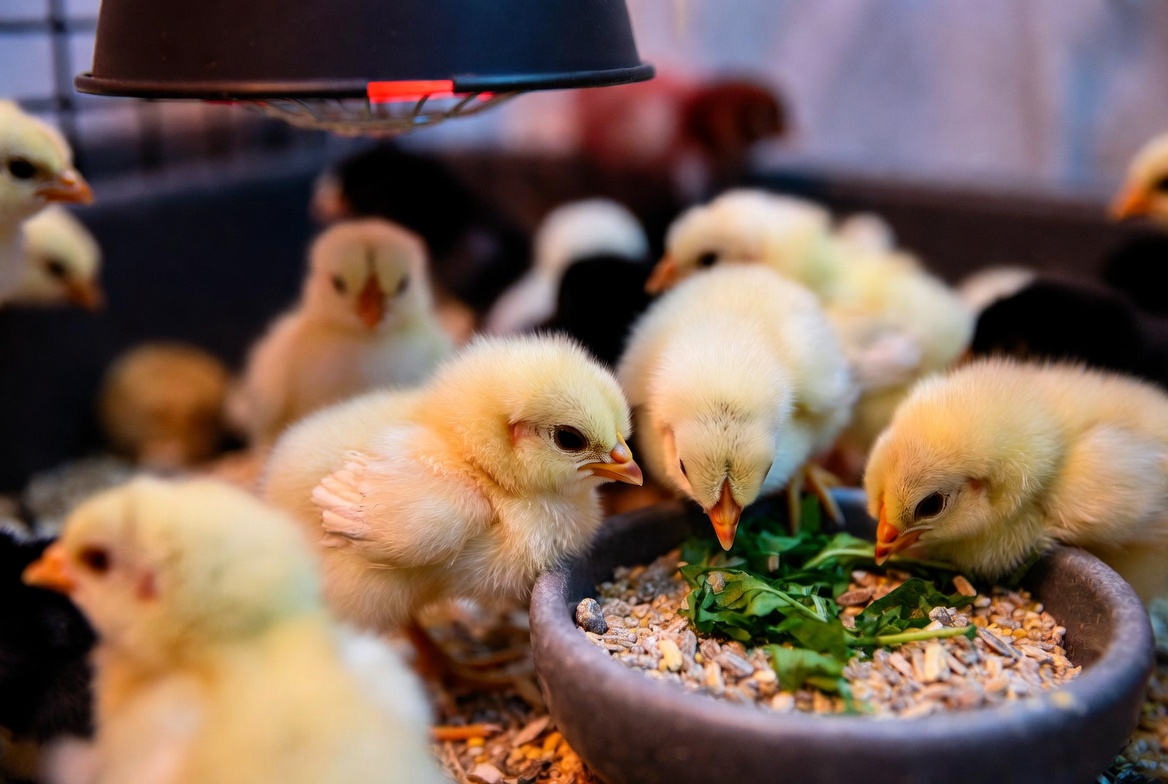
Flock Management Introduce new birds carefully at night to minimize fighting. Maintain a ratio of 8–12 hens per rooster for fertile eggs without excessive harassment. Separate roosters during breeding season if aggression rises. For long-term sustainability, rotate breeding groups or source fresh genetics periodically to avoid inbreeding depression.
Expert stewards emphasize keeping detailed records of parentage, production, and health to support breed improvement. Participating in poultry shows or connecting with The Livestock Conservancy networks can provide valuable guidance.
Real-World Success Stories and Practical Examples
Many plant-focused homesteaders have successfully integrated Rhode Island Whites into regenerative systems. One small-scale gardener in the Northeast reports maintaining a flock of 12 birds that forage daily in chicken tractors over vegetable beds, reducing feed costs by nearly half while producing 2,500+ brown eggs annually and generating rich compost. The white birds’ visibility encouraged better predator-proofing, ultimately improving overall flock security.
Another example involves a suburban family using kitchen scraps and backyard pasture supplemented with sprouts. Their Rhode Island Whites demonstrated strong winter laying, providing fresh eggs through cold months when supermarket options feel less aligned with ethical values. The birds’ calm demeanor made them favorites with children, teaching responsibility while supplying nutrient-dense food.
These cases illustrate measurable benefits: healthier soil, lower inputs, superior egg flavor (often described as richer and more “eggy” from forage diets), and the satisfaction of supporting a threatened heritage breed.
Conclusion
The Rhode Island White chicken stands out as a versatile, attractive, and productive heritage breed that deserves more attention from sustainable backyard keepers. Developed in the late 19th century as a true dual-purpose fowl, it offers reliable egg production (200–250+ large brown eggs per year), respectable meat qualities, strong foraging ability, and a generally friendly temperament well-suited to family flocks.
Its rose comb, horizontal “brick-like” body, and pure white plumage give it a distinctive look, while its adaptability to varied climates and plant-integrated systems makes it especially relevant for those pursuing ethical, low-impact food production alongside a plant diet. By raising Rhode Island Whites, you not only enjoy fresh, flavorful eggs and meat but also contribute to preserving valuable American agricultural biodiversity.
As the breed remains on The Livestock Conservancy’s “Watch” list, every responsible flock helps ensure these genetics endure for future generations. If your setup includes space for active foragers, secure housing, and a commitment to humane, forage-based care, the Rhode Island White can become a rewarding addition to your sustainable homestead.
Start small, source responsibly from NPIP-certified suppliers, observe your birds closely, and adjust management as needed. With thoughtful integration into your garden and plant-forward lifestyle, these snowy-white chickens can deliver both practical benefits and the deeper satisfaction of stewarding a piece of living agricultural history.
FAQ
What is the Rhode Island White chicken exactly? It is a distinct American heritage dual-purpose breed developed in Rhode Island in 1888, featuring pure white plumage, a rose comb, and a horizontal body shape. It is not a color variant of the Rhode Island Red.
How many eggs does a Rhode Island White hen lay per year? Hens typically produce 200–250+ large to jumbo light-to-dark brown eggs annually, with notably strong performance as winter layers.
Is the Rhode Island White the same as a white Rhode Island Red? No. They are separate breeds with different genetic backgrounds, even though both originated in Rhode Island and share a similar general conformation.
Are Rhode Island Whites good for beginners and families? Yes. They are generally docile and friendly with people, making them suitable for families and novice keepers, though they may assert dominance with more timid birds in mixed flocks.
How do they perform on a forage-heavy, plant-based diet? Excellent. Their strong foraging instincts allow them to utilize pasture, greens, insects, and vegetable scraps effectively, reducing supplemental feed needs while improving egg and meat quality.
What is their conservation status and why does it matter? Listed as “Watch” by The Livestock Conservancy. Supporting the breed helps preserve genetic diversity and traditional traits developed for small-scale, sustainable farming.
Do they go broody often? No. Broodiness is low, which supports consistent egg production for those focused on a steady supply.
How cold- or heat-hardy are they? They adapt well to both warm and cold climates. The rose comb provides better frostbite resistance than single combs in colder areas.
Where can I buy Rhode Island White chicks or hatching eggs? Look for NPIP-certified hatcheries and reputable breeders specializing in heritage breeds. Check The Livestock Conservancy resources or poultry forums for current sources, as availability can be limited due to the breed’s rarity.
What are the main challenges of raising this breed? White plumage increases predator visibility, they can be assertive in mixed flocks, and sourcing quality stock may require more effort and higher initial cost compared to common commercial breeds.