
Have you ever felt sluggish, drained, or just not quite yourself despite getting enough sleep and eating what you thought was a balanced diet?  If you’re struggling to maintain consistent energy levels and feel like your health could use a boost, the solution might be simpler than you think: the vegan diet pros could be exactly what you need.
Adopting a plant-based lifestyle isn’t just about going meat-free; it’s about fueling your body with the right nutrients that promote long-term wellness and sustained energy.  In this article, we’ll dive into the powerful health benefits of a vegan diet—whether it’s enhancing your energy levels, improving digestion, or even boosting your mental clarity. Whether you’re considering a full switch or just looking to incorporate more plant-based meals, we’ve got you covered with actionable insights that’ll help you feel your best every day.
What is a Vegan Diet? (Brief Overview)
A vegan diet is a plant-based way of eating that excludes all animal products. That means no meat, dairy, eggs, or even honey. It’s all about choosing foods that come from plants: fruits, vegetables, grains, legumes, nuts, seeds, and plant-based alternatives to traditional animal products.
Key Components of a Vegan Diet
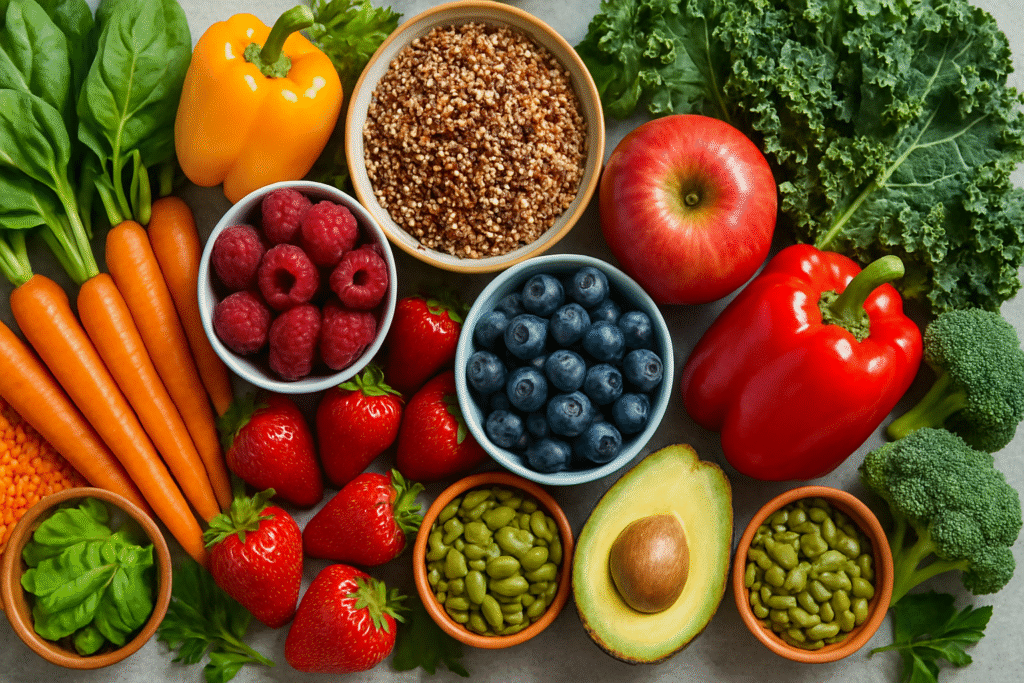
- Fruits & Vegetables: A wide variety of colorful produce like leafy greens, berries, apples, carrots, and bell peppers. These are rich in vitamins, minerals, and fiber.
- Whole Grains: Foods like quinoa, brown rice, oats, and barley provide slow-releasing energy and help keep you full.
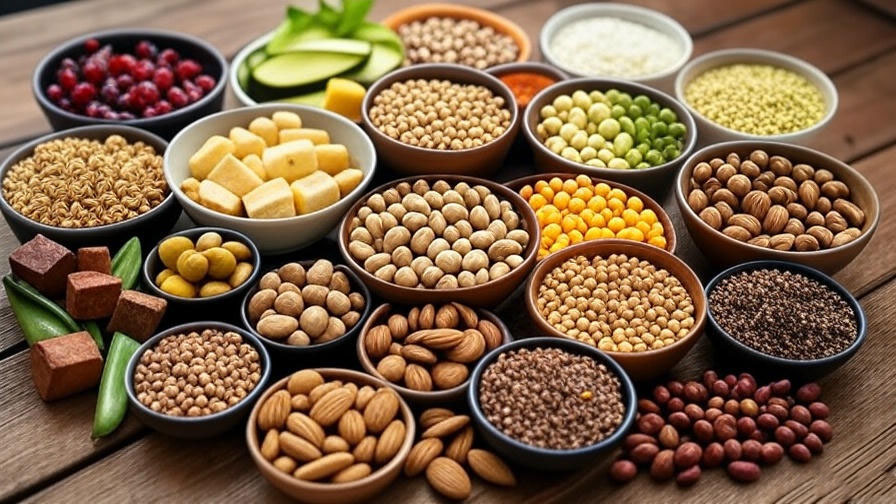
- Legumes & Beans: Chickpeas, lentils, black beans, and peas are fantastic sources of plant-based protein and fiber.
- Nuts & Seeds: Almonds, chia seeds, flaxseeds, and walnuts add healthy fats and essential nutrients.
- Plant-Based Substitutes: Almond milk, tofu, tempeh, and nutritional yeast are popular vegan alternatives that mimic dairy and meat.
Common Misconceptions
Many people think going vegan means you’ll be missing out on essential nutrients like protein, calcium, and iron. But the truth is, plant-based foods can provide all the nutrients your body needs. With a little planning, it’s easy to meet your dietary requirements without relying on animal products. 
Vegan Diet Pros: Health Benefits
Switching to a vegan diet can have a powerful impact on your health. From boosting energy levels to improving your overall well-being, the vegan diet pros are impressive. Let’s take a deeper dive into some of the key health benefits of adopting a plant-based lifestyle.
A. Weight Management Made Easier
One of the most significant benefits of a vegan diet is its potential to help with weight management. Research shows that vegans tend to have lower body mass indexes (BMI) compared to those who consume animal products. This is due to the high fiber content of plant-based foods, which keeps you full longer and helps curb overeating.
Actionable Tip: To boost your weight management efforts, focus on fiber-rich foods like beans, lentils, and leafy greens. These foods are nutrient-dense but low in calories, making it easier to stay at a healthy weight. 

B. Improved Heart Health
A vegan diet can significantly reduce your risk of heart disease. Studies have shown that vegans tend to have lower cholesterol levels, reduced blood pressure, and improved circulation. This is largely thanks to the absence of saturated fats found in animal products and the abundance of heart-healthy nutrients in plant-based foods.
Scientific Insight: A study published in the Journal of the American Heart Association found that vegans have a 32% lower risk of heart disease compared to those who consume meat.
Actionable Tip: To enhance heart health, include plenty of omega-3-rich foods in your diet, like flaxseeds, chia seeds, and walnuts. These are known to lower inflammation and support cardiovascular health. 

C. Reduced Inflammation
Chronic inflammation is linked to many health problems, including arthritis, diabetes, and heart disease. The high levels of antioxidants in fruits and vegetables help combat inflammation naturally. Vegan diets, rich in plant compounds like flavonoids and polyphenols, have been shown to lower inflammation markers in the body.
Actionable Tip: Add colorful fruits and veggies to your meals—think spinach, tomatoes, berries, and peppers. These nutrient-packed foods help reduce inflammation and improve overall health. 

D. Better Digestion
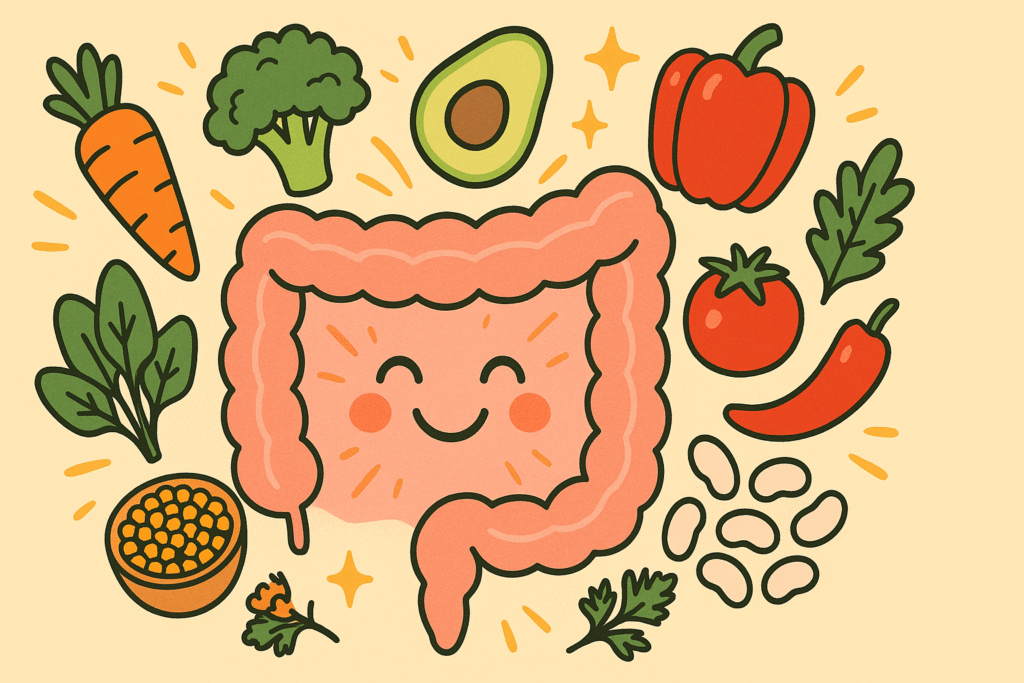
With their high fiber content, plant-based foods are excellent for gut health. A vegan diet can help improve digestion and regularity, reducing bloating and constipation. The fiber in beans, lentils, and vegetables acts like a broom, sweeping through your digestive system and promoting healthy bowel movements.
AEO Answer: A vegan diet is rich in fiber, which helps regulate digestion, prevents constipation, and supports gut health.
E. Lower Risk of Chronic Diseases
A plant-based diet is linked to a lower risk of chronic conditions such as Type 2 diabetes, certain cancers, and high blood pressure. The antioxidants and anti-inflammatory compounds in vegan foods work together to protect the body from oxidative stress and cellular damage.
Scientific Insight: According to the American Institute for Cancer Research, a plant-based diet may reduce the risk of several cancers, including colon and breast cancer, thanks to the high intake of protective plant compounds.
Actionable Tip: Incorporate a wide variety of fruits and vegetables to maximize the cancer-fighting properties of your diet. Aim for a “rainbow plate” of colorful produce at every meal. 
Vegan Diet Pros: Increased Energy
One of the most immediate benefits people notice when switching to a vegan diet is a significant boost in energy levels. If you’re tired of feeling sluggish or experiencing afternoon energy crashes, a plant-based lifestyle might be the game-changer you’ve been looking for. 
A. Sustained, Steady Energy
Animal-based foods, especially those high in saturated fats, can cause blood sugar spikes and crashes. This leads to short bursts of energy followed by feelings of sluggishness. On the other hand, plant-based foods—like whole grains, vegetables, and legumes—provide slow-releasing energy, helping you feel more energized throughout the day without the crash. 
Actionable Tip: To maintain steady energy levels, focus on slow-digesting carbs like quinoa, oats, and sweet potatoes. These foods release energy gradually and keep you feeling full longer.
B. Better Sleep, More Rest
Believe it or not, a vegan diet can also help improve your sleep quality. Animal products, particularly red meat and heavy dairy, can disrupt sleep due to their high fat content, making digestion harder and affecting the production of sleep-regulating hormones. By removing these foods and replacing them with lighter, plant-based options, your body can rest easier and wake up feeling more refreshed. 
Actionable Tip: Include magnesium-rich foods like spinach, pumpkin seeds, and almonds in your diet. Magnesium helps regulate sleep patterns and can promote deeper, more restful sleep.
C. Natural Hydration Boost
Many plant-based foods are naturally high in water content, which helps keep you hydrated and energized. Foods like cucumbers, oranges, and watermelon not only hydrate your body but also provide essential nutrients without extra calories. Staying hydrated is key to maintaining high energy levels throughout the day. 
Actionable Tip: Start your day with a hydrating smoothie made with fruits like berries, spinach, and a splash of coconut water. It’ll give you a boost of energy and keep you refreshed.
D. Reduced Toxin Load
Eating a diet rich in plant-based foods helps the body naturally detoxify. Animal products, especially processed meats, can introduce toxins into the body that can drain your energy and impair your body’s ability to function optimally. Plant foods are naturally detoxifying and full of antioxidants, which help reduce the toxin load and improve overall energy.
Actionable Tip: Load up on cruciferous vegetables like broccoli and kale, which are known for their detoxifying properties and help your body naturally cleanse itself.

Vegan Diet Pros: Mental Clarity and Focus
Have you ever felt foggy, distracted, or unable to concentrate after eating a heavy meal?  A vegan diet can help clear that mental fog, improving focus and enhancing cognitive function throughout the day. Whether you’re studying for exams, tackling a big project, or simply trying to stay sharp, a plant-based diet may provide the boost you need.
A. Enhanced Cognitive Function
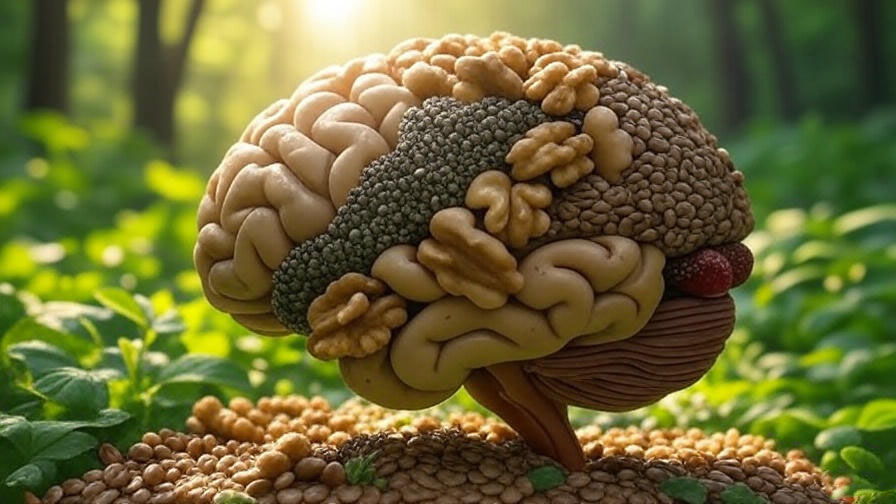
A vegan diet is rich in brain-boosting nutrients like antioxidants, healthy fats, and vitamins that support brain health. Plant-based foods, particularly those high in omega-3 fatty acids (like flaxseeds, walnuts, and chia seeds), are essential for maintaining cognitive function and memory. These nutrients help reduce oxidative stress, which can damage brain cells and impair mental performance.
Actionable Tip: Add more omega-3-rich foods to your meals, such as chia seeds in your morning smoothie or flaxseed in your salads. These small changes can help improve memory and mental sharpness. 
B. Stabilized Blood Sugar for Better Focus
When you eat animal-based meals, blood sugar levels can fluctuate, leading to periods of low energy and poor focus. A vegan diet, with its emphasis on whole foods and complex carbohydrates, helps stabilize blood sugar levels throughout the day. This steady flow of energy ensures that your brain has the fuel it needs to stay alert and focused without the crashes that come from processed foods.
Actionable Tip: Choose whole grains like quinoa, brown rice, and oats instead of refined grains. These foods release energy slowly, helping you maintain consistent focus.
C. Reduced Brain Fog
Many people experience “brain fog” when they consume animal products, especially processed meats and dairy. These foods are often harder to digest, which can drain energy and impair concentration. By cutting out these foods and replacing them with lighter, plant-based options, many people report feeling clearer-headed and more mentally alert.
Actionable Tip: If you struggle with brain fog, try replacing processed snacks with whole foods like fruits, vegetables, and nuts. Your brain will thank you! 

D. Higher Energy Levels = Better Mental Clarity
As mentioned earlier, a vegan diet can lead to more sustained energy levels. When your body isn’t weighed down by heavy, hard-to-digest animal products, your mind can focus on more important tasks. You’ll find yourself able to stay mentally sharp and energetic throughout the day, whether you’re working or relaxing.
Actionable Tip: Make sure to eat a variety of plant-based foods throughout the day to fuel both your body and mind. A colorful plate means a balanced, nutrient-dense meal!
Vegan Diet Pros: Long-Term Health Benefits
While the immediate benefits of a vegan diet—like boosted energy and mental clarity—are noticeable, the long-term health benefits are just as impressive. By adopting a plant-based lifestyle, you can significantly improve your health over the years, reduce the risk of chronic diseases, and potentially even increase your lifespan.
A. Lower Risk of Chronic Diseases
One of the biggest advantages of going vegan is the reduced risk of chronic diseases. Research shows that vegans are less likely to develop heart disease, type 2 diabetes, high blood pressure, and even some forms of cancer. A plant-based diet, rich in antioxidants, fiber, and healthy fats, helps combat inflammation, which is a key factor in many chronic conditions.
Scientific Insight: A study published in JAMA Internal Medicine found that a vegan diet can lower the risk of heart disease by up to 40%.
Actionable Tip: To protect your long-term health, focus on whole, unprocessed foods, such as leafy greens, legumes, and whole grains. These foods reduce inflammation and support heart health over time. 
B. Improved Longevity
A plant-based diet can contribute to a longer life. Studies have shown that vegans tend to live longer than meat-eaters, thanks to a diet rich in nutrient-dense foods that protect against aging and disease. Vegan diets are also lower in calories, which can help reduce the risk of obesity and associated health complications like joint problems and metabolic disorders.
Scientific Insight: A large study conducted by the Loma Linda University in California found that vegans had a 15% lower risk of premature death compared to non-vegans.
Actionable Tip: Incorporate a variety of nutrient-rich foods like berries, nuts, and cruciferous vegetables to provide your body with the antioxidants and vitamins it needs to combat the effects of aging. 
C. Better Bone Health
While calcium is commonly associated with dairy, plant-based foods can also provide this essential mineral. Vegan diets are rich in calcium-packed foods like fortified plant milks, leafy greens, tofu, and almonds. Moreover, plant-based diets are typically lower in protein, which can reduce calcium loss from bones, making it easier to maintain bone health as you age.
Actionable Tip: To support strong bones, include calcium-rich plant foods like collard greens, kale, and fortified almond milk in your meals. You can also boost calcium absorption by pairing these foods with vitamin D-rich options like mushrooms or fortified foods. 
D. Gut Health and Digestive Longevity
A vegan diet is rich in fiber, which plays a crucial role in maintaining long-term gut health. The high fiber content helps regulate digestion, prevent constipation, and support the growth of beneficial gut bacteria. Over time, a healthy gut can improve immunity, reduce the risk of digestive disorders, and even help protect against colon cancer.
Actionable Tip: Eat a wide variety of fiber-rich foods, including beans, oats, and vegetables. The more diverse your diet, the better for your gut health!

Vegan Diet Pros: Environmental and Ethical Benefits
While the health benefits of a vegan diet are widely discussed, it’s also important to consider the environmental and ethical benefits. By choosing plant-based foods, you’re making a positive impact on the planet and contributing to more sustainable, humane practices. 
A. Reduced Carbon Footprint
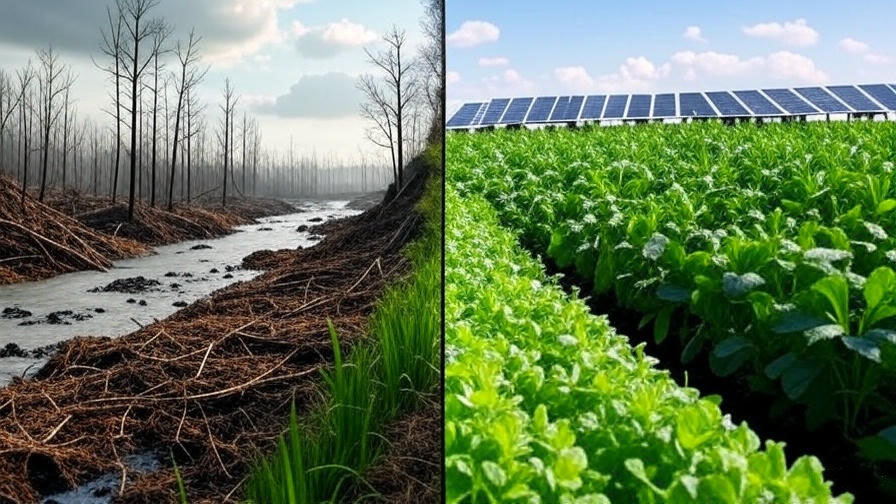
Animal agriculture is one of the leading causes of greenhouse gas emissions, including carbon dioxide and methane, which contribute significantly to climate change. In fact, the livestock industry accounts for more emissions than all of the world’s cars, planes, and trains combined! 

Switching to a vegan diet can dramatically lower your carbon footprint. By eating plant-based, you’re supporting a system that requires fewer resources and produces fewer emissions, helping to reduce the strain on our planet.
Actionable Tip: Start by swapping animal-based products for plant-based alternatives like almond milk, tofu, or lentils. Small shifts like these can have a big impact on reducing your carbon footprint over time.
B. Conserving Water Resources
Did you know it takes about 1,800 gallons of water to produce just 1 pound of beef? In contrast, growing vegetables and grains requires far less water. Adopting a vegan diet helps conserve this precious resource, which is especially important in regions facing droughts and water scarcity.
Scientific Insight: According to a study from the Water Footprint Network, switching to a plant-based diet can reduce your water footprint by over 50%.
Actionable Tip: Focus on eating water-efficient crops like beans, lentils, and grains. These foods not only require less water but are also packed with nutrients!
C. Preserving Biodiversity
Animal farming is a leading cause of deforestation and habitat destruction, which threatens biodiversity. As forests are cleared for pasture and crops to feed livestock, countless species lose their homes. A vegan diet can help reduce the demand for animal farming, leading to less deforestation and a safer environment for wildlife.
Actionable Tip: Opt for sustainably sourced and organic plant-based foods whenever possible. Supporting these options helps preserve ecosystems and wildlife. 
D. Ethical Treatment of Animals
One of the most compelling reasons people choose a vegan lifestyle is for ethical reasons. Animal agriculture often involves inhumane practices, including factory farming, confinement, and cruel treatment. By going vegan, you’re making a stand against animal cruelty and supporting more ethical farming practices that prioritize animal well-being.
Actionable Tip: Choose cruelty-free, plant-based products, and support companies and farms that promote humane, sustainable practices. 
Practical Tips for Transitioning to a Vegan Diet
Transitioning to a vegan diet can seem overwhelming at first, but with the right approach, it can be a smooth and enjoyable process. Whether you’re starting with small changes or going all-in, these practical tips will help make the shift easier, more sustainable, and aligned with your health and energy goals. 
A. Start Gradually
If you’re new to veganism, there’s no need to make an overnight change. Start by eliminating one animal product at a time. For example, begin by cutting out dairy for a week, then move on to eliminating meat, and finally, reduce processed foods. This gradual approach will allow your body to adjust and help you avoid feeling overwhelmed.
Actionable Tip: Try “Meatless Mondays” to ease into a plant-based lifestyle, then gradually expand to more days each week.
B. Educate Yourself on Plant-Based Foods
To thrive on a vegan diet, it’s important to know which plant-based foods provide the nutrients you need. Familiarize yourself with vegan sources of protein (lentils, chickpeas, tofu), calcium (almond milk, kale), iron (spinach, quinoa), and B12 (fortified foods). Understanding where these nutrients come from will help you build well-balanced meals.
Actionable Tip: Create a weekly meal plan that includes a variety of plant-based foods, making sure to include sources of protein, fiber, and essential vitamins.
C. Stock Up on Vegan Staples
Having a well-stocked kitchen can make the transition much easier. Fill your pantry with vegan staples like beans, grains (quinoa, rice, oats), legumes, canned tomatoes, and spices. Keep your fridge stocked with fresh fruits and veggies, plant-based milks, and tofu or tempeh for quick meals.
Actionable Tip: Prepare batch meals on weekends (e.g., lentil stew, grain bowls) to save time on busy weekdays. This will ensure you always have a healthy, satisfying meal ready to go. 
D. Experiment with Vegan Alternatives
There are plenty of vegan alternatives to your favorite non-vegan products, from plant-based milks (almond, soy, oat) to vegan cheeses and meat substitutes like Beyond Meat or tofu. Try different brands and products to find what works best for your taste buds.
Actionable Tip: If you miss cheese, experiment with vegan cheese made from nuts, or try making your own creamy cashew-based cheese for a rich, satisfying flavor. 
E. Find Vegan Restaurants or Takeout
Eating out while transitioning can be tricky, but many restaurants now offer vegan options, or even have fully vegan menus! Research local spots or look for vegan-friendly delivery services. This will make dining out less stressful and give you more variety in your meals.
Actionable Tip: Use apps like HappyCow to find vegan restaurants and restaurants with vegan options near you.
F. Plan for Social Events and Travel
Social gatherings and travel can present challenges when you’re adjusting to a vegan diet. But with a little planning, you can still enjoy these experiences. If you’re attending a party, offer to bring a dish, or check the menu in advance to ensure there are vegan-friendly options. When traveling, research local vegan restaurants or pack snacks for the journey.
Actionable Tip: Bring your favorite vegan snacks (like nuts, fruit, or protein bars) to family gatherings or long trips to ensure you have something tasty to eat on the go. 
G. Stay Patient and Open-Minded
Transitioning to a vegan diet is a journey, and it’s normal to face challenges along the way. You might miss certain foods at first, or find some vegan alternatives don’t suit your taste. Be patient with yourself and stay open to experimenting with new recipes and ingredients.
Actionable Tip: Keep a positive mindset and celebrate your small victories! Each vegan meal is a step toward better health for both you and the planet. 

Common Concerns About the Vegan Diet
Adopting a vegan diet can feel like a big change, and understandably, many people have concerns. From nutritional doubts to questions about practicality, it’s important to address these concerns so you can feel confident in your decision. Let’s take a look at some of the most common worries and how you can navigate them. 
A. Getting Enough Protein
One of the most common concerns about the vegan diet is whether you’ll get enough protein. While animal products are well-known protein sources, there are plenty of plant-based options that provide all the essential amino acids your body needs.
Solution: Legumes (like lentils and chickpeas), tofu, tempeh, quinoa, edamame, nuts, seeds, and whole grains are all great sources of protein. Most people who switch to veganism find that they feel full and satisfied with plant-based protein options. 
Tip: To ensure you’re getting enough protein, aim to include a variety of these sources in each meal. For example, a tofu stir-fry with quinoa and vegetables is a protein-packed dinner! 
B. Getting Enough Vitamin B12
Vitamin B12 is vital for energy, brain function, and red blood cell production. However, it is primarily found in animal products. This leaves many new vegans wondering how to maintain healthy B12 levels.
Solution: B12 is not naturally found in plant foods, but many plant-based milks, cereals, and nutritional yeast are fortified with it. Additionally, B12 supplements are an easy way to ensure you’re getting enough of this essential vitamin.
Tip: Consider taking a B12 supplement or incorporating fortified foods like plant-based milk and nutritional yeast into your diet to avoid deficiencies. 
C. Iron Absorption
While iron is found in plant-based foods like spinach, lentils, and tofu, it’s not as easily absorbed by the body as iron from animal sources. This can raise concerns, especially for those with a history of anemia.
Solution: To boost iron absorption, pair iron-rich foods with a source of vitamin C, such as citrus fruits, bell peppers, or tomatoes. Vitamin C helps your body absorb iron more effectively.
Tip: For example, try adding a side of orange slices to your spinach salad or drink a glass of orange juice with your lentil stew. 
D. Lack of Variety in Meals
Many people fear that a vegan diet will be repetitive or limited in variety. However, the world of plant-based foods is incredibly diverse, with thousands of fruits, vegetables, grains, legumes, and spices to explore.
Solution: Get creative in the kitchen! Experiment with international cuisines that naturally offer plant-based dishes, such as Mediterranean, Indian, and Middle Eastern foods. There are endless possibilities for delicious vegan meals.
Tip: Start by trying a few new recipes each week. You might discover some new favorites that make your meals more exciting and varied. 

E. Eating Out and Socializing
Eating out or attending social gatherings as a vegan can be challenging, especially if the options are limited or people aren’t familiar with vegan diets.
Solution: Many restaurants now offer vegan options, and apps like HappyCow can help you find vegan-friendly restaurants near you. When attending social events, offer to bring a dish or check the menu in advance. It’s always easier to enjoy the event when you’re prepared!
Tip: If you’re invited to a party, bring a vegan dish to share. Not only will it ensure you have something to eat, but you’ll also introduce others to tasty plant-based options. 
F. The Cost of a Vegan Diet
Another concern is the perceived cost of a vegan diet. While some specialty vegan products can be expensive, a whole-food plant-based diet can actually be quite affordable. Basic staples like beans, rice, lentils, and vegetables are budget-friendly and pack a lot of nutrition.
Solution: Focus on buying whole foods in bulk, such as beans, grains, and frozen vegetables. You can also grow your own herbs or small vegetables at home to save money.
Tip: Meal prepping and buying in bulk can help you save money in the long run. Invest in reusable containers and batch-cook for the week ahead! 

Embrace the Vegan Diet for a Healthier, More Energized You 
Adopting a vegan diet isn’t just about changing what’s on your plate—it’s about embracing a lifestyle that benefits your health, boosts your energy, and positively impacts the planet. From enhancing your physical health with more energy and better digestion to making a meaningful contribution to environmental sustainability and animal welfare, the vegan diet pros are clear and compelling.
By taking small, manageable steps—whether it’s starting gradually, learning new recipes, or finding ways to stay socially engaged—you can successfully transition into a vegan lifestyle that works for you. And the benefits? They’re worth it. Imagine feeling more energized, mentally sharp, and confident in your food choices—all while knowing you’re doing your part to protect the Earth and its creatures. 
Remember, the transition to a plant-based lifestyle is a journey, and it’s okay to take it one step at a time. With the right knowledge, support, and mindset, a vegan diet can lead to lasting, positive changes in both your health and your life.
So why wait? Start exploring the incredible world of plant-based foods today, and discover just how much better you can feel. Your health, energy, and the planet will thank you! 
1. What are the main health benefits of a vegan diet?
A vegan diet can improve your overall health by reducing the risk of chronic diseases like heart disease, diabetes, and certain cancers. It promotes weight loss, improves digestion, and boosts energy levels due to a high intake of plant-based foods that are rich in nutrients, fiber, and antioxidants.
2. Can a vegan diet provide enough protein?
3. Is a vegan diet suitable for everyone, including children?
4. What are the potential risks of not eating animal products?
The main risks of a vegan diet include deficiencies in vitamin B12, iron, and calcium, especially if the diet isn’t well-balanced. To avoid these, ensure you’re eating fortified foods and plant-based supplements. Regularly monitoring your nutrient intake can help prevent deficiencies.