

Are you considering a vegan diet for beginners, but feeling overwhelmed by where to start? 🌱 You’re not alone! Making the shift to a plant-based lifestyle can seem daunting, especially with so much conflicting advice out there. The good news is, adopting a vegan diet doesn’t have to be complicated or restrictive. In fact, it can open up a world of delicious, nutrient-packed meals that are not only good for your health but also for the planet.
If you’re wondering how to make the transition smoothly—without missing out on flavor or nutrition—you’ve come to the right place! In this guide, we’ll break down everything you need to know to start your journey toward a healthier, plant-based lifestyle. From understanding the essential nutrients your body needs to practical tips for meal planning and easy recipes, we’ll ensure that your vegan transition is as simple and enjoyable as possible. Ready to take the first step? Let’s dive in! ✨
Understanding the Basics of a Vegan Diet
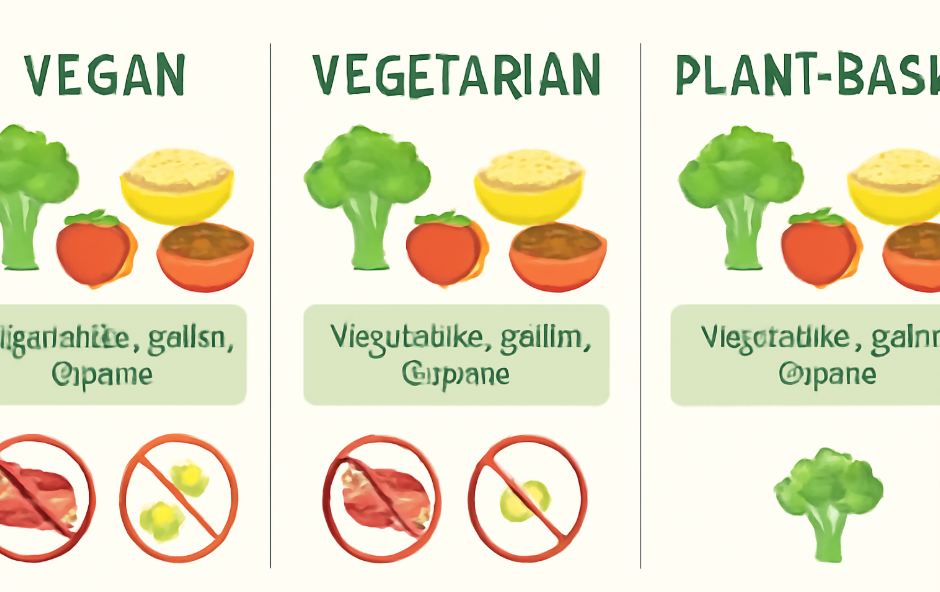
Before jumping into meal plans and shopping lists, it’s important to understand what a vegan diet is all about. In simple terms, a vegan diet excludes all animal products, which means no meat, dairy, eggs, or honey. Instead, the focus is on plant-based foods: fruits, vegetables, grains, legumes, nuts, and seeds. 🌱
What Is a Vegan Diet?
A vegan diet goes beyond just eliminating meat; it also means avoiding animal-derived products in your daily meals and snacks. That includes:
- No meat (beef, chicken, pork, etc.)
- No dairy (milk, cheese, butter)
- No eggs
- No honey (since it’s produced by bees)
It may sound restrictive at first, but when done right, a vegan diet is rich in nutrients, flavors, and variety! 😋
Health Benefits of Going Vegan
You might be asking, “Why should I switch to a vegan diet?” Well, the benefits are pretty compelling! Research shows that a well-balanced vegan diet can:
- Lower your risk of chronic diseases like heart disease, diabetes, and certain cancers.
- Improve digestion due to the high fiber content of plant-based foods.
- Boost your energy levels and promote weight loss by cutting out processed foods and animal fats.
- Support a healthier gut because plant-based foods are rich in prebiotics that help nurture good bacteria in your digestive system.
So, if you’re looking to improve your overall health, a vegan diet might be just what you need! 🌟
Common Myths About Vegan Diets
If you’ve heard that vegan diets are boring or nutritionally lacking, it’s time to set the record straight:
- “You won’t get enough protein.”
- Not true! There are plenty of plant-based sources of protein like lentils, chickpeas, tofu, quinoa, and tempeh. 💪
- “A vegan diet is expensive.”
- While specialty items like plant-based cheeses and meats can cost more, a basic vegan pantry with beans, grains, and vegetables is often more affordable than meat-based diets.
- “Vegan food is bland.”
- Absolutely not! With herbs, spices, and creative recipes, vegan meals can be as flavorful (if not more!) than anything made with animal products. 🌶️
By debunking these myths, you’ll feel more confident about starting your vegan journey.
The Essential Building Blocks of a Vegan Diet
Now that you understand what a vegan diet is, let’s dive into the essential building blocks you’ll need to keep your body healthy and strong on a plant-based lifestyle. A well-rounded vegan diet includes macronutrients (proteins, carbs, and fats) and micronutrients (vitamins and minerals). Here’s everything you need to know to make sure you’re fueling your body properly. 💪

Macronutrients: The Foundation of Your Diet
- Protein:
Protein is essential for building and repairing tissues, and it’s one of the most common concerns for new vegans. But don’t worry—there are plenty of plant-based protein sources. Some great options include:- Legumes: Lentils, chickpeas, black beans
- Tofu and Tempeh: Soy-based, versatile, and packed with protein
- Quinoa and Whole Grains: Also contain protein, along with fiber
- Nuts and Seeds: Almonds, chia seeds, hemp seeds, and peanut butter
- 🥜 Tip: Try mixing different protein sources throughout the day to make sure you’re getting a full range of amino acids.
- Carbohydrates:
Carbs are the body’s main source of energy, and on a vegan diet, you’ll be getting them from whole grains, fruits, and vegetables. These carbs are also packed with fiber, which helps digestion and keeps you feeling full longer.- Whole Grains: Brown rice, oats, quinoa, and barley
- Fruits and Vegetables: Bananas, apples, berries, sweet potatoes, leafy greens
- Legumes: Beans and lentils are also excellent carb sources
- 🍓 Tip: Focus on whole, unprocessed carbs to maximize fiber intake and boost your energy levels throughout the day.
- Fats:
Healthy fats are vital for hormone production, brain function, and overall cell health. Luckily, plant-based fats are loaded with nutrients!- Avocados: Packed with healthy fats and fiber
- Nuts and Seeds: Walnuts, almonds, flaxseeds, chia seeds
- Olive Oil and Coconut Oil: Great for cooking and salad dressings
- 🥑 Tip: A small serving of healthy fats with each meal can help keep you satisfied and support overall health.
Micronutrients: Small But Mighty
While macronutrients provide energy, micronutrients (vitamins and minerals) are essential for overall well-being. Here are the key nutrients you need to keep an eye on:
- Vitamin B12:
Vitamin B12 is not naturally found in plant-based foods, so it’s important to either eat fortified foods or take a supplement. B12 helps with red blood cell production and nerve function.- Look for fortified plant milks, cereals, and nutritional yeast.
- Consider a B12 supplement if you’re not consuming fortified foods regularly.
- Iron:
Iron is important for carrying oxygen in your blood. While plant-based sources of iron are not absorbed as easily as animal sources, you can improve absorption by pairing iron-rich foods with vitamin C-rich foods.- Iron-rich plant foods: Lentils, spinach, tofu, quinoa, chickpeas
- Vitamin C: Pair with oranges, bell peppers, strawberries to boost absorption
- 🍊 Tip: Drink a glass of orange juice or eat a handful of berries with your iron-rich meals to maximize absorption.
- Calcium:
Calcium is essential for bone health. While dairy is the most common source, you can easily find plant-based alternatives.- Plant-based sources: Fortified plant milks, tofu, kale, broccoli, almonds
- Omega-3 Fatty Acids:
These healthy fats are important for heart and brain health. Flaxseeds, chia seeds, and walnuts are great plant-based sources of omega-3s.
🧠 Tip: Include ground flaxseeds or chia seeds in your smoothies, oatmeal, or baking to boost omega-3 intake. - Zinc:
Zinc supports your immune system and aids in cell growth and repair. It’s found in many plant-based foods but may be less bioavailable than animal sources.- Sources: Pumpkin seeds, lentils, chickpeas, quinoa, cashews
- 🍴 Tip: Try soaking beans and seeds before eating to improve zinc absorption.
Practical Tips for Transitioning to a Vegan Diet
Making the shift to a vegan diet doesn’t need to be overwhelming. With a few smart strategies, you can make the transition smoothly and confidently. Here are some practical tips to help you navigate the change and stay on track:
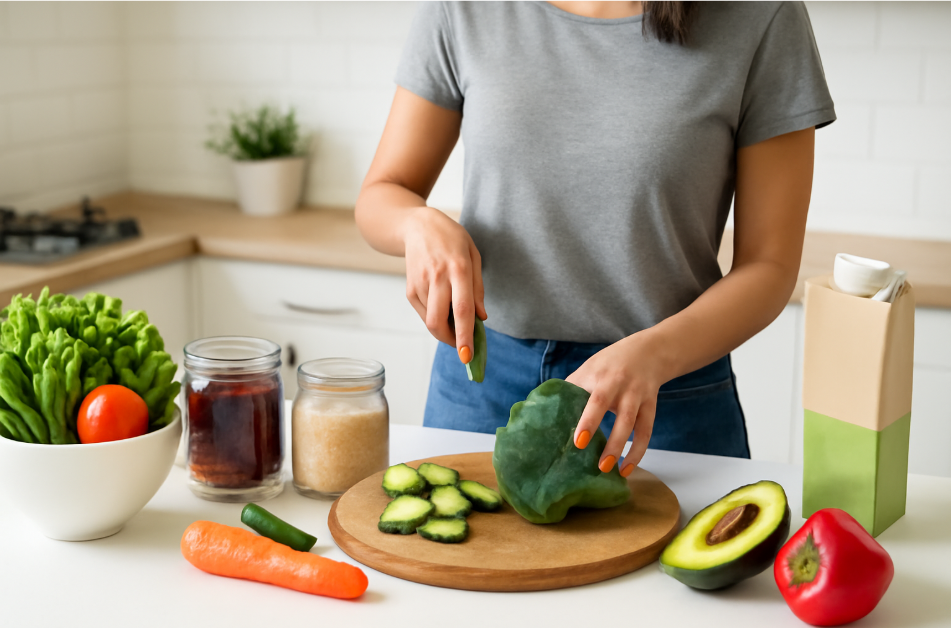
1. Start Slow: Ease Into It Gradually
If the idea of going fully vegan all at once feels like too much, start by taking small steps. You don’t need to be perfect right away!
- Meatless Monday: Begin by replacing animal products one day a week. This gives you a chance to experiment with vegan meals and build your confidence.
- Replace One Meal at a Time: Swap your usual breakfast, lunch, or dinner for a plant-based option. Gradually increase the number of vegan meals as you feel more comfortable.
This gradual approach helps you avoid feeling overwhelmed and allows you to explore new foods at your own pace. 🥑
2. Stock Your Vegan Pantry
A well-stocked pantry is key to success when transitioning to a vegan diet. Here are some essentials to keep on hand:
- Whole Grains: Brown rice, quinoa, oats, barley
- Legumes: Lentils, chickpeas, black beans
- Nuts and Seeds: Almonds, sunflower seeds, chia seeds
- Plant-Based Milks: Almond milk, oat milk, soy milk
- Healthy Fats: Olive oil, coconut oil, avocados
- Vegan Snacks: Energy bars, popcorn, dried fruit
Having these ingredients ready makes it easier to throw together quick, nutritious meals throughout the week. 🥒
3. Meal Planning and Prep Made Simple
Meal planning is your best friend when it comes to staying organized and avoiding last-minute decisions that might lead you back to non-vegan options.
- Plan Your Week: Dedicate a few minutes each week to planning meals. Pick easy recipes that you can make in bulk, like vegan chili, stir-fries, or Buddha bowls.
- Batch Cook: Prepare large portions of meals and store them in the fridge or freezer for later. This saves time and ensures you always have something healthy ready to go.
- Prep Ingredients: Wash, chop, and store veggies in the fridge, so they’re easy to grab when you need them. Pre-cook grains or beans for quick access.
By planning ahead, you’ll save time, reduce stress, and avoid the temptation of unhealthy or non-vegan food options. 🍽️
4. Get Creative with Vegan Recipes
Vegan food doesn’t have to be boring! There are endless possibilities for delicious, satisfying meals. Start with simple recipes and build your confidence as you go.
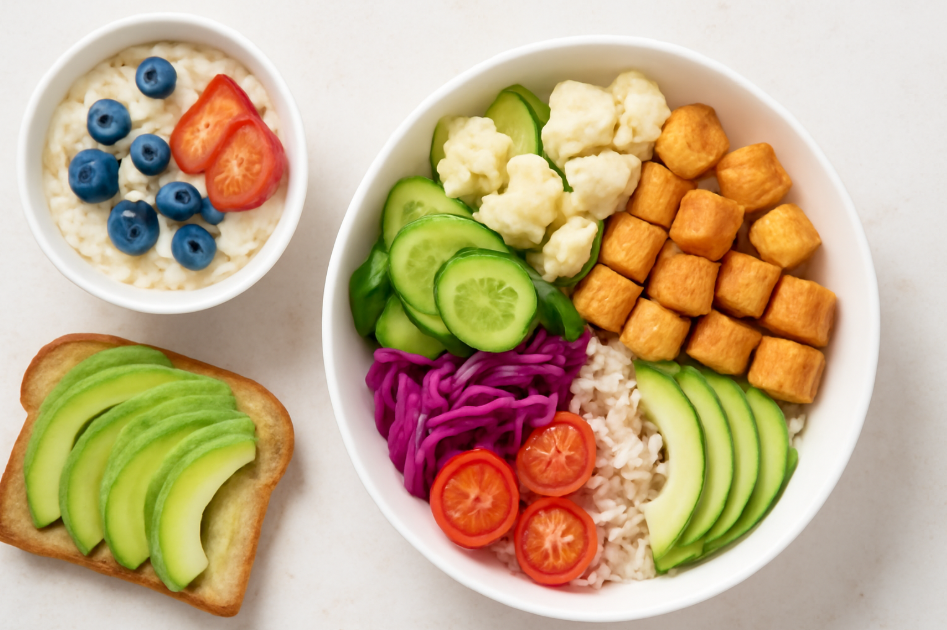
- Breakfast: Try oatmeal with fruit, avocado toast, or chia pudding. You can also make smoothies with almond milk, spinach, and berries.
- Lunch & Dinner: Experiment with salads, grain bowls, stir-fries, and tacos. Swap out meat for tofu, tempeh, or legumes, and use flavorful spices to make meals exciting.
- Snacks: Keep it simple with hummus and veggies, fruit with nut butter, or roasted chickpeas.
Make sure to keep trying new flavors and ingredients to keep your meals interesting. 🌶️
5. Find Vegan Alternatives to Your Favorite Foods
One of the easiest ways to make the transition smooth is by finding plant-based alternatives to foods you already love.
- Plant-Based Meats: There are tons of vegan “meat” products available, like veggie burgers, vegan sausages, and plant-based deli slices. They’re great for when you’re craving familiar flavors.
- Dairy Substitutes: Explore dairy-free cheeses, yogurts, and ice creams made from coconut, almonds, or soy. These can help satisfy cravings without compromising your diet.
- Egg Replacements: Use flaxseeds, chia seeds, or commercial egg replacers in baking. Tofu scramble can also mimic scrambled eggs in savory dishes.
These swaps make the transition much easier and more enjoyable! 🧀
6. Stay Connected and Find Support
The journey to a vegan lifestyle is easier when you have support. Join vegan communities online or locally, where you can share tips, recipes, and motivation.
- Social Media: Follow vegan influencers and chefs for meal inspiration. Instagram and YouTube are filled with quick vegan recipe videos and tips.
- Vegan Groups: Find local vegan meet-ups or online communities where you can connect with others on the same journey.
Having a support network will keep you motivated and help you feel less isolated. 🤝
Delicious and Easy Vegan Recipes for Beginners
One of the best parts of adopting a vegan diet is discovering the incredible variety of delicious, plant-based meals you can enjoy. Whether you’re new to veganism or just looking for fresh meal ideas, we’ve got you covered with simple and tasty recipes that are perfect for beginners. Let’s dive in!
1. Quick and Easy Vegan Breakfast Ideas
Start your day with a nutritious and satisfying vegan breakfast! Here are a few options that are simple to prepare:
- Overnight Oats: Combine rolled oats, plant-based milk, chia seeds, and your favorite fruit in a jar. Let it sit in the fridge overnight, and in the morning, you’ll have a quick, creamy, and delicious breakfast. 🍓
Tip: Try adding peanut butter, maple syrup, or a sprinkle of cinnamon for extra flavor. - Avocado Toast: Spread mashed avocado on whole-grain toast and top with cherry tomatoes, a pinch of salt, pepper, and a drizzle of olive oil. You can even add a sprinkle of nutritional yeast for a cheesy flavor. 🥑
- Vegan Smoothie: Blend spinach, banana, frozen berries, and plant-based milk for a quick breakfast that’s packed with vitamins and fiber. Add protein powder or flaxseeds for an extra nutrient boost. 🥤
2. Easy Vegan Lunch & Dinner Recipes
Lunch and dinner are where you can really get creative with your vegan meals. Here are some beginner-friendly options that don’t take much time or effort:
- Vegan Buddha Bowl: A colorful bowl filled with a grain (quinoa or brown rice), roasted veggies (sweet potatoes, kale, bell peppers), a protein (tofu or chickpeas), and a drizzle of tahini dressing. 🥗
Tip: Mix and match ingredients based on what you have in your fridge. The combinations are endless! - Vegan Stir-Fry: Sauté your favorite vegetables (broccoli, carrots, bell peppers) with tofu or tempeh. Add soy sauce, sesame oil, garlic, and a splash of lime for flavor. Serve over rice or noodles. 🍜
Tip: Use frozen veggies for an even quicker option! - Chickpea Tacos: Heat canned chickpeas with taco seasoning, then stuff them into soft tortillas with avocado, salsa, and lettuce. Top with cilantro for a fresh finish. 🌮
Tip: Swap chickpeas for black beans or lentils to mix it up!
3. Simple Vegan Snacks
When you’re in need of a quick bite, these vegan snacks are perfect for satisfying your cravings:
- Hummus & Veggies: Pair your favorite hummus with carrot sticks, cucumber slices, and bell pepper strips for a healthy, crunchy snack. 🥕
- Fruit and Nut Butter: Slice up an apple or banana and dip it in peanut butter, almond butter, or sunflower seed butter for a delicious, protein-packed snack. 🍏
- Roasted Chickpeas: Toss canned chickpeas with olive oil and spices (paprika, garlic powder, cumin), then roast them in the oven at 400°F for 20-30 minutes for a crunchy snack. 🧆
4. Easy Vegan Desserts
You don’t have to give up sweets when transitioning to a vegan diet! Here are a few easy vegan dessert ideas:
- Vegan Chocolate Chia Pudding: Mix chia seeds with coconut milk, cocoa powder, maple syrup, and vanilla extract. Let it sit in the fridge overnight for a creamy, rich dessert. 🍫
- Vegan Banana Bread: Combine mashed bananas, flour, baking soda, maple syrup, and plant-based milk to make a simple, moist banana bread. You can add walnuts or chocolate chips for extra flavor! 🍌
Tip: Make a batch and freeze slices for an easy treat any time!
Overcoming Challenges and Staying on Track
Transitioning to a vegan diet can be a rewarding journey, but it doesn’t come without its challenges. From social situations to nutrient concerns, here’s how to overcome common obstacles and stay on track as a vegan beginner. 💪

1. Dealing with Social Situations and Dining Out
One of the biggest challenges for new vegans is navigating social gatherings and dining out. But with a little preparation, you can enjoy these experiences without feeling left out.
- Be Prepared: Before attending a social event or eating out, check the menu online. Many restaurants now offer vegan-friendly options, or you can call ahead to ask for substitutions. 🍽️
- Bring Your Own Dish: If you’re going to a party or gathering, bring a delicious vegan dish to share. This ensures you’ll have something to eat and gives others a chance to try plant-based food!
- Speak Up: Don’t be afraid to let your friends, family, or host know that you’re following a vegan diet. Most people will be supportive, and it gives them an opportunity to make adjustments if needed. 🌱
2. Preventing Nutrient Deficiencies
One concern when transitioning to a vegan diet is making sure you’re getting all the essential nutrients. With some planning, it’s easy to avoid deficiencies and maintain a balanced diet.
- Supplement Wisely: While a vegan diet is nutrient-rich, there are a few vitamins and minerals that may require supplements, like Vitamin B12 (which is found mainly in animal products). Consider taking a daily B12 supplement or eating fortified foods like plant-based milks or cereals.
- Diversify Your Diet: Eating a wide variety of fruits, vegetables, whole grains, legumes, and nuts ensures you get all the necessary vitamins and minerals. Don’t just stick to the same few meals—mix things up! 🍇
- Watch Your Protein: Protein is key to building and repairing tissues, so make sure you’re including plant-based protein sources in each meal. Beans, lentils, tofu, tempeh, and quinoa are all great choices. 💪
3. Staying Motivated and Inspired
Staying motivated during your vegan journey can sometimes feel challenging, but there are plenty of ways to keep the enthusiasm going.
- Join Vegan Communities: Connect with other vegans online or in person. Communities provide a great source of support, recipe ideas, and motivation when you feel stuck. Facebook groups, Instagram, and Reddit are full of vegan-friendly spaces. 📱
- Follow Vegan Influencers: There are tons of vegan chefs, bloggers, and influencers sharing easy recipes and tips. Their creative content can keep your meals fresh and exciting! Follow them for daily inspiration. 🌟
- Set Small, Achievable Goals: Instead of focusing on perfection, set realistic and small goals, like “this week I’ll try 3 new vegan recipes.” Celebrate your successes, no matter how small! 🏆
4. Overcoming Cravings and Temptations
At times, you might experience cravings for non-vegan foods, especially if you’re used to eating certain comfort foods. Here’s how to handle it:
- Vegan Alternatives: There are plant-based versions of almost every non-vegan food. If you’re craving cheese, try vegan cheese; if you’re missing ice cream, there are plenty of dairy-free options that taste just as good. 🍦
- Focus on the Benefits: Remind yourself of the positive changes you’re making for your health, the environment, and animal welfare. This can help reinforce your commitment and remind you why you started. 🌍
5. Track Your Progress and Stay Accountable
Tracking your progress can be motivating and help you stay accountable.
- Journal Your Journey: Keep a food journal to track what you’re eating and how you feel. Not only will this help you stay on top of your nutrients, but it will also allow you to see how far you’ve come!
- Find an Accountability Buddy: Having someone to share your goals with can help keep you motivated. Whether it’s a friend, family member, or someone you meet online, accountability is a great tool for sticking with your new lifestyle. 🤝
Common Mistakes to Avoid as a Vegan Beginner
Starting a vegan diet can be a life-changing decision, but like any lifestyle change, it comes with a few common pitfalls. Avoiding these mistakes will help you stay on track and make the transition easier. Let’s dive into the most frequent missteps and how to avoid them. 😊
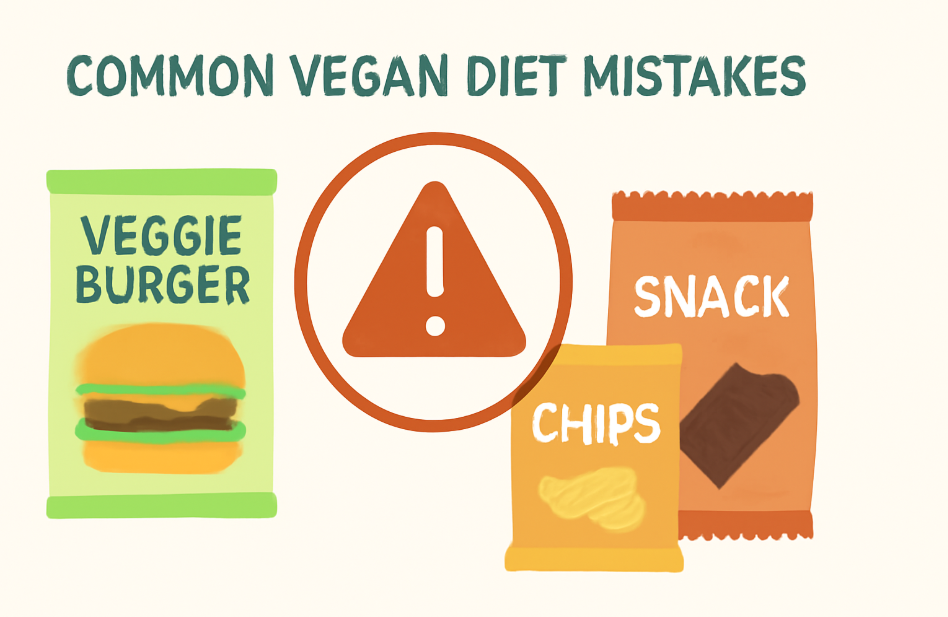
1. Over-Reliance on Processed Vegan Foods
While it’s tempting to grab vegan junk food—like processed meat alternatives, chips, or sugary snacks—too much of these can lead to an unbalanced diet. Processed vegan foods are often high in sodium, unhealthy fats, and sugars, which can undermine your health goals.
- The Fix: Focus on whole, unprocessed plant foods like fruits, vegetables, legumes, grains, and nuts. They’re nutrient-dense and will keep you feeling full and energized. 🌱
2. Not Planning Your Meals
One of the biggest challenges when transitioning to a vegan diet is not planning your meals. Without a plan, you might find yourself reaching for convenience foods that lack proper nutrition or don’t fit your vegan goals.
- The Fix: Take a few minutes each week to plan your meals and make a shopping list. This ensures you’re eating balanced, varied meals and prevents last-minute decisions that could lead to unhealthy choices. 🍲
3. Forgetting to Balance Your Nutrients
A common mistake is focusing on just a few plant-based foods and forgetting about the nutritional balance. For example, if you’re eating too many carbs and not enough protein or healthy fats, you may feel sluggish or tired.
- The Fix: Make sure you’re including a variety of foods in your diet—proteins (like lentils, tofu, and tempeh), healthy fats (avocados, nuts), and plenty of whole grains and vegetables. Variety is key to getting all your essential nutrients. 🥑
4. Skipping Vitamin and Mineral Supplements
Certain nutrients like Vitamin B12, Vitamin D, and Omega-3 fatty acids are more challenging to get from a vegan diet alone. Skipping supplements or not eating fortified foods can lead to deficiencies over time.
- The Fix: Take a B12 supplement regularly, and consider adding a plant-based Omega-3 supplement (like algae oil) and Vitamin D (especially if you live in a place with limited sunlight). 🌞
5. Not Eating Enough Calories
Vegan diets tend to be lower in calories, especially when you focus on whole foods. If you’re not eating enough, you might feel fatigued, irritable, or lose weight unintentionally.
- The Fix: Make sure you’re eating enough calories by including calorie-dense foods like nuts, seeds, avocados, and whole grains. Eating larger portions of vegetables and legumes can also help fill you up without compromising nutrition. 🥑
6. Ignoring the Social Aspect
Social situations—like family gatherings or eating out—can be tricky when you’re vegan. Many people feel pressure to conform and may not speak up about their dietary choices.
- The Fix: Be proactive! If you’re going to an event, offer to bring a vegan dish to share, or call ahead to restaurants to make sure there are vegan options. Don’t be afraid to educate others and make your choices known. 🍽️
7. Getting Stuck in a Recipe Rut
It’s easy to fall into the habit of making the same meals every week, which can get boring. This can lead to a lack of variety and a desire to quit your new lifestyle.
- The Fix: Explore new recipes regularly! With so many resources available online (like vegan blogs, Instagram, and YouTube), you’ll never run out of new, exciting meal ideas to try. 🌶️
How to Track Your Progress and Measure Success
Tracking your progress on a vegan diet isn’t just about counting calories or stepping on the scale. It’s about evaluating how you feel, your overall health, and the habits you’re developing. Here’s how to measure success in a way that will motivate you and keep you on track! 🎯

1. Keep a Food Journal
One of the easiest and most effective ways to track your progress is by keeping a food journal. This doesn’t have to be complicated—just jot down what you eat and how you feel throughout the day.
- Why it’s helpful: A food journal helps you identify if you’re getting enough of each nutrient (protein, healthy fats, vitamins) and how certain foods make you feel. For example, are you feeling more energized? Are you digesting food better? 🍏
- Tip: Use apps like MyFitnessPal or a simple notebook to track your meals and note any physical changes.
2. Track Your Energy and Mood
How you feel physically and mentally is a great indicator of how well your vegan diet is working for you. Many people experience an energy boost, clearer skin, and improved mood within the first few weeks of switching to a plant-based diet.
- Why it’s helpful: Tracking your energy levels and mood gives you direct feedback on how your body is adapting. If you notice improvements, you’ll feel more motivated to continue.
- Tip: Keep a daily log of how you feel before and after meals. Are you feeling more energetic, less bloated, or in a better mood? 🌞
3. Measure Physical Health Changes
Over time, you may notice physical changes in your body. These could include weight loss, clearer skin, or improved digestion. While weight isn’t the only measure of success, tracking changes in your physical health can show you the positive effects of your diet.
- Why it’s helpful: Regular check-ins with your physical health can help you stay on track and make adjustments if needed.
- Tip: Take a picture of yourself or measure your waistline every few weeks. These small changes can motivate you to keep going! 🏋️♂️
4. Set Realistic, Achievable Goals
One of the best ways to stay motivated is by setting clear, measurable goals. Whether it’s sticking to a vegan diet for a week, trying five new recipes, or eating 3 different vegetables a day, setting goals gives you something to strive for.
- Why it’s helpful: Goals help you stay focused and provide a sense of accomplishment when achieved. This keeps your motivation high.
- Tip: Start with small goals like “I will try two new vegan breakfasts this week” or “I will meal prep for the next three days.”
5. Celebrate Milestones
Recognizing your achievements is essential for maintaining a positive mindset. Celebrating your milestones—whether it’s one week, one month, or hitting a certain number of meals—helps you appreciate the progress you’ve made.
- Why it’s helpful: Positive reinforcement boosts your confidence and keeps you motivated to continue your vegan journey.
- Tip: Treat yourself to something fun or special (a new vegan cookbook, a vegan meal out, or a self-care day) when you reach a milestone. 🎉
6. Use Social Media for Accountability
If you feel like you need some extra motivation, social media can be a great tool for tracking your progress and connecting with others. Share your journey, meals, and experiences, or join vegan groups and communities to find support.
- Why it’s helpful: Sharing your experience with others creates accountability and connects you with a supportive community. Plus, you can get great tips and encouragement from others on the same path.
- Tip: Follow vegan hashtags on Instagram, join vegan Facebook groups, or post your meals to inspire others. 📸
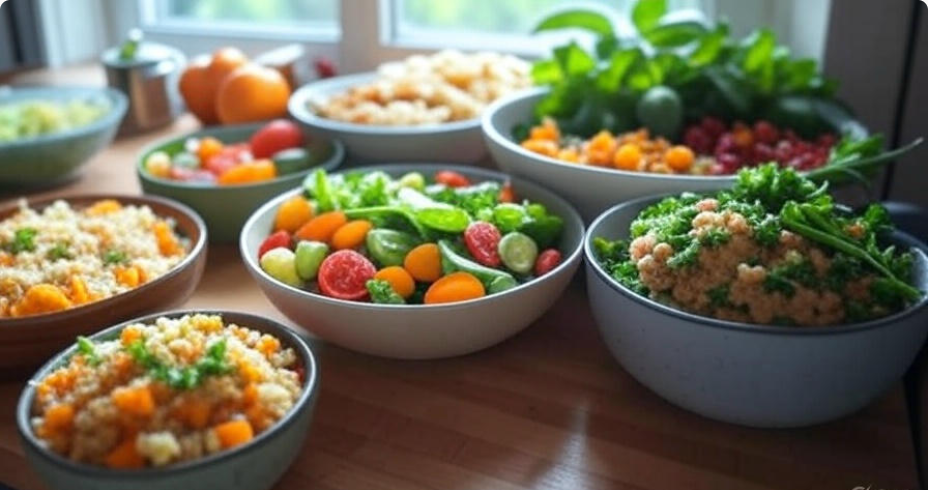
Congratulations on taking the first step toward a healthier, more sustainable lifestyle! Transitioning to a vegan diet for beginners may seem challenging at first, but with the right approach, it can be a fun and rewarding experience. 🌱
Remember, there’s no one-size-fits-all approach. It’s okay to take things one step at a time—whether that means starting slow, experimenting with new recipes, or seeking support from a community. The key is to be kind to yourself and embrace the learning process. 😊
By planning your meals, staying mindful of your nutrient intake, and tracking your progress, you’ll not only ensure that you’re fueling your body properly, but you’ll also build a deeper connection with the food you eat and the positive impact it has on your health and the planet. 🌍
So, take a deep breath, gather your ingredients, and dive in! Each small step brings you closer to feeling your best, and you’ll soon find yourself loving the vibrant, delicious meals you can create.
We’re here to support you every step of the way—enjoy the journey and remember: you’ve got this! 💪✨