

Are you curious about the vegan diet essentials but not sure where to start? You’re not alone. Whether it’s for health, environmental reasons, or ethical choices, more people are making the switch to a plant-based lifestyle. But with all the conflicting information out there, figuring out how to eat well as a beginner can feel overwhelming.
What nutrients do you need to focus on? How do you plan balanced meals that keep you energized and satisfied? 🤔 These are common questions many new vegans have. And that’s exactly why this guide exists.
In this comprehensive article, we’ll break down the key vegan diet essentials—from understanding nutrients to easy meal planning tips—that will make your transition smoother and more enjoyable. By the end, you’ll feel confident, informed, and excited to embrace a healthier, plant-powered lifestyle. Ready to dive in? Let’s go! 👇
Understanding the Vegan Diet 🌱
What is a Vegan Diet? 🤔
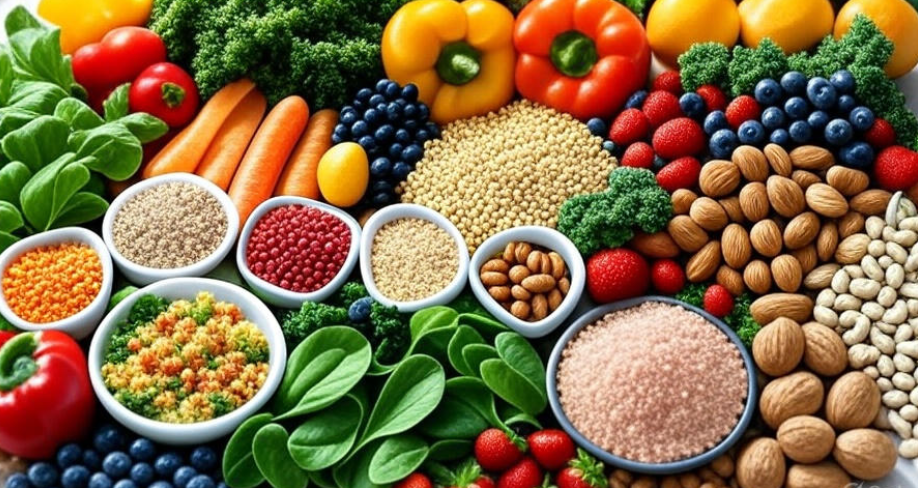
A vegan diet means choosing to eat only plant-based foods—no meat, dairy, eggs, or any other animal products. It’s about focusing on fruits, vegetables, grains, legumes, nuts, and seeds to fuel your body. For many people, it’s a lifestyle choice motivated by health, ethical concerns, or environmental impact. 🌍
But here’s the thing: Going vegan doesn’t mean you’re stuck eating just salad. With the right ingredients, you can enjoy everything from hearty stews to creamy desserts, all without animal products. The key is learning how to balance your meals and ensure you’re getting the nutrients you need.
Why Choose a Vegan Diet? 💚
People choose veganism for various reasons:
- Health Benefits: Studies show that a well-planned vegan diet can lower your risk of chronic diseases like heart disease, diabetes, and certain cancers. It’s rich in fiber, antioxidants, and healthy fats.
- Ethical Reasons: Many turn to veganism to avoid supporting industries that exploit animals.
- Environmental Impact: Vegan diets are more sustainable, requiring fewer resources like water and land while producing fewer greenhouse gases.
While a vegan diet offers numerous benefits, it’s important to understand that transitioning requires thoughtful planning to avoid common nutritional pitfalls. Let’s take a closer look at the essential nutrients that make a balanced vegan diet.
Key Nutrients to Focus On 🍽️
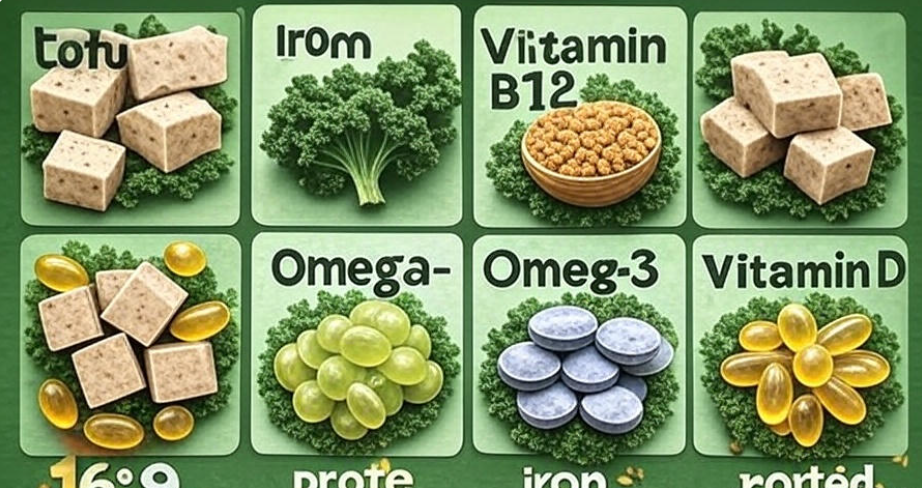
When switching to a vegan lifestyle, it’s crucial to pay attention to certain nutrients to ensure you’re meeting your body’s needs. Here are the main ones to focus on:
Protein: 💪
- Why it matters: Protein is essential for muscle repair, immune function, and hormone production.
- Plant-based sources: Lentils, chickpeas, tofu, tempeh, edamame, quinoa, and seitan are excellent vegan protein sources.
- Tip: Include a variety of protein-rich foods in each meal to ensure you’re getting all the essential amino acids your body needs.
- Why it matters: Protein is essential for muscle repair, immune function, and hormone production.
Iron: ⚡
- Why it matters: Iron helps carry oxygen through your blood. Without enough, you might feel fatigued or weak.
- Plant-based sources: Beans, lentils, spinach, quinoa, tofu, and fortified cereals.
- Tip: Iron from plants (non-heme iron) is less easily absorbed than animal-based iron. Pairing iron-rich foods with vitamin C (like citrus fruits or bell peppers) boosts absorption.
- Why it matters: Iron helps carry oxygen through your blood. Without enough, you might feel fatigued or weak.
Vitamin B12: 🧠
- Why it matters: Vitamin B12 is crucial for nerve function, DNA production, and red blood cell formation. It’s mainly found in animal products.
- Plant-based sources: Fortified foods like plant milks, nutritional yeast, and breakfast cereals. You might also need a B12 supplement.
- Tip: Consider getting a blood test to monitor B12 levels, as deficiency can be harmful over time.
- Why it matters: Vitamin B12 is crucial for nerve function, DNA production, and red blood cell formation. It’s mainly found in animal products.
Calcium: 🦴
- Why it matters: Calcium is important for strong bones, muscle function, and nerve signaling.
- Plant-based sources: Tofu, fortified plant milks (almond, soy, oat), leafy greens (like kale and collard greens), and almonds.
- Tip: Make sure to choose calcium-fortified options, as not all plant foods contain enough calcium to meet daily needs.
- Why it matters: Calcium is important for strong bones, muscle function, and nerve signaling.
Omega-3 Fatty Acids: 🧘♀️
- Why it matters: Omega-3s support brain health, reduce inflammation, and promote heart health.
- Plant-based sources: Chia seeds, flaxseeds, walnuts, and hemp seeds are great sources of ALA (a type of omega-3).
- Tip: Ground flaxseeds and chia seeds can be easily added to smoothies, oatmeal, or salads.
- Why it matters: Omega-3s support brain health, reduce inflammation, and promote heart health.
Vitamin D: 🌞
- Why it matters: Vitamin D is essential for bone health and immune function. While the body can produce vitamin D from sunlight, it can be harder to get enough, especially in areas with limited sun.
- Plant-based sources: Fortified foods like plant milks, orange juice, and cereals.
- Tip: If you don’t get much sunlight, consider a vitamin D2 or D3 supplement (ensure it’s vegan).
- Why it matters: Vitamin D is essential for bone health and immune function. While the body can produce vitamin D from sunlight, it can be harder to get enough, especially in areas with limited sun.
Common Nutritional Mistakes to Avoid ❌
Switching to a vegan diet is exciting, but there are a few common mistakes that can leave you feeling tired or unhealthy. Here’s how to avoid them:
- Relying on Processed Vegan Foods: While vegan junk food (like chips, cookies, and faux meats) can be tasty, it’s not the healthiest choice. These foods are often high in sodium, unhealthy fats, and added sugars. Focus on whole foods to get the most nutrition.
- Not Getting Enough Protein: Many beginners worry about protein intake. Make sure to include protein-rich foods in every meal to support muscle and overall health.
- Ignoring Micronutrients: Don’t forget about the little nutrients like iron, zinc, and calcium. Without careful planning, you might miss out on these essential vitamins and minerals.
- Skipping B12: Since B12 isn’t found in plant foods, it’s easy to forget about it. Make it a priority with fortified foods or supplements.
Meal Planning and Prep for Beginners 🥗
How to Plan Your Vegan Meals Like a Pro 📝
Meal planning can seem like a chore at first, but it’s one of the best ways to make your vegan diet smooth and stress-free. The key is to keep it simple and balanced. Here’s how:
- Start with a Balanced Plate:
A basic guideline is the “50-25-25” rule:- 50% vegetables (leafy greens, carrots, peppers, etc.)
- 25% protein (tofu, tempeh, legumes)
- 25% whole grains (quinoa, brown rice, oats)
This ratio ensures you’re getting a variety of nutrients in each meal, keeping you full and energized. 💪
- 50% vegetables (leafy greens, carrots, peppers, etc.)
- Batch Cooking:
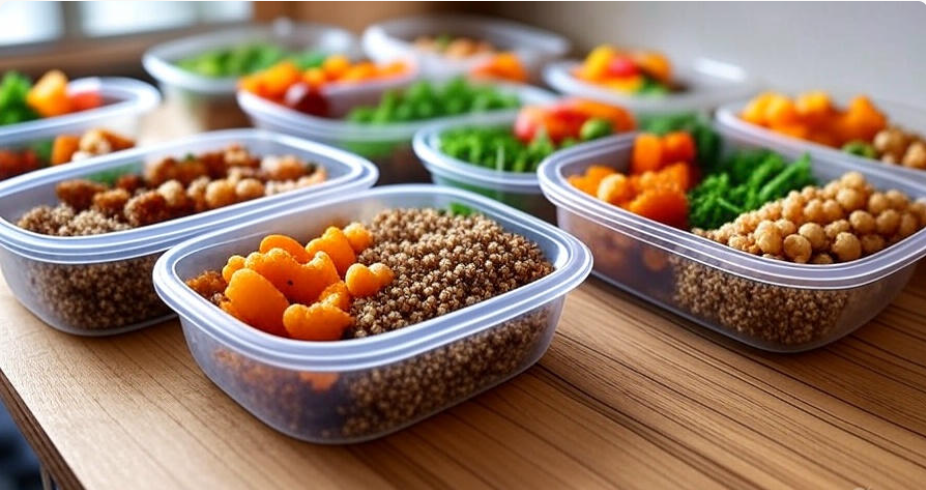
Preparing your meals in bulk saves time and energy throughout the week. Cook larger portions of grains, legumes, and veggies, then store them in containers for quick meals. For example, roast a big tray of sweet potatoes and steam some broccoli. Mix and match with different grains like quinoa or rice for variety. - Shopping List Essentials:
Keep your pantry stocked with these vegan staples:- Grains: Brown rice, quinoa, oats, pasta
- Legumes: Lentils, chickpeas, black beans
- Veggies: Spinach, kale, tomatoes, carrots
- Fruits: Bananas, berries, apples
- Nuts & Seeds: Almonds, chia seeds, pumpkin seeds
- Vegan Dairy: Plant milks (almond, oat, soy), vegan yogurt
- Spices & Condiments: Nutritional yeast, soy sauce, tahini, curry powder
By having these on hand, you can quickly whip up a variety of meals with minimal effort. 🏃♀️
- Grains: Brown rice, quinoa, oats, pasta
Vegan Meal Prep 101: Simple Steps for Success 🍴
- Plan for the Week:
Set aside some time to plan your meals. Choose 2-3 simple recipes for each meal (breakfast, lunch, dinner) that you can rotate throughout the week. This keeps things fresh without overwhelming you. Don’t forget about snacks—hummus with veggies or roasted chickpeas are quick, satisfying options. - Pre-Chop & Pre-Cook:
Spend a couple of hours each week washing, chopping, and cooking. Pre-chop veggies like onions, bell peppers, and cucumbers, and store them in airtight containers. Cook grains and legumes (like lentils or quinoa) in bulk, so you don’t have to make them from scratch every day. - Use Versatile Ingredients:
Choose ingredients that can be used across different meals. For example:- Tofu: Can be added to stir-fries, salads, or made into tofu scrambles.
- Chickpeas: Perfect for curries, salads, or blended into hummus.
- Quinoa: A great base for both sweet (with fruit) and savory (with veggies) meals.
This minimizes waste and simplifies your cooking process. 🌱
- Tofu: Can be added to stir-fries, salads, or made into tofu scrambles.
Vegan Meal Ideas for Every Meal of the Day 🌞
Here are some beginner-friendly meal ideas that can be customized to your taste:
Breakfast:
- Overnight Oats: Combine oats, plant milk, chia seeds, and your favorite fruit. Let it sit overnight for an easy grab-and-go breakfast. 🍓
- Avocado Toast: Top whole-grain toast with mashed avocado, a sprinkle of salt, pepper, and chili flakes for a satisfying start to your day.
- Overnight Oats: Combine oats, plant milk, chia seeds, and your favorite fruit. Let it sit overnight for an easy grab-and-go breakfast. 🍓
Lunch:
- Buddha Bowls: Mix a grain (like quinoa), with veggies (like roasted sweet potatoes, spinach), and protein (like chickpeas or tofu). Top with a simple dressing of tahini or olive oil. 🥑
- Veggie Wraps: Fill a whole-wheat wrap with hummus, fresh veggies, and leafy greens for a quick, nutrient-packed lunch.
- Buddha Bowls: Mix a grain (like quinoa), with veggies (like roasted sweet potatoes, spinach), and protein (like chickpeas or tofu). Top with a simple dressing of tahini or olive oil. 🥑
Dinner:
- Vegan Stir-Fry: Toss tofu, veggies, and your favorite sauce (like soy sauce or peanut butter) into a pan for a quick and tasty dinner. 🌶️
- Pasta with Lentil Sauce: Swap regular spaghetti for whole wheat or gluten-free pasta and top with a hearty lentil marinara sauce. 🍝
- Vegan Stir-Fry: Toss tofu, veggies, and your favorite sauce (like soy sauce or peanut butter) into a pan for a quick and tasty dinner. 🌶️
Snacks:
- Roasted Chickpeas: Toss chickpeas in olive oil and your favorite spices, then roast them in the oven for a crunchy snack.
- Trail Mix: Mix almonds, pumpkin seeds, dried cranberries, and a bit of dark chocolate for an energizing snack.
- Roasted Chickpeas: Toss chickpeas in olive oil and your favorite spices, then roast them in the oven for a crunchy snack.
Extra Tips for Success 🍀
- Prep in Batches: Make large batches of soups, stews, or grain salads that last a few days in the fridge or freezer.
- Keep it Simple: Don’t overcomplicate your meals. Stick to simple, fresh ingredients that are easy to prepare.
- Have Fun: Experiment with new spices, herbs, and vegan cheeses to keep meals exciting and flavorful! 🌶️
Practical Tips for Vegan Beginners 🌱
How to Transition to a Vegan Diet Without Stress 🌟
Making the switch to a vegan lifestyle doesn’t have to be overwhelming. Here are some practical tips to help you make the transition as smooth as possible:
- Take It Slow:
If going fully vegan seems daunting, don’t rush. Start by replacing one meal a day or even one ingredient at a time. For example, swap dairy milk with almond milk for your morning coffee, or try a vegan lunch like a chickpea salad wrap. Gradual changes make the process feel more manageable. 🕒 - Find Vegan Versions of Your Favorites:
Craving comfort food? The great news is, there’s almost always a vegan version! From plant-based burgers to dairy-free ice cream, there are plenty of tasty alternatives. Try out vegan cheese, plant-based meats, and creamy dairy-free sauces to keep meals familiar but cruelty-free. 🧀🍔 - Keep It Simple:
As a beginner, you don’t need complicated recipes. Stick to simple, whole foods like grains, legumes, and vegetables. One-pot dishes, grain bowls, and salads are easy to prepare and perfect for meal prepping. The more basic your meals, the less stress you’ll feel. 🍲
Navigating Social Situations 🥳
It can be tricky to stick to a vegan diet when dining out or attending social events. Here’s how to handle it like a pro:
- Handle Questions with Confidence:
Expect people to ask, “Where do you get your protein?” or “Isn’t it hard to be vegan?” Instead of getting defensive, answer confidently and kindly. Share how your choice aligns with your values—whether it’s health, the environment, or animal welfare. A positive attitude can help others understand your decision. 😊 - Dining Out Tips:
- Research ahead: Many restaurants now offer vegan options, but it’s always a good idea to check their menu online.
- Ask for modifications: Don’t hesitate to ask for substitutions, like swapping a side of fries for extra veggies or getting your meal without cheese.
- Bring your own snacks: If you’re going to an event where vegan options might be limited, bring some snacks to stay satisfied. Hummus with veggies or a handful of nuts are always great options.
- Research ahead: Many restaurants now offer vegan options, but it’s always a good idea to check their menu online.
- Attending Parties and Events:
You don’t have to skip social gatherings. Politely explain your dietary choice to the host, and offer to bring a dish to share. This way, you’re guaranteed to have something to eat, and you’ll introduce others to delicious vegan food! 🎉
Reading Labels and Identifying Hidden Animal Products 📜
When you first start buying vegan products, it’s essential to check labels carefully. Some seemingly vegan foods may contain hidden animal-derived ingredients. Here are a few to look out for:
- Casein: A protein found in dairy.
- Whey: A byproduct of milk used in protein powders and some baked goods.
- Gelatin: Derived from animal collagen, often found in gummy candies or marshmallows.
- Rennet: Used in cheese-making, typically derived from animal stomachs.
Many products now have vegan certifications, which makes life easier. Look for the green “Certified Vegan” label on packaging to be sure. 🏷️
Keep Healthy Snacks on Hand 🍏
Being prepared with vegan-friendly snacks can help curb hunger when you’re on the go. Stock up on easy-to-carry snacks like:
- Nuts and seeds: Almonds, walnuts, chia seeds—great for a protein boost.
- Fruit: Apples, bananas, berries—natural sweetness and fiber!
- Energy bars: Choose ones with minimal added sugars and whole-food ingredients.
- Roasted chickpeas or edamame: High in protein and fiber, these are perfect for snacking.
Having snacks on hand ensures you won’t be tempted by non-vegan options when hunger strikes. 😋
Stay Inspired and Keep Learning 📚
The vegan journey is about discovery. The more you learn, the more fun it becomes:
- Follow Vegan Blogs and Social Media Accounts: There are countless vegan food bloggers, chefs, and influencers who share delicious recipes, tips, and product recommendations.
- Watch Vegan Documentaries: Films like Forks Over Knives and The Game Changers can provide additional motivation and inspiration.
- Join Vegan Communities: Online forums and social media groups are a great way to share experiences, get advice, and find support.
The more you immerse yourself in the vegan lifestyle, the easier and more enjoyable it will be! 🌟
Overcoming Challenges on a Vegan Diet 🌱
Dealing with Common Vegan Challenges 😓
Adopting a vegan diet can come with its fair share of challenges, especially for beginners. But don’t worry—many of these hurdles are easy to overcome with the right strategies. Here are some of the most common challenges and how to tackle them:
Vegan Protein Myths 💪
One of the biggest myths about vegan diets is that they’re too low in protein. The truth is, there are plenty of plant-based protein sources that provide all the amino acids your body needs.
- Protein-packed foods: Lentils, chickpeas, tofu, tempeh, quinoa, and seitan are some of the best sources.
- Tip: Aim to include a variety of protein sources throughout the day to ensure you’re meeting your needs. A simple rule of thumb: try to add a protein source to every meal.
Iron Deficiency Concerns ⚡
Iron is an essential mineral for carrying oxygen in your blood, and some beginners worry they won’t get enough of it on a vegan diet. While plant-based iron (non-heme iron) isn’t absorbed as easily as animal-based iron, it’s still very possible to meet your needs with the right foods.
- Iron-rich foods: Lentils, beans, tofu, quinoa, spinach, and fortified cereals.
- Tip: Pair iron-rich foods with vitamin C (like oranges, bell peppers, or tomatoes) to boost absorption.
Vegan Convenience ⏳
For many people, convenience is a challenge when switching to a plant-based diet. Pre-packaged, processed vegan foods can be tempting, but they’re not always the healthiest option. Instead, focus on simple, whole foods that are quick to prepare.
- Quick vegan meals: Grain bowls, stir-fries, smoothies, and salads are easy to throw together with minimal effort.
Tip: Spend a little time meal prepping on weekends (like cooking grains or chopping veggies) to make weeknight dinners quicker and easier.
Overcoming Vegan Cravings 🍫
Cravings for non-vegan foods can be one of the toughest parts of transitioning to a vegan diet. The good news? There are plenty of vegan versions of your favorite comfort foods. Here’s how to deal with cravings:
- Satisfy Your Sweet Tooth:
Missing chocolate or ice cream? Vegan desserts like dairy-free chocolate, sorbet, or coconut-based ice cream can satisfy your cravings. Many grocery stores also carry vegan chocolate chips, cookies, and candies. - Comfort Foods:
Craving a cheesy pizza or creamy pasta? Try vegan cheese or make a creamy sauce with cashews or coconut milk. There are plenty of vegan recipes for lasagna, mac and cheese, and even cheesy nachos! - Balance is Key:
It’s okay to enjoy vegan comfort foods now and then, but remember that moderation is important. Too much processed food can still lead to health problems, even if it’s plant-based. Focus on whole, nutrient-dense meals most of the time.
Staying Full and Energized 💥
Some people find that they feel hungry more often when switching to a vegan diet. The key to staying full and energized is to focus on foods that provide sustained energy:
- High-fiber foods: Beans, lentils, whole grains, and vegetables are high in fiber and keep you feeling fuller for longer.
- Healthy fats: Avocados, nuts, seeds, and olive oil are excellent sources of plant-based fats that provide lasting energy.
Supplements for Vegans 💊
While a well-planned vegan diet can provide most of your nutritional needs, there are a few supplements that can be helpful:
- Vitamin B12:
Vitamin B12 is only found in animal products, so vegans need to take a supplement or eat B12-fortified foods (such as plant milk, cereals, or nutritional yeast).- Tip: Take a B12 supplement regularly to avoid deficiencies.
- Tip: Take a B12 supplement regularly to avoid deficiencies.
- Vitamin D:
Vitamin D is essential for bone health and immunity. Since it’s harder to get enough from plant foods alone, a supplement can help, especially during winter months or if you don’t get enough sun.- Tip: Look for vegan-friendly D2 or D3 supplements.
- Tip: Look for vegan-friendly D2 or D3 supplements.
- Omega-3 Fatty Acids:
Omega-3s are important for heart health and brain function. While flaxseeds, chia seeds, and walnuts are good sources, a supplement like algae oil can ensure you’re getting enough EPA and DHA.- Tip: Incorporate ground flaxseeds or chia seeds into smoothies or oatmeal for an omega-3 boost.
- Tip: Incorporate ground flaxseeds or chia seeds into smoothies or oatmeal for an omega-3 boost.
Addressing Social Situations 🌍
Navigating social events as a vegan can sometimes be tricky, especially when friends and family aren’t familiar with plant-based diets. Here’s how to handle it:
- Don’t Be Afraid to Ask:
When invited to a dinner party or gathering, reach out to the host beforehand and politely ask if they can prepare or offer a vegan-friendly dish. Most people are happy to accommodate if you let them know in advance. - Bring Your Own Dish:
If you’re unsure about the food situation, offer to bring a dish to share. Bring something easy, like a grain salad, veggie tray with hummus, or vegan dips that everyone can enjoy. - Be Prepared for Questions:
You’ll likely get asked why you’re vegan or how you get your nutrients. Stay calm, share your reasons in a positive way, and offer helpful resources if needed. You might even inspire someone else to give it a try! 😊
Staying Motivated on Your Vegan Journey 🌱
Celebrate Your Wins, Big and Small 🎉
Staying motivated on a vegan journey can sometimes feel like a challenge, especially when you’re just starting out. But the key to long-term success is to celebrate your progress—even the small victories. Did you make it through a week of eating plant-based meals? That’s a win! Managed to cook a new vegan recipe? Celebrate that too! 🏆
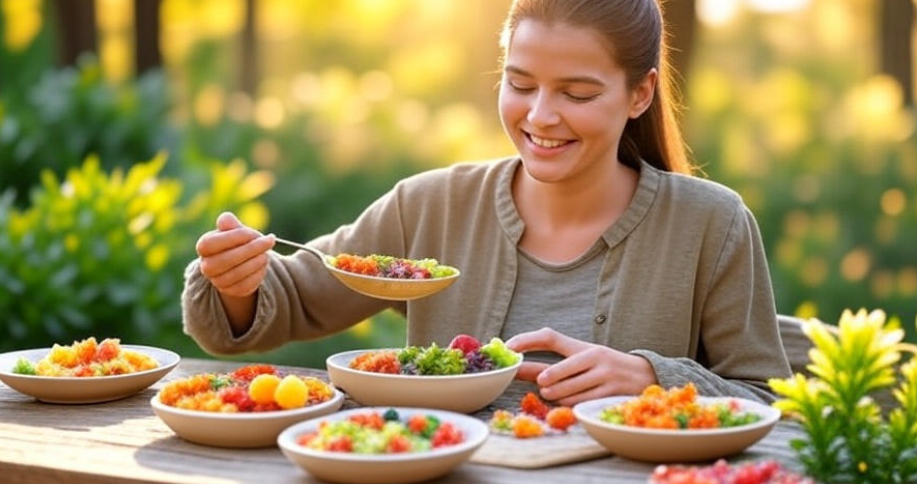
- Tip: Keep a journal or use an app to track your vegan journey. This will help you see how far you’ve come and remind you of the positive changes you’ve made. 📱
Find Your Vegan Tribe 🧑🤝🧑
One of the best ways to stay motivated is by connecting with others on a similar path. Whether it’s online or in-person, joining a vegan community can offer support, inspiration, and valuable advice.
- Online communities: Follow vegan influencers on social media, join Facebook groups, or explore plant-based forums to learn from others.
- In-person groups: Look for local vegan meetups or cooking classes to connect with like-minded people.
By engaging with others, you’ll feel more inspired and encouraged as you continue your vegan journey. 🥳
Keep Learning and Experimenting 🧑🍳
The more you learn, the more exciting your vegan journey becomes. The plant-based world is full of new ingredients, recipes, and cooking techniques to discover. If you ever feel bored or uninspired, try something new!
- Cookbook inspiration: Find a new vegan cookbook or blog to keep your meals fresh and exciting.
- Recipe swaps: Try swapping ingredients in your favorite dishes to make them vegan-friendly. You’ll be amazed by how easy it is to adapt most meals.
- Tip: Experiment with new cuisines—try making Indian curries, Mediterranean hummus, or Mexican tacos. A variety of flavors keeps the journey fun! 🌮🍛
Set Realistic Goals 🎯
It’s important to set achievable goals along the way. Whether your goal is to go fully vegan, eat plant-based five days a week, or try new vegan recipes, having clear objectives will help you stay focused and motivated.
- Tip: Start with small goals like “I’ll try two new vegan recipes this week” or “I’ll cut out dairy for the next month.” As you succeed, build up to bigger goals!
Practice Patience and Self-Compassion 🌸
There will be times when you slip up or face challenges. It’s okay! Veganism is a journey, not a destination. The most important thing is to be kind to yourself and not let setbacks discourage you.
- Tip: If you accidentally eat something non-vegan, don’t be hard on yourself. Just pick up where you left off and keep going. Every choice counts, and progress is progress, no matter how small! 💚
Stay Inspired with Vegan Content 📚
Find ways to stay inspired and motivated by consuming vegan content. Watching documentaries, reading books, and listening to podcasts are great ways to reinforce your commitment and keep you excited about your plant-based lifestyle.
- Documentaries: Films like Forks Over Knives, The Game Changers, and Cowspiracy offer powerful insights into the benefits of veganism and the impact it has on health, the environment, and animal welfare.
- Podcasts: Tune into vegan podcasts that discuss everything from nutrition to lifestyle tips.
Track Your Health and Well-Being 📈
One of the best ways to stay motivated is by noticing the positive changes happening in your body and mind. Many people report feeling more energetic, healthier, and more mindful after adopting a vegan lifestyle.
Tip: Keep an eye on your physical and mental health. Track how you feel after a few weeks of eating plant-based, and notice any improvements like clearer skin, better digestion, or more energy. These positive changes will keep you motivated to stick with it. 💪
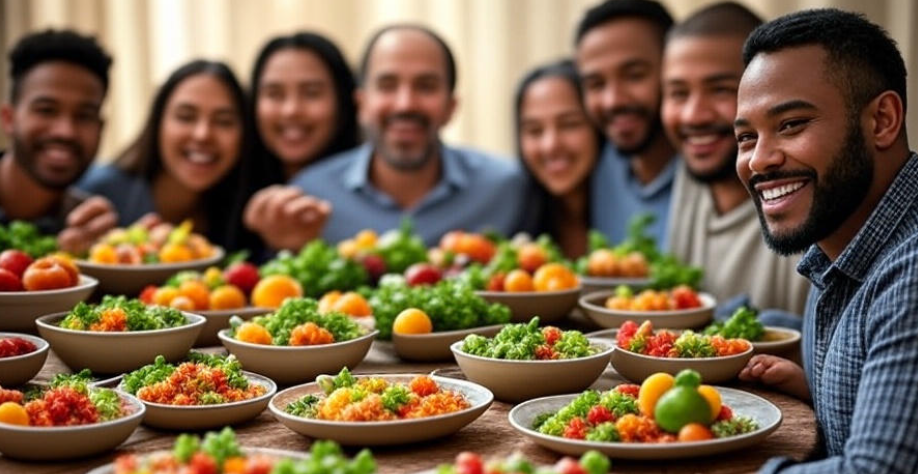
Congratulations on taking the first step toward embracing a vegan lifestyle! 🎉 Whether you’re here for health, ethical reasons, or environmental concerns, you’re making a positive impact on your well-being and the planet.
Remember, the key to a successful vegan journey is planning, learning, and staying connected. With the right nutrients, meal planning strategies, and support, you can thrive on a vegan diet while enjoying a variety of delicious, nourishing foods.
Along the way, don’t forget to celebrate your achievements, no matter how small. Whether it’s mastering a new recipe, discovering a new favorite snack, or simply feeling more energized, these victories will keep you motivated and excited for the next step.
And finally, be patient with yourself. It’s perfectly okay to take your time and adjust as you go. The goal is progress, not perfection. Keep experimenting, learning, and most importantly, enjoy the process!
Now, you’re ready to fully embrace the many benefits of vegan living. Keep exploring, stay curious, and remember: every plant-based meal is a step toward a healthier you and a more sustainable world. 🌍💚
Let’s keep this journey going—your plant-powered future awaits! 🌟