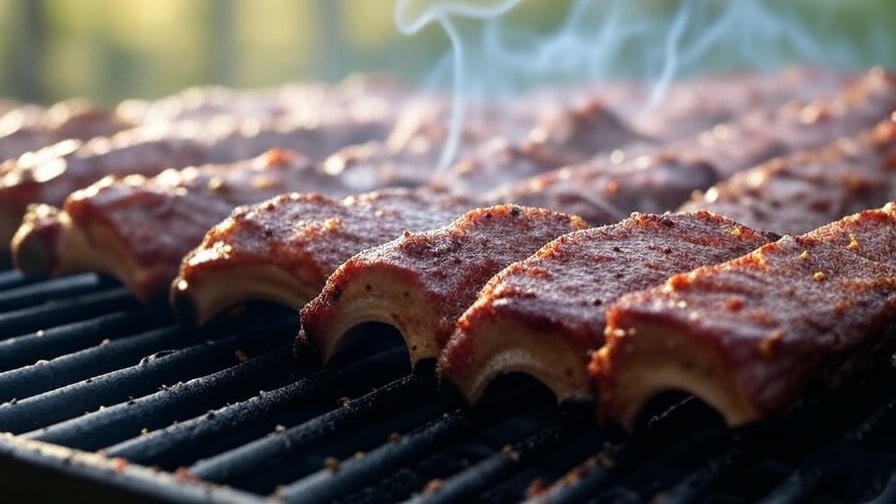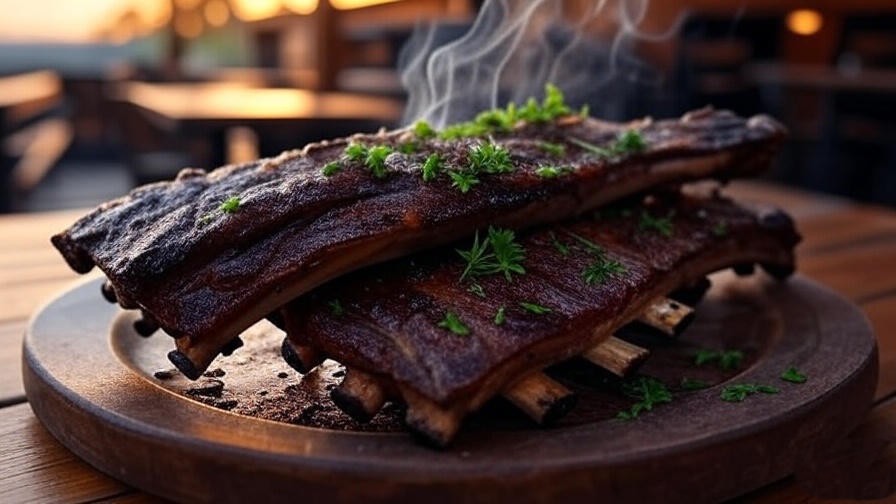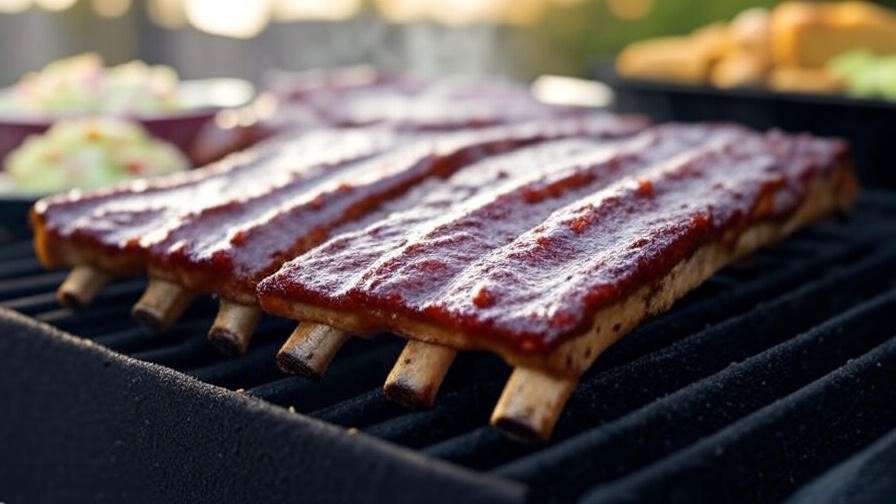
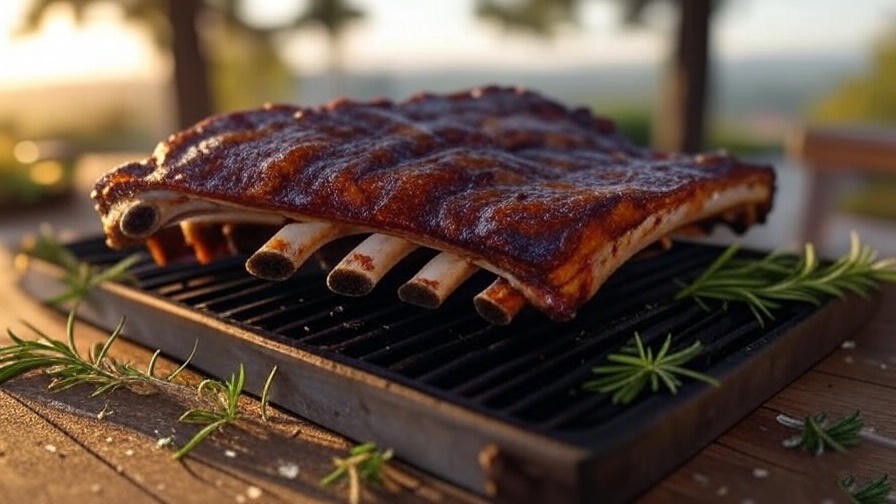
Picture this: the sizzle of the grill, the tantalizing aroma of smoky BBQ sauce, and the anticipation of biting into tender, juicy turkey ribs—except these ribs are entirely plant-based, delivering all the flavor without the meat. Plant-based turkey ribs are revolutionizing BBQs, offering a guilt-free, sustainable alternative that satisfies even the most dedicated carnivores. Whether you’re a vegan, flexitarian, or simply curious about meatless options, this dish brings bold, smoky goodness to your plate while aligning with a healthier, eco-conscious lifestyle. In this comprehensive guide, we’ll explore how to create mouthwatering plant-based turkey ribs, from selecting the perfect ingredients to mastering BBQ techniques. Backed by insights from vegan chefs and nutritionists, this article will equip you with everything you need to elevate your next cookout.
What Are Plant-Based Turkey Ribs?
Defining the Concept
Plant-based turkey ribs are a vegan-friendly alternative designed to mimic the texture, flavor, and appearance of traditional turkey ribs. Unlike their meat-based counterparts, these ribs are crafted from plant-based proteins like seitan (vital wheat gluten), jackfruit, or soy-based ingredients such as tofu or tempeh. The goal is to replicate the chewy, meaty texture and smoky, savory flavor that BBQ lovers crave. These ribs appeal to a wide audience: vegans seeking indulgent plant-based meals, flexitarians reducing meat consumption, and BBQ enthusiasts eager to try innovative recipes. By combining the right ingredients and cooking techniques, plant-based turkey ribs deliver a satisfying experience that rivals the real thing.
Why Choose Plant-Based Turkey Ribs?
Opting for plant-based turkey ribs offers multiple benefits. Health-wise, they’re typically lower in saturated fats and cholesterol-free, making them heart-friendly. For example, seitan-based ribs are high in protein, often providing 20–30 grams per serving, comparable to meat. Environmentally, plant-based options have a significantly lower carbon footprint. According to a 2018 Oxford University study, plant-based diets can reduce an individual’s food-related emissions by up to 50%. Ethically, choosing meatless ribs aligns with cruelty-free values, appealing to those who prioritize animal welfare. These ribs are a versatile, delicious way to enjoy BBQ while supporting personal and planetary health.
The Science Behind Meatless BBQ Perfection
Replicating Texture and Flavor
Creating plant-based turkey ribs that rival their meaty counterparts requires understanding texture and flavor. Seitan, made from vital wheat gluten, is a popular base due to its fibrous, chewy texture that mimics meat when kneaded and cooked properly. Jackfruit, with its stringy consistency, is another excellent choice, especially for pulled-style ribs. To achieve authentic BBQ flavor, ingredients like liquid smoke, nutritional yeast, and smoked paprika are key. Marinades infused with soy sauce, molasses, or apple cider vinegar add depth, while spice rubs with cumin, garlic powder, and chili flakes enhance complexity. Smoking or grilling further elevates the dish, creating a caramelized, smoky crust.
Nutritional Breakdown
Plant-based turkey ribs are nutritionally distinct from traditional ribs. A typical 100-gram serving of seitan-based ribs contains approximately 120–150 calories, 20–25 grams of protein, and 2–5 grams of fiber, with negligible fat. In contrast, traditional turkey ribs may contain 200–250 calories and higher saturated fat content. According to registered dietitian Sarah Thompson, “Plant-based ribs can be fortified with B vitamins and iron through ingredients like nutritional yeast, making them a nutrient-dense option.” Pairing ribs with fiber-rich sides like grilled vegetables ensures a balanced meal, supporting digestion and satiety.
The Role of BBQ Techniques
The magic of plant-based turkey ribs lies in the cooking method. Grilling creates charred, crispy edges, while smoking infuses deep, woody flavors. Baking is a beginner-friendly option, delivering consistent results with a tender interior. Vegan BBQ chef Marcus Lee emphasizes, “Low and slow cooking is key to locking in flavor. For plant-based ribs, a quick sear followed by basting with sauce creates that sticky, finger-licking texture.” Using a smoker with applewood or hickory chips can elevate the dish, mimicking the smoky essence of traditional BBQ.
Key Ingredients for Plant-Based Turkey Ribs
Core Ingredients
Crafting plant-based turkey ribs starts with a few essential ingredients:
- Vital Wheat Gluten: The backbone of seitan-based ribs, providing a meaty, chewy texture.
- Jackfruit: Ideal for a pulled-rib style, offering a fibrous consistency.
- Tofu or Tempeh: Soy-based options for a denser, protein-packed alternative.
- Flavor Enhancers: Liquid smoke, nutritional yeast, soy sauce, and smoked paprika for smoky, umami notes.
- Binders: Chickpea flour or mashed beans to improve texture and cohesion.
| Ingredient | Texture Contribution | Flavor Profile | Availability |
|---|---|---|---|
| Vital Wheat Gluten | Chewy, fibrous | Neutral, absorbs marinades | Health food stores, online |
| Jackfruit | Stringy, tender | Mild, slightly sweet | Canned in grocery stores |
| Tofu | Dense, firm | Neutral, versatile | Widely available |
Optional Add-Ins for Customization
For a unique twist, consider:
- Mushrooms: Add umami depth with finely chopped shiitake or portobello.
- Beet Juice: Provides a reddish, meat-like hue for visual appeal.
- Chia Seeds: Act as a binder for gluten-free versions, adding subtle crunch.
Sourcing Quality Ingredients
High-quality ingredients elevate the dish. Opt for organic, non-GMO vital wheat gluten from brands like Bob’s Red Mill, available at health food stores or online retailers like Amazon. Canned jackfruit in brine (not syrup) is widely available at grocery stores like Trader Joe’s. For pantry staples, stock up on liquid smoke and nutritional yeast, which are versatile for other plant-based recipes. Local farmers’ markets can be a great source for fresh spices and produce to complement your ribs.
Step-by-Step Recipe for Plant-Based Turkey Ribs
Preparation Guide
Ingredients (Serves 4):
- 1 cup vital wheat gluten
- 2 tbsp nutritional yeast
- 1 tsp smoked paprika
- 1 tsp garlic powder
- ¾ cup vegetable broth
- 2 tbsp soy sauce
- 1 tbsp olive oil
- 1 can (20 oz) young green jackfruit, drained and shredded (optional for hybrid texture)
Instructions:
- In a large bowl, combine vital wheat gluten, nutritional yeast, smoked paprika, and garlic powder.
- In a separate bowl, mix vegetable broth, soy sauce, and olive oil. Pour into dry ingredients, stirring until a dough forms.
- Knead the dough for 3–5 minutes until elastic. If using jackfruit, fold it into the dough for added texture.
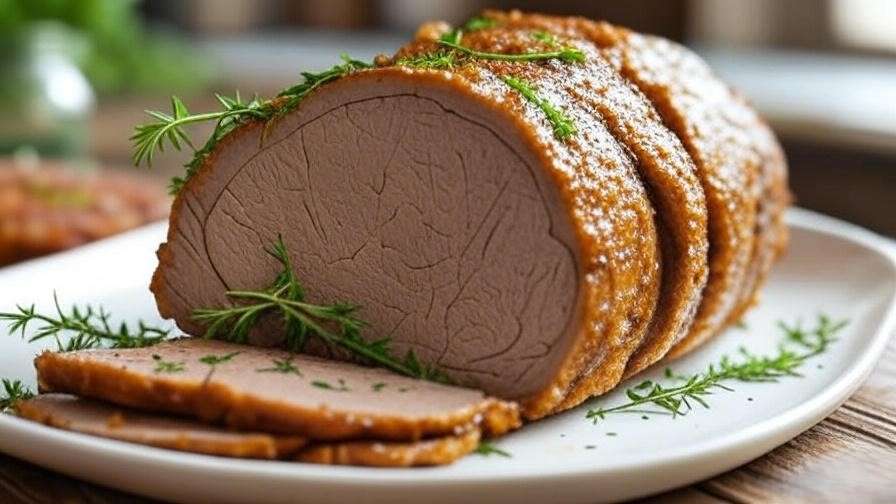
- Shape into a log and slice into 8–10 “ribs.” Steam for 30 minutes to set the texture, then cool slightly.

Marinade and Seasoning
Signature BBQ Marinade:
- ½ cup BBQ sauce (choose a vegan brand like Annie’s)
- 2 tbsp molasses
- 1 tbsp apple cider vinegar
- 1 tsp liquid smoke
- 1 tsp chili powder
Instructions:
- Whisk marinade ingredients together in a shallow dish.
- Coat steamed ribs thoroughly and let marinate for at least 1 hour (or overnight for deeper flavor).
- Variation: For a spicy kick, add ½ tsp cayenne pepper; for sweetness, increase molasses to 3 tbsp.
Cooking Methods
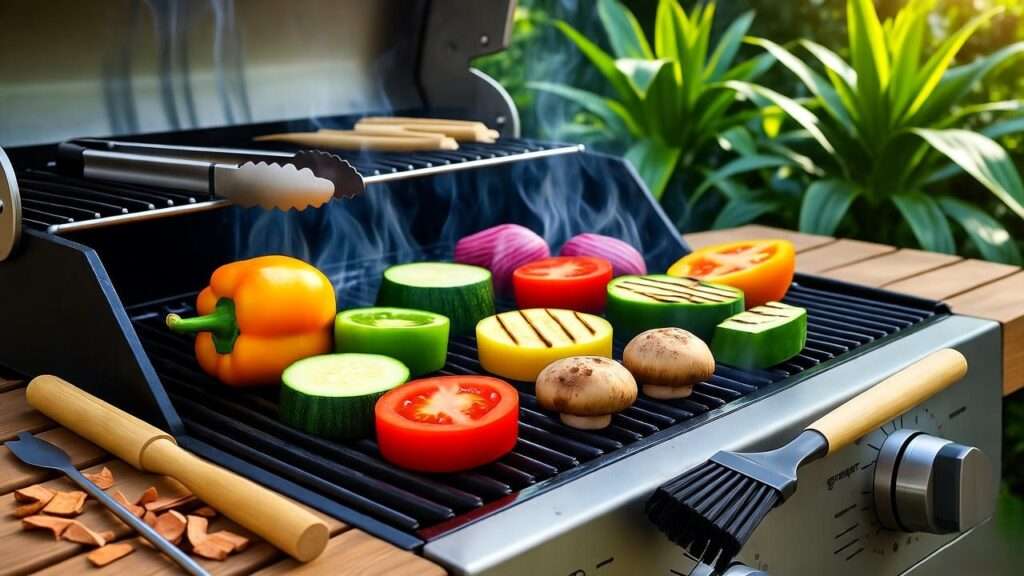
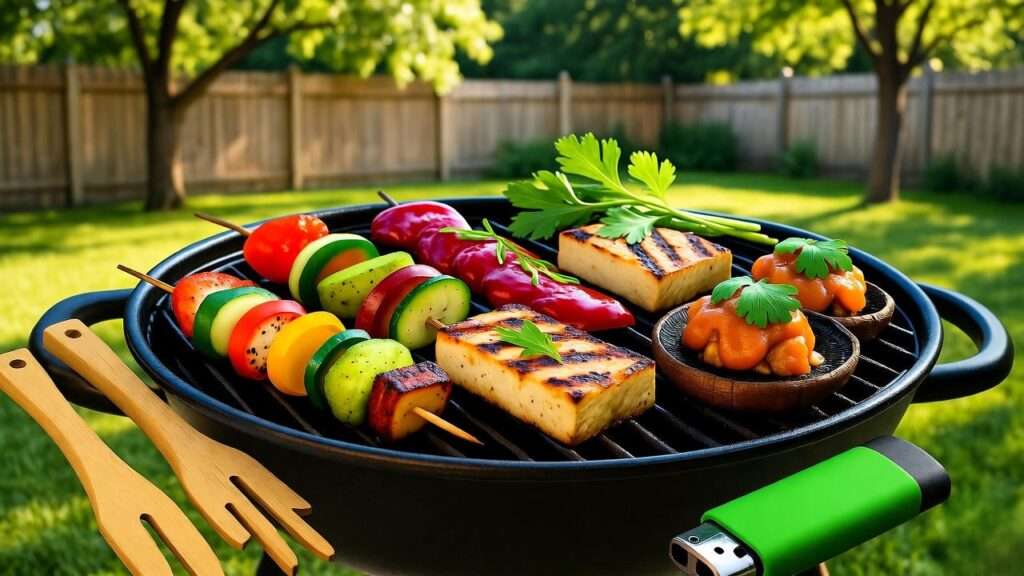
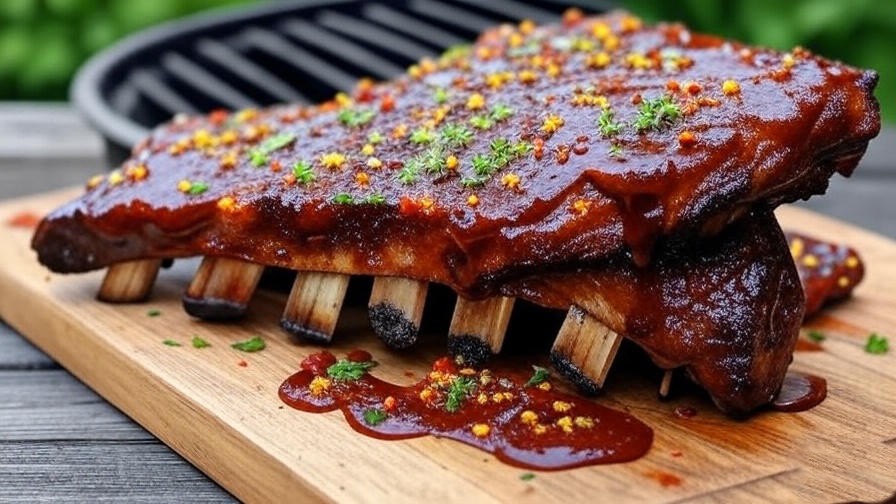
- Grilling: Preheat grill to medium (350°F). Brush ribs with marinade and grill for 3–4 minutes per side, basting with extra sauce until caramelized.
- Baking: Preheat oven to 375°F. Place ribs on a parchment-lined baking sheet, brush with marinade, and bake for 25–30 minutes, flipping halfway.
- Smoking: Set smoker to 250°F with applewood chips. Smoke ribs for 1.5–2 hours, basting every 30 minutes for a rich, smoky flavor.
Serving Suggestions
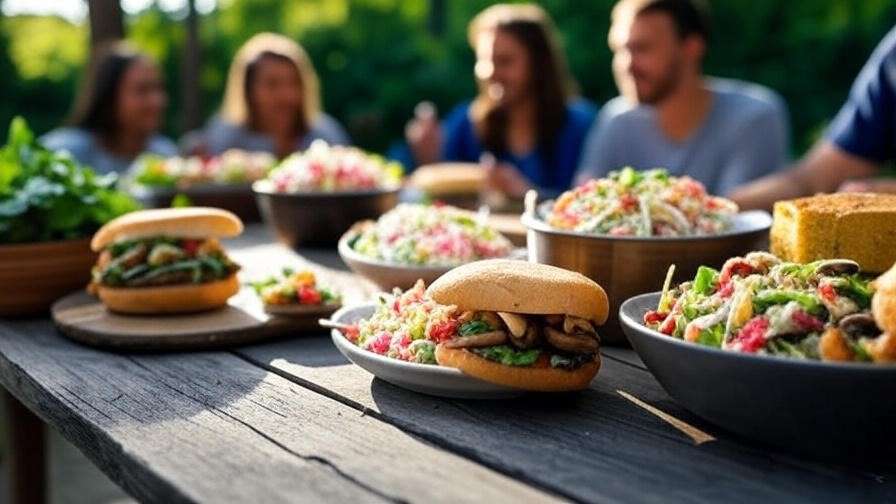
Serve plant-based turkey ribs with classic BBQ sides:
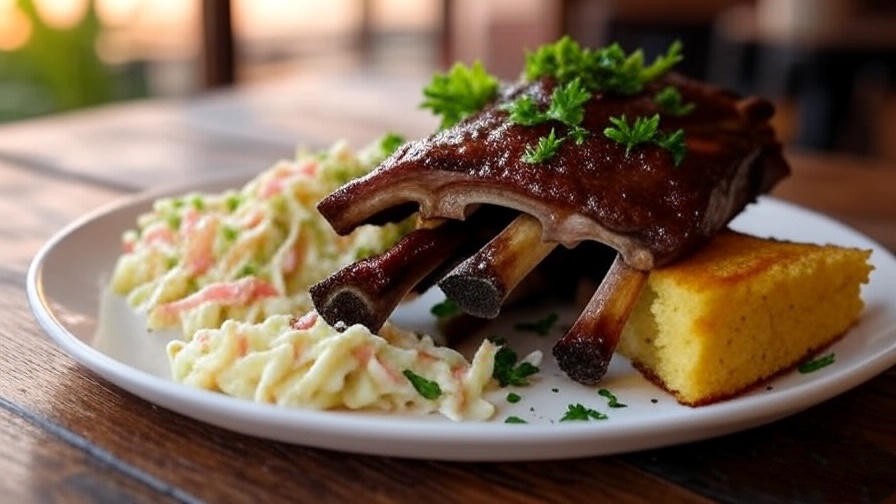
- Creamy Coleslaw: Balances the smoky flavor with a refreshing crunch.
- Cornbread: Adds a sweet, hearty complement.
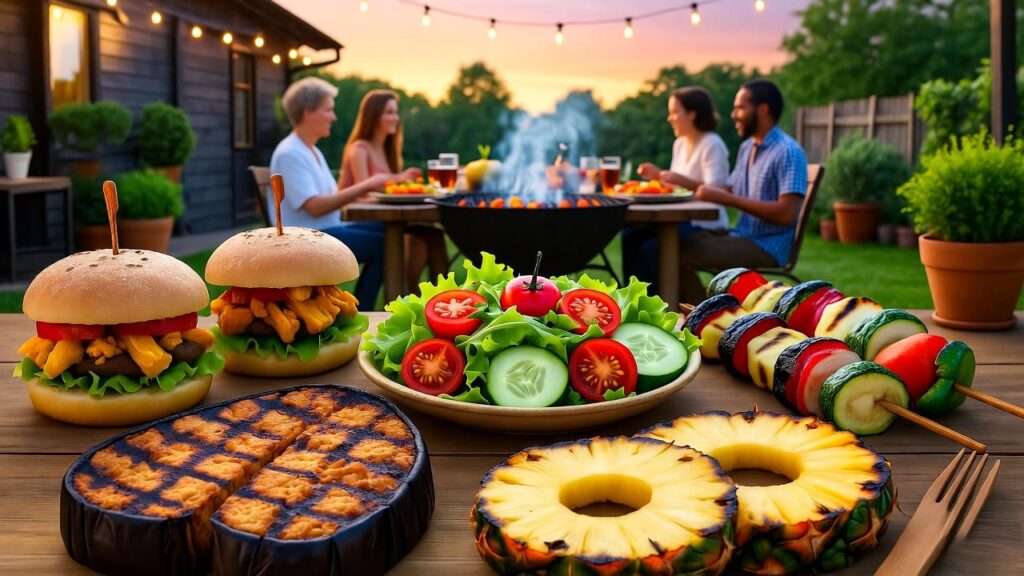
- Grilled Veggies: Zucchini or bell peppers enhance the meal’s vibrancy.
For presentation, slice ribs diagonally, drizzle with extra BBQ sauce, and garnish with fresh parsley. For a photo-worthy plate, stack ribs alongside colorful sides.
Expert Tips for BBQ Success
Common Mistakes to Avoid
Creating perfect plant-based turkey ribs requires attention to detail. One common mistake is over-kneading seitan dough, which can result in a tough, rubbery texture. Aim for 3–5 minutes of kneading to achieve a chewy yet tender consistency. Another pitfall is under-seasoning the marinade. Plant-based proteins absorb flavors readily, so don’t skimp on bold ingredients like liquid smoke or smoked paprika. To prevent dryness, avoid overcooking; check ribs frequently during grilling or baking to maintain moisture. Lastly, ensure proper steaming before cooking to set the seitan’s structure—skipping this step can lead to a crumbly texture.
Pro Techniques from BBQ Chefs
Vegan BBQ chef Marcus Lee, known for his award-winning plant-based dishes, shares a key tip: “Balance sweet and savory notes in your marinade to mimic the complexity of traditional ribs. A touch of molasses with a hint of heat from chili powder does the trick.” For an authentic BBQ crust, sear ribs briefly over high heat before lowering the temperature to finish cooking. If smoking, wrap ribs in foil halfway through to lock in moisture while still allowing smoky flavors to penetrate. Experiment with wood chips like hickory or mesquite for varied flavor profiles, but use sparingly to avoid overpowering the dish.
Time-Saving Hacks
For busy cooks, prep-ahead strategies streamline the process. Make the seitan dough and marinade up to two days in advance, storing them separately in the fridge. Steamed ribs can be frozen for up to a month, ready to marinate and cook when needed. For quicker meals, consider store-bought plant-based rib alternatives like Gardein’s BBQ Riblets, though homemade versions offer superior flavor control. Batch-cook ribs and repurpose leftovers into sandwiches or tacos for easy weeknight dinners. A pressure cooker can also cut steaming time to 15 minutes, maintaining texture while saving time.
Health and Environmental Benefits of Plant-Based Turkey Ribs
Nutritional Advantages
Plant-based turkey ribs are a nutritional powerhouse compared to traditional ribs. A 100-gram serving of seitan-based ribs provides 20–25 grams of protein, rivaling meat while being cholesterol-free and low in saturated fat. Ingredients like nutritional yeast add B vitamins, particularly B12, which is crucial for vegans. Jackfruit-based ribs contribute dietary fiber, aiding digestion and promoting satiety. Registered dietitian Sarah Thompson notes, “Pairing these ribs with nutrient-dense sides like kale salad or roasted sweet potatoes creates a balanced, satisfying meal.” For those monitoring sodium, opt for low-sodium soy sauce or tamari in the marinade.
Sustainability Impact
Choosing plant-based turkey ribs significantly reduces environmental impact. According to a 2018 Oxford University study, plant-based diets can cut food-related greenhouse gas emissions by up to 50% compared to meat-heavy diets. Producing seitan or jackfruit requires far less water and land than turkey farming—animal agriculture consumes approximately 15,000 liters of water per kilogram of meat. By swapping traditional ribs for plant-based ones, you’re contributing to reduced deforestation and water scarcity. These ribs are a delicious way to align your BBQ with sustainable eating practices, supporting a healthier planet.
Catering to Dietary Needs
Plant-based turkey ribs are versatile for various dietary preferences. They’re naturally vegan and vegetarian, appealing to those reducing or eliminating animal products. For gluten-free diets, substitute vital wheat gluten with jackfruit or tofu, using chickpea flour as a binder. Soy-free options can incorporate tempeh or mushrooms instead of tofu or soy sauce. To boost accessibility, include a nutritional yeast-free version for those with yeast sensitivities, relying on spices like cumin and coriander for flavor. This adaptability ensures everyone at the table can enjoy a hearty BBQ experience.
FAQs About Plant-Based Turkey Ribs
Can I make plant-based turkey ribs gluten-free?
Yes, use jackfruit or firm tofu as the base instead of seitan. Blend with chickpea flour or mashed beans for structure, and season with gluten-free tamari. Grill or bake as directed for a chewy, satisfying texture.
How do I store and reheat plant-based ribs?
Store cooked ribs in an airtight container in the fridge for up to 5 days or freeze for up to 3 months. Reheat in a 350°F oven for 10–12 minutes, brushing with extra BBQ sauce to restore moisture.
What’s the best way to get a smoky flavor without a smoker?
Add 1–2 teaspoons of liquid smoke to the marinade for an instant smoky flavor. Alternatively, use a stovetop smoker with wood chips or grill over indirect heat with soaked wood chunks.
Are plant-based turkey ribs kid-friendly?
Absolutely! Opt for a mild marinade with less chili powder and serve with familiar sides like mashed potatoes or corn on the cob. Slice into smaller pieces for easier eating.
Why Plant-Based Turkey Ribs Are Perfect for Any Occasion
BBQ Parties and Gatherings
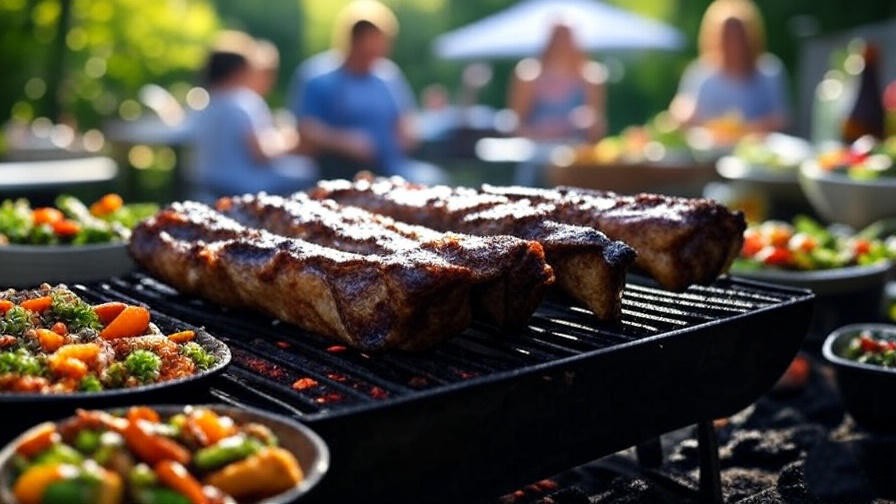
Plant-based turkey ribs are a showstopper at BBQs, impressing both vegans and meat-eaters. At a recent vegan BBQ cook-off in Austin, Texas, these ribs won over skeptics with their juicy texture and bold flavors, proving they can hold their own alongside traditional fare. Serve with a variety of sauces—sweet, spicy, or tangy—to cater to diverse palates. Their vibrant presentation and crowd-pleasing taste make them ideal for summer cookouts, potlucks, or game-day spreads.
Holiday and Seasonal Menus
Incorporate plant-based turkey ribs into holiday menus for a fresh twist. For Thanksgiving, pair them with cranberry sauce and roasted Brussels sprouts for a festive, meat-free centerpiece. In summer, complement with grilled corn and watermelon salad for a vibrant seasonal feast. A sample holiday menu might include:
- Main: Plant-Based Turkey Ribs with Smoky BBQ Sauce
- Sides: Garlic Mashed Potatoes, Green Bean Casserole
- Dessert: Vegan Pumpkin Pie
This versatility makes the ribs a year-round favorite.
Everyday Meals
Transform leftovers into quick, delicious meals. Shred ribs for BBQ sandwiches with coleslaw on whole-grain buns, or chop them into tacos with avocado and salsa. For meal prep, cook a double batch and store in portioned containers for up to 5 days. Reheat with a splash of vegetable broth to keep them moist. These ribs are perfect for busy weeknights, offering a satisfying, protein-packed meal in minutes.
Conclusion
Plant-based turkey ribs are more than a meat alternative—they’re a game-changer for BBQ lovers seeking delicious, sustainable, and ethical options. With their smoky flavor, chewy texture, and versatile preparation methods, these ribs deliver everything you love about BBQ without compromise. Whether you’re hosting a summer cookout, planning a holiday feast, or craving a quick weeknight meal, this recipe is your ticket to BBQ bliss. Explore our website for more plant-based recipes, and subscribe to our newsletter for weekly meal ideas to keep your table vibrant and compassionate.