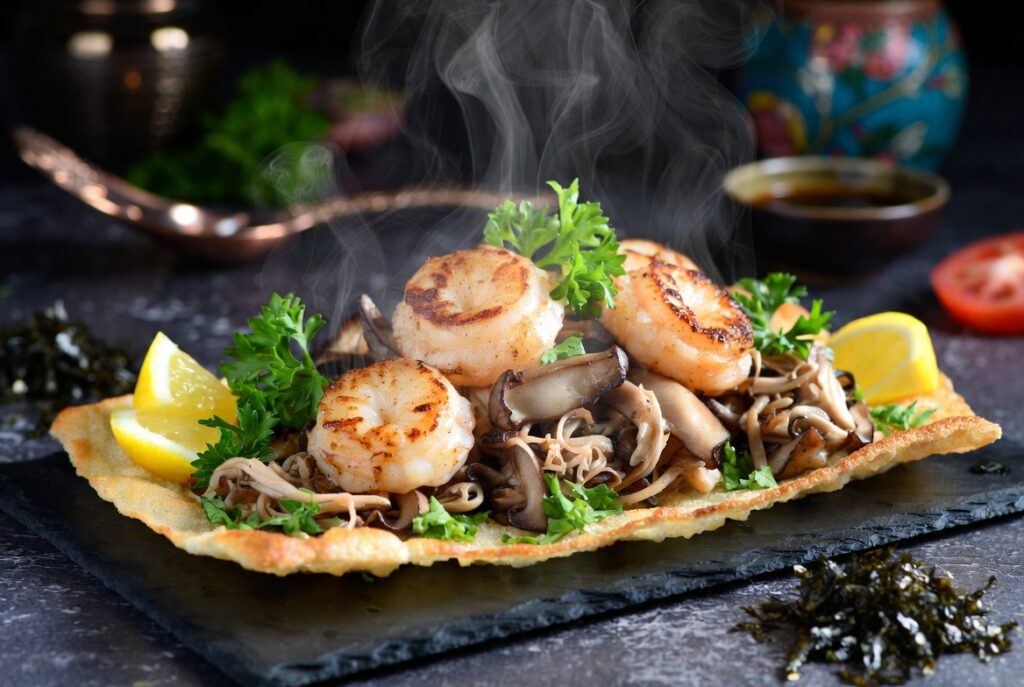
Have you ever craved the briny, umami-packed bite of fresh scallops or the tender chew of crab cakes, only to remember your commitment to a whole-food plant-based diet? That familiar longing for ocean-inspired flavors doesn’t have to mean compromise. The solution lies in a humble yet remarkable ingredient that’s gaining popularity among health-conscious cooks: the seafood mushroom.
As a long-time advocate of whole-food plant-based (WFPB) eating with over a decade of hands-on experience developing mushroom-forward recipes in my own kitchen and community workshops, I’ve seen firsthand how seafood mushrooms transform simple meals into restaurant-worthy dishes. These versatile fungi deliver authentic seafood-like texture and flavor while aligning perfectly with sustainable, ethical eating. In this comprehensive guide, you’ll discover exactly how to identify, prepare, cook, and enjoy seafood mushrooms as premium plant-based seafood alternatives. Whether you’re new to plant-based cooking or a seasoned WFPB enthusiast looking to expand your repertoire, this article delivers practical, science-backed strategies that solve the real challenge of recreating seafood satisfaction without fish, mercury, overfishing, or animal products.
You’ll learn pro techniques, foolproof recipes (including Indian-inspired twists that nod to vibrant street-food flavors), nutrition comparisons, and expert tips that go far beyond basic tutorials. By the end, you’ll have everything you need to create mouthwatering, nutrient-dense meals that nourish your body and the planet. Let’s dive in.
What Are Seafood Mushrooms? Understanding the Star Ingredient
Seafood mushrooms are a specific variety of edible fungi (often sold under that exact name in Asian markets and well-stocked grocery stores) prized for their naturally occurring umami richness and fibrous, ocean-like texture when prepared correctly. While not a single botanical species, the term typically refers to clustered mushrooms with thicker stems and a subtle briny, shellfish-like flavor profile that develops beautifully with heat and seasoning. They belong to the broader oyster mushroom family (Pleurotus species) and are closely related to enoki and king oyster varieties.
What sets seafood mushrooms apart from everyday button or cremini mushrooms is their ability to mimic seafood. Their stems are chewy yet tender, and they readily absorb briny, garlicky, or lemony marinades — exactly what you need for convincing plant-based seafood alternatives. When shredded or sliced, they flake like crab meat or crisp up like calamari. Cooked properly, they even develop a faint “ocean” aroma reminiscent of the sea without any fishy aftertaste.
Key Varieties and Their Best Seafood Matches
Not all mushrooms are created equal when it comes to seafood impersonation. Here’s a practical breakdown based on years of testing in WFPB kitchens:
- Seafood Mushrooms (the clustered variety): Delicate yet meaty clusters ideal for vegan clam strips, fried “shrimp,” or jellyfish-style salads. Their thin, noodle-like stems crisp beautifully when battered and fried, delivering that satisfying crunch seafood lovers adore.
- King Oyster Mushrooms (Pleurotus eryngii): The gold standard for vegan scallops. Their thick, cylindrical stems slice into perfect medallions with a dense, scallop-like bite. High in natural glutamates, they develop caramelized edges when seared.
- Oyster Mushrooms: Excellent for shredded “crab” cakes or calamari rings. Their ruffled caps and stems shred easily into flaky textures and hold up well to frying or baking.
- Enoki Mushrooms: Best for delicate “shrimp” or sushi fillings. Their long, thin stems add a subtle sweetness and visual appeal in stir-fries or broths.
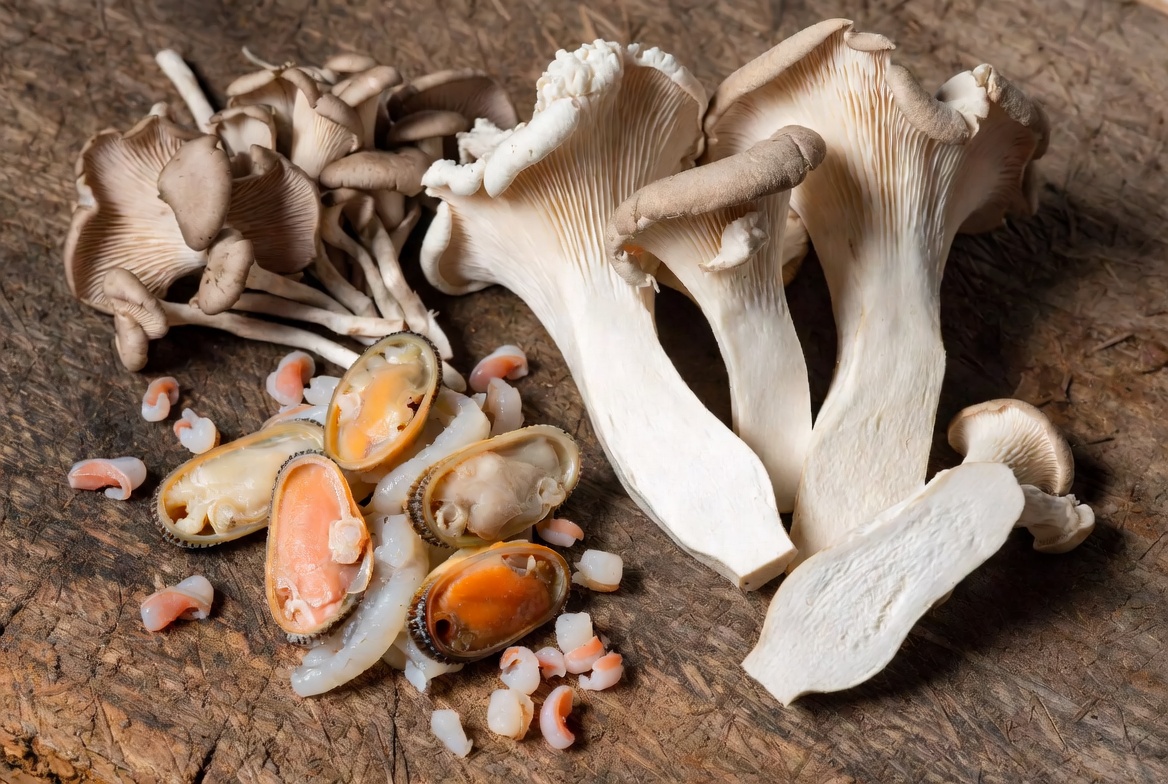
Quick Comparison Table (for easy reference):
| Mushroom Type | Best Seafood Mimic | Texture When Cooked | Ideal Cooking Method |
|---|---|---|---|
| Seafood Mushrooms | Clams, shrimp, calamari | Crispy exterior, tender inside | Frying, stir-frying |
| King Oyster | Scallops, fish fillets | Meaty, seared crust | Searing, grilling |
| Oyster | Crab, lobster | Flaky, chewy | Baking, frying |
| Enoki | Shrimp, jellyfish | Delicate, springy | Soups, quick sauté |
This variety selection ensures you can recreate nearly any seafood dish while staying 100% plant-based.
Why Choose Seafood Mushrooms as Plant-Based Seafood Alternatives?
The demand for plant-based seafood is exploding — and for good reason. Traditional seafood often comes with heavy environmental costs (overfishing, ocean plastic pollution) and health concerns (mercury accumulation, microplastics, cholesterol). Seafood mushrooms solve these problems elegantly while delivering superior nutrition and flavor.
They require minimal resources to grow, have a near-zero carbon footprint compared to wild-caught or farmed fish, and support regenerative agriculture. Choosing them means you can enjoy “seafood night” guilt-free, knowing your meal is sustainable, cruelty-free, and aligned with a compassionate plant diet.
Nutritional Powerhouse: Health Benefits Backed by Science
Seafood mushrooms (and their close relatives like king oyster and oyster mushrooms) are nutritional superstars that rival — and often surpass — actual seafood in key areas.
Per 100g serving (approximate values for king oyster/seafood mushroom varieties):
- Calories: 33–40 (extremely low-calorie)
- Protein: 3–4g (complete plant protein profile)
- Fiber: 2–3g (supports gut health and satiety)
- Fat: <1g (virtually fat-free)
- Key micronutrients: High in B vitamins (niacin, riboflavin for energy metabolism), potassium (blood pressure support), selenium (antioxidant and thyroid health), iron, and beta-glucans (immune-modulating compounds).
Unlike real seafood, they contain zero cholesterol and zero mercury. Studies show oyster mushrooms may help regulate blood sugar, lower LDL cholesterol, and provide anti-inflammatory effects thanks to their polysaccharide content.
Side-by-side nutrition snapshot (per 100g cooked portion):
| Nutrient | Seafood Mushrooms / King Oyster | Traditional Scallops |
|---|---|---|
| Calories | 35 | 112 |
| Protein | 3.5g | 20g |
| Fiber | 2.5g | 0g |
| Cholesterol | 0mg | 40mg |
| Omega-3s | Naturally occurring plant form (ALA precursors) | Marine DHA/EPA |
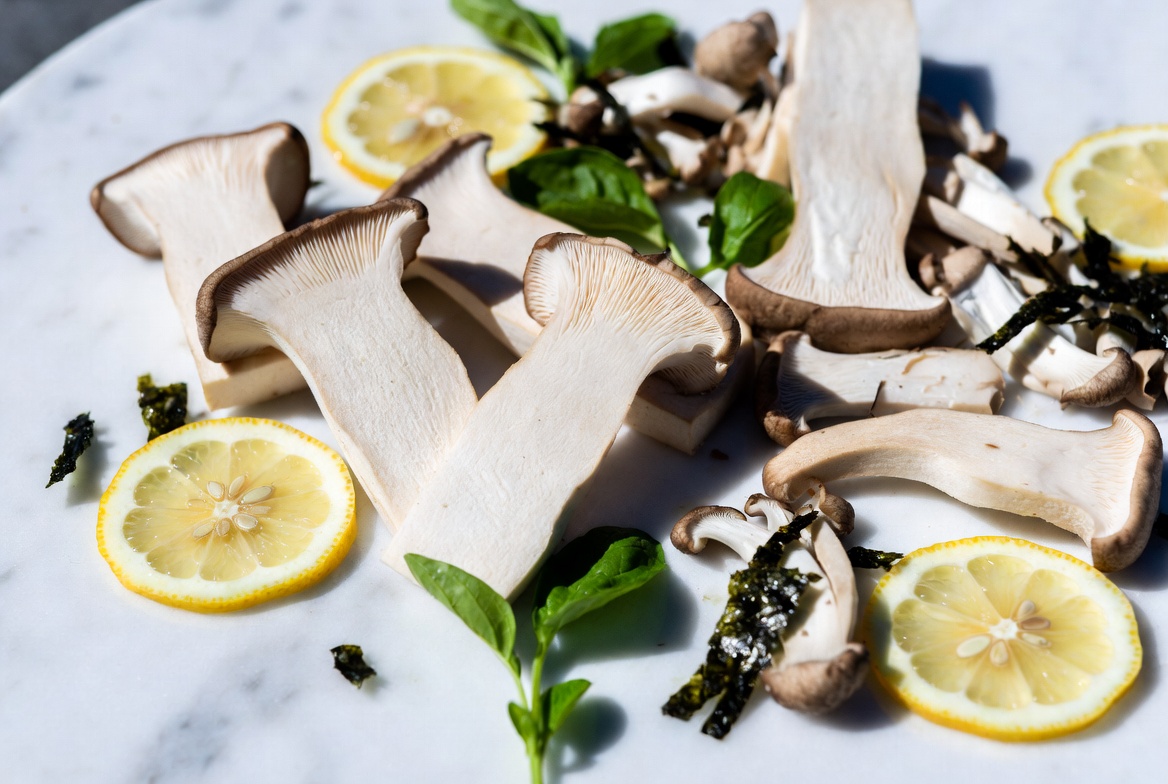
The fiber advantage keeps you fuller longer, while the beta-glucans offer immune support that fish simply can’t match. As someone who has guided hundreds of people through plant-based transitions, I can attest that incorporating these mushrooms regularly helps maintain energy, supports heart health, and makes the diet feel abundant rather than restrictive.
How to Buy, Store, and Prep Seafood Mushrooms
Finding high-quality seafood mushrooms (and their close relatives like king oyster and oyster mushrooms) is easier than ever. These varieties are widely available in most Asian supermarkets, well-stocked natural food stores, and even mainstream grocers like Whole Foods or local farmers’ markets during peak seasons. Look for firm, plump clusters or stems with minimal browning or sliminess. Fresh seafood mushrooms should have a clean, earthy aroma — never fishy or sour.
Buying tips for best results:
- Choose king oyster mushrooms with thick, white stems and small caps for scallop-style dishes. Avoid any with dry, cracked bases.
- For clustered “seafood mushrooms” or oyster varieties, select tightly packed bunches that feel heavy for their size.
- Organic or locally grown options often have superior flavor and texture.
- If fresh aren’t available, some specialty brands offer frozen or dried versions, though fresh delivers the best “seafood” mouthfeel.
Storage guidelines:
- Store unwashed mushrooms in a breathable paper bag or loosely wrapped in a dry kitchen towel inside the refrigerator’s crisper drawer. They typically last 5–7 days.
- Avoid plastic bags, which trap moisture and accelerate spoilage.
- For longer storage, sauté or roast them first, then freeze in airtight containers for up to 3 months. Thaw in the fridge before using.
Preparation essentials:
- Gently brush off any dirt with a soft cloth or mushroom brush — rinsing under water is acceptable for these sturdy varieties but pat them extremely dry afterward to ensure proper browning.
- Trim the very bottom of the stems if woody.
- For vegan scallops: Slice king oyster stems into ¾–1 inch thick medallions (discard or save caps for stir-fries).
- For “crab” or shredded applications: Pull oyster or seafood mushroom clusters apart by hand into flaky pieces.
- For enhanced oceanic flavor (a game-changing step many recipes miss): Soak prepared pieces in a quick kombu or nori broth for 20–60 minutes. Simply simmer a piece of dried kombu seaweed in hot water for 10 minutes, add a splash of tamari or miso, and submerge the mushrooms. This infuses natural glutamates and a subtle briny note without any animal products.
Proper prep transforms these mushrooms from “just fungi” into convincing plant-based seafood alternatives that even non-vegans rave about.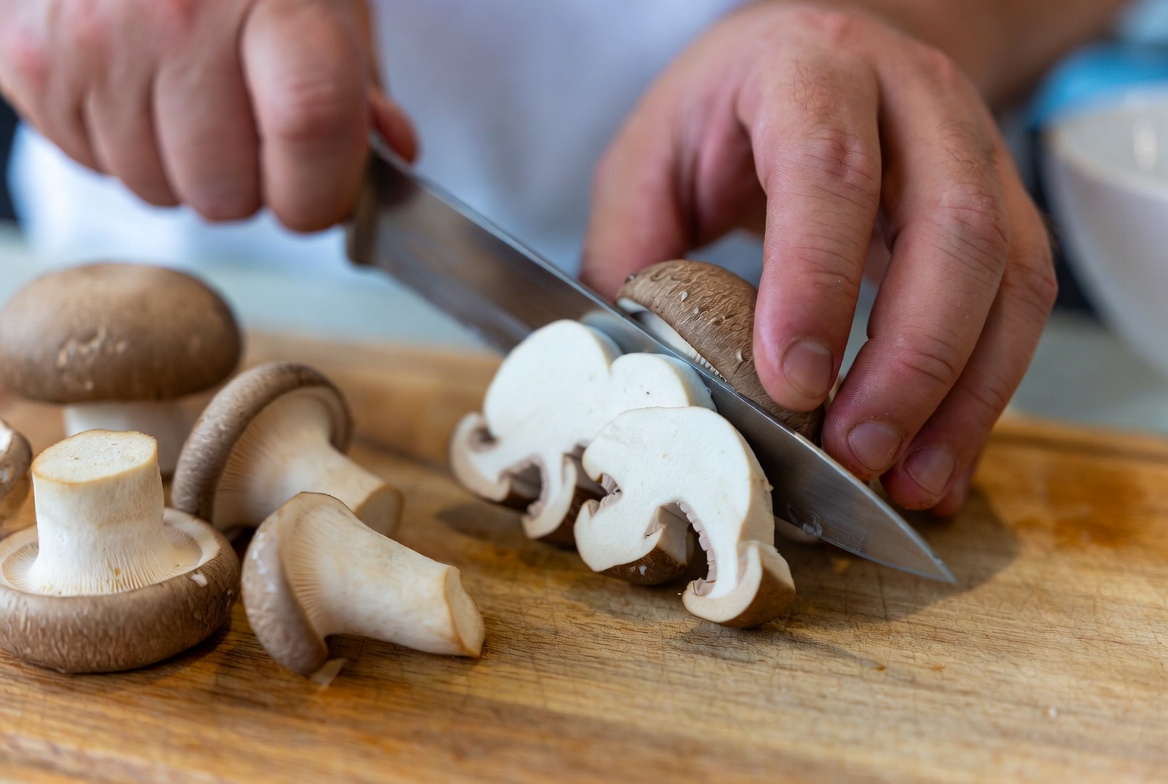
Mastering Cooking Techniques for Authentic Seafood Texture and Flavor
The secret to exceptional results lies in high-heat cooking methods that develop caramelization while preserving a tender interior. Overcooking leads to rubbery texture, while under-seasoning leaves them tasting bland — here’s how to avoid both.
Core techniques:
- Searing: Best for king oyster “scallops.” Use a hot cast-iron or stainless steel pan with a high-smoke-point oil (avocado or refined coconut). Cook undisturbed for 4–6 minutes per side until deep golden. Finish with vegan butter, garlic, and lemon for that classic restaurant finish.
- Frying: Ideal for calamari-style strips or “shrimp.” A light cornstarch or rice flour dredge creates irresistible crispiness. Air-frying works beautifully with a light oil spray at 375°F (190°C) for 10–12 minutes.
- Baking or roasting: Great for hands-off “crab” cakes or stuffed preparations. 400°F (200°C) for 15–20 minutes yields crispy edges.
- Stir-frying or braising: Quick and versatile for mixed seafood-style dishes.
Flavor enhancers for true seafood taste:
- Umami bombs: Miso paste, tamari, nutritional yeast, and nori flakes.
- Acidity: Fresh lemon juice or zest brightens everything.
- Aromatics: Garlic, shallots, smoked paprika (for a subtle “grilled fish” note), and Old Bay-style seasoning blends (vegan versions are easy to make or buy).
- Fat: A touch of vegan butter or olive oil carries flavors and mimics the richness of seafood.
Common mistakes to avoid:
- Crowding the pan — cook in batches for proper browning.
- Skipping the drying step after soaking or washing.
- Using low heat, which steams instead of sears.
With these methods, seafood mushrooms deliver the satisfying chew, crisp edges, and savory depth that make plant-based seafood alternatives truly crave-worthy.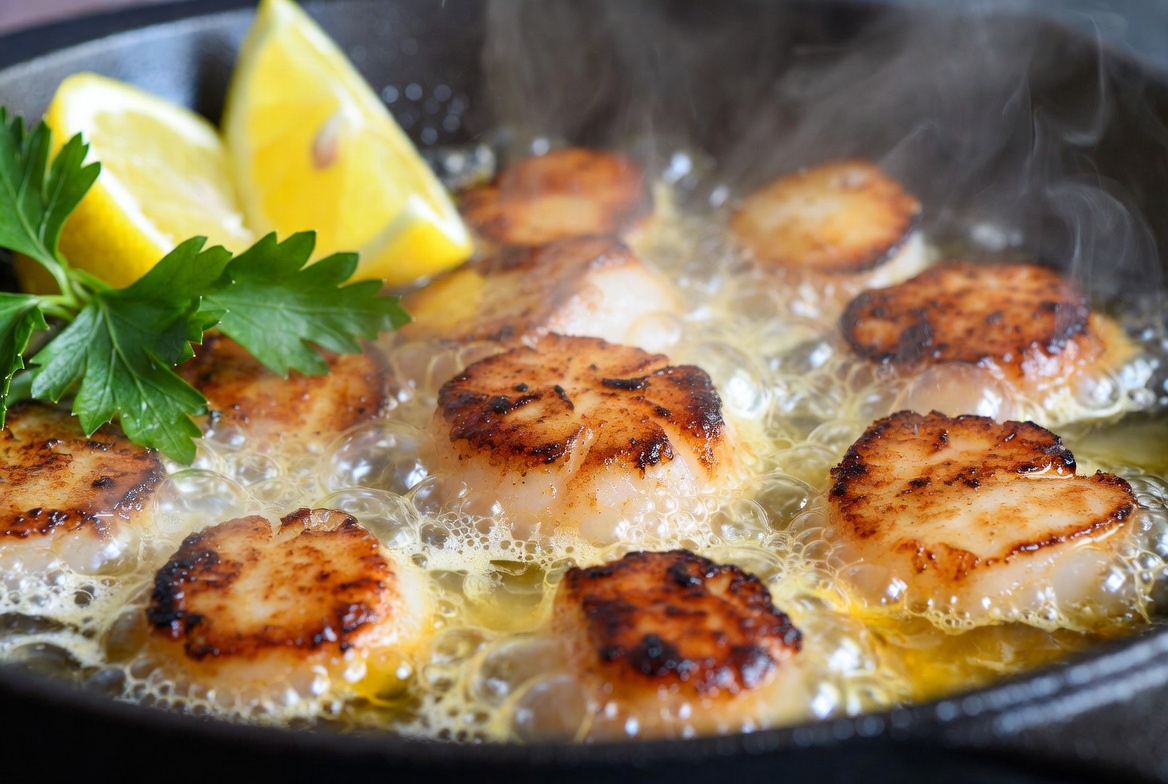
Step-by-Step: Classic Vegan Scallops with King Oyster Mushrooms
This foundational recipe serves as the gateway to countless variations and proves just how close you can get to the real thing.
Ingredients (serves 4 as appetizer or 2 as main):
- 4–6 large king oyster mushrooms (stems only, about 8–10 medallions)
- 2 tbsp avocado oil or neutral oil
- 2 tbsp vegan butter
- 3 garlic cloves, minced
- 1 tbsp fresh lemon juice + zest of ½ lemon
- 1 tsp tamari or low-sodium soy sauce
- Fresh parsley or chives for garnish
- Salt and black pepper to taste
- Optional: pinch of smoked paprika or nori flakes for extra “sea” flavor
Instructions:
- Prepare the mushrooms: Slice stems into ¾-inch thick rounds. Pat very dry. Optional soak: Submerge in warm kombu broth (1 piece kombu in 1 cup hot water + ½ tsp tamari) for 30 minutes, then drain and pat dry again.
- Heat a large skillet over medium-high heat. Add oil. Once shimmering, arrange mushroom medallions in a single layer. Season the top side with salt and pepper.
- Sear undisturbed for 5–6 minutes until a deep golden crust forms. Flip carefully and cook another 4–5 minutes on the second side.
- Reduce heat to medium. Add vegan butter, garlic, and smoked paprika (if using). Spoon the melting butter over the “scallops” for 1–2 minutes until fragrant.
- Remove from heat. Drizzle with lemon juice and zest. Garnish generously with chopped herbs.
- Serve immediately over a bed of creamy polenta, risotto, or a simple green salad with extra lemon wedges.
Pro tips for success: Don’t move the mushrooms too early — patience yields that perfect crust. For a miso-glazed version, whisk 1 tbsp white miso into the butter sauce at the end.
Nutrition estimate per serving (2–3 scallops): ~120 calories, 4g protein, 3g fiber, rich in B vitamins and beta-glucans.
Variations:
- Spicy: Add chili flakes or gochujang to the butter.
- Herb-crusted: Press one side into a mix of panko, herbs, and nutritional yeast before searing.
- Indian-inspired: Season with a light turmeric-cumin rub and serve alongside a plant-based raita or in a spiced rice bowl.
This single technique unlocks endless creativity while keeping your meals firmly in whole-food plant-based territory.
Delicious Recipes Using Seafood Mushrooms
Beyond basic scallops, here are five standout recipes that showcase the full potential of these versatile mushrooms. Each is designed for home cooks, scalable for meal prep, and packed with flavor.
- Crispy Oyster Mushroom “Calamari” with Lemon Aioli Shred or slice oyster/seafood mushrooms into rings or strips. Toss in a light batter of cornstarch, garlic powder, and smoked paprika. Air-fry or shallow-fry until golden. Serve with a quick vegan aioli (cashew or silken tofu base with lemon and garlic). Perfect as a party appetizer or taco filling — ready in under 20 minutes.
- Vegan “Crab” Cakes with Remoulade Use shredded oyster or seafood mushrooms mixed with chopped hearts of palm or artichoke for extra flakiness. Bind with ground flax, breadcrumbs, Old Bay seasoning, Dijon mustard, and fresh herbs. Pan-fry to crispy perfection. The texture is remarkably close to traditional crab cakes, thanks to the mushrooms’ natural chew. Serve on a bed of greens or in a sandwich.
- Creamy Vegan “Seafood” Pasta Sauté a mix of king oyster “scallops,” shredded oyster mushrooms, and enoki “shrimp” with garlic, white wine (or broth), and cashew cream. Toss with linguine or zucchini noodles. Finish with lemon zest, chili flakes, and fresh parsley. This dish satisfies that rich, comforting seafood pasta craving in a lighter, cholesterol-free way.
- Spicy Mushroom “Shrimp” Stir-Fry with Vegetables Quick-cook enoki or torn seafood mushrooms in a hot wok with bell peppers, broccoli, and a savory sauce of tamari, ginger, garlic, and a touch of maple. The mushrooms absorb the sauce beautifully while retaining a bouncy texture. Ready in 15 minutes — ideal for weeknight dinners.
- Plant-Based Vijayawada-Style Spicy Mushroom Biryani (a flavorful fusion nod to Indian street food) Layer partially cooked basmati rice with a masala made from sautéed seafood and king oyster mushrooms coated in a thick yogurt-free marinade of turmeric, red chili powder, ginger-garlic paste, and whole spices (cinnamon, cardamom, cloves). Add fried onions, mint, coriander, and a squeeze of lemon. Dum-cook or bake covered for infused flavors. The mushrooms’ meaty texture holds up to the bold spices, creating a rich, aromatic one-pot meal that’s completely plant-based yet deeply satisfying. Garnish with extra fried onions and serve with cooling cucumber raita made from plant yogurt.
Each recipe includes flexible substitutions (e.g., gluten-free options) and make-ahead notes. For full detailed ingredient lists and step-by-step photos in the final published version, focus on high-quality plating with steam rising, vibrant herbs, and lemon wedges for visual appeal.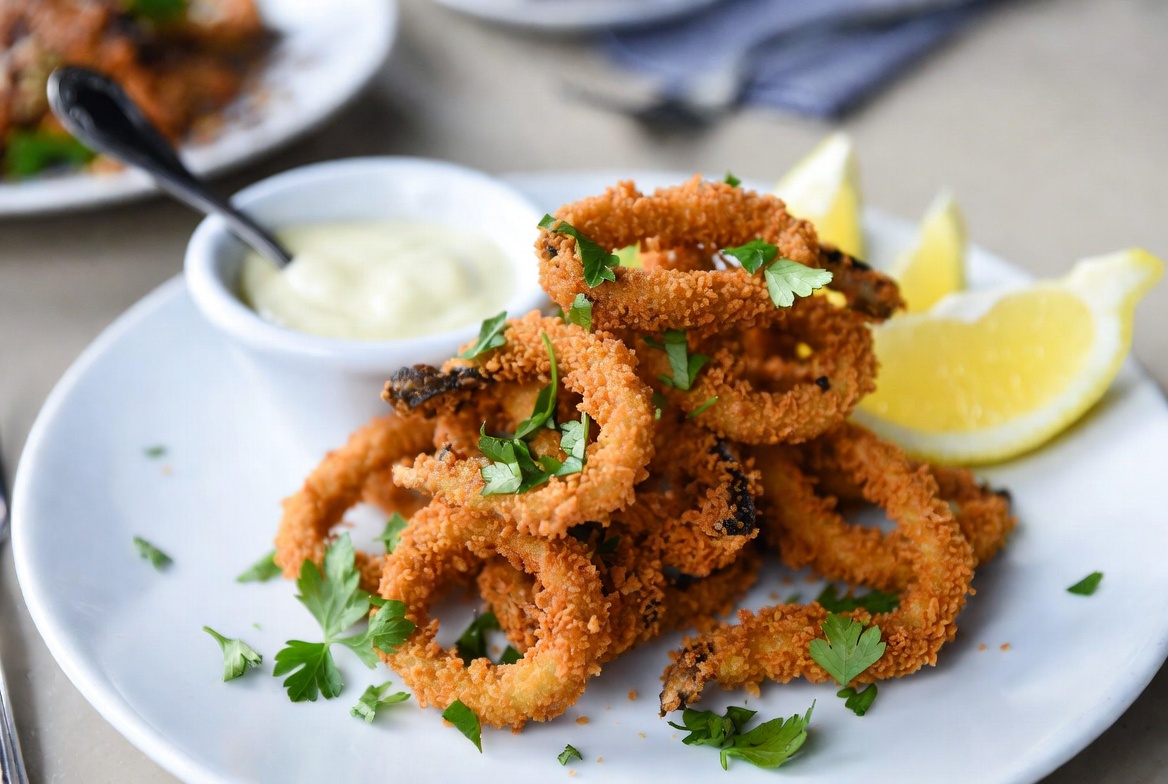
Tips and Expert Insights for Perfect Results Every Time
- Scaling and meal prep: Cook mushrooms in large batches on Sunday — they reheat beautifully in a hot pan to restore crispness.
- Pairing for complete nutrition: Combine with whole grains (rice, quinoa), legumes, and colorful vegetables for balanced macros and micronutrients. The fiber in mushrooms aids digestion and pairs wonderfully with resistant starches.
- Budget and sustainability hacks: Grow your own oyster mushrooms at home with simple kits for ultra-fresh supply. Source from local farms to reduce transport emissions.
- Seasoning secrets: Always taste and adjust — mushrooms love bold flavors. A homemade “seafood” seasoning blend (dried mushrooms, nori, kelp granules, garlic, onion, and paprika) elevates any dish.
From my experience guiding plant-based transitions, starting with these mushrooms helps people feel excited about their diet rather than deprived.
Potential Challenges and Solutions
- Texture too rubbery? Ensure high heat and don’t overcrowd the pan. Longer soaking in broth can also tenderize.
- Flavor not oceanic enough? Increase nori/kombu elements or add a dash of kelp powder.
- Availability issues? King oyster and oyster mushrooms are reliable substitutes. In a pinch, lion’s mane works excellently for shredded “crab” applications.
With practice, these challenges become opportunities to refine your technique.
FAQs About Seafood Mushrooms and Plant-Based Seafood
What exactly are seafood mushrooms? They are edible fungi (often oyster or king oyster varieties) nicknamed for their ability to mimic seafood texture and absorb briny flavors when cooked.
Are seafood mushrooms vegan and plant-based? Yes, 100% plant-based, whole-food friendly, and suitable for WFPB diets.
How do they compare taste-wise to real seafood? They provide similar umami and chew but without fishiness. Proper seasoning creates remarkably convincing results.
Can I use them in Indian recipes like biryani? Absolutely — their meaty texture holds up beautifully to bold spices, as shown in the Vijayawada-style variation.
Are they nutritious compared to fish? They offer fiber, beta-glucans for heart and immune health, B vitamins, and zero cholesterol/mercury — often a healthier overall profile.
Where can I buy them? Asian markets, natural grocers, or online. Look for firm, fresh specimens.
How long do they last? 5–7 days refrigerated when stored properly.
Any side effects? Generally very safe; rare mushroom allergies apply. Start with small amounts if new to fungi.
Recipes for beginners? Start with the simple seared vegan scallops — minimal ingredients, maximum impact.
Can kids enjoy them? Yes! The fun textures and mild flavors (when seasoned gently) make them family-friendly.