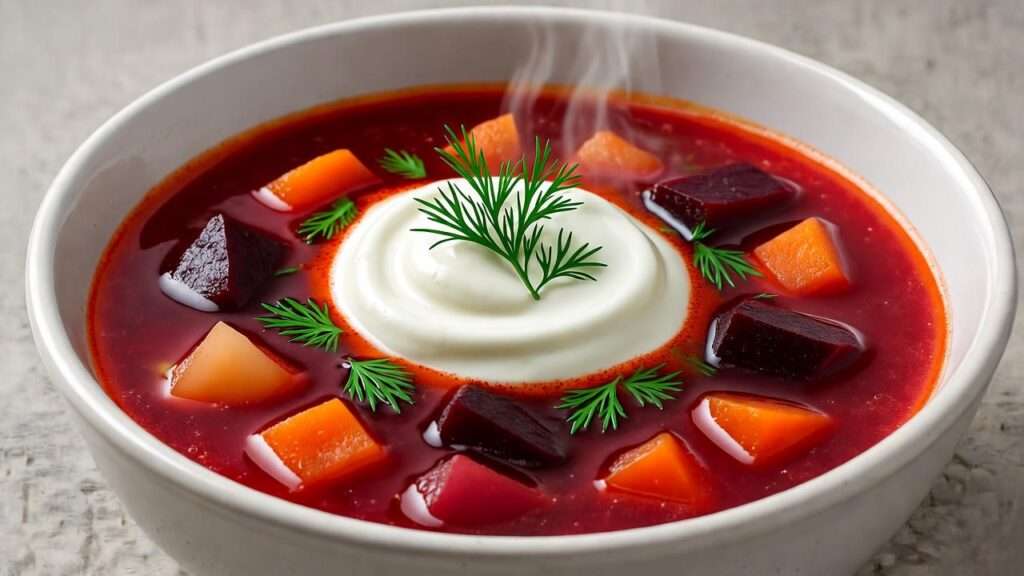
Picture this: a steaming bowl of vibrant red borscht, its earthy aroma wafting through the kitchen, promising warmth and comfort on a chilly evening. For plant-based eaters, crafting a hearty, flavorful soup like borscht can sometimes feel daunting without meat, but the secret lies in choosing the right root veggies in borscht. These humble vegetables are the backbone of this Eastern European classic, delivering rich flavors, satisfying textures, and a powerhouse of nutrients. Whether you’re a vegan veteran or new to plant-based cooking, this guide will help you master borscht by selecting the best root vegetables, unlocking their health benefits, and creating a soup that’s as delicious as it is nourishing. As a plant-based nutrition expert with years of experience in vegan recipe development, I’ll share proven tips and a foolproof recipe to elevate your borscht game, backed by nutritional science and culinary expertise.
Why Root Veggies Are the Heart of Borscht
The Role of Root Vegetables in Traditional and Plant-Based Borscht
Root vegetables have been the cornerstone of borscht for centuries, anchoring this Eastern European staple with their hearty textures and robust flavors. Traditionally, borscht included meat, but plant-based versions rely entirely on root veggies to deliver depth and satisfaction. Beets, carrots, potatoes, and parsnips create a symphony of flavors—earthy, sweet, and slightly nutty—that make borscht a standout dish. In vegan recipes, these vegetables shine by absorbing the flavors of vegetable broth, herbs, and spices, ensuring a rich, soul-warming experience without animal products.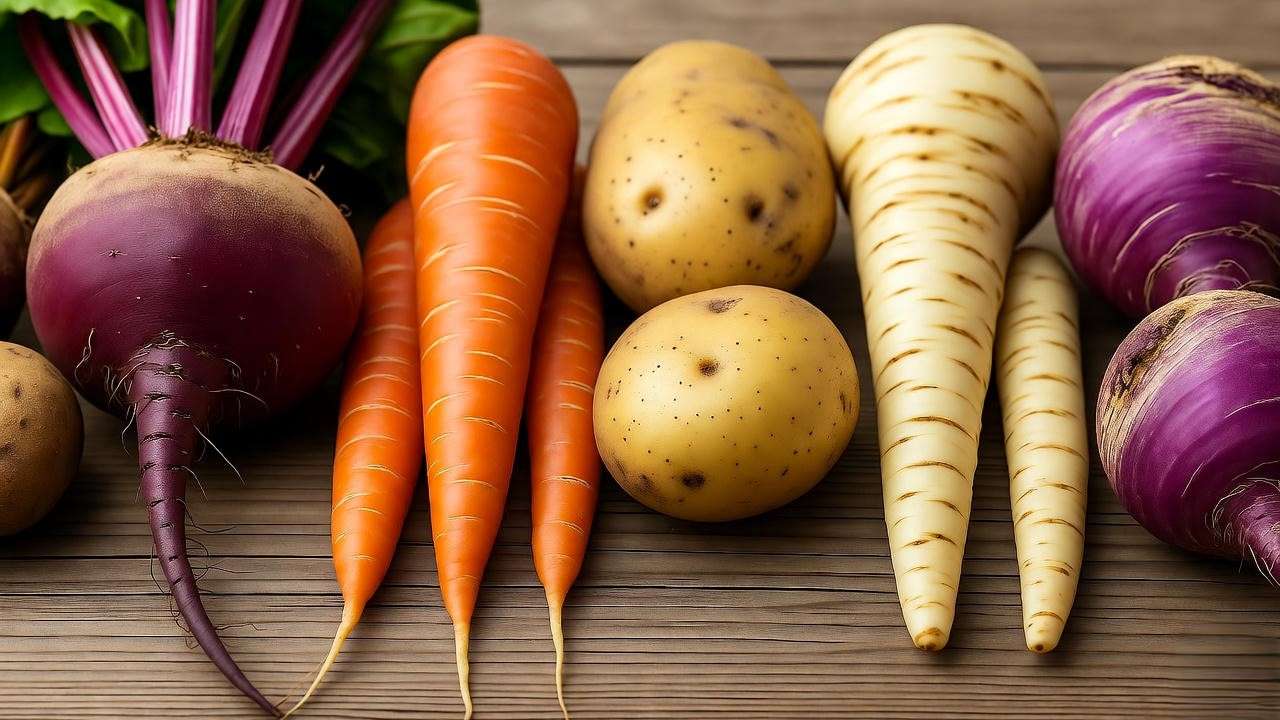
Nutritional Benefits of Root Veggies
Root vegetables are nutritional powerhouses, packed with fiber, vitamins, minerals, and antioxidants that align perfectly with plant-based diet goals. For example, beets are rich in betalains, potent antioxidants with anti-inflammatory properties, while carrots provide beta-carotene for eye health and immunity. Potatoes offer vitamin C and potassium, and parsnips deliver folate and fiber. According to a 2020 study in the Journal of Nutrition, diets high in root vegetables are linked to improved gut health and reduced chronic disease risk, making them ideal for health-conscious eaters.
Why Plant-Based Borscht Is a Game-Changer
Borscht is a natural fit for plant-based diets, offering a filling, nutrient-dense meal that doesn’t skimp on flavor. Root veggies provide the bulk and satiety that plant-based eaters often seek, replacing the heaviness of meat with wholesome, fiber-rich ingredients. Plus, borscht’s versatility—served hot or cold, chunky or smooth—makes it a year-round favorite. The American Heart Association highlights plant-based soups like borscht as heart-healthy options, reducing cholesterol and supporting cardiovascular wellness, all while being sustainable and budget-friendly.
The Best Root Veggies for Borscht
Beets – The Star of Borscht
Beets are the undisputed star of borscht, lending their vibrant crimson hue and earthy sweetness. Their unique flavor, a balance of sugar and soil, defines the soup’s character. Nutritionally, beets are a goldmine, offering folate, manganese, and betalains, which may reduce inflammation and protect against oxidative stress, per a 2019 study in Nutrients. To maximize flavor, roast beets before adding them to the soup—this caramelizes their natural sugars, deepening the taste. Choose medium-sized beets with smooth skins for the best texture and flavor.
Carrots – Adding Sweetness and Crunch
Carrots bring a natural sweetness and satisfying crunch to borscht, balancing the beets’ earthiness. Rich in vitamin A, fiber, and potassium, carrots support vision, digestion, and heart health. For a visually stunning borscht, try heirloom carrots in purple or yellow hues, which add subtle flavor variations. Dice carrots uniformly to ensure even cooking, and consider sautéing them lightly with onions to enhance their sweetness before adding to the pot.
Potatoes – The Hearty Filler
Potatoes add creaminess and substance, making borscht a filling meal. High in vitamin C, potassium, and complex carbohydrates, they provide sustained energy and satiety. Opt for waxy varieties like Yukon Gold, which hold their shape during simmering, avoiding the mushiness of starchy potatoes. Cube them into bite-sized pieces for a rustic texture, or mash a portion for a thicker, creamier broth without dairy.
Parsnips – The Underrated Gem
Parsnips are the unsung heroes of borscht, offering a sweet, nutty flavor that complements other root veggies. High in fiber, vitamin C, and folate, they support digestion and immune health. Their subtle sweetness pairs well with acidic ingredients like tomatoes or vinegar, creating a balanced flavor profile. Dice parsnips smaller than potatoes, as they cook more slowly, and consider roasting them for a deeper, caramelized taste.
Turnips or Rutabagas – For a Peppery Kick
Turnips or rutabagas add a subtle peppery bite, bringing complexity to borscht’s flavor. Both are low-calorie, high in vitamin C and antioxidants, and contribute a crisp texture when not overcooked. Turnips are milder, while rutabagas offer a slightly sweeter, earthier profile. Cut them into small cubes to ensure they soften evenly with other veggies. A chef’s tip: pair turnips with fresh dill to enhance their unique flavor.
Other Root Veggies to Experiment With
For adventurous cooks, consider celery root for a subtle celery-like flavor, sweet potatoes for extra sweetness, or daikon radish for a mild, crisp bite. Each adds its own nutritional benefits and flavor nuances. Below is a quick comparison of root veggies for borscht:
| Root Vegetable | Flavor Profile | Key Nutrients | Cooking Tip |
|---|---|---|---|
| Beets | Earthy, sweet | Folate, betalains | Roast for sweetness |
| Carrots | Sweet, crunchy | Vitamin A, fiber | Sauté for depth |
| Potatoes | Creamy, mild | Vitamin C, potassium | Use waxy varieties |
| Parsnips | Sweet, nutty | Fiber, folate | Dice small, roast |
| Turnips/Rutabagas | Peppery, earthy | Vitamin C, antioxidants | Pair with dill |
How to Choose and Prepare Root Veggies for Borscht
Selecting the Freshest Root Vegetables
Freshness is key to flavorful borscht. Choose beets with smooth, unblemished skins and vibrant greens still attached, indicating recent harvest. Carrots should be firm and bright, without soft spots. Potatoes should feel heavy and have tight skins, while parsnips and turnips should be firm, not spongy. Shop at farmers’ markets or organic grocers for the best quality, and prioritize seasonal veggies for peak flavor and nutrition.
Prepping Root Veggies for Maximum Flavor
Proper prep enhances both taste and texture. Wash root veggies thoroughly to remove dirt, especially beets and carrots. Peel beets and parsnips for a smoother texture, but leave potato skins on for extra fiber and rustic appeal. Cut veggies into uniform pieces—about ½-inch cubes—for even cooking. Save scraps like carrot tops or beet greens for homemade vegetable stock, which can elevate your borscht’s flavor without extra cost.
Cooking Techniques to Enhance Texture and Taste
Roasting root veggies before adding them to borscht caramelizes their sugars, intensifying flavor. For example, toss beets and carrots with olive oil, salt, and pepper, then roast at 400°F for 25–30 minutes. Sautéing onions and carrots creates a flavorful base, while boiling potatoes directly in the broth ensures they absorb the soup’s seasonings. Experiment with a combination of techniques for a layered, complex taste.
Crafting the Perfect Plant-Based Borscht Recipe
Essential Ingredients for Vegan Borscht
To create a vibrant, plant-based borscht, you’ll need:
- 3 medium beets (roasted, peeled, and diced)
- 2 large carrots (diced)
- 2 medium Yukon Gold potatoes (cubed)
- 1 parsnip (diced)
- 1 small turnip or rutabaga (diced)
- 1 onion (finely chopped)
- 3 cloves garlic (minced)
- 4 cups vegetable broth (low-sodium preferred)
- 1 cup diced tomatoes (canned or fresh)
- 2 cups shredded cabbage
- 2 tbsp tomato paste
- 1 tbsp apple cider vinegar
- 2 tbsp fresh dill (chopped)
- 1 tsp smoked paprika (optional, for depth)
- Salt and pepper to taste
- Vegan sour cream (for serving)
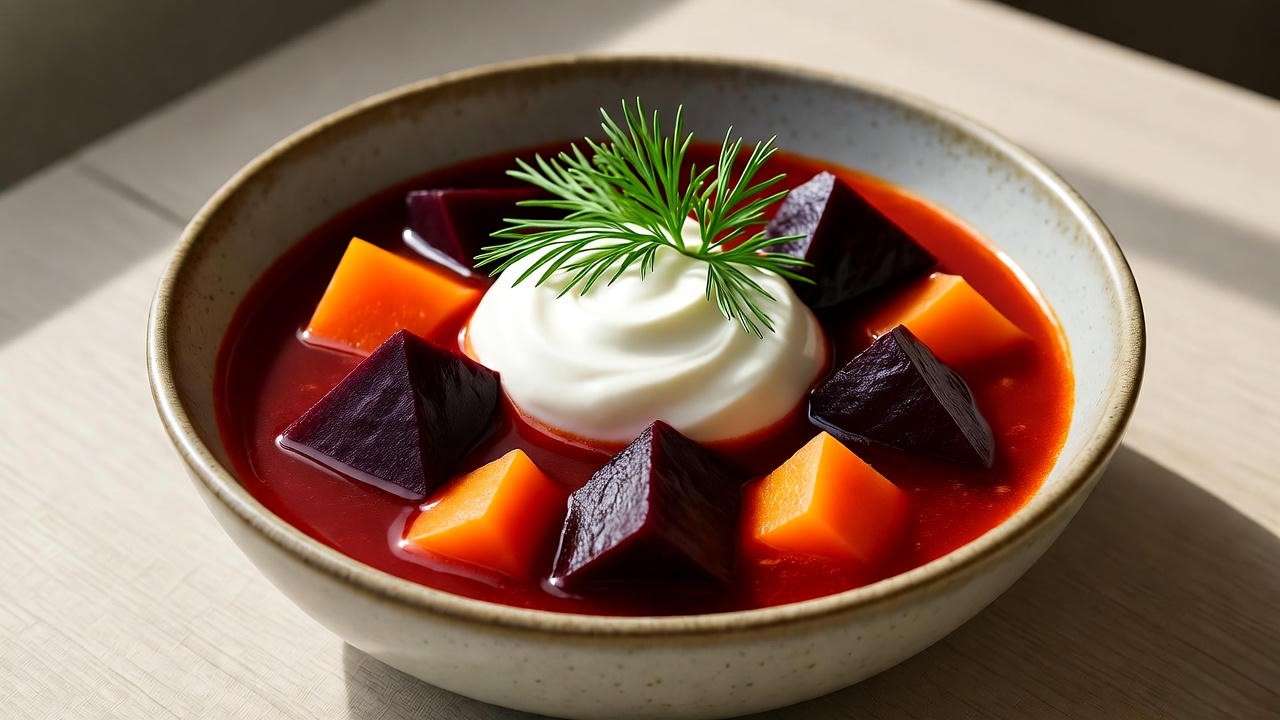
For dietary needs, swap regular broth for gluten-free or low-sodium versions, and use coconut yogurt as a sour cream alternative.
Step-by-Step Borscht Recipe
- Roast Beets: Preheat oven to 400°F. Wrap beets in foil and roast for 45–60 minutes until tender. Cool, peel, and dice.
- Sauté Base: In a large pot, heat 1 tbsp olive oil over medium heat. Add onion and garlic, sautéing until translucent (5 minutes). Add carrots and parsnip, cooking for 5 more minutes.
- Add Broth and Veggies: Stir in tomato paste, smoked paprika, and diced tomatoes. Pour in vegetable broth, then add potatoes, turnip, and cabbage. Bring to a boil, then reduce to a simmer.
- Add Beets: After 15 minutes, add roasted beets and simmer for another 10–15 minutes until all veggies are tender.
- Season: Stir in apple cider vinegar, dill, salt, and pepper. Taste and adjust seasoning as needed.
- Serve: Ladle into bowls, top with a dollop of vegan sour cream and a sprinkle of dill. Serve with crusty bread or vegan dumplings.
Yield: 6 servings. Prep Time: 20 minutes. Cook Time: 45 minutes.
Customizing Your Borscht
For a chunkier texture, leave veggies as is; for a smoother soup, blend half and mix back in. Serve cold in summer with extra vinegar for a refreshing twist. Boost protein by adding white beans or lentils. For a brighter flavor, squeeze in fresh lemon juice just before serving.
Quick Tip Sidebar:
- Balance sweetness with 1–2 tsp vinegar or lemon juice.
- Use fresh dill for authentic flavor; dried dill works in a pinch.
- Add a pinch of smoked salt for a meaty depth without animal products.
Health Benefits of Borscht in a Plant-Based Diet
Nutrient Density of Root Veggie Borscht
Borscht, when crafted with a variety of root veggies, is a nutritional powerhouse that aligns perfectly with plant-based diet goals. The combination of beets, carrots, potatoes, parsnips, and turnips delivers a robust mix of fiber, vitamins, and minerals. For instance, beets provide folate and manganese, essential for cell function and metabolism, while carrots supply beta-carotene, which supports eye health and immunity. Potatoes and parsnips contribute potassium and vitamin C, aiding in heart health and tissue repair. A 2021 study in the Journal of Nutrition found that diets rich in root vegetables correlate with improved gut microbiota diversity, promoting digestive health. Additionally, the antioxidants in beets (betalains) and carrots (carotenoids) help combat oxidative stress, potentially reducing the risk of chronic diseases like cancer and diabetes.
Supporting Heart Health and Weight Management
Root veggie-based borscht is a heart-healthy choice, particularly for plant-based eaters aiming to reduce cholesterol and improve cardiovascular wellness. The high fiber content in root vegetables promotes satiety, helping with weight management by reducing overeating. According to the American Heart Association, fiber-rich diets can lower LDL (“bad”) cholesterol and blood pressure, both critical for heart health. A single bowl of borscht, packed with low-calorie, nutrient-dense root veggies, can keep you full for hours while delivering essential nutrients. For example, a cup of cooked beets contains just 60 calories but provides 3.4 grams of fiber, making it an ideal ingredient for weight-conscious diets.
Sustainability of Root Veggie-Based Meals
Root vegetables are not only good for your body but also for the planet. They require less water and fewer resources to grow compared to many other crops, and their long shelf life reduces food waste. Choosing locally sourced, seasonal root veggies for your borscht supports sustainable agriculture and lowers your carbon footprint. The Environmental Working Group notes that plant-based meals, like those centered on root vegetables, have a significantly lower environmental impact than meat-based dishes. By making borscht a staple in your plant-based repertoire, you’re contributing to a more sustainable food system while enjoying a delicious, budget-friendly meal.
Common Mistakes to Avoid When Making Borscht
Overcooking or Undercooking Root Veggies
One of the most common pitfalls when making borscht is improper cooking times for root vegetables. Overcooking can turn potatoes and carrots mushy, while undercooking leaves beets or turnips unpleasantly tough. To avoid this, stagger the addition of veggies based on their cooking times. For example, add potatoes and turnips early, as they take 20–25 minutes to soften, while beets (especially if pre-roasted) need only 10–15 minutes. Test veggies with a fork to ensure they’re tender but not falling apart. A chef’s tip: keep a close eye on parsnips, as they can become overly soft if simmered too long.
Imbalanced Flavors
Borscht’s flavor profile hinges on a delicate balance of sweet, earthy, tangy, and savory notes. A common mistake is letting the sweetness of beets or carrots dominate, resulting in a cloying soup. To counteract this, incorporate acidic ingredients like apple cider vinegar or lemon juice, which brighten the dish and balance the sweetness. Similarly, under-seasoning can lead to a bland borscht. Don’t skimp on salt, pepper, or herbs like dill, which enhance the natural flavors of root veggies. Taste and adjust seasonings gradually, especially toward the end of cooking.
Skipping Key Seasonings
Authentic borscht relies on specific seasonings to elevate its flavor. Fresh dill is non-negotiable, adding a distinctive, herbaceous note that ties the dish together. Garlic provides depth, while a splash of vinegar preserves the beets’ vibrant color and adds tanginess. Skipping these can result in a flat, uninspired soup. For a modern twist, consider a pinch of smoked paprika or smoked salt to mimic the umami depth of traditional meat-based borscht, ensuring a rich, plant-based flavor profile.
Serving and Storing Your Borscht
Presentation Tips for a Stunning Bowl
A beautifully presented bowl of borscht can elevate the dining experience. Serve it piping hot in deep bowls, topped with a generous dollop of vegan sour cream or coconut yogurt for creaminess. Garnish with a sprinkle of fresh dill or chopped parsley for a pop of green. For a restaurant-worthy touch, swirl in a drizzle of olive oil or add microgreens for elegance. Pair borscht with crusty sourdough bread, vegan rye, or plant-based dumplings (like pierogi) for a complete meal. For a festive presentation, serve in rustic ceramic bowls to highlight the soup’s hearty, homemade charm.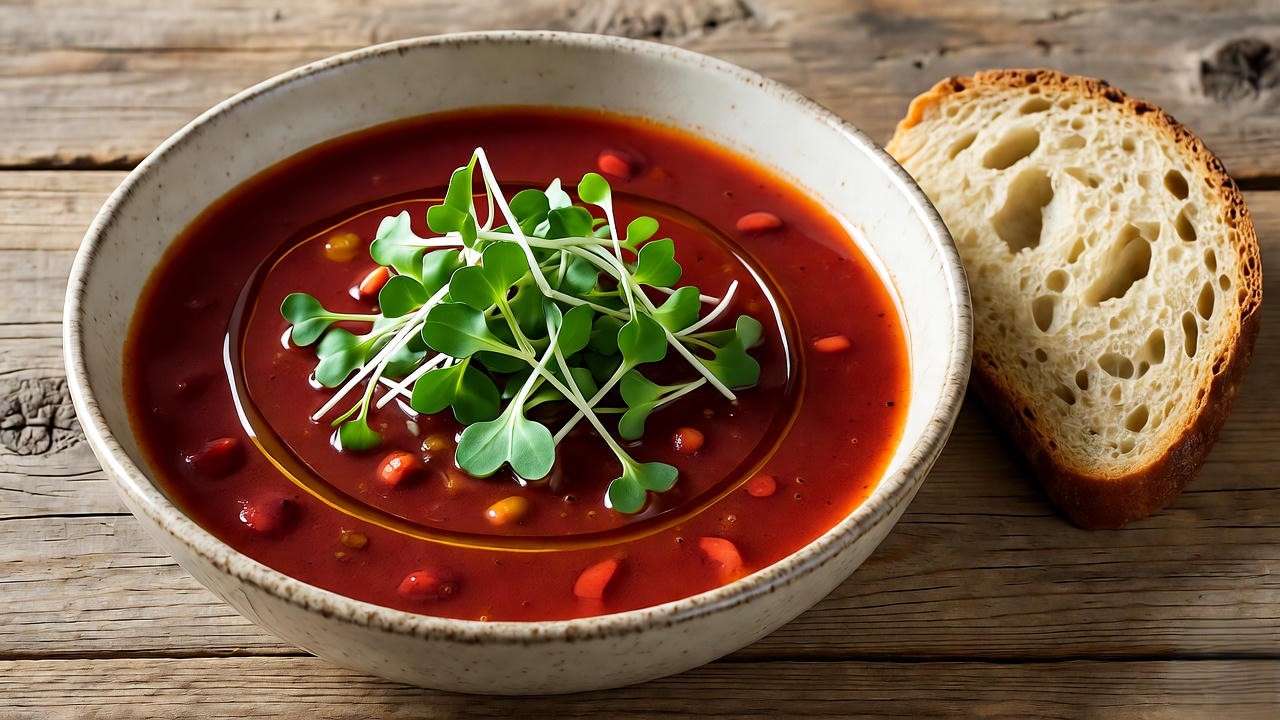
Storing and Reheating Tips
Borscht stores beautifully, making it ideal for meal prep. Refrigerate leftovers in an airtight container for up to 5 days. The flavors often deepen after a day or two, making it even more delicious. For longer storage, freeze borscht in single-portion containers for up to 3 months. To reheat, thaw in the fridge overnight, then warm gently on the stovetop over low heat to preserve texture. Avoid microwaving, as it can unevenly heat the soup and degrade the veggies’ texture. A pro tip: freeze without the vegan sour cream garnish, adding it fresh when serving.
FAQs About Root Veggies in Borscht
Can I make borscht without beets?
While beets are the hallmark of traditional borscht, you can create a variation using other root veggies like carrots, parsnips, or turnips. However, the flavor and color will differ significantly, resulting in a less iconic soup. For a beet-free version, double up on carrots and add a splash of pomegranate juice for a reddish hue.
What’s the best way to make borscht vegan?
To keep borscht plant-based, use vegetable broth instead of beef or chicken stock, and replace dairy sour cream with vegan alternatives like cashew cream or coconut yogurt. Ensure all ingredients, including seasonings, are free of animal-derived additives (e.g., check for gelatin in some canned tomatoes).
How do I prevent borscht from losing its vibrant color?
Beets’ vivid red can fade during cooking, but a tablespoon of apple cider vinegar or lemon juice helps preserve their color by stabilizing the betalains. Add the acid early in the cooking process and avoid overcooking the beets.
Are there low-carb root veggie options for borscht?
For a low-carb version, swap potatoes for turnips, rutabagas, or cauliflower, which have fewer carbohydrates but still provide texture and flavor. Be mindful of beets and carrots, which are moderately high in natural sugars, and use them sparingly if following a strict low-carb diet.
Expert Tips and Insights
Chef’s Secrets for Next-Level Borscht
Elevate your borscht with professional techniques. For a richer flavor, blend a portion of the soup (about one-third) and stir it back in for a thicker, creamier texture without adding dairy. A pinch of smoked salt can mimic the depth of meat-based broths, while a bay leaf simmered in the pot adds subtle complexity. For a modern twist, try adding a tablespoon of miso paste for umami richness, a trick used by vegan chefs to enhance plant-based soups.
Nutritional Expertise
As a registered dietitian specializing in plant-based nutrition, I recommend tailoring borscht to specific dietary needs. For high-protein diets, add a cup of cooked white beans or lentils, which provide 15–17 grams of protein per cup. For low-sodium diets, use homemade vegetable stock and limit added salt, relying on herbs like dill and parsley for flavor. Borscht’s high fiber content (approximately 5–7 grams per serving) supports digestive health, making it a smart choice for those prioritizing gut wellness.
Cultural Context
Borscht carries deep cultural significance in Eastern European cuisines, particularly in Ukraine, where it’s a symbol of hospitality and tradition. Plant-based versions honor this heritage by showcasing the versatility of root vegetables, which have sustained communities through harsh winters. By adapting borscht for vegan diets, we preserve its comforting essence while aligning with modern values of health and sustainability.
Conclusion
Root veggies in borscht are the key to crafting a nutrient-packed, plant-based soup that’s as flavorful as it is wholesome. Beets, carrots, potatoes, parsnips, and turnips bring a symphony of tastes and textures, while delivering fiber, vitamins, and antioxidants to support your health. Whether you’re seeking a cozy winter meal or a refreshing summer soup, this versatile dish fits the bill. Try the provided recipe, experiment with customizations, and share your creations with fellow plant-based foodies. For more vegan recipes and nutrition tips, explore our website or sign up for our weekly newsletter. Let’s celebrate the power of root vegetables and make borscht a staple in your plant-based kitchen!