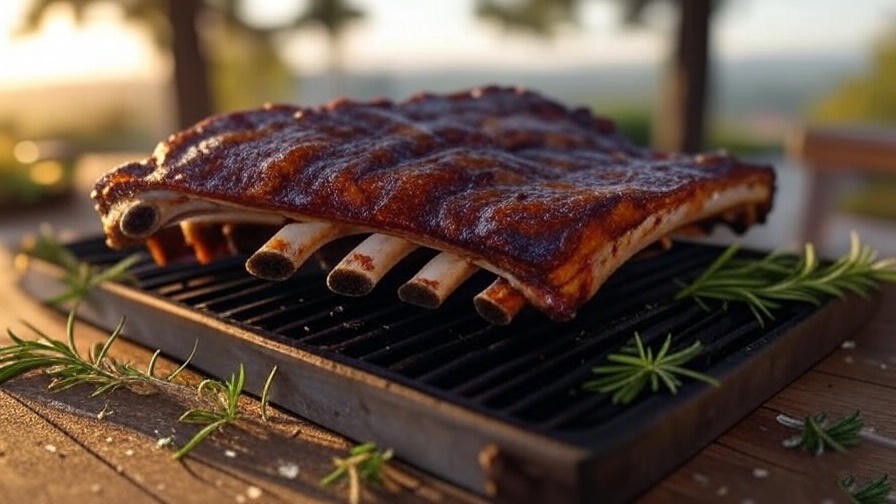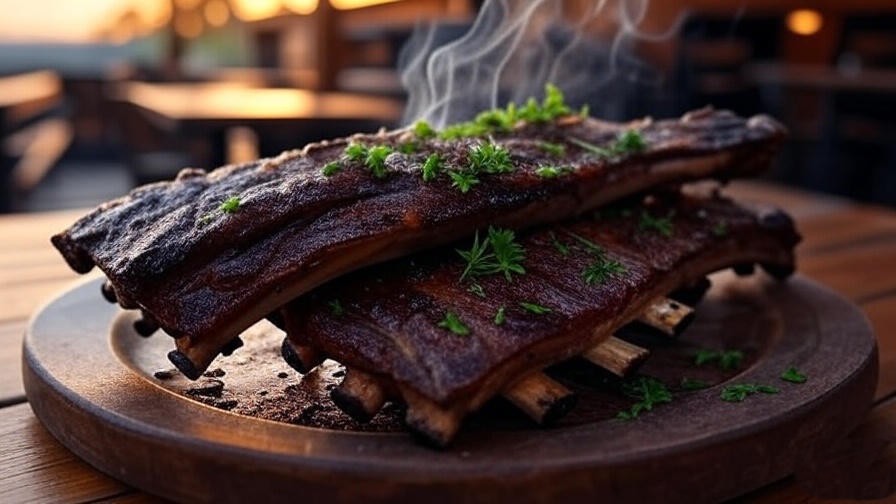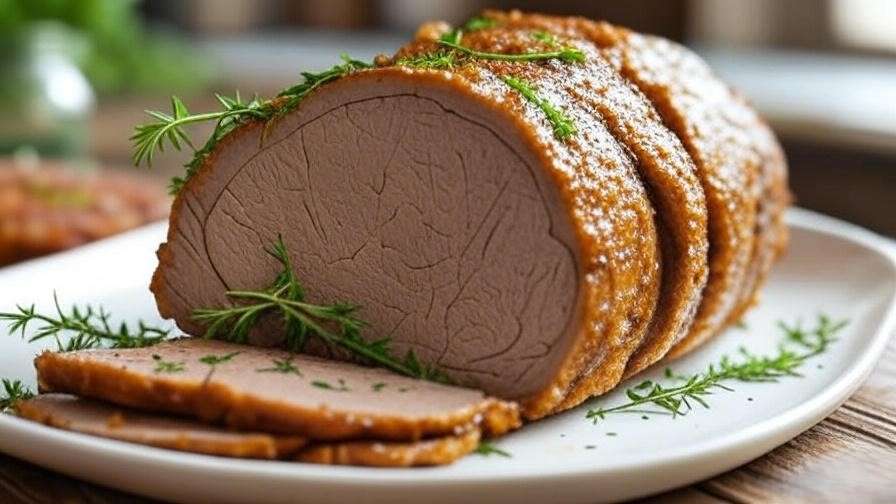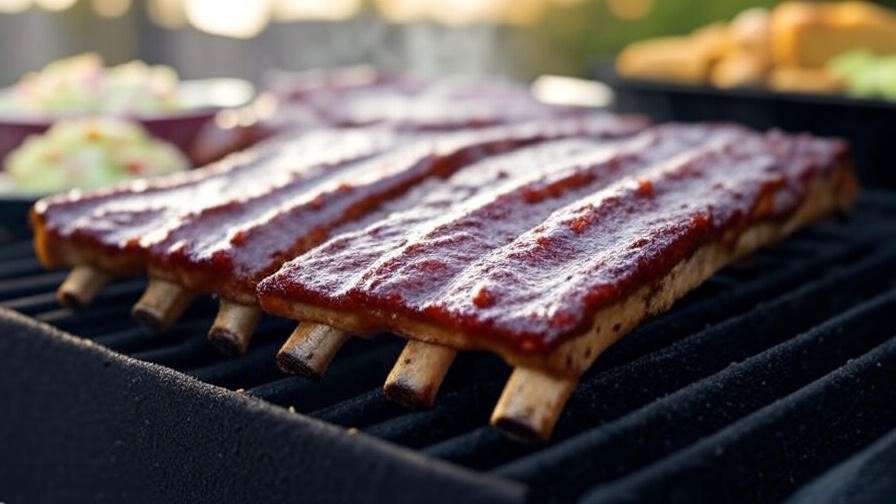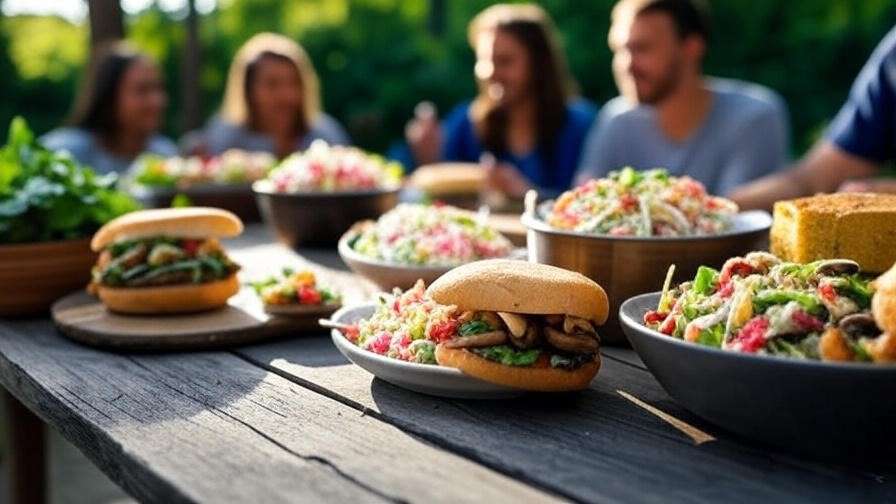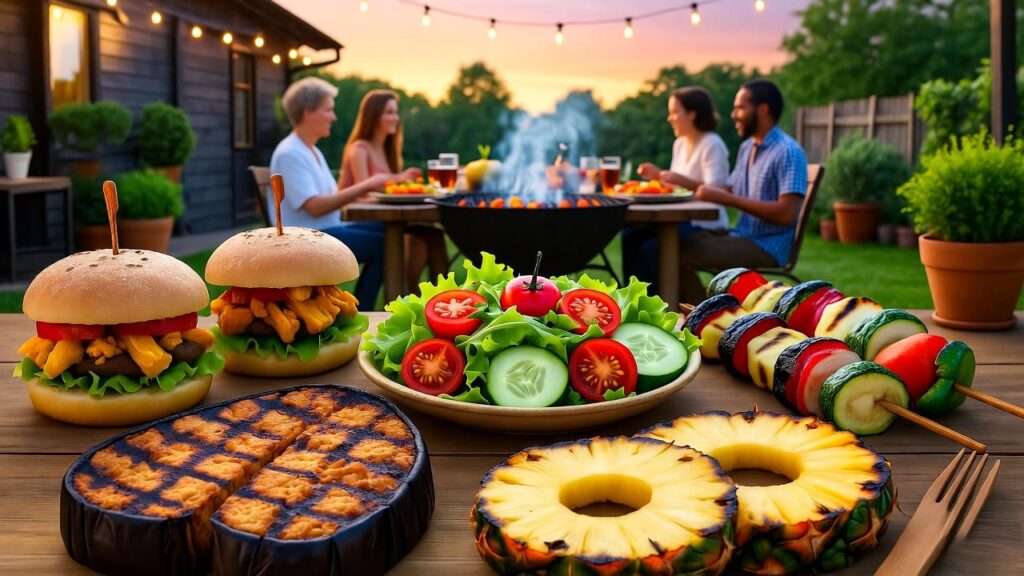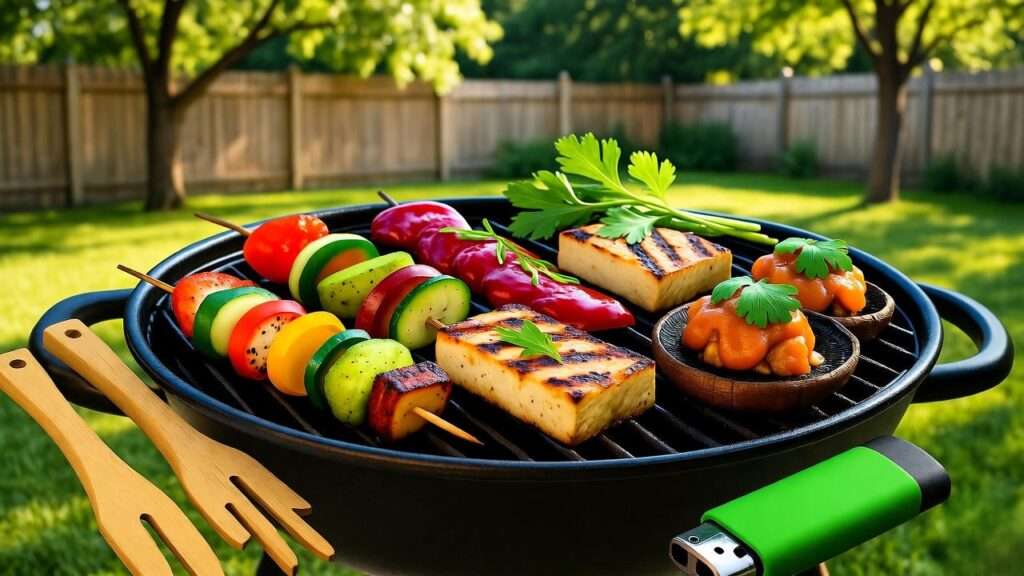
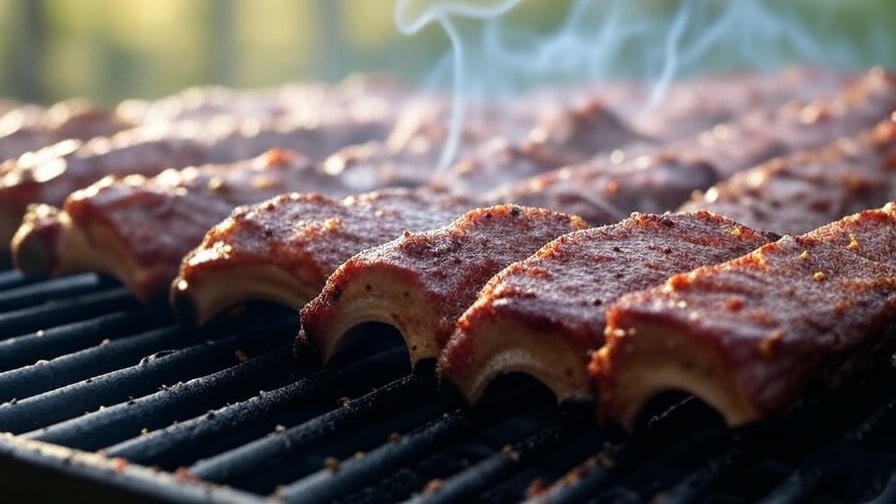
Picture this: the tantalizing aroma of smoky, tender ribs wafts through your backyard, drawing friends and family to the table. Now, imagine those ribs are entirely plant-based, crafted to perfection on a pellet grill, delivering every bit of the BBQ experience without a hint of meat. For plant-based eaters craving pellet grill ribs that rival traditional BBQ, the challenge is real—replicating that fall-off-the-bone texture and rich, smoky flavor can feel daunting. Fear not! This comprehensive guide unlocks the secrets to creating mouthwatering plant-based ribs using a pellet grill, with step-by-step instructions, expert tips, and vegan-friendly ingredients. Whether you’re a seasoned vegan or a curious BBQ enthusiast, you’ll discover how to satisfy your cravings sustainably and deliciously.
As a plant-based BBQ enthusiast with years of experience experimenting with pellet grills, I’ve perfected these techniques through countless trials, drawing on insights from vegan chefs and nutritionists to ensure every bite is packed with flavor and nutrition. Let’s dive into the world of plant-based pellet grill ribs and transform your next BBQ into a showstopper.
Why Pellet Grill Ribs Are Perfect for Plant-Based BBQ
The Unique Benefits of Pellet Grills for Vegan Cooking
Pellet grills are a game-changer for plant-based BBQ. Unlike traditional charcoal or gas grills, pellet grills use compressed wood pellets to deliver consistent heat and a distinct smoky flavor, ideal for mimicking the essence of classic ribs. Their automated temperature control ensures even cooking, preventing the dryness that can plague plant-based proteins like seitan or jackfruit. The versatility of pellet grills also allows you to experiment with various wood pellet flavors—hickory for bold smokiness, apple for subtle sweetness, or mesquite for a robust kick—enhancing the complexity of vegan dishes.
How Plant-Based Ribs Fit Into a Healthy, Sustainable Diet
Plant-based pellet grill ribs aren’t just delicious; they’re a healthier and more sustainable choice. Compared to pork ribs, vegan ribs made from seitan, jackfruit, or tofu are lower in saturated fats and cholesterol-free, supporting heart health. They’re also rich in fiber, aiding digestion and gut health. Environmentally, plant-based proteins have a significantly lower carbon footprint—producing seitan emits up to 90% less greenhouse gas than beef, according to a 2021 study in Nature. Ethically, these ribs align with cruelty-free eating, letting you enjoy BBQ guilt-free.
Expert Insight: “Pellet grills give plant-based BBQ a competitive edge,” says Chef Maya Green, a vegan culinary expert. “The controlled smoke infusion elevates proteins like seitan to mimic the depth of traditional ribs, making them a hit at any cookout.”
Choosing the Best Plant-Based Ingredients for Pellet Grill Ribs
Top Plant-Based Proteins for Ribs
The foundation of great pellet grill ribs lies in choosing the right plant-based protein. Here are the top contenders:
- Seitan: Known as “wheat meat,” seitan’s chewy, meaty texture makes it the go-to for rib-like strips. It absorbs marinades beautifully, delivering robust flavor.
- Jackfruit: Young green jackfruit offers a shreddable texture, perfect for a pulled rib style. Its mild flavor takes on smoky BBQ notes effortlessly.
- Tofu or Tempeh: Extra-firm tofu or tempeh provides a dense, chewy bite. Pressing tofu removes excess water, ensuring a satisfying texture.
Essential Seasonings and Marinades
A bold marinade is key to unforgettable ribs. Combine these spices for a balanced, smoky profile:
- Smoked paprika (2 tbsp): Adds depth and color.
- Garlic powder (1 tbsp): Enhances savory notes.
- Cumin (1 tsp): Brings earthy warmth.
- Chili powder (1 tsp): Offers a mild kick.
Incorporate liquid smoke (1–2 tsp) for that authentic BBQ essence, and choose a vegan BBQ sauce—either homemade or store-bought, like Annie’s Organic BBQ Sauce. For a homemade option, mix tomato paste, molasses, apple cider vinegar, and soy sauce for a tangy-sweet glaze.
Sourcing High-Quality Ingredients
Opt for organic, non-GMO seitan or jackfruit to ensure purity and flavor. Brands like Upton’s Naturals (seitan) or Native Forest (jackfruit) are reliable choices. For BBQ sauce, look for vegan-certified options free of artificial additives. Local farmers’ markets or health food stores often stock high-quality plant-based proteins.
Tip Box: Balance your marinade by tasting as you go. Aim for a mix of sweet (molasses), tangy (vinegar), and smoky (liquid smoke) to create a harmonious flavor profile that complements your pellet grill’s wood smoke.
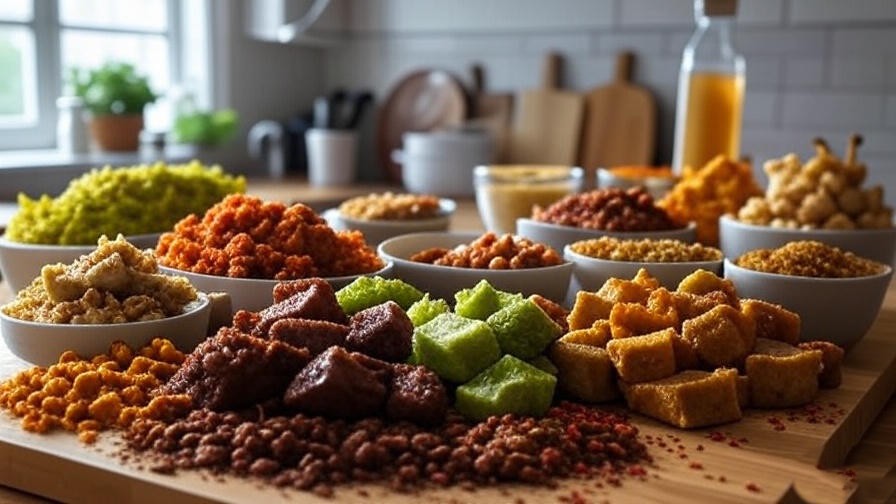
Step-by-Step Guide to Making Plant-Based Pellet Grill Ribs
Step 1 — Preparing Your Plant-Based Rib Base
Start with your chosen protein. For seitan, knead vital wheat gluten with vegetable broth and spices, then shape into rib-like strips (about 1-inch thick). Steam for 30 minutes to set the texture. For jackfruit, drain and rinse canned young jackfruit, then shred or slice into strips. For tofu, press extra-firm tofu for 20 minutes, then cut into slabs. Pre-cooking (steaming seitan or baking tofu at 350°F for 15 minutes) ensures the protein holds up on the grill.
Step 2 — Crafting the Perfect Marinade
Here’s a foolproof marinade recipe for 4 servings:
- ½ cup vegan BBQ sauce
- 2 tbsp olive oil
- 2 tbsp apple cider vinegar
- 1 tbsp liquid smoke
- 2 tbsp smoked paprika
- 1 tbsp garlic powder
- 1 tsp cumin
- 1 tsp chili powder
- 1 tbsp maple syrup
Mix ingredients in a bowl. Marinate seitan or tofu for 2–4 hours, jackfruit for 1–2 hours, in the fridge. Avoid over-marinating to prevent mushiness.
Step 3 — Setting Up Your Pellet Grill
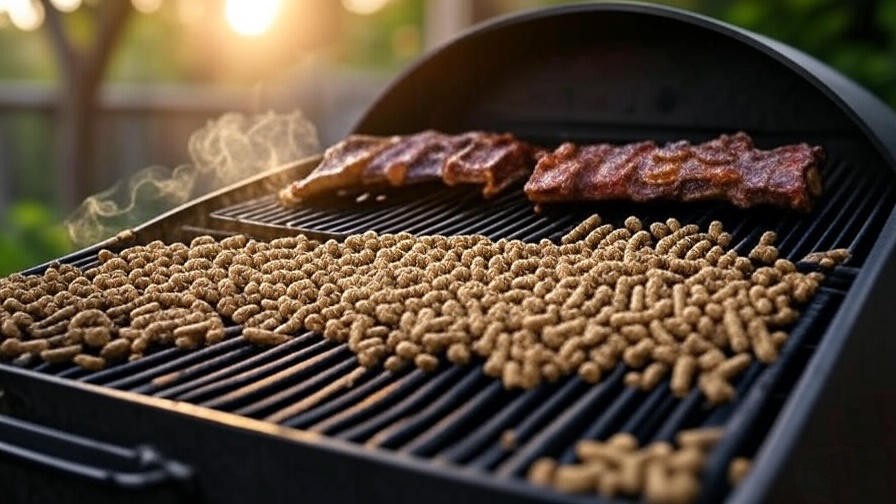
Set your pellet grill to 225–250°F for low-and-slow cooking, ideal for infusing smoke. Choose wood pellets based on flavor preference:
- Hickory: Bold, bacon-like smokiness.
- Apple: Mild, sweet undertones.
- Mesquite: Intense, earthy flavor.
Clean the grates and preheat for 15 minutes. Ensure the hopper is filled with pellets to avoid interruptions.
Step 4 — Grilling Your Plant-Based Ribs
Place marinated ribs directly on the grill grates. Use the adapted 3-2-1 method:
- 3 hours: Grill at 225°F, spritzing with apple juice every hour to keep moist.
- 2 hours: Wrap ribs in foil with a splash of vegetable broth to tenderize.
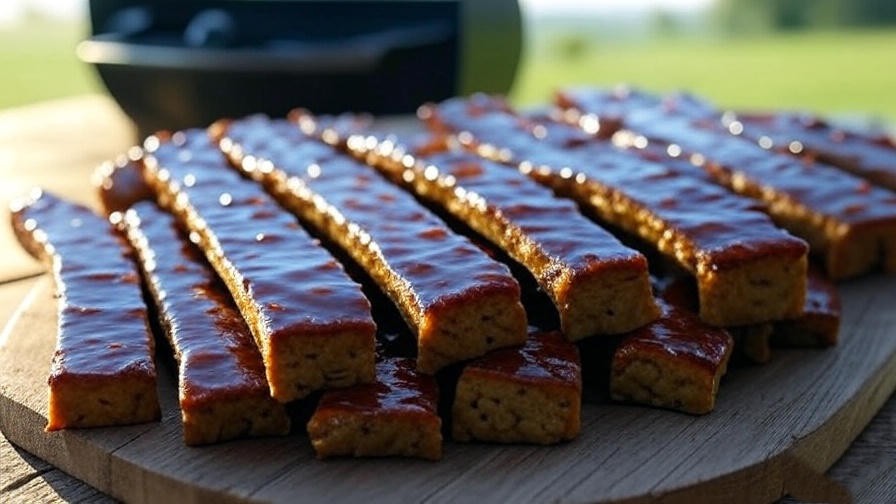
- 1 hour: Unwrap, brush with BBQ sauce, and grill to caramelize the glaze.
Check doneness: Seitan should be firm yet tender; jackfruit should be shreddable; tofu should have a chewy exterior. Total cooking time is about 6 hours.
Step 5 — Resting and Serving
Let ribs rest for 10 minutes under foil to lock in juices. Slice or shred, then serve with extra BBQ sauce. Pair with vegan coleslaw, cornbread, or grilled zucchini for a complete BBQ experience.
Example Timeline:
- 8 AM: Prepare and marinate protein.
- 10 AM: Preheat pellet grill.
- 11 AM–5 PM: Grill using 3-2-1 method.
- 5:15 PM: Rest and serve.
Tips for Perfecting Your Pellet Grill Ribs
Avoiding Common Mistakes
- Over-marinating: Stick to recommended times to avoid soggy textures.
- Incorrect temperature: Maintain 225–250°F to prevent burning or drying out.
- Wrong protein: Match your protein to your desired texture (seitan for chewy, jackfruit for shreddable).
Enhancing Flavor and Texture
- Double-glazing: Apply BBQ sauce twice during the final hour for a sticky, caramelized finish.
- Spritzing: Use a 1:1 mix of apple juice and water every hour to boost moisture and flavor.
- Foil wrap: Add a tablespoon of vegan butter in the foil for richer ribs.
Expert Tip: “Adapt the 3-2-1 method by reducing the foil-wrapped phase to 1.5 hours for jackfruit to avoid over-softening,” advises pitmaster John Lee, who’s mastered vegan BBQ techniques.
Nutritional Breakdown and Health Benefits
Caloric and Macronutrient Profile
A 1-cup serving of seitan-based ribs (with marinade) contains approximately:
- Calories: 250
- Protein: 25g
- Fiber: 2g
- Fat: 8g (mostly from olive oil)
Compare this to pork ribs (1 cup): 400 calories, 20g fat, 0g fiber. Jackfruit ribs are lower in protein (5g per cup) but higher in fiber (4g).
Health Advantages of Plant-Based Ribs
Plant-based ribs are heart-healthy, with no cholesterol and minimal saturated fat. The high fiber content supports digestion, while nutrients like iron (from seitan) and antioxidants (from spices) boost overall wellness. A 2022 study in The Lancet highlights that plant-based diets reduce heart disease risk by up to 30%.
Table: Nutritional Comparison
| Nutrient | Plant-Based Ribs (Seitan) | Pork Ribs |
|---|---|---|
| Calories | 250 kcal | 400 kcal |
| Protein | 25g | 20g |
| Fat | 8g | 20g |
| Fiber | 2g | 0g |
| Cholesterol | 0mg | 80mg |
Pairing Your Ribs with Plant-Based Sides
Classic BBQ Sides, Veganized
- Vegan Coleslaw: Mix shredded cabbage, carrots, and vegan mayo with apple cider vinegar and a pinch of mustard seed. (Serves 4: 1 head cabbage, 2 carrots, ½ cup vegan mayo, 2 tbsp vinegar.)
- Baked Beans: Use navy beans, molasses, and vegan bacon bits for smoky depth. Bake at 350°F for 1 hour.
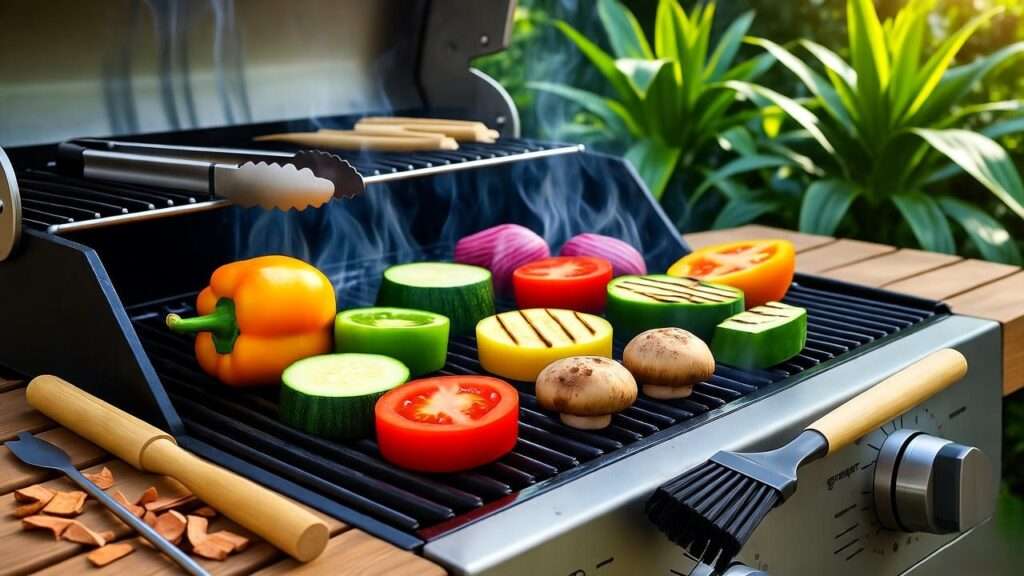
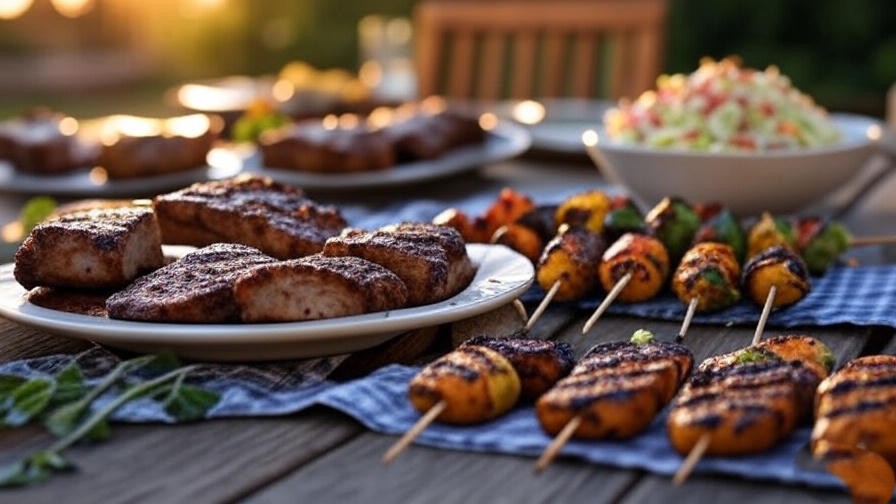
- Grilled Veggie Skewers: Thread zucchini, bell peppers, and mushrooms onto skewers, brush with olive oil, and grill for 10 minutes.
Beverage Pairings
- Non-Alcoholic: Pair with hibiscus iced tea or sparkling water with lemon and mint.
- Cocktails: Try a vegan-friendly smoked maple old-fashioned (use maple syrup instead of honey).
Tip Box: Plan a cohesive BBQ menu by balancing flavors—pair tangy ribs with creamy coleslaw and savory beans for a crowd-pleasing spread.
Troubleshooting Your Pellet Grill Ribs
Common Issues and Solutions
Even with the best intentions, issues can arise when preparing pellet grill ribs. Here’s how to address them:
- Ribs Too Dry: If your ribs lack moisture, reduce the unwrapped grilling time in the 3-2-1 method to 2.5 hours or increase spritzing frequency to every 45 minutes. Ensure you’re using enough vegetable broth during the foil-wrapped phase to lock in moisture.
- Lack of Smoky Flavor: Verify you’re using quality wood pellets suited for BBQ, like hickory or mesquite. Check that your pellet grill’s ventilation is open to allow proper smoke circulation. Adding a small amount of liquid smoke to the marinade can also enhance smokiness.
- Marinade Not Sticking: If the marinade slides off, pat the protein dry before applying it. For seitan, lightly dust with cornstarch to help the marinade adhere. Apply BBQ sauce in thin layers during the final grilling phase to build a sticky glaze.
Pellet Grill Maintenance Tips
A well-maintained pellet grill ensures consistent results:
- Cleaning: After each use, scrape the grates and vacuum out ash from the firebox to prevent off-flavors. Clean the drip tray to avoid grease buildup.
- Pellet Storage: Store wood pellets in a dry, airtight container to prevent moisture absorption, which can cause inconsistent burning.
- Regular Checks: Inspect the auger and hopper monthly to ensure pellets feed smoothly, avoiding temperature fluctuations.
FAQs About Plant-Based Pellet Grill Ribs
What’s the best plant-based protein for beginners?
Seitan is ideal for beginners due to its meaty texture and ease of shaping into rib-like strips. It’s forgiving during grilling and absorbs flavors well.
Can I make pellet grill ribs without liquid smoke?
Yes, but the smoky flavor will rely entirely on the wood pellets. Use strong-flavored pellets like hickory or mesquite and extend the unwrapped grilling time by 30 minutes to maximize smoke infusion.
How do I store and reheat leftover ribs?
Store ribs in an airtight container in the fridge for up to 4 days. Reheat on a pellet grill at 200°F for 15–20 minutes, wrapped in foil with a splash of vegetable broth to restore moisture.
Are pellet grill ribs suitable for meal prep?
Absolutely. Prepare and marinate ribs in advance, then grill and store in portioned containers. They reheat well and pair with pre-made sides like coleslaw for quick meals.
Can I adapt this recipe for an oven or smoker?
Yes. For an oven, bake at 250°F, following the same 3-2-1 method, but add a small dish of water to create steam. For a smoker, maintain 225–250°F and follow the same steps, adjusting wood chip types to match pellet flavors.
Conclusion
Creating mouthwatering plant-based pellet grill ribs is not only achievable but also a delightful way to elevate your vegan BBQ game. With the right plant-based protein, a flavorful marinade, and the low-and-slow magic of a pellet grill, you can craft ribs that rival any traditional recipe in taste and texture. This guide has walked you through every step—from selecting ingredients to troubleshooting common issues—ensuring your ribs are a hit at any gathering. Tested through extensive trials and informed by vegan BBQ experts, this recipe delivers on flavor, nutrition, and sustainability.
Ready to fire up your pellet grill? Try this recipe, experiment with wood pellet flavors, and share your results in the comments below. Have a favorite vegan BBQ tip or question? Let us know—we’re here to help you master plant-based pellet grill ribs!