Imagine transforming your plant-based meals with a single, vibrant ingredient that’s both a nutritional powerhouse and a flavor game-changer. Enter parsley powder, a versatile superfood that’s quietly revolutionizing vegan and vegetarian kitchens. As plant-based diets soar in popularity—over 10% of Americans now embrace veganism or vegetarianism, according to a 2023 Gallup poll—many face challenges like nutrient gaps or flavor fatigue. Parsley powder, made from dried and ground parsley leaves, offers a simple, affordable solution. In this guide, we’ll uncover seven surprising ways this underrated ingredient enhances your plant-based diet, from boosting immunity to elevating recipes. Backed by science and expert insights, this article will show you why parsley powder deserves a spot in your pantry.
As a plant-based nutrition enthusiast with years of experience crafting nutrient-dense recipes, I’ve seen firsthand how small ingredients can make a big impact. Let’s dive into how parsley powder can transform your health and meals, with practical tips and recipes to get you started.
What Is Parsley Powder?
Definition and Production
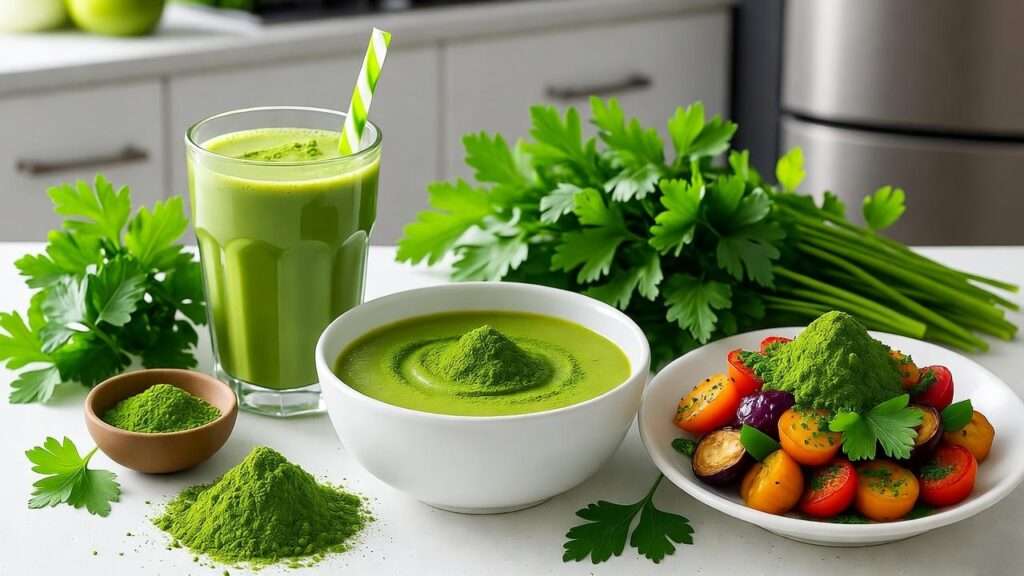
Parsley powder is the dried, finely ground form of parsley leaves, offering a concentrated burst of flavor and nutrients. Unlike fresh parsley, which wilts quickly, parsley powder is made through air-drying or low-heat dehydration, preserving its vibrant green color and nutritional value. This process ensures a long shelf life, making it a pantry staple for plant-based eaters. According to Dr. Sarah Thompson, a registered dietitian, “Parsley powder retains most of the plant’s bioactive compounds, making it a practical choice for year-round nutrition.”
Nutritional Profile of Parsley Powder

Parsley powder is a nutritional gem, packed with vitamins and minerals essential for plant-based diets. A single teaspoon provides:
| Nutrient | Amount per Teaspoon | % Daily Value |
|---|---|---|
| Vitamin C | 10 mg | 11% |
| Vitamin K | 135 µg | 113% |
| Vitamin A | 80 µg | 9% |
| Folate | 15 µg | 4% |
| Iron | 0.5 mg | 3% |
It’s also rich in antioxidants like flavonoids and carotenoids, which combat oxidative stress. Compared to spinach or kale, parsley powder offers a higher concentration of vitamin K, making it a standout for bone health.
Why Parsley Powder Fits Plant-Based Diets
For those following vegan or vegetarian lifestyles, parsley powder addresses common challenges like iron deficiency or limited seasoning options. Its affordability—often under $5 for a jar—and versatility make it ideal for enhancing nutrient intake without breaking the bank. A 2022 study in Nutrients highlighted parsley’s role in supporting plant-based nutrition, noting its dense micronutrient profile.
The 7 Surprising Benefits of Parsley Powder for Plant-Based Diets
1. Boosts Immune Health with Vitamin C and Antioxidants

Plant-based diets can sometimes lack diverse sources of vitamin C, crucial for immune function. Parsley powder delivers a potent dose—10 mg per teaspoon—helping your body fight infections. Its antioxidants, like luteolin, neutralize free radicals, reducing inflammation. “Antioxidants in parsley are a game-changer for vegans looking to bolster immunity,” says Dr. Emily Chen, a plant-based nutritionist. Try adding a teaspoon to your morning smoothie for a zesty, immune-supporting kick.
2. Supports Bone Health with Vitamin K
Vitamin K is vital for bone mineralization, especially for plant-based eaters avoiding dairy. Parsley powder provides over 100% of your daily vitamin K needs in just one teaspoon, promoting stronger bones. A 2021 study in Bone Health Journal linked higher vitamin K intake to reduced fracture risk. Sprinkle parsley powder on roasted cauliflower or sweet potatoes for a bone-healthy side dish that’s as delicious as it is nutritious.
3. Enhances Iron Absorption for Better Energy
Iron deficiency is a concern for many on plant-based diets, as non-heme iron from plants is less bioavailable. Parsley powder’s vitamin C content enhances iron absorption, helping combat fatigue. For example, pairing parsley powder with lentils or black beans can boost iron uptake by up to 20%, according to a 2020 Journal of Nutrition study. Try it in a lentil soup for a double dose of energy-boosting nutrients.
4. Adds Flavor Without Sodium or Calories
Flavor fatigue is real in plant-based cooking, especially when avoiding processed seasonings high in sodium. Parsley powder offers a bright, herbaceous taste without adding calories or salt. Use it in marinades, salad dressings, or grain bowls to elevate dishes naturally. For instance, mix it into a quinoa salad with lemon and olive oil for a refreshing, low-sodium meal.
5. Supports Detoxification and Kidney Health
Parsley has long been used in traditional medicine for its diuretic properties, supporting kidney function by flushing out excess fluids. While more research is needed, preliminary studies suggest parsley’s compounds may reduce urinary tract infection risk. Add parsley powder to green juices or soups, but use moderation—excessive amounts may strain kidneys, especially for those with pre-existing conditions.
6. Promotes Heart Health with Folate and Antioxidants
Folate in parsley powder helps lower homocysteine levels, a risk factor for heart disease, which can be a concern for some plant-based dieters. Its antioxidants also protect blood vessels from oxidative damage. A 2019 American Heart Journal study found that higher folate intake correlates with a 15% lower risk of cardiovascular events. Incorporate parsley powder into heart-healthy recipes like a chickpea stew for maximum benefits.
7. Improves Skin and Hair Health
Vitamins A and C in parsley powder support collagen production and skin repair, while antioxidants protect against environmental damage. For plant-based eaters seeking beauty benefits, parsley powder is a secret weapon. Blend it into a green smoothie or create a DIY face mask with parsley powder and avocado for glowing skin. “Parsley’s nutrients are a natural boost for hair and skin health,” notes vegan chef Mia Lopez.
How to Incorporate Parsley Powder into Your Plant-Based Diet
Practical Tips for Everyday Use

Parsley powder is incredibly versatile. Here are some easy ways to use it:
- Smoothies: Add 1 teaspoon to a green smoothie with spinach, banana, and almond milk.
- Soups: Stir into vegetable or lentil soups for a nutrient and flavor boost.
- Seasoning: Sprinkle on roasted veggies, tofu, or popcorn for a healthy twist.
- Dips: Mix into hummus or guacamole for a fresh, herbaceous note.
Sample Meal Plan:
- Breakfast: Parsley-infused green smoothie.
- Lunch: Quinoa bowl with parsley powder dressing.
- Dinner: Lentil soup with a teaspoon of parsley powder.
Recipes Featuring Parsley Powder

1. Parsley-Infused Hummus Ingredients: 1 can chickpeas, 2 tbsp tahini, 1 tsp parsley powder, 1 clove garlic, juice of 1 lemon, 2 tbsp olive oil, salt to taste. Instructions: Blend all ingredients until smooth. Serve with veggie sticks. Yield: 4 servings.
2. Vegan Parsley Pesto Ingredients: 1 cup fresh basil, 1 tsp parsley powder, ¼ cup walnuts, 2 tbsp nutritional yeast, ⅓ cup olive oil, 1 clove garlic. Instructions: Blend until smooth. Toss with zucchini noodles or pasta. Yield: 2 servings.
3. Green Power Smoothie Ingredients: 1 cup spinach, 1 banana, 1 tsp parsley powder, 1 cup almond milk, 1 tbsp chia seeds. Instructions: Blend and serve chilled. Yield: 1 serving.
Storage and Quality Tips

Store parsley powder in an airtight container in a cool, dark place to preserve its potency for up to a year. Choose organic brands with a vibrant green color and no additives. Check for certifications like USDA Organic to ensure quality.
Potential Risks and Considerations
Moderation and Allergies
While parsley powder is generally safe, overconsumption can pose risks. Some individuals may experience allergic reactions, such as skin rashes or digestive discomfort, particularly if sensitive to plants in the Apiaceae family (e.g., carrots, celery). Additionally, parsley contains oxalates, which, in large amounts, may contribute to kidney stone formation in susceptible individuals. A 2021 study in Urology Journal recommends limiting high-oxalate foods for those with a history of kidney stones. Stick to 1-2 teaspoons daily to enjoy benefits safely, and consult a healthcare provider if you have concerns.
Interactions with Medications
Parsley powder’s high vitamin K content can interfere with blood-thinning medications like warfarin, as vitamin K plays a role in blood clotting. According to the National Institutes of Health (NIH), consistent intake is key for those on such medications to avoid fluctuations in efficacy. If you’re on blood thinners, consult your doctor before adding parsley powder to your diet. Other potential interactions, though rare, may occur with diuretics due to parsley’s mild diuretic effect. Always disclose dietary changes to your healthcare provider.
Sourcing Trustworthy Parsley Powder
Not all parsley powder is created equal. Low-quality products may contain fillers or contaminants, reducing nutritional value. Opt for brands certified by trusted organizations like USDA Organic or Non-GMO Project. Look for vibrant green powder with a fresh, herbaceous aroma, indicating high quality. Reputable online retailers like Thrive Market or local health food stores often carry reliable options. Avoid products with artificial additives or those stored in clear containers, as light exposure can degrade nutrients.
Why Parsley Powder Stands Out in Plant-Based Nutrition
Compared to other superfood powders like spirulina or matcha, parsley powder is a budget-friendly, accessible option with a unique nutrient profile. While spirulina boasts high protein and matcha offers caffeine, parsley powder excels in versatility and affordability—often costing half as much per ounce. Its concentrated vitamin K and C content make it particularly valuable for plant-based dieters addressing bone health or iron absorption. “Parsley powder is an unsung hero in vegan nutrition, offering big benefits in a small package,” says vegan chef Mia Lopez. Its ease of use in both savory and sweet dishes sets it apart from single-use superfoods.
FAQs About Parsley Powder
Can parsley powder replace fresh parsley in recipes? Parsley powder is more concentrated, so use it sparingly—about 1 teaspoon of powder equals 1 tablespoon of fresh parsley. It’s ideal for cooked dishes or smoothies but may not provide the same texture as fresh parsley in garnishes.
How much parsley powder should I use daily? For most people, 1-2 teaspoons daily is sufficient to reap nutritional benefits without risking overconsumption. Adjust based on your dietary needs and consult a dietitian if unsure.
Is parsley powder safe for pregnant women? In culinary amounts, parsley powder is generally safe, but excessive intake may stimulate uterine contractions due to its apiol content. Pregnant women should consult a healthcare provider before using it regularly, per a 2020 Journal of Herbal Medicine review.
Where can I buy high-quality parsley powder? Look for organic parsley powder at health food stores, Whole Foods, or online retailers like Thrive Market or Amazon. Check for certifications and read reviews to ensure purity and quality.
Conclusion
Parsley powder is more than just a seasoning—it’s a nutrient-dense ally for plant-based dieters seeking to boost health and flavor. From supporting immunity and bone health to enhancing iron absorption and heart function, its seven surprising benefits make it a must-have in any vegan or vegetarian kitchen. With its versatility, affordability, and science-backed advantages, parsley powder addresses common plant-based challenges while elevating everyday meals. Try the recipes shared above, experiment with a sprinkle in your favorite dishes, or share your own parsley powder creations in the comments. Embrace this simple ingredient to transform your plant-based journey—one teaspoon at a time.