
Are you tired of feeling sluggish, dealing with digestive issues, or struggling to maintain a healthy weight? 🤔 The solution could be simpler than you think! The health benefits of plant-based diets are more than just a trend—they’re a powerful way to transform your overall health and well-being. 🌱
Whether you’re looking to lose weight, improve heart health, or boost your energy levels, going plant-based offers a wide range of benefits that can help you feel your best. In this article, we’ll explore how adopting a plant-based diet can not only support your physical health but also help you develop a more sustainable, mindful relationship with food. Ready to discover how a plant-based lifestyle can revolutionize your health? Keep reading to find out how simple dietary changes can lead to big results!
What Is a Plant-Based Diet? 🌱
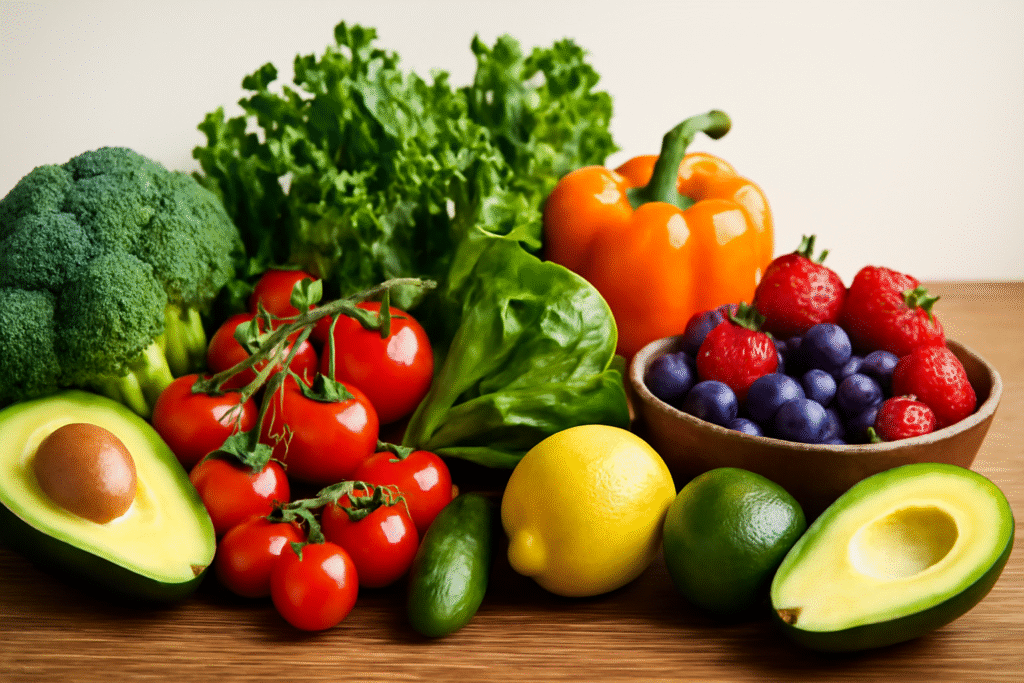
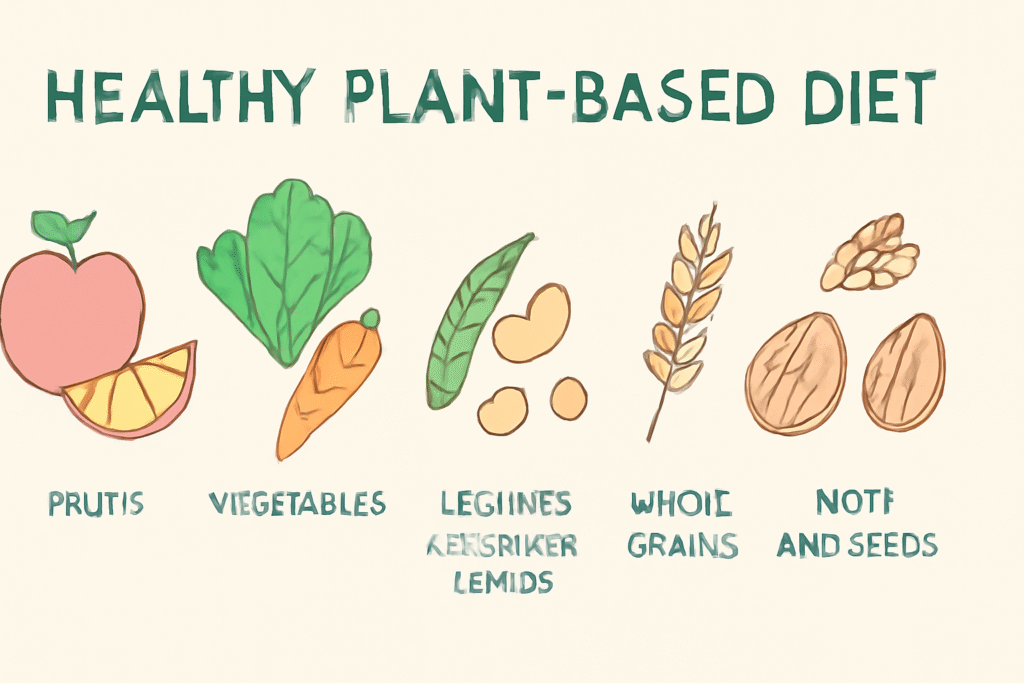
A plant-based diet focuses on eating foods derived primarily from plants. It doesn’t mean you have to become a strict vegan or vegetarian, but it encourages consuming whole, plant-based foods and minimizing animal products. Think fruits, vegetables, whole grains, legumes (beans, lentils), nuts, seeds, and plant oils like olive oil. 🌽🥑
Unlike fad diets, a plant-based diet emphasizes the quality of food, not just calorie counting. It’s about choosing nutrient-dense, minimally processed foods that provide your body with the essential vitamins, minerals, and fiber it needs to thrive.
Here’s what you can typically expect from a plant-based diet:
- Fruits & Vegetables: Fresh, frozen, or canned without added sugars, these are your primary sources of vitamins, antioxidants, and fiber. 🍓🥦
- Whole Grains: Brown rice, quinoa, oats, and barley are excellent choices, offering sustained energy and heart-healthy benefits. 🍚
- Legumes: Lentils, chickpeas, and beans are packed with protein and fiber, making them an excellent substitute for animal-based protein. 🍲
- Nuts & Seeds: Walnuts, almonds, chia seeds, and flaxseeds are rich in healthy fats and protein, supporting brain function and heart health. 🥜
- Healthy Fats: Avocados, olives, and plant oils provide your body with essential fatty acids needed for overall wellness. 🥑
A plant-based diet isn’t about perfection—it’s about making healthier food choices and increasing plant-based foods while reducing processed animal products. So, whether you decide to eliminate meat or simply add more veggies to your meals, the key is balance and variety. 🌿
With this diet, you’re not just cutting out certain foods—you’re replacing them with nutrient-packed, delicious alternatives that fuel your body the right way. Ready to take the first step toward a healthier lifestyle? Let’s dive deeper into how these plant-based foods can transform your health! 😊
Health Benefits of Plant-Based Diets 🌿
Adopting a plant-based diet can have a profound impact on your health. It’s not just about eating more vegetables; it’s about nourishing your body with whole, nutrient-dense foods that provide lasting benefits. From managing your weight to boosting your heart health, here are some key health benefits of going plant-based:
3.1. Weight Management ⚖️
One of the most notable benefits of a plant-based diet is its role in weight management. Plant-based foods are naturally lower in calories and higher in fiber, which means they fill you up without packing on the pounds. Fiber also helps regulate blood sugar, preventing spikes that can lead to cravings. 🍎
- Tip: Opt for high-fiber foods like beans, whole grains, and vegetables to stay full longer without overeating.
3.2. Reduces Risk of Chronic Diseases ❤️
A plant-based diet has been shown to reduce the risk of several chronic diseases, including heart disease, diabetes, and certain cancers. This is largely because plant-based foods are rich in antioxidants, fiber, and healthy fats, which help lower cholesterol, blood pressure, and inflammation. 🌱
- Heart Health: A diet rich in fruits, vegetables, and whole grains can help lower LDL (bad) cholesterol and reduce the risk of heart disease.
- Diabetes Management: Studies show that people on plant-based diets have lower rates of Type 2 diabetes due to improved blood sugar control.

3.3. Boosts Immune System 💪
Plant-based diets are packed with vitamins and minerals that support a strong immune system. Foods like citrus fruits, leafy greens, and garlic are loaded with antioxidants and nutrients that help fight off infections. 🍊🧄
- Tip: Include vitamin C-rich foods (oranges, bell peppers) and immune-boosting herbs (like ginger and turmeric) for extra protection.
3.4. Improves Digestive Health 🌾
High-fiber plant-based foods improve digestion by promoting healthy bowel movements and preventing constipation. Fiber also feeds the good bacteria in your gut, which supports optimal digestion and gut health. 🍞
- Tip: Incorporate fiber-rich foods like oats, lentils, and chia seeds to keep your digestive system running smoothly.
3.5. Promotes Healthy Skin ✨
What you eat affects your skin, and plant-based diets can help you achieve a glowing complexion. The vitamins and antioxidants found in fruits and vegetables, such as vitamin A and vitamin C, support skin health and protect it from environmental damage. 🥕🍓
- Tip: For healthier skin, include foods like tomatoes (rich in lycopene) and avocados (rich in healthy fats) in your diet.
Practical Tips for Transitioning to a Plant-Based Diet 🌱
Making the shift to a plant-based diet can feel overwhelming, but with the right approach, it can be an enjoyable and sustainable change. Whether you’re aiming to go fully plant-based or simply want to incorporate more plant-based meals into your routine, these practical tips will guide you along the way. 😊
4.1. Start Slowly 🐢
Transitioning doesn’t have to be an all-or-nothing decision. Start small by introducing one plant-based meal a day. Gradually increase the number of plant-based meals until you feel comfortable. This helps you adjust without feeling deprived or overwhelmed.
- Example: Begin with “Meatless Mondays” and slowly expand as you get more accustomed to plant-based cooking.
4.2. Find Plant-Based Protein Sources 💪
One of the main concerns when switching to a plant-based diet is ensuring you get enough protein. The good news is that there are plenty of plant-based protein options, such as:
- Legumes: Lentils, chickpeas, and beans are all rich in protein and fiber.
- Tofu and Tempeh: These soy-based products are versatile and high in protein.
- Quinoa and Whole Grains: Foods like quinoa, oats, and brown rice are packed with both protein and essential nutrients.
- Nuts and Seeds: Almonds, walnuts, chia seeds, and hemp seeds are excellent sources of protein and healthy fats.
- Tip: Tryadding a serving of beans or tofu to your salad or stir-fry for a protein boost.
4.3. Plan Balanced Meals 🥗
When adopting a plant-based diet, it’s important to ensure that your meals are balanced and nutrient-dense. Aim for a variety of foods to meet all your nutritional needs, including protein, healthy fats, vitamins, and minerals.
- Include:
- Leafy greens (spinach, kale) for vitamins and minerals.
- Healthy fats (avocados, nuts, seeds) for energy and skin health.
- Whole grains (quinoa, brown rice) for fiber and sustained energy.
- Tip: Use an online meal planner or app to help ensure you’re getting the right balance of nutrients throughout the week.
4.4. Experiment with Plant-Based Alternatives 🌾
There are now plant-based versions of almost every animal-based food. These alternatives can make the transition easier and more exciting, especially when you’re craving familiar flavors. Try plant-based:
- Milks: Almond milk, oat milk, and soy milk are great dairy alternatives.
- Cheeses: Nutritional yeast or plant-based cheese made from cashews or soy.
- Meats: Plant-based meat alternatives like Beyond Meat or Impossible Burger.
- Tip: Try swapping your regular milk with oat milk in your coffee or your favorite cheese with a dairy-free version for a simple yet satisfying change.
4.5. Prepare for Challenges 💡
There will be moments when you miss your favorite non-plant-based foods or find yourself tempted by familiar meals. Don’t be hard on yourself—every small change is progress. It’s important to stay patient and focus on your long-term goals.
- Tip: Keep easy-to-make plant-based snacks on hand (e.g., hummus and veggies, fruit, nuts) for moments when you’re feeling snacky.

Plant-Based Diet Myths and Misconceptions ❌
When it comes to plant-based diets, there are plenty of myths that can make people hesitant to make the switch. The truth is, many of these misconceptions are simply not accurate. Let’s debunk some of the most common myths so you can approach a plant-based diet with confidence! 🌱
5.1. Myth: You Won’t Get Enough Protein on a Plant-Based Diet 💪
One of the biggest concerns people have when switching to a plant-based diet is protein. The myth is that plant-based diets lack adequate protein sources. In reality, there are plenty of plant-based foods that provide ample protein, such as:
- Legumes: Lentils, beans, and chickpeas
- Tofu and Tempeh: High in complete proteins
- Quinoa: A grain that provides all nine essential amino acids
- Nuts and Seeds: Almonds, chia seeds, and hemp seeds
- Tip: As long as you eat a variety of plant-based foods, you’ll get plenty of protein. Aim for whole food sources, not just processed meat alternatives!
5.2. Myth: Plant-Based Diets Are Expensive 💸
Some people believe that eating plant-based means breaking the bank, but that’s not the case. In fact, many plant-based staples are affordable, especially when purchased in bulk. Foods like rice, beans, oats, and frozen vegetables are cost-effective options that can make up the bulk of your diet.
- Tip: Shop for seasonal produce and buy dried beans or lentils instead of canned ones to save money.
5.3. Myth: Plant-Based Diets Are Hard to Follow 🤔
Another myth is that a plant-based diet is difficult to follow and requires a lot of time or complicated recipes. While there may be some initial adjustments, once you get the hang of it, plant-based eating can be just as simple as any other diet. Many plant-based meals require just a few ingredients, such as a veggie stir-fry, bean chili, or a hearty salad.
- Tip: Start with easy-to-make meals like smoothies, veggie wraps, or one-pot dishes to make the transition smoother.
5.4. Myth: Plant-Based Diets Lack Variety 🍽️
You might think a plant-based diet is limited, but in fact, there’s an incredible variety of foods to enjoy! From grains to legumes, fruits, vegetables, and nuts, the plant-based world offers endless options. Plus, many cuisines around the world—such as Mediterranean, Middle Eastern, and Indian—are naturally plant-based or offer easy plant-based substitutions.
- Tip: Explore global cuisines to find delicious, plant-based meals that keep your diet exciting and full of variety.
5.5. Myth: You’ll Miss Out on Flavor 😋
Many believe that plant-based food is bland and tasteless, but nothing could be further from the truth! With the right spices, herbs, and seasonings, plant-based meals can be incredibly flavorful. Ingredients like garlic, turmeric, cumin, and nutritional yeast can elevate the taste of any dish.
- Tip: Experiment with new spices and cooking techniques to discover just how delicious plant-based meals can be.
Evidence Behind the Benefits of Plant-Based Diets 📚
The health benefits of plant-based diets aren’t just based on opinion—they are backed by solid scientific evidence. Researchers have conducted numerous studies that demonstrate the positive impact a plant-based diet can have on overall health. Here’s a closer look at the evidence that shows just how transformative plant-based eating can be.
6.1. Lower Risk of Heart Disease ❤️
One of the most compelling reasons to go plant-based is its powerful effect on heart health. Studies have shown that plant-based diets help lower blood pressure, reduce cholesterol levels, and decrease the risk of heart disease. A well-known study published in the Journal of the American Heart Association found that people who follow plant-based diets have a 32% lower risk of heart disease compared to those who consume animal-based products regularly.
- Tip: Incorporating whole grains, legumes, and healthy fats like those found in avocados and olive oil can significantly improve heart health.
6.2. Improved Weight Management ⚖️
Research has consistently shown that people following plant-based diets tend to have a lower body mass index (BMI) compared to those who consume more animal products. A review published in Obesity Reviews found that individuals on plant-based diets have better success in maintaining a healthy weight and reducing fat. This is largely due to the high fiber content of plant foods, which promote feelings of fullness and help regulate appetite.
- Tip: Focus on high-fiber foods like beans, vegetables, and fruits to help manage hunger and maintain a healthy weight.
6.3. Diabetes Prevention and Management 🩺
Plant-based diets have been shown to play a significant role in preventing and managing Type 2 diabetes. Research published in the American Journal of Clinical Nutrition revealed that those who follow a plant-based diet have a 23% lower risk of developing Type 2 diabetes. Additionally, plant-based diets help improve insulin sensitivity and blood sugar control, making them beneficial for those who are already managing diabetes.
- Tip: Opt for low-glycemic index plant foods like whole grains, legumes, and non-starchy vegetables to stabilize blood sugar levels.
6.4. Cancer Prevention 🎗️
Plant-based eating has also been linked to a lower risk of certain cancers. A study from the National Cancer Institute showed that individuals who consumed more fruits and vegetables had a reduced risk of developing cancers, particularly colorectal and breast cancer. The antioxidants and phytochemicals found in plant foods help protect the body from oxidative stress and inflammation, which are major contributors to cancer development.
- Tip: Include a variety of colorful fruits and vegetables, such as berries, leafy greens, and cruciferous vegetables like broccoli, for their cancer-fighting properties.
6.5. Improved Gut Health 🌾
The impact of a plant-based diet on gut health is another area that has received significant attention. Studies have shown that plant-based diets, which are rich in fiber, promote a healthy gut microbiome. A study published in Frontiers in Nutrition found that people on plant-based diets had more beneficial bacteria in their gut, leading to improved digestion, a stronger immune system, and better overall health.
- Tip: Include high-fiber foods like oats, beans, and leafy greens to nourish your gut bacteria and support digestive health.
Adopting a plant-based diet can be a powerful tool for transforming your health. From improving heart health and managing weight to boosting energy and preventing chronic diseases, the benefits are clear. By choosing nutrient-rich, whole plant foods, you can support your body with the vitamins, minerals, and fiber it needs to thrive.
Remember, transitioning to a plant-based lifestyle doesn’t mean you need to be perfect or make drastic changes overnight. Start slow, experiment with new foods, and enjoy the process of discovering delicious plant-based meals. Whether you’re aiming for a fully plant-based diet or just incorporating more plant foods, every step you take will help you build a healthier, more sustainable relationship with food.
The evidence is overwhelming: plant-based eating can help you feel your best, now and in the future. So why not take the first step today? Your body will thank you! 🌿😊