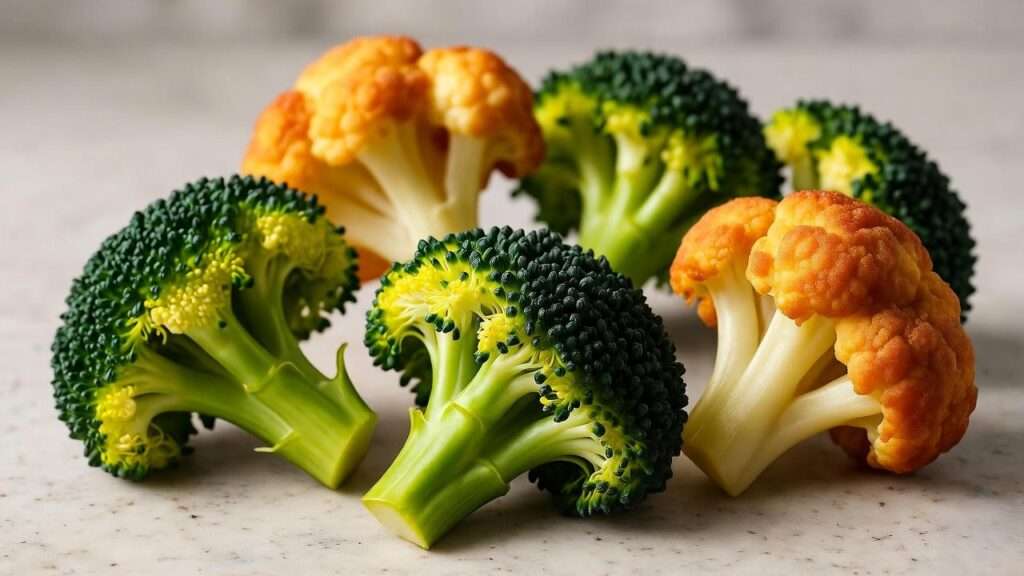

Imagine starting your day with a warm, toasted bagel slathered with creamy, vibrant garden veggie cream cheese, bursting with fresh flavors and wholesome ingredients. This isn’t just breakfast—it’s a celebration of plant-based goodness that fuels your body and delights your taste buds. As plant-based diets soar in popularity, garden veggie cream cheese has become a go-to for those seeking a healthy, dairy-free spread that’s as versatile as it is delicious. Whether you’re a seasoned vegan or just exploring plant-based options, this nutrient-packed spread can transform your mornings. In this article, I’ll share five irresistible recipes for garden veggie cream cheese, expert tips for perfecting texture and flavor, and insights into why this spread is a must-have for your plant-based lifestyle. With my background in plant-based nutrition and recipe development, I’ve crafted these recipes to be approachable, flavorful, and aligned with the latest nutritional science.
Why Garden Veggie Cream Cheese is a Plant-Based Game-Changer
The Appeal of Garden Veggie Cream Cheese
Garden veggie cream cheese is more than just a spread—it’s a culinary chameleon. Perfect for breakfast, snacks, or even as a dip for entertaining, it brings a burst of flavor to any meal. Its appeal lies in its ability to combine creamy richness with the fresh, vibrant taste of vegetables like carrots, bell peppers, and herbs. For those searching for “garden veggie cream cheese,” the intent is clear: you want a healthy, plant-based alternative to dairy spreads that doesn’t skimp on taste. This spread delivers, offering a satisfying texture and endless customization options, from bagels to veggie platters.
Health Benefits of Plant-Based Cream Cheese
Unlike traditional dairy cream cheese, plant-based garden veggie cream cheese can be a nutritional powerhouse. Made with ingredients like cashews or tofu, it’s rich in healthy fats, vitamins, and minerals. For example, cashew-based spreads provide heart-healthy monounsaturated fats, while vegetables like carrots add beta-carotene for eye health. According to the Academy of Nutrition and Dietetics, plant-based diets can reduce the risk of heart disease and improve digestion, making this spread a smart choice. Plus, it’s environmentally friendly, with a lower carbon footprint than dairy. Whether you’re vegan, lactose-intolerant, or simply health-conscious, this spread aligns with your goals.
What Makes a Great Garden Veggie Cream Cheese?
Key Ingredients for Flavor and Texture
Creating the perfect garden veggie cream cheese starts with quality ingredients. A creamy base—typically cashews, tofu, or coconut oil—provides the rich, spreadable texture. Fresh vegetables like carrots, red bell peppers, scallions, or cucumbers add crunch and flavor, while herbs like dill or chives elevate the taste. Nutritional yeast is a secret weapon for a cheesy, umami kick. Opt for organic, non-GMO ingredients to ensure purity and sustainability. For example, soaked cashews blend into a silky-smooth base, while finely diced veggies maintain a satisfying texture.
Tools and Techniques for Perfect Results
A high-speed blender or food processor is essential for achieving a velvety consistency. Soak nuts overnight to soften them, and blend with just enough liquid (like water or plant-based milk) to avoid a runny spread. Balance flavors by tasting as you go—add lemon juice for tang, salt for savoriness, or fresh herbs for brightness. A common mistake is over-blending vegetables, which can make the spread watery. Instead, pulse veggies lightly or fold them in after blending the base. These techniques, honed through years of recipe testing, ensure professional-quality results every time.
5 Irresistible Garden Veggie Cream Cheese Recipes
Recipe 1: Classic Garden Veggie Cream Cheese
Ingredients (Makes ~2 cups):
- 1 ½ cups raw cashews, soaked overnight
- ¼ cup water
- 2 tbsp lemon juice
- 1 tsp sea salt
- ¼ cup finely diced carrots
- ¼ cup finely diced red bell peppers
- 2 tbsp chopped scallions
- 1 tbsp fresh dill, minced
Instructions:
- Drain and rinse soaked cashews. Blend with water, lemon juice, and salt until smooth (about 2-3 minutes).
- Fold in carrots, bell peppers, scallions, and dill for even distribution.
- Chill for 1 hour to set flavors.
- Serve on whole-grain bagels or as a veggie dip.

Nutritional Info (per 2 tbsp): ~90 calories, 7g fat, 3g protein, 5g carbs.
Serving Suggestion: Pair with a warm bagel and sliced tomatoes for a classic breakfast.
Recipe 2: Spicy Jalapeño Garden Veggie Cream Cheese
Ingredients (Makes ~1.5 cups):
- 1 cup silken tofu
- 2 tbsp lime juice
- 1 tsp garlic powder
- ½ tsp sea salt
- 2 tbsp diced jalapeños (adjust for spice preference)
- 2 tbsp chopped cilantro
- 1 tsp lime zest
Instructions:
- Blend tofu, lime juice, garlic powder, and salt until creamy.
- Stir in jalapeños, cilantro, and lime zest.
- Adjust spice level by adding more jalapeños or a pinch of cayenne.
- Refrigerate for 30 minutes before serving.
Nutritional Info (per 2 tbsp): ~50 calories, 2g fat, 3g protein, 4g carbs.
Serving Suggestion: Spread on a toasted English muffin or use as a zesty sandwich filler.
Expert Tip: For milder flavor, mix in 1 tbsp plant-based yogurt to balance the heat.
Recipe 3: Roasted Garlic and Herb Garden Veggie Cream Cheese
Ingredients (Makes ~2 cups):
- 1 ½ cups raw cashews, soaked
- ¼ cup water
- 2 tbsp nutritional yeast
- 1 tbsp lemon juice
- 1 tsp sea salt
- 1 head roasted garlic (roast at 400°F for 30 minutes)
- 2 tbsp fresh basil, chopped
- 1 tbsp fresh thyme, minced
Instructions:
- Blend cashews, water, nutritional yeast, lemon juice, and salt until smooth.
- Squeeze roasted garlic cloves into the mixture and blend briefly.
- Fold in basil and thyme.
- Chill for 1 hour to meld flavors.
Nutritional Info (per 2 tbsp): ~95 calories, 8g fat, 3g protein, 5g carbs.
Serving Suggestion: Spread on crostini or use as a base for plant-based flatbread.
Highlight: Roasted garlic adds a deep, umami flavor that elevates any dish.
Recipe 4: Sweet Potato and Chive Garden Veggie Cream Cheese
Ingredients (Makes ~2 cups):
- 1 cup cooked sweet potato, mashed
- 1 cup raw cashews, soaked
- 3 tbsp water
- 1 tbsp lemon juice
- ½ tsp smoked paprika
- ½ tsp sea salt
- 2 tbsp chopped chives
Instructions:
- Blend sweet potato, cashews, water, lemon juice, paprika, and salt until creamy.
- Stir in chives for a fresh, oniony kick.
- Refrigerate for 1 hour to firm up.
- Serve chilled or at room temperature.
Nutritional Info (per 2 tbsp): ~85 calories, 6g fat, 2g protein, 7g carbs.
Serving Suggestion: Spread on sourdough toast or use as a filling for stuffed mushrooms.
Nutritional Benefit: Sweet potatoes add beta-carotene and fiber for a nutrient boost.
Recipe 5: Mediterranean-Inspired Garden Veggie Cream Cheese
Ingredients (Makes ~1.5 cups):
- 1 cup raw almonds, soaked
- ¼ cup water
- 2 tbsp lemon juice
- ½ tsp sea salt
- ¼ cup chopped sun-dried tomatoes (oil-packed, drained)
- 2 tbsp chopped kalamata olives
- 1 tsp dried oregano
Instructions:
- Blend almonds, water, lemon juice, and salt until smooth.
- Fold in sun-dried tomatoes, olives, and oregano.
- Chill for 30 minutes to enhance flavors.
- Serve with pita chips or in a wrap.
Nutritional Info (per 2 tbsp): ~90 calories, 7g fat, 3g protein, 5g carbs.
Serving Suggestion: Use as a dip with pita chips or spread in a Mediterranean wrap.
Cultural Note: Mediterranean flavors align with plant-based principles, emphasizing whole foods and bold tastes.
Expert Tips for Customizing Your Garden Veggie Cream Cheese
Adjusting Texture and Consistency
For a spreadable texture, use minimal liquid when blending—start with 2-3 tablespoons and add more if needed. For a dippable consistency, increase liquid slightly and blend longer. If the spread is grainy, ensure nuts are soaked adequately (8-12 hours). To fix a watery spread, add more nuts or a tablespoon of coconut oil to thicken.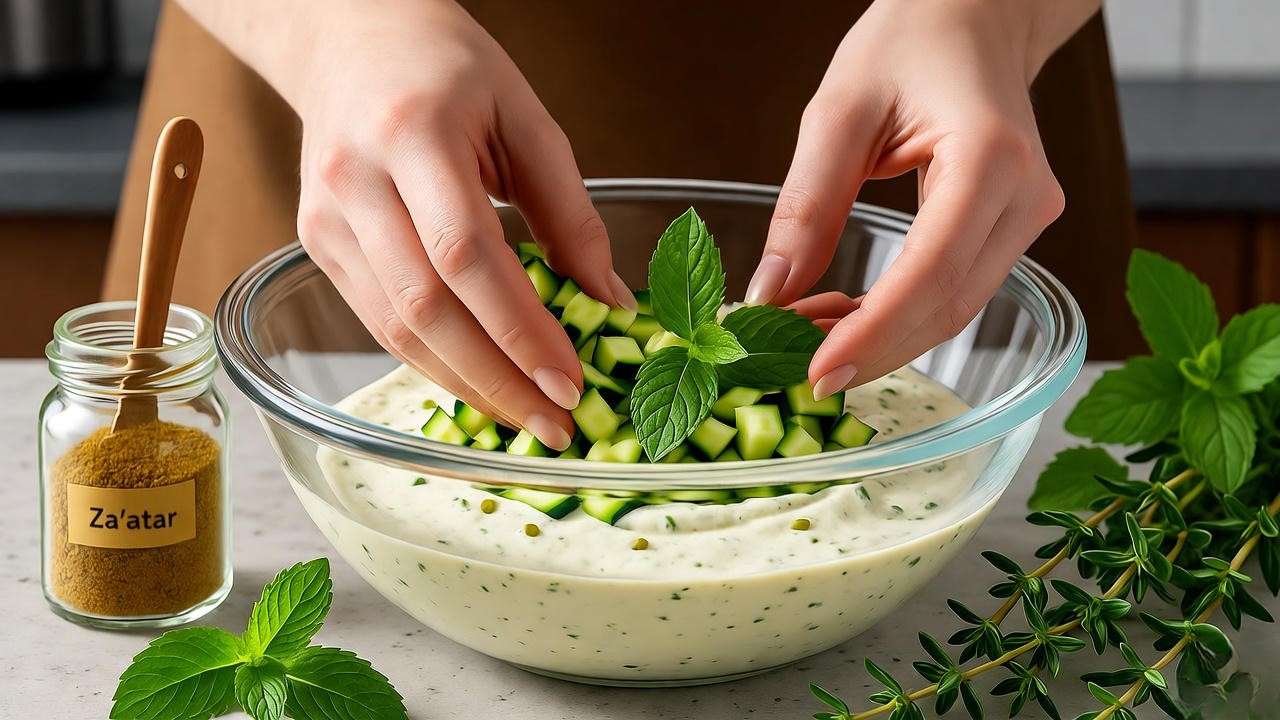
Flavor Enhancements
Experiment with seasonal veggies like zucchini or radishes for unique twists. Global spices like za’atar or turmeric add depth, while fresh herbs like parsley or mint keep it vibrant. Balance flavors by tasting frequently—add a pinch of salt or a splash of lemon juice to fine-tune.
Storage and Shelf Life
Store garden veggie cream cheese in an airtight container in the fridge for up to 5-7 days. For batch prep, freeze in small portions for up to 2 months, thawing overnight in the fridge. Always check for off smells or mold before consuming to ensure freshness.
How to Incorporate Garden Veggie Cream Cheese into Your Plant-Based Lifestyle
Breakfast Ideas
Transform your mornings with garden veggie cream cheese. Spread it on whole-grain toast topped with avocado and sprouts for a nutrient-packed start. For a heartier option, try a breakfast wrap with the spicy jalapeño spread, scrambled tofu, and spinach. These ideas are quick, delicious, and align with plant-based principles.
Snacks and Appetizers
Use garden veggie cream cheese as a dip with crudités like cucumber slices or carrot sticks for a healthy snack. For entertaining, create pinwheel sandwiches with the Mediterranean spread, layered with roasted veggies and wrapped in a tortilla. Present it in a colorful bowl with garnishes like fresh herbs for a stunning party platter.
Meal Prep and Batch Cooking
Save time by making a double batch of your favorite recipe. Store in portioned containers for quick breakfasts or snacks throughout the week. Pair with pre-cooked grains like quinoa or roasted veggies for a balanced meal prep. This approach minimizes food waste and keeps your plant-based diet on track.
Common Mistakes to Avoid When Making Garden Veggie Cream Cheese
Ingredient Pitfalls
Avoid low-quality nuts, which can taste rancid and ruin the spread. Overprocessing vegetables can release too much water, diluting the flavor. Use precise measurements for salt and acid (like lemon juice) to prevent an overly salty or bland result.
Preparation Errors
Skipping the nut-soaking step can lead to a grainy texture—always soak cashews or almonds for at least 8 hours. Over-blending veggies can make the spread mushy; pulse them lightly or fold them in by hand. Taste as you go to catch imbalances early.
Storage Mishaps
Improper storage, like leaving the spread at room temperature too long, can lead to spoilage. Always refrigerate promptly and use clean utensils to avoid contamination. If freezing, wrap tightly to prevent freezer burn, and label with the date for reference.
Frequently Asked Questions (FAQs)
Can I make garden veggie cream cheese nut-free?
Yes! Substitute silken tofu or sunflower seeds for nuts. Blend tofu with lemon juice and seasonings for a creamy base, or use sunflower seeds for a slightly nutty flavor. Adjust liquid to achieve the desired texture.
How long does homemade garden veggie cream cheese last?
Stored in an airtight container in the fridge, it lasts 5-7 days. Check for off odors or mold before eating. Freezing extends shelf life to 2 months—thaw in the fridge overnight.
Is garden veggie cream cheese suitable for vegan diets?
Absolutely! All recipes here are 100% vegan, using plant-based ingredients like cashews, tofu, or almonds. They’re also adaptable for gluten-free or soy-free diets with simple swaps.
Can I freeze garden veggie cream cheese?
Yes, freeze in small, airtight containers for up to 2 months. Thaw in the fridge overnight and stir well before serving to restore texture.
What’s the best way to serve garden veggie cream cheese at a party?
Present in a decorative bowl with garnishes like fresh herbs or a drizzle of olive oil. Serve with pita chips, veggie sticks, or crackers for a crowd-pleasing appetizer.
Conclusion
Garden veggie cream cheese is a versatile, nutrient-packed addition to any plant-based diet, offering endless possibilities for breakfast, snacks, and beyond. These five recipes—from classic to Mediterranean-inspired—make it easy to create your own at home, tailored to your tastes. With expert tips and creative serving ideas, you’re equipped to elevate your meals while staying true to your plant-based values. Try these recipes, experiment with your own variations, and share your creations with #PlantDietDelights. As a plant-based nutrition enthusiast, I’m excited to help you make every bite delicious and sustainable.