
Picture this: It’s 6 p.m. on a hectic weeknight, your fridge is nearly empty, and you’re craving a nutritious, flavorful side dish to round out dinner. Enter frozen asparagus—a lifesaver that’s ready in minutes, packed with vitamins, and surprisingly versatile. Whether you’re a busy parent, a health-conscious foodie, or a budget-savvy cook, this vibrant green veggie can transform your meals without the hassle of washing or trimming. As a certified nutritionist with over a decade of experience in culinary education, I’ve tested countless ways to turn frozen asparagus into restaurant-worthy dishes. In this ultimate guide, you’ll discover expert tips, foolproof cooking methods, and mouthwatering recipes to make frozen asparagus your go-to ingredient for quick, healthy meals.
Why Choose Frozen Asparagus? Nutritional Benefits and Year-Round Availability
The Health Perks of Asparagus – Fresh vs. Frozen
Asparagus is a nutritional powerhouse, loaded with vitamins K, A, and C, folate, and fiber, which support bone health, immunity, and digestion. But does freezing diminish its value? According to USDA data, frozen asparagus retains nearly all its nutrients due to flash-freezing at peak freshness. Unlike fresh asparagus, which can lose up to 50% of its vitamin C within days of harvest, frozen spears lock in their goodness for months. This makes frozen asparagus a smart choice for consistent nutrition, especially when fresh produce isn’t in season.
Convenience Factor: Saving Time and Reducing Food Waste
Frozen asparagus eliminates the need for trimming tough ends or peeling woody stems, saving you precious prep time. It’s also a sustainable choice: no worrying about fresh spears wilting in the fridge. With a shelf life of up to 8 months in the freezer, you can stock up without fear of spoilage. Pro Tip: Buy in bulk during sales to maximize savings and always have a healthy side dish on hand.
Selecting and Storing Frozen Asparagus for Optimal Quality
What to Look for When Buying Frozen Asparagus
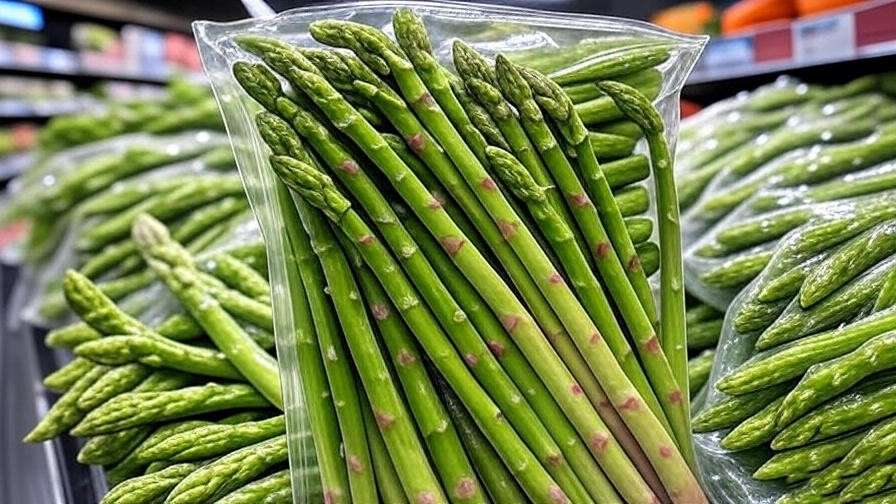
Not all frozen asparagus is created equal. When shopping, check for tightly sealed packages with no signs of freezer burn (ice crystals or discoloration). Opt for spears over tips for versatility in cooking, or choose organic brands for pesticide-free options. Here’s a quick comparison of popular brands:
| Brand | Type | Pros | Cons |
|---|---|---|---|
| Birds Eye | Spears | Uniform size, vibrant color | Slightly pricier |
| Great Value | Tips | Budget-friendly, good for soups | Smaller pieces |
| Cascadian Farm | Organic Spears | No additives, eco-friendly | Limited availability |
Best Storage Practices to Maintain Freshness
To keep frozen asparagus at its best, store it at 0°F (-18°C) in the back of your freezer, away from the door to avoid temperature fluctuations. If you open a bag, transfer leftovers to an airtight freezer bag to prevent ice buildup. Properly stored, it can last 8–12 months without losing quality. Pro Tip: Label bags with the purchase date to track freshness.
Essential Thawing Techniques for Frozen Asparagus
Quick Thaw Methods for Busy Cooks
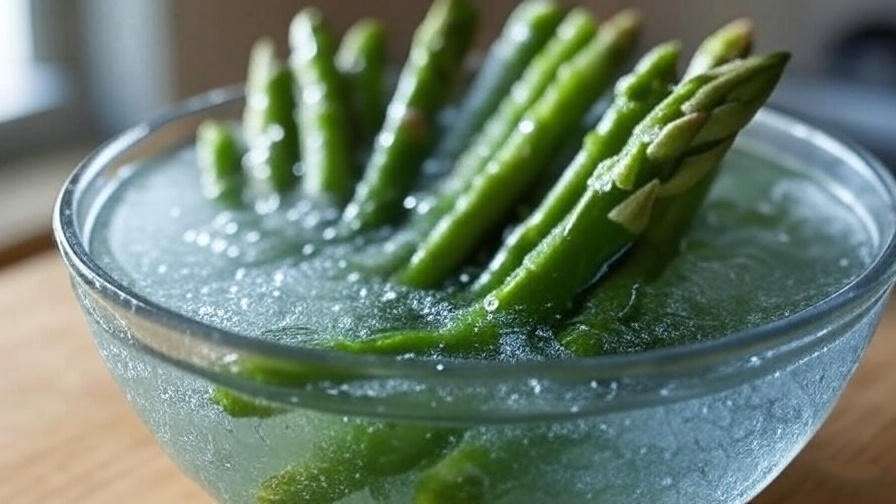
Thawing can enhance texture for certain recipes, but it must be done safely to avoid bacterial growth. Here are three methods:
- Microwave: Place asparagus in a microwave-safe dish with a splash of water, cover loosely, and microwave on low for 2–3 minutes, checking frequently.
- Cold Water: Submerge the sealed bag in cold water for 10–15 minutes, changing the water halfway through.
- Countertop: Let sit at room temperature for 20–30 minutes (not recommended for large batches to avoid spoilage).
Safety Note: Never thaw at room temperature for over an hour to prevent bacterial risks.
When to Skip Thawing Altogether
For many cooking methods, thawing isn’t necessary. Roasting or sautéing frozen asparagus directly preserves its crisp texture and prevents mushiness. Expert Advice: Pat spears dry with a paper towel before cooking to remove excess moisture, ensuring better browning.
Mastering Cooking Methods: From Steaming to Grilling Frozen Asparagus
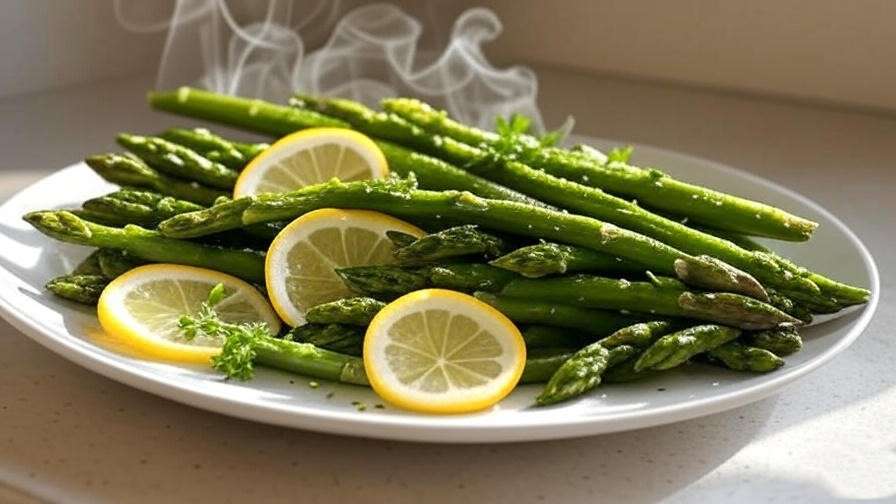
Steaming for Maximum Nutrient Retention
Steaming is ideal for preserving nutrients and achieving tender-crisp asparagus. Here’s how:
- Place a steamer basket in a pot with 1 inch of water.
- Add frozen asparagus, cover, and steam for 4–6 minutes until bright green.
- Season with lemon zest, sea salt, or fresh herbs.
Roasting Frozen Asparagus for Crispy Perfection
Roasting brings out a nutty flavor and crispy edges. Try this simple recipe:
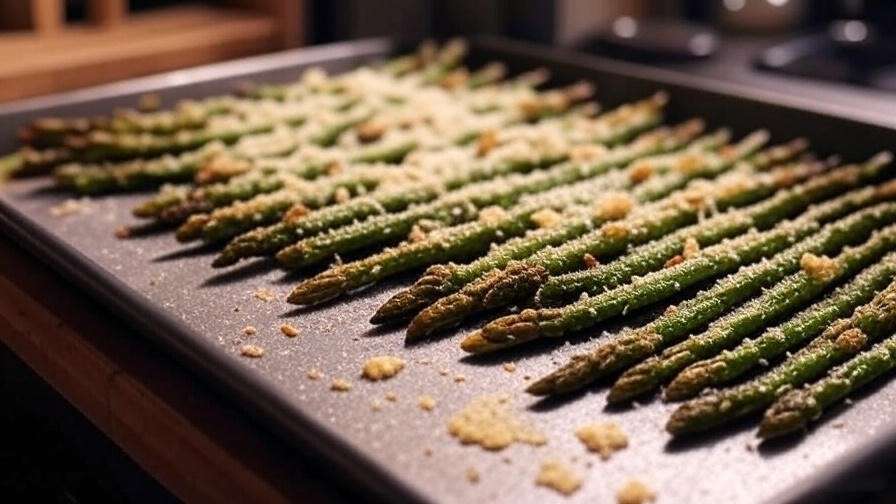
Roasted Garlic Parmesan Asparagus
- Ingredients: 1 lb frozen asparagus, 2 tbsp olive oil, 2 minced garlic cloves, ¼ cup grated Parmesan, salt, and pepper.
- Steps:
- Preheat oven to 425°F (220°C).
- Toss asparagus with oil, garlic, salt, and pepper on a baking sheet.
- Roast for 12–15 minutes, shaking the pan halfway.
- Sprinkle with Parmesan and serve hot.
- Nutrition: ~120 calories per serving (4 oz).
Sautéing or Stir-Frying for Quick Meals
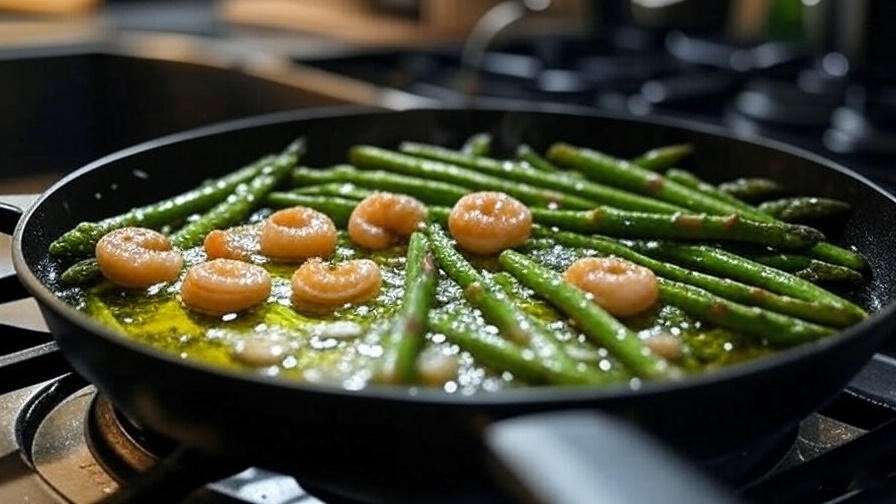
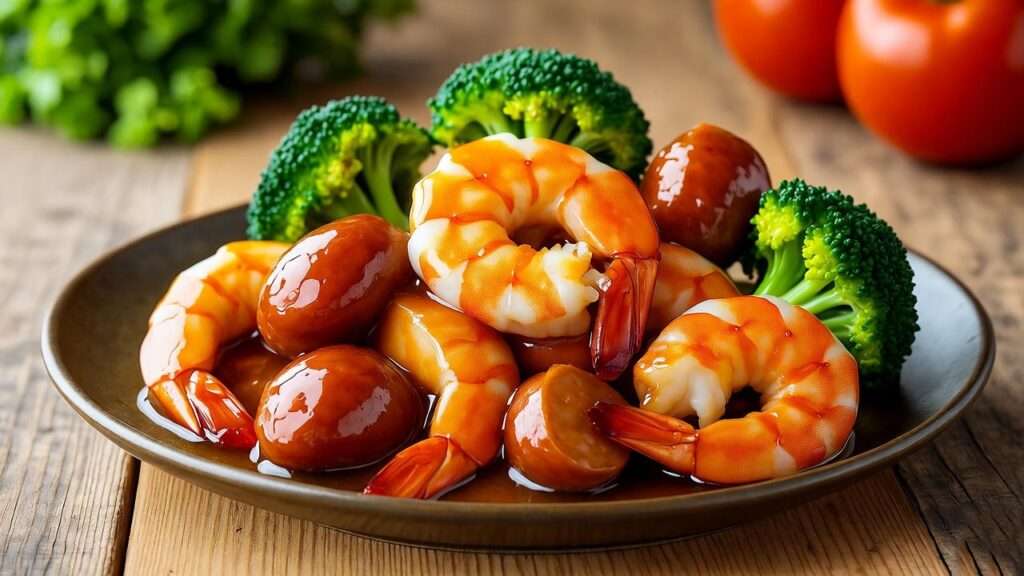
Sautéing is perfect for fast weeknight dishes. Heat 1 tbsp olive oil in a skillet over medium-high heat, add frozen asparagus, and cook for 5–7 minutes, stirring occasionally. Avoid overcrowding to prevent steaming. Pairing Idea: Toss with shrimp and soy sauce for an Asian-inspired stir-fry.
Other Creative Methods: Boiling, Grilling, and Air Frying
- Boiling: Quick but can make asparagus soggy; boil for 3–4 minutes and shock in ice water to stop cooking.
- Grilling: Brush with oil and grill on high for 5–6 minutes for smoky flavor.
- Air Frying: Air fry at 400°F (200°C) for 7–9 minutes for a crispy, low-oil option.
Delicious, Healthy Recipes Featuring Frozen Asparagus
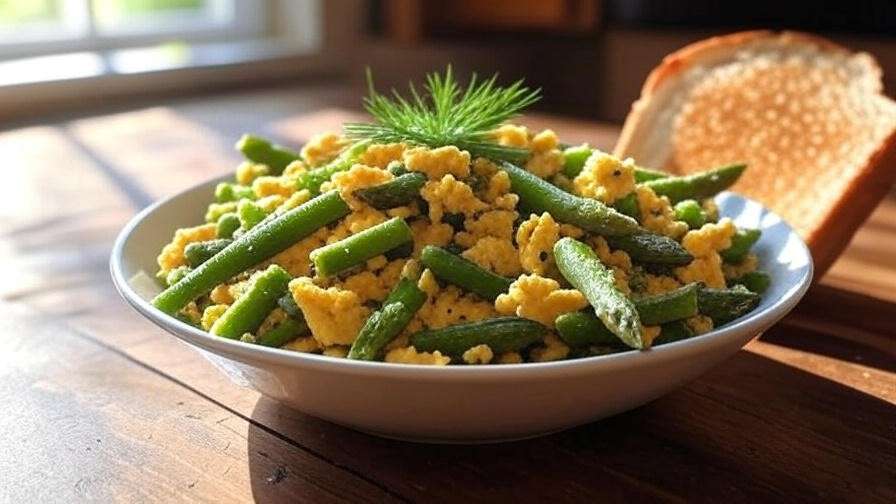
Breakfast Boost: Asparagus and Egg Scramble
Ingredients (Serves 2):
- 1 cup frozen asparagus, chopped
- 4 large eggs
- 2 tbsp milk
- 1 tbsp butter
- Salt, pepper, and fresh dill to taste
Steps:
- Melt butter in a non-stick skillet over medium heat.
- Add asparagus and cook for 4–5 minutes until tender.
- Whisk eggs with milk, pour into skillet, and scramble until set (2–3 minutes).
- Season with salt, pepper, and dill. Serve with whole-grain toast.
Nutrition: ~200 calories per serving. Time-Saver: Prep in under 15 minutes.
Lunchtime Favorite: Asparagus Quinoa Salad
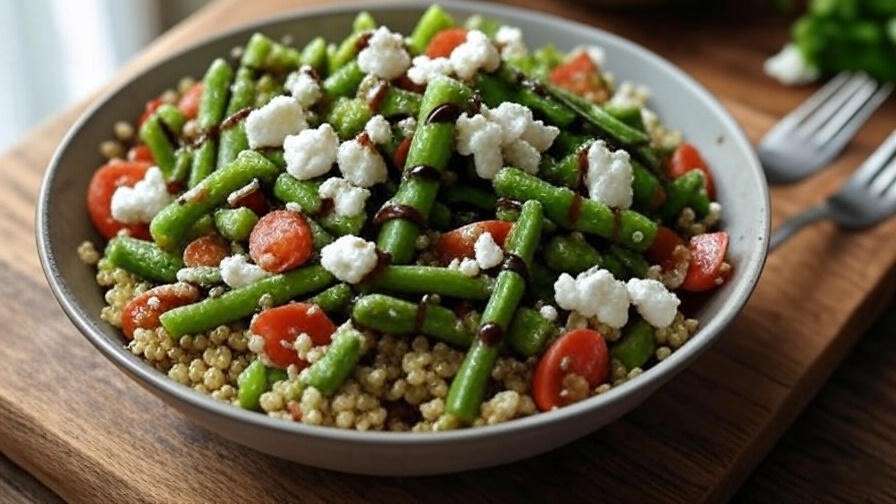
Ingredients (Serves 4):
- 1 lb frozen asparagus, steamed and chopped
- 1 cup cooked quinoa
- ½ cup cherry tomatoes, halved
- ¼ cup feta cheese
- 2 tbsp olive oil, 1 tbsp balsamic vinegar, salt, and pepper
Steps:
- Combine asparagus, quinoa, and tomatoes in a bowl.
- Whisk oil, vinegar, salt, and pepper for dressing.
- Toss salad with dressing and top with feta.
- Serve chilled or at room temperature.
Nutrition: ~180 calories per serving.
Dinner Delight: Lemon Garlic Asparagus with Grilled Chicken
Ingredients (Serves 4):
- 1 lb frozen asparagus
- 4 boneless chicken breasts
- 3 tbsp olive oil
- 2 cloves garlic, minced
- Juice and zest of 1 lemon
- Salt, pepper, and 1 tsp dried thyme
Steps:
- Preheat grill to medium-high (400°F/200°C).
- Rub chicken with 1 tbsp olive oil, salt, pepper, and thyme. Grill for 6–7 minutes per side until cooked through (165°F/74°C internal temperature).
- In a skillet, heat 2 tbsp olive oil over medium heat. Add frozen asparagus and garlic; sauté for 5–7 minutes until tender.
- Squeeze lemon juice over asparagus, sprinkle with zest, and serve alongside chicken.
Nutrition: ~300 calories per serving.
Side Dish Staples: Three Easy Variations
- Balsamic-Glazed Asparagus:
- Toss 1 lb frozen asparagus with 1 tbsp olive oil and roast at 425°F (220°C) for 12 minutes. Drizzle with 1 tbsp balsamic glaze and serve.
- Cheesy Baked Asparagus:
- Place 1 lb frozen asparagus in a baking dish, top with ½ cup shredded cheddar, and bake at 400°F (200°C) for 10–12 minutes until cheese is bubbly.
- Asian-Inspired Stir-Fry:
- Sauté 1 lb frozen asparagus with 1 tbsp sesame oil, 1 tbsp soy sauce, and 1 tsp grated ginger for 6–8 minutes. Sprinkle with sesame seeds.
Dessert? Wait, Savory Twists: Asparagus in Soups and
Casseroles
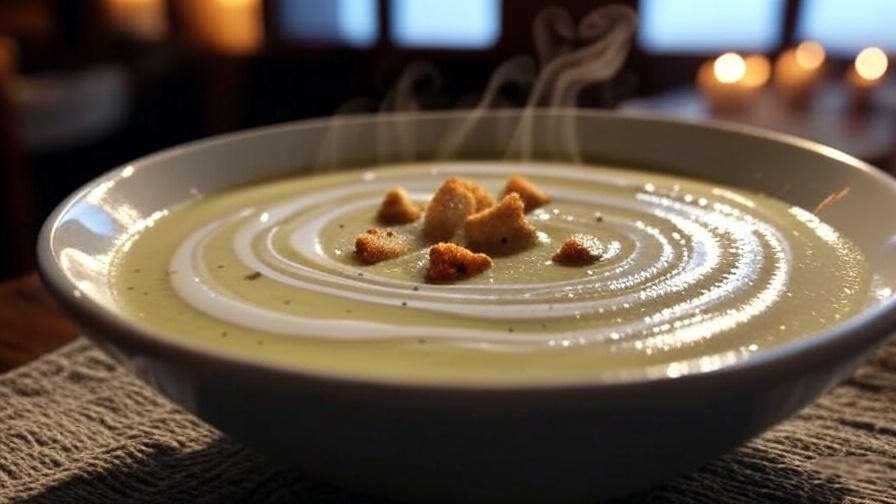
Creamy Asparagus Soup (Serves 4):
- Ingredients: 1 lb frozen asparagus, 1 onion (chopped), 2 cups vegetable broth, ½ cup heavy cream, 1 tbsp butter, salt, and pepper.
- Steps:
- Melt butter in a pot; sauté onion until soft (5 minutes).
- Add asparagus and broth; simmer for 10 minutes.
- Blend until smooth, stir in cream, and season to taste.
- Nutrition: ~150 calories per serving.
Asparagus Frittata:
- Combine 1 cup chopped frozen asparagus with 6 eggs, ¼ cup milk, and ½ cup shredded mozzarella. Bake in a skillet at 375°F (190°C) for 20 minutes.
Pro Tips and Tricks for Perfect Frozen Asparagus Every Time
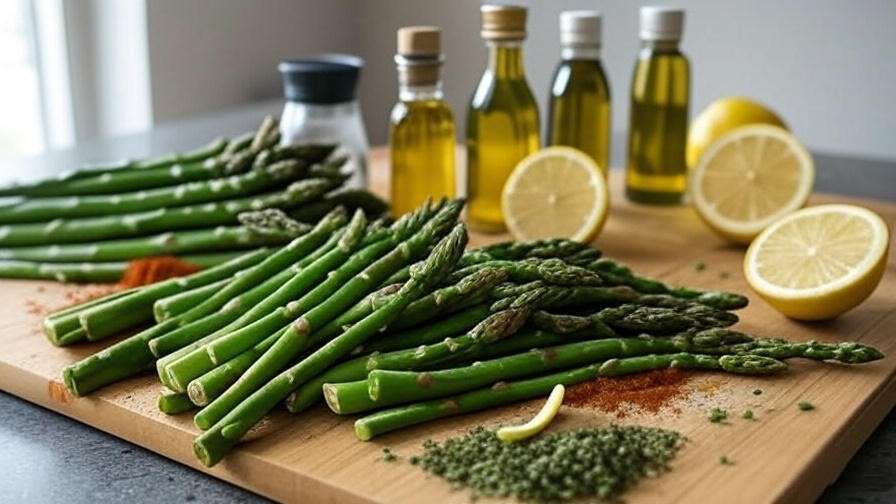
Flavor Enhancers and Seasoning Secrets
Elevate your dishes with these flavor boosters:
- Spices: Paprika, cumin, or red pepper flakes for a kick.
- Oils: Try truffle oil or avocado oil for a gourmet touch.
- Acids: A splash of balsamic vinegar or lime juice brightens flavors.
Texture Troubleshooting: Avoiding Mushy Results
- Issue: Soggy asparagus from excess moisture.
- Fix: Pat spears dry before cooking and avoid overcrowding the pan.
- Issue: Overcooked, limp texture.
- Fix: Monitor cooking times closely; frozen asparagus cooks faster than fresh.
Pairing Suggestions for Balanced Meals
- Proteins: Grilled salmon, tofu, or pork tenderloin.
- Grains: Quinoa, farro, or wild rice for heartiness.
- Veggies: Pair with roasted carrots or bell peppers for color and flavor.
Sustainable and Budget-Friendly Advice
- Bulk Buying: Purchase large bags during sales at warehouse stores.
- Reduce Waste: Use asparagus tips for soups or smoothies to avoid discarding smaller pieces.
- Eco-Friendly Sourcing: Choose brands with sustainable packaging, like Cascadian Farm.
Common Mistakes to Avoid When Cooking Frozen Asparagus
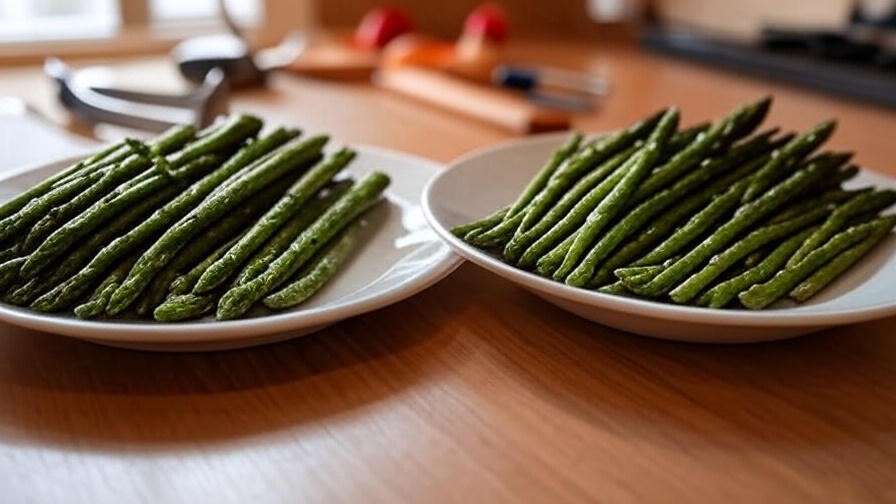
- Overcrowding the Pan: Causes steaming instead of browning. Use a large skillet or roast in a single layer.
- Not Patting Dry: Excess moisture leads to soggy results. Always dry spears after thawing or before cooking.
- Overcooking: Frozen asparagus cooks in 5–12 minutes depending on the method. Set a timer to avoid mushiness.
- Underseasoning: Asparagus benefits from bold flavors. Don’t skimp on salt, pepper, or herbs.
The Science Behind Frozen Asparagus: Nutrition Deep Dive
How Freezing Affects Asparagus Quality
Commercial freezing involves blanching asparagus (briefly boiling then chilling) to halt enzyme activity, preserving color, texture, and nutrients. According to FDA guidelines, this process ensures frozen asparagus retains up to 90% of its vitamins compared to fresh. The key is flash-freezing within hours of harvest, which locks in peak freshness.
Health Impacts: Boosting Immunity and Digestion
Asparagus is rich in:
- Antioxidants: Like glutathione, which fights free radicals and supports immunity.
- Prebiotics: Inulin promotes gut health by feeding beneficial bacteria.
- Fiber: Aids digestion and supports weight management.
Table: Nutrient Comparison (4 oz serving)
| Nutrient | Frozen Asparagus | Fresh Asparagus |
|---|---|---|
| Vitamin K | 51 µg (43% DV) | 50 µg (42% DV) |
| Vitamin C | 8 mg (9% DV) | 7 mg (8% DV) |
| Fiber | 2 g | 2 g |
Frequently Asked Questions (FAQs)
1. Can you refreeze thawed asparagus?
Yes, if it was thawed in the fridge and not left at room temperature for over an hour. However, texture may soften slightly.
2. What’s the best way to cook frozen asparagus without oil?
Steam or boil for a low-fat option, then season with lemon juice or herbs for flavor. See Steaming Section.
3. How does frozen asparagus compare to canned?
Frozen retains more nutrients and a crisper texture than canned, which can be softer and higher in sodium.
4. Can I use frozen asparagus in smoothies?
Yes, blend steamed asparagus with spinach, banana, and almond milk for a nutrient-packed drink.
5. How do I know if frozen asparagus has gone bad?
Look for freezer burn (white patches or ice crystals) or an off smell. Discard if present.
6. Is frozen asparagus as healthy as fresh?
Yes, it’s often more nutrient-dense due to flash-freezing at peak ripeness. See Nutrition Deep Dive.
7. Can I grill frozen asparagus without thawing?
Absolutely! Brush with oil and grill directly for 5–6 minutes. See Grilling Section.
8. How do I make frozen asparagus kid-friendly?
Try the cheesy baked variation or cut into small pieces for a mild-flavored soup.
Conclusion: Elevate Your Meals with Frozen Asparagus Mastery
Frozen asparagus is a game-changer for quick, healthy, and delicious meals. From its nutrient-packed profile to its year-round availability, it’s an ingredient that deserves a spot in every kitchen. With the techniques, recipes, and pro tips in this guide, you can transform this humble veggie into dishes that impress your family or guests. Whether you’re roasting it for a crispy side or blending it into a creamy soup, the possibilities are endless.