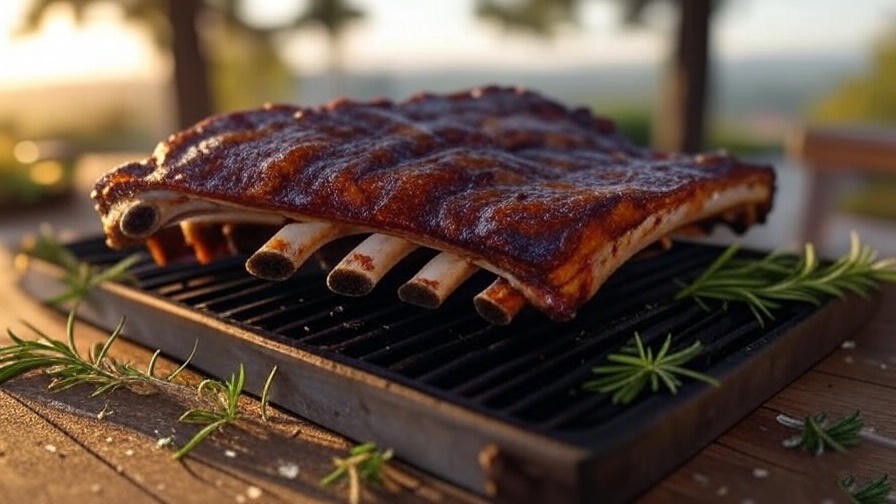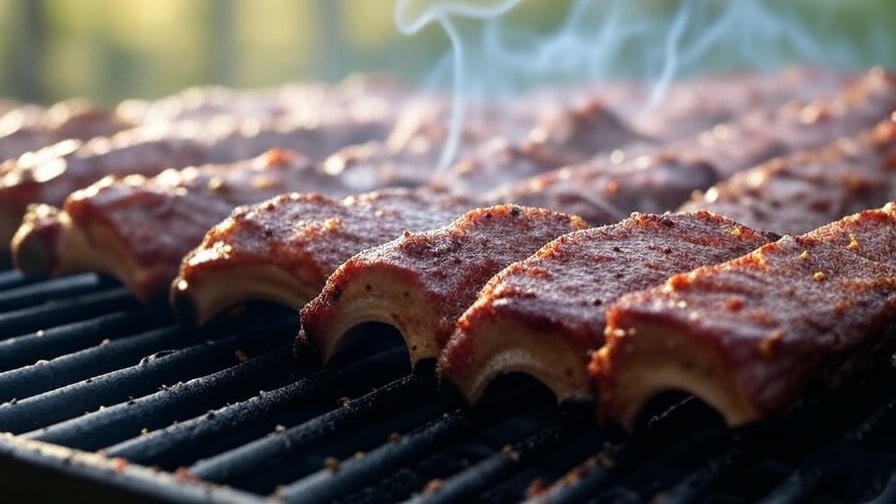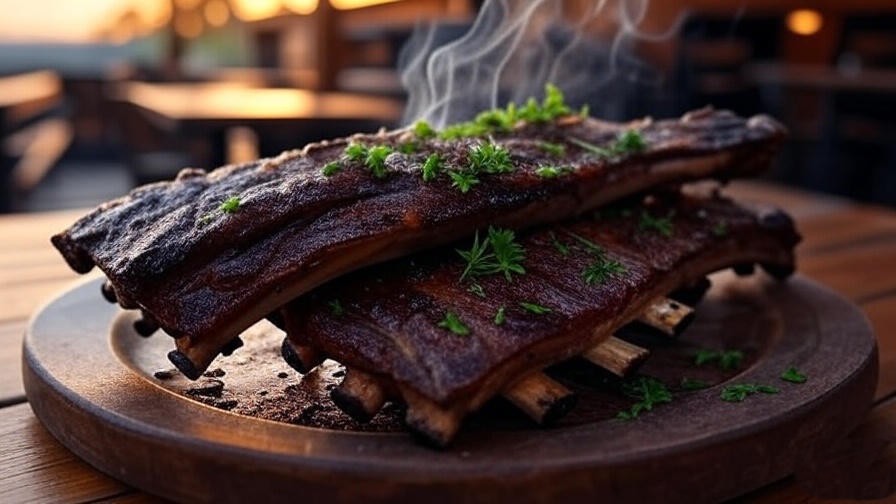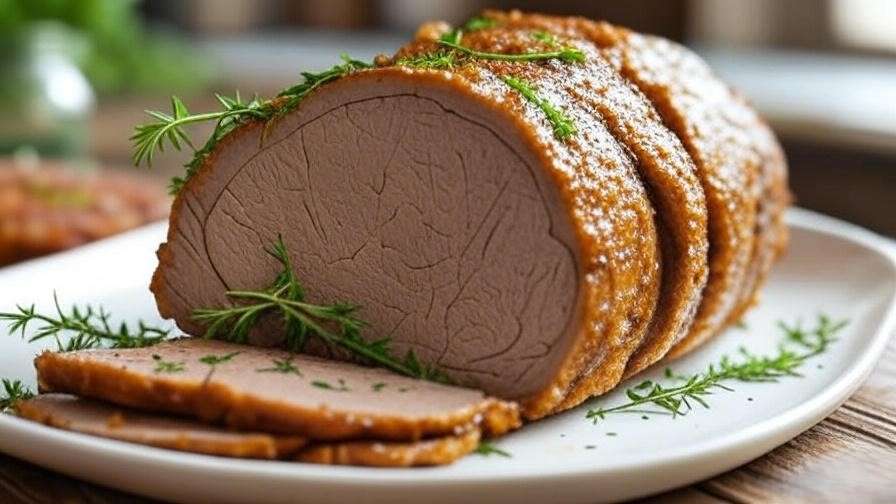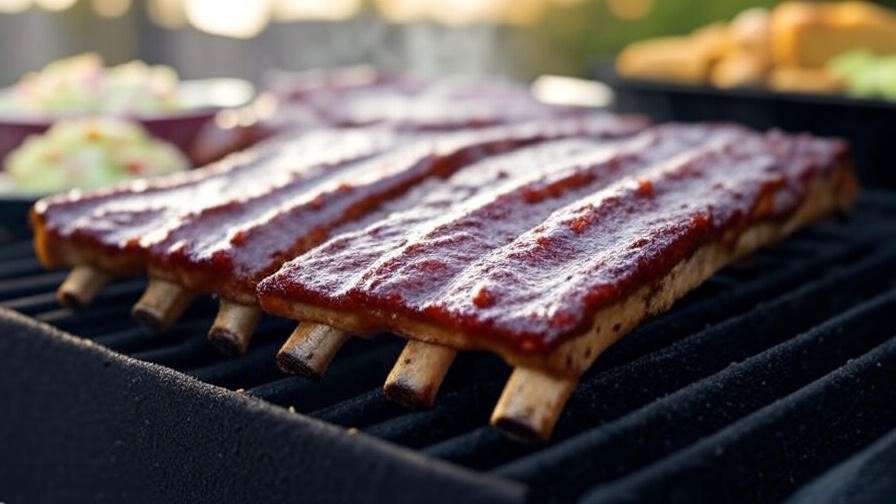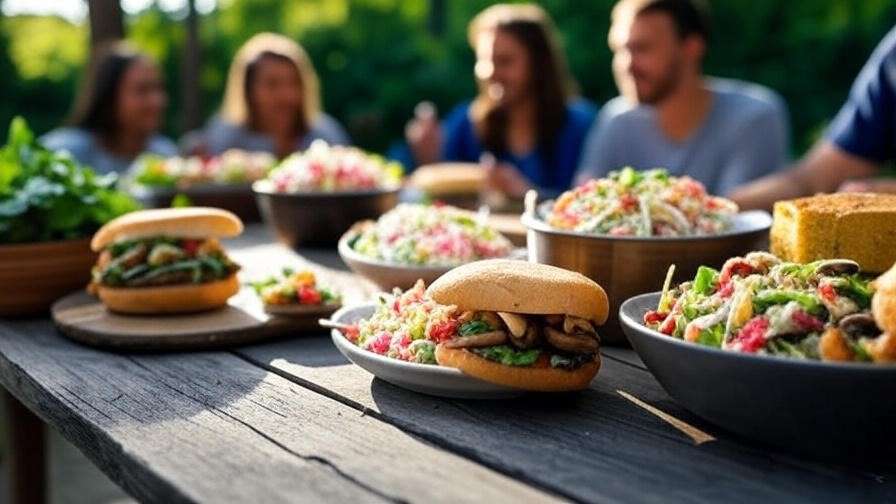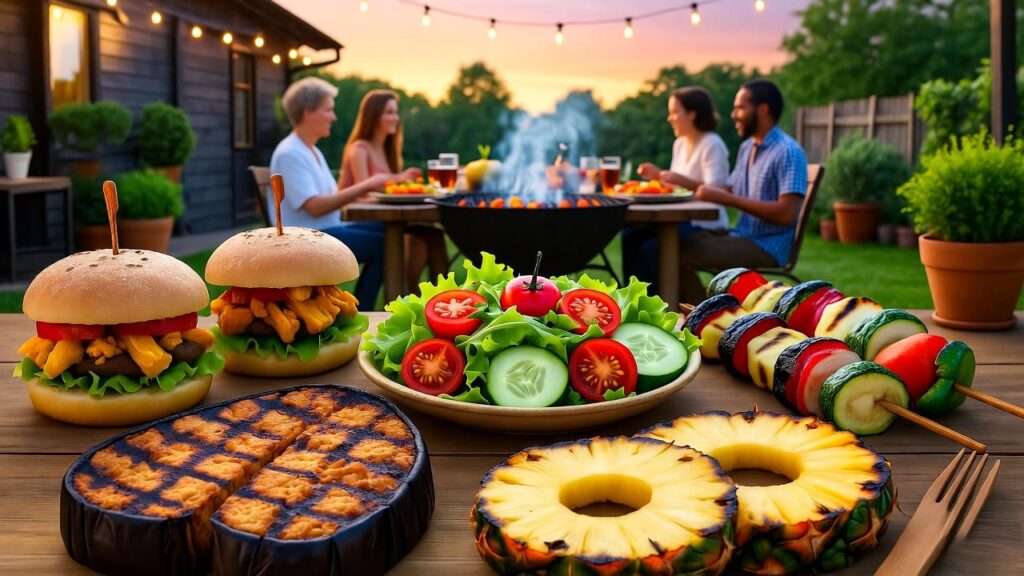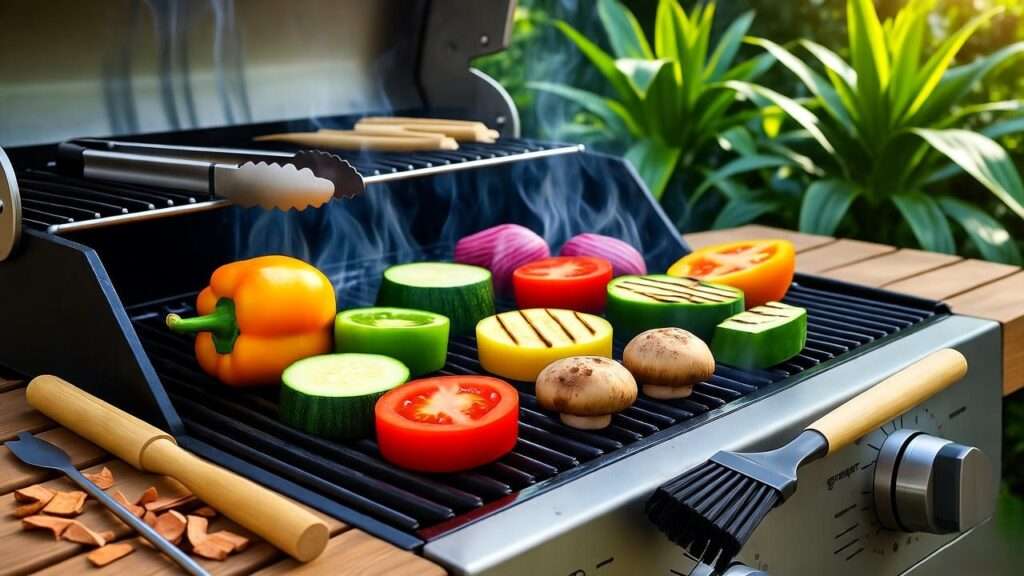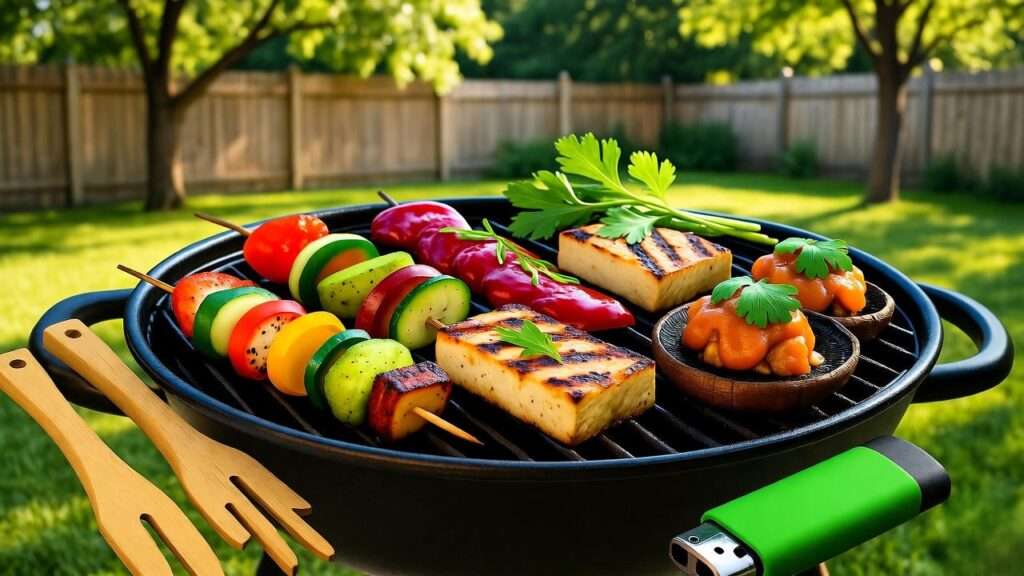

Picture this: a plate of smoky, tender, finger-licking beef plate ribs, dripping with tangy BBQ sauce, but entirely plant-based. Yes, it’s possible! Whether you’re embracing a vegan lifestyle, reducing meat for health or environmental reasons, or simply curious about meat-free alternatives, replicating the bold flavors and satisfying textures of beef plate ribs is easier than you think. This comprehensive guide dives into the best plant-based alternatives to beef plate ribs, offering foolproof recipes, expert cooking tips, and nutritional insights to satisfy your cravings. As a plant-based nutrition expert with years of experience in vegan recipe development, I’ve crafted this article to help you create mouthwatering, meat-free meals that rival the real thing.
Transitioning to a plant-based diet doesn’t mean sacrificing indulgence. Many struggle to find substitutes that match the rich, savory profile of beef plate ribs while aligning with vegan values. This article solves that problem with practical, delicious solutions, backed by insights from vegan chefs and dietitians. Let’s explore how to bring the BBQ to your table—without the meat.
Why Choose Plant-Based Alternatives to Beef Plate Ribs?
The Rise of Plant-Based Eating
Plant-based diets have surged in popularity, driven by health, sustainability, and ethical concerns. According to a 2021 Oxford study, reducing meat consumption can cut your carbon footprint by up to 50%. Health benefits are equally compelling: plant-based diets are linked to lower risks of heart disease and diabetes, per the American Heart Association. For many, the challenge lies in recreating the hearty, satisfying dishes they love—like beef plate ribs—without compromising flavor or texture. The good news? Innovative plant-based ingredients make this easier than ever.
Why Beef Plate Ribs Are Hard to Replace
Beef plate ribs, often called “dino ribs” for their size, are prized for their rich, beefy flavor, tender chew, and smoky BBQ essence. Their high fat content and connective tissue create a melt-in-your-mouth experience that’s tough to mimic. Plant-based cooks face the challenge of replicating this umami-packed profile and meaty texture without animal products. Fortunately, ingredients like seitan, jackfruit, and mushrooms offer versatile solutions that hit all the right notes.
Benefits of Plant-Based Substitutes
Switching to plant-based ribs offers multiple advantages:
- Health: Lower in saturated fat and cholesterol-free, plant-based options like seitan and tempeh are packed with protein and fiber.
- Environment: Producing beef generates 60 kg of CO2 per kg consumed, compared to just 0.5 kg for plant-based alternatives like jackfruit (World Resources Institute, 2020).
- Ethics: Choosing vegan ribs aligns with cruelty-free values, supporting a more humane food system.
These benefits make plant-based ribs a win-win for your plate and the planet.
Top Plant-Based Alternatives to Beef Plate Ribs
Seitan: The Meaty, Protein-Packed Option
Seitan, made from vital wheat gluten, is a plant-based powerhouse known for its chewy, meat-like texture. With 25 grams of protein per 100 grams, it’s a nutritional match for beef. Seitan’s versatility allows you to season and shape it into rib-like slabs, perfect for grilling or baking. Marinate it with smoky spices like paprika and liquid smoke, then slow-cook for a tender, juicy result. Homemade seitan is budget-friendly, but pre-made options are available at stores like Whole Foods.
Jackfruit: The Pulled “Rib” Sensation
Young green jackfruit is a vegan favorite for its fibrous, shreddable texture, ideal for mimicking pulled beef ribs. Its neutral flavor soaks up BBQ sauces and marinades, delivering a smoky, tangy bite. Canned jackfruit (in brine, not syrup) is widely available at grocery stores or online. Slow-cook it with spices and a rich sauce for a crowd-pleasing dish that pairs perfectly with coleslaw or cornbread.
Mushrooms: Umami-Rich and Hearty
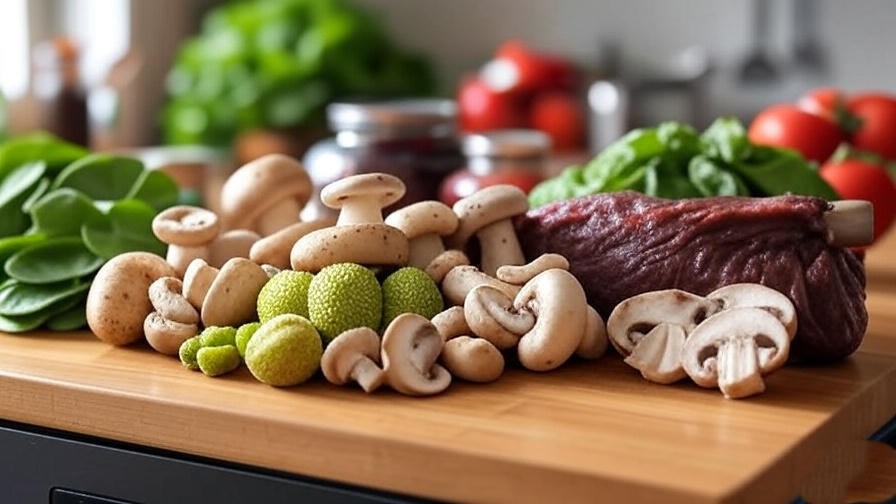
King oyster and portobello mushrooms bring a meaty texture and natural umami to the table. King oyster mushrooms, when sliced into thick strips, resemble rib meat and hold up well to grilling. Portobellos offer a juicy, robust bite. Enhance their flavor with soy sauce, miso, or liquid smoke. A quick marinade and high-heat cooking create a caramelized exterior that’s irresistible.
Tofu and Tempeh: Versatile and Nutritious
Tofu and tempeh are protein-rich staples in plant-based cooking. Extra-firm tofu, when pressed and marinated, absorbs bold flavors and can be grilled into rib-like slabs. Tempeh, made from fermented soybeans, has a nutty taste and firm texture, making it ideal for smoky, BBQ-style dishes. Both are nutrient-dense, offering calcium, iron, and B vitamins.
Store-Bought Plant-Based Ribs
For convenience, brands like Beyond Meat, Gardein, and Sweet Earth offer pre-made vegan rib products. Beyond Meat’s plant-based patties can be shaped into rib-like portions, while Gardein’s BBQ “ribs” are pre-seasoned for quick preparation. Here’s a quick comparison:
| Brand | Product | Key Ingredients | Availability |
|---|---|---|---|
| Beyond Meat | Plant-Based Patties | Pea protein, rice protein | Major grocery stores |
| Gardein | BBQ Riblets | Soy protein, wheat gluten | Whole Foods, Target |
| Sweet Earth | Mindful Chik’n Strips | Soy protein, spices | Sprouts, online retailers |
These options are perfect for busy weeknights or when you’re short on prep time.
How to Cook Plant-Based Beef Plate Ribs at Home
Essential Ingredients for Flavor
To replicate the bold, smoky taste of beef plate ribs, stock your pantry with these flavor boosters:
- Liquid Smoke: Adds a smoky, charred flavor.
- Smoked Paprika: Enhances depth with a subtle heat.
- BBQ Sauce: Choose a vegan-friendly brand or make your own with tomato paste, molasses, and vinegar.
- Nutritional Yeast: Boosts umami for a savory kick.
- Soy Sauce or Tamari: Deepens flavor with salty, umami notes.
Combine these with garlic powder, onion powder, and black pepper for a well-rounded marinade.
Step-by-Step Recipes
Recipe 1: Seitan BBQ “Ribs”
Ingredients (Serves 4):
- 1 cup vital wheat gluten
- 2 tbsp nutritional yeast
- 1 tsp smoked paprika
- 1 tsp garlic powder
- ¾ cup vegetable broth
- 2 tbsp soy sauce
- ½ cup vegan BBQ sauce
- 1 tsp liquid smoke
Instructions:
- Mix dry ingredients (vital wheat gluten, nutritional yeast, smoked paprika, garlic powder) in a bowl.
- Combine vegetable broth, soy sauce, and liquid smoke; stir into dry mix to form a dough.
- Knead for 2–3 minutes, then shape into a flat, rib-like slab.
- Steam for 30 minutes to set texture, then slice into “ribs.”
- Marinate in BBQ sauce for 1 hour, then grill or bake at 375°F for 20 minutes, basting with extra sauce.
Tip: For extra chew, let the seitan rest overnight before grilling.
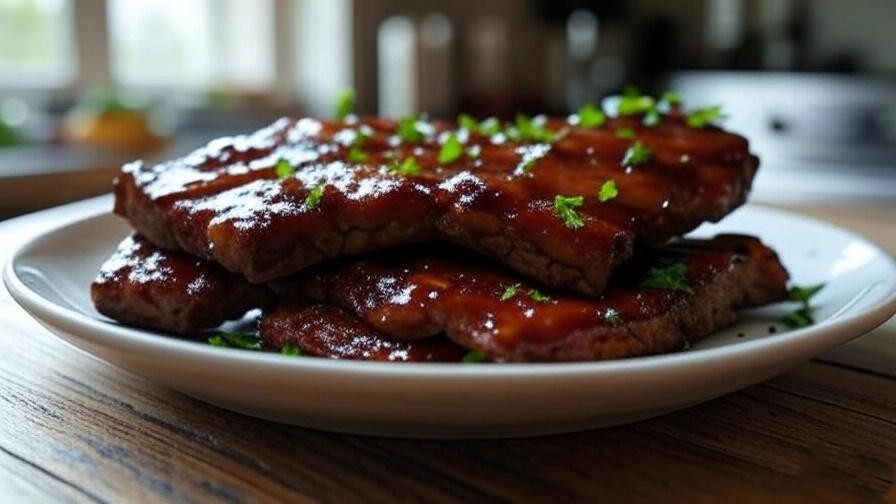
Recipe 2: Jackfruit “Pulled Ribs”
Ingredients (Serves 4):
- 2 cans young green jackfruit (in brine)
- 1 cup vegan BBQ sauce
- 1 tbsp olive oil
- 1 tsp smoked paprika
- 1 tsp onion powder
- ½ tsp liquid smoke
- Salt and pepper to taste
Instructions:
- Drain and rinse jackfruit, then shred with a fork.
- Heat olive oil in a skillet; add jackfruit, smoked paprika, onion powder, salt, and pepper.
- Cook for 5 minutes, then add BBQ sauce and liquid smoke.
- Simmer for 20 minutes (or use an Instant Pot on low for 10 minutes).
- Serve on buns with vegan coleslaw or as a standalone dish.
Tip: Slow-cook for 2 hours on low for deeper flavor absorption.
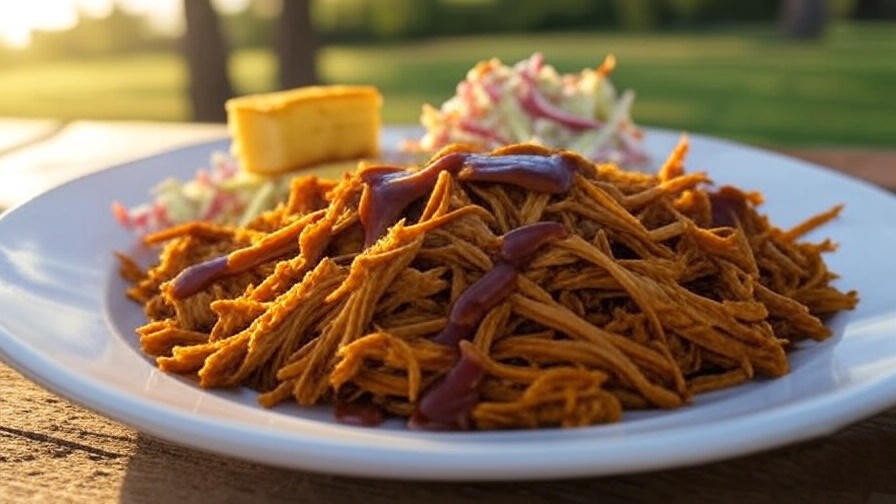
Recipe 3: Grilled King Oyster Mushroom Ribs
Ingredients (Serves 4):
- 4 large king oyster mushrooms
- ¼ cup soy sauce
- 2 tbsp olive oil
- 1 tbsp maple syrup
- 1 tsp liquid smoke
- 1 tsp smoked paprika
Instructions:
- Slice mushrooms into ½-inch thick strips to resemble ribs.
- Mix soy sauce, olive oil, maple syrup, liquid smoke, and smoked paprika for the marinade.
- Marinate mushrooms for 30 minutes.
- Grill on medium-high heat for 3–4 minutes per side or pan-sear until golden.
- Brush with extra marinade before serving.
Tip: Use a grill pan for perfect char marks indoors.
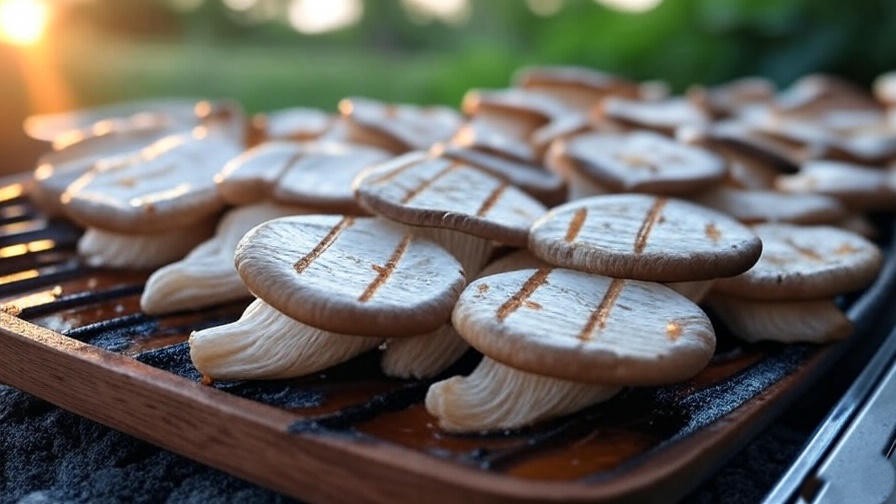
Cooking Tips for Success
- Marinate Generously: Let ingredients like seitan or tofu sit in marinade for at least 1 hour (overnight is best).
- Experiment with Cooking Methods: Grilling adds smokiness, while baking ensures even cooking. Air-frying creates a crispy exterior.
- Balance Textures: Pair a chewy base (seitan, tempeh) with a sticky, caramelized BBQ glaze for authenticity.
Nutritional Comparison: Plant-Based Ribs vs. Beef Plate Ribs
Macronutrients and Calories
Plant-based ribs offer a healthier profile than beef plate ribs. Here’s a comparison (per 100g serving):
| Food | Calories | Protein | Fat | Carbs |
|---|---|---|---|---|
| Beef Plate Ribs | 370 kcal | 19g | 32g | 0g |
| Seitan Ribs | 150 kcal | 25g | 2g | 8g |
| Jackfruit Ribs | 120 kcal | 2g | 1g | 25g |
| King Oyster Mushroom | 35 kcal | 3g | 0.5g | 6g |
Plant-based options are lower in fat and calories, with seitan leading in protein.
Micronutrients and Health Benefits
- Seitan: High in protein and iron, but low in fiber. Pair with veggies for balance.
- Jackfruit: Rich in fiber and vitamin C, supporting digestion and immunity.
- Mushrooms: Provide B vitamins and antioxidants, linked to immune health.
- Tempeh: Offers probiotics from fermentation, plus calcium and manganese.
These alternatives fit well into heart-healthy or weight-management diets.
Addressing Common Concerns
A common myth is that plant-based diets lack sufficient protein. Seitan and tempeh debunk this, offering 20–25g of protein per serving. To ensure balanced nutrition, pair your ribs with nutrient-dense sides like quinoa or leafy greens. Consult a dietitian for personalized advice if transitioning to plant-based eating.
Expert Tips for Perfect Plant-Based Ribs
Insights from Vegan Chefs
Renowned vegan chef Gaz Oakley emphasizes, “The secret to plant-based ribs is layering flavors—smoked spices, a rich marinade, and slow cooking mimic the depth of beef ribs.” Similarly, Chloe Coscarelli, a celebrated vegan cookbook author, suggests using a combination of wet and dry seasonings to achieve a caramelized, BBQ-style crust. These expert insights highlight the importance of technique and patience in crafting ribs that rival their meaty counterparts. Experiment with their advice by testing different spice blends or cooking times to find your perfect recipe.
Common Mistakes to Avoid
To ensure your plant-based ribs shine, steer clear of these pitfalls:
- Overcooking Seitan: Cooking too long can make seitan tough. Steam or simmer it just until set, then grill or bake briefly.
- Under-Seasoning Jackfruit or Mushrooms: These ingredients rely on bold marinades for flavor. Don’t skimp on spices or marination time.
- Skipping Marination for Tofu or Tempeh: Both need at least 30 minutes to absorb flavors. Press tofu first to remove excess water for better texture.
- Ignoring Texture: A crispy exterior is key. Use high heat for grilling or searing to achieve that BBQ char.
Pairing Suggestions
Elevate your plant-based ribs with complementary sides and sauces:
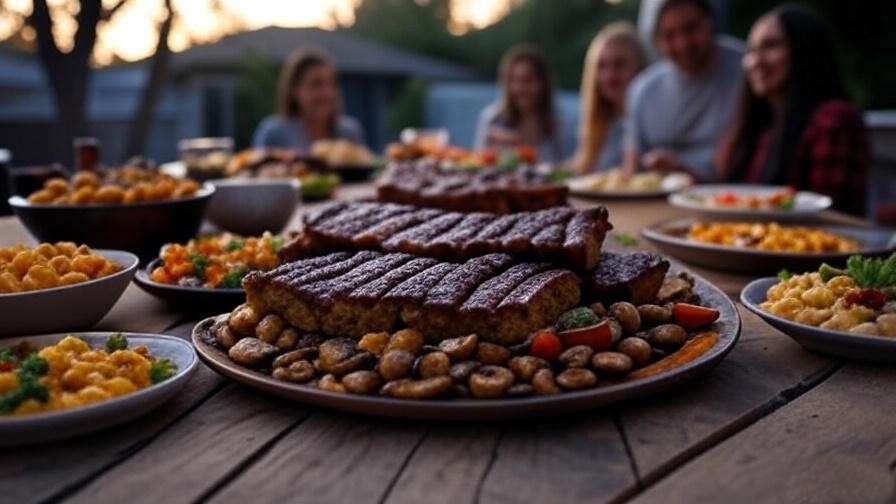
- Sides: Pair with vegan mac and cheese (made with cashew cheese), grilled corn on the cob, or a tangy potato salad with mustard vinaigrette.
- Sauces: Serve with extra vegan BBQ sauce, a creamy vegan ranch, or a spicy sriracha mayo for dipping.
- Drinks: A refreshing iced tea, kombucha, or a light lager balances the smoky richness of the ribs.
These pairings create a complete, crowd-pleasing meal perfect for BBQs or family dinners.
Environmental and Ethical Impact of Choosing Plant-Based Ribs
Reducing Your Carbon Footprint
Beef production is resource-intensive, requiring 15,000 liters of water per kilogram and emitting 60 kg of CO2, according to the World Resources Institute (2020). In contrast, plant-based alternatives like jackfruit and seitan use significantly fewer resources—jackfruit farming, for example, generates just 0.5 kg of CO2 per kg. By choosing plant-based ribs, you reduce your environmental impact while enjoying a delicious meal. Small swaps like this can collectively make a big difference in combating climate change.

Supporting Ethical Food Choices
Plant-based eating aligns with cruelty-free values, eliminating the need for animal slaughter. Certifications like Non-GMO, USDA Organic, or Certified Vegan on ingredients like jackfruit or tempeh ensure ethical sourcing. Supporting brands that prioritize sustainable farming practices further amplifies your impact. As consumers, choosing plant-based ribs sends a message to the food industry, encouraging more eco-friendly and humane options.
FAQs About Plant-Based Beef Plate Ribs
Can plant-based ribs taste as good as beef ribs?
Absolutely! With the right ingredients—like liquid smoke, smoked paprika, and BBQ sauce—plant-based ribs deliver bold, smoky flavors and satisfying textures. Seitan and mushrooms, in particular, mimic the chewiness of beef, while jackfruit nails the pulled-rib vibe.
Are plant-based ribs healthier than beef ribs?
Generally, yes. Plant-based ribs are lower in saturated fat and cholesterol-free, often with added fiber and micronutrients. For example, seitan offers high protein, while jackfruit provides digestive-friendly fiber. Pair with nutrient-dense sides for a balanced meal.
Where can I find ingredients like seitan or jackfruit?
Vital wheat gluten (for seitan) and canned jackfruit are available at major grocery stores (e.g., Trader Joe’s, Whole Foods), health food stores, or online retailers like Amazon. King oyster mushrooms are often found at Asian markets or specialty grocers.
How do I make plant-based ribs kid-friendly?
Use milder flavors (e.g., a less spicy BBQ sauce) and cut ribs into fun, bite-sized pieces. Pair with familiar sides like sweet potato fries or corn on the cob to appeal to younger palates.
Can I freeze plant-based rib dishes?
Yes, seitan, tofu, and tempeh ribs freeze well for up to 3 months. Store in airtight containers or freezer bags. Jackfruit ribs are best enjoyed fresh but can be frozen; reheat gently to avoid mushiness. Mushrooms are less freezer-friendly due to texture changes.
Conclusion
Plant-based alternatives to beef plate ribs open up a world of culinary possibilities, proving that you don’t need meat to enjoy bold, smoky, and satisfying flavors. From the protein-packed chew of seitan to the shredded perfection of jackfruit and the umami depth of mushrooms, these substitutes cater to every taste and skill level. Whether you’re grilling seitan slabs for a summer BBQ or slow-cooking jackfruit for a cozy dinner, this guide equips you with recipes, tips, and insights to master meat-free ribs. Plus, you’ll enjoy health benefits, reduce your environmental footprint, and support ethical food choices—all while savoring a delicious meal.
Ready to fire up the grill? Try one of our recipes, experiment with your favorite flavors, and share your creations in the comments below. Have questions or need more plant-based inspiration? Let us know—we’re here to help you make every meal a masterpiece.