
Imagine transforming your indoor or outdoor space with the delicate, feathery fronds of an asparagus fern, suddenly bursting into a display of tiny, star-like blooms. These charming plants, often mistaken for true ferns, can surprise even seasoned gardeners with their subtle yet captivating flowering phase. If you’re wondering about the asparagus fern blooming season and how to coax those elusive blooms, you’re in the right place. This comprehensive guide dives deep into the when, why, and how of asparagus fern flowering, offering expert tips to ensure your plant thrives and blooms spectacularly.
Asparagus ferns (Asparagus setaceus, Asparagus densiflorus, and related species) are beloved for their lush, needle-like foliage, but their blooming season often goes unnoticed or underappreciated. Whether you’re a houseplant enthusiast or a gardener looking to elevate your outdoor beds, understanding the blooming cycle and care requirements can make all the difference. In this article, we’ll explore the science behind asparagus fern flowering, share practical care strategies, and provide actionable steps to encourage those delicate white or pinkish blooms, followed by vibrant berries.
What Is an Asparagus Fern?
Understanding the Plant
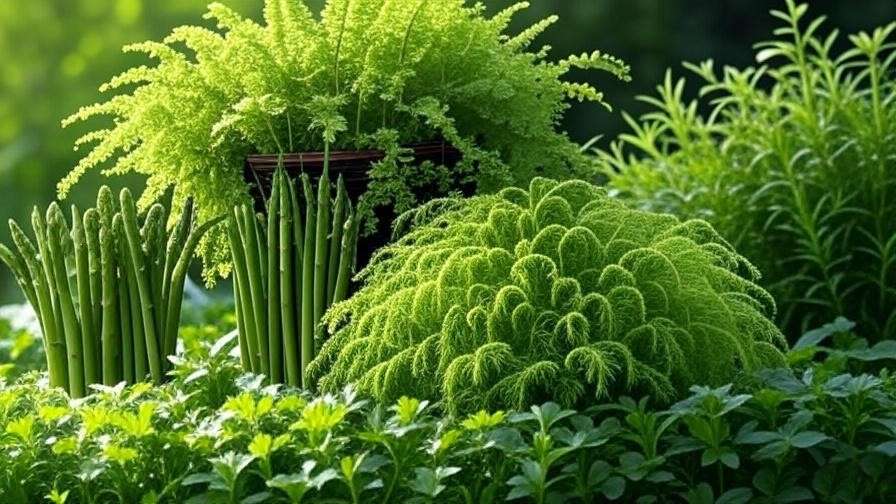
Despite its name, the asparagus fern isn’t a true fern. It belongs to the Asparagaceae family, closely related to the edible asparagus (Asparagus officinalis). Its soft, feathery foliage—technically called cladodes—gives it a fern-like appearance, making it a popular choice for ornamental gardening and indoor decor. Common varieties include:
- Asparagus setaceus (Common Asparagus Fern): Known for its delicate, lacy foliage, ideal for hanging baskets.
- Asparagus densiflorus ‘Sprengeri’: Features arching fronds and is often used as ground cover.
- Asparagus densiflorus ‘Meyersii’: A compact, bushy variety with a foxtail-like appearance.
These plants are prized for their versatility, thriving indoors or outdoors in mild climates (USDA zones 9–11). However, their blooming potential is often overlooked, as it requires specific conditions to trigger flowering.
Why Asparagus Ferns Bloom
Asparagus ferns bloom to reproduce, producing small, bell-shaped flowers that are typically white or pale pink. These flowers may develop into red or black berries containing seeds. Blooming is a sign of a healthy, mature plant responding to favorable environmental conditions. Understanding the triggers for this process is key to encouraging flowers during the asparagus fern blooming season.
When Is the Asparagus Fern Blooming Season?

Typical Blooming Timeline
The asparagus fern blooming season typically occurs in late spring to early summer (May to July) for most varieties, though this can vary based on climate, growing conditions, and plant maturity. In warmer regions or controlled indoor environments, blooming may extend into late summer or occur sporadically throughout the year. Here’s a breakdown:
- Outdoor Plants: In USDA zones 9–11, asparagus ferns often bloom reliably from late spring to early summer when temperatures range between 65°F and 85°F.
- Indoor Plants: Indoor asparagus ferns may bloom irregularly, depending on light, humidity, and care. With optimal conditions, flowers can appear in spring or early summer.
Factors Influencing Bloom Time
Several environmental and care-related factors affect when and if an asparagus fern blooms:
- Light Exposure: Asparagus ferns need bright, indirect light to initiate flowering. Too little light can prevent blooming, while direct sunlight may scorch the foliage.
- Plant Maturity: Younger plants may take 2–3 years to reach blooming maturity.
- Climate and Season: Warmer temperatures and longer daylight hours in spring and summer stimulate flowering.
- Care Practices: Proper watering, fertilization, and humidity levels play a critical role.
How to Encourage Asparagus Ferns to Bloom
Creating the right conditions is essential to unlock the full potential of your asparagus fern’s blooming season. Below are expert-backed strategies to promote flowering and ensure your plant thrives.
1. Optimize Light Conditions
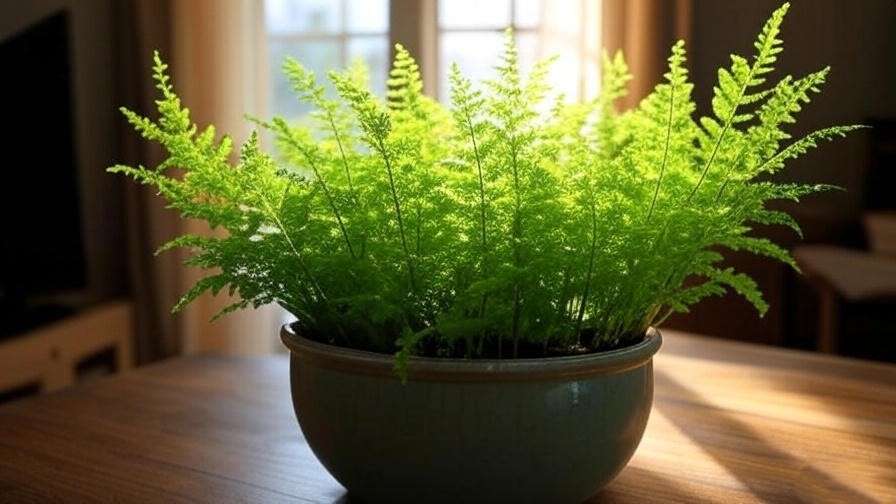
Asparagus ferns thrive in bright, indirect light, mimicking their native subtropical and tropical environments. To encourage blooming:
- Indoor Placement: Place your fern near an east- or west-facing window with filtered light. Use sheer curtains to diffuse direct sunlight.
- Outdoor Placement: Choose a spot with partial shade, such as under a tree canopy or on a shaded patio.
- Light Duration: Aim for 12–14 hours of light daily during the growing season. Supplemental grow lights can help indoor plants during shorter winter days.
Pro Tip: If your asparagus fern’s foliage turns yellow or pale, it may be getting too much direct sun. Adjust its position to a shadier spot to prevent stress.
2. Maintain Proper Watering
Consistent moisture is critical for asparagus ferns, but overwatering can harm their roots and prevent blooming. Follow these guidelines:
- Watering Frequency: Water when the top inch of soil feels dry, typically every 7–10 days for indoor plants and more frequently for outdoor plants in hot weather.
- Soil Drainage: Use a well-draining potting mix, such as a blend of peat, perlite, and sand, to prevent root rot.
- Humidity: Asparagus ferns prefer 50–60% humidity. Mist the foliage regularly or use a pebble tray for indoor plants in dry climates.
3. Fertilize Strategically
Fertilization supports healthy growth and blooming. Use a balanced, water-soluble fertilizer (e.g., 10-10-10 or 20-20-20) during the growing season:
- Frequency: Apply fertilizer every 4–6 weeks from spring to early fall.
- Dilution: Dilute to half-strength to avoid burning the roots.
- Organic Options: Compost tea or fish emulsion can provide natural nutrients for outdoor plants.
Caution: Avoid fertilizing in winter, as the plant enters a dormant phase and requires less nutrition.
4. Prune and Maintain Plant Health
Regular pruning keeps your asparagus fern healthy and encourages energy allocation toward blooming:
- Remove Dead Fronds: Trim yellow or brown cladodes to promote new growth.
- Shape the Plant: Lightly prune to maintain a compact shape, especially for indoor plants.
- Pest Control: Watch for pests like spider mites or aphids, which can stress the plant and reduce blooming. Use neem oil or insecticidal soap for treatment.
Pro Tip: Sterilize pruning tools with rubbing alcohol to prevent disease spread.
5. Mimic Ideal Temperature and Seasonal Cues
Asparagus ferns prefer temperatures between 65°F and 75°F for optimal growth and flowering:
- Indoor Care: Keep plants away from drafts, air conditioning vents, or heating sources.
- Outdoor Care: In colder climates, bring potted ferns indoors before temperatures drop below 50°F.
- Seasonal Transition: Gradually acclimate outdoor plants to indoor conditions in fall to avoid shock.
What to Expect During the Blooming Season
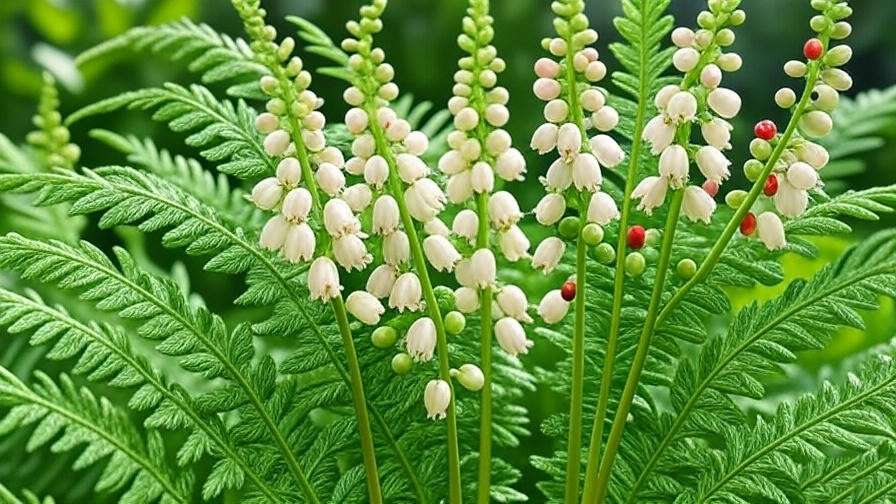
Appearance of Flowers
During the asparagus fern blooming season, expect small, bell-shaped flowers that are:
- Color: White, pale pink, or cream, depending on the variety.
- Size: Tiny, about 0.1–0.2 inches in diameter.
- Arrangement: Flowers appear in clusters along the stems, often hidden among the foliage.
These blooms are subtle but add a delicate charm to the plant’s lush greenery.
Berries After Blooming
If pollinated (often by insects outdoors or manually indoors), flowers may develop into small, round berries:
- Color: Green when immature, ripening to red or black.
- Toxicity: Berries are mildly toxic to humans and pets if ingested. Keep plants out of reach of children and animals.
- Seed Propagation: Berries contain seeds that can be used for propagation, though germination is slow and requires patience.
Common Challenges and Solutions
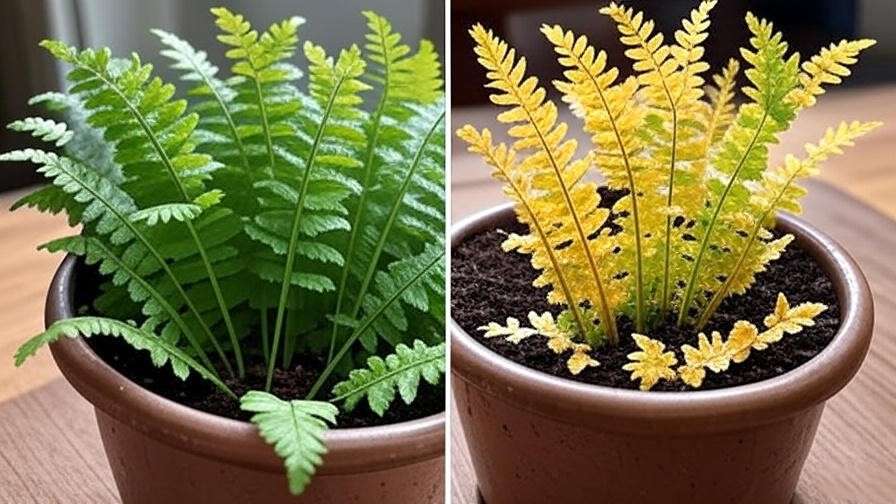
Even with proper care, asparagus ferns can face issues that hinder blooming. Here are common problems and their fixes:
Problem: No Blooms During the Season
- Cause: Insufficient light, immature plant, or nutrient deficiency.
- Solution: Increase light exposure, ensure the plant is at least 2–3 years old, and fertilize regularly.
Problem: Yellowing or Dropping Foliage
- Cause: Overwatering, underwatering, or low humidity.
- Solution: Adjust watering schedule, improve drainage, and boost humidity with misting or a humidifier.
Problem: Pest Infestations
- Cause: Spider mites, aphids, or scale insects thrive in dry conditions.
- Solution: Increase humidity, inspect plants regularly, and treat with neem oil or insecticidal soap.
Expert Tips for Long-Term Success
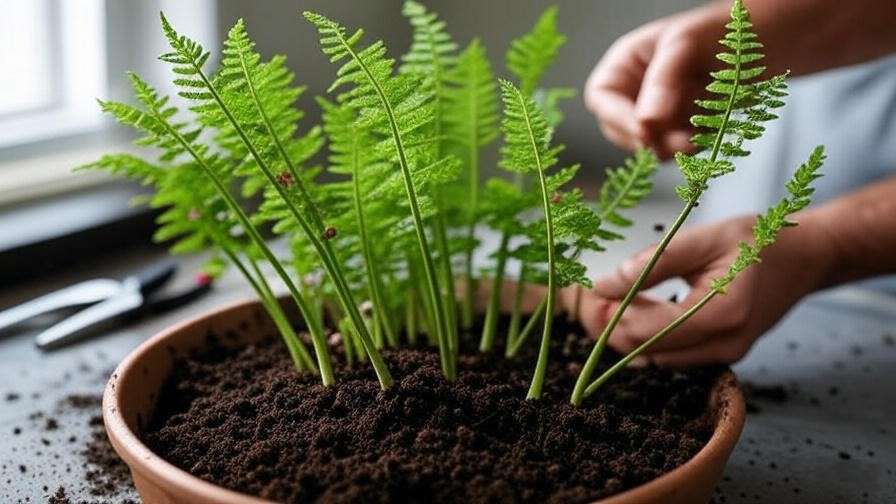
To keep your asparagus fern blooming year after year:
- Repot Every 1–2 Years: Refresh the soil and check for root-bound conditions. Use a slightly larger pot to accommodate growth.
- Propagate for More Plants: Divide mature plants during repotting or sow seeds from ripe berries for new asparagus ferns.
- Monitor Seasonal Changes: Adjust care routines as daylight and temperatures shift to mimic the plant’s natural blooming triggers.
- Document Growth: Keep a gardening journal to track light, watering, and blooming patterns, helping you refine care over time.
FAQs About Asparagus Fern Blooming Season
How Long Does the Asparagus Fern Blooming Season Last?
The blooming season typically lasts 2–4 weeks, though this varies based on environmental conditions and plant health.
Can Indoor Asparagus Ferns Bloom?
Yes, with bright, indirect light, proper watering, and adequate humidity, indoor asparagus ferns can bloom during spring or summer.
Are Asparagus Fern Berries Safe to Eat?
No, the berries are mildly toxic and should not be consumed by humans or pets.
Why Isn’t My Asparagus Fern Blooming?
Common reasons include insufficient light, immature plants, or improper care. Review light, watering, and fertilization practices.
How Can I Propagate Asparagus Ferns After Blooming?
Use seeds from ripe berries or divide the root ball during repotting. Both methods require patience, as growth is slow.
Conclusion
The asparagus fern blooming season is a rewarding time for plant enthusiasts, offering a chance to enjoy delicate flowers and vibrant berries. By optimizing light, water, nutrition, and pruning, you can unlock your asparagus fern’s full potential and create a stunning display in your home or garden. With the expert tips and strategies outlined above, you’re equipped to nurture your plant through its blooming cycle and beyond. Start applying these techniques today, and share your success stories in the comments below—happy gardening!