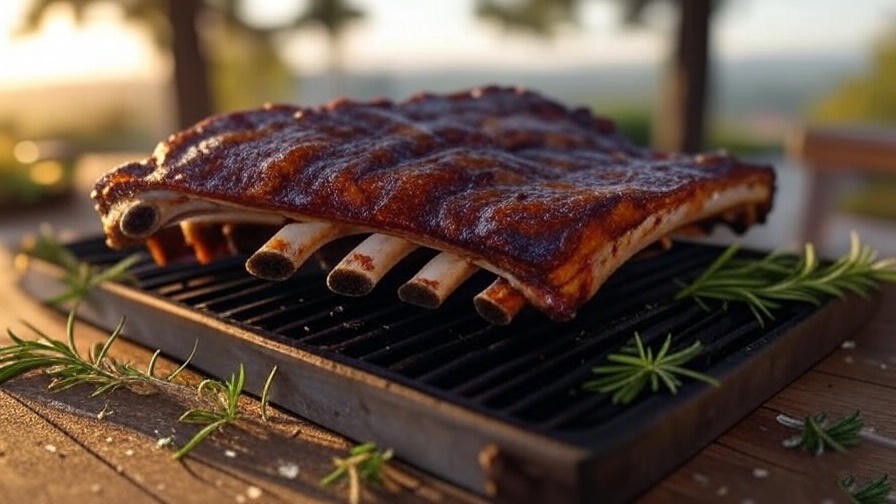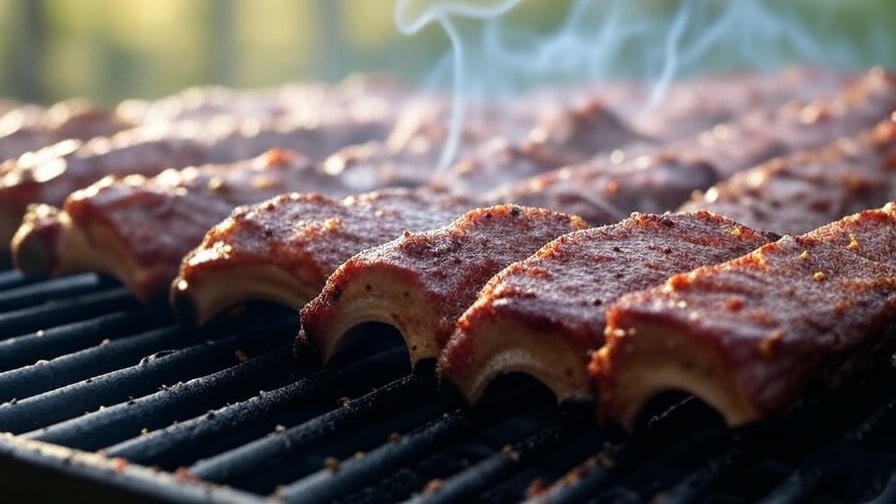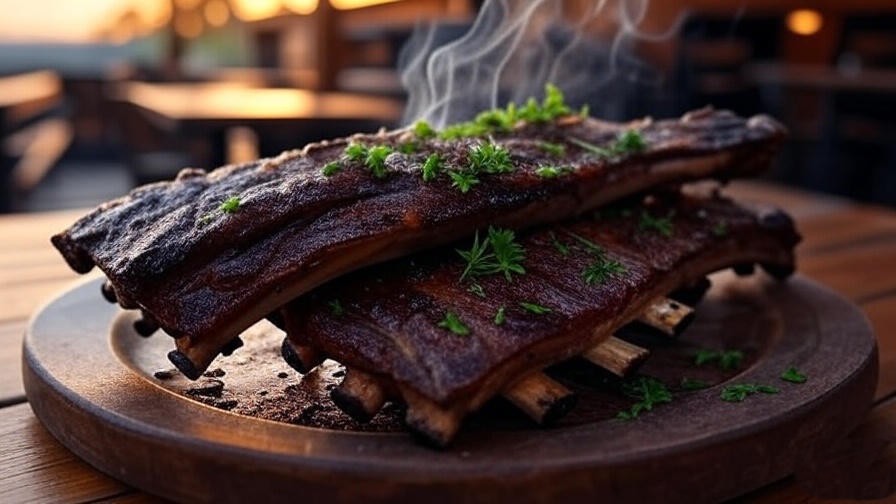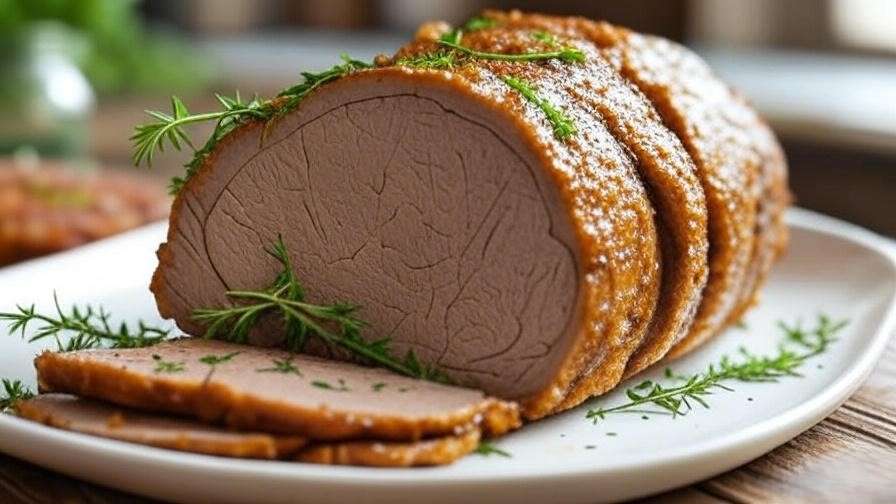
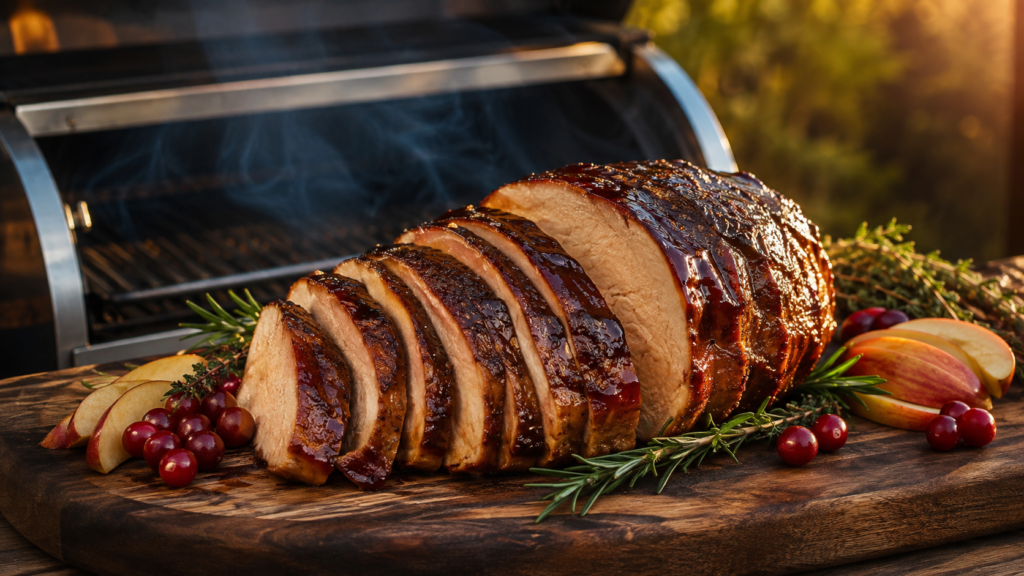
For years, the outdoor barbecue community treated wood-pellet smoking as an exclusive domain for heavy animal proteins, leaving plant-based eaters with bland, oven-baked centerpieces. But who says a holiday feast on a plant diet cannot boast that unmistakable, deep, wood-fired aroma? Mastering smoking a turkey on a pellet grill using a plant-based roast—whether a custom homemade seitan centerpiece, a stuffed squash, or an elevated store-bought roast—is the ultimate way to bring rich pitmaster flavor to a compassionate holiday table.
When you harness the precise temperature control and continuous clean wood smoke of a pellet grill, plant proteins transform. Rather than drying out or turning rubbery, a properly prepped plant-based roast absorbs volatile wood aromatics, builds a golden-brown crispy skin, and develops a succulent internal texture that will rival any traditional centerpiece.
This definitive guide breaks down the food science, equipment setup, wood pellet selection, skin-fabrication techniques, and step-by-step smoking schedules needed to execute an unforgettable plant-based holiday roast on your pellet smoker.
The Science of Pellet Smoking Plant-Based “Turkey” Roasts
Cooking a plant-based “turkey” on a wood-pellet grill requires a different approach than smoking traditional animal meat. Meat contains intramuscular fat and collagen that melt slowly over hours, providing internal moisture and basting the muscle fibers from within. Plant proteins—such as vital wheat gluten (seitan), soy, or whole vegetables—lack these internal fat reservoirs. Understanding how wood smoke interacts with a plant matrix is essential for pitmaster-level results.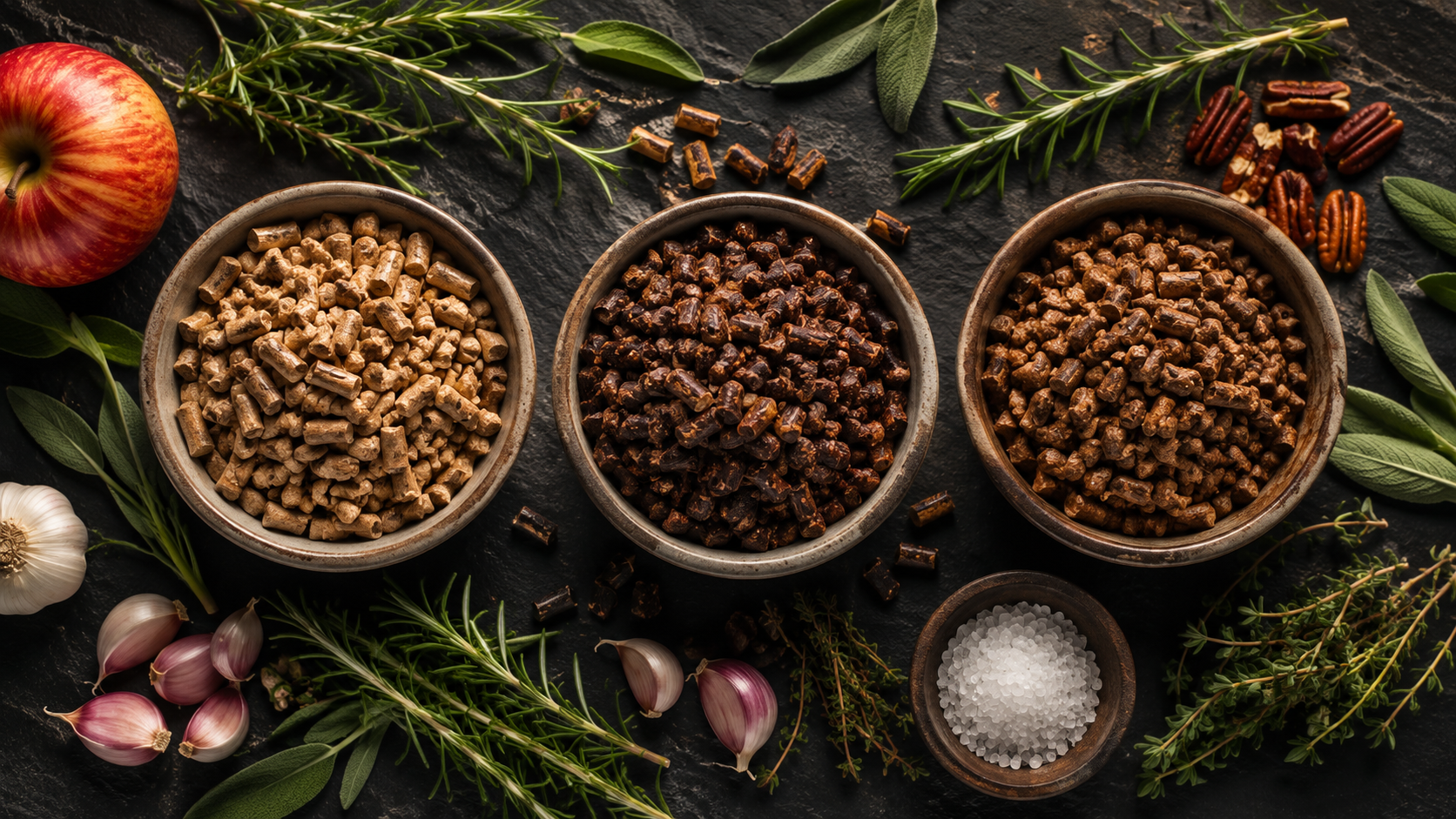
Smoke Absorption Mechanics: Plant Matrix vs. Animal Fiber
Wood smoke is composed of hundreds of flavor compounds, primarily phenols, guaiacol, and syringol, which impart sweet, smoky, and spicy notes. These compounds are predominantly lipid-soluble (they bind to fats) and water-soluble (they dissolve in surface moisture).
Because seitan and soy bases are naturally low in fat, smoke compounds will not adhere to a dry plant exterior. To drive deep smoke absorption:
-
Fat-Binding Layer: You must coat the exterior of your plant roast with a thin, high-smoke-point oil or plant-butter layer. The oil captures volatile smoke phenols as they drift through the cook chamber, locking them onto the surface of the roast.
-
Surface Moisture Control: A bone-dry plant exterior forms a tough, leathery skin when exposed to moving air inside a pellet grill. Maintaining a fine mist of surface moisture during the early smoke phase allows smoke compounds to dissolve smoothly onto the outer skin before it sets.
Selecting the Ideal Wood Pellet Profiles
Pellet grills rely on compressed hardwood sawdust to generate both heat and smoke. Because plant proteins have a lighter natural flavor profile than beef or pork, choosing the right wood pellet blend is critical to avoid overpowering the delicate poultry-herb seasonings.
-
Fruitwoods (Apple & Cherry): Highly recommended. Fruitwoods burn mild and sweet. Cherry pellets in particular impart a gorgeous, natural mahogany red hue to the exterior of your plant roast, simulating the golden-roasted look of traditional turkey skin.
-
Nut & Hardwoods (Pecan & Maple): Excellent secondary woods. Pecan delivers a rich, buttery, nutty aroma without the harshness of mesquite. Maple adds a subtle, rounded sweetness that pairs naturally with holiday herbs like sage, rosemary, and thyme.
-
Hickory (Use Sparingly): Hickory is strong and pungent. Use it only as a minor component (10–20%) in a custom pellet blend to add an authentic “pitmaster” backbone.
Master Pitmaster Pellet Blend: > Mix 50% Apple, 30% Pecan, and 20% Cherry pellets in your hopper for the ultimate balance of sweet aroma, nutty depth, and reddish-golden color.
Moisture Management: Preventing the Dry-Out Effect
Pellet grills operate using convection fans that circulate hot air continuously around the cooking chamber. While this creates uniform cooking temperatures, it also accelerates surface evaporation.
To keep a plant-based roast tender and juicy:
-
Always Use a Water Pan: Placing an aluminum drip pan filled with hot liquid directly on the heat baffle plate adds ambient humidity to the cook chamber, slowing down evaporation from your roast.
-
The “Spritzing” Routine: Misting the roast every 20 to 30 minutes during the low-temperature smoke phase keeps the surface pliable and receptive to smoke.
-
The Texas Crutch (Wrapping): Once the roast has absorbed sufficient smoke and developed a rich color, wrapping it tightly in peach butcher paper or foil seals in steam, ensuring the interior gluten or soy core cooks through without drying out.
Choosing Your Plant-Based “Turkey” Base
Before lighting your pellet grill, select the plant-based foundation that best fits your dietary goals and culinary preferences.
                  ┌─────────────────────────────────────────┐
                  │    SELECTING YOUR ROAST FOUNDATION      │
                  └────────────────────┬────────────────────┘
                                       │
         ┌─────────────────────────────┼─────────────────────────────┐
         ▼                             ▼                             ▼
┌─────────────────┐           ┌─────────────────┐           ┌─────────────────┐
│ HOMEMADE SEITAN │           │  STORE-BOUGHT   │           │   WHOLE-FOOD    │
│  "TURKEY" LOG   │           │   COMMERCIAL    │           │   PLANT-BASED   │
└────────┬────────┘           └────────┬────────┘           └────────┬────────┘
         │                             │                             │
  Dense, toothsome              Convenient, fast              Unprocessed,
  meaty texture;                pre-seasoned;                 veggie-forward;
  maximum smoke                 requires oil/skin             requires par-
  absorption.                   enhancements.                 steaming.
Option 1: Homemade Vital Wheat Gluten (Seitan) Roast
A custom-made seitan roast is the gold standard for outdoor smoking. By combining vital wheat gluten with chickpea flour (or pureed white beans), nutritional yeast, white miso, and poultry spices, you create a dense, fibrous protein matrix that mimics real poultry muscle strands.
-
Pros: Highly customizable shape and size; superior toothsome chew; absorbs smoke exceptionally well.
-
Cons: Requires active prep time and an initial pre-steaming step before hitting the grill.
Option 2: Enhancing Store-Bought Plant-Based Roasts
Popular commercial holiday roasts (such as Gardein, Field Roast, Tofurky, or Native Foods) offer immense convenience. However, throwing a frozen store-bought roast straight onto a grill will result in a dry, rubbery meal.
-
Pitmaster Upgrades:
-
Fully thaw the roast in the refrigerator for 24 hours.
-
Remove any plastic casing or outer gravy packets.
-
Lightly score the outer surface in a diamond pattern to allow seasonings and oil to penetrate.
-
Apply a custom oil-rub stack and wrap with an engineered “skin” (detailed below) before smoking.
-
Option 3: Whole-Food Plant-Based (WFPB) Centerpieces
For those avoiding processed wheat gluten or soy, whole vegetables make stunning smoked centerpieces.
-
Top Choices: A whole head of par-steamed cauliflower, a whole stuffed acorn/buttercup squash, or a giant king oyster mushroom “roast.”
-
Preparation Tip: Always steam or par-boil dense vegetables until slightly tender before smoking. Wood smoke should be used as a flavor-finishing medium, not as the sole heat source to soften raw vegetable cellulose.
Essential Equipment & Pellet Grill Pre-Setup
Achieving authentic wood-fired flavor without acrid or bitter notes requires proper grill maintenance and setup.
 1. Firepot & Combustion Cleaning
Pellet grills collect ash in the firepot over long cooks. Residual ash from previous sessions restricts airflow, causing incomplete pellet combustion. Incomplete combustion produces thick, white, bitter smoke (“dirty smoke”) packed with creosote.
-
Vacuum out the burn pot and heat deflector area completely before lighting your grill.
-
Look for thin, almost invisible pale blue smoke rising from the stack. Thin blue smoke indicates clean combustion and sweet wood flavor.
2. Moisture & Drip Tray Setup
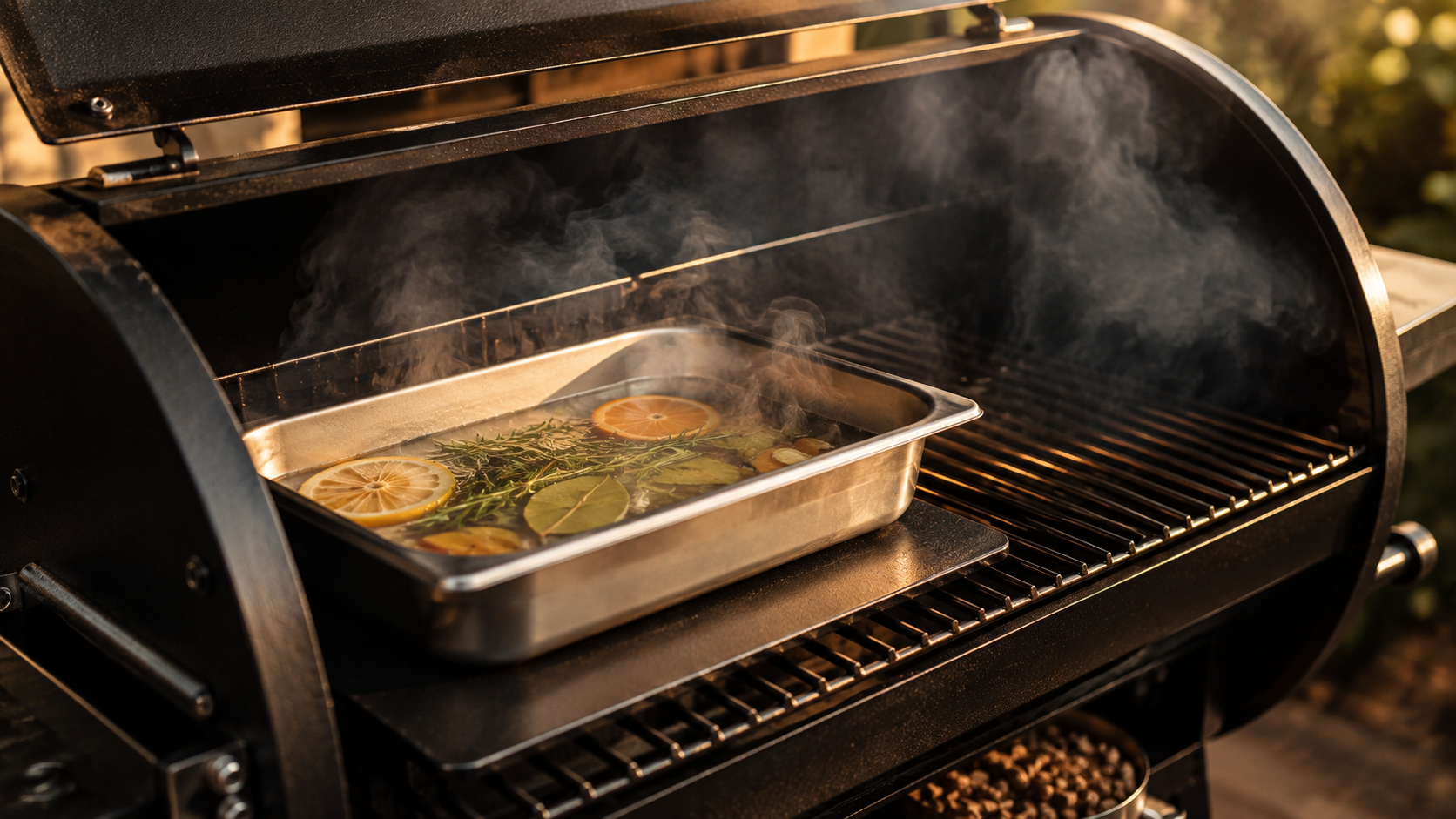
Position a heavy-duty stainless steel or disposable aluminum pan directly on the heat deflector plate underneath the main grill grates.
-
Liquid Base: Fill the pan halfway with a mixture of hot water, vegetable stock, apple cider, fresh rosemary sprigs, smashed garlic cloves, and bay leaves.
-
Benefit: As the grill heats up, this liquid simmers, continuously releasing aromatic steam into the cook chamber.
3. Essential Pitmaster Tools
-
Dual-Probe Digital Thermometer: One probe monitors ambient grill temperature at grate level; the second leave-in probe stays inserted in the deepest part of your roast.
-
Food-Grade Spray Bottle: Filled with a 50/50 mix of apple cider and vegetable broth, plus 1 tablespoon of melted plant butter.
-
Peach Butcher Paper or Heavy-Duty Aluminum Foil: For wrapping during the tenderizing stage. Peach butcher paper is breathable, retaining internal moisture while preserving the exterior skin texture.
-
Silicone Basting Mop: For applying late-stage glazes without dragging off your dry rub.
Brining, Rubbing & Skin Fabrication: The Ultimate Flavor Stack
To make a plant-based turkey roast look and taste like a traditional holiday masterpiece, build flavor in distinct, complementary layers:
┌─────────────────────────────────────────────────────────┐
│ LAYER 4: Sticky Maple-Herb Glaze (Final 15 Mins)        │
├─────────────────────────────────────────────────────────┤
│ LAYER 3: Crispy Rice Paper or Yuba Skin                 │
├─────────────────────────────────────────────────────────┤
│ LAYER 2: Oil Binder + Poultry Herb Dry Rub              │
├─────────────────────────────────────────────────────────┤
│ LAYER 1: Umami-Rich Seitan or Soy Dough Base            │
└─────────────────────────────────────────────────────────┘
 The Wet Brine for Seitan Dough
When crafting homemade seitan dough, replace plain water with an umami-rich wet brine:
-
Warm vegetable broth
-
White miso paste (provides savory depth)
-
Soy sauce or tamari
-
Onion powder, garlic powder, and poultry seasoning (sage, thyme, marjoram)
-
A splash of olive oil
This ensures every individual gluten strand is seasoned from the inside out before it ever encounters smoke.
Fabricating a Crispy Plant-Based “Turkey Skin”
One of the main criticisms of smoked plant roasts is the lack of a crisp, golden skin. Solve this issue using one of two proven culinary methods:
Method A: The Rice Paper Wrapper (Best for Crunch)
-
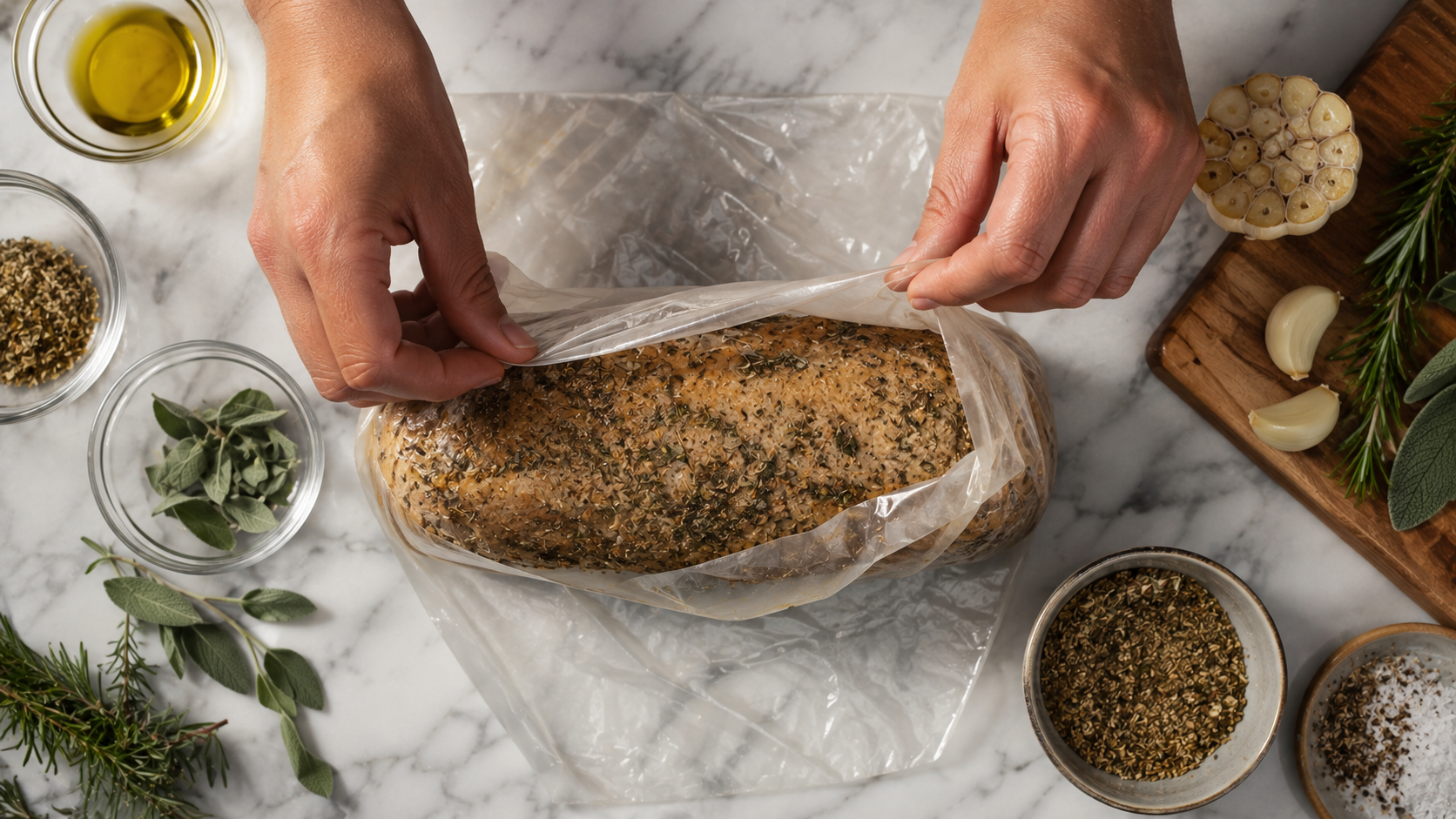
Dip two round sheets of Vietnamese rice paper into warm, seasoned vegetable stock for 10 seconds until soft and pliable.
-
Lay the softened sheets flat on a clean board, brush with melted plant butter, and sprinkle with poultry seasoning and sea salt.
-
Wrap the seasoned rice paper tightly around your pre-steamed seitan or commercial roast, tucking the edges underneath.
-
During high-heat roasting, the oil-infused rice paper blisters, puffs, and crisps into an amazingly crunchy skin.
Method B: Yuba (Fresh Tofu Skin) Sheeting (Best for Savory Chew)
-
Obtain fresh or rehydrated yuba sheets (available at Asian specialty markets).
-
Soak in a mixture of melted plant butter, soy sauce, and smoked paprika.
-
Layer two to three sheets over the roast, securing them with food-grade cotton butcher’s twine.
-
Yuba absorbs wood smoke beautifully while baking into a rich, golden, mahogany skin.
The Dry Rub Application
Before wrapping your roast in its fabricated skin (or directly on the surface if omitting skin), apply an oil binder followed by a low-sugar herb rub:
-
Oil Binder: 2 tbsp avocado oil or melted plant butter.
-
Dry Rub Formula:
-
1 tbsp rubbed sage
-
1 tbsp dried thyme
-
1 tsp dried rosemary, finely crushed
-
1 tbsp garlic powder
-
1 tbsp onion powder
-
1 tsp smoked paprika (for color)
-
1 tsp coarse kosher salt
-
1/2 tsp freshly cracked black pepper
-
Step-by-Step Pellet Smoking Guide
Cooking a plant-based turkey roast involves a three-phase temperature structure designed to maximize smoke uptake, lock in internal moisture, and crisp the exterior skin.
[PHASE 1: DEEP SMOKE] ──► [PHASE 2: ROAST & SET] ──► [PHASE 3: GLAZE & REST]
 Temp: 180°F - 200°F       Temp: 325°F - 350°F        Temp: 350°F (Glaze)
 Time: 60 - 90 Mins        Time: 45 - 60 Mins         Rest: 20 Mins Foil Wrap
 Goal: Smoke Absorption    Goal: Cook Core & Skin     Goal: Set Glaze & Juices
 Phase 1: Low-and-Slow Deep Smoke (180°F–200°F / 82°C–93°C)
-
Duration: 60 to 90 minutes.
-
Goal: Maximum smoke penetration without drying out the interior.
-
Action: Set your pellet grill to “Smoke” mode or 180°F (82°C). Place the seasoned, skin-wrapped roast directly on the center grate over the drip pan. Close the lid.
-
Spritzing: Spritz the surface lightly with your apple cider/stock mixture every 30 minutes.
Phase 2: Temperature Ramp & Core Roasting (325°F–350°F / 163°C–175°C)
-
Duration: 45 to 60 minutes.
-
Goal: Cook the internal dough/soy matrix through and begin crisping the skin.
-
Action: Increase the pellet grill temperature to 325°F (163°C).
-
Internal Target: Insert your digital probe into the center of the roast. Continue cooking until the internal temperature reaches 180°F (82°C) for homemade seitan or 165°F (74°C) for commercial roasts. Brush the exterior with melted plant butter halfway through this phase.
Phase 3: Glazing, Crisping & Resting
-
Duration: 15 minutes glaze + 20 minutes resting.
-
Goal: Apply a sweet-and-savory lacquer coat and allow internal protein strands to firm up.
-
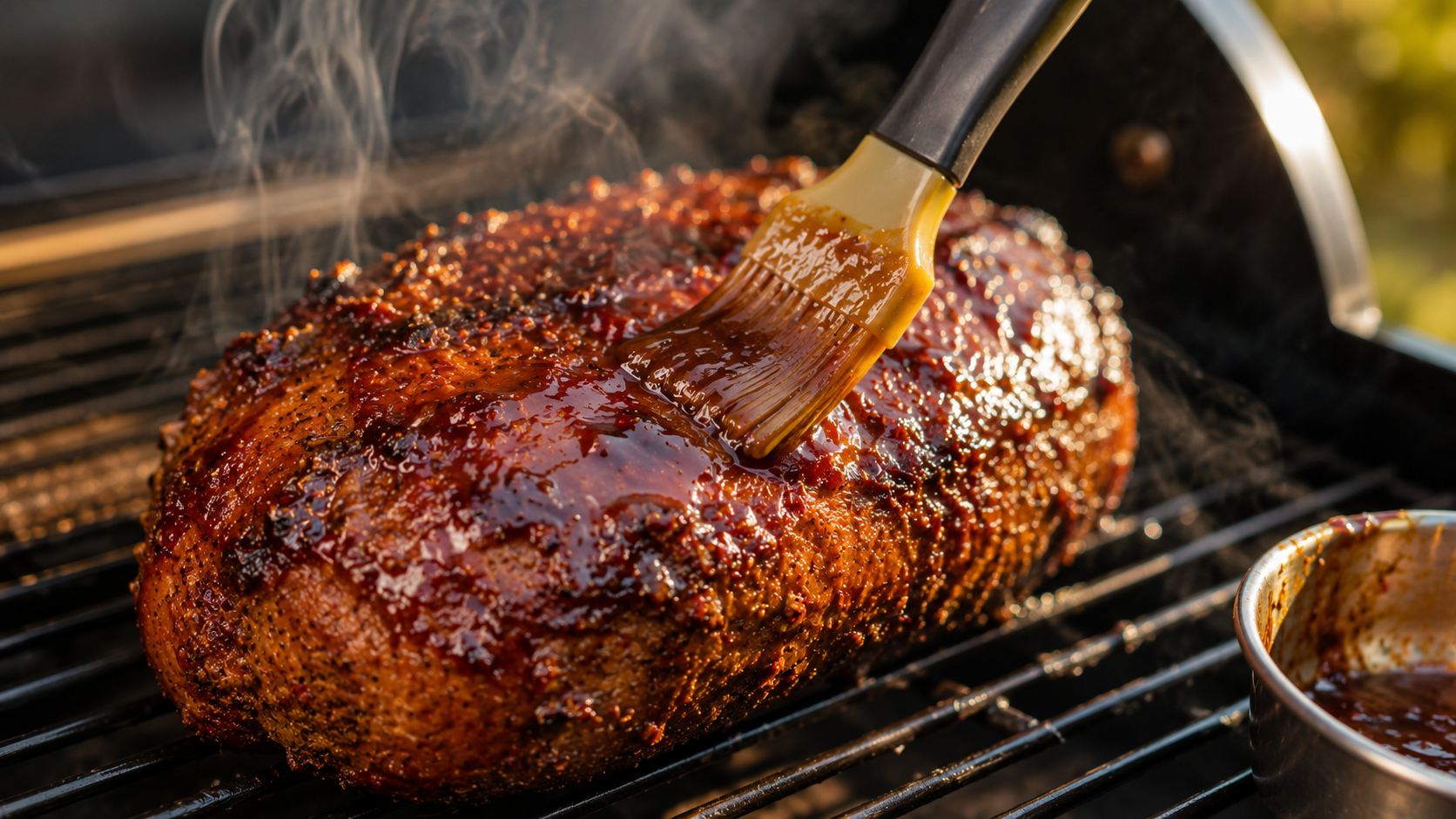
Action: During the final 15 minutes of cooking, increase grill temp to 350°F (175°C) and brush generously with a warm Maple-Mustard Glaze (recipes below).
-
Pulling the Roast: Remove from the grill when the internal probe reads 195°F (90°C) for seitan (or 165°F / 74°C for commercial options).
-
The Critical Rest: Transfer the roast to a cutting board, tent loosely with aluminum foil, and rest for 20 minutes. Do not skip this step. Cutting into hot seitan immediately out of the grill causes internal steam to escape rapidly, rendering the roast spongy and dry. Resting allows the gluten matrix to firm up, producing tight, clean, juicy slices.
Plant-Based Pellet Smoked “Turkey” Matrix
Use this quick-reference table to manage cooking times and thermal targets based on your chosen roast base:
Master Recipe: Ultimate Smoked Plant-Based “Turkey” Roast
This comprehensive master recipe yields a show-stopping 3 lb smoked seitan roast complete with a blistered rice-paper skin and maple-herb glaze.
-
Prep Time: 45 mins
-
Pre-Steam Time: 45 mins
-
Pellet Grill Time: 2.5 hours
-
Yield: 8–10 servings
Ingredients
For the Seitan “Turkey” Base:
-
2 1/2 cups vital wheat gluten
-
1/2 cup chickpea flour (garbanzo bean flour)
-
1/4 cup nutritional yeast
-
1 tbsp onion powder
-
1 tbsp garlic powder
-
1 tbsp rubbed sage
-
1 tsp dried thyme
-
1 tsp poultry seasoning
-
1 3/4 cups rich vegetable broth (warm)
-
2 tbsp white miso paste
-
2 tbsp soy sauce or tamari
-
2 tbsp olive oil
-
1 tbsp neutral vegetable oil
For the Rice Paper Skin & Rub Stack:
-
2 sheets large round rice paper
-
2 tbsp melted plant-based butter
-
1 tbsp avocado oil
-
1 tbsp poultry herb dry rub (sage, thyme, rosemary, salt, pepper)
For the Apple-Cider Spritz:
-
1/2 cup apple cider
-
1/2 cup vegetable broth
-
1 tbsp melted plant butter
For the Maple-Mustard Glaze:
-
1/3 cup dark maple syrup
-
2 tbsp Dijon mustard
-
1 tbsp melted plant butter
-
1 tsp fresh rosemary, finely chopped
-
Pinch of red pepper flakes
Step-by-Step Pitmaster Instructions
Step 1: Make the Seitan Dough Matrix
-
In a large bowl, whisk together vital wheat gluten, chickpea flour, nutritional yeast, onion powder, garlic powder, rubbed sage, dried thyme, and poultry seasoning.
-
In a separate pitcher, whisk warm vegetable broth, white miso paste, soy sauce, and olive oil until the miso is completely dissolved.
-
Pour the liquid ingredients into the dry gluten mixture. Stir with a heavy wooden spoon until a shaggy dough forms.
-
Turn the dough out onto a clean board. Knead firmly for 5 minutes. You will feel the gluten develop tight, elastic strands. Shape the dough into a smooth, oval turkey-breast shape.
Step 2: Pre-Steam to Set Structure
-
Wrap the dough log loosely in heavy-duty aluminum foil, leaving about an inch of expansion room inside.
-
Place in a steamer basket over boiling water, cover, and steam for 45 minutes.
-
Remove from the steamer, unwrap carefully, and let cool on a wire rack for 15 minutes. (The roast can be made to this point 24 hours in advance and chilled in the refrigerator).
Step 3: Wrap Skin and Apply Rub
-
Fill a wide shallow dish with warm vegetable stock. Submerge one sheet of rice paper for 10 seconds until soft.
-
Lay the softened rice paper over the top half of your steamed seitan roast. Brush with melted plant butter.
-
Repeat with the second rice paper sheet, covering the bottom and sides, wrapping securely.
-
Brush the entire exterior with avocado oil and coat evenly with your dry herb rub stack.
Step 4: Fire Up the Pellet Grill
-
Fill your hopper with an Apple/Pecan/Cherry pellet blend.
-
Vacuum the firepot clean and preheat the grill to 180°F (82°C).
-
Place a water pan filled with hot water, apple cider, and herbs on the flame deflector under the grates.
Step 5: Execute the Smoke & Roast Phases
-
Place the wrapped roast directly onto the main cooking grate. Insert a digital leave-in probe into the thickest center section.
-
Phase 1 (Smoke): Smoke at 180°F (82°C) for 75 minutes. Spritz with the apple cider/broth mixture every 25 minutes.
-
Phase 2 (Roast): Increase grill temperature to 325°F (163°C). Cook for an additional 45 to 60 minutes, brushing with melted plant butter once midway through.
Step 6: Glaze, Rest, and Carve
-
When internal temperature reaches 180°F (82°C), whisk together the maple syrup, Dijon mustard, plant butter, and fresh rosemary.
-
Increase grill temperature to 350°F (175°C). Brush the glaze over the roast every 5 minutes for the final 15 minutes of cooking until deep, golden-mahogany and sticky.
-
Once the internal probe hits 195°F (90°C), pull the roast off the grill.
-
Place on a warm cutting board, tent loosely with foil, and rest for 20 minutes.
-
Slice thinly using a sharp serrated bread knife and serve alongside hot plant-based gravy.
Troubleshooting & Pro Pitmaster Tips for Plant Roasts
Even experienced outdoor cooks encounter challenges when smoking plant proteins on a pellet grill. Use these troubleshooting fixes to guarantee success:
-
Problem: The Exterior Skin Turns Out Tough, Leathery, or Hard
-
Cause: Excessive evaporation caused by pellet convection fans, or skipping the spritzing step.
-
Fix: Increase spritzing frequency during Phase 1. If using rice paper or yuba skin, ensure it is thoroughly saturated with oil/plant butter before hitting the heat. Alternatively, wrap the roast in peach butcher paper for the first 40 minutes of Phase 2.
-
-
Problem: The Seitan Core Feels Soft, Gummy, or Spongy
-
Cause: Under-kneading the dough initially, or pulling the roast off the grill before the gluten structure reaches the necessary internal heat to set.
-
Fix: Knead gluten dough for a full 5 minutes to form tight protein bonds. Ensure your internal probe reads at least 190°F to 195°F (88°C–90°C) before removing it from the smoker.
-
-
Problem: The Smoke Flavor Taste Bitter or Harsh
-
Cause: Poor combustion in the firepot or running high-resin wood pellets (like pine or unblended mesquite).
-
Fix: Clean out ash before every cook, use high-quality 100% hardwood food-grade pellets, and verify your smoker is producing pale blue or clear smoke rather than thick white smoke.
-
-
Pro Tip: Simulating a “Smoke Ring” on a Plant Roast
-
The Science: In meat, a smoke ring forms when nitrogen monoxide (NO) and carbon monoxide (CO) from wood smoke react with myoglobin. Seitan lacks myoglobin, so it will not naturally form a pink smoke ring.
-
The Hack: To create a realistic visual smoke ring, add 1/2 teaspoon of pink curing salt (Prague Powder #1) or 1 tablespoon of beet juice to your outer wet brine layer before steaming. The outer ring of the roast will retain a subtle pink tint beneath the golden skin, perfectly mimicking a traditional pitmaster smoke ring!
-
Frequently Asked Questions (FAQs)
1. Can I smoke a pre-cooked commercial roast (like Tofurky or Gardein) on a pellet grill?
Yes, absolutely. The key is to thaw the roast completely in the refrigerator for 24 hours first. Remove all plastic packaging and commercial glaze packets. Score the outer surface, apply a thin coat of avocado oil and poultry rub, and smoke at 180°F (82°C) for 45 minutes to absorb smoke before raising the heat to 350°F (175°C) to warm through (target an internal temp of 165°F / 74°C). Baste frequently with oil or plant butter to prevent drying.
2. How long does it take to smoke a plant-based turkey on a pellet grill?
Total cook time ranges between 2 to 3 hours, depending on the size and density of the roast. Homemade seitan roasts take roughly 2.5 to 3 hours (75 mins smoke phase + 60 mins roast phase + 15 mins glaze phase + 20 mins rest). Commercial roasts take approximately 1.5 to 2 hours.
3. What are the best side dishes to cook alongside a plant turkey on the pellet smoker?
Maximize your pellet grill’s capacity by filling empty grate space with plant-based sides:
-
Smoked Plant-Based Mac & Cheese: Bakes beautifully alongside the roast during Phase 2.
-
Pellet-Smoked Garlic Mashed Potatoes: Smoke whole garlic bulbs wrapped in foil next to the roast to mash into your potatoes.
-
Maple-Glazed Smoked Carrots & Brussels Sprouts: Cooked in a cast-iron skillet on the upper grate during the final hour of cooking.
4. Can I make this roast ahead of time and reheat it on Thanksgiving day?
Yes. In fact, seitan’s texture improves after cooling and resting overnight in the refrigerator. Smoke the roast completely the day before, let it cool, and wrap tightly in foil. On the day of your feast, place the foil-wrapped roast back onto a 325°F (163°C) grill or oven with 1/4 cup of vegetable stock inside the foil pouch for 25 minutes until warmed through. Unwrap and brush with fresh glaze during the last 5 minutes.
Elevate Your Plant-Based Holiday Feast
Mastering smoking a turkey on a pellet grill using a plant-based roast proves that rich, wood-fired holiday traditions belong to everyone. By applying smart food science—combining an umami-packed gluten matrix, fat-bound smoke absorption, moisture-retaining water pans, and an engineered crunchy skin—you can serve a centerpiece that captures the full magic of outdoor pitmaster craft.
Fire up your pellet grill this holiday season, blend your fruitwoods, and give your guests a wood-fired, plant-based centerpiece they will talk about for years to come.
What pellet wood blend do you plan to use for your plant-based holiday roast? Have you tried fabricating a rice paper or yuba skin on your smoker yet? Share your thoughts, questions, and pitmaster photos in the comments below!