

Imagine this: you’ve spent your morning prepping a vibrant, organic green juice. Your fridge is stocked with farm-to-table kale, microgreens, and antioxidant-rich berries. You’ve meticulously eliminated processed sugars and inflammatory oils from your life, all in the pursuit of a “clean” body. But as you sit at your kitchen table to enjoy that nutrient-dense meal, are you aware of what you are inhaling? While we focus heavily on what we put in our mouths, we often ignore the “lungs” of our home. If your return air grille is coated in a layer of gray, fuzzy dust, you are inadvertently sabotaging your holistic health goals with every breath you take.
Indoor air quality is the silent partner of a successful plant diet. To truly detoxify your life, you must look beyond your plate and upward at your vents. In this comprehensive guide, we will explore why maintaining a pristine HVAC system is a non-negotiable requirement for the wellness-conscious individual.
The Missing Pillar of Wellness: Why Clean Eating Requires Clean Air
When we transition to a plant diet, we are usually motivated by a desire to reduce systemic inflammation, improve digestion, and boost our energy levels. We understand that the quality of our fuel dictates the quality of our lives. However, human health is not a vacuum; it is an ecosystem.
The 360-Degree Detox Lifestyle
A truly holistic lifestyle recognizes that the body interacts with its environment in three primary ways: ingestion (food/water), absorption (skin), and inhalation (air). Most wellness enthusiasts excel at the first two but fail at the third.
The air in our homes is often recirculated through the HVAC system multiple times a day. If that air is passing through a clogged or contaminated return air grille, it is picking up particulate matter that enters your bloodstream via the lungs. Science tells us that poor indoor air quality can trigger a low-level immune response. If your body is constantly fighting off airborne irritants, it has fewer resources to dedicate to the cellular repair and nutrient absorption facilitated by your plant-based nutrition.
How Airborne Toxins Counteract a Plant Diet
Plants are naturally anti-inflammatory. Foods like turmeric, ginger, and leafy greens work to soothe the body’s internal systems. Conversely, breathing in dust mites, mold spores, and pet dander—all of which congregate around a neglected return air grille—acts as a pro-inflammatory trigger.
When you inhale these contaminants, your respiratory system becomes the first line of defense. This can lead to “brain fog,” sluggishness, and respiratory irritation—the very symptoms many of us try to cure through a plant diet. By ensuring your home’s air intake is clean, you are clearing the path for your diet to do its best work.
What is a Return Air Grille? (And Why It’s the Lungs of Your Home)
Before we can fix a problem, we must understand the mechanics behind it. Many homeowners confuse their various vents, but for the health-conscious resident, the return air grille is the most important component of the entire HVAC system.
Anatomy of Your Home’s Breathing System
Your HVAC system functions like a human respiratory system.
-
The Supply Vents: These are the smaller vents that “exhale” conditioned (heated or cooled) air into your rooms.
-
The Return Air Grille: This is typically a larger, slatted vent located in a central hallway, ceiling, or near the floor. Its job is to “inhale” the air from your living space and pull it back into the system to be filtered, conditioned, and redistributed.
The return air grille is the gateway. It is the primary point of entry for all the air in your home. If this gateway is dirty, the “breath” of your home is compromised before it even reaches the filter.
The Magnet for Micro-Pollutants
Because the return air grille is constantly sucking air inward, it acts as a high-powered magnet for every microscopic particle floating in your home. This includes:
-
Bio-effluents: Skin cells and natural oils.
-
Atmospheric Pollutants: Pollen and smog that drift in when you open the door.
-
Lifestyle Residue: Lint from clothing, microscopic fibers from rugs, and dander from pets.
Over time, these particles accumulate on the slats of the grille. This creates a “carpet” of filth that not only restricts airflow (making your system less efficient) but also becomes a breeding ground for bacteria and odors. For someone on a clean, plant-based journey, living in a house that “breathes” through a dirty filter is the environmental equivalent of eating an organic salad off a dirty floor.
The Plant-Based Kitchen Challenge: Cooking Fumes and Humidity
One of the beautiful things about a plant diet is the variety of cooking techniques involved—steaming, sautéing, boiling, and roasting. However, these methods come with their own environmental byproducts that your return air grille must manage.
The Hidden Byproducts of Healthy Cooking
While a plant-based kitchen avoids the heavy grease of animal fats, it is often high in moisture and aromatic compounds. Boiling legumes or steaming cruciferous vegetables releases significant amounts of water vapor into the air. If your home’s ventilation is poor, this moisture lingers.
Furthermore, the “smell of health”—garlic, onions, toasted spices, and roasted brassicas—is actually composed of volatile organic compounds (VOCs). While these are natural, they are still particulates that need to be filtered out of your living space to maintain a neutral, fresh environment.
How Your Return Air Grille Handles Kitchen Exhaust
If your return air grille is located near the kitchen or in a central open-concept area, it is working overtime to pull that moisture and those cooking odors out of the air. When the grille is clogged with dust, the moisture from your cooking binds to that dust, creating a damp, sticky residue.
This residue is a prime target for mold and mildew. If you have ever noticed a “musty” smell in your home that your expensive essential oil diffuser can’t quite cover, the culprit is likely the organic matter trapped on your return air grille. For a person focused on a plant diet, mold exposure is a major health hurdle that can lead to chronic fatigue and digestive distress.
The Warning Signs: Is Your Return Air Grille Making You Sick?
As an expert in both home environment and holistic health, I often see clients who “do everything right” with their diet but still feel sub-optimal. Often, the house is the problem.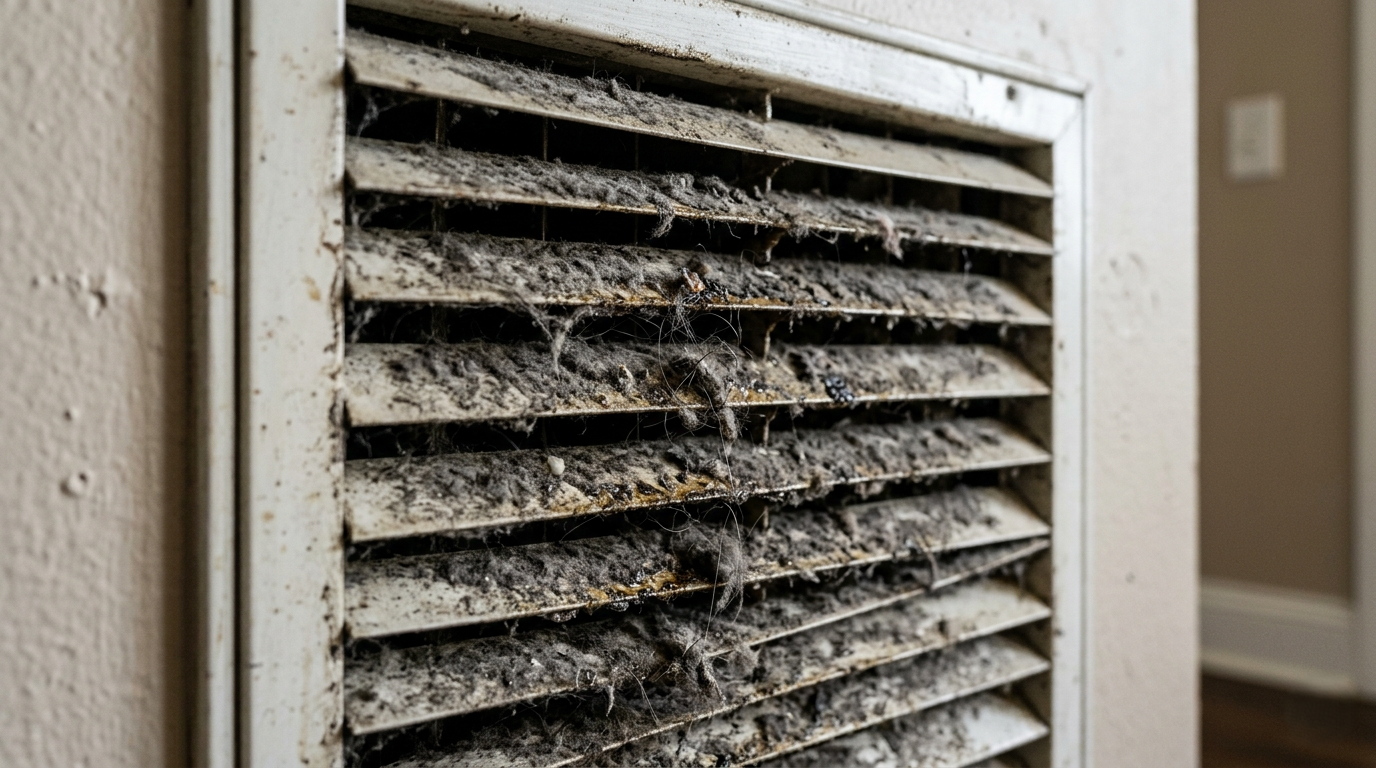
Identifying the Symptoms of “Sick Building Syndrome”
Your body is an intuitive machine. If your return air grille is compromised, you may experience:
-
The “Morning Sneeze”: If you wake up with congestion that clears up once you leave the house, your HVAC system is likely recirculating allergens.
-
Unexplained Fatigue: Your body uses a significant amount of energy to process and filter toxins through the liver and kidneys. If you are constantly inhaling dust, your detox organs are under constant pressure.
-
Dry, Itchy Eyes: This is a classic sign of high particulate matter in the air, often caused by “blow-by” where dust bypasses a clogged grille and enters the air stream.
Visual and Mechanical Red Flags
Beyond your physical health, your home will show signs of distress:
-
The “Fuzzy” Vent: If you can see gray accumulation on the slats of your grille, it is already long overdue for a cleaning.
-
Ghosting: Have you noticed dark streaks on the ceiling or walls near your vents? This is “thermal bridging,” where heavy dust accumulation creates a static charge that sticks to your walls.
-
Persistent Odors: If the smell of last night’s roasted Brussels sprouts is still present at breakfast, your return air system is failing to cycle the air effectively.
Step-by-Step Guide: How to Properly Clean Your Return Air Grille
Now that you understand the connection between your home’s “inhale” and your personal physical health, let’s look at how to detox this critical piece of hardware. Fortunately, this doesn’t require harsh chemical cleaners that emit harmful VOCs, which would completely defeat the purpose of a natural wellness routine. Instead, you can complete a thorough deep clean in about 15 minutes using non-toxic ingredients you likely already have in your plant-based kitchen.
Tools You Need for a Non-Toxic Clean
Before you begin, gather the following eco-friendly cleaning supplies:
-
A vacuum cleaner with a soft brush attachment.
-
A microfiber cloth (essential for trapping micro-particles without kicking them up into the air).
-
A butter knife or a dedicated vent-cleaning brush wrapped in a damp cloth.
-
DIY Plant-Safe Cleaning Solution: Mix two cups of warm water, half a cup of distilled white vinegar, and 5–10 drops of pure essential oil (tea tree or eucalyptus are excellent due to their natural antimicrobial and antifungal properties).
The 15-Minute Grille Detox Routine
Follow these four simple steps to fully sanitize your home’s air intake:
-
Step 1: Safety and System Prep: Head to your thermostat and turn the HVAC system completely off. If the system kicks on while you are cleaning, loose dust will be sucked directly into the internal ductwork and bypass the filter entirely, distributing particulates throughout your house.
-
Step 2: Surface Vacuuming: Use your vacuum’s brush attachment to gently sweep across the exterior slats of the return air grille. Move from top to bottom to capture the bulk of the dry, loose dust and pet dander before it has a chance to drop onto your floors.
-
Step 3: Deep Cleaning the Slats: If your grille is removable (secured by clips or simple screws), take it down. Submerge it in warm, soapy water or spray it heavily with your vinegar solution. If it is fixed to the wall, dip your microfiber cloth into the DIY solution and wipe down each individual slat. Use a cloth-wrapped butter knife to slide into the narrow crevices between the louvers to break up the sticky, kitchen-grease-laden biofilm.
-
Step 4: The Filter Swap: If your return air grille opens up to reveal a built-in filter, take a moment to inspect it. Hold it up to a light source. If light cannot easily pass through it, or if it looks visibly gray and weighed down, it is time to replace it. A clean grille over a clogged filter will not improve your indoor air quality.
How Often Should You Clean It?
For a standard home, a deep clean of the intake grille should happen every three months—perfect for aligning with seasonal transitions. However, if your plant-diet routine involves daily roasting, heavy spices, or high-moisture boiling, aim for a quick surface wipe-down once a month to keep your system breathing freely.
Upgrading Your Air: Filter Ratings and Natural Additions
Cleaning the physical hardware is the first step, but optimizing your filtration system ensures long-term protection for your respiratory health.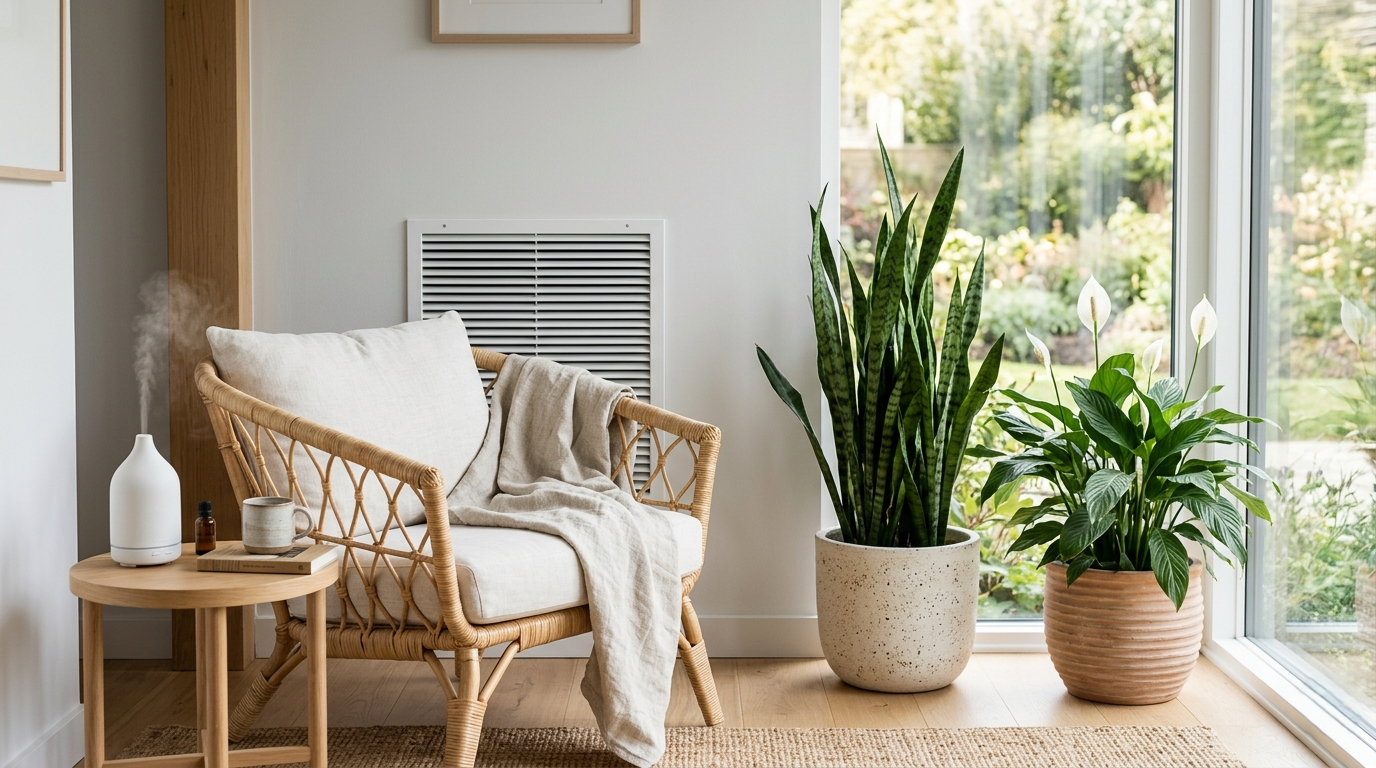
Decoding MERV Ratings for Wellness
When you purchase a replacement filter to sit behind your return air grille, you will notice a MERV (Minimum Efficiency Reporting Value) rating. These range from 1 to 16. Higher numbers indicate tighter filtration, but bigger isn’t always better for standard residential systems.
Pro Tip: For most holistic-minded households, the sweet spot is MERV 8 to MERV 11. This level traps the vast majority of respiratory irritants and airborne allergens without creating excessive resistance, which can restrict airflow and strain your HVAC motor.
Nature’s Air Purifiers
Once your physical ventilation system is clean and running efficiently, you can complement it with living, plant-based technology. Incorporating specific air-filtering indoor houseplants near your major air intakes creates a multi-layered filtration system.
Plants like Snake Plants (Sansevieria), Peace Lilies (Spathiphyllum), and Spider Plants (Chlorophytum comosum) excel at absorbing trace amounts of indoor VOCs (such as formaldehyde and benzene found in paint or furniture finishes) through their leaves and root systems. It is a beautiful, natural synergy: you fuel your body with plants, and your plants clean the air for you.
Frequently Asked Questions (FAQ)
Can I put an air freshener or spray essential oils directly onto my return air grille?
It is highly recommended to avoid spraying anything directly onto the grille or filter. Synthetic air fresheners release harmful VOCs that degrade indoor air quality. Even pure, high-quality essential oils can attract loose airborne dust when sprayed onto the vents, causing a sticky paste to form on the louvers. This paste restricts airflow and can cause the system to blow unevenly. Instead, use a standalone water-based diffuser in your living spaces.
Does a dirty return vent actually affect my energy bill?
Yes, significantly. When a return air grille is choked with dust and grime, your HVAC system has to use much more energy to pull the necessary volume of air through the restricted opening. This makes the motor run longer and hotter, which increases your monthly energy consumption and accelerates wear and tear on your equipment.
Should I close or block the return air grille in an unused guest room?
No, you should never block a return vent. HVAC systems are carefully engineered to balance air pressure throughout your home. Blocking a return vent disrupts this pressure balance, which can cause air leaks in your ductwork, lower the efficiency of the entire system, and trap stagnant air in that specific room, leading to potential mold and mildew development.
Conclusion
True health is never found in a single habit. It is a mosaic built from the foods we cultivate, the water we purify, and the air we circulate inside our private sanctuaries. Transitioning to an organic, nutrient-dense plant diet is an incredible gift to your digestive and immune systems—but don’t let a clogged, neglected HVAC system compromise your hard work.
Take a look at your home’s central return air grille today. If it’s covered in dust, it’s time to give your home’s respiratory system the same level of care you give your own body. By incorporating vent maintenance into your regular wellness routine, you can ensure that your home remains a clean, vibrant space that supports your longevity from the inside out.