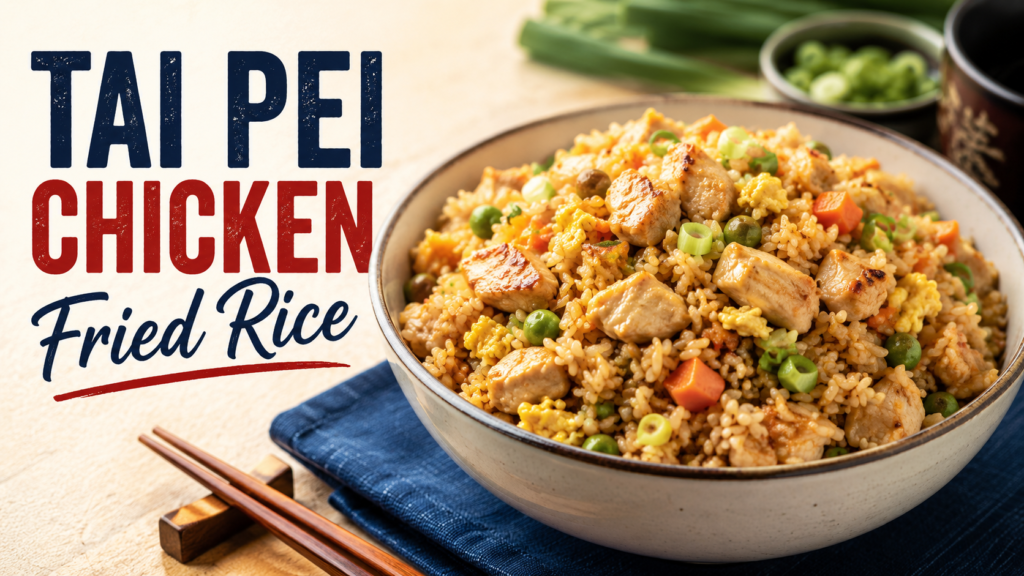
Imagine it’s a late, exhausting evening after a relentless workday. You stand in front of the freezer, desperately scanning for immediate comfort. There it is: the iconic, steam-in-box packaging. Within four minutes, your kitchen fills with a deeply savory, sweet aroma. For millions of busy individuals, tai pei chicken fried rice represents the ultimate convenience—a nostalgic, salty, and satisfying staple of quick-fix comfort food.
But if you have transitioned to a plant-based diet, or if you are simply trying to clean up your nutritional habits, looking closely at that frozen cardboard container can be a disappointing reality check. The original version relies heavily on factory-farmed poultry, ultra-processed stabilizers, and an astronomical amount of sodium.
Fortunately, you do not have to abandon your favorite flavor memories to maintain a vibrant, whole-food lifestyle. You can recreate those exact sweet-and-savory takeout flavors right on your stovetop. This ultimate copycat guide will show you how to craft a magnificent, plant-powered version of this classic frozen meal in less time than it takes a delivery driver to arrive at your door.
The Allure of Tai Pei Fried Rice (and the Frozen Food Dilemma)
To build a genuinely superior copycat, we must first understand the culinary architecture of the original dish. Why is it so profoundly addictive, and what happens to our bodies when we eat it regularly?
Decoding the Flavor Profile: Why it Tastes So Good
The magic of restaurant-style or highly rated frozen fried rice lies in a chemical harmony of tastes. Tai Pei doesn’t just rely on standard soy sauce; their recipe features a deeply layered flavor profile:
-
The Sweet and Savory Balance: The sauce combines the sharp, salty notes of soy sauce with the gentle, complex sweetness of mirin (Japanese rice wine) and a background hint of molasses.
-
The Aromatic Base: Pungent garlic and sharp, warming ginger cut through the starchiness of the grain.
-
The Velvet Mouthfeel: Toasted sesame oil wraps around each individual grain of rice, providing a rich, nutty finish that stays on the palate.
-
The Texture Play: Flash-frozen white rice grains remain distinct and slightly chewy, contrasted by the pop of sweet corn, tender peas, and crisp diced carrots.
The Nutritional Reality Check: What’s Really in the Box?
While the taste satisfies our immediate evolutionary cravings for salt, fat, and carbohydrates, the ingredient list reveals a different story:
-
Ultra-Processed Additives: To make the meal shelf-stable and ensure the sauce doesn’t separate during the freezing and microwaving process, the original utilizes modified tapioca starch, sodium phosphate, maltodextrin, and xanthan gum.
-
A Sodium Tsunami: A single, standard box contains upwards of 1,040 mg of sodium. That is nearly 45% of the total recommended daily allowance for an adult packed into one small, fleeting meal. This level of sodium leads to water retention, systemic inflammation, and elevated blood pressure.
-
Hidden Non-Vegan Allergens: Many consumers assume that if they simply pick around the chicken pieces, the rice itself is vegetarian. However, the commercial “seasoning sauce” is brewed with actual oyster extract, fish-derived compounds, and chicken broth, making it entirely off-limits for anyone practicing a vegan or vegetarian lifestyle.
 The Anatomy of a Healthy, Plant-Based Transformation
To elevate this dish into a nutrient-dense powerhouse, we must systematically swap out the processed elements for clean, whole-food alternatives without losing that signature umami punch.
Expert Insight: “Recreating a fast-food or frozen favorite at home requires understanding flavor roles. If you replace the animal fats and chemical taste enhancers with layered, plant-derived umami, you satisfy the exact same neural reward centers without compromising your long-term cardiovascular health.” — The Plant Diet Editorial Team
Elevating the Protein: Vegan “Chicken” Alternatives That Work
The original dish relies on chicken chunks for texture and protein. To replace them, choose one of these highly effective plant alternatives based on your personal dietary preferences: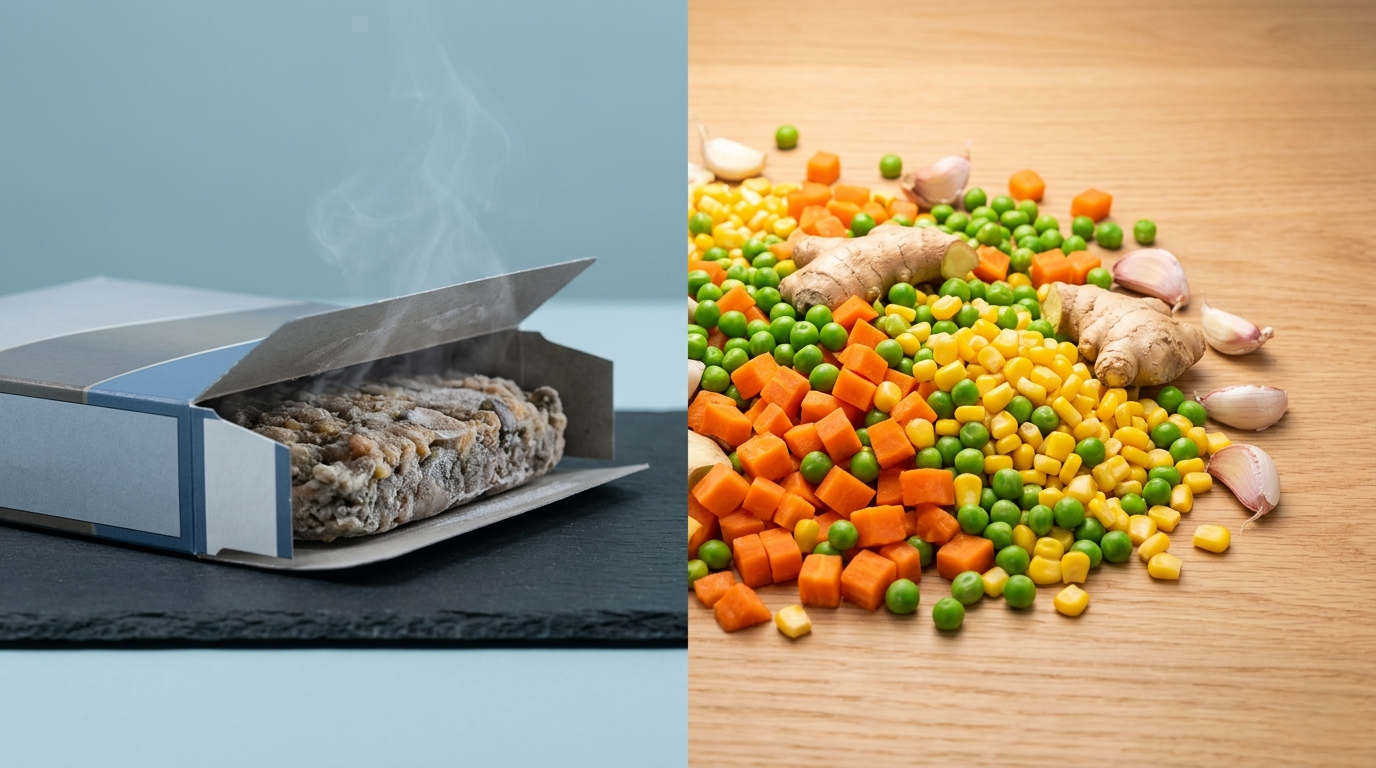
1. Soy Curls (The Texture Champion)
Made from 100% dehydrated whole soybeans, soy curls are the gold standard for mimicking the fibrous, chewy texture of pulled or diced chicken. When rehydrated in a warm, savory vegetable broth spiked with a pinch of poultry seasoning (a vegan blend of sage, thyme, and marjoram), they absorb flavor beautifully and sear to a perfect crisp in the pan.
2. Extra-Firm Tofu (The Press & Tear Method)
If you prefer a budget-friendly, widely accessible option, extra-firm tofu works perfectly. The secret lies in the technique: instead of cutting the tofu into uniform cubes—which screams “health food”—use your hands to tear the pressed tofu into irregular, bite-sized fragments. These rough, craggy edges mimic the rustic look of torn chicken pieces and provide far more surface area to grip our homemade glaze.
3. Oyster Mushrooms (The Whole-Food, Soy-Free Option)
For those avoiding soy, king oyster or pearl oyster mushrooms are an incredible substitute. When shredded with a fork or chopped coarsely and dry-seared over high heat, their moisture evaporates, leaving behind a meaty, savory, and tender bite that pairs beautifully with Asian aromatics.
Cracking the Code on Tai Pei’s Signature Savory Sauce
The soul of this dish lives entirely within its glaze. To build an identical, animal-free version, we combine specific pantry staples:
-
The Umami Foundation: Swap out the oyster extract for vegetarian mushroom stir-fry sauce (often sold as vegetarian oyster sauce). Made from shiitake extracts, this thick, dark sauce delivers an intense, earthy depth of flavor.
-
The Salt Component: Use low-sodium tamari or liquid aminos. This keeps the classic fermented soy flavor intact while significantly lowering the overall milligram count of sodium.
-
The Glaze Factor: A teaspoon of pure blackstrap molasses or unrefined coconut sugar mimics the dark, glossy caramelization of the original frozen sauce while contributing an undercurrent of warm sweetness.
Choosing Your Grain Base: Traditional vs. Superfood Upgrades
The type of rice you select dictates the nutritional profile of your entire meal:
-
Long-Grain White Jasmine Rice: If your goal is a 100% authentic copycat experience, stick with white jasmine. It remains soft, fluffy, and absorbs the sauce uniformly.
-
Nutrient-Dense Brown Jasmine Rice: If you want to maximize your health metrics, choose brown rice. It retains its bran and germ layers, increasing the fiber content exponentially, preventing blood sugar spikes, and providing a delightful, nutty bite.
-
The Low-Carb Alternative: For a high-volume, low-calorie option, use a 50/50 blend of brown rice and riced cauliflower. The cauliflower completely disappears into the bold sauce and aromatics, allowing you to double your portion size seamlessly.
The Skyscraper Copycat Recipe: Step-by-Step Guide
Stir-frying is a rapid, high-heat culinary art. To achieve the coveted “wok hei”—the distinct, smoky charcoal-like flavor generated by stir-frying ingredients in a searing hot pan—you must have all your elements prepared in advance.
Kitchen Equipment & Mise en Place
Before turning on your stove, gather a well-seasoned carbon steel wok or a large, heavy cast-iron skillet. Avoid thin aluminum pans, as they drop in temperature the moment food hits the surface, causing your ingredients to steam and turn soggy rather than fry.
Ingredient Master List
For the Plant-Based “Chicken”:
-
8 oz extra-firm tofu (pressed and torn) OR 2 cups dried soy curls (rehydrated)
-
1 tbsp low-sodium tamari
-
1 tsp garlic powder
-
1 tbsp avocado oil (or any high-smoke-point oil)
For the Fried Rice Base:
-
3 cups cooked jasmine rice (must be chilled overnight)
-
1 cup frozen peas, carrots, and sweet corn blend (thawed and patted dry)
-
2 cloves garlic, finely minced
-
1 tbsp fresh ginger, finely grated
-
3 green onions (scallions), thinly sliced (separate the white bases from the green tops)
For the Homemade “Tai Pei” Glaze:
-
2 tbsp low-sodium tamari or liquid aminos
-
1 tbsp vegetarian mushroom stir-fry sauce
-
1 tbsp authentic mirin (Japanese rice wine)
-
1 tsp toasted sesame oil
-
1 tsp pure molasses or coconut sugar
-
A pinch of ground white pepper
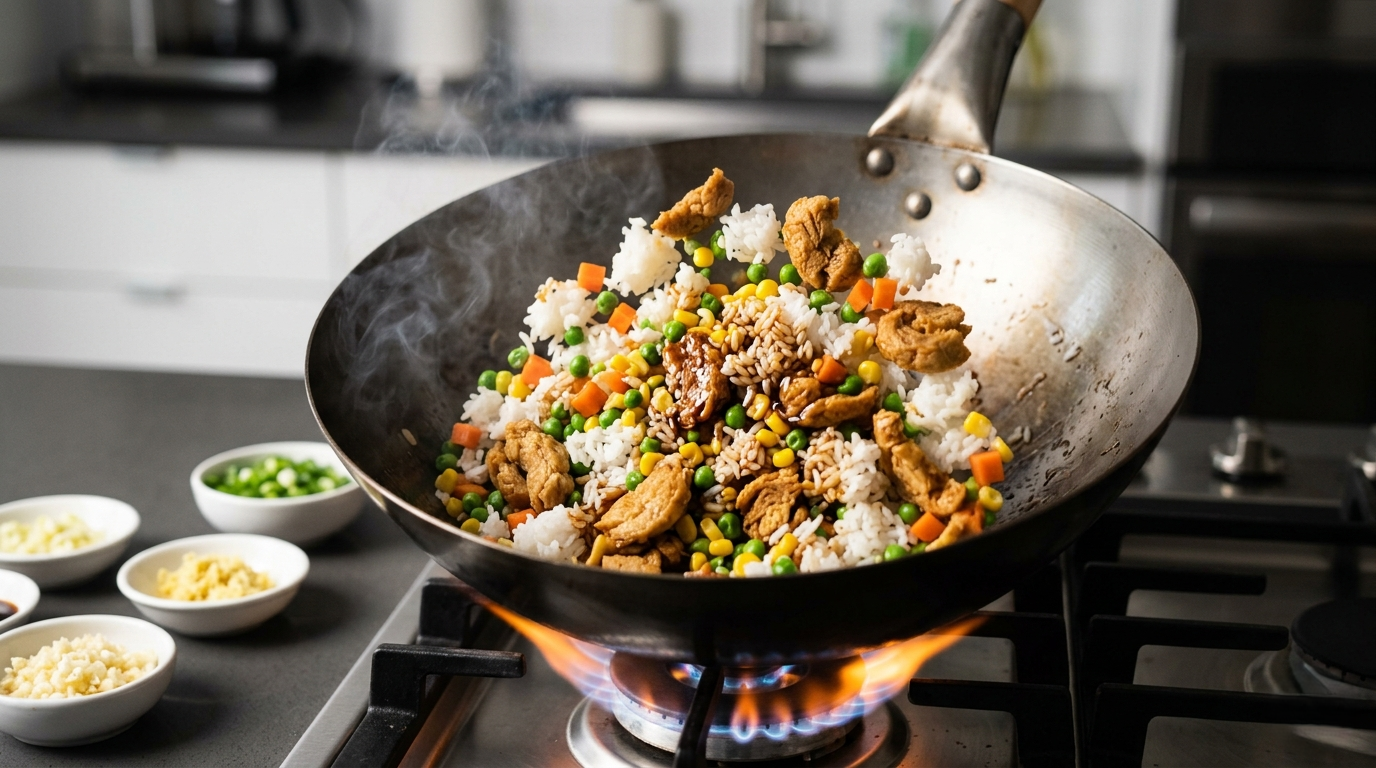
Execution: Layering Flavor Like a Wok Master
Now that your ingredients are perfectly portioned and within arm’s reach, it is time to turn up the heat. Follow these steps precisely to achieve the depth of flavor and distinct texture that makes this dish a true rival to its frozen counterpart.
Step 1: Searing the Plant-Based Protein
Place your wok or cast-iron skillet over medium-high heat and add one tablespoon of a high-smoke-point oil, such as avocado or grapeseed oil. Once the oil shimmers, add your torn extra-firm tofu or rehydrated soy curls. Season immediately with one tablespoon of tamari and a teaspoon of garlic powder.
Spread the protein out into a single layer and let it sit undisturbed for two to three minutes. This patience is crucial; it allows a beautiful, golden-brown umami crust to develop on the edges, mimicking the texture of seared chicken pieces. Toss gently and sear the remaining sides for another two minutes. Remove the protein from the pan and set it aside in a bowl.
Step 2: Blistering the Aromatics
Lower the heat slightly to medium. If the pan looks dry, add an extra splash of oil or a tablespoon of vegetable broth. Toss in your minced garlic, grated fresh ginger, and the white bases of your sliced green onions.
Keep these ingredients moving constantly with your spatula for exactly 30 to 45 seconds. You want to unlock their essential oils and fill your kitchen with that undeniable takeout aroma, but you must not let the garlic brown or turn bitter.
Step 3: The Great Rice Toss
Turn the heat back up to high. Dump your three cups of chilled, day-old jasmine rice directly on top of the aromatic mixture. Using the back of your spatula, gently press down on any large clumps of rice to break them apart.
Let the rice sit against the screaming hot surface of the pan for 30 seconds at a time before tossing. You want to hear a distinct crackling sound—this means the ambient moisture is evaporating, and the grains are frying rather than boiling. Continue this process for roughly three minutes until the rice grains look lightly toasted.
Step 4: Integrating the Veggies and Protein
Add your thawed peas, carrots, and sweet corn mixture along with the seared plant-based protein back into the pan. Toss vigorously for one to two minutes. Because the vegetables are already thawed, they only need enough time to heat through and integrate with the rice, keeping their vibrant colors and crisp textures intact.
Step 5: The “Wok Hei” Sauce Drizzle
Stir your homemade “Tai Pei” glaze one last time to ensure the molasses or coconut sugar hasn’t settled at the bottom. Instead of dumping the sauce directly onto the center of the rice, pour it in a steady stream around the outer perimeter of your pan or wok.
As the liquid cascades down the scorching hot sides of the metal, it will instantly flash-evaporate, caramelizing the sugars and infusing the entire dish with a rich, smoky depth. Immediately toss the rice to evenly distribute the darkened glaze.
Turn off the heat. Throw in the remaining green onion tops and give the pan one final, triumphant toss. Your masterpiece is ready to serve.
Nutritional Breakdown: Original Frozen vs. Whole-Food Plant-Based
To truly understand the health benefits of making this shift, let us look at how our clean, home-cooked copycat stacks up against the commercial frozen box. This comparative matrix highlights why your body will thank you for making this swap.
Pro-Tips for Achieving the Perfect Fakeout Takeout Texture
If you have ever made fried rice at home only for it to turn out mushy, clumpy, or bland, you are not alone. Achieving restaurant-quality results requires a basic understanding of culinary science. Keep these professional guidelines in mind:
The Science of Starch Retrogradation
You cannot make excellent fried rice with freshly cooked, warm rice. When rice is freshly boiled, its starch molecules (amylose and amylopectin) are gelatinized and packed with water, making them incredibly fragile and sticky.
When you refrigerate cooked rice overnight, a process called starch retrogradation occurs. The starch molecules cool down, crystallize, and expel surface moisture. This firms up each individual grain, allowing it to withstand the high heat of a wok without collapsing into a gummy paste. If you are in a rush, spread freshly cooked rice onto a baking sheet and pop it into the freezer for 20 minutes to fast-track this process.
Master Your Pan Management
It can be tempting to double the recipe to feed a crowd all at once, but overcrowding your pan is the enemy of a crisp stir-fry. If your pan is piled high with ingredients, the steam escaping from the vegetables and rice gets trapped beneath the surface. Instead of frying, your food will end up boiling in its own moisture. If you need to make a larger batch, cook the ingredients in separate, smaller portions and combine them at the very end.
Welcome the High Heat
Do not be afraid of a smoking pan. Stir-frying is meant to be fast and intense. High heat caramelizes the sauces instantly and toasts the grains of rice rather than soaking them. Just make sure you keep the ingredients moving rhythmically across the pan so nothing burns.
Meal Prep & Freezing Guide: Reclaiming the Convenience
The reason the original frozen box is so popular isn’t just its flavor—it’s the fact that it requires zero effort on a busy weeknight. To make your plant-based lifestyle sustainable, you can easily replicate that exact freezer-to-microwave convenience at home.
Portions and Moisture Control
Once your plant-based fried rice is completely finished cooking, remove it from the hot pan immediately and spread it out across a large baking sheet. Allowing it to cool completely to room temperature before packing it away is an essential step. If you place hot rice into a sealed storage container, steam will condense on the inside of the lid, dripping back down onto your food and creating a soggy mess when thawed.
Once cooled, divide the fried rice into single-serve, microwave-safe glass containers.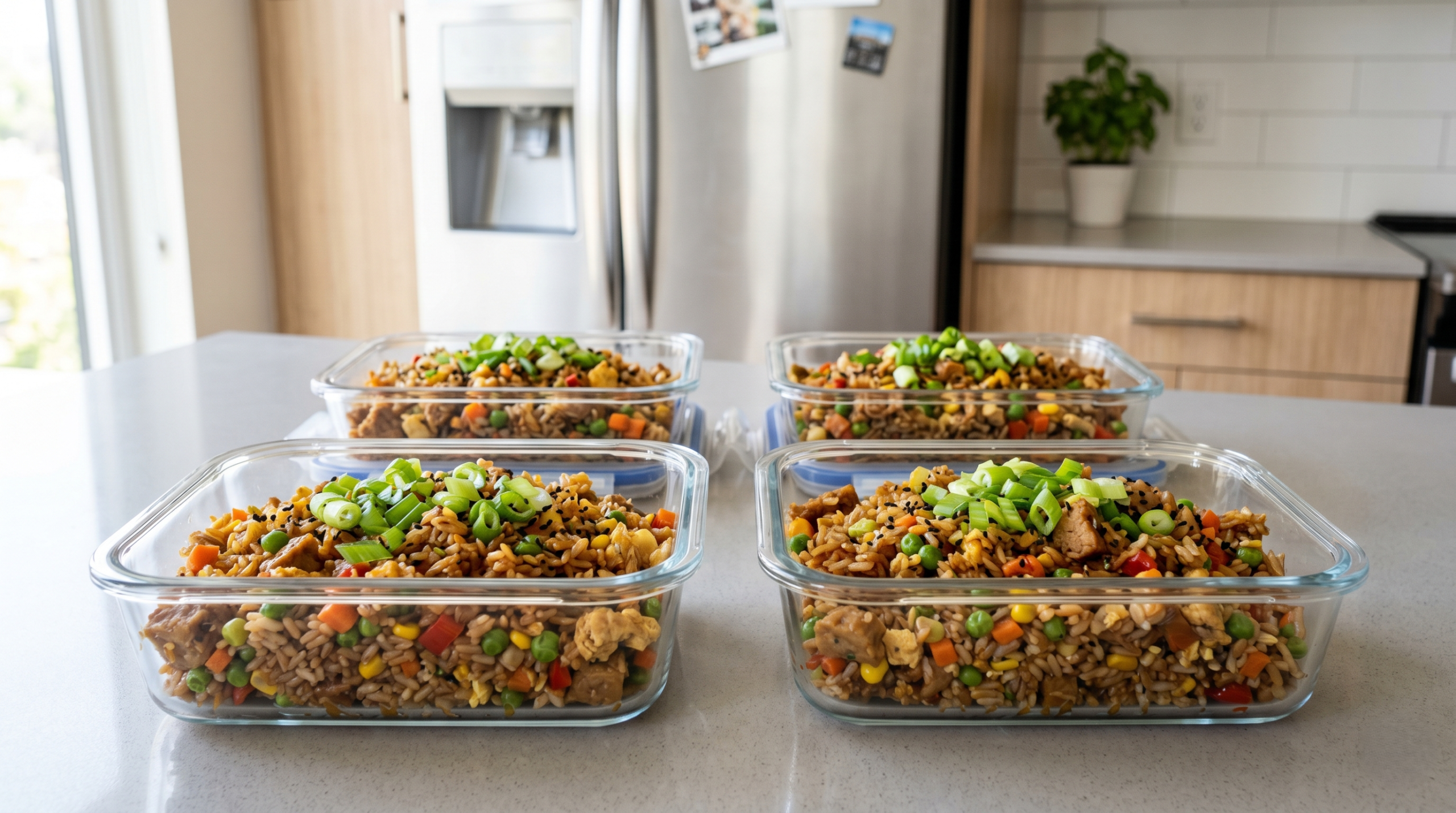
The Freezing Process
Seal your containers tightly with airtight lids. This homemade version will keep beautifully in the refrigerator for up to five days, or in the freezer for up to three months.
The Perfect 4-Minute Reheat Strategy
When you are ready to eat your frozen copycat meal, you don’t even need to thaw it. Take the container straight from the freezer, remove the lid, and sprinkle exactly one tablespoon of water or vegetable broth over the top of the frozen rice. This replaced moisture will create a gentle steam environment inside the microwave.
Cover the container loosely with a paper towel or a microwave-safe lid turned slightly askew. Microwave on high for two minutes, take it out to give it a thorough stir, and microwave for another one to two minutes. The rice will emerge perfectly plump, steaming, and infused with freshly awakened aromatics—giving you all the speed of a processed convenience meal with none of the nutritional compromise.
Frequently Asked Questions (FAQs)
Is Tai Pei chicken fried rice dairy-free and gluten-free?
The original frozen meal from the grocery store is dairy-free, but it is not gluten-free because its savory seasoning sauce relies on traditional soy sauce made with fermented wheat. Our plant-based copycat recipe is easily made 100% gluten-free by swapping traditional soy sauce for certified gluten-free tamari or coconut aminos.
Can I make this copycat recipe completely oil-free?
Absolutely. If you follow a strict whole-food plant-based (WFPB) lifestyle or are monitoring your fat intake, you can completely eliminate the oil. Use a high-quality non-stick pan or well-seasoned cast iron to dry-sear your tofu or soy curls. When it comes time to cook your garlic and ginger, simply use a tablespoon of low-sodium vegetable broth or water to keep the aromatics from sticking to the surface.
Why does my homemade fried rice always turn out soggy?
Soggy rice is typically caused by three common culprits: using freshly cooked warm rice, using frozen vegetables that haven’t been thawed and patted dry, or overloading a small pan on low heat. Stick to day-old refrigerated rice, dry your vegetables thoroughly with a clean towel, and keep your stove temperature high.
What is a good substitute for mirin if I cannot find it?
True Japanese mirin adds a beautiful, subtle sweetness and a glossy sheen to the rice. If you cannot find it at your local grocery store, you can easily substitute it by mixing one tablespoon of dry white wine or rice vinegar with a half-teaspoon of pure maple syrup or organic unrefined sugar.
Final Thoughts: Reclaiming Comfort Food on a Plant Diet
Transitioning to a whole-food, plant-based lifestyle should never feel like a exercise in deprivation. True dietary sustainability comes from abundance—learning how to harness the vibrant flavors of the earth to recreate the nostalgic comfort meals that shaped our lives.
By replacing the ultra-processed stabilizers, excess sodium, and animal derivatives of the classic frozen box with crisp vegetables, wholesome grains, and clean plant proteins, you do more than just satisfy a sudden evening craving. You prove that fast, convenient, and deeply savory food can actively support your long-term health, vitality, and peace of mind.
The next time you find yourself staring into the grocery store freezer aisle, skip the cardboard box. Grab some fresh ginger, fire up your wok, and treat yourself to a fresh, sizzling plate of homemade, plant-powered perfection. Your body, your palate, and your kitchen will thank you.