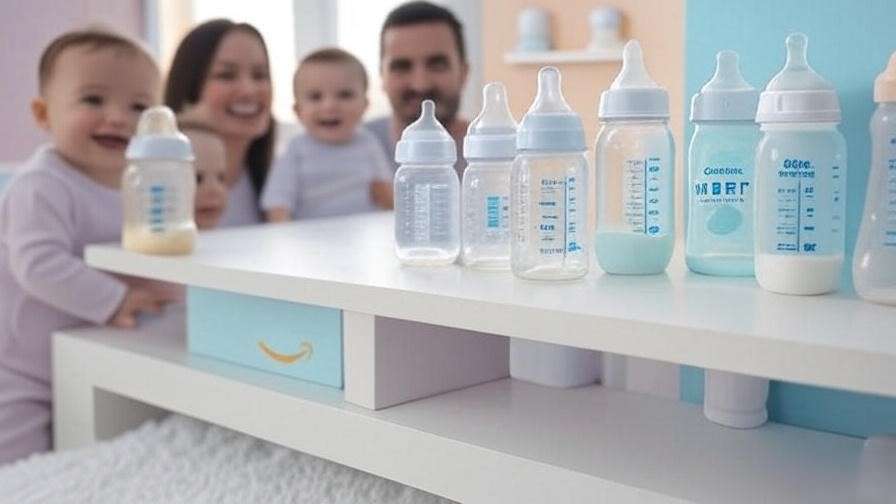
Feeding a newborn should feel natural—but for many parents, it quickly becomes stressful when babies struggle with bottle feeding. If your baby is gulping too fast, choking, getting gassy, or refusing the bottle altogether, the problem might not be the formula or milk—it could be the bottle itself. That’s why choosing the best slow flow bottles for newborn is so important. These bottles are specifically designed to control milk flow, closely mimic breastfeeding, and help your baby feed safely and comfortably from day one.
Newborns have delicate feeding needs. Fast-flow nipples can overwhelm them, leading to issues like colic, reflux, excessive gas, or even nipple confusion if you’re combining breastfeeding and bottle feeding. A proper slow flow bottle ensures a gentle, controlled feeding pace that supports healthy digestion and reduces discomfort—for both baby and parent.
But here’s the challenge: not all “slow flow” bottles are truly slow. Many products on the market vary in nipple design, venting systems, and flow consistency, making it difficult for parents to choose the right one—especially with hundreds of options available online.
That’s why we created this guide. We analyzed pediatric recommendations, reviewed thousands of Amazon customer reviews, and compared real-world parent experiences to identify the best slow flow bottles for newborn that actually deliver on their promises.
Table of Contents
ToggleQuick Comparison Table (Top Picks at a Glance)
| Product | Price Range | Best For |
|---|---|---|
| Philips Avent Natural | $15–$30 | Best Overall |
| Dr. Brown’s Original | $39.99 $39.99 per count($39.99 / count) | Anti-Colic |
| Comotomo Baby Bottle | $25–$40 | Breastfed Babies |
| Tommee Tippee | $18.97 $6.32 per count($6.32 / count) | Natural Latch |
| MAM Easy Start | $20–$30 | Self-Sterilizing |
| Lansinoh Bottle | $15–$21 | Nipple Confusion |
| Nanobébé Flexy | $20–$35 | Breast Milk |
How We Selected the Best Bottles
Choosing a bottle for your newborn isn’t just about convenience—it directly impacts feeding comfort and health. Here’s how we selected the best options:
- Amazon Rating Filter: Only products with 4.3★+ ratings
- True Slow Flow Testing: Ensured nipples genuinely control milk pace
- Anti-Colic Features: Evaluated venting systems for gas reduction
- Material Safety: BPA-free, baby-safe materials only
- Ease of Cleaning: Considered number of parts and usability
- Real Parent Feedback: Thousands of verified reviews analyzed
What to Look for in Slow Flow Bottles for Newborns
1. True Slow Flow Nipple
Prevents choking and helps newborns feed at a natural pace.
2. Anti-Colic Venting System
Reduces air intake, minimizing gas and discomfort.
3. Breast-Like Nipple Shape
Helps babies transition between breast and bottle without confusion.
4. Safe Materials
Always choose BPA-free silicone or medical-grade plastic.
5. Ease of Cleaning
Fewer parts = easier cleaning, but advanced systems may require extra effort.
Top 7 Best Slow Flow Bottles for Newborns
1. Philips Avent Natural Baby Bottle (Best Overall)
Product Overview
The Philips Avent Natural Bottle is one of the most trusted baby bottles worldwide—and for good reason. It’s designed to closely mimic the natural feel and flow of breastfeeding, making it an excellent choice for newborns.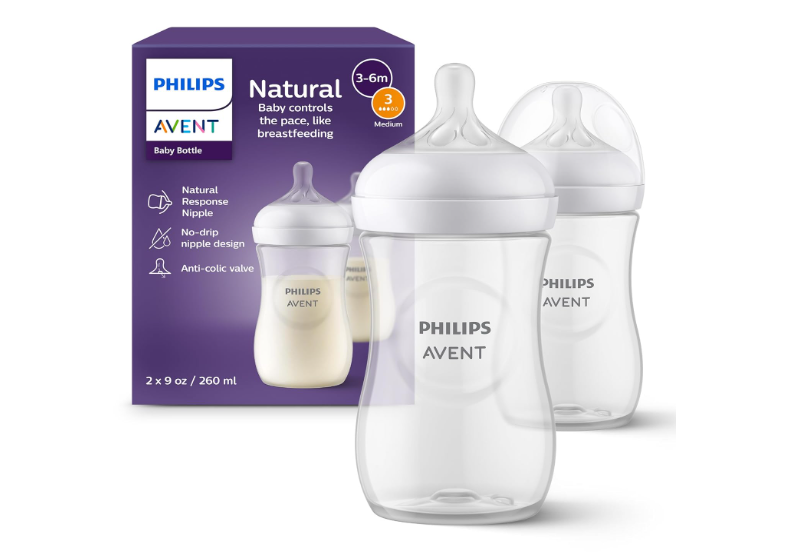
Price
- $15 – $30
Key Features & Benefits
- Wide, breast-shaped nipple for natural latch
- Ultra-soft silicone nipple with slow flow control
- Built-in anti-colic valve
- Ergonomic design for easy handling
Pros
- Easy transition between breast and bottle
- Reliable slow flow performance
- Simple to clean
Cons
- Nipple may collapse for strong suckers
Amazon Ratings
- ⭐ 4.7/5 (100,000+ reviews)
Why It’s a Good Choice
It offers the best balance of comfort, safety, and ease of use—making it ideal for most newborns.
Ideal For
- First-time parents
- Breastfeeding + bottle feeding
2. Dr. Brown’s Original Anti-Colic Bottle (Best for Gas & Colic)
Product Overview
Dr. Brown’s bottles are famous for their advanced internal vent system, which significantly reduces air intake during feeding—helping prevent gas, colic, and reflux.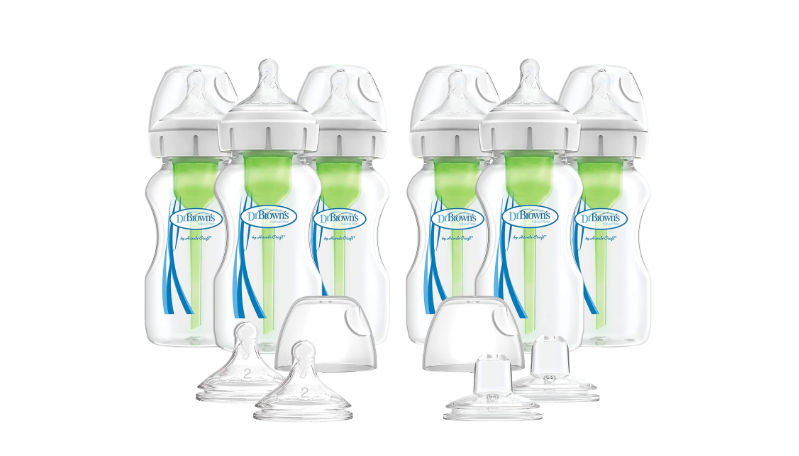
Price
- $39.99 $39.99 per count($39.99 / count)
Key Features & Benefits
- Internal vent system for airflow control
- Consistent milk flow without pressure buildup
- Clinically proven to reduce colic
Pros
- Excellent for gassy babies
- Pediatrician recommended
- Reliable feeding experience
Cons
- Multiple parts to clean
- Slightly more complex setup
Amazon Ratings
- ⭐ 4.6/5
Why It’s a Good Choice
One of the best options for babies experiencing colic or digestive discomfort.
Ideal For
- Babies with gas, reflux, or colic
3. Comotomo Baby Bottle (Best for Breastfed Babies)
Product Overview
The Comotomo bottle is designed to replicate the natural feel of breastfeeding as closely as possible. Its soft, squeezable silicone body and wide nipple encourage a natural latch.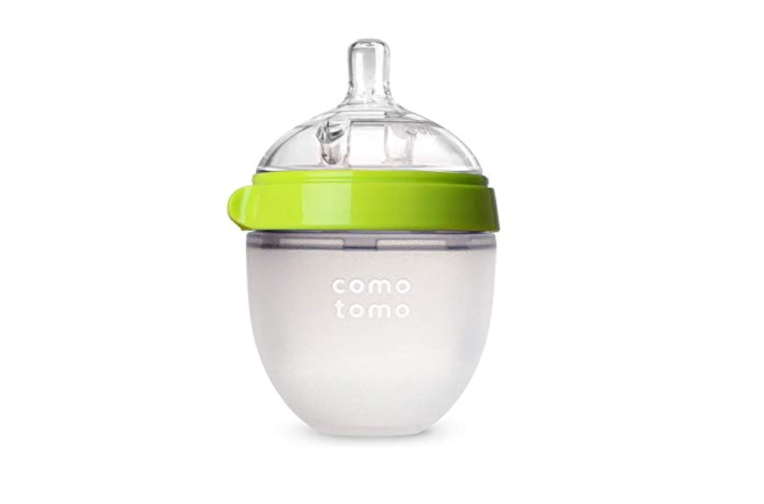
Price
- $25 – $40
Key Features & Benefits
- Ultra-soft silicone body
- Wide mound nipple for natural latch
- Dual anti-colic vents
- Easy-to-clean wide opening
Pros
- Closest to breastfeeding experience
- Great for latch training
- Minimal nipple confusion
Cons
- Premium price
- Slightly less stable when placed down
Amazon Ratings
- ⭐ 4.7/5
Why It’s a Good Choice
Perfect for parents who want to maintain breastfeeding while introducing a bottle.
Ideal For
- Breastfed newborns
- Babies refusing standard bottles
4. Tommee Tippee Closer to Nature (Best Natural Latch Option)
Product Overview
Tommee Tippee bottles are designed to mimic the natural flex and movement of a mother’s breast, helping babies latch comfortably.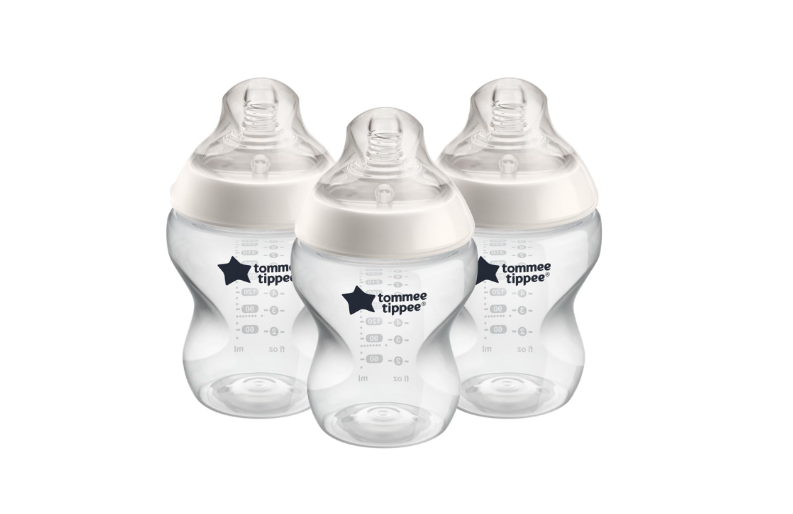
Price
- $18.97 $6.32 per count($6.32 / count)
Key Features & Benefits
- Breast-like silicone nipple
- Anti-colic valve
- Easy-to-hold bottle shape
Pros
- Affordable
- Easy latch
- Widely available
Cons
- Flow may vary slightly
- Not ideal for all babies
Amazon Ratings
- ⭐ 4.6/5
Why It’s a Good Choice
A great balance between affordability and performance.
Ideal For
- New parents
- Budget-conscious buyers
5. MAM Easy Start Anti-Colic Bottle (Best Self-Sterilizing Bottle)
Product Overview
The MAM Easy Start bottle is designed for parents who want convenience without compromising feeding quality. Its standout feature is the self-sterilizing system, which allows the bottle to be sterilized in a microwave within minutes—without requiring a separate sterilizer.
This bottle also includes a vented base system that helps reduce air bubbles during feeding, minimizing gas and colic symptoms. Many parents appreciate how easy it is to clean compared to some advanced anti-colic bottles.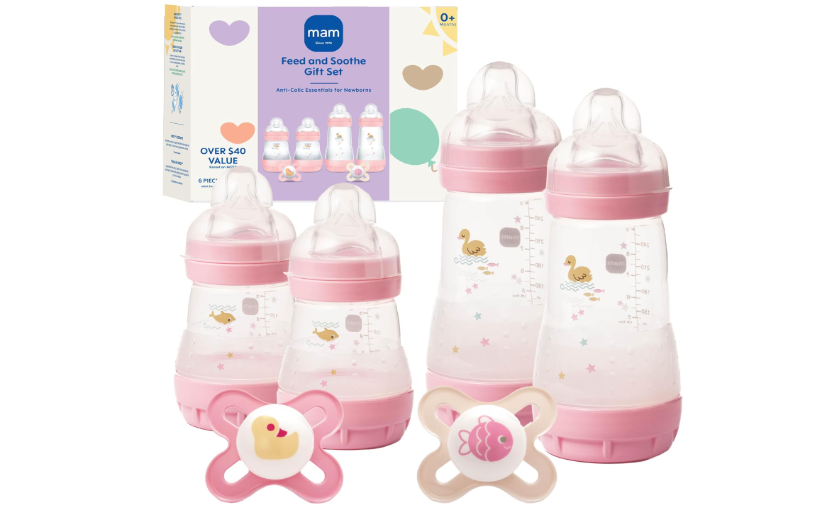
Price
- $20 – $30
Key Features & Benefits
- Self-sterilizing design for quick cleaning
- Ventilated base reduces colic and gas
- Soft SkinSoft silicone nipple
- Slow flow nipple designed for newborn feeding
Pros
- Extremely convenient for travel
- Good anti-colic performance
- Soft nipple texture helps acceptance
Cons
- More parts than basic bottles
- Assembly takes slightly longer
Amazon Ratings
- ⭐ 4.6/5
Why It’s a Good Choice
The self-sterilizing feature makes this bottle especially practical for busy parents or frequent travel.
Ideal For
- Busy parents
- Travel feeding
- Babies prone to gas
6. Lansinoh Breastfeeding Bottle (Best for Nipple Confusion)
Product Overview
The Lansinoh Breastfeeding Bottle was specifically designed for babies who switch between breastfeeding and bottle feeding. Its NaturalWave nipple encourages babies to use the same tongue and sucking movements they use while breastfeeding, reducing nipple confusion.
This makes it one of the most recommended options for breastfeeding mothers who occasionally need bottle support without disrupting nursing habits.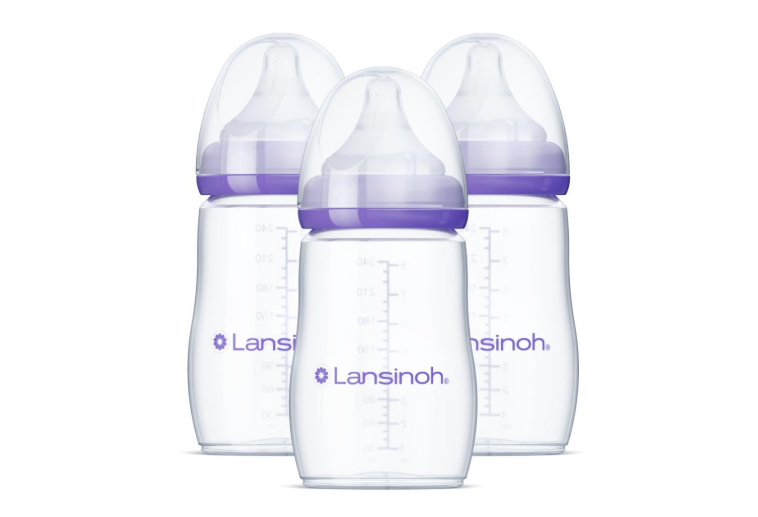
Price
- $15 – $21
Key Features & Benefits
- NaturalWave nipple supports breastfeeding motion
- Air ventilation system reduces gas intake
- Soft, flexible silicone nipple
- Easy-to-clean design
Pros
- Excellent for mixed feeding
- Helps preserve natural latch
- Affordable pricing
Cons
- Limited bottle size variety
- Not every baby prefers the nipple shape
Amazon Ratings
- ⭐ 4.7/5
Why It’s a Good Choice
One of the best options for parents trying to avoid bottle preference or breastfeeding disruption.
Ideal For
- Breastfeeding moms
- Mixed feeding routines
- Babies transitioning between breast and bottle
7. Nanobébé Flexy Silicone Bottle (Best for Breast Milk Feeding)
Product Overview
The Nanobébé Flexy Silicone Bottle combines premium silicone construction with features specifically optimized for breast milk feeding. Its soft bottle body and stable design help create a more natural feeding experience while minimizing spills.
The triple-vent anti-colic system is designed to reduce air pressure buildup during feeding, helping babies feed comfortably at a controlled pace.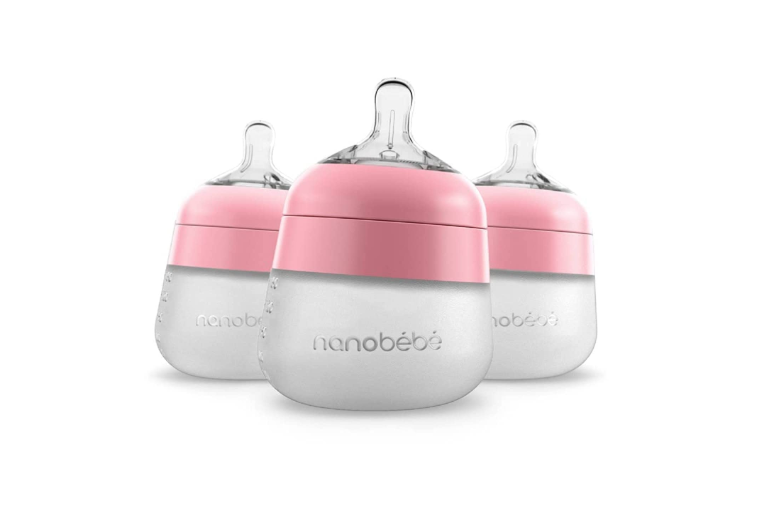
Price
- $20 – $35
Key Features & Benefits
- Soft medical-grade silicone body
- Triple vent anti-colic system
- Stable base prevents tipping
- Breast-like nipple shape
Pros
- Excellent for breast milk feeding
- Durable silicone construction
- Comfortable grip for parents
Cons
- Slightly premium pricing
- Silicone body may attract dust easily
Amazon Ratings
- ⭐ 4.6/5
Why It’s a Good Choice
A strong premium option for parents focused on comfort, safety, and breast milk compatibility.
Ideal For
- Pumping moms
- Breastfed newborns
- Parents wanting premium silicone bottles
Best Bottles by Category
| Category | Best Pick |
|---|---|
| Best Overall | Philips Avent Natural |
| Best Anti-Colic | Dr. Brown’s Original |
| Best for Breastfed Babies | Comotomo |
| Best Budget-Friendly | Tommee Tippee |
| Best for Convenience | MAM Easy Start |
| Best for Mixed Feeding | Lansinoh |
| Best Premium Silicone Option | Nanobébé Flexy |
Slow Flow Bottles vs Regular Bottles
Many parents wonder whether slow flow bottles are truly necessary. For newborns, the answer is often yes.
| Feature | Slow Flow Bottles | Regular Bottles |
|---|---|---|
| Milk Pace | Gentle & controlled | Faster flow |
| Choking Risk | Lower | Higher |
| Gas & Colic | Reduced | More common |
| Breastfeeding Compatibility | Better | Can cause nipple confusion |
| Feeding Comfort | Higher for newborns | May overwhelm newborns |
Why Slow Flow Matters
Newborns are still learning how to coordinate sucking, swallowing, and breathing. A fast-flow nipple can overwhelm them and increase discomfort.
When to Switch to Faster Flow
Most babies transition to medium flow nipples around 3–6 months, depending on feeding speed and development.
Frequently Asked Questions
What is a slow flow bottle?
A slow flow bottle uses a specially designed nipple that releases milk at a controlled pace suitable for newborns.
Are slow flow bottles necessary for newborns?
Yes, they help reduce choking, overfeeding, gas, and feeding discomfort.
How do I know if a nipple is truly slow flow?
Look for bottles specifically labeled for newborns (0m+) and check parent reviews for real-world feedback.
Can slow flow bottles reduce colic?
They can help significantly, especially bottles with anti-colic vent systems that minimize air intake.
When should you increase nipple flow size?
Usually around 3–6 months, depending on your baby’s feeding behavior and pediatrician recommendations.
Which bottle is closest to breastfeeding?
Comotomo and Lansinoh are widely considered among the closest options to natural breastfeeding.
Final Verdict
Choosing the best slow flow bottles for newborn can make a major difference in your baby’s feeding comfort and overall experience. The right bottle helps reduce gas, supports healthy feeding habits, and makes the transition between breast and bottle much smoother.
If you want the best all-around option, the Philips Avent Natural Bottle remains the strongest overall choice because of its balanced design, natural latch support, and reliable slow flow performance.
For babies struggling with gas or reflux, Dr. Brown’s Original stands out as the best anti-colic option.
Parents focused on preserving breastfeeding often prefer Comotomo or Lansinoh thanks to their breast-like nipple designs.
Ultimately, every baby feeds differently, so finding the right bottle may take some experimentation. However, each option in this guide has consistently earned strong feedback from parents for safety, comfort, and newborn-friendly feeding performance.