Table of Contents
ToggleJapanese Grill Food Can Be Healthy—If You Know How to Order
One of the biggest misconceptions about Japanese grill dining is that it’s automatically healthy. While dishes at places like Osaka Grill are often made fresh, the reality is that sauces, oils, and portion sizes can quickly turn a balanced meal into a heavy one. If you’ve been searching for the osaka grill menu while trying to stay consistent with a plant diet lifestyle, you’re likely trying to figure out what you can actually eat without compromising your health goals.
The good news is this: Osaka Grill is far more flexible than most diners realize.
With the right strategy, you can enjoy flavorful hibachi-style meals, grilled vegetables, and even seafood options while still staying aligned with a plant-forward eating pattern. In this expert guide, we break down everything—from what to order, what to avoid, and how to customize your meal like a pro.
Understanding Osaka Grill: Japanese Grill Dining Style
Before optimizing your order, it’s important to understand how Osaka Grill operates and what makes its food unique.
What Osaka Grill Is Known For
Osaka Grill typically represents a Japanese-inspired hibachi or teppanyaki dining experience. This means:
- Food is cooked on a flat iron grill in front of you
- Ingredients are prepared fresh during cooking
- Meals are often interactive and chef-driven
- Flavor comes from high heat and seasoning layers
This style creates bold flavors—but also introduces hidden fats and sodium depending on preparation.
Typical Menu Structure
Most Osaka Grill menu layouts include:
- Appetizers (dumplings, salads, soups)
- Hibachi entrées (vegetables, chicken, seafood, steak)
- Fried rice or steamed rice
- Noodle dishes
- Sushi or rolls (in some locations)
- Sauces and condiments
Understanding this structure helps you navigate healthier choices more easily.
Why It’s Popular Among Diners
Osaka Grill is widely loved because:
- Meals are freshly cooked
- Flavor is customizable
- Portions are generous
- Vegetables are commonly included
This makes it surprisingly adaptable for plant-forward eating when approached correctly.
Plant Diet Approach: How to Read the Osaka Grill Menu Smartly
Eating at Japanese grill restaurants becomes much easier when you follow a structured plant diet strategy.
What “Plant Diet–Friendly” Means Here
In this guide, a plant diet–friendly approach focuses on:
- Vegetables as the main portion of the plate
- Whole foods with minimal processing
- Healthy fats like sesame and olive oil
- Optional seafood instead of heavy meats
- Reduced reliance on butter and creamy sauces
This is a flexible, realistic approach—not strict veganism.
Core Ordering Principles
When browsing the Osaka Grill menu, follow these expert rules:
- Prioritize grilled vegetables over fried items
- Choose steamed or lightly sautéed options
- Ask for sauces on the side
- Reduce rice or noodles if not needed
- Avoid heavy butter-based cooking methods
These small decisions significantly improve meal quality.
Hidden Ingredients to Watch For
Even healthy-looking dishes may include:
- Butter used on the grill
- High-sodium soy sauce
- Sweet teriyaki glaze
- Fried coatings (tempura-style items)
- Excess oil in stir-fry dishes
Awareness is key to maintaining a clean eating pattern.
Best Plant Diet–Friendly Options on Osaka Grill Menu
Let’s break down the best choices for a plant-forward lifestyle.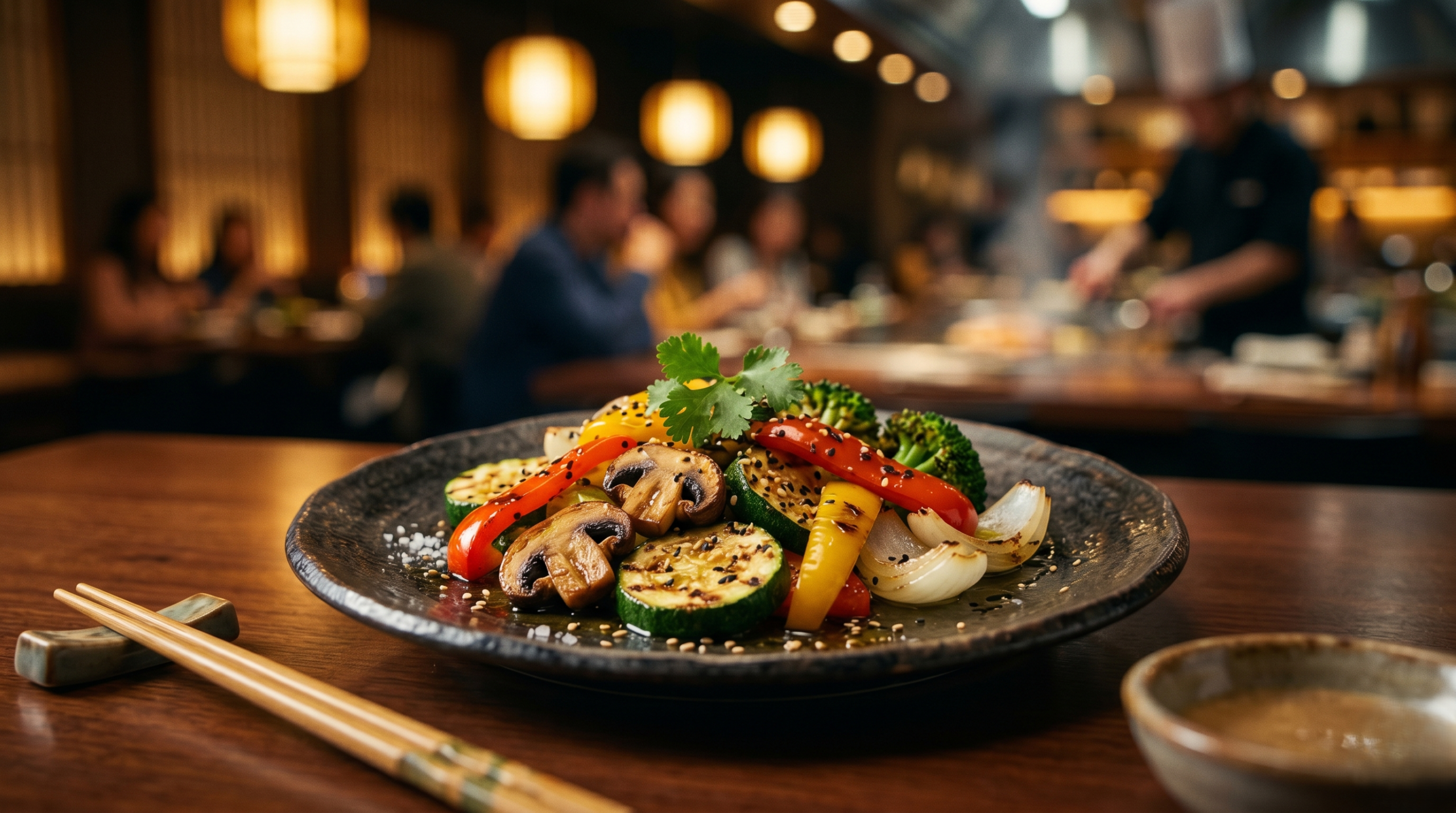
Grilled Vegetable Plates (Top Choice)
Grilled vegetables are one of the safest and healthiest options available.
Common vegetables include:
- Zucchini
- Mushrooms
- Onions
- Broccoli
- Bell peppers
Why They Work Well:
- High in fiber
- Low in calories
- Rich in antioxidants
- Naturally flavorful when grilled
These should form the base of your meal whenever possible.
Salads and Light Appetizers
Salads and starters are excellent for building a lighter meal.
Best options:
- Seaweed salad (rich in minerals)
- Green salads with ginger dressing
- Edamame (plant protein powerhouse)
Expert Tip:
Ask for dressing on the side to control sugar and oil intake.
Rice and Grain Options
While not strictly plant-based in every variation, grains can be part of a balanced plate.
Options may include:
- Steamed white rice
- Brown rice (if available)
Smart Strategy:
- Stick to small portions
- Combine with vegetables instead of eating alone
- Avoid fried rice versions
Seafood Options (Plant-Forward Flex Choice)
For those following a flexible plant diet, seafood is a smart inclusion.
Recommended options:
- Grilled shrimp
- Grilled salmon
- White fish (light seasoning preferred)
Why Seafood Works:
- High-quality protein
- Omega-3 fatty acids
- Lower saturated fat than red meat
Customization Tip:
Always request:
- No butter finishing
- Light oil or lemon seasoning
- Sauce on the side
Menu Items to Modify for Healthier Eating
Customization is where real transformation happens.
Hibachi Entrées
Most entrées can be improved with simple changes:
- Request light oil cooking
- Ask for extra vegetables
- Reduce protein portion if needed
- Avoid butter-based finishing glaze
Noodle Dishes
Noodles are often high in calories and sodium.
To improve them:
- Ask for less sauce
- Add extra vegetables
- Avoid fried noodle variations
- Share portions if possible
Sushi and Rolls (If Available)
Better options include:
- Vegetable rolls
- Cucumber rolls
- Avocado-based rolls
Avoid:
- Tempura rolls
- Cream cheese-based rolls
- Heavy mayo toppings
Smart Ordering Strategy at Osaka Grill
The Hibachi Balance Plate Method
A simple expert formula:
- 50% vegetables
- 25% protein (plant or seafood)
- 25% grains or carbs
This keeps meals balanced and nutrient-rich.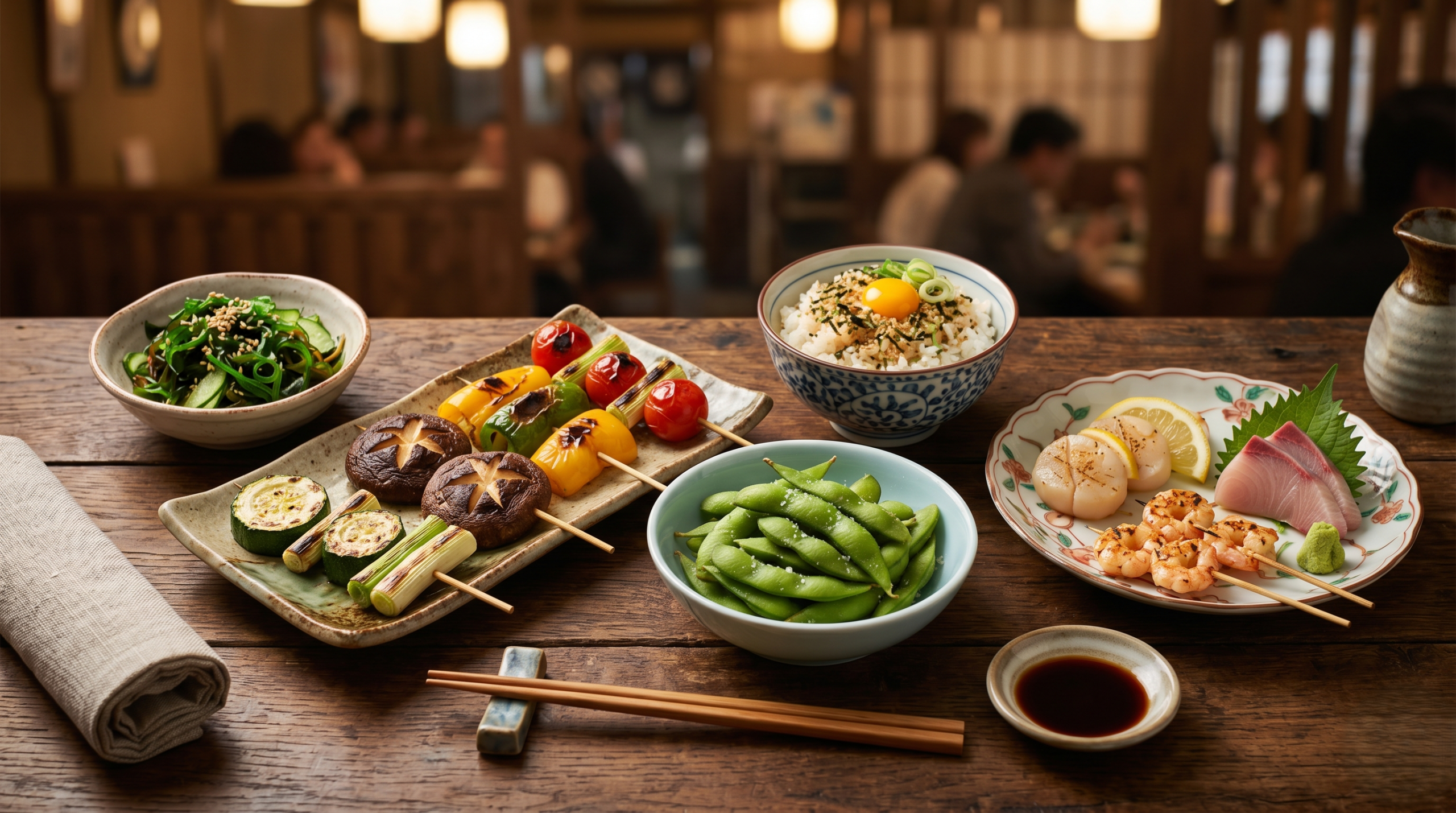
Sauce Control Strategy
Sauces are one of the biggest hidden calorie sources.
Best practices:
- Always request sauce on the side
- Choose ginger or citrus-based sauces
- Avoid sweet teriyaki-heavy options
- Use small amounts for flavor, not soaking
Cooking Customization Tips
You can directly request:
- “No butter on grill, please”
- “Light oil only”
- “Extra vegetables instead of rice”
Most hibachi restaurants accommodate these requests easily.
Nutritional Breakdown of Common Osaka Grill Meals
Healthy Eating Patterns
Best meals typically include:
- Grilled vegetables
- Light seafood
- Minimal sauce use
- Controlled rice portions
Common Pitfalls
Watch out for:
- High sodium soy sauce
- Hidden butter in cooking process
- Large carbohydrate servings
- Sugary glazes
Plant Diet Optimization Strategy
To improve any meal:
- Prioritize fiber-rich vegetables
- Reduce processed sauces
- Balance macros intentionally
- Increase plant diversity on the plate
Expert Insights: Japanese Grill Cooking Techniques
How Hibachi Cooking Works
Hibachi grilling uses:
- High-heat flat surfaces
- Fast cooking to retain texture
- Minimal seasoning during cooking
This method enhances natural flavor but often uses added fats.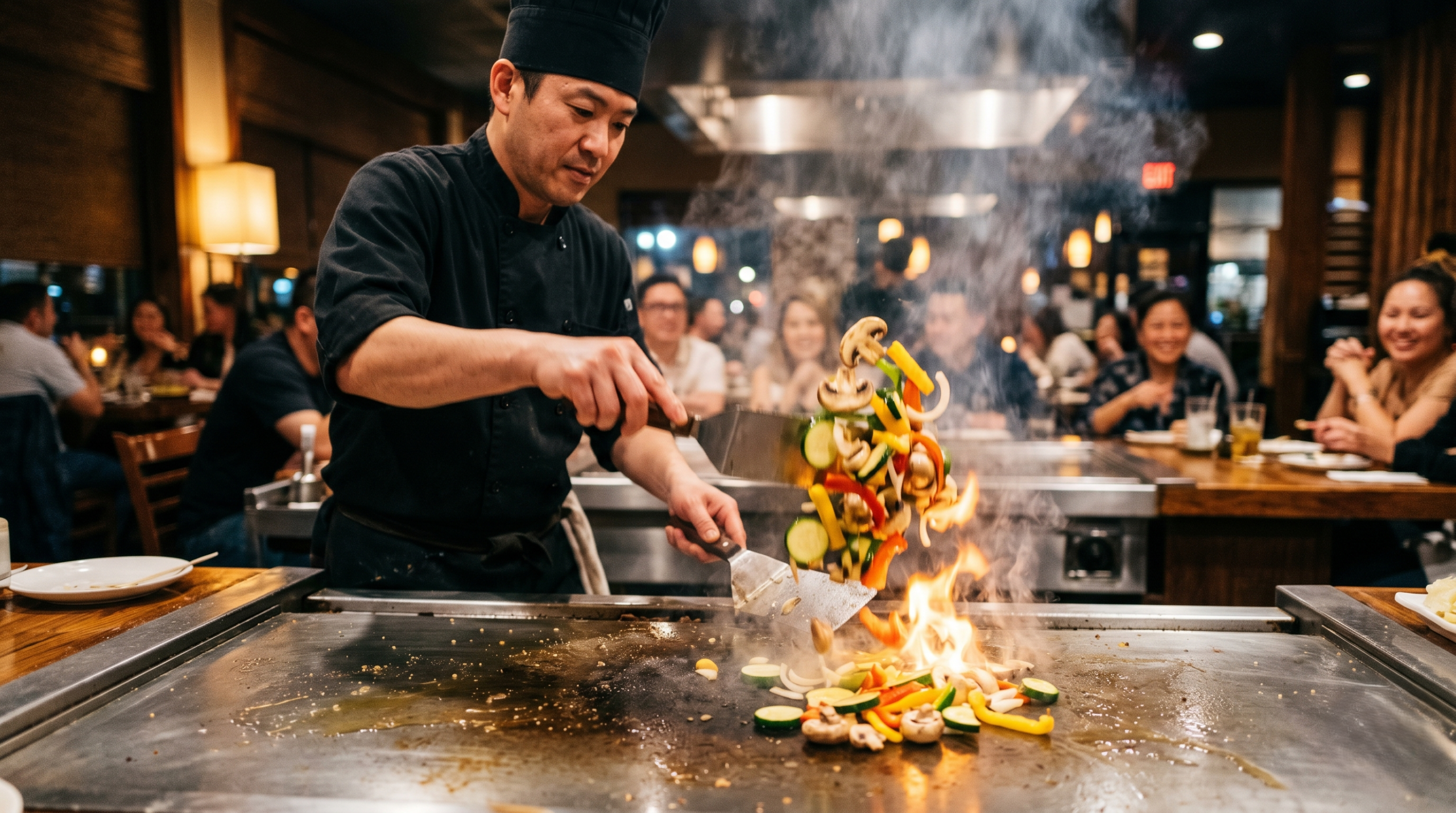
Flavor Building Process
Flavor is layered through:
- Base seasoning (salt, soy)
- Cooking oil or butter
- Finishing sauces
Understanding this helps you control unnecessary calories.
How to Replicate at Home
You can recreate Osaka Grill-style meals using:
- A cast iron pan or grill pan
- Olive oil or sesame oil
- Garlic, lemon, and ginger
- Mixed vegetables and rice
Healthy Customization Hacks
Smart Substitution Requests
Always feel confident asking for:
- Sauce on the side
- No butter cooking
- Extra vegetables instead of starch
Building a Plant-Forward Plate
A balanced meal could include:
- Grilled vegetables
- Edamame
- Small rice portion
- Optional seafood
Eating Out Without Guilt
Healthy eating is about consistency, not perfection:
- One restaurant meal won’t define your diet
- Focus on long-term habits
- Make better choices where possible
Best Plant Diet Meal Combinations at Osaka Grill
Light Lunch Option
- Edamame
- Seaweed salad
- Grilled vegetables
Balanced Dinner Option
- Grilled salmon or shrimp
- Vegetables
- Small rice portion
Low-Calorie Option
- Vegetable plate
- Clear soup (if available)
- Light salad
Drinks Guide for Plant Diet Diners
Best Choices
- Green tea
- Sparkling water
- Unsweetened iced tea
Limit or Avoid
- Sugary sodas
- Sweet cocktails
- Milk-based beverages
Frequently Asked Questions
Is Osaka Grill healthy?
It can be healthy if you choose grilled vegetables and control sauces.
Can I eat plant-based at Osaka Grill?
Yes, especially through vegetables, salads, and customized dishes.
What is the healthiest option?
Grilled vegetables and edamame are top choices.
Is hibachi food high in calories?
It can be, depending on oil and sauce usage.
How do I eat low-calorie at Osaka Grill?
Focus on vegetables, reduce rice, and avoid heavy sauces.
Expert Opinion: Is Osaka Grill Good for a Plant Diet Lifestyle?
Osaka Grill is not strictly plant-based, but it is highly adaptable.
Strengths:
- Fresh ingredients
- Customizable cooking
- Vegetable-friendly options
Weaknesses:
- Butter-heavy default cooking
- High-sodium sauces
- Limited fully plant-based entrées
Final Verdict:
With smart ordering, Osaka Grill can fit comfortably into a plant-forward lifestyle.
Conclusion: Smart Choices Make All the Difference
The osaka grill menu offers more flexibility than most people realize. While it is not automatically plant diet–friendly, it becomes highly compatible when you understand how to customize your meals.
By focusing on vegetables, controlling sauces, and making intentional choices, you can enjoy Japanese grill dining while staying aligned with your health goals.