A Restaurant-Style Craving You Can Actually Feel Good About
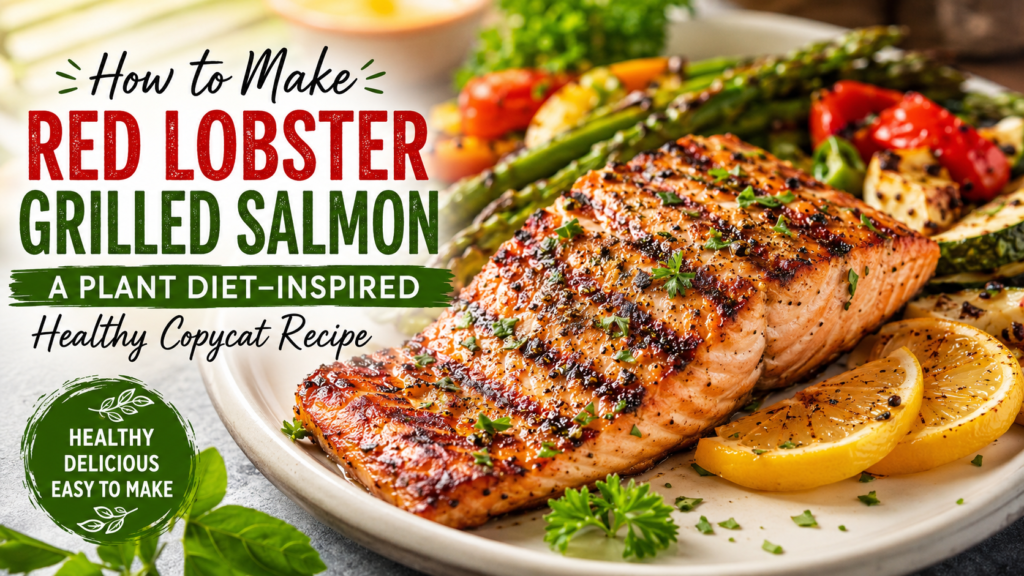
There’s something undeniably satisfying about a perfectly grilled salmon—smoky edges, tender flakes, and that rich, buttery aroma that makes it feel like a restaurant-quality indulgence. If you’ve ever searched for how to make Red Lobster grilled salmon, you’re likely chasing that same experience at home—without the cost, excess calories, or heavy restaurant oils.
This guide is designed for exactly that purpose.
But here’s the twist: instead of copying it blindly, we’re reimagining it through a plant diet–inspired approach. That means lighter fats, more natural ingredients, and a stronger focus on heart-healthy, nutrient-dense choices—while still keeping the bold, signature flavors that make Red Lobster’s grilled salmon so popular.
In this expert-crafted guide, you’ll learn not only how to recreate the dish, but also how to upgrade it into something healthier, cleaner, and more aligned with modern plant-forward eating habits.
Let’s break it down step by step.
What Makes Red Lobster Grilled Salmon So Special?
Before recreating any restaurant dish, it’s important to understand what makes it memorable.
Flavor Profile Breakdown
Red Lobster-style grilled salmon is known for:
- A smoky, charred surface from high-heat grilling
- A rich garlic-butter glaze that enhances moisture
- Light citrus notes (often lemon-based finishing)
- A soft, flaky interior that melts in the mouth
This balance of fat, acid, salt, and smoke is what creates the addictive flavor profile.
Restaurant Cooking Technique Secrets
Professional kitchens rely on:
- High-temperature grills or grill pans
- Butter-based basting throughout cooking
- Pre-seasoned fillets with layered spice rubs
- Precise timing to avoid dryness
These techniques are effective—but often not the healthiest for everyday eating.
Why People Love It
This dish remains popular because it:
- Feels indulgent but still “lighter” than fried seafood
- Cooks quickly (ideal for busy diners)
- Pairs well with vegetables, rice, or salads
- Delivers consistent restaurant-quality taste
Now let’s improve it for home cooking and health.
Plant Diet Approach: How We Rebuild It Better
What “Plant Diet–Inspired” Means Here
This recipe is not about removing salmon—it’s about upgrading the supporting ingredients using plant-based principles:
- Replacing heavy butter with olive or avocado oil
- Using herbs instead of artificial flavor enhancers
- Relying on citrus for brightness instead of excess salt
- Prioritizing whole, minimally processed ingredients
The result: same satisfaction, cleaner nutrition.
Health Benefits of This Approach
A plant-forward version supports:
- Heart health (better fat profile from olive oil)
- Reduced inflammation (herbs and omega-rich fats)
- Better digestion (lighter seasoning balance)
- Stable energy (less saturated fat load)
Keeping the Authentic Taste
We don’t sacrifice flavor. Instead, we rebuild it using:
- Smoked paprika for depth
- Garlic and citrus for aroma
- Natural umami boosters like coconut aminos
- Fresh herbs for finishing brightness
This is how you preserve restaurant quality without restaurant heaviness.
Ingredients for Plant Diet–Inspired Grilled Salmon
Main Ingredients
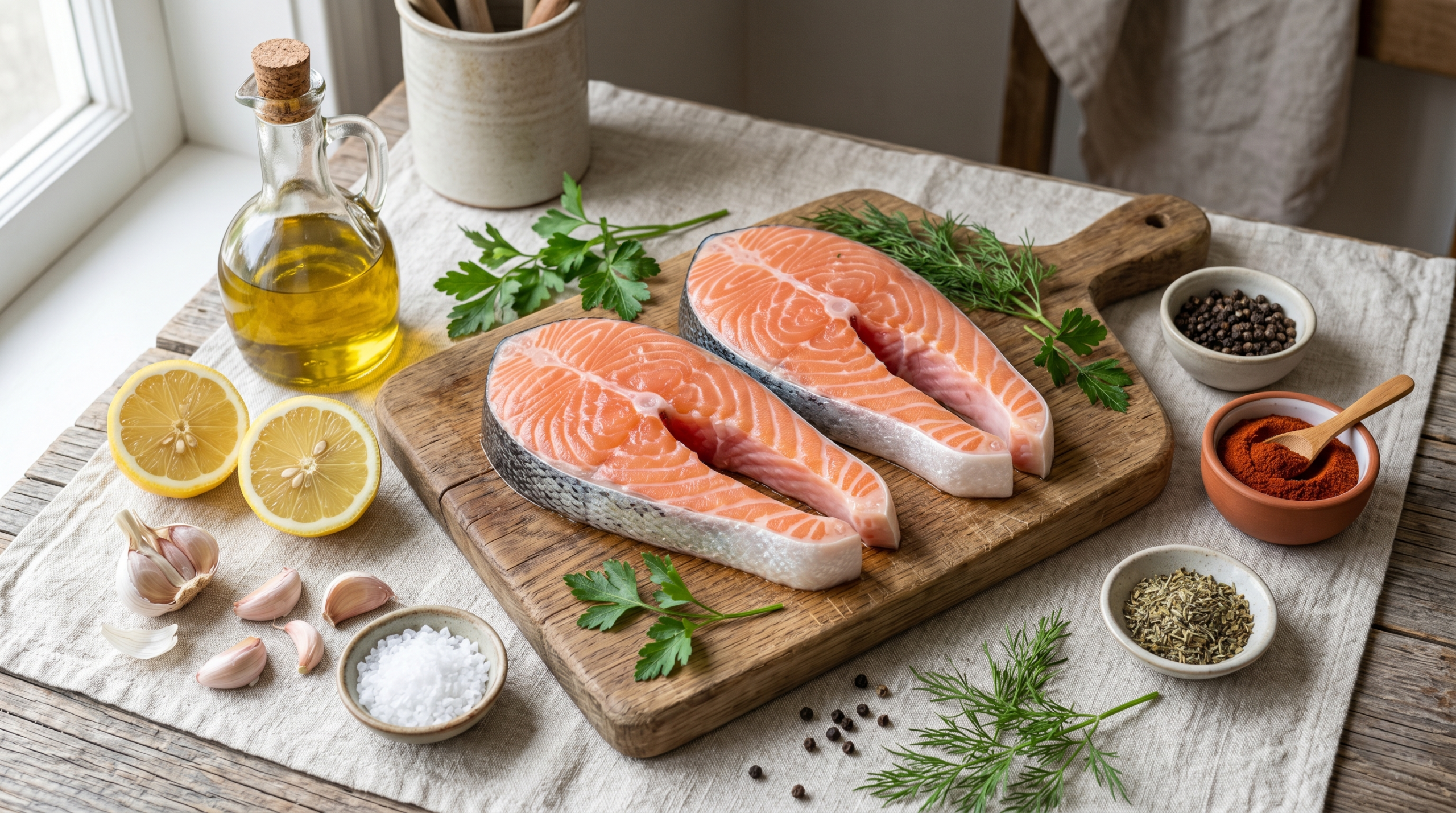
To recreate this dish, gather:
- 2 salmon fillets (wild-caught preferred)
- 2 tablespoons olive oil or avocado oil
- 3 cloves garlic (minced)
- Juice of 1 fresh lemon
- 1 teaspoon smoked paprika
- ½ teaspoon black pepper
- Salt (to taste, moderate use)
Optional Flavor Enhancers
- Fresh dill or parsley (for freshness)
- Chili flakes (for heat)
- 1 teaspoon coconut aminos (umami depth)
- ½ teaspoon maple syrup (optional glaze balance)
Expert Ingredient Selection Tips
From a culinary standpoint:
- Wild salmon has deeper flavor and firmer texture
- Farmed salmon is milder but more affordable
- Fresh is ideal, but high-quality frozen works well
- Extra virgin olive oil improves both flavor and nutrition
Ingredient quality directly impacts final taste.
Step-by-Step: How to Make Red Lobster-Style Grilled Salmon
Step 1: Prepare the Salmon Properly
- Pat fillets dry with paper towels
- Remove any remaining pin bones
- Let salmon reach room temperature for even cooking
Dry surface = better sear and grill marks.
Step 2: Prepare the Marinade
Mix in a bowl:
- Olive oil
- Garlic
- Lemon juice
- Smoked paprika
- Black pepper
- Optional herbs
Let salmon marinate for 20–40 minutes.
Avoid over-marinating beyond 1 hour—acid from lemon can break down texture.
Step 3: Preheat Your Grill or Pan
- Heat grill or grill pan to medium-high
- Lightly oil the surface
- Ensure it’s hot enough to create instant sear
A properly heated surface prevents sticking.
Step 4: Grill the Salmon
Place salmon skin-side down (if skin is on):
- Cook 4–5 minutes per side (depending on thickness)
- Avoid constant flipping
- Press gently only once for grill contact
You want a golden crust with visible grill marks.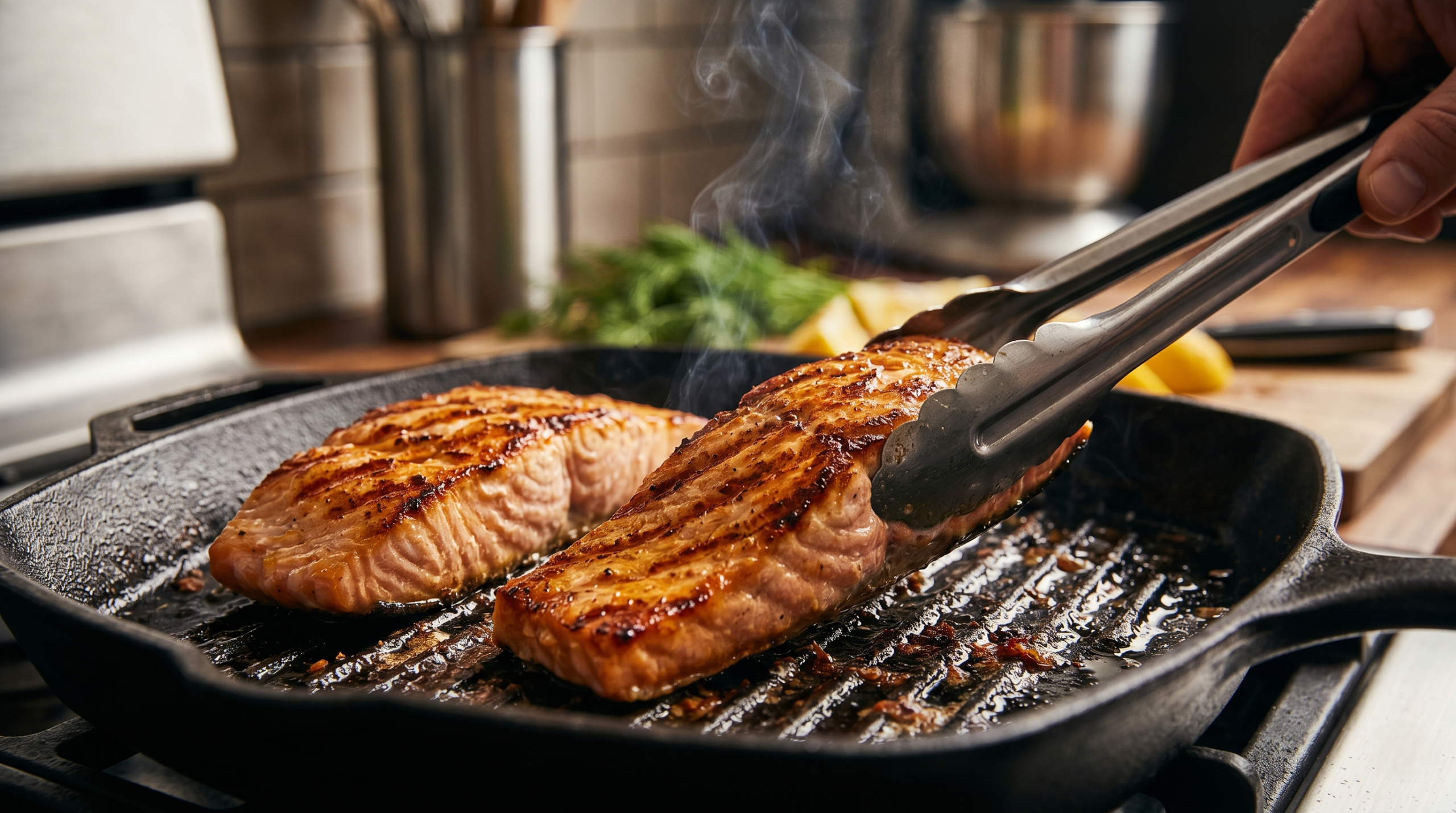
Step 5: Finish with Flavor Layering
Once cooked:
- Squeeze fresh lemon over top
- Drizzle a light olive oil finish
- Add chopped herbs
This final layer recreates the restaurant “glossy” effect.
Healthy Sauce Alternatives (Plant Diet Upgrade)
1. Garlic Citrus Olive Oil Drizzle
A simple mix of:
- Olive oil
- Lemon zest
- Garlic
- Pinch of salt
Light, fresh, and extremely flavorful.
2. Avocado Herb Sauce
Blend:
- Ripe avocado
- Lemon juice
- Parsley
- Garlic
- Water (to thin)
Creamy without dairy.
3. Coconut Amino Glaze
- Coconut aminos
- Garlic
- A drop of maple syrup
Adds a sweet-savory depth similar to restaurant glazes.
Nutritional Breakdown (Health Perspective)
Macronutrient Highlights
Salmon naturally provides:
- High-quality protein
- Omega-3 fatty acids
- Essential B vitamins
- Selenium and potassium
Why This Fits a Plant Diet Lifestyle
Even in a plant-forward approach, this dish aligns because:
- Plant oils replace animal fats
- Herbs increase antioxidant intake
- Whole food ingredients dominate
- Minimal processing is used
Restaurant vs Home Version Comparison
| Aspect | Restaurant Version | Plant-Inspired Version |
|---|---|---|
| Fat source | Butter-heavy | Olive/avocado oil |
| Sodium | Higher | Controlled |
| Additives | Possible | None |
| Freshness | Standard | Custom controlled |
Expert Cooking Tips for Perfect Salmon
Avoid Dry Salmon
- Never overcook beyond 145°F (63°C)
- Remove slightly early; it continues cooking
Heat Control Matters
- Medium-high heat = best balance
- Too low = no crust
- Too high = burnt exterior, raw inside
Crispy Skin Trick
- Cook skin-side down first
- Do not move for 4–5 minutes
Flavor Layering Secret
Professional chefs build flavor in 3 stages:
- Marinade
- Grill seasoning
- Finishing glaze
Recipe Variations
1. Vegan Alternative
Use:
- Carrot “salmon” slices or tofu
- Same marinade technique
2. Low-Sodium Version
- Reduce salt
- Increase lemon and herbs
3. Spicy Version
- Add cayenne or chili paste
- Use smoked paprika generously
4. Meal Prep Version
- Grill multiple fillets
- Store in airtight containers for 3 days
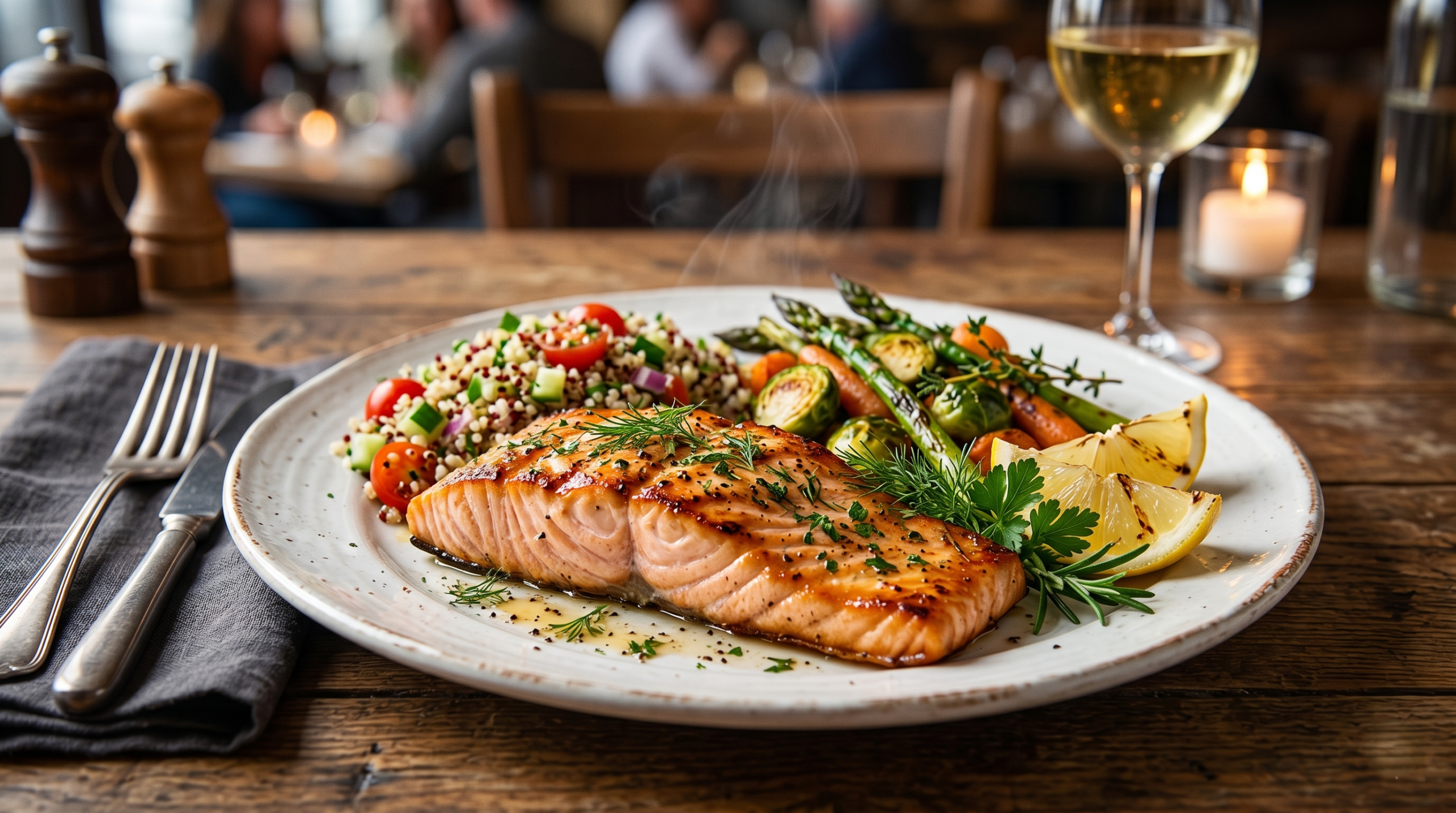
What to Serve With It
Healthy Side Options
- Quinoa salad with cucumber and lemon
- Roasted broccoli and carrots
- Brown rice with herbs
 Light Sauces
- Lemon tahini drizzle
- Avocado yogurt alternative (plant-based yogurt)
Balanced Meal Idea
- Grilled salmon
- Quinoa bowl
- Steamed greens
- Lemon dressing
Storage and Meal Prep Tips
- Store in airtight container for up to 3 days
- Reheat gently (low heat or steam)
- Avoid microwave overheating to preserve texture
Frequently Asked Questions
Can I make this without a grill?
Yes. A grill pan or oven broiler works well.
Is salmon allowed in a plant diet?
In a plant-forward diet, salmon is often included as a nutrient-rich protein option.
What oil is best?
Olive oil or avocado oil are top choices.
How long should I marinate?
20–40 minutes is ideal.
Can I bake instead?
Yes—bake at 375°F (190°C) for 12–15 minutes.
Expert Insight: Why This Recipe Works
The success of this dish comes from balance:
- Fat provides richness
- Acid cuts through heaviness
- Smoke adds depth
- Herbs bring freshness
This is the same culinary structure used in high-end restaurants—but optimized here for home cooking and better health outcomes.
Conclusion: A Healthier Way to Enjoy a Restaurant Classic
Learning how to make Red Lobster grilled salmon at home gives you more than just a recipe—it gives you control over flavor, nutrition, and ingredient quality.
By applying a plant diet–inspired approach, you don’t lose the restaurant experience—you refine it. The result is a dish that is:
- Cleaner
- Fresher
- More balanced
- And just as satisfying
This is proof that healthy eating doesn’t mean giving up flavor—it means upgrading it.