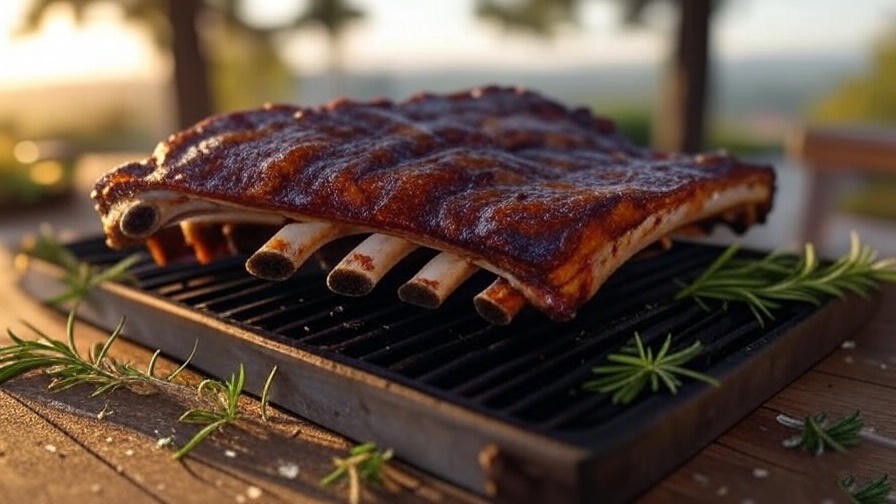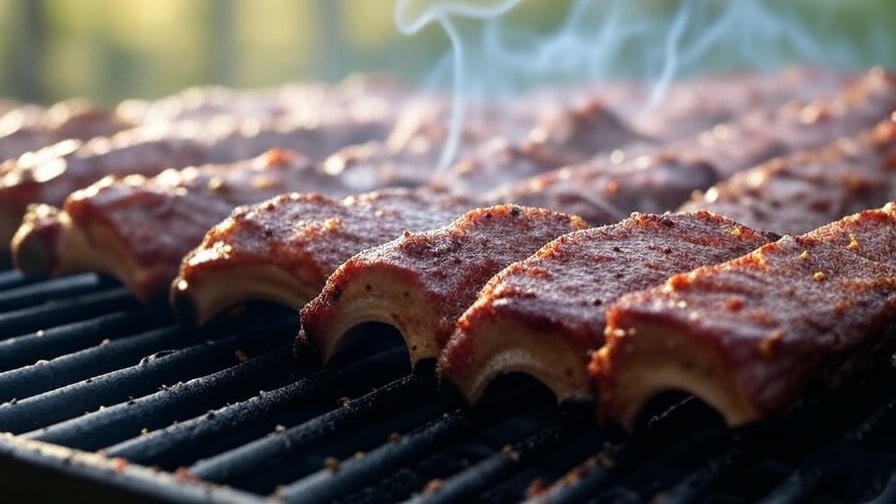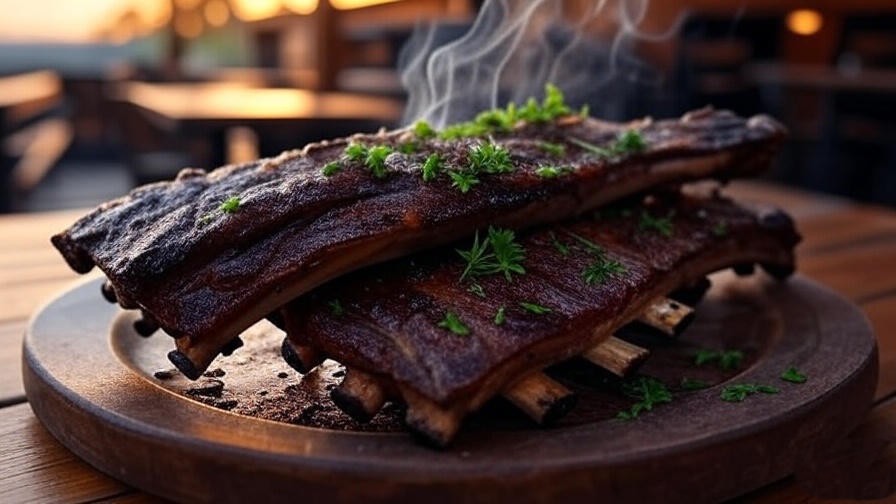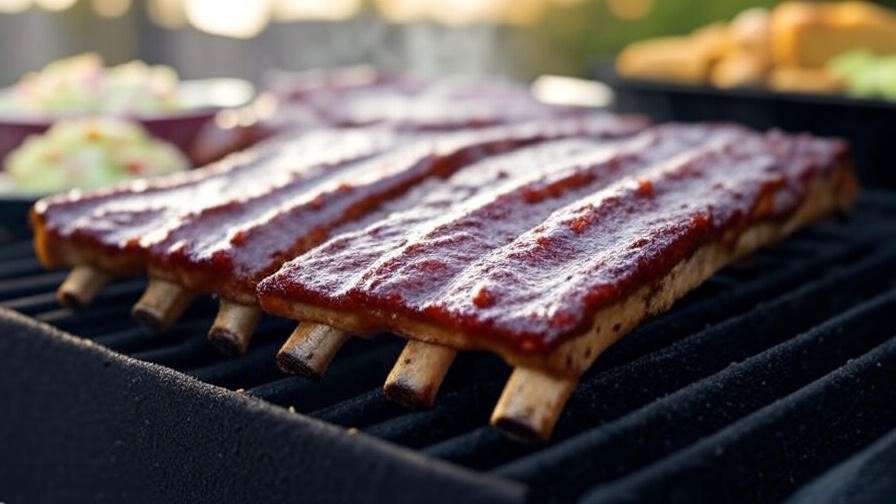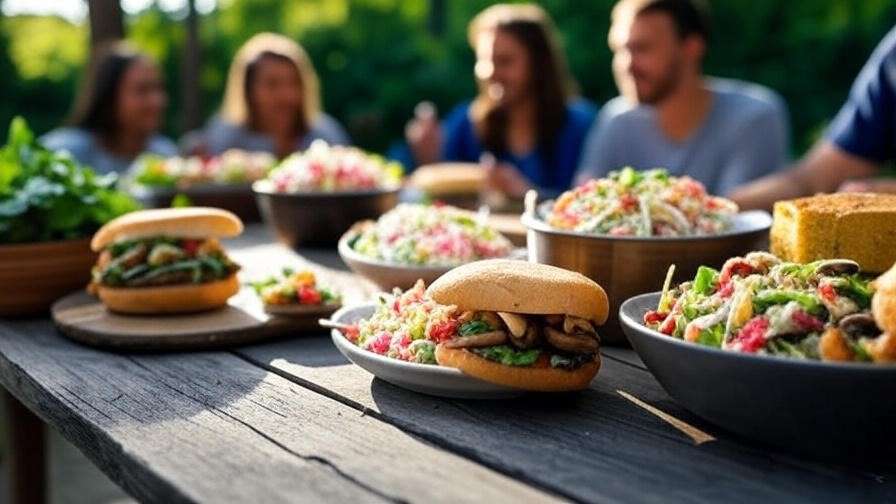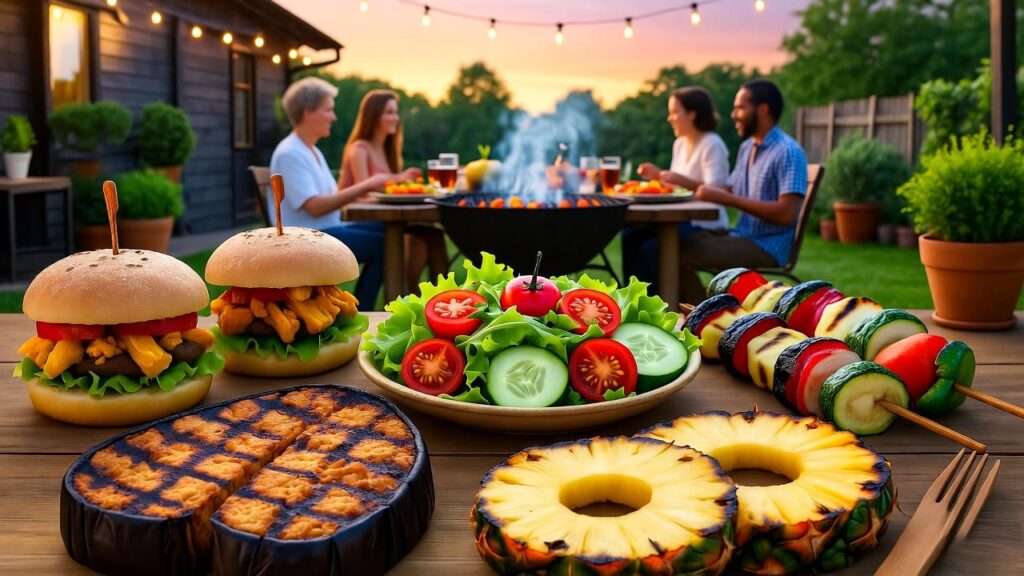
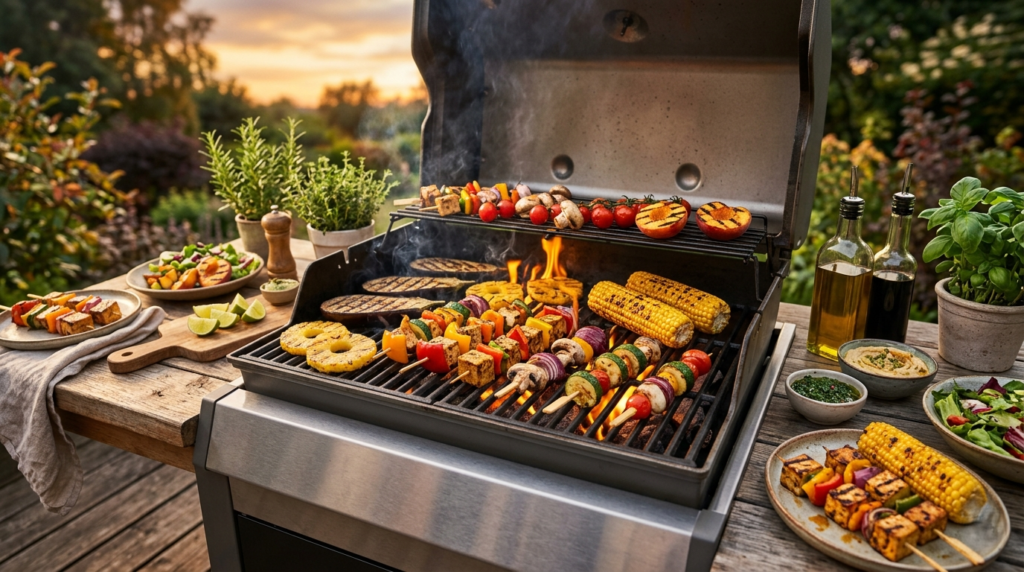
There’s something deeply satisfying about the smell of food sizzling on a grill—the smoky aroma, the charred edges, and that unmistakable BBQ flavor. But traditional barbecue often comes with a cost: high saturated fat, processed meats, and long-term health concerns. That’s where the hot off the grill plant diet changes everything.
This approach to eating proves that you don’t need meat to enjoy bold, smoky, grilled flavors. Instead, you can build delicious, nutrient-rich meals entirely from plants—vegetables, legumes, fruits, whole grains, and plant-based proteins—without sacrificing taste or satisfaction.
In this expert guide, you’ll discover how to transform everyday grilling into a healthy, flavorful, and sustainable lifestyle that supports weight management, heart health, and long-term wellness—while still enjoying the joy of BBQ.
1. What is the Hot Off the Grill Plant Diet?
Table of Contents
Toggle1.1 Definition of the Plant-Based Grilling Lifestyle
The hot off the grill plant diet is a modern plant-forward eating style centered around grilled whole foods derived from plants. It focuses on:
- Vegetables (zucchini, peppers, mushrooms, eggplant)
- Fruits (pineapple, peaches, watermelon)
- Plant proteins (tofu, tempeh, legumes)
- Whole grains (corn, quinoa-based patties)
Unlike restrictive diets, this is a flexible lifestyle that prioritizes nutrition, flavor, and sustainability.
1.2 How It Differs from Traditional BBQ
Traditional BBQ often includes:
- Red meat
- Processed sausages
- High-fat marinades
- Heavy sauces with added sugar
In contrast, plant-based grilling focuses on:
- Fiber-rich ingredients
- Natural marinades
- Lower calorie density
- Anti-inflammatory foods
The result? You still get the smoky BBQ experience—without the digestive heaviness or long-term health risks.
1.3 Who This Diet Is For
This lifestyle is ideal for:
- People transitioning to plant-based eating
- Fitness and wellness enthusiasts
- Heart-health-conscious individuals
- Anyone trying to reduce meat intake without losing flavor
2. Health Benefits of Plant-Based Grilling
2.1 Heart Health & Cholesterol Control
Plant-based grilling reduces intake of saturated fats and eliminates dietary cholesterol from animal products. Studies consistently show plant-forward diets support:
- Lower LDL cholesterol
- Improved blood pressure
- Reduced cardiovascular risk
2.2 Weight Management Advantages
Grilled plant foods are naturally:
- Low in calories
- High in fiber
- High in water content
This combination increases satiety while helping control calorie intake naturally.
2.3 Digestive Health Support
Fiber-rich grilled vegetables support:
- Gut microbiome balance
- Regular bowel movement
- Reduced bloating and inflammation
2.4 Reduced Risk of Chronic Disease
A plant-based grilling lifestyle may help reduce risks associated with:
- Type 2 diabetes
- Obesity
- Certain inflammatory conditions
2.5 Energy & Mental Clarity
Many people report improved:
- Energy levels
- Focus
- Mood stability
This is often linked to reduced processed food intake and improved nutrient density.
3. Expert Insight: Why Plant Grilling Works
3.1 Nutrition Science Behind Grilled Plants
Grilling enhances natural sugars in vegetables through caramelization, creating:
- Rich smoky flavor
- Crisp exterior texture
- Deep umami taste
Unlike boiling or frying, grilling preserves more nutrients when done correctly.
3.2 What Nutrition Experts Emphasize
Health professionals often highlight:
- Whole plant foods as the foundation of optimal diets
- Reduced processed meat intake for long-term health
- Importance of fiber and antioxidants
3.3 Common Misconceptions
Myth 1: Plant food is boring
Reality: Proper marinades and grilling techniques create bold flavors.
Myth 2: No protein in plants
Reality: Foods like tofu, lentils, and chickpeas provide substantial protein.
4. Essential Ingredients for Hot Off the Grill Plant Diet
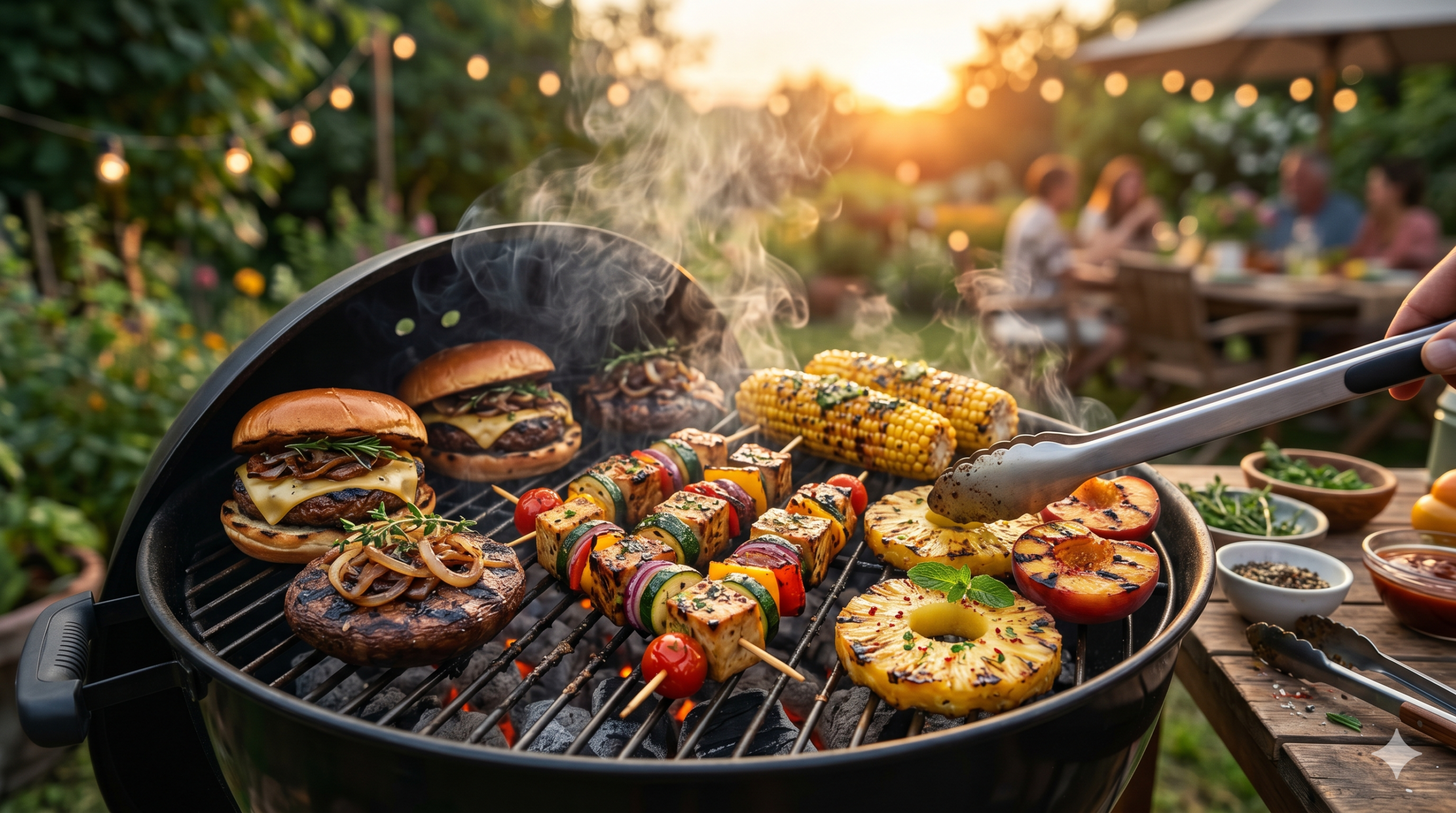
4.1 Best Vegetables for Grilling
- Zucchini (soft and juicy)
- Bell peppers (sweet and smoky)
- Eggplant (meaty texture)
- Mushrooms (rich umami flavor)
- Corn (naturally sweet)
4.2 Plant-Based Protein Options
- Tofu (absorbs marinades well)
- Tempeh (nutty flavor, firm texture)
- Chickpea patties (high protein and fiber)
- Lentil skewers or patties
4.3 Fruits That Work on the Grill
- Pineapple (caramelized sweetness)
- Peaches (soft and juicy)
- Watermelon slices (surprisingly smoky)
4.4 Whole Grains & Starches
- Corn on the cob
- Quinoa patties
- Sweet potatoes (foil-grilled or sliced)
5. Best Marinades & Flavor Boosters
5.1 Oil-Based Marinades
A simple blend of:
- Olive oil
- Garlic
- Rosemary
- Black pepper
5.2 Citrus Marinades
- Lemon juice
- Lime zest
- Apple cider vinegar
These help tenderize and brighten flavors.
5.3 Smoky & Spicy Blends
- Smoked paprika
- Chili powder
- Cayenne pepper
- Sea salt
5.4 Asian-Inspired Marinades
- Soy sauce or tamari
- Ginger
- Sesame oil
- Maple syrup (for balance)
6. Essential Grilling Techniques for Perfect Results
6.1 Direct vs Indirect Heat
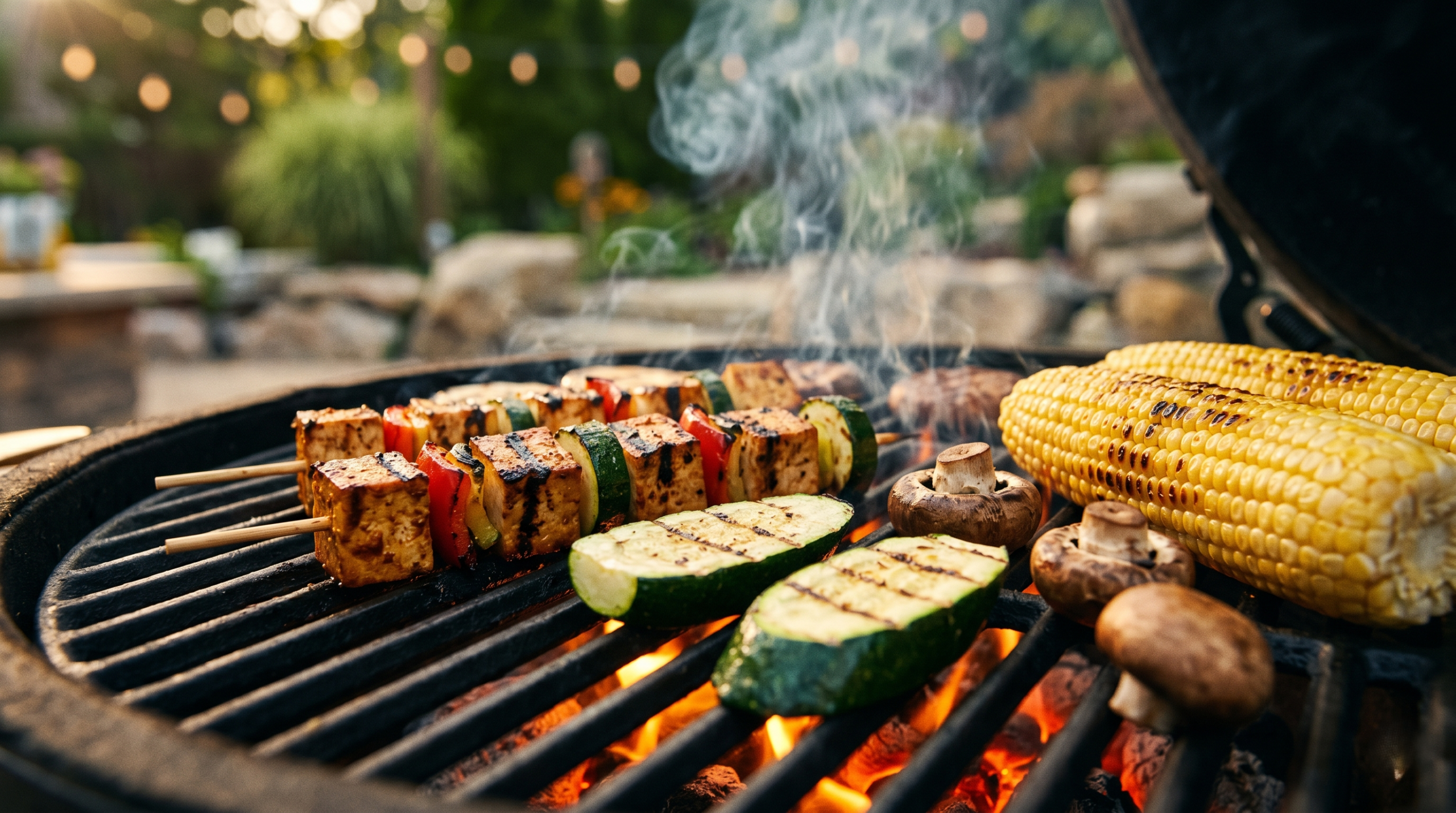
- Direct heat: vegetables, skewers, tofu
- Indirect heat: thicker items like sweet potatoes
6.2 Preventing Sticking
- Light oil brushing
- Preheating grill properly
- Using grill baskets for small vegetables
6.3 Perfect Grill Marks
- Don’t move food too often
- Allow proper searing time
6.4 Timing Guide
- Mushrooms: 6–8 minutes
- Zucchini: 4–6 minutes
- Tofu: 10–12 minutes
7. Signature Hot Off the Grill Plant Diet Recipes
7.1 Smoky Grilled Vegetable Skewers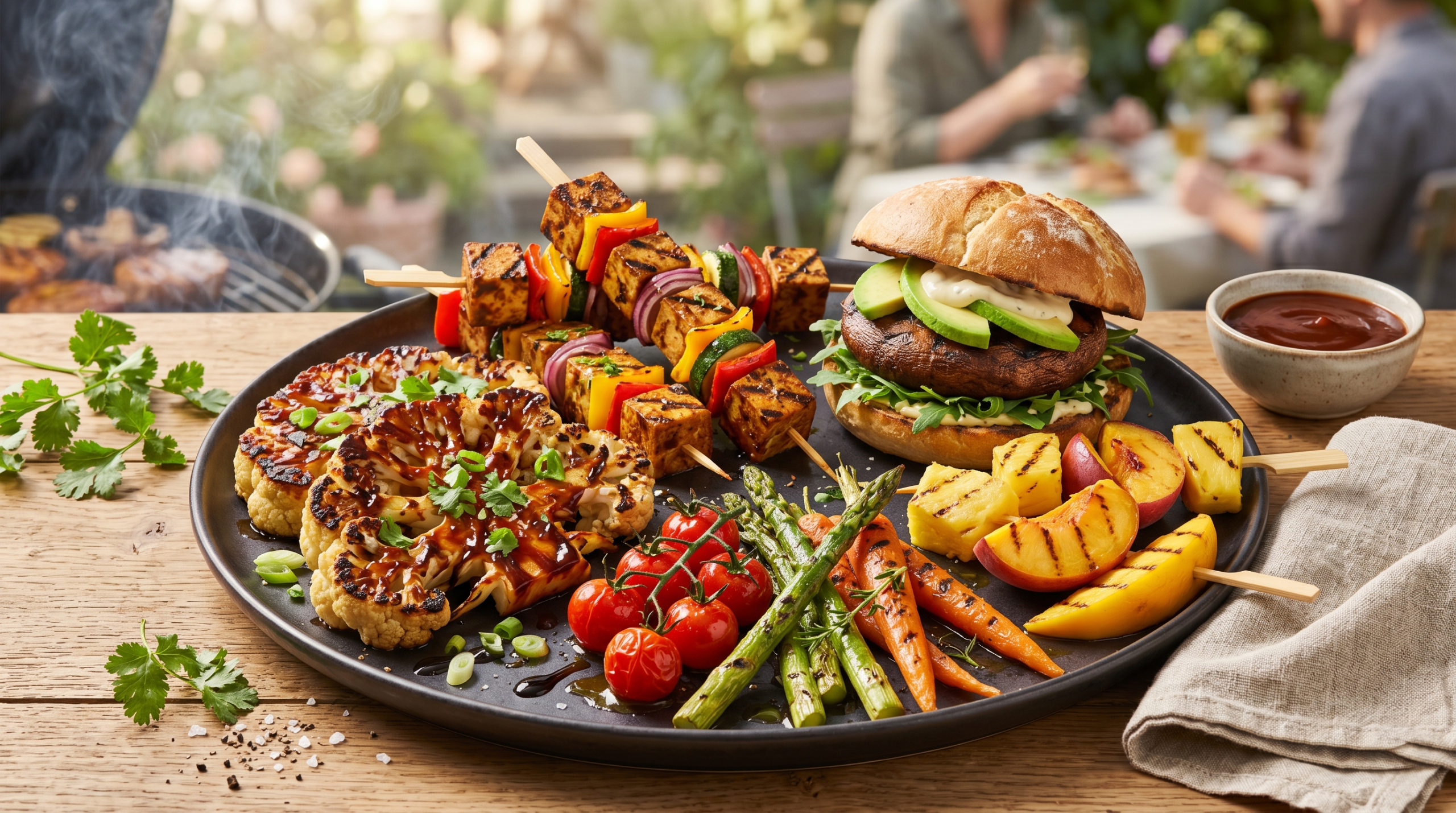
A colorful mix of peppers, onions, mushrooms, and zucchini brushed with herb marinade.
7.2 BBQ Cauliflower Steaks
Thick cauliflower slices coated with smoky spice rub and grilled until golden.
7.3 Grilled Tofu with Herb Glaze
Firm tofu marinated overnight and grilled until crispy outside, tender inside.
7.4 Portobello Mushroom Burgers
Juicy mushroom caps replacing meat patties in plant-based burgers.
7.5 Grilled Fruit Dessert Bowls
Caramelized pineapple and peaches served with coconut yogurt.
8. Nutritional Breakdown of Plant-Based BBQ Meals
Compared to traditional BBQ:
- Lower saturated fat
- Higher fiber content
- Rich in antioxidants
- Moderate plant-based protein
Example:
A grilled veggie plate = 250–400 calories
A meat-heavy BBQ plate = 600–900+ calories
9. Common Mistakes to Avoid
- Overcooking vegetables until mushy
- Skipping marinade time
- Using excessive oil or sugar-based sauces
- Not preheating grill properly
10. Expert Tips for Better Flavor
- Use wood chips (hickory, applewood) for smoky aroma
- Balance sweet, salty, and spicy flavors
- Add fresh herbs after grilling
- Combine textures (crispy + soft)
11. Sustainability Impact
Choosing a hot off the grill plant diet supports:
- Lower greenhouse gas emissions
- Reduced water usage
- More sustainable food systems
Plant-based grilling is not just personal health—it’s environmental responsibility.
12. 7-Day Simple Meal Plan
Day 1: Grilled veggie skewers + quinoa
Day 2: BBQ tofu wrap
Day 3: Portobello burger
Day 4: Grilled corn + chickpea salad
Day 5: Smoky cauliflower steak
Day 6: Grilled fruit breakfast bowl
Day 7: Mixed grill platter
13. Essential Tools for Plant-Based Grilling
- Charcoal or gas grill
- Grill basket
- Skewers (metal or soaked wood)
- Heat-resistant tongs
- Basting brush
14. FAQs
Is plant-based grilling healthy every day?
Yes, it is safe and highly beneficial when balanced with whole foods.
Can I get enough protein?
Yes—through tofu, legumes, tempeh, and grains.
What is the best vegetable for grilling?
Mushrooms, eggplant, and peppers are top choices.
How do I get smoky flavor without meat?
Use smoked paprika, wood chips, and proper grilling heat.
15. Conclusion
The hot off the grill plant diet proves that healthy eating doesn’t have to be boring or restrictive. With the right ingredients, marinades, and techniques, you can enjoy smoky BBQ flavors while supporting your body and the planet.
This lifestyle is more than a diet—it’s a smarter, cleaner, and more sustainable way to enjoy food without compromise.