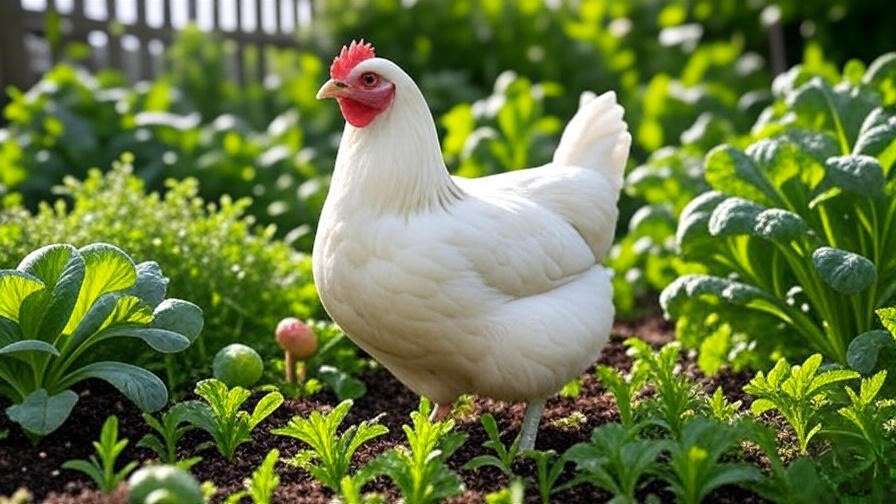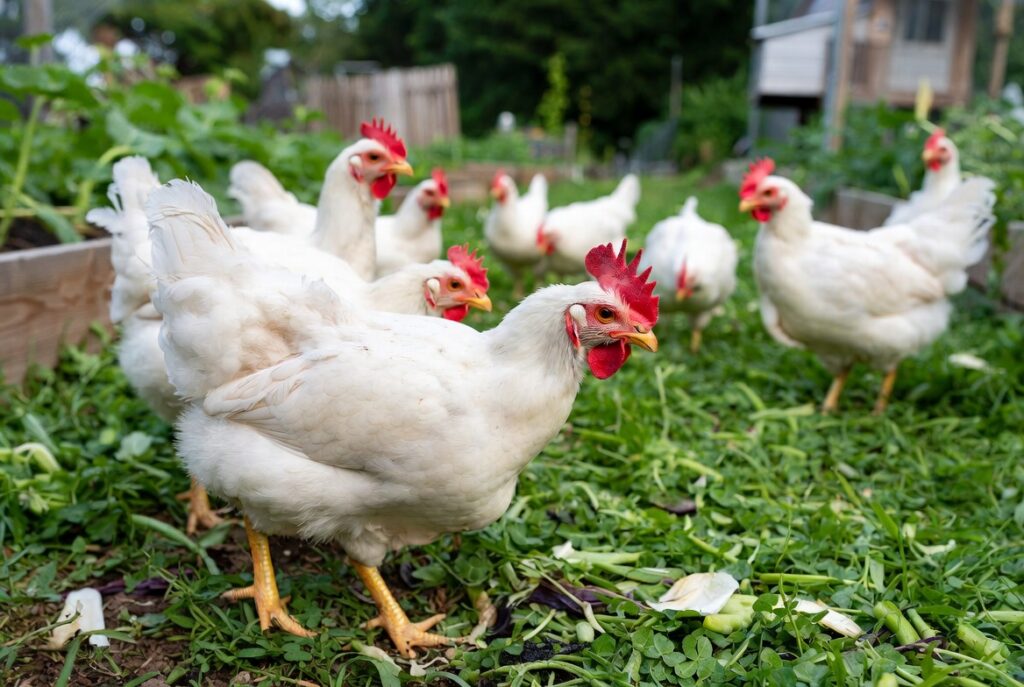
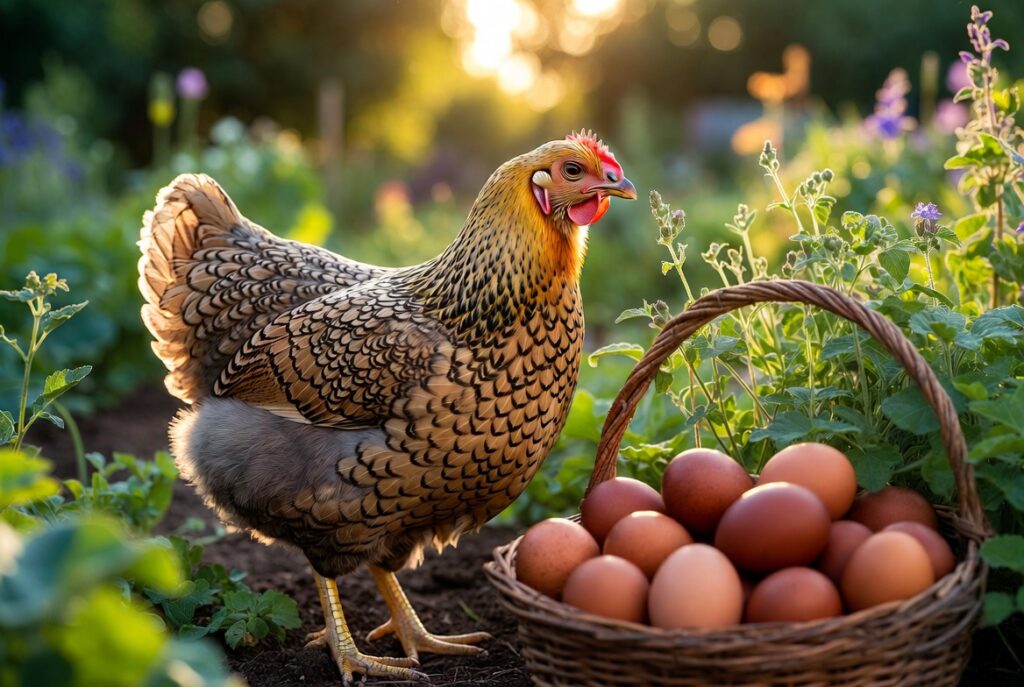
Imagine waking up in your home garden, the morning sun warming the soil as your hens scratch contentedly among the vegetable beds and herb patches. You reach into the nesting boxes and collect a basket of rich, dark brown eggs—terracotta to deep chocolate in hue—that represent a step toward greater self-sufficiency and a more compassionate way of sourcing food. These aren’t ordinary eggs; they come from Welbar chickens, a rare autosexing breed that combines beauty, productivity, and a gentle nature perfectly suited to ethical backyard flocks.
If you’re following a plant-based or plant-forward lifestyle and exploring ways to reduce reliance on industrialized food systems while still accessing fresh, nutrient-dense protein sources, Welbar chickens offer a thoughtful solution. Developed in the 1940s in Devon, England, as a utility breed, Welbars deliver high-yield egg production without the ethical compromises of commercial operations. Their strong foraging instincts allow them to thrive in garden settings, turning bugs, weeds, and kitchen scraps into eggs while contributing to soil health through natural manure.
In this comprehensive guide, we’ll explore everything you need to know about the Welbar chicken breed—from its history and characteristics to practical care aligned with ethical, plant-powered values. Whether you’re a beginner considering your first backyard flock or an experienced homesteader seeking a better dark-egg layer, this article provides deeper insights, real-world considerations, and actionable steps than standard breed profiles. By the end, you’ll understand why Welbars stand out as one of the most harmonious choices for conscious egg production in a sustainable garden ecosystem.
What Is the Welbar Chicken Breed? History and Origins
The Welbar chicken is a British autosexing breed created specifically for practical utility in free-range systems. It was developed in the early 1940s by H. Humphreys of Eastwrey, Devon, with guidance from genetics pioneer Professor Reginald Punnett (known for work on breeds like the Cream Legbar). The goal was to create an autosexing version of the productive dark-egg-laying Welsummer while incorporating the hardiness and barring genetics of the Barred Plymouth Rock.
Breeding began with Welsummer cocks mated to Barred Plymouth Rock hens, followed by backcrossing to refine the line. The result was a breed that “breeds true” with clear day-old sexing: female chicks typically appear darker with distinct markings resembling Welsummer chicks, while males are lighter overall, often showing a prominent head spot and faded stripes. This autosexing trait eliminates the ethical dilemma of culling unwanted males, a significant advantage for compassionate keepers.
Welbars were recognized by the Poultry Club of Great Britain in 1948 and intended as a commercially viable free-range layer capable of producing large quantities of dark brown eggs while maintaining acceptable meat qualities in the cockerels. Though never widely commercialized and remaining relatively rare today (even in the UK), dedicated breeders have preserved and sometimes recreated the line in places like the United States through careful selective breeding.
Physical Characteristics of Welbar Chickens
Welbars are active, upright birds with a well-built body suited to laying. They display a distinctive crele (or cuckoo-barred) plumage pattern:
- Hens: Resemble barred Welsummers with neat barring over a rich base color. They have a deep, wide abdomen typical of good layers.
- Roosters: Show the classic crele pattern—gold or silver barring with darker accents—creating an attractive, striped appearance.
- Comb and features: Single comb, clean yellow legs, and a full tail carried high. Wings are neatly tucked, giving an alert but graceful posture.
- Size: Hens typically weigh 5–6 lbs (some lines up to 6–7 lbs), while roosters reach 7–8 lbs, making them a solid dual-purpose size without being overly large.
Compared to pure Welsummers, Welbars tend to be slightly heavier and hardier due to the Barred Rock influence, while retaining much of the Welsummer’s famous dark egg color. They are not as flashy as some exhibition breeds but excel in practical backyard settings.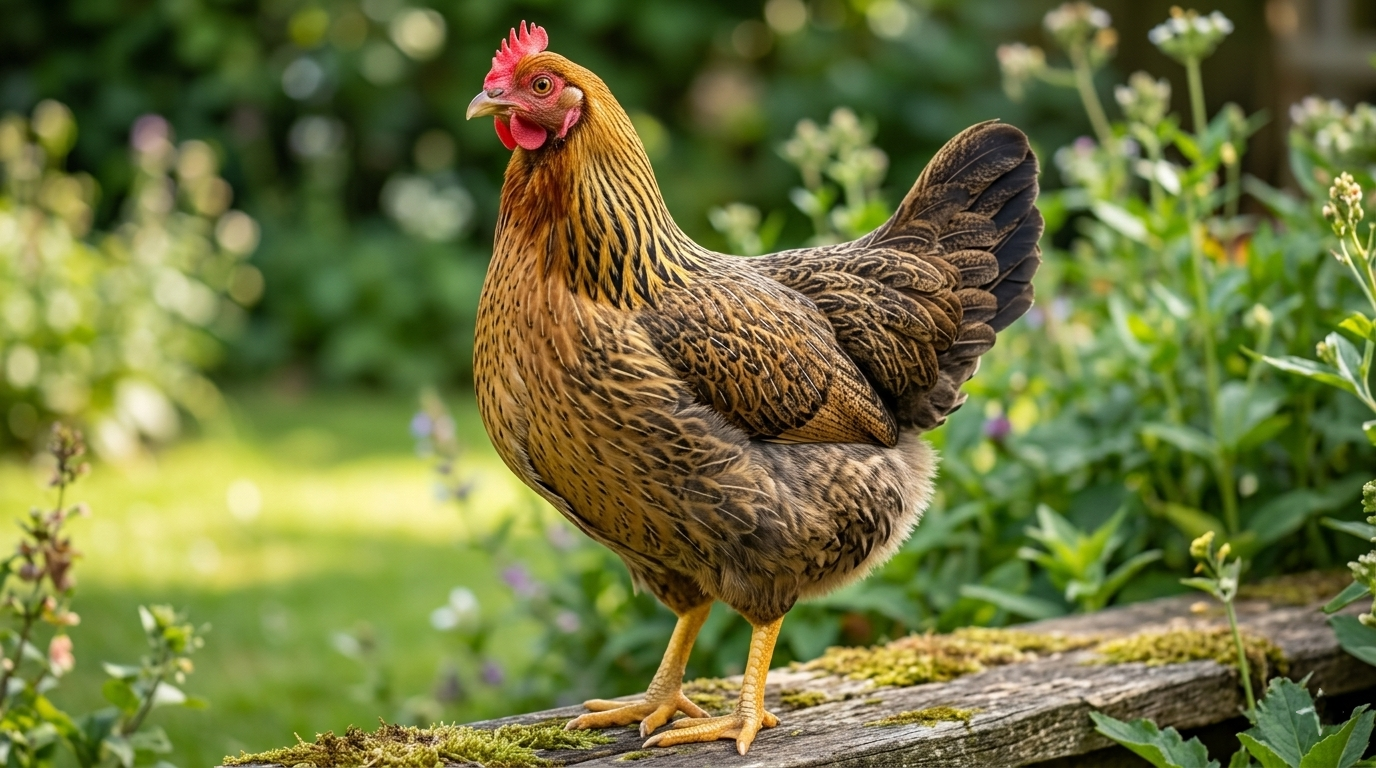
Why Welbar Chickens Excel for Ethical Backyard Egg Production
For those seeking high-yield egg production without supporting factory farming, Welbars deliver impressive results with minimal stress on the birds.
High Egg Yield and Exceptional Egg Quality
Welbars are reliable layers, often producing 160–250+ large to extra-large eggs per year, with some well-managed flocks reporting closer to 200–240 eggs annually in peak years. The eggs feature a deep terracotta to chocolate brown shell color—sometimes with attractive speckling—that stands out beautifully in any egg basket. While not always as intensely dark as top Welsummer lines (which can sacrifice productivity for color), good Welbar strains maintain a rich, consistent hue that many keepers describe as darker than standard brown eggs.
The shells are typically strong, and the eggs themselves are nutrient-dense, providing high-quality protein, healthy fats, vitamins (including B12 and D), and choline—valuable additions for anyone transitioning toward or maintaining a mostly plant-based diet while incorporating small amounts of ethical animal products.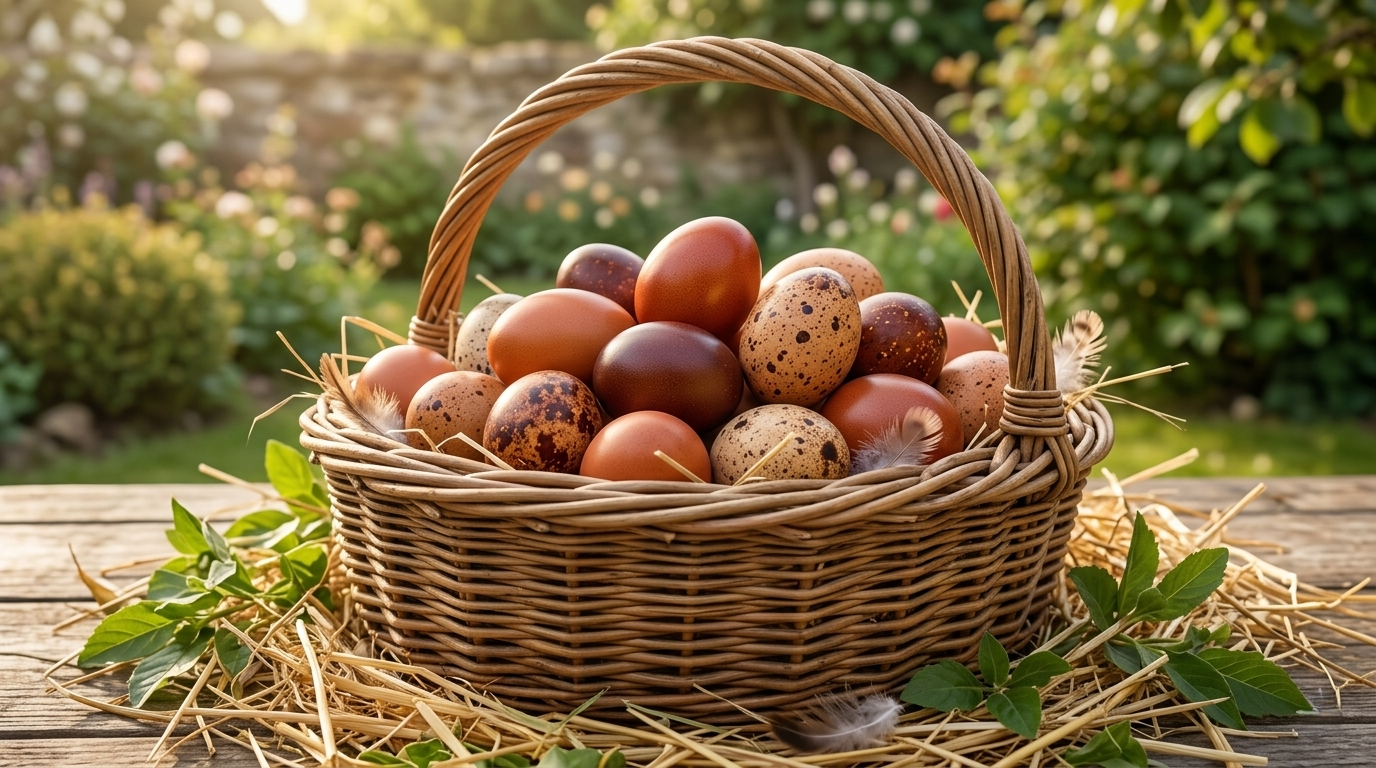
Docile and Family-Friendly Temperament
Welbars earn high marks for their calm, sociable, and friendly nature. They are generally non-aggressive toward flock mates and humans, making them excellent for families, beginners, and suburban or urban homesteads where noise and disturbance must be minimized. Many keepers report them as less flighty than pure Welsummers and more approachable overall.
This gentle disposition supports lower-stress environments, aligning with ethical husbandry principles that prioritize the birds’ natural behaviors and mental well-being.
Strong Foraging Ability
One of the Welbar’s standout traits is its excellent foraging instinct. These birds actively scratch for insects, worms, greens, and seeds, which can significantly reduce purchased feed costs while providing natural nutrition and enrichment. In a supervised garden or permaculture setup, they help control pests and weeds without extensive supplemental feeding during milder seasons.
This foraging efficiency makes Welbars particularly suitable for plant-based homesteaders who want to close the loop in their garden ecosystem—hens convert “waste” (kitchen vegetable scraps, garden trimmings) into eggs and fertilizer.
Dual-Purpose Potential with an Ethical Focus
While primarily valued as layers, Welbar cockerels grow to a respectable table-bird size. For those committed to minimizing waste in a closed-loop system, this offers a humane endpoint if needed (though many ethical keepers focus exclusively on egg production and retire birds naturally). Their hardiness also means better resilience to varying climates compared to more delicate breeds.
In summary, Welbars combine productivity, beauty, and practicality in a package that feels far more aligned with conscious living than high-output commercial hybrids.
Aligning Welbar Care with a Plant-Based, Ethical Lifestyle
Raising chickens on a plant-based diet site doesn’t mean ignoring animal welfare; it means approaching husbandry with mindfulness, minimizing harm, and integrating birds into a regenerative system.
Feeding Welbars on a Mostly Plant-Powered Diet
Base their diet on high-quality plant-based feeds: organic layers pellets or mash made from grains, legumes, seeds, and vegetables. Supplement generously with garden forage, kitchen scraps (leafy greens, squash, berries, carrots—avoid toxic items like avocado, onion, or raw potato in large amounts), and sprouted grains for added nutrition.
Protein needs can be met through:
- Insects and worms from foraging (natural and ethical)
- Legumes, sunflower seeds, and peas
- Occasional ethical supplements if foraging is limited
Many keepers provide crushed eggshells (from their own eggs) back to the hens for calcium, which returns nutrients to the birds and supports shell strength. During peak laying, monitor body condition and adjust as needed to prevent depletion.
For stricter plant-based alignment, some experiment with reduced egg collection or feeding surplus eggs back to the flock to lower overall production and support hen longevity—addressing concerns about the metabolic cost of constant laying in modern breeds.
Ethical Considerations for Backyard Hens
The ethics of eating backyard eggs spark lively discussion in plant-based and vegan communities. Some view well-cared-for hens as companions whose surplus eggs can be harvested humanely; others argue that taking eggs encourages continued high production, which can strain the birds’ bodies over time.
A balanced approach prioritizes hen welfare above output:
- Provide spacious housing and enrichment
- Allow natural behaviors (dust bathing, foraging, perching)
- Focus on longevity rather than maximum eggs per year
- Consider feeding eggs back or using methods to gently moderate laying if health indicators suggest it
Welbars’ moderate broodiness in some lines and generally good health profile make them easier to manage ethically than more prolific commercial strains.
Integrating Chickens into a Plant-Based Garden
Welbars shine in permaculture or polyculture gardens. Their manure (properly composted) enriches soil with nitrogen and microbes. Supervised free-ranging helps with pest control (slugs, beetles) while their scratching aerates beds.
Design tips:
- Use movable chicken tractors or fenced runs that rotate over garden sections
- Plant chicken-friendly forage like comfrey, clover, or leafy greens in dedicated areas
- Protect young seedlings with netting or elevated beds during early foraging sessions
This integration turns potential “pests” (chickens in the veggie patch) into allies, creating a more resilient, closed-loop food system that supports your plant diet goals.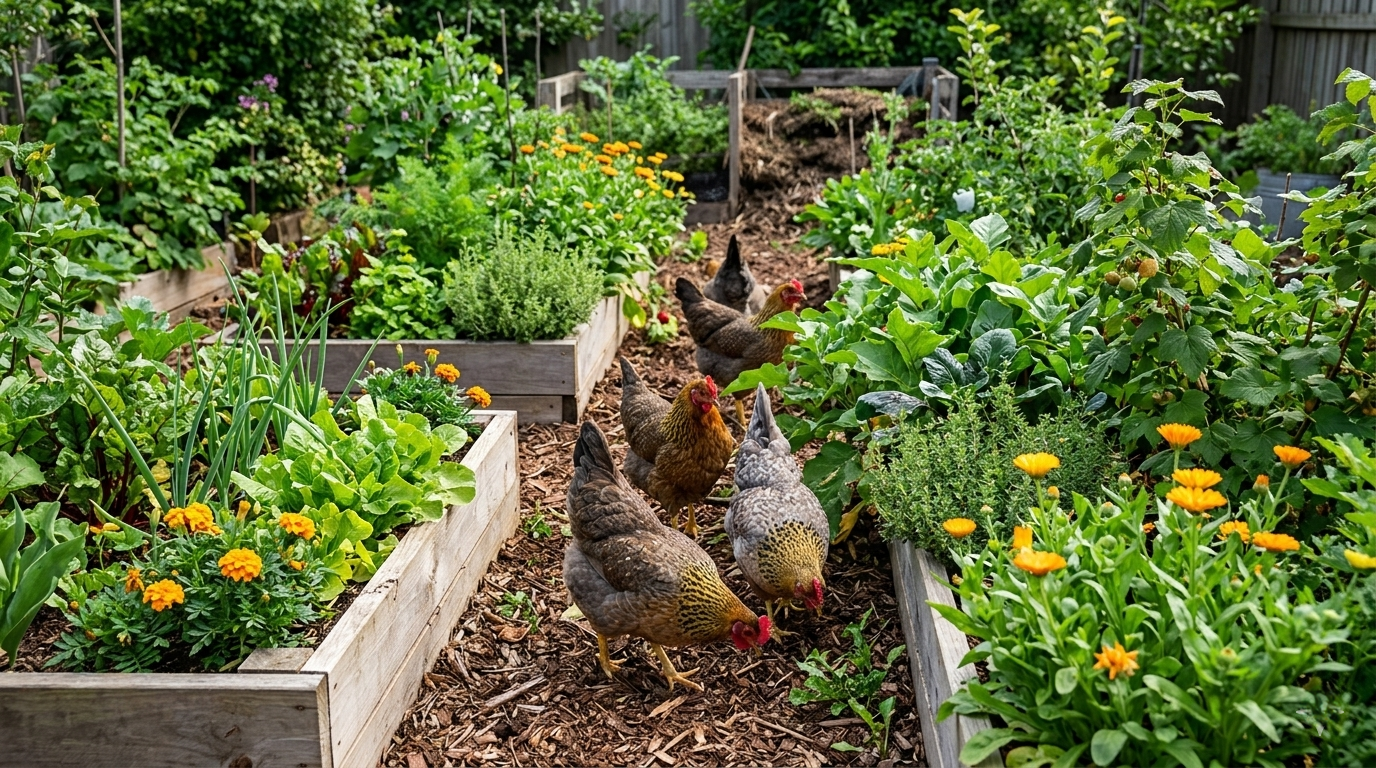
Setting Up Your Welbar Backyard Flock – Step-by-Step Guide
Starting a Welbar flock requires thoughtful planning to ensure the birds thrive while aligning with ethical and sustainable practices. Because Welbars are relatively rare, sourcing quality stock demands extra care to preserve the autosexing trait, dark egg color, and productive genetics.
Choosing and Sourcing Ethical Welbar Chicks or Hatching Eggs
Look for breeders who prioritize utility traits—strong egg production, consistent dark brown shell color, calm temperament, and clear autosexing—rather than just appearance. In the UK, the Rare Breeds Survival Trust lists Welbars as a rare breed, and dedicated keepers maintain lines true to the original 1940s breeding program. In the US and elsewhere, many Welbar populations stem from recreated lines using Welsummer roosters and Barred Plymouth Rock hens, following Professor Punnett’s autosexing principles.
Tips for ethical sourcing:
- Ask breeders about their selection criteria: Do they test for consistent egg color and numbers? Are chicks sexed accurately at hatch?
- Prefer small-scale, transparent operations over large hatcheries if possible, as they often provide better welfare during early life.
- Consider starting with day-old chicks (leveraging the autosexing advantage) or fertile hatching eggs if you have an incubator.
- Avoid impulse buys from feed stores unless the supplier can verify the line’s history.
If pure Welbars prove difficult to find, some keepers cross Welbars with compatible breeds for hybrid vigor while maintaining dark eggs, though this may dilute the true-breeding autosexing trait in future generations.
Coop and Run Requirements for Welbar Chickens
Welbars are active foragers but tolerate confinement reasonably well when needed. Provide at least 4 square feet per bird inside the coop and 8–10 square feet per bird in the run for comfortable movement. For a small flock of 4–6 hens, aim for a coop with good ventilation, multiple nesting boxes (one per 4–5 hens), and sturdy perches at varying heights.
Key features:
- Predator-proof construction (hardware cloth, buried wire apron, secure latches)
- Deep litter system for natural composting and insulation
- Easy-clean design to maintain hygiene
- Access points that allow supervised garden foraging without letting birds roam freely into delicate vegetable beds
In permaculture setups, many use movable chicken tractors or rotational runs that let Welbars fertilize and pest-control different garden sections while protecting young plants.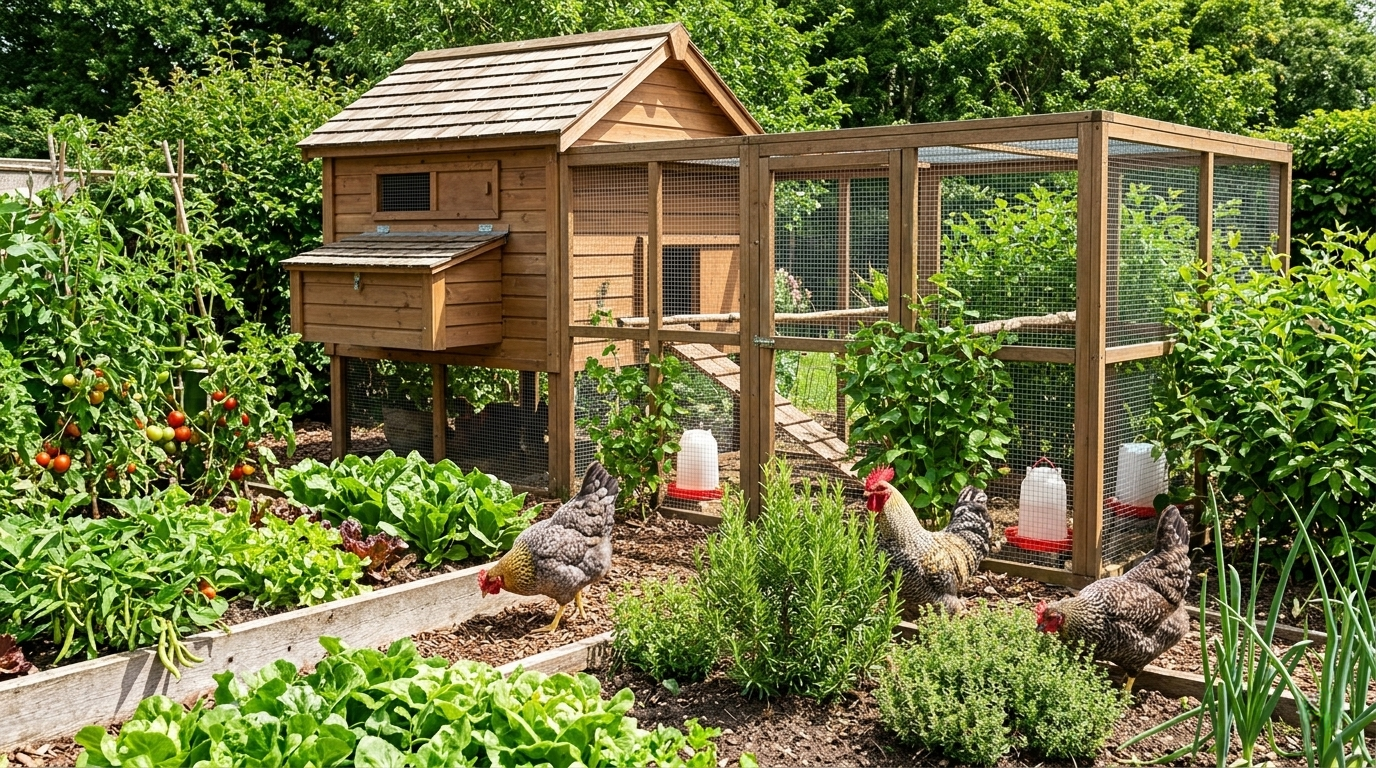
Brooding and Raising Welbar Chicks
Brood chicks at 95°F (35°C) for the first week, gradually reducing by 5°F weekly until they feather out. Use a high-quality starter feed (20–22% protein) for the first 6–8 weeks, transitioning to grower then layer pellets.
Because Welbars autosex reliably, you’ll know pullets from cockerels early: female chicks show darker down with Welsummer-like patterning; males appear lighter with a prominent head spot and barring. This early identification allows ethical planning—keeping only hens for egg production or finding suitable homes for males.
Monitor for pasty butt, ensure constant access to clean water, and introduce small amounts of chopped greens or safe kitchen scraps after the first few weeks to encourage natural foraging behaviors.
Daily and Seasonal Management
Establish a routine: fresh water, layer feed as the base diet, oyster shell or crushed eggshells for calcium, and grit for digestion. Collect eggs daily to prevent breakage or broodiness. During molting (typically fall), reduce stress and provide extra protein through seeds or legumes.
Welbars show good hardiness, but protect single combs from frostbite in very cold climates with petroleum jelly or insulated coops. In hot weather, ensure shade and cool water. Their foraging ability shines in spring through fall, reducing feed needs while enriching their diet naturally.
Health, Common Issues, and Preventive Care for Welbars
Welbars inherit robust genetics from both parent breeds, making them generally hardy with no major breed-specific diseases reported. They exhibit good predator evasion when free-ranging and handle confinement without excessive stress.
Typical Health Profile
Expect a lifespan of 6–8 years with proper care. Welbars resist many common poultry ailments better than highly specialized commercial hybrids, thanks to their utility breeding background. Watch for standard issues like external parasites (mites, lice), respiratory challenges in damp environments, or bumblefoot from rough perches.
Preventing Common Problems
- Parasites: Use diatomaceous earth in dust baths and clean coops regularly. Herbal additions like garlic or oregano in feed can offer mild support.
- Respiratory issues: Maintain dry, well-ventilated housing and avoid overcrowding.
- Nutritional imbalances: Balance the diet carefully when relying heavily on scraps—ensure adequate protein, calcium, and vitamins.
- Biosecurity: Quarantine new birds, wash hands and boots between flocks, and limit visitor access to the coop area.
Natural plant-based support includes offering fresh herbs (mint, basil, thyme) from the garden, which many keepers find helps with immune function and pest repulsion.
Create a simple monthly health checklist: observe behavior and droppings, check vents and feet, monitor weight and egg quality, and adjust forage or feed as seasons change.
Pros and Cons of Raising Welbar Chickens
Honest evaluation helps conscious homesteaders decide if Welbars fit their plant-based, ethical goals.
Pros:
- Reliable egg production: 160–250+ large dark brown (terracotta to chocolate) eggs per year in well-managed flocks.
- Clear autosexing at hatch, reducing ethical concerns around male chicks.
- Calm, friendly temperament ideal for families and beginners.
- Excellent foraging ability that lowers feed costs and integrates beautifully into garden ecosystems.
- Attractive crele plumage and strong dual-purpose traits.
- Hardy and adaptable with good tolerance for free-range or supervised ranging.
Cons:
- Rarity makes quality stock harder to source and potentially more expensive.
- Egg color and productivity can vary between lines; not every strain matches top Welsummer darkness.
- Some individuals rank lower in the pecking order in mixed flocks and may be less cuddly than certain heritage breeds.
- Occasional moderate broodiness in hens.
- Limited availability of established bloodlines outside dedicated breeders.
For most ethical backyard keepers focused on sustainable egg production, the pros significantly outweigh the cons—especially the combination of autosexing, foraging efficiency, and rich egg color that supports self-sufficient living.
Real-World Experiences and Case Studies
Keepers consistently praise Welbars for peaceful flock dynamics and productive output. One US breeder who recreated the line through selective breeding reported excellent laying rates—often outperforming their pure Welsummer flock—while noting the birds’ curiosity and active foraging without excessive flightiness.
In garden-integrated setups, many describe Welbars as “garden allies” that scratch for slugs and insects among raised beds, then return willingly to their run. Families appreciate the docile nature around children, though some note the birds prefer observation over frequent handling.
A common theme: Welbars thrive when given space to express natural behaviors. Flocks with ample forage and enrichment show lower stress, consistent laying, and vibrant health—reinforcing that welfare-focused management yields better long-term results than pushing for maximum production.
Advanced Tips for Maximizing Ethical Egg Production and Sustainability
To elevate your Welbar flock beyond basic care:
- Selective breeding basics: If hatching your own, retain birds from top layers with rich egg color and calm temperaments. Track individual performance to strengthen autosexing and utility traits over generations.
- Reducing purchased feed: Design a chicken forage garden with comfrey, clover, kale, squash, and sunflowers. Supplement with sprouted grains, peas, and sunflower seeds for plant-based protein boosts.
- Composting and soil benefits: Collect and compost manure mixed with carbon materials (straw, leaves) to create “black gold” for your vegetable beds—closing the nutrient loop in true permaculture style.
- Moderating production for longevity: Some ethical keepers feed surplus eggs back to the hens or provide lighting minimally to avoid forcing year-round laying, prioritizing hen health over egg volume.
- Urban/suburban considerations: Welbars have moderate noise levels; roosters crow but are not excessively loud. Check local ordinances and choose quiet runs with visual barriers for neighbor harmony.
These practices turn your backyard into a regenerative system where Welbars contribute to soil fertility, pest management, and food security while living fulfilling lives.
Frequently Asked Questions (FAQs)
How many eggs do Welbar chickens lay? Expect 160–250 eggs annually, with many flocks averaging 180–220 in good conditions. Production peaks in the first 2–3 years and slows naturally with age or during winter.
Are Welbar chickens good for beginners? Yes. Their calm temperament, hardiness, and forgiving nature make them suitable for first-time keepers, especially those with some garden space for foraging.
Do Welbars forage well enough to reduce feed costs? Absolutely. They are strong foragers that actively seek insects, greens, and seeds, often significantly lowering reliance on commercial feed during growing seasons.
Is eating backyard eggs compatible with a plant-based diet? This is a personal ethical decision. Many in plant-forward lifestyles view eggs from well-cared-for backyard hens as a low-harm, nutrient-dense addition that supports self-sufficiency. Others choose to minimize or avoid eggs. Focus on welfare, space, and natural behaviors if including them.
How do you sex Welbar chicks? Autosexing is a key advantage. Female chicks appear darker with markings similar to Welsummer chicks; males are lighter with a distinct head spot and barring pattern. Accuracy is typically very high when the line is well-bred.
What color are Welbar eggs exactly? Rich terracotta to deep chocolate brown—often darker and more attractive than standard brown eggs, though intensity varies by individual genetics and diet.
Are Welbars broody? Good mothers? Broodiness is low to moderate. Some hens will sit, and those that do can make capable mothers, though many keepers prefer artificial incubation for consistency.
What are the main health considerations? No breed-specific issues. Focus on parasite prevention, good ventilation, balanced nutrition, and predator protection. They are generally robust birds.
How do Welbars compare to Welsummers? Welbars are slightly heavier, often hardier, and autosexing while retaining much of the dark egg color and foraging ability. They may lay slightly fewer but more consistently in some lines.
Are there legal or zoning issues to consider? Check local regulations regarding backyard poultry, flock size, roosters, and setbacks from neighbors. Many urban areas allow hens but restrict or ban roosters.
Conclusion
Welbar chickens stand out as an exceptional choice for anyone seeking ethical, high-yield egg production within a plant-based or sustainable lifestyle. Their autosexing trait, rich dark brown eggs, calm demeanor, and impressive foraging ability make them far more than just another backyard breed—they become active partners in a regenerative garden system.
By providing spacious housing, plant-powered nutrition supplemented with garden bounty, and care that prioritizes welfare over relentless production, you can enjoy fresh, nutrient-dense eggs while minimizing harm and contributing to soil health. Whether your goal is greater food self-sufficiency, compassionate animal integration, or simply beautiful birds that enhance daily life, Welbars deliver practical value aligned with conscious living.
Start small, observe your flock closely, and let their natural behaviors guide adjustments. Over time, you’ll develop a harmonious system where hens thrive and your garden flourishes.
If you’re ready to add Welbars to your homestead, take time to source responsibly and design setups that honor both the birds and your plant diet values. Share your experiences in the comments below—what challenges or successes have you found with dark-egg layers or garden-integrated flocks? For more guides on sustainable homesteading, ethical protein sources, and permaculture design, explore our related articles.
Building kinder, more resilient food systems begins in our own backyards—one thoughtful choice, and one beautiful dark brown egg, at a time.