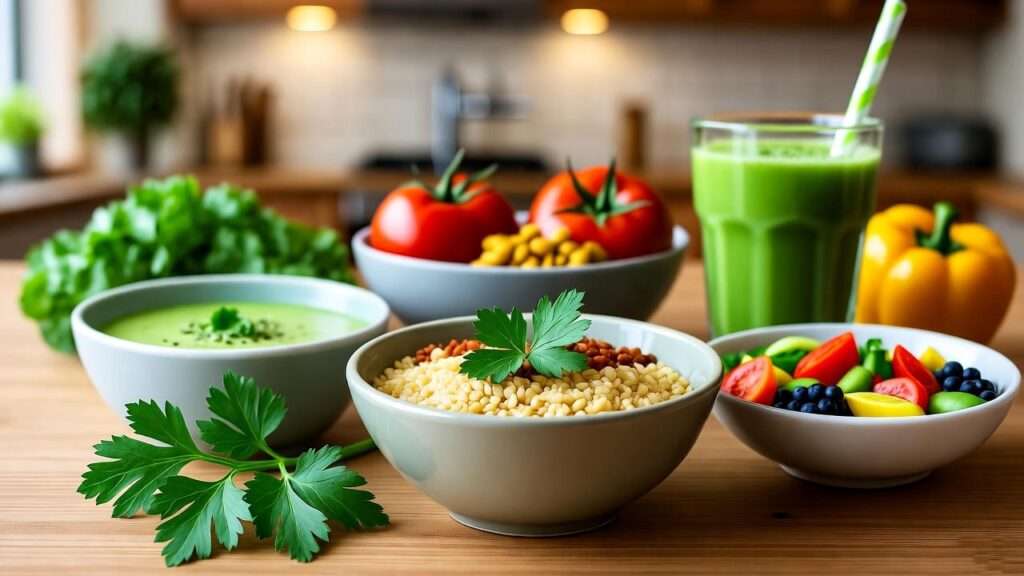
Imagine this: you’re halfway through your plant-based journey, excited about the health benefits but struggling to keep your meals vibrant and flavorful without leaning on processed sauces or heavy seasonings. Sound familiar? Enter Chinese parsley, also known as cilantro, a game-changing herb that brings bold flavor and impressive nutrition to your plate. Whether you’re a vegan veteran or just exploring meat-free meals, Chinese parsley is your secret weapon for elevating taste and boosting wellness. In this article, we’ll uncover five powerful ways to use Chinese parsley to transform your plant-based diet, backed by science and culinary expertise. From nutrient-packed smoothies to zesty sauces, you’ll discover practical tips and recipes to make every dish a delight.
As a plant-based nutrition expert with years of experience crafting wholesome, flavorful recipes, I’ve seen firsthand how Chinese parsley can solve the common pain points of flavor fatigue and nutrient gaps in vegan diets. Supported by scientific studies and time-tested culinary traditions, this herb is more than just a garnish—it’s a cornerstone of healthy, delicious eating. Let’s dive into why Chinese parsley deserves a spot in your kitchen and how it can take your plant-based meals to the next level.
What Is Chinese Parsley and Why It Matters for Plant-Based Diets

Understanding Chinese Parsley (Cilantro)
Chinese parsley, scientifically known as Coriandrum sativum, is a vibrant green herb celebrated across global cuisines, from Asian stir-fries to Latin American salsas and Middle Eastern salads. Its bright, citrusy leaves (commonly called cilantro) and warm, spicy seeds (known as coriander) offer distinct flavors, making it a versatile addition to any kitchen. Often misunderstood, the leaves and seeds are parts of the same plant, yet they serve different culinary purposes. Affordable and widely available at grocery stores, farmers’ markets, or even your backyard garden, Chinese parsley is an accessible ingredient for home cooks looking to enhance their plant-based dishes.
Why Plant-Based Eaters Should Care
Plant-based diets are soaring in popularity, with millions embracing vegan or vegetarian lifestyles for health, environmental, or ethical reasons. However, challenges like flavor monotony or ensuring adequate nutrient intake can dampen the experience. Chinese parsley addresses both. Its bold, fresh flavor combats the blandness that sometimes plagues plant-based meals, while its nutrient density fills dietary gaps common in vegan eating, such as vitamins A, C, and K. Whether you’re tossing it into a salad or blending it into a smoothie, this herb delivers a burst of taste and health benefits, making it a must-have for anyone committed to plant-based living.
The Nutritional Powerhouse of Chinese Parsley

Key Nutrients in Chinese Parsley
Chinese parsley is a nutritional gem, packed with vitamins, minerals, and antioxidants that support overall health. A single cup of fresh cilantro leaves provides:
- Vitamin K: Essential for blood clotting and bone health, offering over 300% of the daily recommended intake.
- Vitamin A: Supports vision and immune function with nearly 15% of daily needs.
- Vitamin C: A powerful antioxidant for skin health and immunity.
- Minerals: Potassium and manganese for heart health and metabolism.
- Antioxidants: Quercetin and beta-carotene, which fight inflammation and oxidative stress.
Compared to other leafy greens like spinach or kale, Chinese parsley holds its own, offering a unique combination of nutrients in a low-calorie package. Studies, such as those published in Food Chemistry (2014), highlight its high antioxidant content, making it a standout for plant-based diets.
Health Benefits for Plant-Based Diets
Chinese parsley’s benefits extend far beyond its vibrant flavor. Its antioxidants, particularly quercetin, reduce inflammation, a key concern for those combating chronic diseases through diet. Research in Journal of Medicinal Food (2015) suggests cilantro’s compounds may aid in heavy metal detoxification, binding to toxins like lead and mercury for elimination. This is especially valuable for plant-based eaters, who may seek natural detox solutions. Additionally, its digestive benefits—rooted in traditional Ayurvedic and Chinese medicine—help soothe bloating and improve gut health, addressing common vegan diet challenges like fiber overload.
Expert Insight
“Chinese parsley is a powerhouse for plant-based eaters,” says Dr. Sarah Lin, a registered dietitian specializing in vegan nutrition. “Its nutrient density and detoxifying properties make it an ideal addition to any meal plan, especially for those looking to maximize health without sacrificing flavor.” To retain its nutrients, Dr. Lin recommends using fresh leaves whenever possible, as cooking can reduce vitamin C and antioxidant levels.
Tip: Chop Chinese parsley just before use to preserve its volatile oils and maximize flavor and nutrition.
5 Powerful Ways to Use Chinese Parsley in Your Plant-Based Kitchen
1. Elevate Soups and Stews with Fresh Chinese Parsley
Nothing transforms a simple plant-based soup or stew like a sprinkle of fresh Chinese parsley. Added at the end of cooking, it imparts a bright, citrusy note that complements hearty ingredients like lentils, beans, or root vegetables. Its delicate leaves wilt slightly, releasing aromatic oils that enhance the dish without overpowering it.
Recipe: Plant-Based Lentil Soup with Chinese Parsley Garnish
- Ingredients: 1 cup green lentils, 1 onion, 2 carrots, 2 celery stalks, 4 cups vegetable broth, 1 tsp cumin, 1/2 cup chopped Chinese parsley, juice of 1 lemon.
- Instructions: Sauté onion, carrots, and celery. Add lentils, broth, and cumin; simmer for 30 minutes. Stir in lemon juice and top with Chinese parsley before serving.
- Tip: Pair with a squeeze of citrus or a pinch of ginger for an extra flavor pop.
2. Create Vibrant Sauces and Dressings
Chinese parsley shines in sauces and dressings, adding complexity to salads, grain bowls, or roasted vegetables. From zesty chimichurri to creamy cilantro-lime dressings, it’s a versatile base for plant-based condiments.
Recipe: Cilantro-Lime Vinaigrette (Vegan, Oil-Optional)
- Ingredients: 1 cup Chinese parsley leaves, 1/4 cup lime juice, 1 garlic clove, 2 tbsp apple cider vinegar, 1/4 cup water (or olive oil), 1 tsp maple syrup, salt to taste.
- Instructions: Blend all ingredients until smooth. Adjust consistency with water for an oil-free version. Drizzle over salads or roasted veggies.
- Tip: Store in an airtight container for up to 5 days; shake well before use.
3. Boost Smoothies and Juices for Nutrition
Green smoothies are a plant-based staple, but many herbs can overpower or taste bitter. Chinese parsley offers a fresh, slightly citrusy flavor that blends seamlessly with fruits like pineapple or mango, delivering a nutrient boost without compromising taste.
Recipe: Chinese Parsley, Pineapple, and Spinach Detox Blend
- Ingredients: 1/2 cup Chinese parsley leaves, 1 cup spinach, 1 cup pineapple chunks, 1 banana, 1 cup almond milk, 1 tbsp chia seeds.
- Instructions: Blend until smooth. Serve chilled for a refreshing, nutrient-packed drink.
- Caution: Start with 1/4 cup Chinese parsley to avoid overwhelming the smoothie’s flavor.
4. Craft Flavorful Plant-Based Tacos and Wraps

Chinese parsley is a star in Mexican and Asian-inspired dishes, bringing a fresh, herbaceous kick to tacos, burritos, and spring rolls. Its vibrant flavor pairs perfectly with plant-based proteins like black beans or tofu, making it a go-to for quick, flavorful meals.
Recipe: Black Bean and Sweet Potato Tacos with Chinese Parsley Salsa
- Ingredients: 1 can black beans, 1 sweet potato (diced), 1 tsp chili powder, 1/2 cup Chinese parsley leaves, 1/4 cup diced red onion, 1 jalapeño (seeded), juice of 1 lime, 6 corn tortillas.
- Instructions: Roast sweet potato with chili powder at 400°F for 20 minutes. Heat black beans. Blend Chinese parsley, onion, jalapeño, and lime juice for salsa. Assemble tacos with beans, sweet potato, and salsa.
- Tip: Add avocado slices for creaminess and to balance the herb’s bold flavor.
5. Infuse Global Flavors into Grain Bowls
Grain bowls are a plant-based favorite for their versatility and nutrition, and Chinese parsley elevates them with global flair. Whether you’re crafting a Thai-inspired bowl with peanut sauce or a Mediterranean one with hummus, this herb adds a fresh, aromatic touch.
Recipe: Quinoa Buddha Bowl with Chinese Parsley Pesto
- Ingredients: 1 cup cooked quinoa, 1/2 cup roasted chickpeas, 1 cup kale, 1/4 cup shredded carrots, 1/2 cup Chinese parsley leaves, 1/4 cup walnuts, 1 garlic clove, 2 tbsp lemon juice, 1/4 cup water.
- Instructions: Blend Chinese parsley, walnuts, garlic, lemon juice, and water for pesto. Toss quinoa, chickpeas, kale, and carrots in a bowl; drizzle with pesto.
- Variation: Swap quinoa for farro or kale for arugula to suit dietary preferences.
Practical Tips for Buying, Storing, and Using Chinese Parsley

How to Choose and Store Chinese Parsley
To get the most out of Chinese parsley, start with quality. Look for vibrant green leaves with no wilting or yellowing at grocery stores or farmers’ markets. Store it like a bouquet: trim the stems and place them in a jar of water, covering the leaves with a plastic bag in the fridge. This keeps it fresh for up to two weeks. Alternatively, wrap it in a damp cloth for similar results. For long-term storage, chop and freeze in ice cube trays with water or dry the leaves for a pantry staple.
Overcoming the “Soapy” Taste
For some, Chinese parsley tastes soapy due to a genetic trait affecting how aldehydes in the herb are perceived. If this is you, don’t give up! Blending it with acidic ingredients like lime or vinegar, or sweet ones like mango, can mask the soapy flavor. Start with small amounts and gradually increase as your palate adjusts. Chopping finely or using it in cooked dishes can also mellow its taste.
Sourcing Sustainably
Growing Chinese parsley at home is easy and sustainable. It thrives in pots or gardens with well-drained soil and partial sunlight. Sow seeds every few weeks for a continuous harvest. If buying, opt for organic bunches from local farmers to reduce environmental impact and support ethical farming. Websites like LocalHarvest.org can connect you with nearby suppliers.
Common Mistakes to Avoid When Using Chinese Parsley
To maximize Chinese parsley’s potential, steer clear of these pitfalls:
- Overcooking: Heat diminishes its flavor and nutrients. Add it at the end of cooking or use raw for maximum impact.
- Using Wilted Leaves: Discard yellow or slimy leaves, as they lack flavor and may harbor bacteria.
- Overpowering Dishes: Start with a small handful and adjust to avoid overwhelming milder ingredients.
- Improper Storage: Avoid storing in plastic bags without moisture, as it leads to quick spoilage.
Checklist: Always use fresh, vibrant leaves, add at the end of cooking, and store properly to maintain quality.
The Science Behind Chinese Parsley’s Benefits

Antioxidant and Anti-Inflammatory Properties
Chinese parsley’s antioxidants, including quercetin and beta-carotene, combat oxidative stress, a driver of chronic diseases like heart disease and cancer. A 2014 study in Food Chemistry found that cilantro extracts have higher antioxidant activity than many common herbs, making it a valuable addition for plant-based eaters aiming to reduce inflammation through diet. These compounds also support skin health and immune function, key concerns for those on vegan diets.
Digestive and Detox Benefits
In traditional Ayurvedic and Chinese medicine, Chinese parsley has long been used to soothe digestive issues like bloating and indigestion. Modern research, such as a 2011 study in Journal of Ethnopharmacology, supports its role in promoting gut health by stimulating digestive enzymes. Its chelating properties, noted in a 2013 study in Fitoterapia, help bind heavy metals like lead, aiding their removal from the body—a boon for plant-based eaters seeking natural detox methods.
Expert Insight
“Cilantro’s detoxifying potential is remarkable,” says Dr. Anika Patel, a herbalist and integrative medicine expert. “Its ability to bind heavy metals makes it a unique addition to plant-based diets, especially in urban environments where toxin exposure is higher.” Dr. Patel recommends pairing Chinese parsley with foods like chlorella or spirulina for enhanced detox effects.
FAQs About Chinese Parsley in Plant-Based Diets
Can Chinese parsley replace other herbs in plant-based recipes?
While its unique citrusy flavor is hard to replicate, you can substitute flat-leaf parsley or basil in a pinch. However, these lack cilantro’s distinct zest and nutrient profile, so experiment to find the right balance for your dish.
Is Chinese parsley safe for everyone?
Most people can safely enjoy Chinese parsley, but rare allergies exist. Those with sensitivities to related plants (e.g., carrots, celery) should consult a doctor. Moderation is key for those on blood thinners, as its high vitamin K content may affect clotting.
How much Chinese parsley should I use daily?
A handful (about 1/4 to 1/2 cup) daily is sufficient to reap nutritional benefits without overwhelming flavors. Adjust based on taste and recipe needs.
Can I use Chinese parsley seeds (coriander) the same way?
Coriander seeds have a warm, spicy flavor, unlike the fresh leaves. Use them in spice blends or roasted dishes, but they’re not a direct substitute for cilantro’s fresh taste.
Conclusion
Chinese parsley is more than a garnish—it’s a flavor-packed, nutrient-dense powerhouse that can transform your plant-based diet. From elevating soups and sauces to boosting smoothies and grain bowls, its versatility makes it a must-have for vegan and vegetarian kitchens. With its proven health benefits, from detoxification to inflammation reduction, this humble herb addresses key challenges of plant-based eating while keeping meals exciting and delicious. Try one of the recipes above, like the Black Bean and Sweet Potato Tacos or Cilantro-Lime Vinaigrette, and share your creations in the comments below. Elevate your plant-based journey with Chinese parsley—your taste buds and body will thank you!