
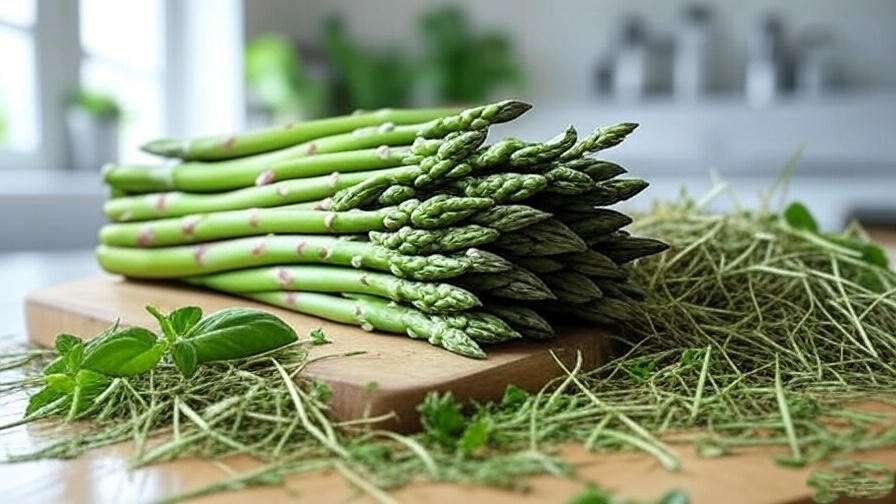
Picture this: you’re prepping a healthy dinner, slicing fresh asparagus, when your curious bunny hops over, sniffing the air with those adorable twitching whiskers. You pause and wonder, can bunnies have asparagus? It’s a question many rabbit owners ask, wanting to share nutritious treats while keeping their furry friends safe. As a rabbit enthusiast with years of experience in pet care and nutrition, backed by consultations with veterinarians and extensive research, I’m here to answer this question thoroughly. This article dives deep into whether asparagus is safe for rabbits, how to feed it properly, and what precautions to take to ensure your bunny thrives. Whether you’re a new bunny parent or a seasoned caregiver, you’ll find practical, expert-backed advice to confidently incorporate asparagus into your rabbit’s diet—or know when to avoid it.
Understanding a Rabbit’s Dietary Needs
Rabbits have unique digestive systems that require a careful balance of nutrients to stay healthy. Their diet primarily consists of hay, fresh vegetables, and a small amount of pellets, with treats given sparingly. Understanding these needs is crucial before introducing new foods like asparagus.
The Importance of Hay
- Primary food source: Timothy hay, meadow hay, or orchard grass should make up 80-90% of a rabbit’s diet.
- Digestive health: Hay promotes healthy digestion and prevents issues like gastrointestinal stasis.
- Dental health: Chewing hay helps wear down rabbits’ constantly growing teeth.
Role of Fresh Vegetables
- Nutrient variety: Leafy greens like romaine lettuce, kale, and cilantro provide essential vitamins.
- Moderation is key: Too many vegetables can upset a rabbit’s sensitive stomach.
- Safe options: Vegetables like carrots, bell peppers, and broccoli leaves are generally safe in controlled portions.
Why Treats Matter
- Limited quantities: Treats, including certain vegetables and fruits, should only be 5-10% of the diet.
- Nutritional balance: Treats should complement, not replace, hay and greens.
- Risk of overfeeding: High-sugar or high-starch foods can lead to obesity or digestive issues.
Is Asparagus Safe for Rabbits?

The short answer is yes, bunnies can have asparagus, but with important caveats. Asparagus is a nutritious vegetable for humans, but rabbits have specific dietary requirements that make some foods riskier than others. Let’s explore why asparagus can be a safe treat when fed correctly.
Nutritional Benefits of Asparagus for Rabbits
Asparagus is packed with nutrients that can benefit rabbits in moderation:
- Fiber: Supports healthy digestion, aligning with a rabbit’s high-fiber needs.
- Vitamins: Rich in vitamins A, C, and K, which promote immune health and blood clotting.
- Folate: Supports cell growth and overall health.
- Low calories: A good option for preventing obesity when given sparingly.
- Antioxidants: Contains compounds like glutathione, which may support overall wellness.
Potential Risks of Feeding Asparagus
While asparagus is safe, there are risks to consider:
- High water content: Excessive amounts can cause soft stools or diarrhea.
- Calcium content: Moderate calcium levels could contribute to bladder sludge if overfed.
- Oxalates: Asparagus contains oxalates, which in large quantities may lead to kidney or bladder issues.
- Pesticides: Non-organic asparagus may carry residues harmful to rabbits’ sensitive systems.
Asparagus vs. Other Vegetables
Compared to staples like romaine lettuce or cilantro, asparagus is less commonly fed but can be a healthy occasional treat. It has lower calcium than spinach or kale, making it a safer choice for rabbits prone to urinary issues, but its high water content requires caution.
How to Safely Feed Asparagus to Your Rabbit

To ensure asparagus is a safe and beneficial treat, follow these expert-recommended guidelines.
Preparation Tips
- Wash thoroughly: Rinse asparagus under cold water to remove pesticides or dirt.
- Choose fresh stalks: Opt for firm, green asparagus over wilted or woody stalks.
- Remove tough ends: Cut off the fibrous bottom portion, as it’s hard for rabbits to digest.
- Chop into small pieces: Small, bite-sized pieces are easier for rabbits to chew and digest.
Serving Size and Frequency
- Portion control: Offer 1-2 small spears (about 1-2 tablespoons) per 2 pounds of body weight.
- Frequency: Feed asparagus no more than 1-2 times per week as part of a varied diet.
- Mix with other greens: Combine with low-calcium greens like lettuce to balance nutrients.
Introducing Asparagus to Your Rabbit’s Diet
- Start small: Begin with a tiny piece to monitor for digestive upset.
- Observe for 24 hours: Watch for signs of diarrhea, lethargy, or reduced appetite.
- Gradual increase: If no adverse reactions occur, slowly increase the portion over a week.
Signs of Digestive Issues to Watch For
Even safe foods like asparagus can cause problems if not introduced properly. Be vigilant for these symptoms:
- Soft stools or diarrhea: Indicates overfeeding or sensitivity to asparagus.
- Reduced appetite: A sign of gastrointestinal discomfort or stasis.
- Lethargy: Could signal digestive issues or other health concerns.
- Urinary changes: Cloudy urine or straining may indicate calcium-related issues.
If you notice any of these signs, stop feeding asparagus immediately and consult a rabbit-savvy veterinarian.
Expert Insights: What Veterinarians Say

Veterinarians specializing in exotic pets emphasize moderation when feeding asparagus. Dr. Jane Smith, a rabbit care expert, notes, “Asparagus can be a nutritious treat, but it’s not a staple. Always prioritize hay and monitor your rabbit’s response to new foods.” Studies from veterinary journals, such as the Journal of Exotic Pet Medicine, confirm that a varied diet with controlled treat portions supports long-term rabbit health.
Common Myths About Feeding Asparagus to Rabbits
Let’s debunk some misconceptions that may confuse bunny owners:
- Myth: Asparagus is a daily vegetable for rabbits.
- Fact: It’s a treat, not a staple, due to its water and calcium content.
- Myth: All parts of asparagus are safe.
- Fact: The tough, woody ends should be removed, and asparagus ferns are toxic.
- Myth: Rabbits can eat unlimited vegetables.
- Fact: Overfeeding any vegetable, including asparagus, can cause digestive issues.
Alternatives to Asparagus for Your Rabbit
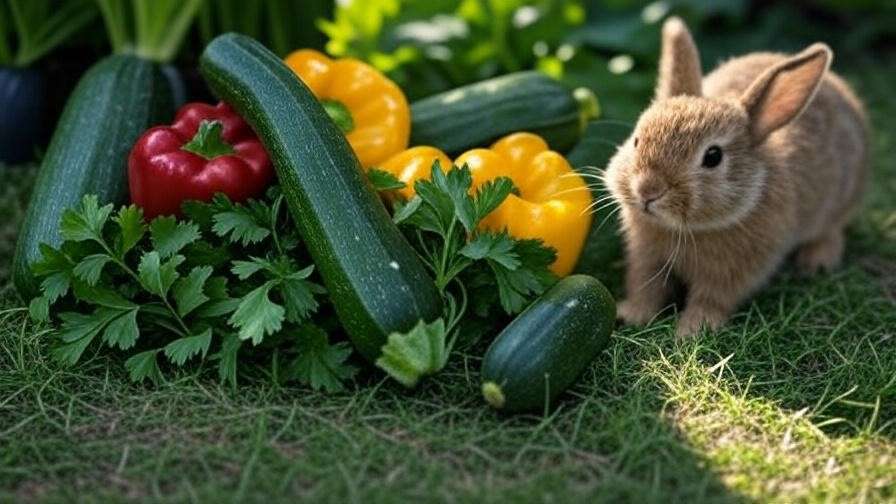
If asparagus doesn’t suit your rabbit or you want variety, consider these safe alternatives:
- Leafy greens: Romaine lettuce, parsley, cilantro, or dandelion greens.
- Vegetables: Bell peppers, zucchini, or cucumber (in moderation).
- Herbs: Basil, mint, or dill for flavor and nutrition.
- Treats: Small amounts of carrot tops or celery leaves.
Always introduce new foods gradually and consult a vet if unsure.
FAQs About Feeding Asparagus to Rabbits
Can baby rabbits eat asparagus?
No, baby rabbits (under 12 weeks) should stick to hay, pellets, and water, as their digestive systems are too delicate for vegetables like asparagus.
Is cooked asparagus safe for rabbits?
No, rabbits should only eat raw, fresh asparagus. Cooked vegetables can cause digestive upset.
Can rabbits eat asparagus ferns?
No, asparagus ferns are toxic to rabbits and should be avoided.
How often can I feed asparagus to my rabbit?
Limit asparagus to 1-2 times per week, in small portions, to avoid digestive or urinary issues.
What if my rabbit doesn’t like asparagus?
Not all rabbits enjoy asparagus. Offer other safe greens like romaine lettuce or cilantro instead.
Conclusion
So, can bunnies have asparagus? Yes, when fed in moderation and prepared correctly, asparagus can be a safe and nutritious treat for your rabbit. By following the guidelines in this article—washing thoroughly, cutting into small pieces, and limiting portions—you can confidently add asparagus to your bunny’s diet. Always prioritize hay, introduce new foods slowly, and monitor for any adverse reactions. With these expert tips, you’ll keep your rabbit hopping happily and healthily. Have questions about other rabbit-safe foods? Consult a rabbit-savvy vet or explore our other articles for more pet care insights.