Are you considering going vegan but worried about getting enough nutrients? You’re not alone! Many people hesitate to embrace a plant-based lifestyle because of common vegan nutrition myths that paint the diet as unhealthy or insufficient. From misconceptions about protein to fears of vitamin deficiencies, these myths can hold you back from making informed choices about your health  .
.
The truth is, a well-planned vegan diet can provide all the nutrients your body needs—if you know where to look. In this article, we’ll tackle the most widespread vegan nutrition myths and offer practical tips to help you build a balanced, healthy diet. Whether you’re new to veganism or just curious, keep reading to discover how to navigate these myths and enjoy the full benefits of plant-based eating!
Understanding Vegan Nutrition Basics
When it comes to vegan nutrition, many people are unsure of how to get the right balance of nutrients. The good news is that with the right knowledge and planning, a vegan diet can be both nutritious and enjoyable. Let’s break down the basics so you can confidently embrace plant-based eating.
What is Vegan Nutrition?
Vegan nutrition refers to a diet that excludes all animal products—this includes meat, dairy, eggs, and any other animal-derived foods. Instead, vegans rely on plant-based foods like vegetables, fruits, grains, legumes, nuts, and seeds. The key to a healthy vegan diet is variety, as different plant foods offer different nutrients.
The Importance of a Balanced Vegan Diet
A balanced vegan diet ensures that you get all the essential nutrients your body needs. It’s important to include a variety of foods to make sure you’re meeting your nutritional requirements for protein, vitamins, minerals, fats, and carbs. 

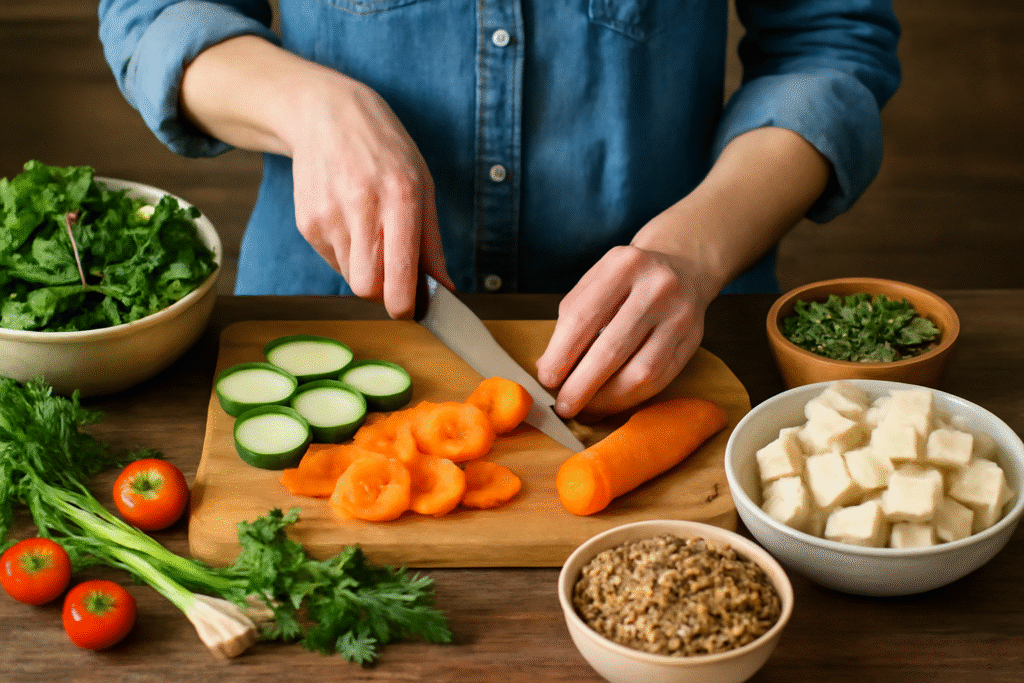
A well-rounded vegan diet isn’t just about cutting out animal products—it’s about adding in the right plant-based alternatives. For example, tofu and lentils provide protein, leafy greens offer calcium, and nuts give you healthy fats.
Key Nutrients to Focus On
While a vegan diet can be nutrient-rich, there are a few nutrients that require extra attention to ensure you’re getting enough:
- Protein: Many people worry that vegans can’t get enough protein. In reality, there are plenty of plant-based sources, including beans, lentils, tofu, tempeh, quinoa, and chickpeas.
- Iron: While plant-based iron isn’t as easily absorbed as the iron from animal sources, foods like lentils, spinach, and fortified cereals can provide ample iron. Pairing these with vitamin C-rich foods (like oranges or bell peppers) helps increase absorption.
- Vitamin B12: This vitamin is not naturally found in plant foods, so vegans must get it from fortified foods or supplements. It’s essential for nerve function and blood formation.
- Calcium: Calcium is key for bone health, and while dairy is often the go-to source, many plant-based foods like fortified plant milks, leafy greens, and almonds can provide the calcium you need.
- Omega-3 Fatty Acids: Found in chia seeds, flaxseeds, and walnuts, omega-3s are crucial for heart health and brain function.
- Vitamin D: Vitamin D helps the body absorb calcium. It’s best obtained through sunlight or fortified foods, especially in areas with limited sun exposure.
Practical Tips for a Balanced Vegan Diet
- Plan Your Meals: To make sure you’re hitting all your nutritional needs, planning your meals ahead of time is key. This ensures you have a variety of foods throughout the week.

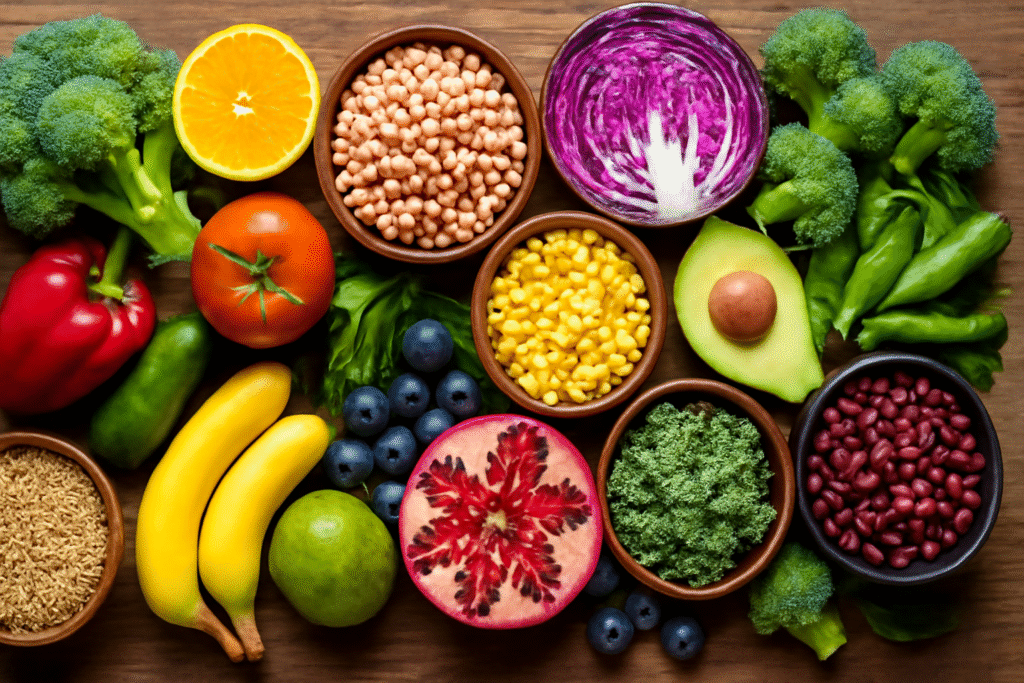
- Eat a Rainbow: Include a wide variety of colorful fruits and vegetables in your diet. Each color represents different nutrients, so the more variety, the better!
- Include Whole Grains: Whole grains like brown rice, quinoa, and oats are rich in fiber and provide slow-burning energy.
- Snack Wisely: Choose healthy snacks like nuts, seeds, and fruit to boost energy levels and keep you satisfied throughout the day.
By focusing on these basics and being mindful of your food choices, you’ll be on your way to achieving a balanced and nutritious vegan diet. 
Top 5 Vegan Nutrition Myths Debunked
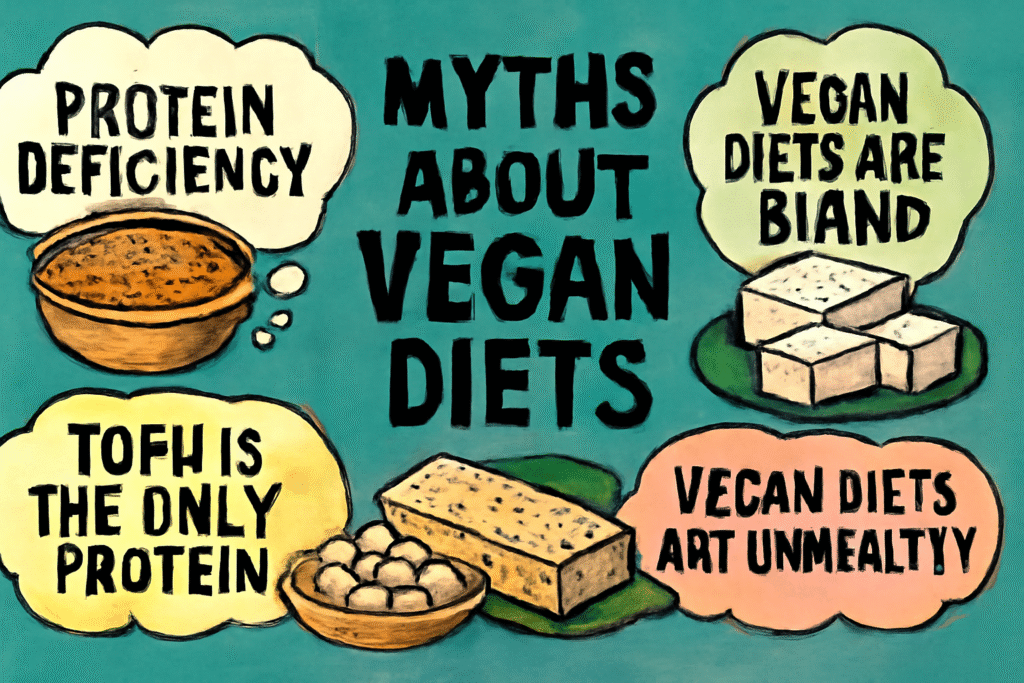
There are plenty of vegan nutrition myths out there that can make it seem like plant-based eating is difficult or unhealthy. But the truth is, many of these myths are based on misinformation. Let’s debunk the top five and set the record straight! 
Myth #1: Vegan Diets Are Protein-Deficient
The Myth: Many people believe that vegans struggle to get enough protein, thinking that plant-based foods can’t provide sufficient amounts.
The Truth: Protein is abundant in plant-based foods!
There are plenty of vegan-friendly sources of protein like lentils, chickpeas, tofu, tempeh, quinoa, and edamame. In fact, many athletes thrive on plant-based diets, getting all the protein they need from whole foods.
Practical Tip: Aim for at least 20-30 grams of protein in each meal. Adding beans, tofu, and quinoa to your meals will help you hit your protein goals without ever needing meat.
Myth #2: Vegan Diets Lack Calcium and Are Bad for Bone Health
The Myth: This myth suggests that avoiding dairy means you’ll miss out on calcium and end up with weak bones.
The Truth: Vegan diets can provide all the calcium your body needs! 
Plant-based sources of calcium include fortified plant milks, leafy greens like kale and broccoli, almonds, tofu, and figs. Studies show that vegans can maintain strong bones as long as they get enough calcium and vitamin D.
Practical Tip: Opt for calcium-fortified plant milk and eat a variety of calcium-rich foods. If needed, check with your healthcare provider about calcium supplements.
Myth #3: Vegan Diets Lead to Vitamin B12 Deficiency
The Myth: Since vitamin B12 is primarily found in animal products, it’s believed that vegans can’t get enough of it.
The Truth: Vegans can easily get vitamin B12 from fortified foods or supplements. 
While it’s true that B12 is not naturally found in plant foods, many plant milks, breakfast cereals, and nutritional yeast are fortified with this essential vitamin. You can also take B12 supplements to ensure you meet your daily needs.
Practical Tip: Make sure to include fortified foods or a B12 supplement in your routine to keep your energy up and support nerve function.
Myth #4: Vegan Diets Are Too Expensive
The Myth: A common misconception is that vegan diets require expensive specialty items that are out of reach for most people.
The Truth: Vegan diets can actually be very affordable, especially when you focus on whole, unprocessed foods. 
Staples like beans, lentils, rice, oats, and vegetables are budget-friendly and versatile. You don’t need to buy fancy plant-based meats or cheeses to follow a healthy vegan diet.
Practical Tip: Shop for seasonal produce and buy in bulk. Meal prepping and cooking at home are excellent ways to save money while eating a variety of nutritious meals.
Myth #5: Vegan Diets Don’t Provide Enough Iron
The Myth: Many people think that plant-based iron is insufficient for meeting the body’s needs.
The Truth: Vegans can easily meet their iron needs with the right foods. 
Plant-based iron (non-heme iron) is found in foods like lentils, tofu, spinach, quinoa, and fortified cereals. While non-heme iron isn’t as easily absorbed as the iron in animal products, pairing iron-rich foods with vitamin C (e.g., citrus, bell peppers) can significantly enhance absorption.
Practical Tip: Add vitamin C-rich foods like oranges or bell peppers to your iron-rich meals to boost absorption.
How to Build a Balanced Vegan Diet
Building a balanced vegan diet is easier than you might think, and with a little planning, you can ensure you’re getting all the nutrients your body needs to thrive. In this section, we’ll cover the key components of a balanced vegan diet and provide practical tips to make it simple, enjoyable, and healthy.
Key Components of a Healthy Vegan Diet
A well-rounded vegan diet should consist of the following key food groups to ensure you get a variety of essential nutrients:
- Fruits and Vegetables

These are packed with vitamins, minerals, fiber, and antioxidants. Aim for a colorful plate! The more variety, the better. Dark leafy greens like spinach, kale, and Swiss chard are especially rich in nutrients like calcium, iron, and magnesium. - Whole Grains

Grains like quinoa, brown rice, oats, and barley are excellent sources of fiber, vitamins, and minerals. Whole grains help provide sustained energy and keep you full longer. - Legumes and Beans

Lentils, chickpeas, black beans, and kidney beans are fantastic sources of plant-based protein, fiber, and iron. They’re also versatile, so you can use them in a variety of dishes, from soups to salads to curries. - Healthy Fats

Healthy fats, like those found in avocados, nuts, seeds, and olive oil, support brain function and hormone balance. Omega-3 fatty acids, which are important for heart health, can be found in flaxseeds, chia seeds, and walnuts. - Plant-Based Proteins

Tofu, tempeh, edamame, and seitan are great vegan protein options. These foods are essential for building and repairing tissues, maintaining muscle mass, and supporting overall body function. - Fortified Foods and Supplements
Since certain nutrients like Vitamin B12 and Vitamin D aren’t naturally found in plant-based foods, it’s important to incorporate fortified foods (e.g., plant milks, cereals) or supplements into your diet.
Practical Tips for a Balanced Vegan Diet
- Plan Your Meals

Meal planning is a simple yet effective way to make sure you’re eating a variety of nutrient-rich foods. Try planning your meals for the week and incorporate a mix of fruits, vegetables, grains, legumes, and protein-rich foods into each meal. - Eat the Rainbow

Try to include a variety of colorful fruits and vegetables in your meals. Different colors often represent different nutrients, so eating a variety ensures you’re getting a wide range of vitamins and minerals. For example, orange foods like carrots and sweet potatoes are rich in beta-carotene, while green foods like kale are high in calcium and iron. - Make Your Plate Balanced
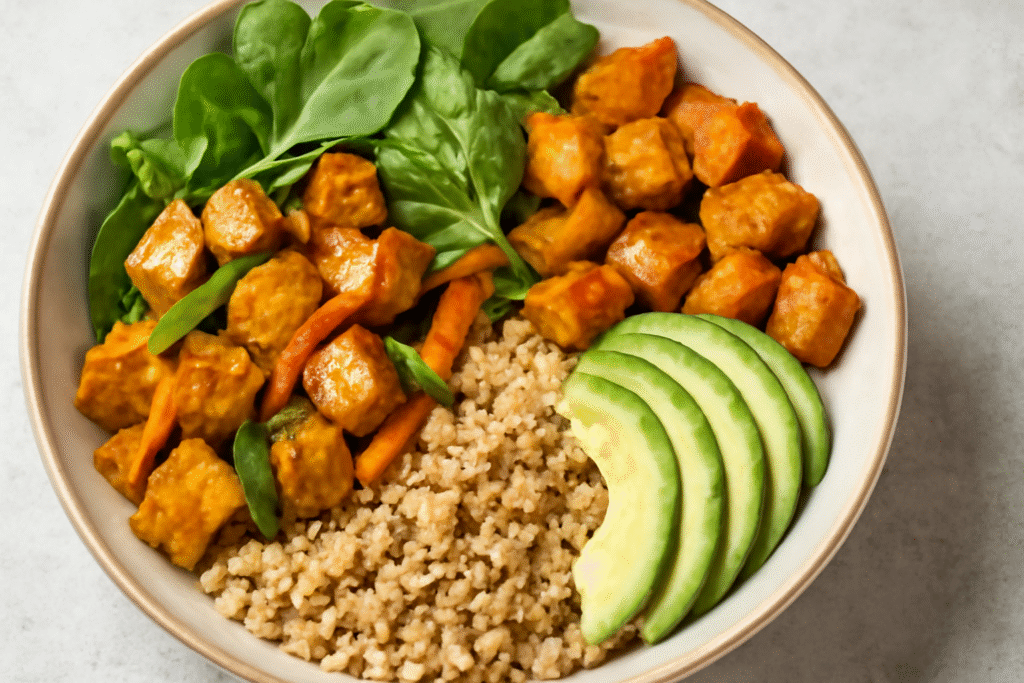
A balanced meal should contain a combination of protein, carbohydrates, and fats. For instance, a plate of quinoa (whole grain), black beans (protein), and avocado (healthy fat) makes for a well-rounded meal. You can also add a side of leafy greens to boost your micronutrient intake. - Snack Wisely

Healthy snacks like nuts, seeds, and fruit are great for keeping your energy up between meals. They’re nutrient-dense and will help prevent cravings for less nutritious options. - Hydrate

Don’t forget the importance of hydration! Water is essential for overall health, digestion, and nutrient absorption. Herbal teas and coconut water are also great alternatives for variety.
Example of a Balanced Vegan Plate
- Protein: Tofu stir-fry with veggies and brown rice
- Carbs: Roasted sweet potatoes or quinoa
- Fats: Avocado or a handful of almonds
- Veggies: A large serving of leafy greens like kale or spinach
- Extras: A small bowl of fruit or a chia seed pudding for dessert
By focusing on these key components and planning meals that incorporate a variety of plant-based foods, you’ll be able to create a balanced, nutrient-dense vegan diet that supports your health goals.
Vegan Diet Myths and Your Health
Many people are hesitant to switch to a vegan diet because of common myths that suggest it may harm your health. However, when done correctly, a vegan diet can actually have numerous health benefits, from reducing the risk of chronic diseases to boosting overall well-being. Let’s take a closer look at how these myths affect your health and why they’re not the full picture. 
Myth #1: Vegan Diets Cause Nutrient Deficiencies
The Myth: It’s often said that vegan diets lack essential nutrients like protein, calcium, and vitamin B12, leading to deficiencies and health problems.
The Truth: With proper planning, a vegan diet can be rich in all the necessary nutrients your body needs.
While certain nutrients require more attention (like B12, calcium, and omega-3s), they are readily available through plant-based foods and supplements. In fact, a vegan diet is naturally high in fiber, antioxidants, and healthy fats—all of which support long-term health.
Impact on Health: When done right, a vegan diet can help prevent chronic diseases like heart disease, type 2 diabetes, and certain cancers, while also supporting better digestion and healthier skin.
Myth #2: Vegan Diets Are Bad for Bone Health
The Myth: Many people believe that avoiding dairy on a vegan diet leads to weak bones due to a lack of calcium.
The Truth: Vegan diets can provide all the calcium needed for strong bones.
Plant-based sources like leafy greens, fortified plant milk, tofu, and almonds can offer the calcium necessary for bone health. Plus, vegans can avoid the negative effects of dairy, such as bloating and lactose intolerance.
Impact on Health: A vegan diet, when rich in calcium and vitamin D, supports bone density and reduces the risk of osteoporosis. Avoiding excess dairy can also reduce inflammation in the body, which benefits overall joint health.
Myth #3: Vegan Diets Lead to Low Energy
The Myth: It’s commonly assumed that vegans suffer from low energy levels because they aren’t getting enough calories or nutrients.
The Truth: Vegans can have abundant energy when eating a well-balanced diet.
Plant-based foods are high in complex carbohydrates and healthy fats, providing sustained energy throughout the day. Whole grains, legumes, fruits, and vegetables offer slow-releasing energy that keeps you feeling full and energized.
Impact on Health: A vegan diet, rich in whole foods, stabilizes blood sugar levels, improves digestion, and prevents energy crashes. Many vegans report feeling more vibrant and energized once they’ve adjusted to the lifestyle.
Myth #4: Vegan Diets Are Not Suitable for Athletes
The Myth: Some believe that vegans can’t build muscle or perform well in sports because plant-based protein is inferior to animal-based protein.
The Truth: Vegan athletes can build muscle and excel in physical performance just as well as those who eat animal products.
There are plenty of plant-based protein sources like tofu, tempeh, lentils, quinoa, and seitan, which provide all the amino acids needed for muscle recovery and growth. Many professional athletes thrive on a vegan diet, proving it’s possible to stay strong, lean, and perform at a high level.
Impact on Health: Vegan athletes often report faster recovery times, reduced inflammation, and improved endurance, thanks to a diet rich in antioxidants, fiber, and anti-inflammatory plant compounds.
Myth #5: Vegan Diets Are Prone to Excessive Carbs
The Myth: Some claim that vegan diets are overly reliant on carbs, which can lead to weight gain and blood sugar spikes.
The Truth: Not all carbs are created equal.
Vegans tend to eat whole, unprocessed carbs from fruits, vegetables, and whole grains—foods that are packed with fiber and nutrients. Unlike refined carbs (like white bread or sugary snacks), these complex carbs help stabilize blood sugar and provide lasting energy.
Impact on Health: A diet focused on whole foods and complex carbohydrates supports a healthy weight, stable blood sugar levels, and improved digestion. The fiber in plant-based foods also promotes a healthy gut and lowers the risk of chronic diseases like heart disease.

In conclusion, debunking vegan nutrition myths is essential for anyone considering or already following a plant-based diet. The misconceptions surrounding veganism often create unnecessary fear or hesitation, but the reality is that a well-planned vegan diet can provide all the nutrients you need for a healthy, vibrant life.
By focusing on nutrient-rich foods and paying attention to essential vitamins and minerals, such as B12, calcium, and protein, you can enjoy a balanced and fulfilling diet. Veganism offers numerous health benefits, from reducing the risk of chronic diseases to boosting energy and enhancing overall well-being.
So, whether you’re just starting your vegan journey or looking to fine-tune your diet, remember that knowledge is power. With the right approach and planning, vegan nutrition can be simple, nutritious, and incredibly rewarding. 
Start today with confidence and embrace the many health benefits a plant-based lifestyle has to offer!