
Are you struggling to ensure you’re getting all the right nutrients on your vegan diet? 🌱 Whether you’re new to plant-based eating or have been vegan for years, achieving complete vegan nutrition can seem overwhelming. With so many different opinions, conflicting information, and food options out there, it’s easy to feel lost or unsure of how to build a balanced, healthy vegan diet.
But here’s the good news: It’s entirely possible to thrive on a vegan diet and get all the essential nutrients your body needs! In this ultimate guide, we’ll break down exactly what you need to know about complete vegan nutrition—from protein to vitamins to minerals—so you can build a diet that not only supports your health but enhances your energy, immunity, and overall well-being. 🎯
Ready to feel confident in your vegan nutrition? Keep reading, and let’s make plant-based eating easier and more delicious than ever!
Understanding the Basics of Vegan Nutrition
If you’re new to veganism or considering transitioning to a plant-based diet, understanding the basics of complete vegan nutrition is the first step toward making it a sustainable and healthy lifestyle choice. Let’s break it down! 🌱
What is Vegan Nutrition?
Vegan nutrition focuses on foods that come entirely from plants. This includes fruits, vegetables, grains, legumes, nuts, seeds, and plant-based alternatives like tofu and tempeh. Unlike other diets, a vegan diet excludes all animal products, including meat, dairy, eggs, and honey.
A well-balanced vegan diet is rich in nutrients and fiber, offering plenty of health benefits when properly planned. However, to thrive on a vegan diet, it’s essential to know how to replace the nutrients typically found in animal products. That’s where complete vegan nutrition comes into play!
Why Does Vegan Nutrition Matter?
- Health Benefits: A plant-based diet has been linked to a lower risk of heart disease, type 2 diabetes, and certain cancers. It also supports weight management and can boost overall energy levels. 🌟
- Environmental Impact: Choosing a vegan diet helps reduce your carbon footprint. Plant-based eating is one of the most powerful tools to fight climate change by reducing greenhouse gas emissions and conserving water and land resources. 🌍
- Ethical Choices: Veganism is also about compassion for animals. By eliminating animal products from your diet, you’re supporting a cruelty-free way of living.
Vegan vs. Plant-Based Eating
It’s important to understand the difference between a vegan and a plant-based diet:
- Vegan: Not only avoids animal foods but also excludes animal-derived products like leather, wool, and cosmetics tested on animals.
- Plant-Based: Focuses solely on eating plant foods, but doesn’t necessarily mean avoiding non-food animal products.
While both diets are similar, veganism is a broader lifestyle choice, while plant-based eating specifically focuses on diet.
Common Vegan Myths—Debunked!
You may have heard some myths about veganism that can cause confusion. Let’s set the record straight:
- Myth 1: “Vegans can’t get enough protein.”
✅ Fact: There are plenty of plant-based protein sources like lentils, beans, quinoa, tofu, and tempeh. You can easily get enough protein without animal products. 💪 - Myth 2: “A vegan diet is nutritionally incomplete.”
✅ Fact: A balanced vegan diet provides all the essential nutrients if you know where to look. With a bit of planning, you’ll get everything your body needs. 😊 - Myth 3: “Being vegan is expensive and complicated.”
✅ Fact: Vegan eating doesn’t have to break the bank. In fact, many staple foods like rice, beans, and oats are affordable, and meal prepping makes it even easier.
The Importance of a Balanced Vegan Diet
To thrive on a vegan diet, you need to make sure you’re getting all the key nutrients. That means being mindful of things like protein, vitamin B12, iron, calcium, and omega-3 fatty acids, which are often associated with animal products. But don’t worry—there are plant-based sources for each of these nutrients. 🥦
In the next sections, we’ll dive into these key nutrients and show you how to get them from plant-based foods. But for now, just know that with a little knowledge and planning, a healthy, well-balanced vegan diet is 100% achievable! 🌱
Essential Nutrients for Vegan Diets
When transitioning to a vegan diet, one of the most common concerns is making sure you’re getting all the nutrients your body needs to stay healthy and energized. While plant-based foods can provide a wide array of vitamins and minerals, there are a few nutrients you need to pay special attention to for complete vegan nutrition. Let’s take a closer look at these essential nutrients and how to incorporate them into your vegan diet. 🌱

1. Protein: The Building Block of Health 💪
Protein is essential for muscle repair, immune function, and overall body growth. Contrary to popular belief, vegans can easily get enough protein from plant-based sources.
Top Vegan Protein Sources:
- Lentils, beans, chickpeas
- Tofu, tempeh, edamame
- Quinoa, hemp seeds, chia seeds
- Nuts and seeds (e.g., almonds, pumpkin seeds)
To make sure you’re meeting your protein needs, try to include a variety of these protein-packed foods in every meal. Aim for at least 20-30 grams of protein per meal to stay energized and satisfied.
2. Vitamin B12: A Critical Nutrient 🧠
Vitamin B12 is one of the most important nutrients for vegans to monitor. It plays a vital role in nerve function and the production of red blood cells. Unfortunately, it’s not found in plant foods, so you’ll need to rely on fortified foods or supplements.
How to Get B12:
- Fortified plant milks, nutritional yeast, and breakfast cereals
- B12 supplements (especially for long-term vegan diets)
Don’t skip this nutrient—it’s crucial for your energy and brain health. A deficiency in B12 can lead to fatigue and neurological issues.
3. Iron: Keep Your Energy Levels High 🔋
Iron is important for oxygen transport in the blood, helping you maintain energy levels. While plant-based sources of iron are abundant, they’re not as easily absorbed by the body as the iron in animal products. Pairing iron-rich foods with vitamin C can help boost absorption.
Top Vegan Sources of Iron:
- Lentils, beans, and chickpeas
- Tofu, quinoa, and fortified cereals
- Spinach, kale, and other leafy greens
- Pumpkin seeds, sesame seeds, and dried fruits (like apricots)
Tip: Combine iron-rich foods with vitamin C-rich foods (like oranges, bell peppers, or broccoli) to increase absorption.
4. Calcium: Strong Bones and Teeth 🦴
Calcium is crucial for bone health, and while it’s commonly associated with dairy, there are plenty of plant-based sources that provide the calcium your body needs.
Best Vegan Sources of Calcium:
- Fortified plant milks (almond, soy, oat milk)
- Tofu (especially if it’s set with calcium)
- Leafy greens (collard greens, bok choy, broccoli)
- Almonds, tahini, and sesame seeds
To maximize calcium absorption, make sure to include these foods regularly in your meals.
5. Omega-3 Fatty Acids: Heart and Brain Health 🧠❤️
Omega-3s are essential fats that play a role in brain function, reducing inflammation, and maintaining heart health. While omega-3s are typically found in fish, there are several vegan-friendly plant-based sources.
Plant-Based Omega-3 Sources:
- Flaxseeds, chia seeds, and hemp seeds
- Walnuts, edamame, and algae-based supplements
Including omega-3-rich foods in your diet will help you maintain healthy brain function and reduce the risk of heart disease.
6. Vitamin D: Boost Your Immunity ☀️
Vitamin D is vital for bone health, immune function, and mood regulation. While the sun is the best source of vitamin D, vegans may struggle to get enough, especially in winter months. It’s often found in fortified foods or supplements.
Vegan Sources of Vitamin D:
- Fortified plant milks and juices
- Mushrooms exposed to sunlight (such as maitake or shiitake)
- Vitamin D supplements (D2 is vegan-friendly, but D3 is often animal-derived—look for vegan D3 options)
A lack of vitamin D can lead to weak bones and a weakened immune system, so consider supplementation if necessary.
7. Zinc: Support Your Immune System 🛡️
Zinc is important for immune function, wound healing, and maintaining a healthy metabolism. While zinc is abundant in animal products, there are plenty of plant-based sources that can meet your needs.
Top Vegan Sources of Zinc:
- Pumpkin seeds, cashews, and chickpeas
- Lentils, quinoa, and oats
- Whole grains, nuts, and seeds
Including zinc-rich foods will help support your body’s ability to fight infections and maintain good overall health.
8. Iodine: Keep Your Thyroid Healthy 🧘♀️
Iodine is essential for thyroid function, which regulates metabolism and energy levels. While iodine is often found in seafood, vegans can get it from sea vegetables like seaweed.
Vegan Sources of Iodine:
- Seaweed (such as nori, kombu, and wakame)
- Iodized salt (use in moderation)
Iodine deficiency can lead to thyroid problems, so adding a small amount of seaweed or iodized salt to your diet can help meet your iodine needs.
9. Magnesium: Relax and Recharge 🌙
Magnesium plays a key role in muscle function, energy production, and relaxation. It’s also vital for maintaining a healthy heart and nervous system.
Top Vegan Sources of Magnesium:
- Dark leafy greens (spinach, Swiss chard)
- Nuts and seeds (especially almonds and pumpkin seeds)
- Avocados, bananas, and legumes
Magnesium can also help improve sleep quality and reduce stress, making it an essential nutrient for overall wellness.
Building a Balanced Vegan Meal Plan
Building a balanced vegan meal plan is essential to achieving complete vegan nutrition. By including a variety of nutrient-dense foods, you’ll ensure that you’re meeting all your body’s needs, from protein to vitamins to healthy fats. Here’s how to create a simple, practical, and delicious vegan meal plan that works for you. 🌱
1. Focus on Whole, Unprocessed Foods
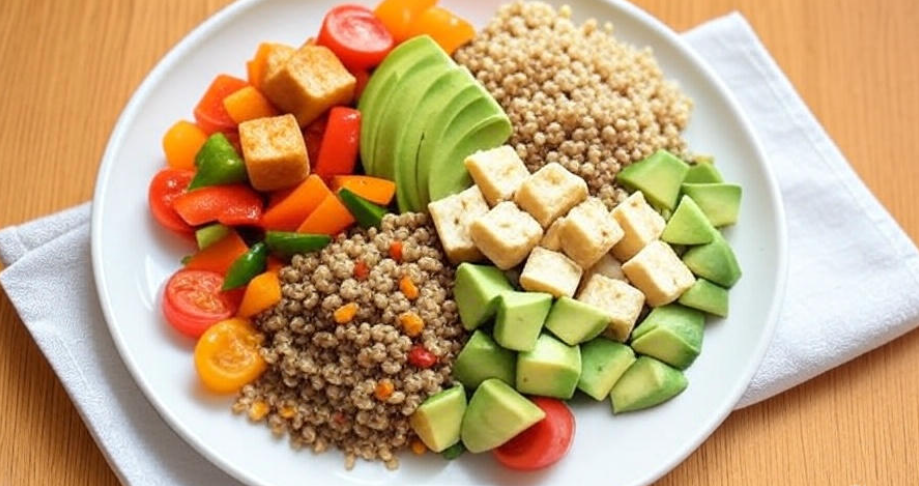
The foundation of a healthy vegan diet is whole, unprocessed foods. This means focusing on fruits, vegetables, whole grains, legumes, nuts, seeds, and healthy plant oils. These foods are rich in nutrients and fiber, making them great for overall health and digestion. 🥑
- Fruits and Vegetables: Aim to fill half your plate with colorful vegetables and fruits at every meal. These provide essential vitamins, minerals, and antioxidants.
- Whole Grains: Include quinoa, brown rice, oats, and barley, which are packed with fiber and help keep you full longer.
- Legumes: Beans, lentils, and peas are great sources of plant-based protein and fiber, supporting muscle repair and digestive health.
2. Include Protein in Every Meal 💪
Protein is crucial on a vegan diet, and it’s easy to include in every meal with a little planning. Make sure to add a variety of plant-based proteins to your meals, such as:
- Tofu and Tempeh: These soy-based products are excellent protein sources and can be used in stir-fries, salads, or sandwiches.
- Legumes: Lentils, beans, and chickpeas can be added to soups, stews, and salads.
- Nuts and Seeds: Almonds, chia seeds, and hemp seeds are great for snacking or sprinkling over meals.
- Whole Grains: Quinoa and farro are complete proteins and perfect for grain bowls or salads.
3. Plan Balanced Meals: The 3-Pillar Approach 🍽️
To ensure your meals are balanced, think of each meal as having three pillars:
- Protein: This can come from tofu, lentils, beans, or whole grains like quinoa.
- Healthy Fats: Include sources of healthy fats, such as avocado, olive oil, or nuts and seeds, to support brain health and keep you feeling satisfied.
- Fiber-Rich Carbs: Add fiber-rich vegetables, legumes, and whole grains to your meals for sustained energy and digestive health.
Example of a Balanced Meal:
- Lunch: Quinoa salad with roasted chickpeas, avocado, spinach, and olive oil dressing.
- Snack: A handful of mixed nuts and a piece of fruit (like an apple or banana).
- Dinner: Stir-fried tofu with broccoli, bell peppers, and brown rice drizzled with tahini.
4. Incorporate Key Nutrients into Each Meal 🌟
As you build your meal plan, be sure to include the essential nutrients we discussed earlier. Here’s how you can incorporate them into your meals:
- Vitamin B12: Choose fortified foods like plant milks or nutritional yeast (sprinkle it on popcorn, pasta, or soups).
- Iron: Add iron-rich foods like spinach, lentils, and tofu. Pair with vitamin C-rich foods like oranges or bell peppers for better absorption.
- Omega-3s: Use ground flaxseeds or chia seeds in smoothies, oatmeal, or salads.
- Calcium: Drink fortified plant milk or snack on calcium-rich foods like almonds or broccoli.
- Vitamin D: Opt for fortified plant milks or take a vegan D3 supplement, especially in winter months.
5. Meal Prep for Convenience and Consistency 🥘
Meal prepping can save you time and ensure you stay on track with your balanced vegan diet. Here are a few tips to make meal prep easier:
- Batch Cook: Cook large batches of grains (like quinoa or rice) and legumes (like beans or lentils) to use throughout the week.
- Prep Snacks: Portion out nuts, seeds, and fruit for quick and healthy snacks.
- Cook in Bulk: Prepare a large salad or grain bowl and store it in the fridge for easy access throughout the week.
- Freezer-Friendly Meals: Make double batches of soups, stews, or veggie burgers, then freeze individual portions for later.
6. Be Mindful of Portion Sizes ⚖️
Even though vegan food is nutrient-dense, portion sizes still matter. Be mindful of the balance between different food groups and make sure you’re eating enough to feel satisfied, especially when incorporating high-calorie foods like nuts and avocados.
- Fruits and Veggies: These should take up most of your plate (aim for half).
- Proteins and Carbs: Each of these should take up about a quarter of your plate, ensuring you get a well-rounded meal.
- Healthy Fats: Include a small serving (about 1-2 tablespoons) of healthy fats in each meal to support metabolism and overall health.
Sample Vegan Meal Plan for One Day 🌞
Here’s an example of a balanced vegan meal plan to get you started:
Breakfast:
- Oatmeal made with fortified almond milk, chia seeds, sliced banana, and a sprinkle of cinnamon.
Lunch:
- Chickpea salad sandwich on whole grain bread with lettuce, tomato, and avocado.
Snack:
- Hummus with carrot and cucumber sticks or a handful of mixed nuts.
Dinner:
- Vegan Buddha bowl with roasted sweet potatoes, quinoa, steamed broccoli, avocado, and a tahini dressing.
Dessert:
- A small serving of chia pudding made with coconut milk and topped with berries.
Overcoming Common Challenges in Vegan Nutrition
Starting and maintaining a vegan diet can feel overwhelming, especially when it comes to making sure you’re getting all the nutrients your body needs. Whether you’re a beginner or a seasoned vegan, there are common challenges that can arise. The good news? They’re all solvable! Let’s dive into the most common issues and how to overcome them for complete vegan nutrition. 🌱

1. Ensuring You Get Enough Protein 💪
One of the biggest misconceptions about veganism is that it’s hard to get enough protein. But with a little planning, it’s easy to meet your protein needs.
Solution: Focus on high-protein plant foods such as:
- Legumes: Lentils, chickpeas, and beans
- Soy Products: Tofu, tempeh, and edamame
- Nuts and Seeds: Almonds, sunflower seeds, chia seeds, and hemp seeds
- Whole Grains: Quinoa, farro, and barley
Aiming for a source of protein at each meal will help you meet your daily needs. For example, a tofu stir-fry with quinoa and broccoli makes for a protein-packed meal that’s also loaded with nutrients.
2. Addressing Nutrient Deficiencies 🥦
As a vegan, it’s important to ensure you’re getting enough of key nutrients, especially ones that are commonly found in animal products, like vitamin B12, iron, and calcium. It can feel tricky, but don’t worry, these nutrients can be easily incorporated into your diet with the right foods and supplements.
Solution:
- Vitamin B12: Since it’s not found naturally in plant foods, choose fortified foods (like plant milk or nutritional yeast) or take a B12 supplement.
- Iron: Pair iron-rich foods (like lentils and spinach) with vitamin C (found in citrus fruits, bell peppers, and broccoli) to improve absorption.
- Calcium: Look for fortified plant milks or enjoy calcium-rich foods like broccoli, almonds, and tofu.
If you’re ever unsure, regular blood tests can help track your nutrient levels and confirm if supplementation is needed.
3. Navigating Social Situations and Eating Out 🍽️
It can be challenging to stick to your vegan diet when dining out or at social events, especially when vegan options seem limited. But with a little prep and a positive mindset, you can make it work.
Solution:
- Plan Ahead: Check restaurant menus online before you go to ensure there are vegan options, or call ahead and ask if they can accommodate your dietary needs.
- Bring Your Own: For events like potlucks or parties, bring your own vegan-friendly dish so you have something delicious to eat. You might even inspire others to try vegan food!
- Be Confident: When eating out with friends or family, don’t hesitate to ask for modifications to make a dish vegan-friendly (e.g., replacing cheese with avocado or plant-based protein).
Remember, many restaurants now offer plant-based menu items, and social situations don’t have to be stressful if you’re prepared. 😎
4. Managing Cravings for Non-Vegan Foods 🍔
Cravings for cheese, meat, or other non-vegan foods are normal when transitioning to a vegan lifestyle. Luckily, there are great plant-based alternatives to satisfy those cravings.
Solution:
- Vegan Cheese: Try cashew-based cheeses or store-bought vegan cheese to satisfy your cheesy cravings. You can use these in sandwiches, pizzas, or pasta dishes.
- Plant-Based Meats: There are plenty of delicious plant-based meat alternatives, such as Beyond Meat or Impossible Foods, that mimic the taste and texture of meat. These can be a great way to ease into vegan eating without feeling deprived.
- Sweet Cravings: If you miss desserts, vegan options like coconut milk ice cream or homemade vegan cookies can hit the spot!
The key is finding plant-based alternatives that you enjoy, so you don’t feel like you’re missing out.
5. Overcoming the “Vegan is Expensive” Myth 💸
A common myth is that veganism is too expensive. While specialty vegan products can be pricey, a whole-food, plant-based diet can actually be quite affordable.
Solution:
- Buy in Bulk: Staples like beans, lentils, rice, oats, and pasta are inexpensive when bought in bulk. They also have a long shelf life, so you’ll get a lot of value.
- Frozen Vegetables: Frozen produce is often cheaper and lasts longer than fresh veggies, making it a budget-friendly option.
- Seasonal Produce: Stick to fruits and veggies that are in season—they tend to be cheaper and more flavorful.
With a little planning, a vegan diet can fit comfortably into your budget without compromising on nutrition or taste.
6. Maintaining Variety and Excitement in Your Meals 🍳
Eating the same meals repeatedly can lead to boredom, and no one wants that! Ensuring your vegan meals are varied and exciting is key to sticking with your plan long-term.
Solution:
- Try New Recipes: Explore vegan blogs or cookbooks to find exciting new dishes. You can try different cuisines like Indian, Middle Eastern, or Mediterranean, which often have delicious vegan-friendly options.
- Meal Prep with Variety: Mix things up by prepping different meals each week—switch between grain bowls, wraps, stews, and salads to keep your meals interesting.
- Experiment with Spices: Spices and herbs are your best friends in the kitchen! They can completely transform a simple meal into something delicious and exciting.
When you add variety to your meals, you’ll stay motivated and enjoy your food more. Plus, it’s a great way to discover new ingredients and flavors! 🌶️
Practical Tips for Staying Healthy on a Vegan Diet
Maintaining a healthy vegan diet requires more than just eating plant-based foods—it’s about making sure you’re nourishing your body with a balanced mix of nutrients, staying consistent, and being mindful of your choices. Let’s explore some practical tips to help you stay healthy, energized, and thriving on a vegan diet. 🌱
1. Stay Hydrated 💧
Water is essential for overall health, and it’s easy to overlook hydration when focusing on what to eat. Since a plant-based diet is rich in fiber, staying hydrated helps your body digest food properly and keeps you feeling energized.
Tip:
- Aim to drink at least 8 cups of water a day. Carry a water bottle with you to remind yourself to drink regularly.
- Herbal teas or infused water (with mint, cucumber, or citrus) can also be refreshing ways to hydrate.
2. Be Mindful of Your Fiber Intake 🌾
Vegan diets are typically high in fiber due to the abundance of fruits, vegetables, grains, and legumes. While fiber is great for digestion and heart health, it’s important to balance your intake, especially if you’re new to a plant-based lifestyle.
Tip:
- Gradually increase your fiber intake to avoid digestive discomfort.
- Pair high-fiber foods with plenty of water to ensure proper digestion.
- Include a variety of fiber-rich foods like beans, oats, leafy greens, and fruits to promote gut health.
3. Get Your Daily Dose of Vitamin D ☀️
Vitamin D is important for bone health, immune function, and mood regulation. Since it’s difficult to get enough vitamin D from food alone (especially on a vegan diet), it’s crucial to spend some time in the sun or consider a supplement.
Tip:
- Aim for 10-30 minutes of sun exposure a few times a week, depending on your skin type and location.
- If you live in a place with limited sunlight, consider taking a vegan D3 supplement (check labels to ensure it’s plant-based).
4. Regularly Check Your Nutrient Levels 🩺
While it’s easy to get all your nutrients from a well-planned vegan diet, it’s still a good idea to check in with your health. Blood tests can help monitor your levels of B12, iron, calcium, and vitamin D, ensuring you’re meeting your nutritional needs.
Tip:
- Schedule regular check-ups with your doctor and request blood tests to track essential nutrients.
- If your doctor recommends supplements, be sure to choose high-quality vegan-friendly options.
5. Keep Your Meals Balanced 🍽️
A healthy vegan diet should be well-rounded, with a mix of protein, fats, fiber, and carbs. Following the three-pillar approach we discussed in earlier sections—protein, healthy fats, and fiber-rich carbs—will help you create balanced meals every time.
Tip:
- Include at least one source of plant-based protein, healthy fats (like avocado or olive oil), and fiber (from vegetables or whole grains) in every meal.
- Try meal planning to ensure that you’re getting all the essential nutrients throughout the week.
6. Don’t Forget About Healthy Fats 🥑
Healthy fats are essential for brain function, hormone regulation, and energy. Many vegans forget to include enough fat in their diet, but this can leave you feeling sluggish.
Tip:
- Incorporate healthy fats into your meals with sources like avocados, nuts, seeds, and plant oils (olive, flax, or coconut oil).
- You don’t need a lot—about 1-2 tablespoons of oil or a handful of nuts can be enough to meet your daily fat needs.
7. Find a Vegan Community 🌍
Whether it’s online or in person, finding a community of like-minded individuals can provide support, motivation, and inspiration. Sharing recipes, meal ideas, and experiences can make the transition to veganism much smoother.
Tip:
- Join vegan forums or social media groups to connect with others.
- Attend local vegan meetups, cooking classes, or events to learn from others and build friendships.
8. Make Time for Physical Activity 🏃♀️
Exercise plays a vital role in maintaining overall health. It boosts mood, supports weight management, and strengthens your cardiovascular system. While a vegan diet can support an active lifestyle, regular physical activity is essential for long-term well-being.
Tip:
- Incorporate a mix of cardio (walking, running, cycling) and strength training (bodyweight exercises, weights) into your routine.
- Stay consistent with at least 30 minutes of exercise most days of the week.
9. Listen to Your Body 💭
Your body is the best guide to understanding what it needs. Whether it’s feeling sluggish, needing more protein, or craving certain foods, paying attention to your body’s signals is key to staying healthy on a vegan diet.
Tip:
- If you’re feeling low on energy, check if you’re getting enough calories, protein, and healthy fats.
- If you’re experiencing digestive issues, try adjusting your fiber intake and drinking more water.
10. Keep It Simple and Enjoy the Process 🌟
Don’t overcomplicate your meals or your journey toward veganism. Focus on whole, plant-based foods, and allow yourself to enjoy the process. Vegan eating can be fun, delicious, and rewarding.
Tip:
- Start with simple, easy-to-make meals, like grain bowls, smoothies, or stir-fries.
- Don’t be afraid to experiment with new recipes and find what works best for you.
Vegan Nutrition Myths vs. Facts
When it comes to vegan nutrition, there are a lot of myths floating around that can cause confusion, especially for those who are new to plant-based eating. Let’s bust some of the most common vegan nutrition myths and replace them with the facts, so you can make informed decisions on your journey to complete vegan nutrition. 🌱
Myth 1: “Vegans Don’t Get Enough Protein” 💪
Fact: It’s a common myth that vegans struggle to get enough protein, but the truth is, plant-based diets are rich in protein. You just need to know where to find it! 🌟
Sources of plant-based protein include:
- Legumes (lentils, chickpeas, beans)
- Tofu and tempeh
- Quinoa, hemp seeds, and chia seeds
- Nuts and seeds (almonds, pumpkin seeds)
By incorporating a variety of these protein-rich foods into your meals, you can easily meet your protein needs. No need for animal products! 🥜
Myth 2: “A Vegan Diet Is Nutritionally Incomplete”
Fact: A vegan diet can provide all the essential nutrients your body needs, as long as it’s properly planned. The key is diversity—eating a wide variety of whole plant foods ensures you’re getting everything from vitamins and minerals to healthy fats and protein. 🥑
Important nutrients to focus on:
- Vitamin B12 (found in fortified foods or supplements)
- Iron (found in lentils, beans, and leafy greens)
- Omega-3s (found in flaxseeds, chia seeds, and walnuts)
- Calcium (found in fortified plant milks and leafy greens)
With a little planning, you can cover all your nutritional bases on a vegan diet. 🌈
Myth 3: “Vegan Food is Expensive” 💸
Fact: Veganism doesn’t have to break the bank! While plant-based substitutes like vegan cheese and mock meats can be pricey, there are plenty of affordable staple foods that make a vegan diet cost-effective.
Budget-friendly vegan options include:
- Whole grains like rice, oats, and quinoa
- Legumes (lentils, beans, chickpeas)
- Frozen vegetables and fruits
- Bulk nuts, seeds, and grains
Shopping smart (buying in bulk and choosing seasonal produce) can help you stick to your budget without compromising on nutrition. 🛒
Myth 4: “You Need Supplements for a Vegan Diet” 💊
Fact: While some nutrients like vitamin B12, vitamin D, and omega-3s may require supplementation (since they are not naturally abundant in plant foods), most other nutrients can be easily obtained from whole plant-based foods. With proper planning, you can minimize your need for supplements.
Supplementation might be needed for:
- Vitamin B12 (since it’s not found in plant foods naturally)
- Vitamin D (especially in areas with limited sunlight)
- Omega-3s (if you don’t consume flaxseeds or walnuts regularly)
The key is to supplement where necessary and focus on whole foods for the majority of your diet. 🌞
Myth 5: “Vegan Diets Are Low in Iron” 🛑
Fact: Iron is abundant in plant-based foods. While the type of iron in plants (non-heme iron) isn’t absorbed as efficiently as the iron in animal products, combining iron-rich foods with vitamin C (which boosts absorption) makes a huge difference.
Iron-rich vegan foods:
- Lentils, chickpeas, and beans
- Tofu, quinoa, and fortified cereals
- Spinach, kale, and other leafy greens
- Pumpkin seeds, sesame seeds, and dried fruits
By pairing iron-rich foods with vitamin C sources (like oranges, bell peppers, and broccoli), you’ll improve your body’s ability to absorb iron. 🍊
Myth 6: “Vegan Diets Are Always Low in Calories” 🥗
Fact: While many plant-based foods are lower in calories (like fruits and vegetables), a well-rounded vegan diet can easily provide enough calories to fuel your body. The key is to include nutrient-dense, calorie-rich foods like nuts, seeds, avocado, and whole grains.
High-calorie vegan foods:
- Avocados
- Nuts and nut butters
- Coconut, olive, and avocado oils
- Dried fruits (like dates, raisins, and apricots)
By adding these to your meals and snacks, you can ensure you’re getting the energy you need to thrive on a vegan diet. 🥑
Myth 7: “Vegan Diets Are Boring and Bland” 🥱
Fact: Vegan food can be incredibly flavorful and exciting! In fact, plant-based diets often encourage creativity in the kitchen, as you explore new ingredients and flavors. From savory grain bowls to hearty stews and delicious desserts, the options are endless.
Tips to spice up your meals:
- Experiment with different herbs and spices (like turmeric, cumin, paprika, and coriander)
- Try new cuisines like Indian, Middle Eastern, and Mexican, which have a rich variety of vegan-friendly dishes
- Use umami-rich ingredients like nutritional yeast, miso, and tamari to add depth of flavor
Vegan food can be as exciting, flavorful, and diverse as any other cuisine! 🌶️
Conclusion
Achieving complete vegan nutrition is not only possible but can also be incredibly rewarding. By focusing on whole, plant-based foods and ensuring you’re getting the essential nutrients your body needs, you can enjoy a balanced, healthy, and sustainable vegan diet. 🌱
Throughout this guide, we’ve debunked myths, provided practical tips, and outlined everything from nutrient-rich foods to meal planning strategies. Remember, a vegan diet doesn’t have to be complicated or restrictive. With a bit of planning, variety, and mindfulness, you can thrive on plant-based nutrition.
The journey to a healthier, more ethical, and environmentally friendly lifestyle starts with the choices you make at each meal. Whether you’re new to veganism or a seasoned pro, know that you’re not alone—and with the right tools, you can create a diet that supports your well-being and aligns with your values.
So, take what you’ve learned and start building meals that nourish your body, mind, and the planet. 🌎 The possibilities are endless, and the benefits are well worth it. Here’s to a vibrant, balanced life on a vegan diet! 🌟